

Every Suica and PASMO in Tokyo opens the same ticket gates, so the real choice in late 2026 is not the brand. It is the trade: a ¥500 deposit that comes back when you hand the card in, or no deposit and a balance you never see again. Pick the trade, then pick whatever card is closest to the exit of your arrivals hall.
The short version, by what is in your pocket.
An iPhone. Add a Suica or a PASMO to Apple Wallet before you fly, top it up from a card already in Wallet, and set it as the Express Transit card. Nothing to buy and no line at a machine. JR East’s Welcome Suica Mobile app does the same job in English, but its Suica expires 180 days after issue and refunds nothing.
An Android phone bought outside Japan. Buy a plastic card. PASMO says plainly that Android phones bought abroad are generally not compatible with its mobile version, and Mobile Suica runs on the same Japanese wallet chip.
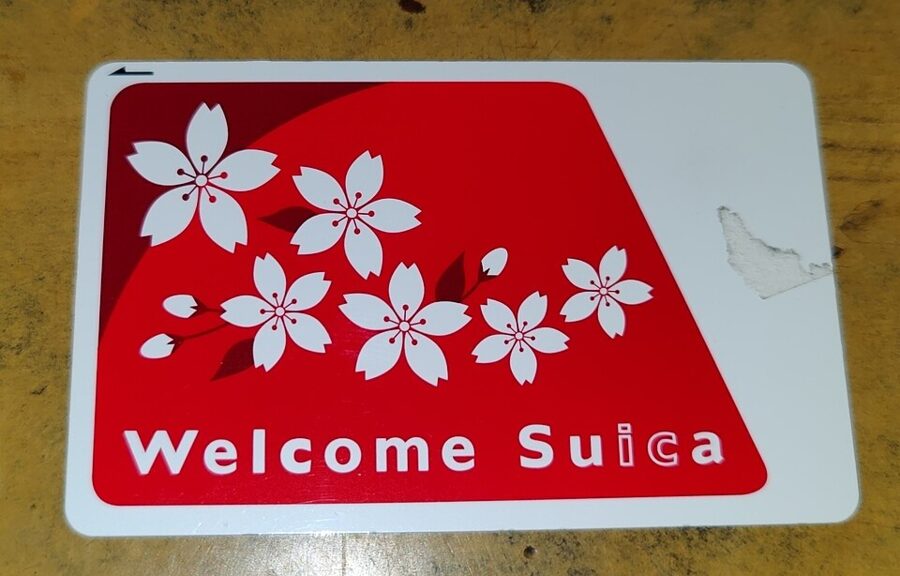
No phone wallet at all. On a trip of four weeks or less, a Welcome Suica from the JR machines at Narita or Haneda Terminal 3, or a TOURIST PASMO from Keikyu’s machines at Haneda, costs nothing beyond the money loaded on it. Staying longer, or coming back? Pay the ¥500 deposit for a plain Suica or PASMO and keep it.
A child aged 6 to 11. Get a child card with the child’s passport in hand, so the gates charge half fare. Under-6s ride free, two per paying passenger. A tapped credit card has no child fare at all.

Contactless Visa, Mastercard and the rest have worked at the gates of Tokyo Metro, Toei and nine private railways since March 25, 2026. JR East is not one of them. A credit card is a decent backup and a poor only ticket, for reasons that come further down.
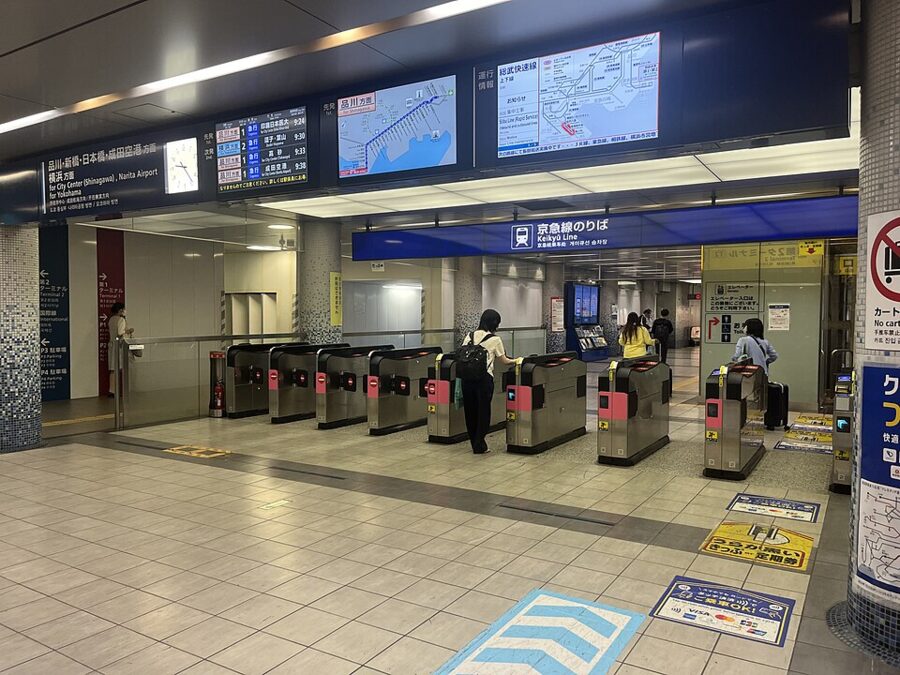

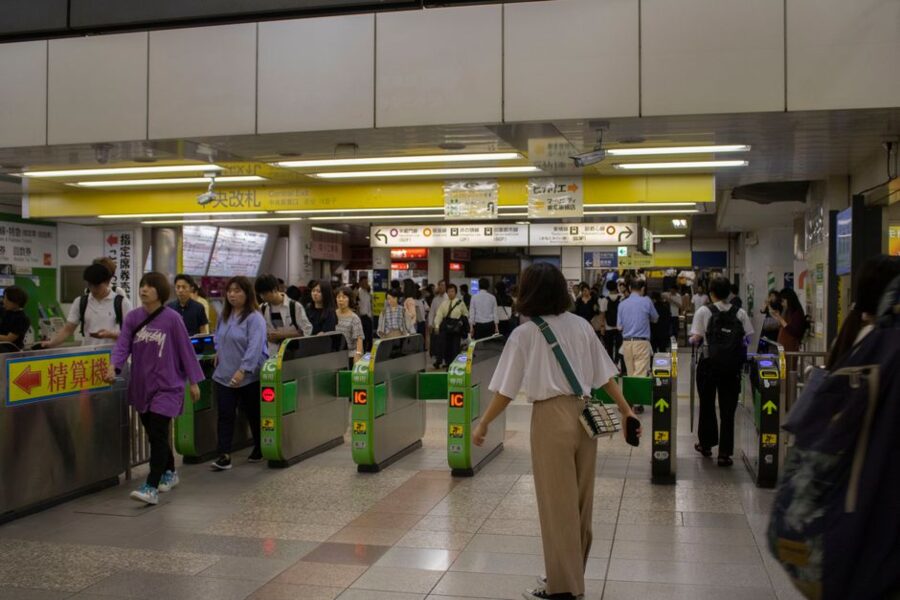
The lines themselves, the transfers and the day passes belong to a different question, covered in getting around Tokyo. The card is simpler, but it has more small print than its size suggests: where each one is sold, what it pays for, where it stops, and how much of your money comes back.
Suica or PASMO: one system, two owners
Suica (スイカ) is JR East’s card; PASMO (パスモ) belongs to the private railways, the two subway operators and the bus companies of the Tokyo region. For riding and shopping there is no difference you will notice. Both work on every train, subway and bus that takes IC cards across the city, and both work in the other nine regional card areas of Japan.
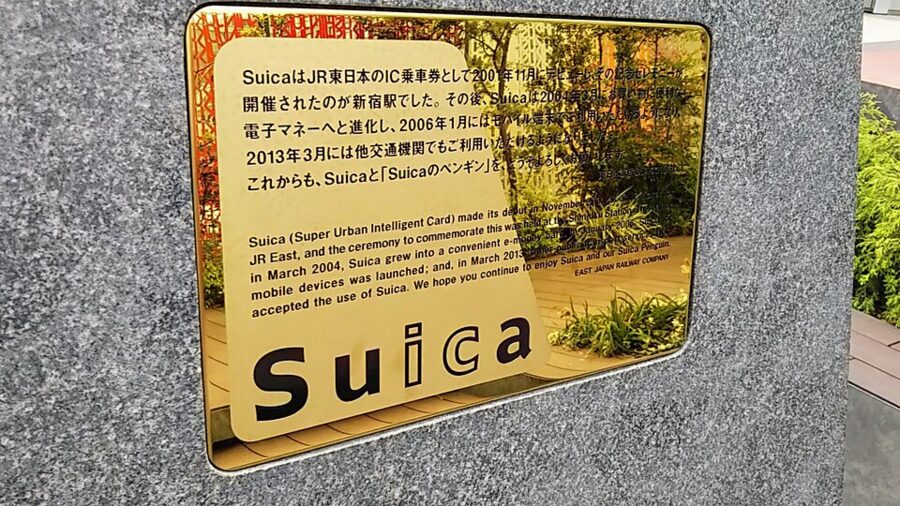
The history explains the two names. Suica started on November 18, 2001 at 424 JR stations around Tokyo; PASMO arrived on March 18, 2007 already able to ride JR, and on March 23, 2013 ten regional cards (Suica, PASMO, Kitaca, TOICA, manaca, ICOCA, PiTaPa, SUGOCA, nimoca and Hayakaken) started accepting each other nationwide. A card bought in Tokyo pays fares in Osaka, Fukuoka or Sapporo.
A plain card costs ¥1,000, ¥2,000, ¥3,000, ¥4,000, ¥5,000 or ¥10,000, and ¥500 of that is a deposit, not fare money. JR East’s Suica page sells the same denominations for adults and children. The deposit comes back when you return the card; how much of the balance comes back is covered further down.
Plain cards were hard to get for almost two years. Sales stopped on June 8, 2023 during the chip shortage and plain unregistered cards went back on sale on March 1, 2025, so the machines at JR and subway stations sell them normally in late 2026. The registered version (My Suica, or a personalized PASMO) carries your name in katakana, can be reissued if lost and is needed for a commuter pass; on a holiday it is extra paperwork for nothing.
Which one, then? Whichever machine you are standing at. JR stations sell Suica, the subway and private railway stations sell PASMO, and a Suica bought at Shibuya pays for a Tokyo Metro ride from Shibuya as smoothly as a PASMO does. The only practical split is the refund: a Suica can be returned only at a JR East station, and a PASMO at a PASMO operator’s station or bus office.
The penguin change is cosmetic, as far as a rider is concerned. JR East’s announcement of the new character is about the mascot, not the cards, and says nothing about withdrawing the old design.
Welcome Suica and TOURIST PASMO: no deposit, 28 days
Both no-deposit cards are for people in Japan on a short stay, both last 28 days, and neither refunds a single yen. The differences are where you can buy them and how you can pay.
Welcome Suica
JR East sells it for ¥1,000, ¥2,000, ¥3,000, ¥4,000, ¥5,000 or ¥10,000, all of it spendable. Since March 27, 2025 the sales points have been short and specific, and JR East’s Welcome Suica purchase page lists them:
- Welcome Suica ticket machines at Narita Airport Terminal 1 Station, Narita Airport Terminal 2-3 Station and the Tokyo Monorail’s Haneda Airport Terminal 3 Station.
- JR EAST Travel Service Centers at the same three airport stations and at Tokyo, Shibuya, Shinjuku, Ikebukuro, Ueno, Yokohama and Sendai stations.
- The JAPAN RAIL CAFE at Tokyo Station and the travel service center at Takanawa Gateway Station.
In November 2026 the same page marked sales as temporarily halted at Kashiwa, Kawasaki, Tachikawa, Omiya, Funabashi, Fukushima and Niigata. In principle it is one card per person, and nothing is sold at Haneda’s Terminal 1 or Terminal 2.
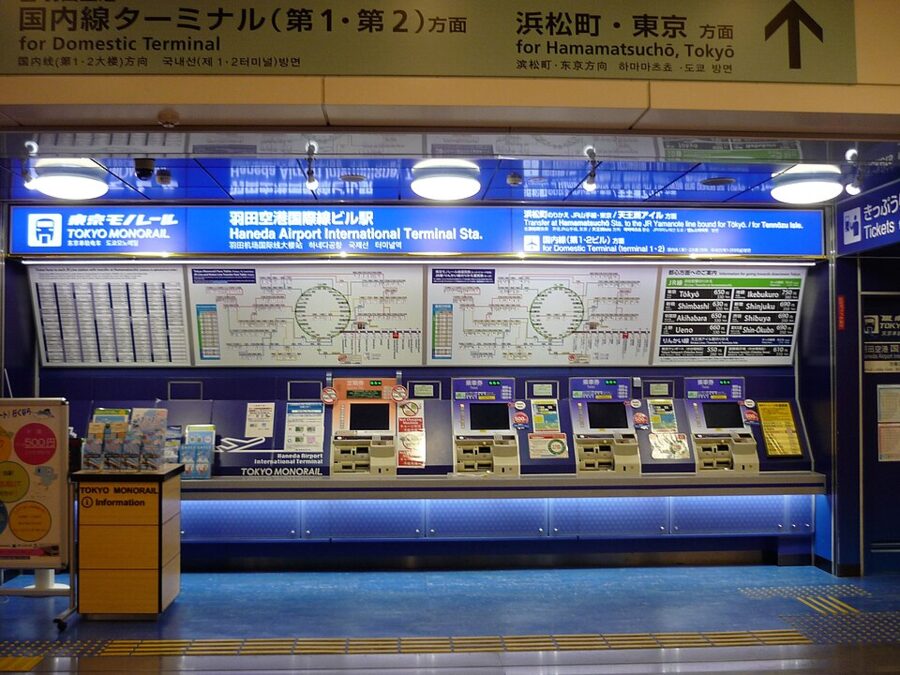

The card is valid for 28 days counting the day you buy it, and it stops working on the 29th. The expiry is not on the card. It is on the reference paper you get with it, which also shows whether the card is adult or child and any pass loaded on it; lose the slip and any JR East ticket machine in the Suica area will reprint it.
Top-ups are cash only, up to a ¥20,000 balance, at machines showing the Welcome Suica mark, at fare adjustment machines, and at Seven Bank ATMs in 7-Eleven stores. A credit card cannot top it up. No refund is paid “regardless of the validity period status or remaining balance,” as JR East puts it, and a lost Welcome Suica is not reissued.
The one exception is a card that physically fails. Bring it to a staffed gate in the Suica area; if the card itself is faulty, JR East reads the 17-digit number starting “JE” on the back, gives you a refund certificate and pays the balance at a JR ticket office from the next day up to 14 days after the card’s validity ends. If the number is unreadable, nothing can be done.
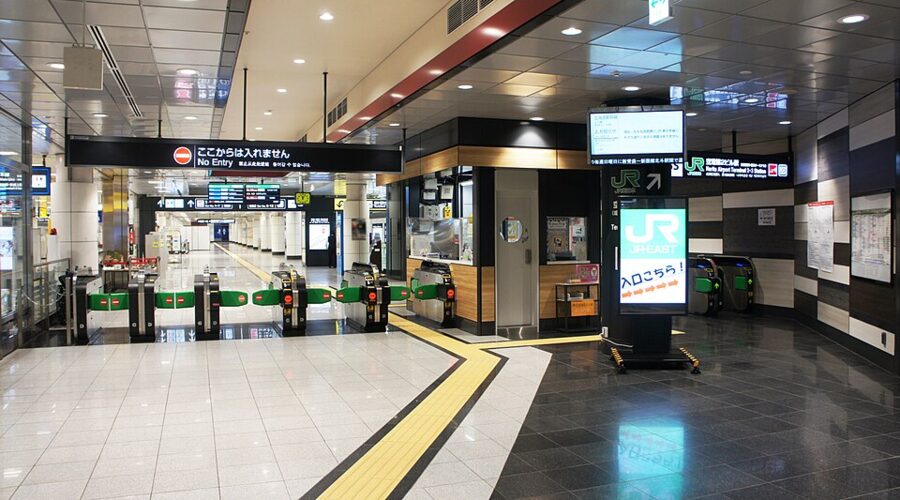

A few JR East passes can be loaded onto a Welcome Suica at purchase, so the card itself becomes the pass: the Tokyo Metropolitan District Pass (Tokunai Pass), the Tokyo 1-Day Ticket, the NONBIRI Holiday Suica Pass and the Yokohama-Minatomirai Pass. The pass has to be paid for at the same time as the card.
TOURIST PASMO, and the end of PASMO PASSPORT
PASMO’s version went on sale in May 2026. Its predecessor, PASMO PASSPORT, stopped selling in 2024 and its rules were abolished on October 12, 2024, so a PASMO PASSPORT in a drawer from an earlier trip is a souvenir. The PASMO Committee’s April 17, 2026 notice describes the new card as one for short-stay foreign tourists, valid 28 days from the date of issue, with no deposit and no refunds, the unused balance included.
The sales points, from PASMO’s TOURIST PASMO page:
- Haneda, Terminal 1-2 Station (Keikyu): ticket machines for travelers, one at the Terminal 1 gate and one at the Terminal 2 gate. ¥1,000 to ¥10,000; credit cards accepted.
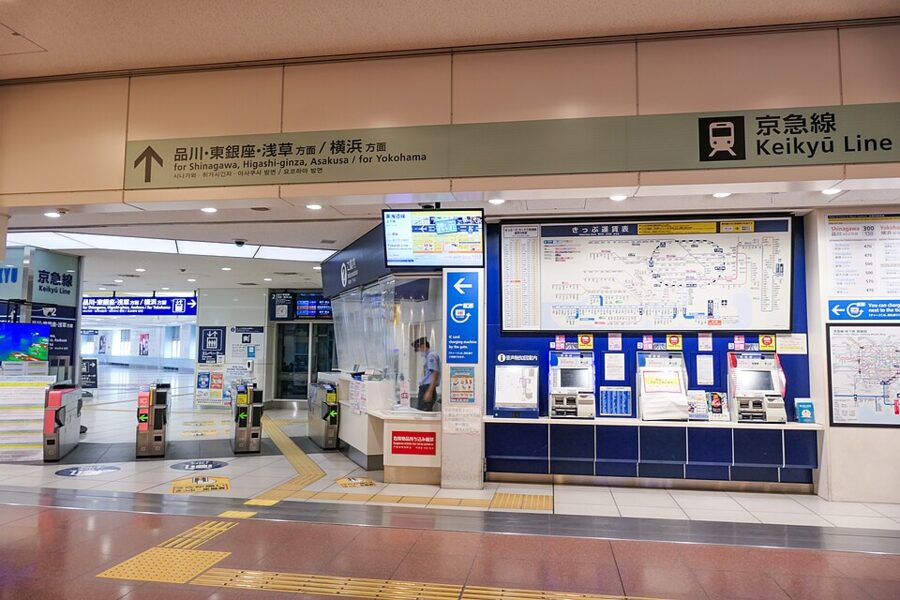
- Haneda, Terminal 3 Station (Keikyu): the Keikyu Tourist Information Center in the second-floor arrival lobby next to the gates, and one machine beside it. ¥1,000 to ¥10,000; credit cards accepted.
- Narita, Terminal 1 and Terminal 2 stations (Keisei): the SKYLINER & KEISEI INFORMATION CENTER in each station. ¥2,000 only.
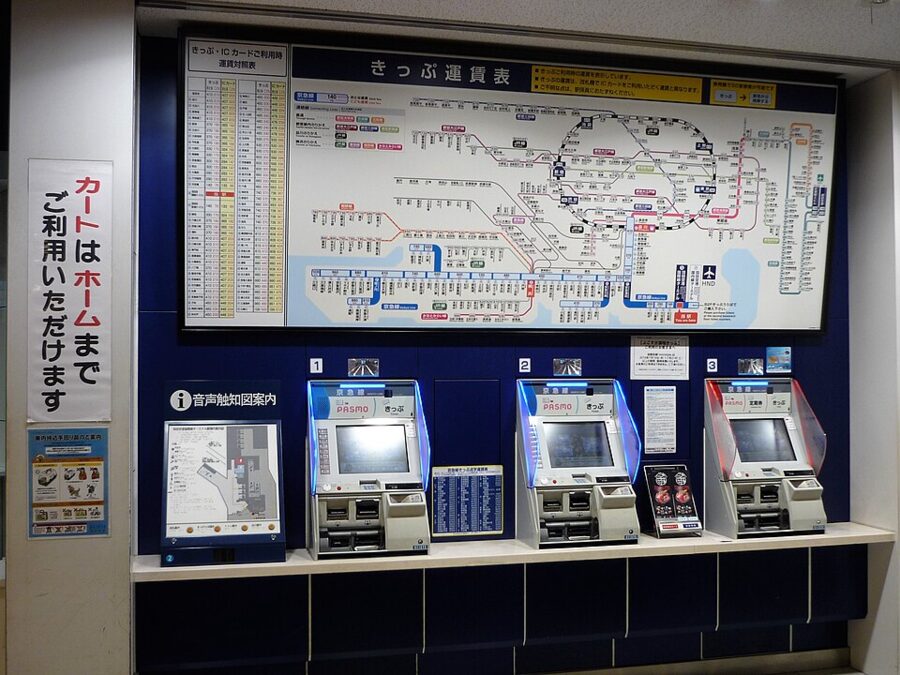

That credit-card line is the practical difference. A Welcome Suica must be topped up in yen cash; a TOURIST PASMO bought from Keikyu at Haneda can go on a card. After that it tops up in cash, at station machines, at convenience stores, or on a bus in ¥1,000 notes. Like the Welcome Suica, it cannot be reissued if lost.
| Welcome Suica | TOURIST PASMO | Plain Suica or PASMO | |
|---|---|---|---|
| Deposit | None | None | ¥500, returned |
| Life | 28 days incl. day of purchase | 28 days from purchase | Ends after 10 years unused |
| Where (Tokyo airports) | Narita T1, T2-3; Haneda T3 (monorail) | Haneda T1-2 and T3 (Keikyu); Narita T1, T2 (Keisei) | Any JR or PASMO station machine |
| Pay with a credit card | No | At Keikyu, Haneda | No |
| Leftover balance | Lost | Lost | Refunded less ¥220 |
| Lost card reissued | No | No | Registered cards only |
My verdict for a first trip of two or three weeks: a Welcome Suica if you land at Narita or Haneda Terminal 3, a TOURIST PASMO if you land at Haneda Terminal 1 or 2, and in both cases load ¥2,000 to ¥3,000 rather than ¥10,000. The plain card wins only when the trip runs past 28 days or you expect to come back.
The phone: iPhone, Welcome Suica Mobile and Android
iPhone and Apple Watch
Suica and PASMO both live in Apple Wallet. Open Wallet, tap the plus sign, choose Transit Card, pick Suica or PASMO, choose an amount and pay with a card stored in Wallet. PASMO’s Apple Pay page lists iPhone 8 or later on iOS 14, and Apple Watch Series 3 or later on watchOS 7. An iPhone bought outside Japan is fine.
Set the card as the Express Transit card in Wallet’s settings and the gate reads the phone without Face ID or Touch ID, the way it reads plastic. Top-ups come from a card in Wallet, or in cash at convenience store tills and some station machines.
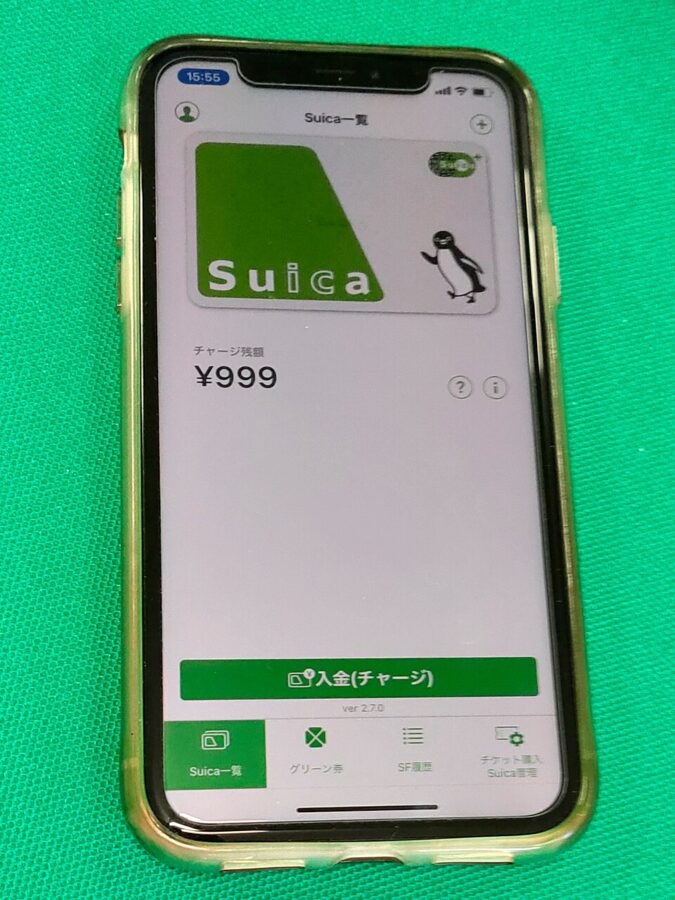

A Suica in Wallet does not expire after four weeks, and the same card works on the next trip. The catch is getting money out of it. JR East’s Apple Pay Suica pages handle a refund as closing the membership through the Japanese-language Suica app, so on a short visit it is easier to spend the last few hundred yen at a convenience store than to claim it back.
Welcome Suica Mobile
JR East’s Welcome Suica Mobile is an English-language iOS app that issues a Suica straight into Wallet. It runs only on Apple Pay devices: iPhone XR or XS and later on iOS 17.2 or higher, or Apple Watch Series 3 and later. Users must be 13 or older, and top-ups come from a credit card set up in Apple Pay.
Three rules trip people up. The Suica it issues is valid for 180 days from issue and the balance is not refunded at the end. Location services must be switched on, and some countries’ laws block issuing or topping up until you are in Japan. And issuing and top-ups stop every night from 02:00 to 04:00 Japan time for maintenance, which matters at a gate with an empty balance after a late night.
What it does better than plastic: if the iPhone is lost or stolen, the Suica can be suspended by email to the support center, deleted from the old phone through iCloud, and reissued on a new device from 05:00 the next day. A lost Welcome Suica card is simply gone. The app also opens non-reserved seats on JR East Shinkansen with a tap.
Plain Suica in Wallet or Welcome Suica Mobile? Plain Suica, for anyone who might come back, and Welcome Suica Mobile for anyone who wants the English app and is sure the trip is a one-off.
Android
This is where the advice changes. PASMO’s page in English says Android devices bought outside Japan are generally not compatible with Mobile PASMO, and that its mobile support is only in Japanese. Mobile Suica on Android, including Suica in Google Wallet, needs a phone on JR East’s supported list, which in practice means a Japanese-market model with the Osaifu-Keitai wallet; NFC on its own is not enough. And JR East’s Mobile Suica sign-up page says credit cards issued outside Japan cannot, as a rule, be registered in the app.
If your Android was bought in Japan, Google Wallet can issue a Suica or PASMO with no plastic, and both take cash top-ups at convenience stores. For everyone else: buy the card at the airport, or set up a contactless credit card in Google Wallet and use the tap-to-ride gates on the subway, keeping in mind that JR does not take it.
Buying and charging the card
Where the cards are sold
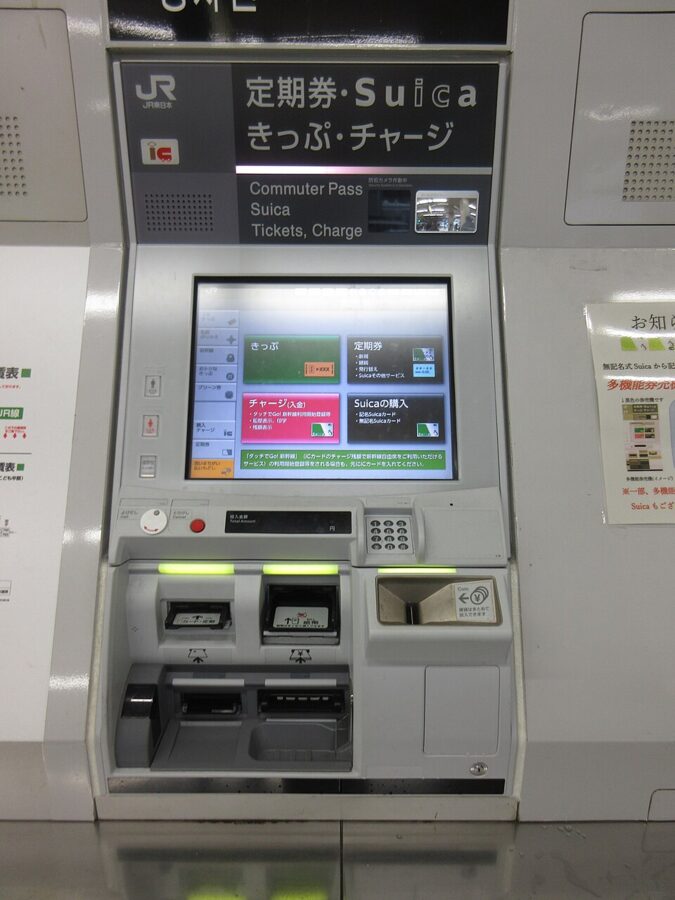
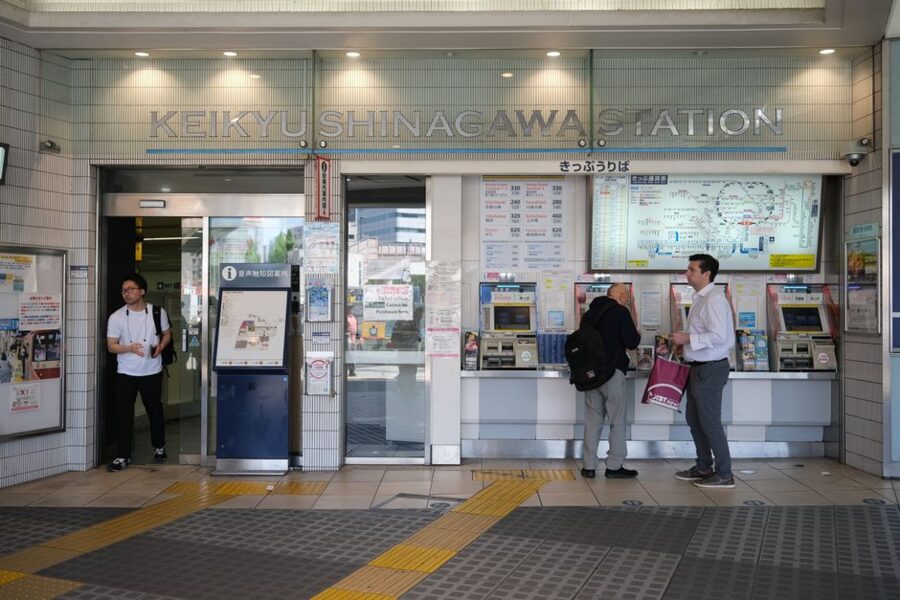
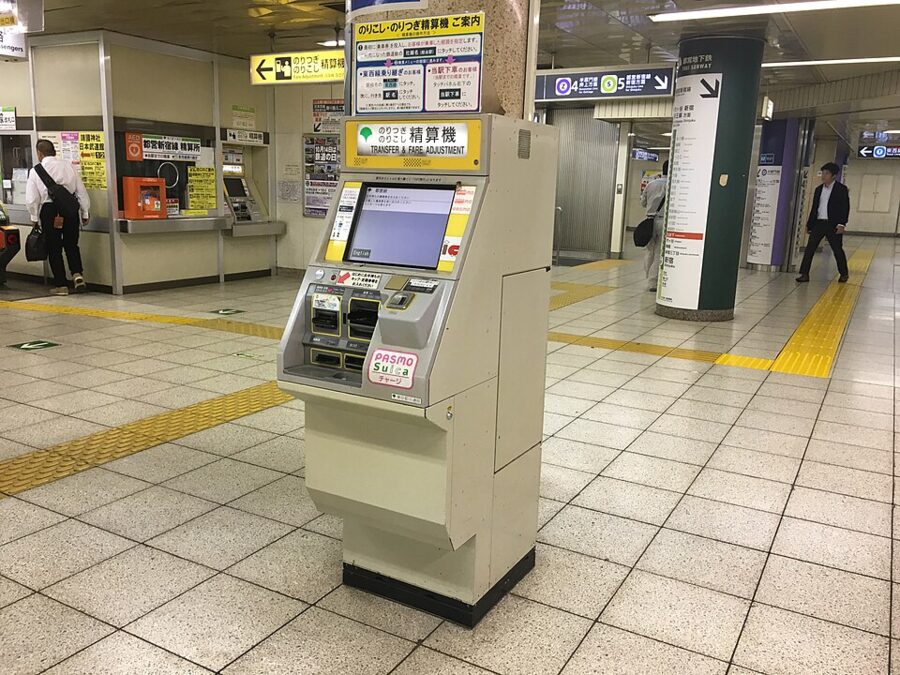
Plain Suica cards come from the multifunction ticket machines (多機能券売機) and the ticket offices (midori-no-madoguchi, the green-signed JR ticket windows) at JR East stations in the Suica area. PASMO comes from the ticket machines of PASMO operators: Tokyo Metro, Toei, Keikyu, Keio, Odakyu, Tokyu, Seibu, Tobu and the rest. Switch the screen to English before you start.

Topping up: mostly cash
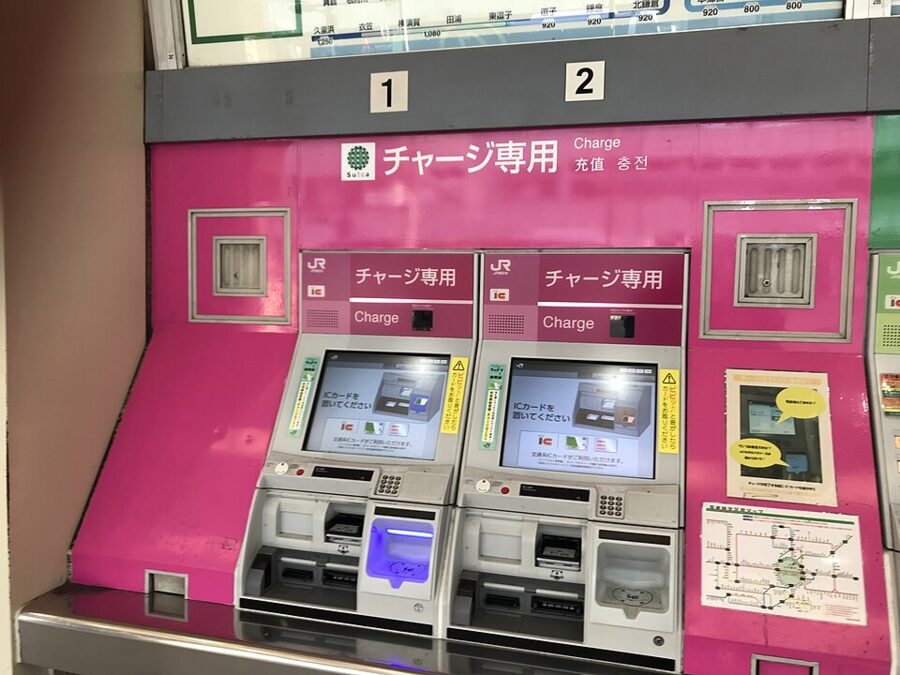
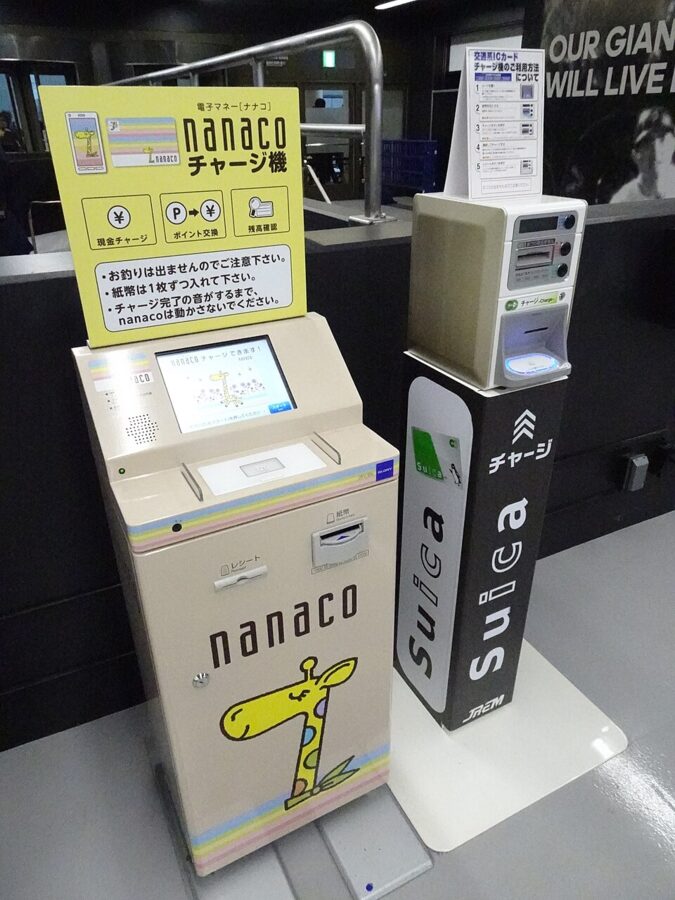
On JR East, a card-type Suica tops up in cash at any machine with the IC charge mark: ordinary ticket machines, multifunction machines, standalone charge machines and the fare adjustment machines inside the gates. One charge is ¥500, ¥1,000, ¥2,000, ¥3,000, ¥5,000 or ¥10,000, as many times as you like up to the ¥20,000 ceiling, and JR East’s charging page is blunt that ticket offices do not take top-ups at the window.

Tokyo Metro’s machines are more flexible. Tokyo Metro’s PASMO page lists top-ups from ¥10 up to ¥20,000 in ¥10 steps at its ticket machines and station offices, so on the last day of a no-refund card you can add exactly the ¥40 the airport train needs and nothing more.
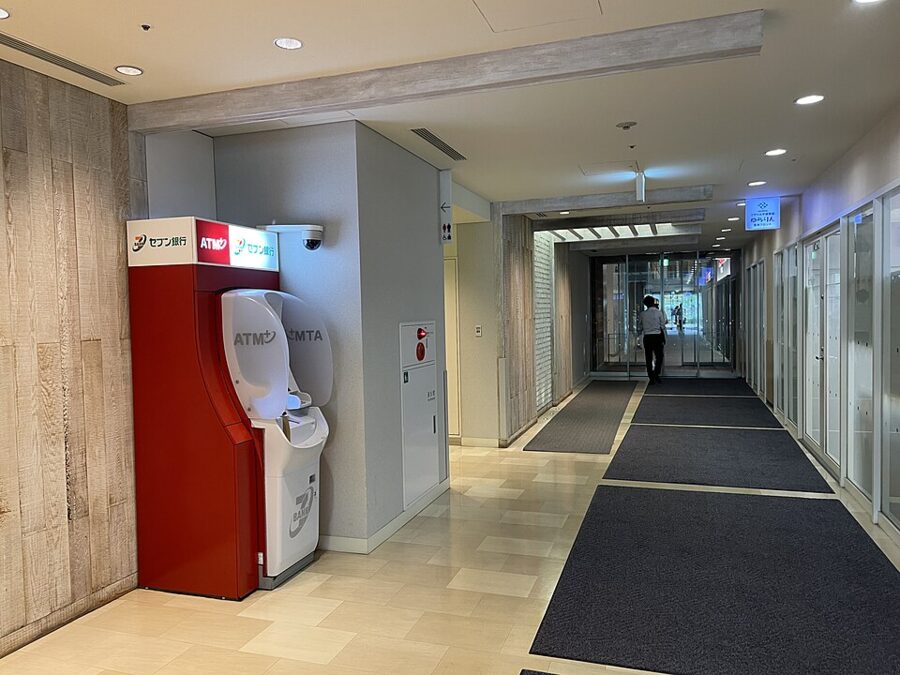
Convenience stores take cash top-ups at the till. JR East names NewDays, 7-Eleven, Daily Yamazaki, FamilyMart, Ministop, Lawson and AEON, with some stores excluded; say “Suica, charge” and hand over the card and the notes. Seven Bank ATMs in 7-Eleven stores have a charge button for e-money that works with a Welcome Suica.

On buses, the driver will top up a card in ¥1,000 notes while the bus is stopped, though not when the balance is already over ¥10,000, according to PASMO’s bus page. JR East is explicit that a plastic Suica or Welcome Suica cannot be topped up with a credit card, and TOURIST PASMO’s top-ups are in cash too. Phones are the exception, topping up from the card in Wallet or Google Wallet.

The ¥20,000 ceiling, and the floor
No transport IC card holds more than ¥20,000. That is a cap on the balance, not on spending: a ¥20,000 card can pay ¥20,000, be topped up, and pay again. At the other end, a card with less than the minimum IC fare will not open the entry gate, and a card that runs short on the way out stops you at the exit gate until you top up at the fare adjustment machine beside it.
JR East added a way past the ceiling on October 20, 2026: teppay, a QR-code wallet inside the Mobile Suica app that pays up to ¥300,000 at a time. Getting to that limit needs identity verification with a My Number card, a Japanese residents’ ID, and teppay is a separate balance from the Suica fare money, so for a short trip the ¥20,000 rule stands.
Where it works, and where it stops
Trains across companies
Tap in, tap out, and the gate does the arithmetic, even when you change companies on the way. JR East’s rules for riding onto other lines settle a trip across up to four railway companies automatically; a fifth means settling at a staffed window. Where you change between JR and another company without passing a gate, the exit gate charges the cheapest route between your two stations.
Enter and leave with the same card. A trip that starts on a Suica and ends on a credit card, or on a phone and then a plastic card, looks to the system like two unfinished trips. The IC fare is charged to the yen, so it is never more than the paper ticket: the shortest Tokyo Metro ride costs ¥178 on a card and ¥180 as a paper ticket.
One rule almost nobody mentions. If a JR line stops and JR arranges alternative transport on other companies’ trains, a Suica being used for its stored balance does not qualify, according to JR East’s notes on using Suica; only commuter-pass holders do. Go out through the staffed gate and pay for the detour yourself.
Buses
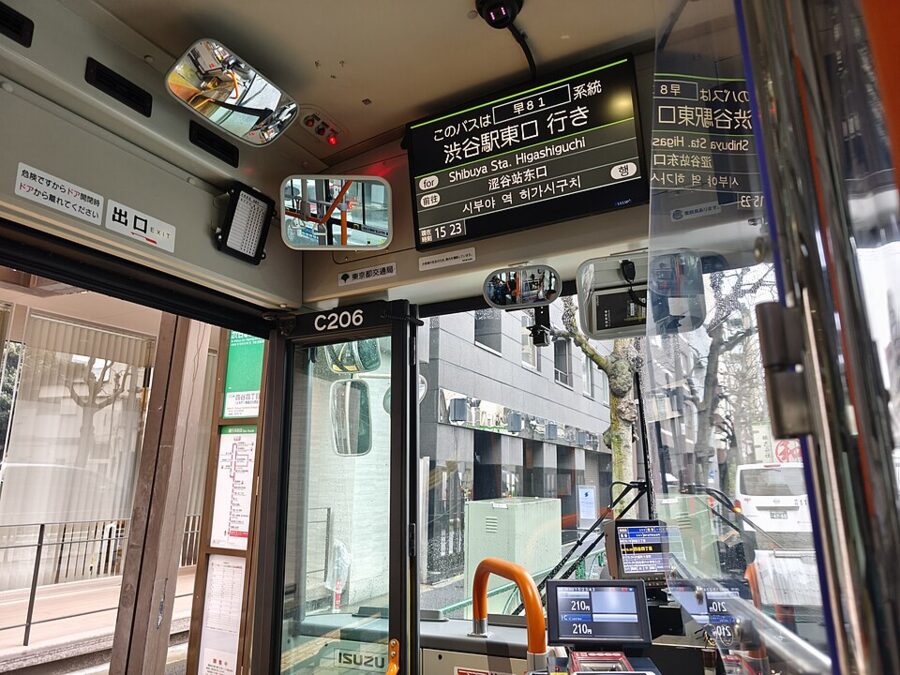
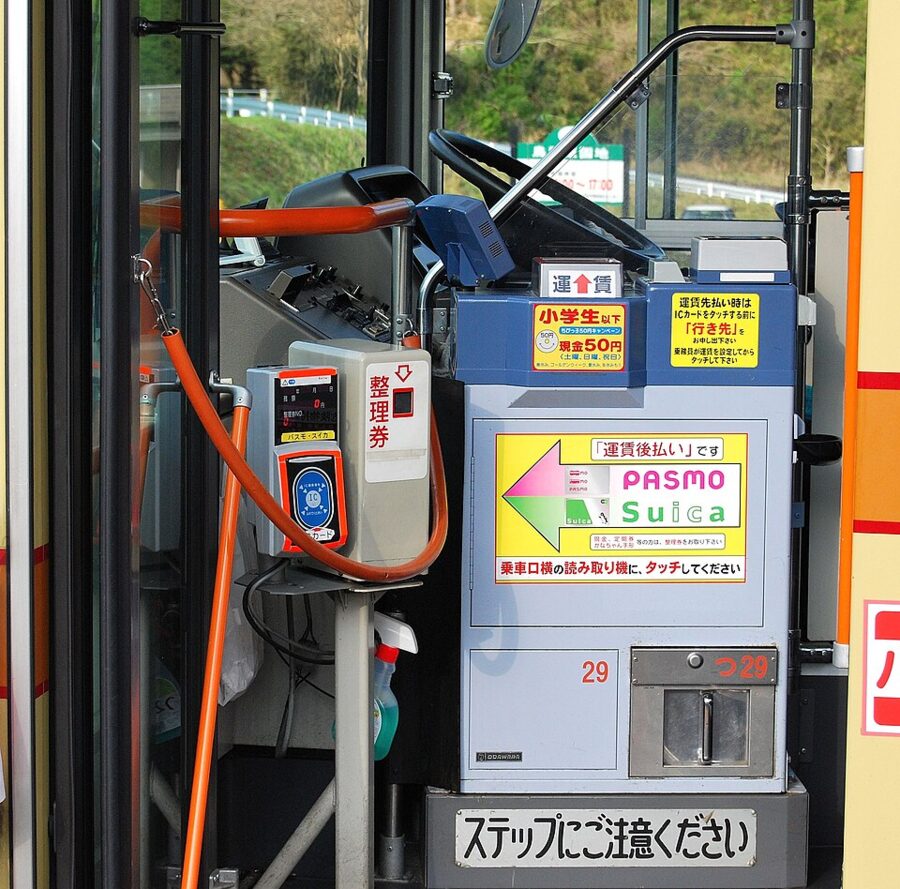
The reader is by the door you board through. On flat-fare buses you pay as you get on, so you tap once; on distance-fare buses you tap on boarding and again by the driver when you get off. Some highway and airport buses take IC cards as well; check the sign at the door before you rely on it.

Shops, lockers, vending machines and taxis
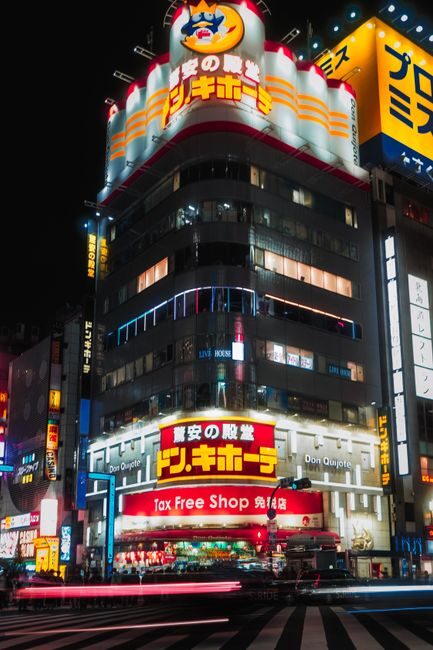
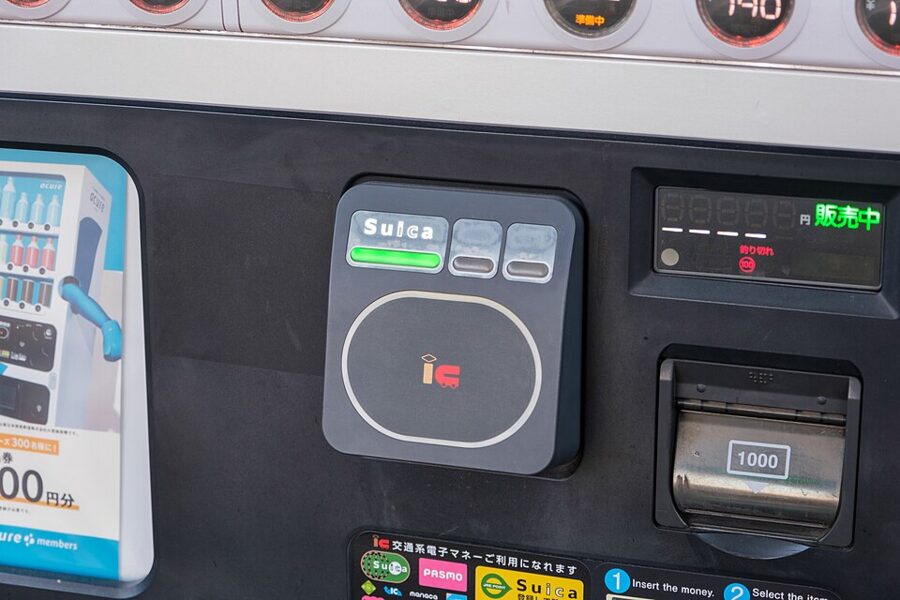
About 2.35 million shops across Japan take transport IC money, by JR East’s count in October 2026. In Tokyo that means the big convenience store chains, the drink machines in stations, the shops inside the stations, and big retailers: Don Quijote’s Shinjuku Kabukicho store lists Suica and PASMO among its payment methods, along with the other regional cards, for shopping at Don Quijote without counting coins.

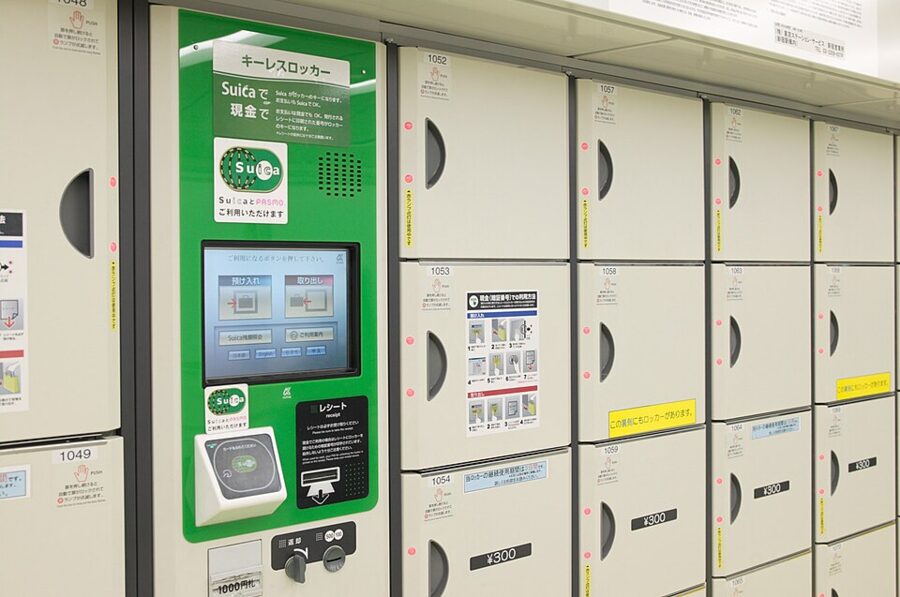
Coin lockers in stations take the card twice: to pay, and as the key. On the Welcome Suica’s own page, JR East’s instructions are to close the door, choose Suica on the screen, tap the card to lock, and keep the receipt, which shows the locker’s location and a contact number. To open it, choose “Taking out” and tap the same card. Payment cannot be split between the card and cash.

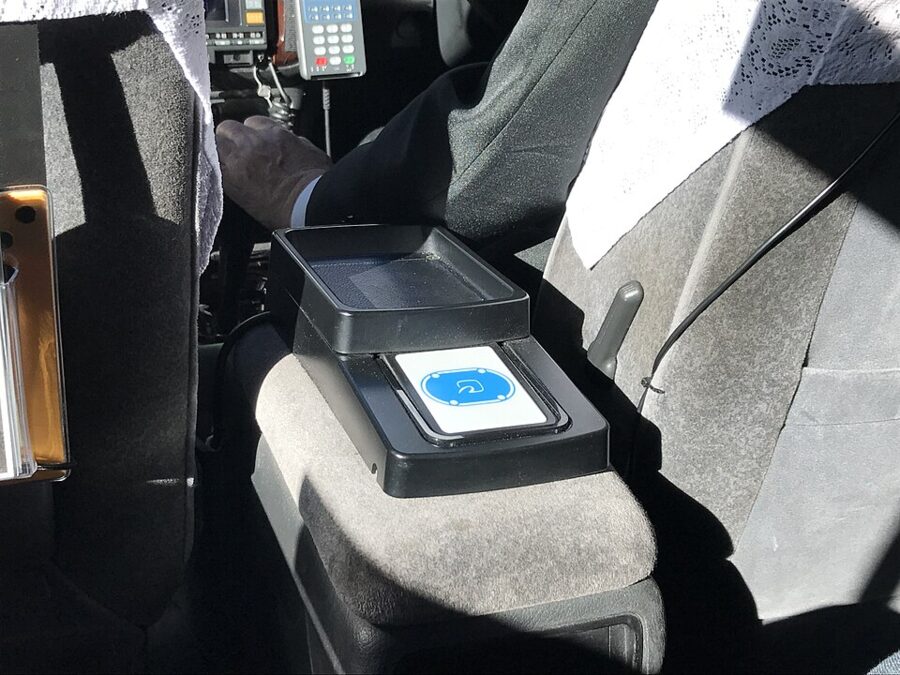
Taxis that show the IC card logos take the card as well; say “Suica” when you arrive and the driver sets the terminal.

Areas, long trips, Shinkansen and Green cars
The card pays fares inside an IC area, not between them. JR East’s Suica area alone is split into six (Tokyo, Sendai, Niigata, Aomori, Morioka and Akita), and a trip that starts in one must end in it: Tokyo to Sendai on stored value is not possible, so you leave the gates and re-enter, or buy a ticket. The same applies when you cross into JR Central’s or JR West’s areas.
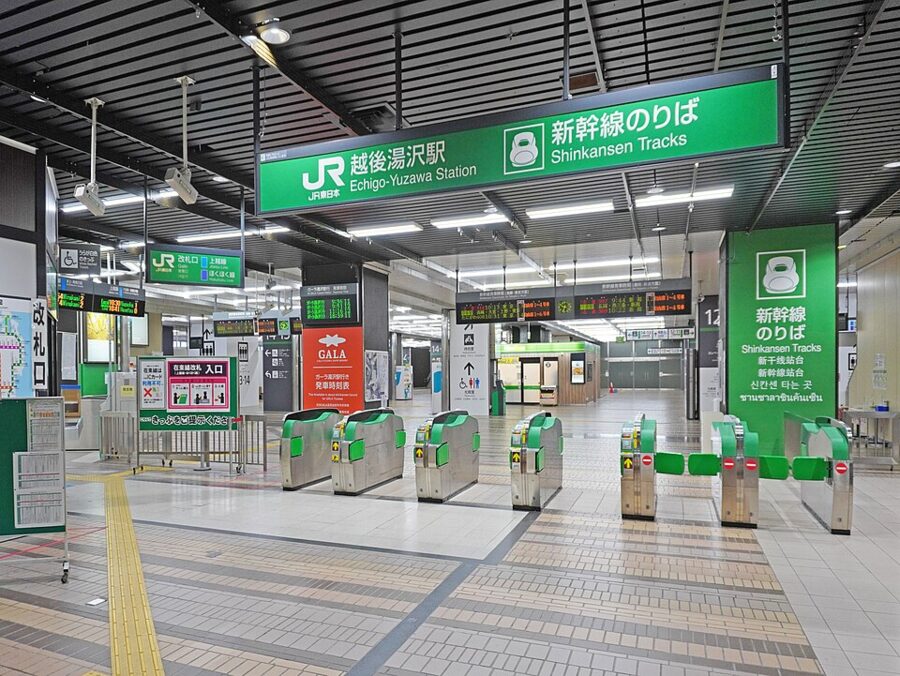
That is changing for JR East’s own lines. JR East’s September 8, 2026 announcement says its six areas merge into one at the end of fiscal 2026, that is by March 31, 2027, with the start date still to be announced. About 60% of JR East stations will take Suica then, among them 32 new ones including Echigo-Yuzawa and Joetsu Kokusai Skijo-mae on the ski line, and JR East’s target is every station in the early 2030s.

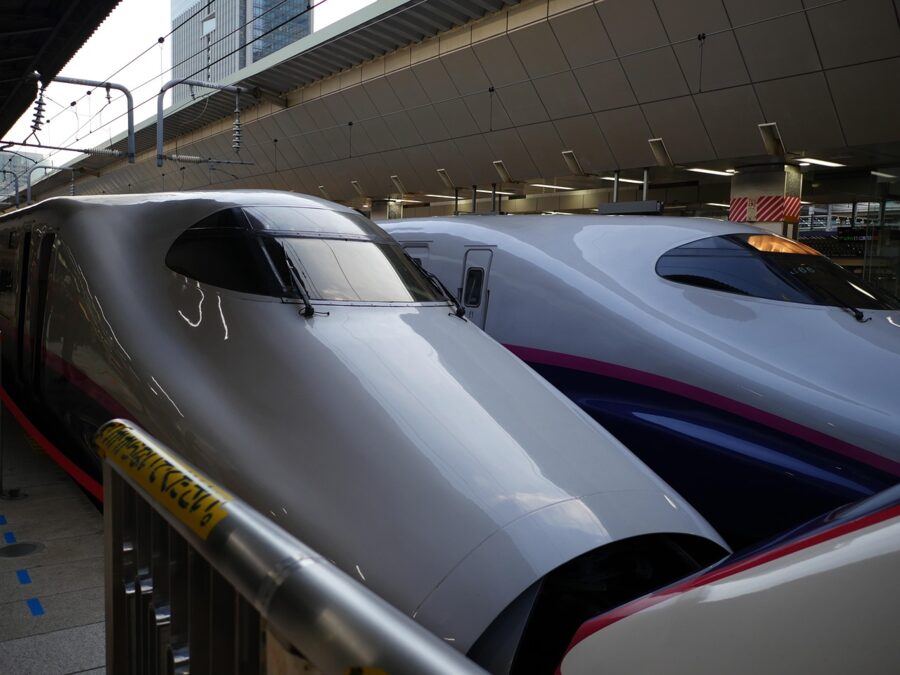
Long-distance trains are partly covered. JR East’s Touch de Go Shinkansen lets any of the ten nationwide cards pay for a non-reserved seat on JR East’s Shinkansen once the card is registered, free, on the service’s site. Limited expresses and reserved seats still need a ticket, as does the Shinkansen from Tokyo to Kyoto, and a Japan Rail Pass covers JR trains but not the subways, which is why most pass holders still carry a Suica.
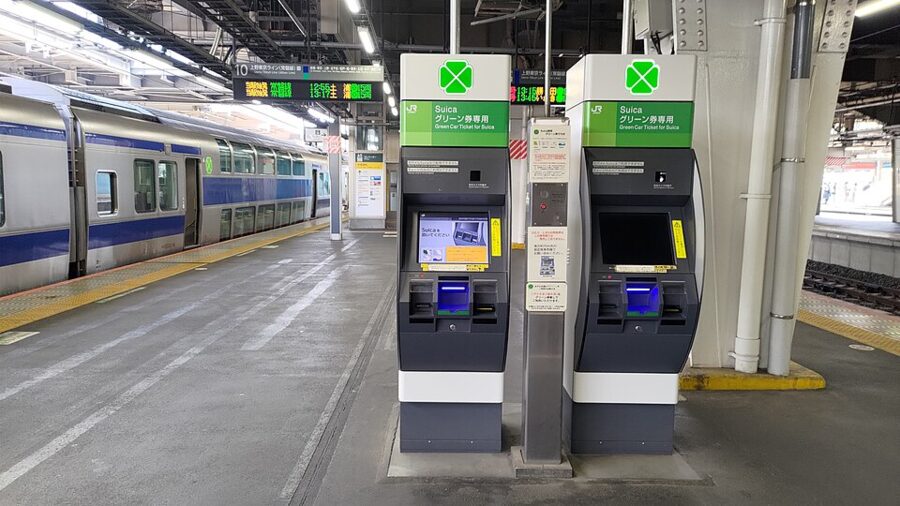
The double-deck Green Cars on JR’s suburban lines (Tokaido, Yokosuka, Sobu Rapid, Shonan-Shinjuku, Ueno-Tokyo, Utsunomiya, Takasaki, Joban, Chuo) sell their supplement through the card. Buy a Suica Green Car ticket at the platform machine or in the app, then tap the reader above your seat; JR East’s Green Car page calls this the Green Car Suica System, and it means no conductor checks your ticket.

Children’s cards and fares
Child fares on Tokyo trains apply from age 6 to 11, and to 12-year-olds still in elementary school. Tokyo Metro’s fares by age set the child fare at half the adult fare, rounded down to the yen on an IC card. Children aged 1 to 5 (and 6-year-olds not yet at school) ride free, up to two with each paying adult or child; a third pays the child fare.
A child fare needs a child card, because an unregistered card charges adult fares. The options:
- Welcome Suica (Child): from the Welcome Suica machines, where you enter the child’s date of birth, or a JR EAST Travel Service Center. Have the child’s passport ready for the check; a family member can buy it with the child’s ID. It works until the March 31 after the child’s 12th birthday.
- TOURIST PASMO for children: valid up to March 31 of the year the child turns 12.
- Child PASMO: filled in on a form at a staffed window with the child’s ID; PASMO’s child-card page lists a passport among the accepted documents. A child who already holds JR’s child My Suica cannot have one too.
JR East is strict about the age: a Welcome Suica (Child) used by someone past the age range is charged the adult fare from the boarding station plus a penalty of twice that fare. Welcome Suica Mobile is for users aged 13 and up, so it is no help for younger children.
Tap-to-ride credit cards charge adult fares only. A child can tap a card only in the child’s own name, and still pays the adult fare.
Refunds, lost cards and the record of rides
Getting the deposit back
A plain Suica goes back at a JR East ticket office in the Suica area, and only there; JR East will not refund a PASMO, ICOCA or Tokyo Monorail-issued card. According to JR East’s refund rules, you get the balance minus a ¥220 handling fee, plus the ¥500 deposit. With ¥1,000 on the card that is ¥1,280; with ¥220 or less, just the ¥500.
PASMO’s rule is the same arithmetic. The PASMO Committee reinstated a ¥220 refund fee on March 12, 2022, deducted from the balance, with the ¥500 deposit returned on top. Tokyo Metro’s English PASMO page still lists no fee for ordinary cards; the PASMO rules are the ones the counter applies, so expect the ¥220.
The fee changes the verdict at the end of a trip. With less than ¥220 on a plain card, there is no point keeping the balance: return the card for the ¥500 or keep it for next time. With a few thousand yen, spend it down at a convenience store and return the card with a low balance. A registered My Suica or personalized PASMO needs official ID, such as a passport, at the refund window.
Lost and broken cards
A lost unregistered Suica, PASMO, Welcome Suica or TOURIST PASMO is cash in the street: none of them can be reissued. A My Suica or personalized PASMO can. Under JR East’s reissue rules, you report it at a main station’s window with ID, the card is stopped, and a new card with the balance as of the stop is ready from the next day, for a ¥520 fee plus a new ¥500 deposit. Collect it within 14 days.
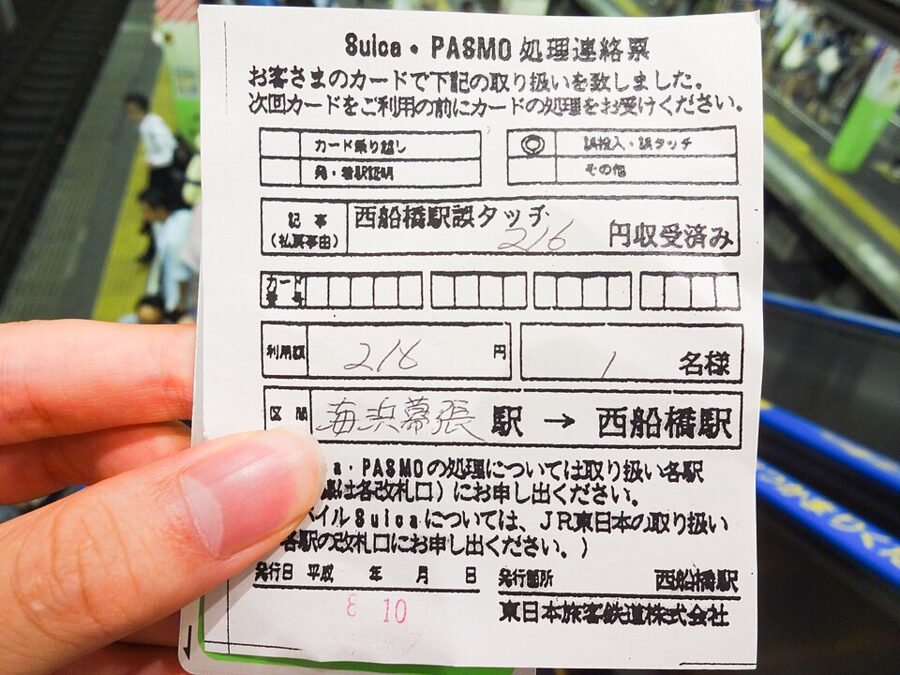
A card that stops working is another matter. Before blaming the card, take everything else out of the wallet: JR East warns that two IC cards in one holder, or a Suica beside a contactless credit card, will stop a gate. If a gate did not register your last trip, the staffed window fixes the record on the spot.

The record of rides
A card-type Suica keeps its own history. JR East machines with the IC mark show the last 20 uses on screen and print up to 100, as long as they are within the last 26 weeks, as JR East explains on its history printing page. The printout names stations in the Suica and PASMO areas, and gives only the operator’s name for rides elsewhere in Japan.
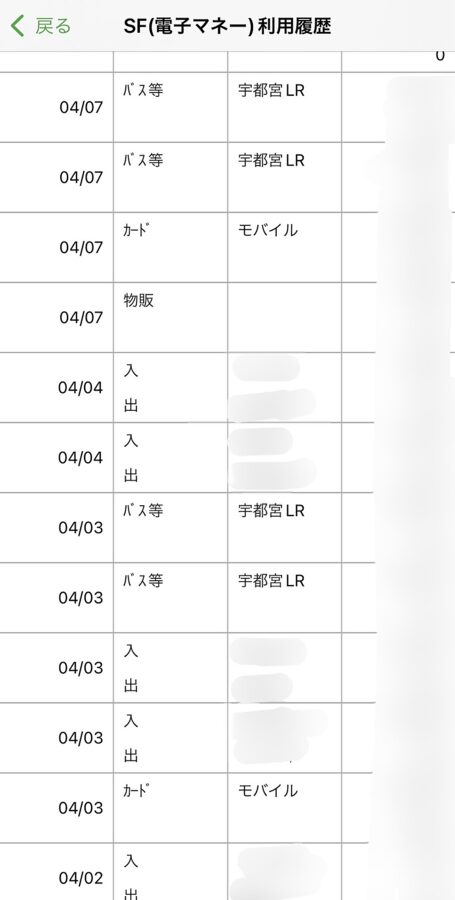

On a phone, Wallet and the Suica or PASMO apps show the history. Welcome Suica Mobile’s history screen goes dark from 00:50 to 05:00 for maintenance. A plain card unused for 10 years becomes invalid, but even then the balance can be moved to a new card or refunded at a JR East ticket office.
Tapping a credit card instead
Since March 25, 2026, eleven operators in the Kanto region have run tap-to-ride with a contactless credit, debit or prepaid card, or a phone carrying one, and a trip can change between them on the same card. Tokyo Metro’s tap-to-ride page names them: Tokyo Metro, Toei Subway, Odakyu, Odakyu Hakone (some stations), Keio, Keikyu, Sotetsu, Seibu (some stations), Tokyu, Tobu (some stations) and Yokohama Minatomirai.
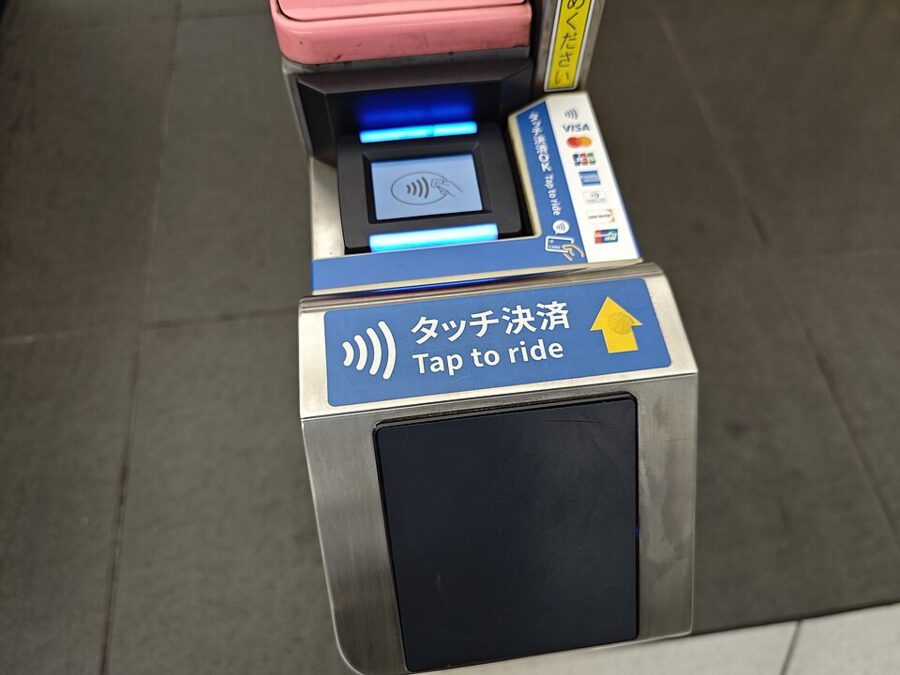

No registration is needed. The brands accepted on cards are Visa, Mastercard, JCB, American Express, Diners Club, Discover and UnionPay; on smartphones, Visa, Mastercard, JCB, American Express and Discover. To see your ride history you register separately on Q-move, a site run by the payment company QUADRAC.
Read the small print before you leave the Suica at the hotel:
- You pay the paper fare. Tokyo Metro charges the ticket fare in ¥10 steps: ¥180 against ¥178 on an IC card for the shortest ride, ¥260 against ¥252 for 12 to 19 km. The ¥70 discount for changing between Tokyo Metro and Toei still applies.
- Adults only. No child fares, and only the person named on the card may use it.
- Same card in and out. A phone carrying the same card number counts as a different card.
- No JR East. Nor the Saitama Rapid Railway or the Toyo Rapid Railway, and you cannot start a trip at Tokyo Metro’s Nakano Station. Ride past the network onto JR, and the tap becomes invalid: you pay from the connecting station at your destination, then have to go back to a station in the network to settle the first part.
- No detours. Alternative routes during a disruption are not covered, and the card cannot be combined with passes.
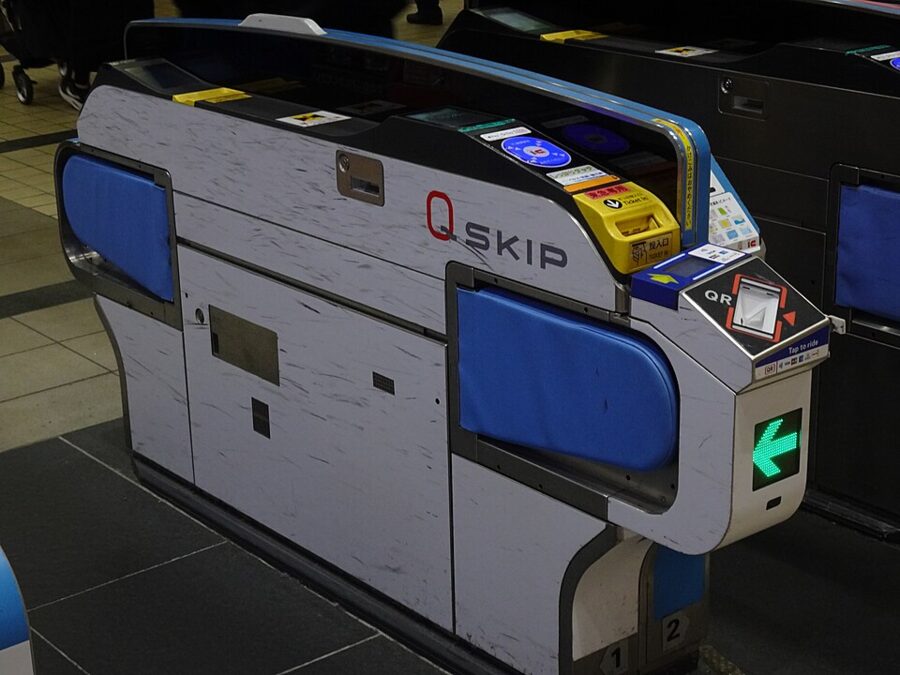

Also missing from the list: the Tokyo Monorail, Keisei and the Yurikamome. At Haneda, then, a credit card works on Keikyu but not on the monorail, and at Narita, Keisei’s trains want an IC card or a ticket.
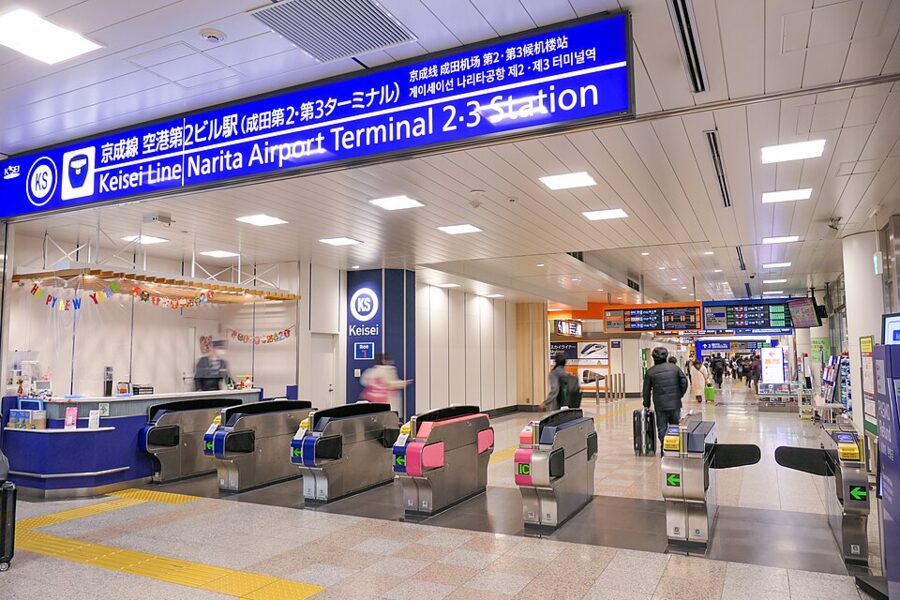

The verdict: a good backup on the subway, and the right tool on the day your IC balance runs dry next to a Tokyo Metro gate. It is not a replacement. The JR Yamanote Line, the buses, the lockers and the Shinkansen all want the IC card, and on the subway the IC card is a few yen cheaper every ride.
Passes, and what changes next
Day passes are a separate sum. The Tokyo Subway Ticket, the Tokunai Pass and the rest pay only when you ride enough in a day, and on lighter days a card does the job for less. The card also covers the JR lines the subway passes ignore, so it stays in your pocket even on pass days.
Three dated changes are coming. By the end of March 2027, JR East’s six Suica areas become one, so a ride between Tokyo and Sendai on stored value becomes possible once the start date is set. On March 31, 2027, the penguin hands over to the new character.

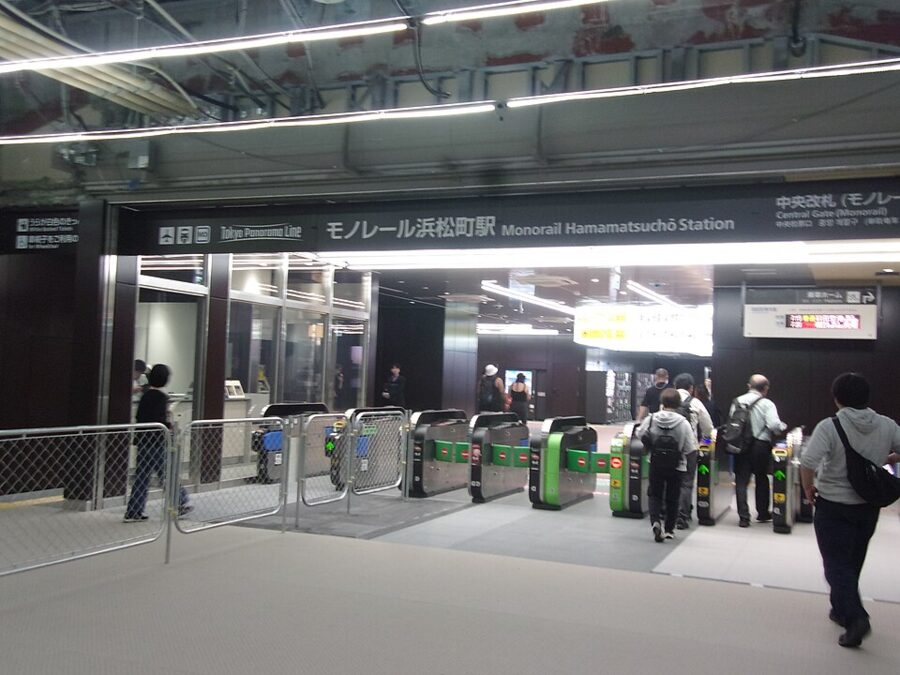
And from spring 2028, under JR East’s November 10, 2026 plan, 40 stations (all of the Yamanote Line, the Narita Airport stations, the Tokyo Monorail’s Haneda stations and Hamamatsucho) get walk-through gates that read a Mobile Suica in your pocket. A trial with about 400 commuter-pass holders runs at 14 stations from April 10, 2027 to February 29, 2028, and JR East has yet to name the phones that will support it.
None of that changes the decision at the airport. The deposit card or the no-deposit card, a phone if it is an iPhone, and a credit card as the spare: decide the trade, and the card at the nearest machine in the arrivals hall is the right one.