

For a first trip to Tokyo, book a room within five minutes’ walk of a JR Yamanote Line station in one of three places: the west side of Shinjuku, the blocks between Tokyo Station and Ginza, or Asakusa and Ueno if the money is tight. Each of those puts you one train from most of what a first week holds. Everything after that is a trade-off.
Shinjuku has the most trains and the most rooms, and it also has Kabukicho at 01:00. Tokyo Station and Ginza are calm at night, cost more, and send you off on the Shinkansen without a transfer. Asakusa and Ueno are the cheapest of the three and the quietest after dinner, but Shibuya and Shinjuku are 30 to 40 minutes away by train.
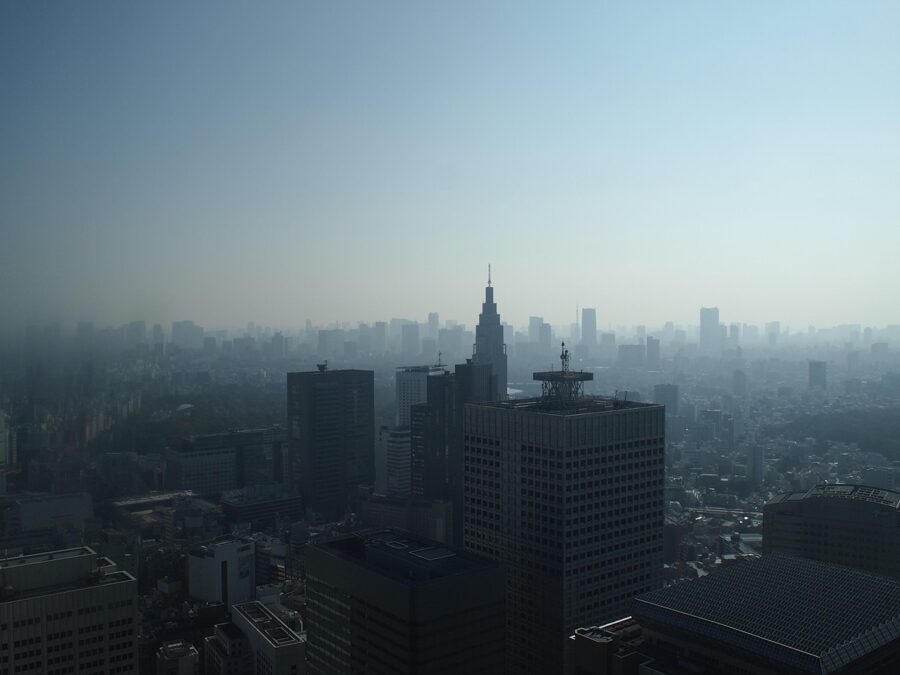
The numbers make the case for being picky. For the night of Tuesday, November 24, 2026, the cheapest bed listed in Shinjuku was a capsule at ¥3,060, the cheapest room with Tokyo Station in its name was ¥10,800, and the Tokyo Station Hotel, upstairs from the platforms, wanted ¥78,493. A Saturday in cherry blossom season is a different city.
What decides the district
Tokyo has no single center, and the districts on the map are separate towns joined by rail. So the choice is less about the neighborhood’s mood than about four practical things: the station, the airport, the side of the station, and the noise. The Tokyo neighborhoods guide covers what each place is like by day. At night, what matters is the walk from the gates to the bed.
The station comes first
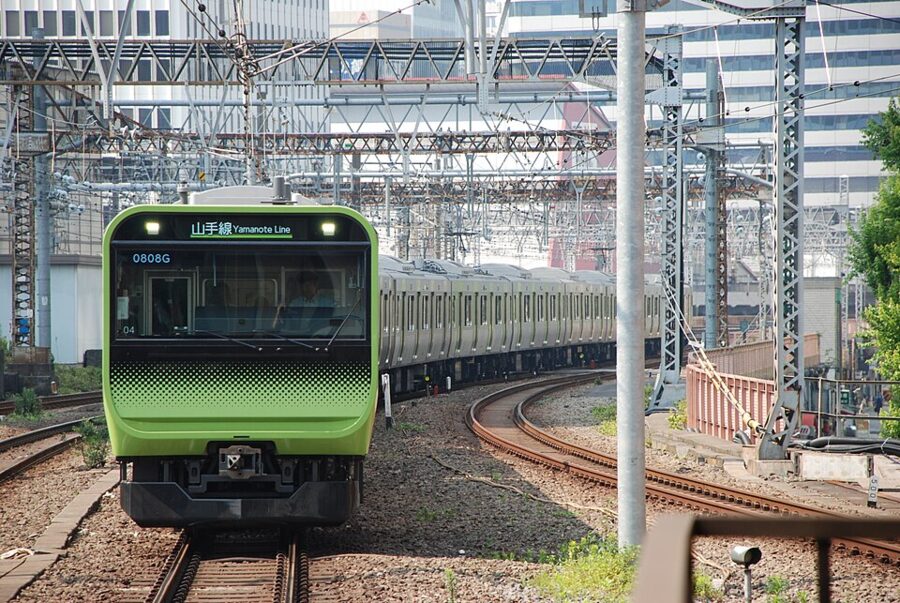
A hotel five minutes from a Yamanote Line station beats a nicer one fifteen minutes from a minor stop, every time. The loop links Shinjuku, Shibuya, Harajuku, Ebisu, Shinagawa, Tokyo, Akihabara, Ueno and Ikebukuro, and trains come every few minutes from before 05:00 until after midnight. Those 15 minutes on foot happen at least twice a day, often with shopping bags, and in July and August they happen in the heat.
The subway counts too, if the line is right. The Tokyo Metro Ginza Line runs Asakusa, Ueno, Ginza, Akasaka-mitsuke and Shibuya on one ride; the Hibiya Line covers Ueno, Ginza, Roppongi and Ebisu; the Toei Asakusa Line runs through to the airport railways at both ends. A hotel on one of those is as good as one on the loop. The details of passes, IC cards and transfers are in getting around Tokyo.
Watch for changes that mean leaving the gates. Moving between JR and Tokyo Metro, or between Tokyo Metro and Toei, usually means exiting one system and entering another, sometimes up and down three levels. A hotel described as “near two stations” can mean near two stations that do not connect.

Which airport you land at
If you land at Haneda, the hotels that win are the ones on the Keikyu Line or near Shinagawa and Hamamatsucho. The fares, the trains and the late-night options are in the Haneda Airport guide.
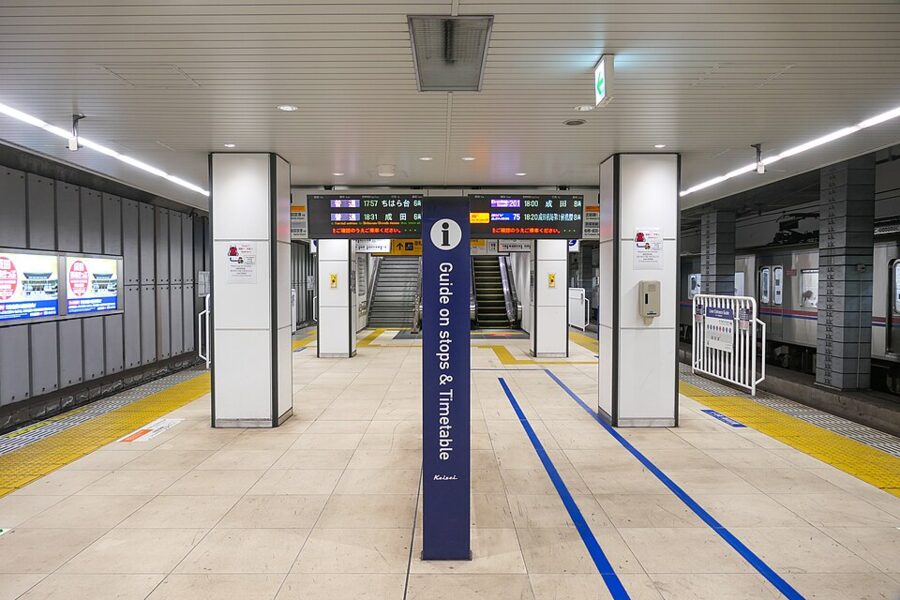
From Narita, the Keisei Skyliner reaches Nippori in as little as 36 minutes and Keisei Ueno in 41, which is the strongest single reason to stay in Ueno.


Which side of the station
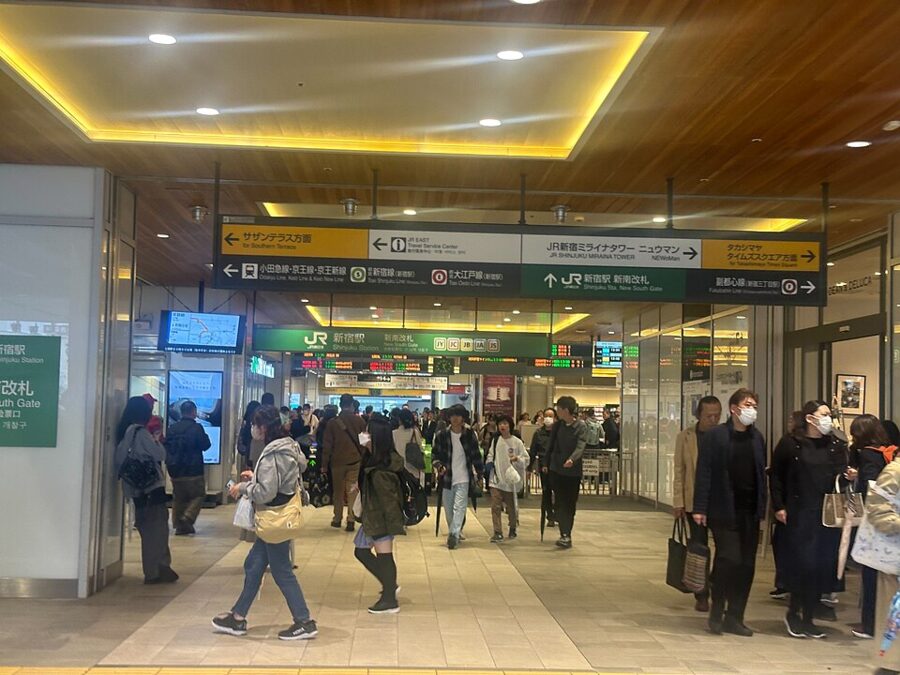
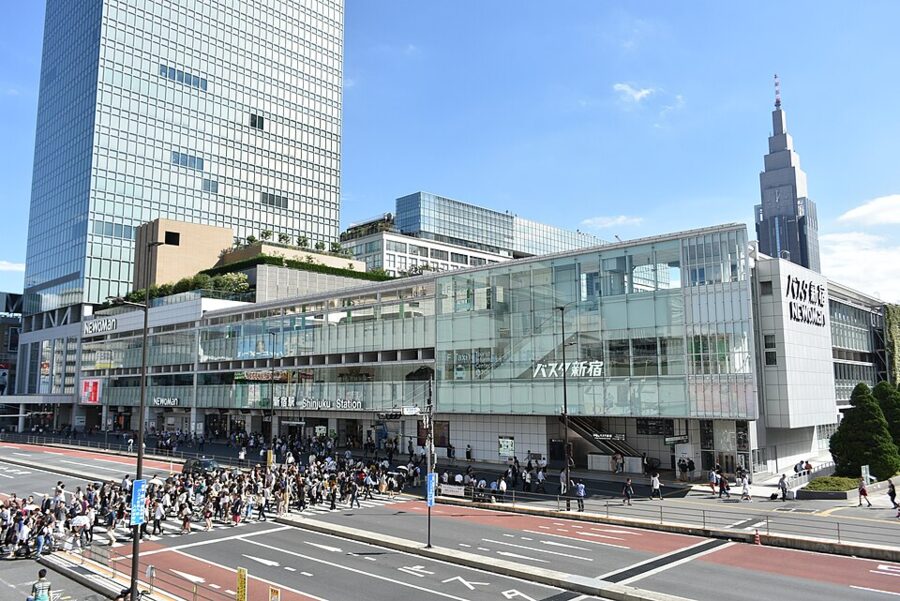
Big Tokyo stations have exits that open onto different districts, and the hotel’s distance to “the station” can mean a two-minute walk or a twelve-minute one through the building. Shinjuku is the extreme case. The West Exit leads to the skyscraper hotels and offices, quiet at night; the East Exit leads to the shops, and then to Kabukicho, which is loud until morning.
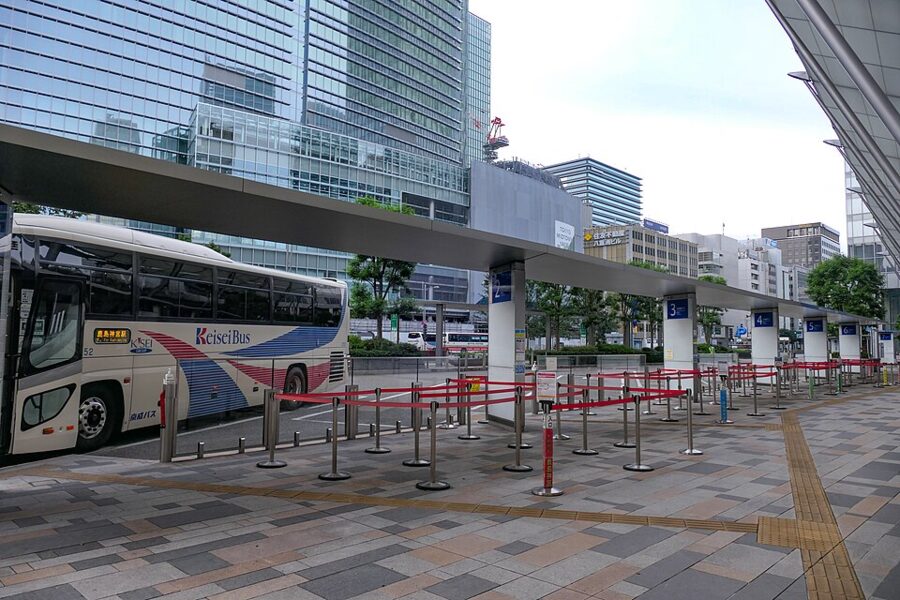
Tokyo Station works the same way. The Marunouchi side faces the Imperial Palace and the office towers, and the Yaesu side has the bus terminal and most of the cheaper rooms. At Shinagawa, the Takanawa Exit (west) has the big Prince hotels, while the Konan Exit (east) is office towers. At Ikebukuro the department stores are named backwards: Seibu is on the east side and Tobu on the west.

When a listing gives a walking time, check which exit it means. A hotel seven minutes from the “South Exit” of Shinjuku is a different walk from one seven minutes from the “New South Exit”, and both are a long way from the East Exit.
Noise, late nights and the cheap-room trap
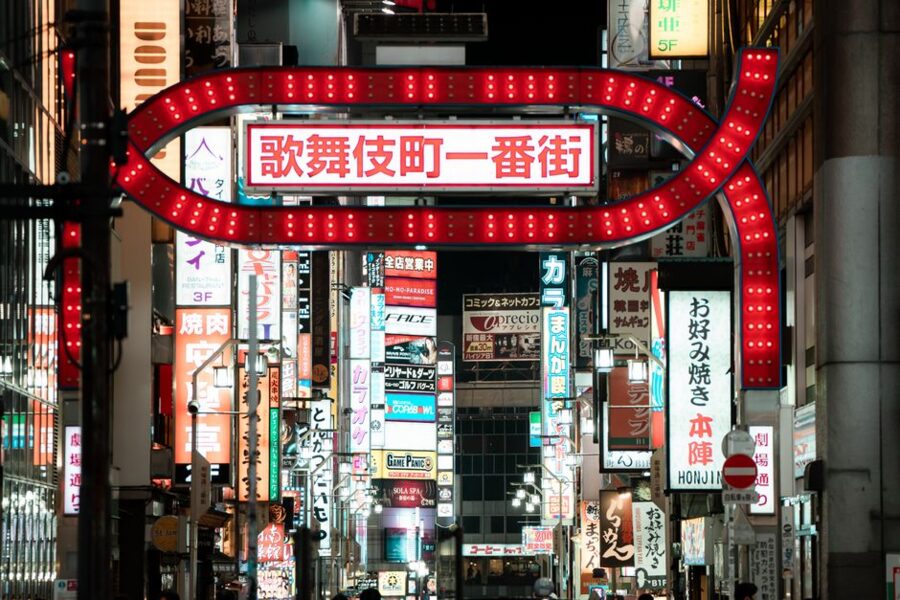
Kabukicho, Roppongi and the streets around Shibuya’s Dogenzaka are where the nightlife is, and where the street touts work after dark. If you sleep lightly, stay a block or two out. The Tokyo nightlife guide covers the touts and cover charges.
The cheapest results around Kabukicho, Dogenzaka and the north side of Ikebukuro include love hotels, which rent rooms by the “rest” and the night and are built for couples, not luggage. For Ikebukuro on November 24, 2026, about a third of the cheapest dozen listings were love hotels. They are legal and clean, but check that a listing calls itself a hotel or business hotel and takes a booking from the afternoon.
District by district
Prices below are the lowest rates listed for the night of Tuesday, November 24, 2026, a midweek night outside the peaks. Treat them as the floor. Weekends add to them, and the seasons covered later add a lot more.
Shinjuku (新宿)
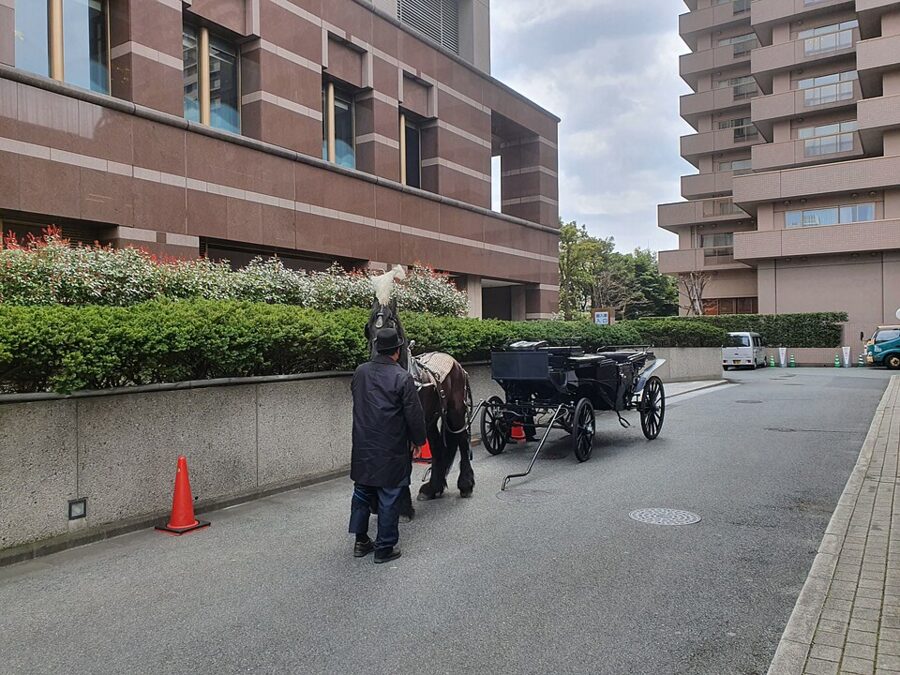
Shinjuku suits nearly everyone on a first trip, as long as they pick the right side. The station handles the JR Yamanote, Chuo and Saikyo lines, the Odakyu and Keio railways and three subway lines, and the highway buses leave from Busta Shinjuku above the New South Exit. It also has the widest spread of rooms in the city, from ¥3,060 capsules to the Park Hyatt. The Shinjuku guide covers the rest of the district.
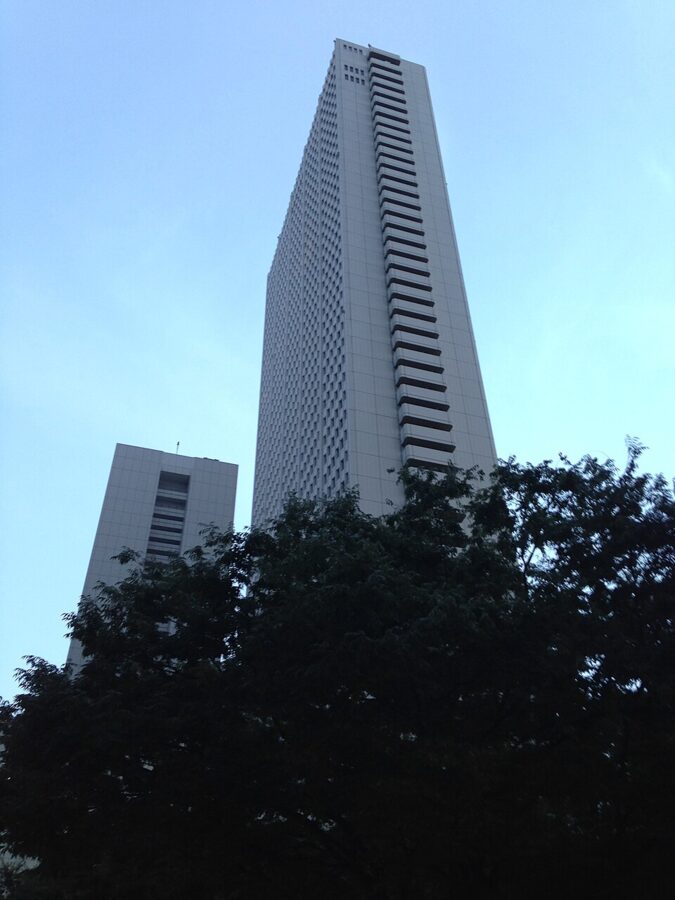
The west side is where the first skyscraper hotels went up. The Keio Plaza Hotel, opened in June 1971 and once the tallest building in Japan, has 1,438 rooms; a standard room on the 15th to 21st floors of the main tower is 23.5 m², large by Tokyo standards. It was ¥53,460 for November 24, 2026. The Park Hyatt Tokyo, in the top floors of Shinjuku Park Tower, reopened on December 9, 2025 after a renovation, with 171 rooms.

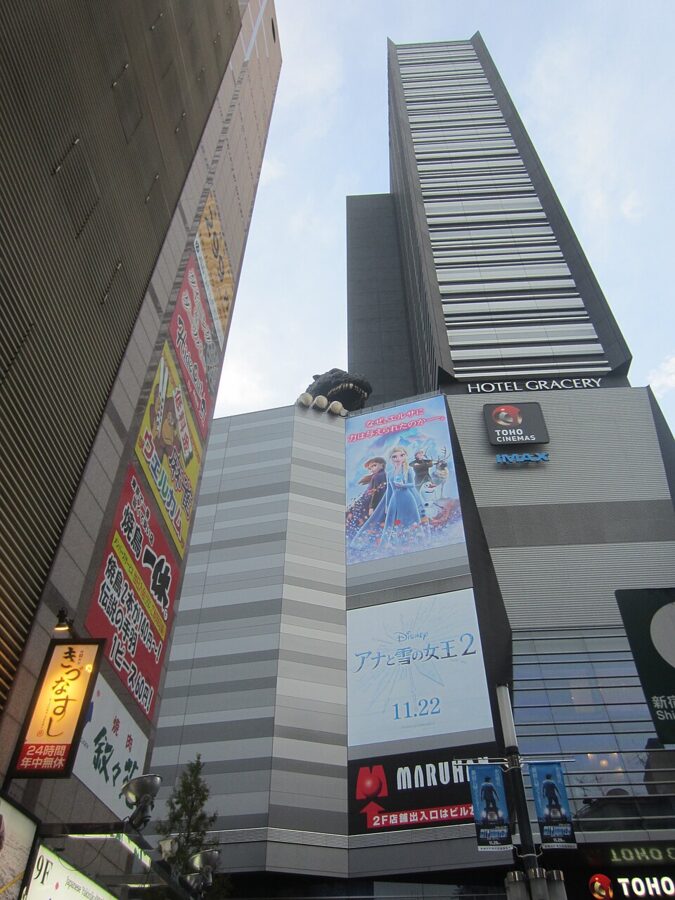
East of the tracks, the hotels sit closer to the noise. Hotel Gracery Shinjuku, on floors 8 to 30 of the Shinjuku Toho Building since April 2015, is the one with Godzilla’s head on its eighth-floor terrace; its standard double is 18 m² with a 140 cm bed. Inside Tokyu Kabukicho Tower, Hotel Groove Shinjuku has 538 rooms of 21–61 m² on floors 20 to 38. Both are a five-minute walk from the East Exit, through Kabukicho.


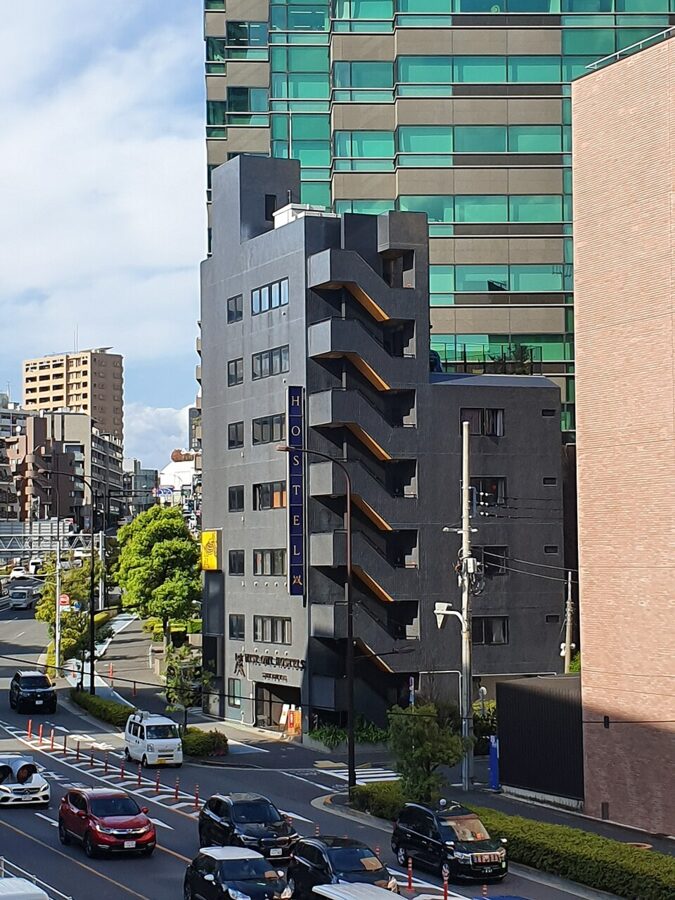
On a budget, Shinjuku still works. Book and Bed Tokyo Shinjuku, a hostel built into bookshelves, posts singles from ¥3,720 and doubles from ¥11,000. Hostels around the station ran ¥6,740–8,470 a bed for November 24, and the 9h nine hours chain runs a women-only capsule hotel here. Verdict: Shinjuku West for families and light sleepers, East or South for people who want to walk home from dinner.
Shibuya, in brief
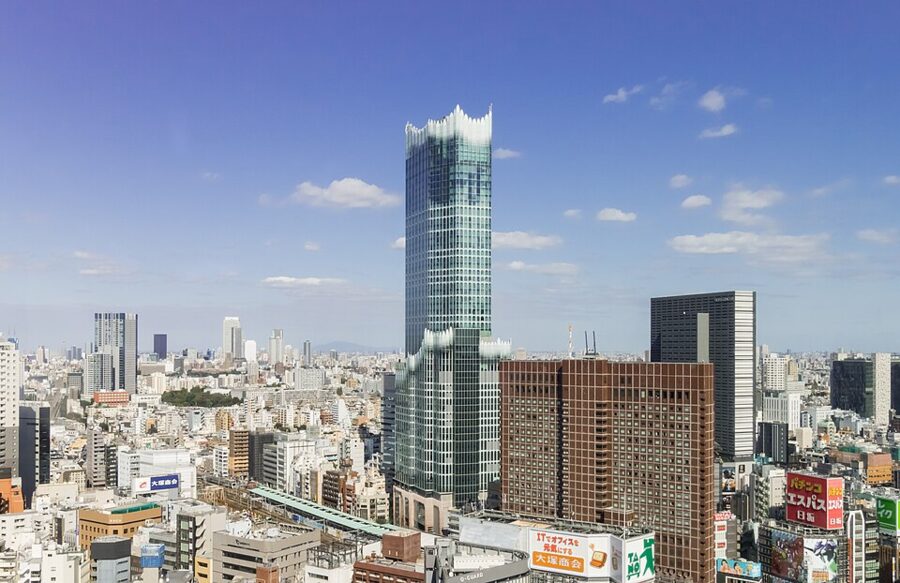
Shibuya has its own Shibuya guide, so only the short version here. It suits people who want to walk to Harajuku and Omotesando and spend evenings out, and it costs a little more than Shinjuku for the same room. The Cerulean Tower Tokyu Hotel was ¥69,448 for November 24, 2026; dorm beds at Wise Owl Hostels Shibuya were ¥7,619.
Ginza and Tokyo Station
This is the base for people who plan day trips from Tokyo or move on to Kyoto and Osaka, and for anyone who wants quiet nights. Every Shinkansen line starts at Tokyo Station, the Marunouchi side is offices and the palace moat, and Ginza is a ten-minute walk south. After 22:00 the streets are nearly empty. Some people read that as dull, and some as the point.
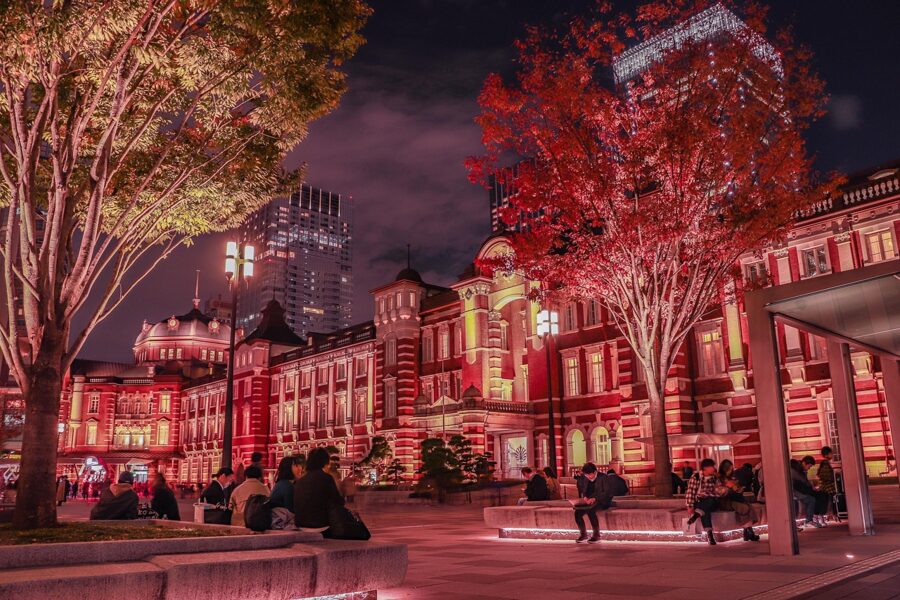
The Tokyo Station Hotel fills the restored 1914 brick building and was ¥78,493; a luxury tower hotel by the station was listed at ¥195,376. Around Yaesu, Nihonbashi and Kyobashi, business hotels ran from about ¥15,400 to ¥30,800. In Ginza, Muji Hotel Ginza sits above the Muji flagship store, and Sotetsu Fresa Inn Ginza 7-chome was ¥27,300.
The odd one is Hoshinoya Tokyo, a ryokan in an Otemachi tower, ten minutes’ walk from the Marunouchi North Exit. Each floor is run as its own small inn of six rooms with a tatami lounge, and there is a hot-spring bath on the top floor. It is the city ryokan for people who would otherwise book a five-star tower, and priced like one.
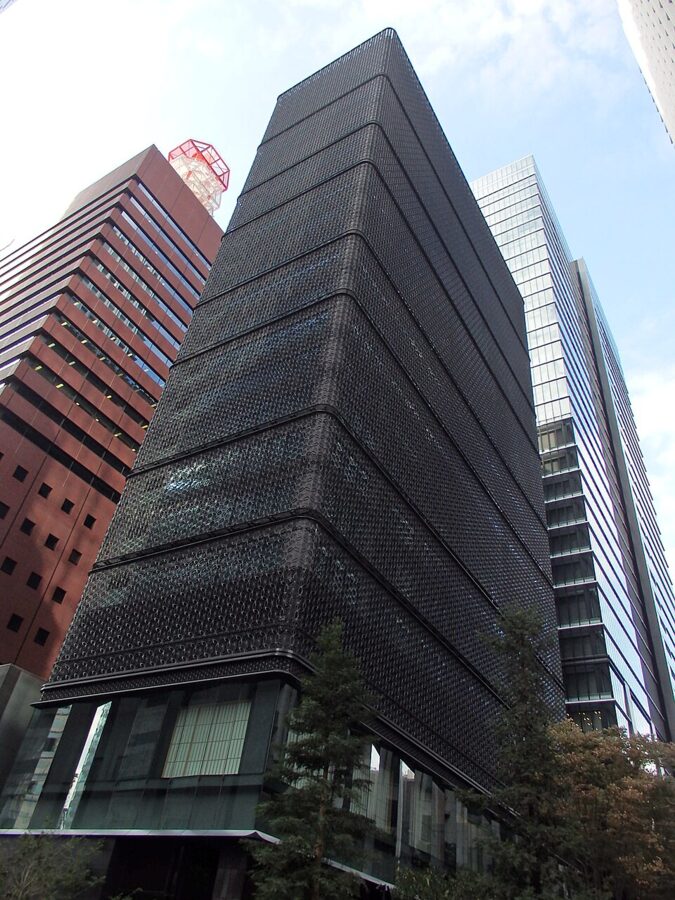

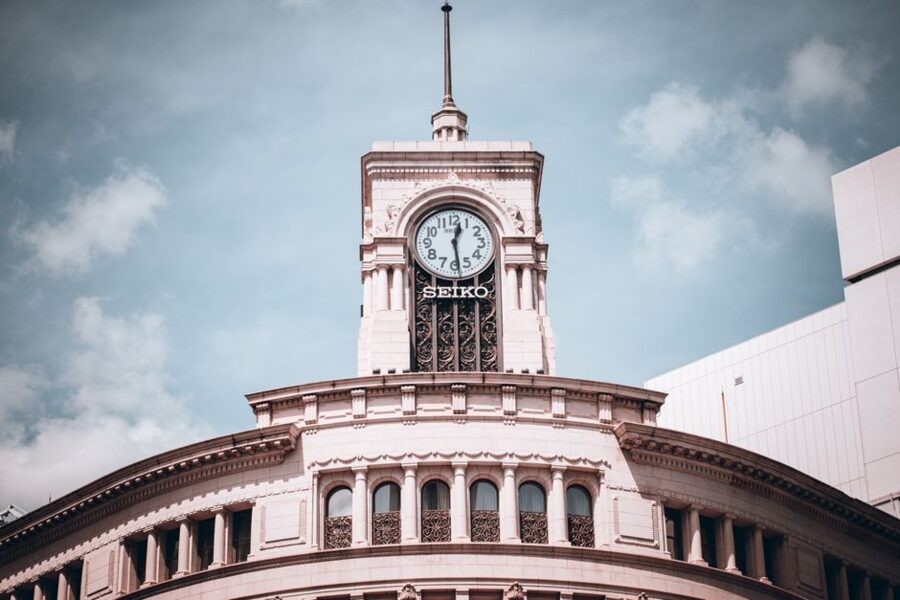
Verdict: worth the extra money if you have a rail pass to use or a Shinkansen at 07:00. Less so if the plan is nights in Shibuya, which is 25 minutes away.
Asakusa and Ueno
These two sit together in Taito ward, in the old northeast of the city, and they are the value pick. The Ginza Line links them in five minutes, and Ueno is on the Yamanote Line, the Shinkansen and the Skyliner. Akihabara is two stops south.
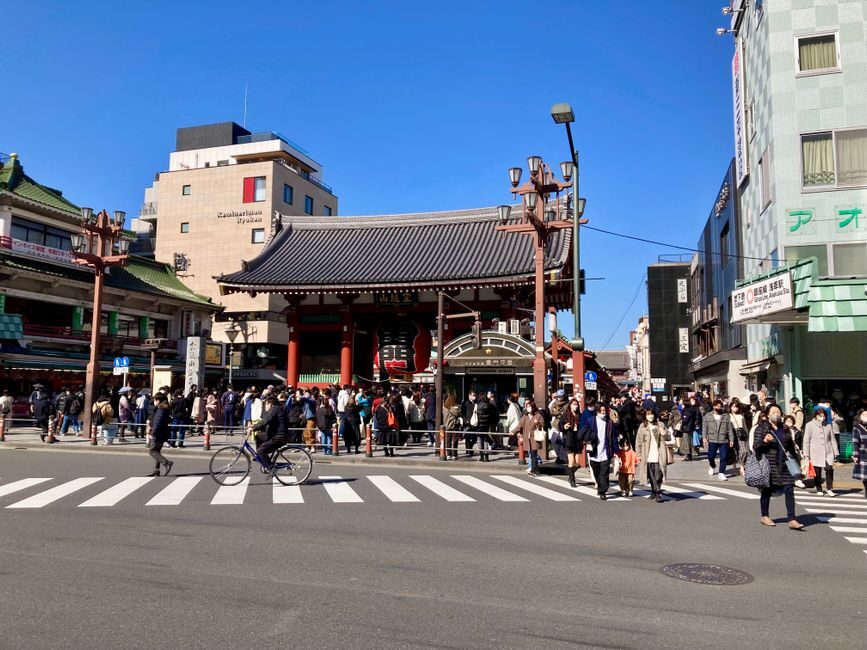
Asakusa is for people who want to walk out to Senso-ji before the crowds and back to a quiet street at night. Three business hotels within a few minutes of Kaminarimon were listed at ¥9,750–11,924 for November 24, 2026, and hostel beds at ¥5,310–5,600. Richmond Hotel Premier Asakusa International stands on Kokusai-dori. The catch is distance: Shinjuku is about 35 minutes on the Ginza Line and a change, and the restaurants close early.
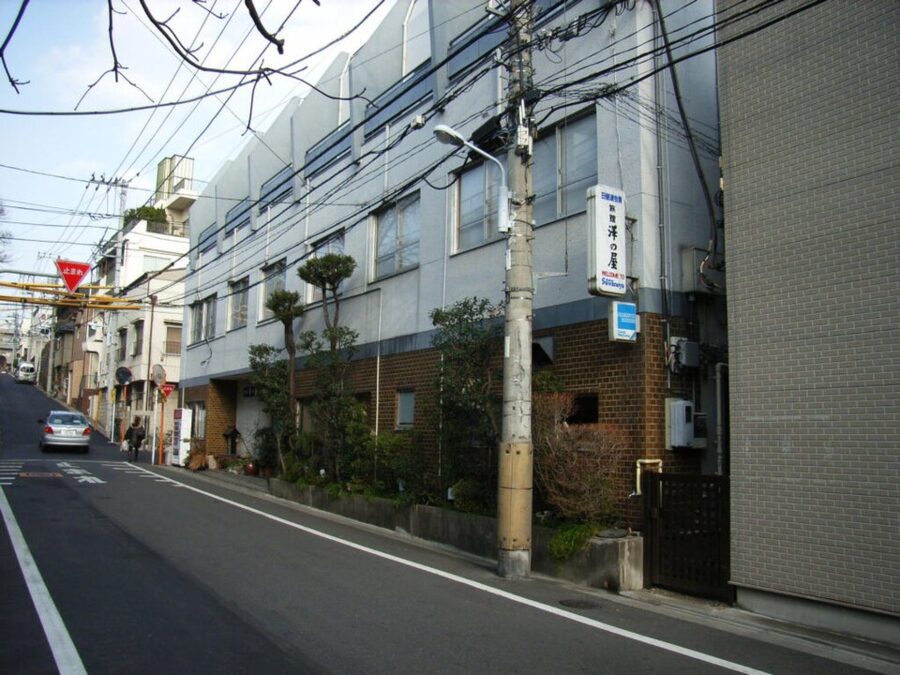

Ueno is the more practical half. Business hotels by the station ran about ¥11,000–14,000 for November 24, and the cheapest capsule near Okachimachi was ¥2,827. Nohga Hotel Ueno is the design hotel of the area. In Yanaka, a walk north of the park, Ryokan Sawanoya is a family-run inn of the old kind, with shared baths and futons on tatami, and has taken foreign guests for decades.
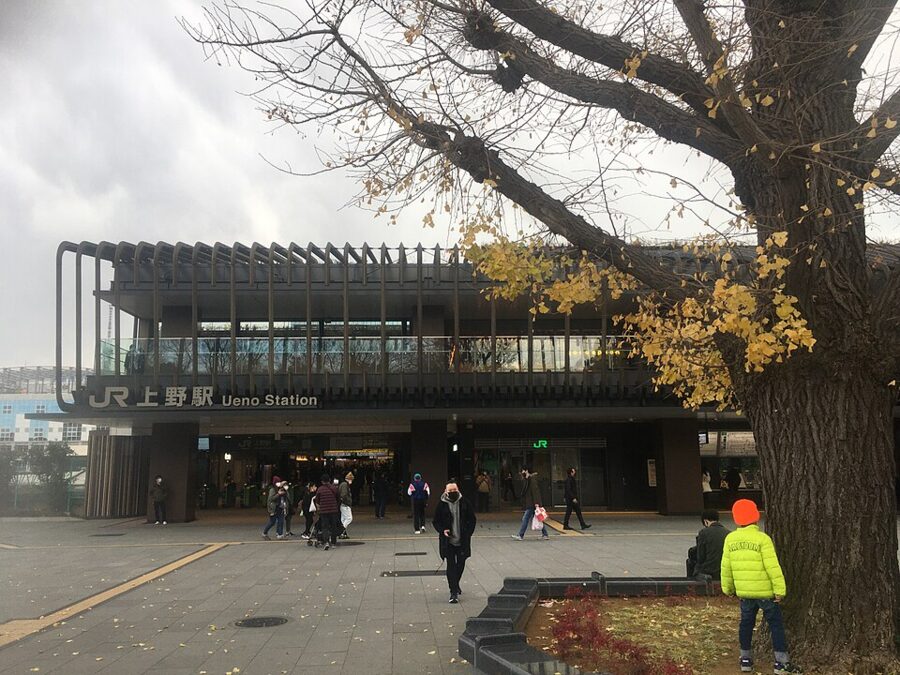

Verdict: Asakusa for the mornings, Ueno for the trains. Both are a weak base for nightlife and a strong one for early starts.
Roppongi and Akasaka
Minato ward is where most of the big international hotel brands opened their newest towers, and the price list shows it. For November 24, 2026, Janu Tokyo at Azabudai Hills was ¥278,688, The Okura Tokyo in Toranomon ¥141,352, and Mitsui Garden Hotel Roppongi Premier ¥58,900. Chain business hotels around Roppongi crossing ran ¥16,000–19,000.
Roppongi itself is a nightlife district with weaker rail links than Shinjuku: the Hibiya and Oedo lines, no JR. It suits people with work in the area or a reason to be out late, and it is the place where I’d least want a cheap room on the main street. Akasaka, a ten-minute walk north, is calmer and full of office-worker restaurants that shut on Sundays.

The Hotel New Otani Tokyo, at Kioicho between Akasaka and Yotsuya, is the old-guard pick, built around a large Japanese garden. Verdict: worth it for the tower hotels if that is the budget; skip Roppongi as a first-time base on a normal one.
Ikebukuro
Ikebukuro is the cheaper, plainer Shinjuku, on the northwest corner of the Yamanote loop. It has the JR lines, the Marunouchi, Yurakucho and Fukutoshin subway lines and the Seibu and Tobu railways, and its rooms cost less: the two Toyoko Inn branches by the North Exit were ¥11,800 for November 24, 2026. It suits budget travelers, anime and game shoppers, and anyone heading to Kawagoe or Chichibu.
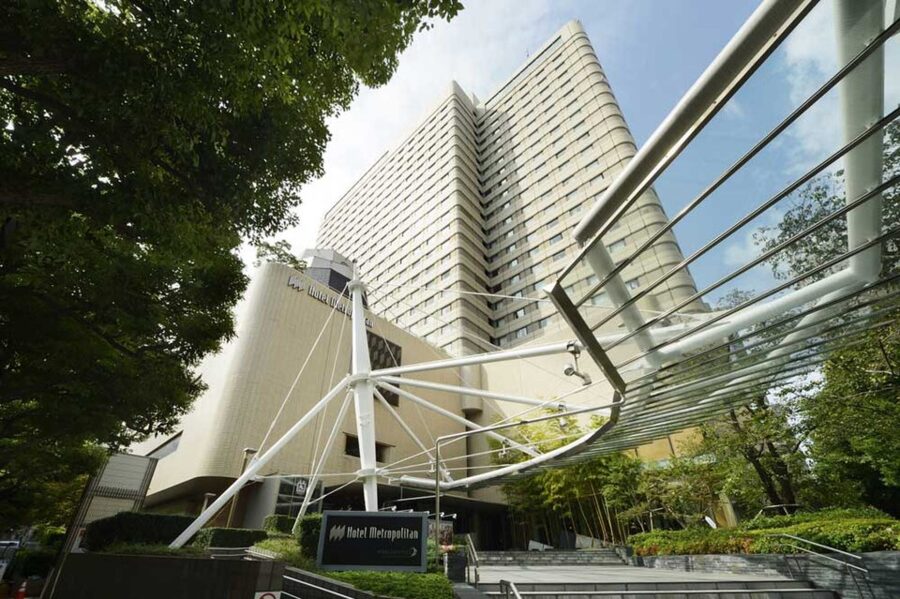

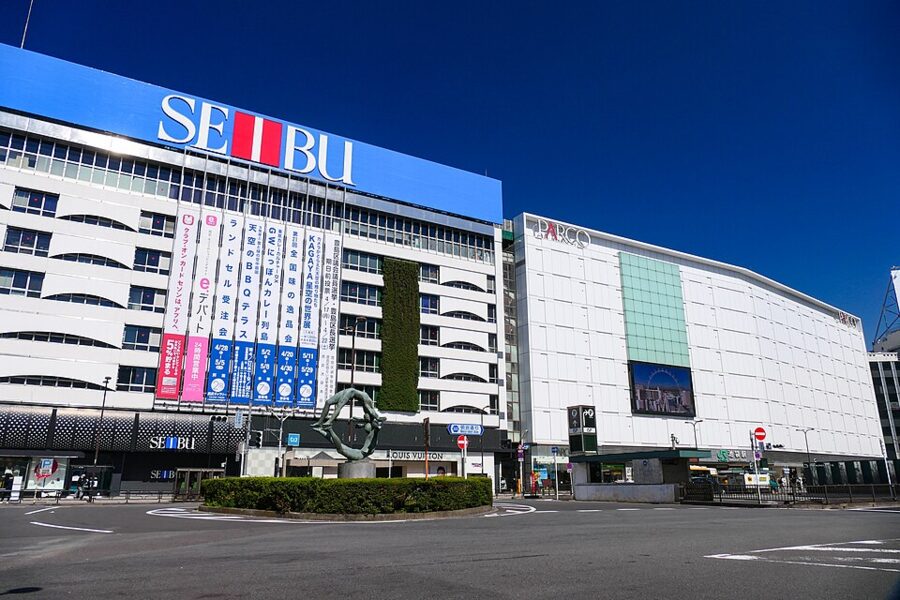

The weakness is the evening. Ikebukuro is not ugly, but it is not somewhere people go for the street life, and the north side has the love hotels mentioned above. The Hotel Metropolitan Tokyo Ikebukuro is the dependable mid-range choice on the west side.
Shinagawa
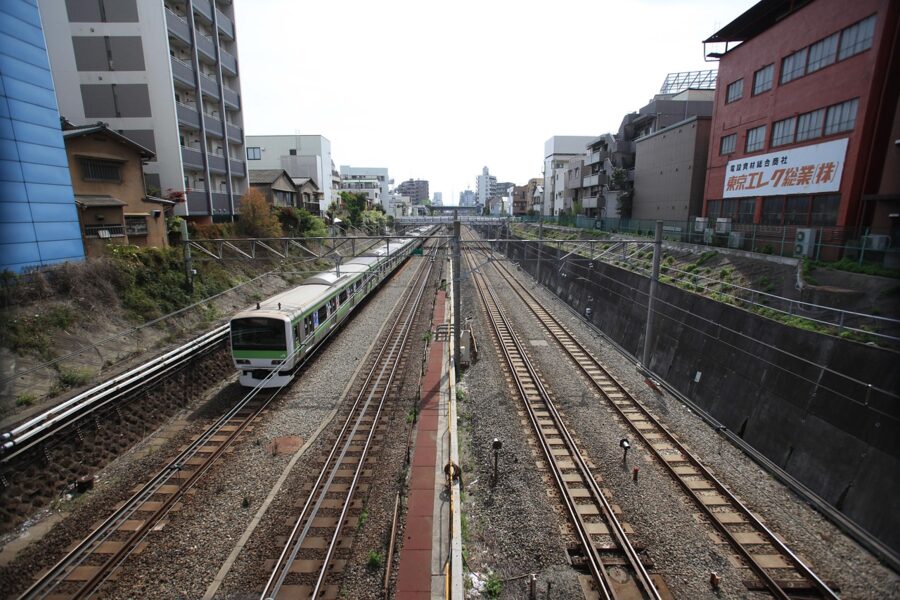
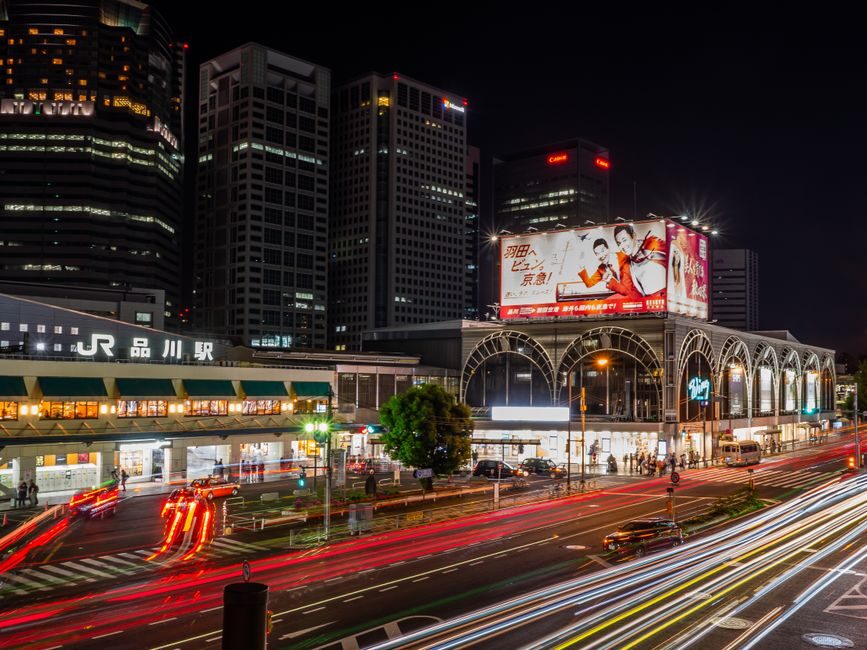
Shinagawa suits short stays, early flights and people traveling on to Kyoto. The Keikyu Line runs to Haneda without a change, the Tokaido Shinkansen stops here, and the Yamanote Line goes both ways round the loop. There is little to do outside the station after dinner, which is either a problem or the point.
The Shinagawa Prince Hotel, a two-minute walk from the Takanawa Exit, is the biggest bargain among Tokyo’s large hotels: ¥18,500 for November 24, 2026, against ¥73,660 for its luxury sibling, The Prince Sakura Tower Tokyo, up the hill. It is a small town of towers with its own aquarium and cinema.
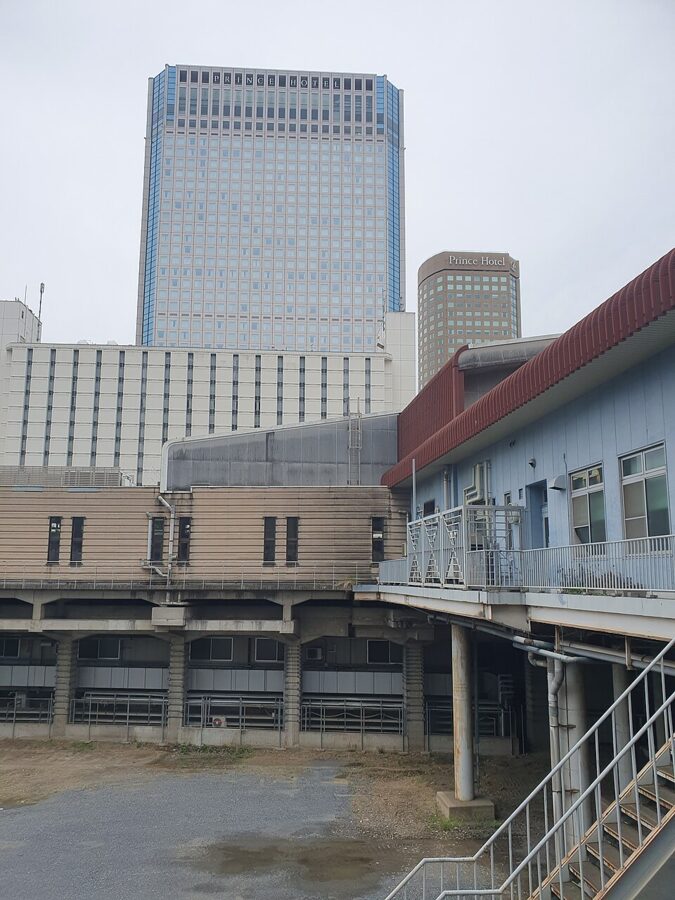
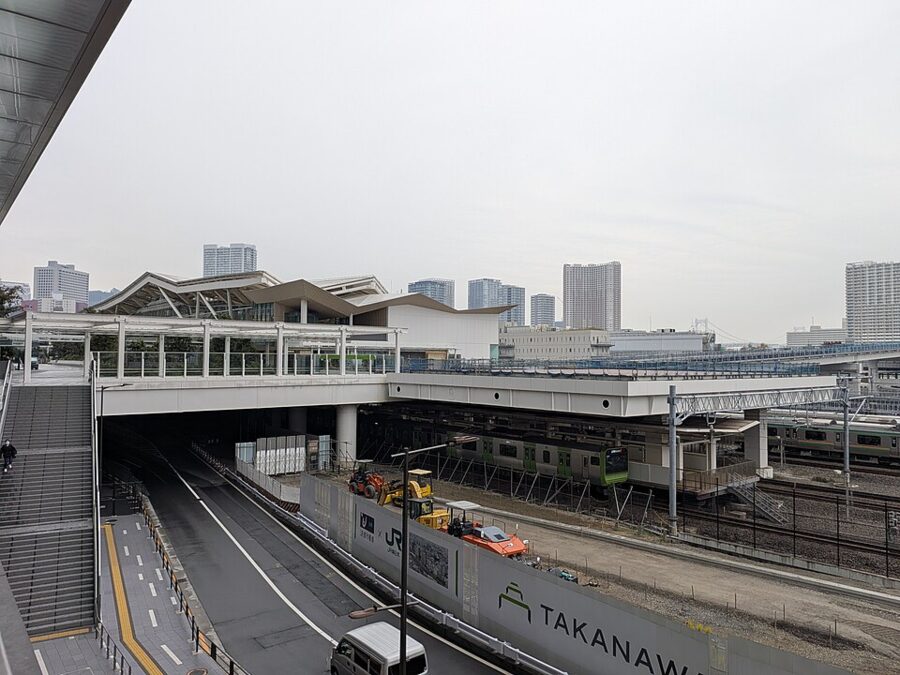
One stop north, Takanawa Gateway City opened its first towers on March 27, 2025 and its second phase, including the MoN Takanawa museum, on March 28, 2026. It is new enough that the area has more construction fences than restaurants.
Ningyocho, Kagurazaka and Ebisu
Three quieter picks for a second trip, or a first one for people who would rather eat well than be in the middle of things.
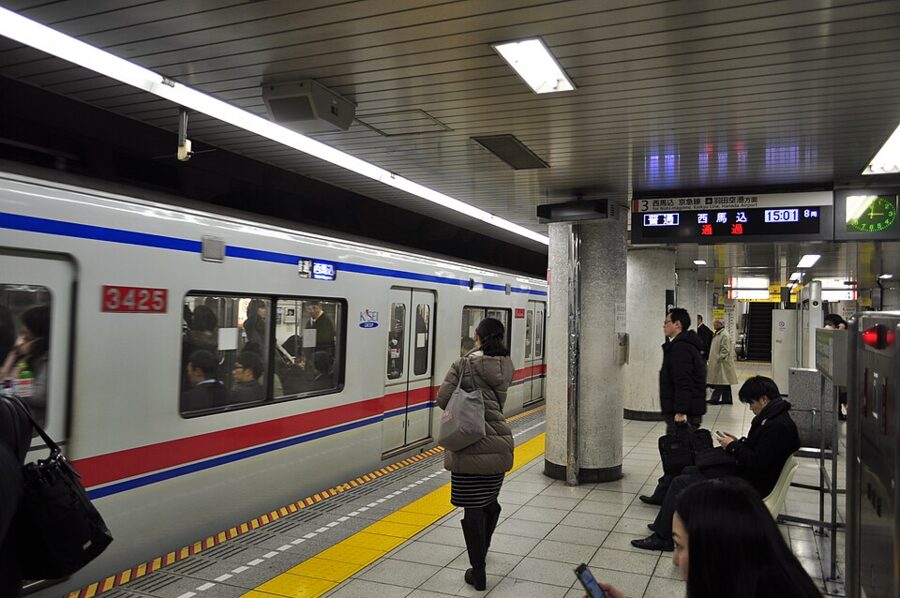
Ningyocho, in Nihonbashi, is an old merchant quarter of sweet shops and small restaurants on Amazake Yokocho. The Hibiya Line runs to Ginza and Ueno, and the Toei Asakusa Line runs through to Keikyu for Haneda and Keisei for Narita, so it is one of the few districts with a train to both airports without a change. 9h nine hours Ningyocho was ¥7,440 for November 24, 2026; it takes cards and IC payment only, no cash.

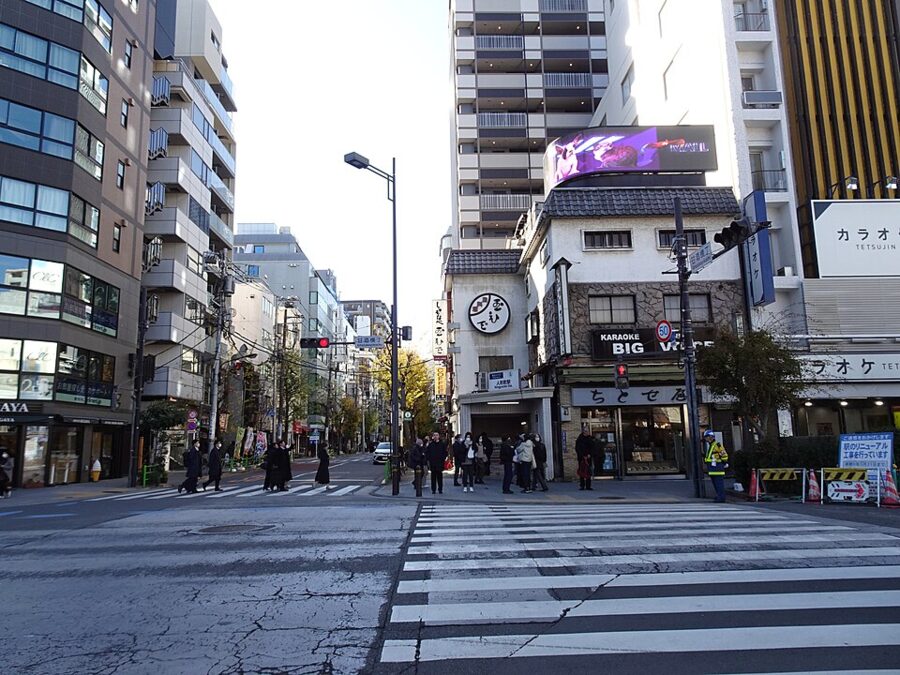

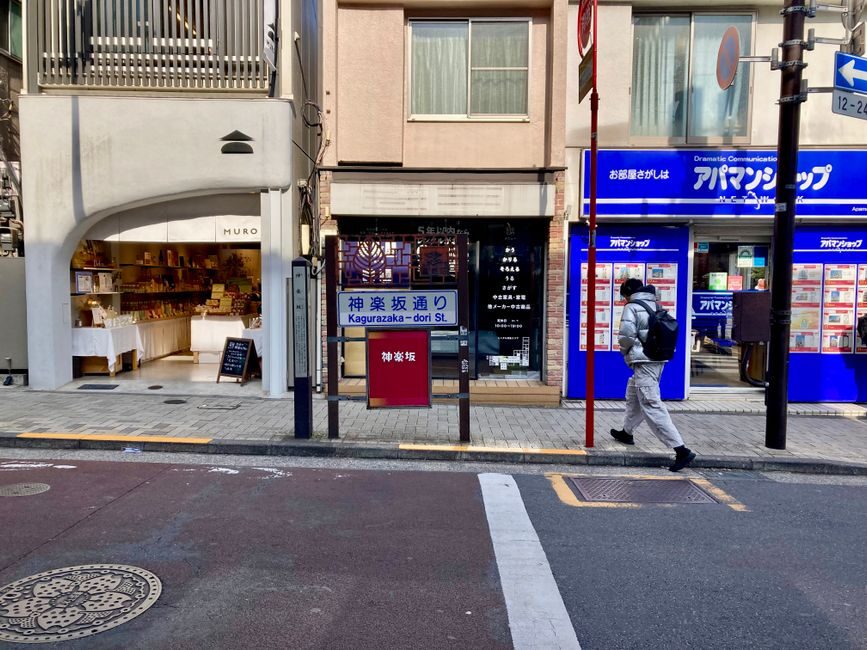
Kagurazaka, on the Iidabashi slope, is stone-paved lanes, French bistros and old ryotei, with the Tozai Line at the top and JR, Namboku, Yurakucho and Oedo lines at Iidabashi at the bottom. Hotels are few; UNPLAN Kagurazaka is a hostel with private rooms, ¥7,623 for November 24, 2026.
Ebisu sits one Yamanote stop from Shibuya and has the best bar-and-restaurant streets per block on the loop, with the Hibiya Line too. Business hotels ran ¥14,250–16,190 for November 24. Verdict on all three: excellent if you already know the city, slightly harder on a first trip, when the big stations are easier to navigate from.
Hotel types, and what the room gets you
The type of hotel changes the trip as much as the district does. Room sizes, baths, check-in hours and whether you can stay in the room during the day all vary more than the photos suggest.
Business hotels
The business hotel (ビジネスホテル) is the default Tokyo room: small, spotless, near a station, with a unit bath, a kettle, a pajama robe and a desk. Even a design-led chain’s standard double, like Hotel Gracery Shinjuku’s, is 18 m² with one 140 cm bed, and budget singles are smaller. Check whether a room for two has a semi-double (about 120 cm), which some chains sell as a double.
The chains differ in useful ways. Toyoko Inn serves a free breakfast at every hotel, lets children of elementary school age or younger stay free when sharing a parent’s bed, and lets you change a booking made on its own site until 12:00 on the day of check-in. Dormy Inn hotels have large public baths, which after 25,000 steps is worth paying a little extra for.
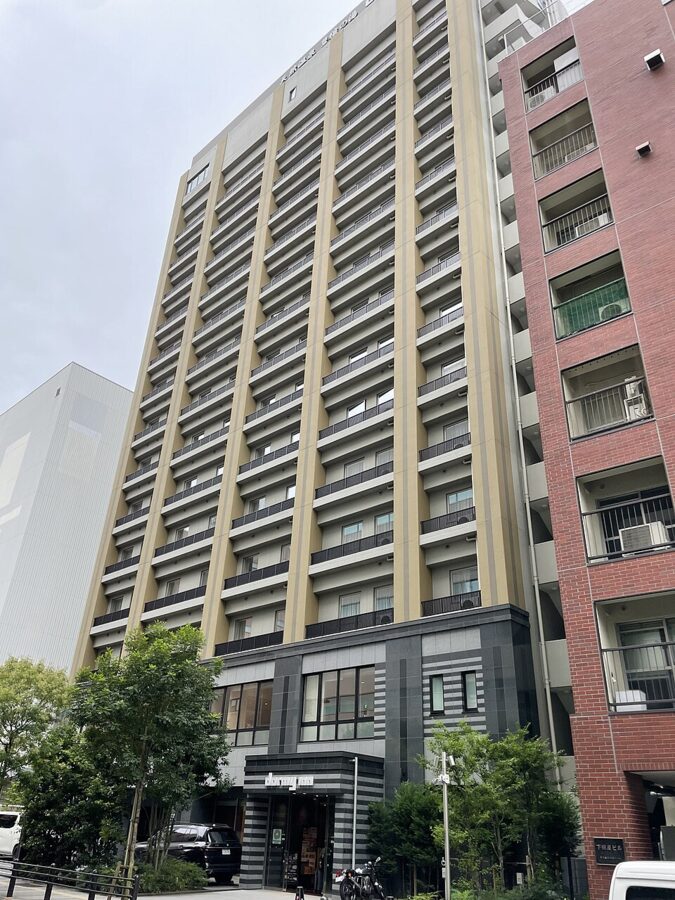

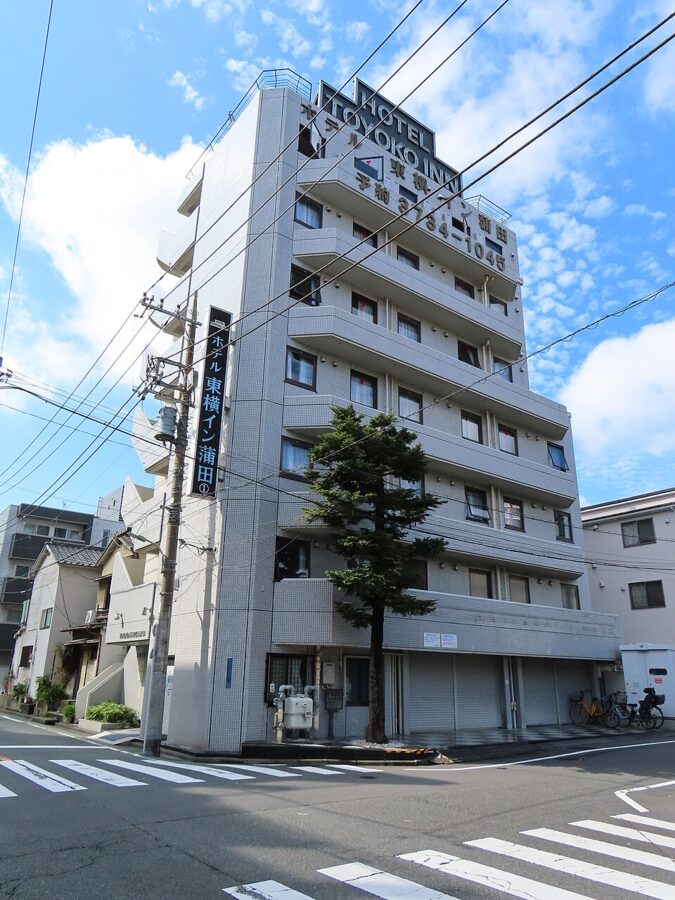

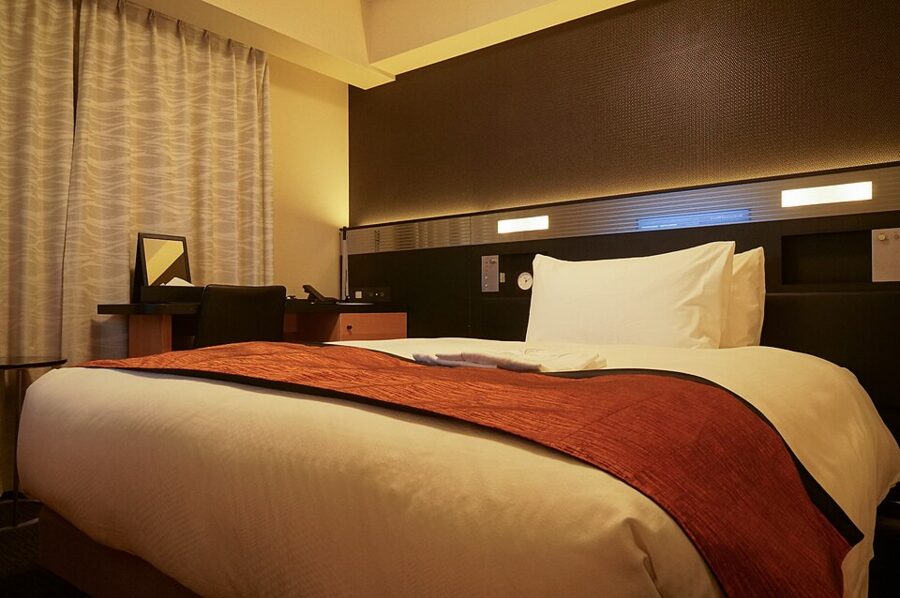

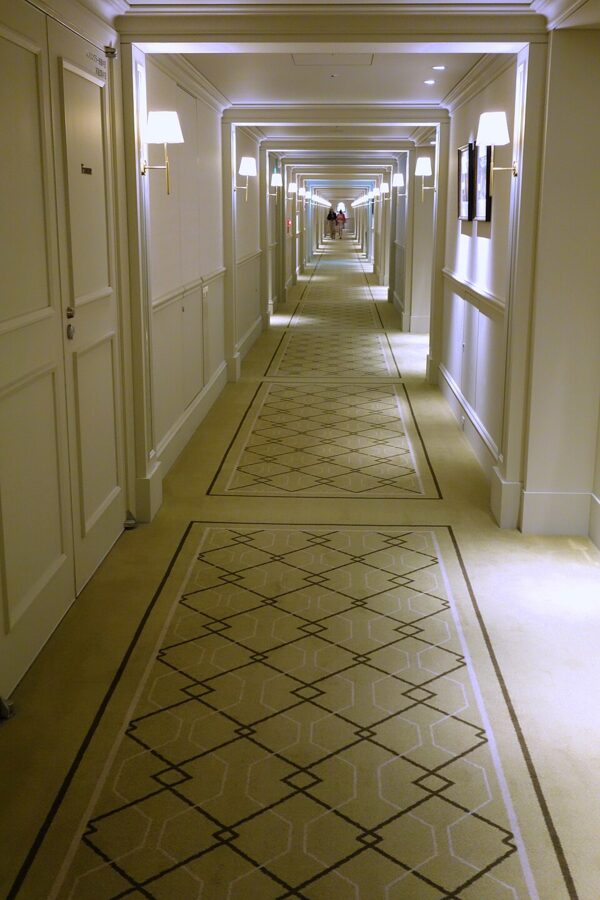
The step up is the “premier” or design-led business hotel, Hotel Gracery, Mitsui Garden, Richmond and others: 18 to 22 m², better beds, sometimes a public bath. That is the sweet spot for most couples. Keio Plaza’s 23.5 m² standard room is the size where two open suitcases stop being a negotiation.
Capsule hotels
A capsule hotel (カプセルホテル) rents a sleeping pod in a shared, single-sex floor, with lockers for luggage and shared showers. The first opened in Osaka in 1979, for office workers who missed the last train, and many still have floors for men only. Women-only floors and buildings are common now, and the 9h nine hours chain runs single-gender hotels such as its women-only Shinjuku location.
The rules at 9h nine hours are typical. Check-in runs from 15:00 to 05:00, check-out is by 11:00, and between 11:00 and 15:00 the capsule floors close for cleaning, even if you are staying another night. Big suitcases may not fit the lockers; the front desk holds them, but not after check-out.
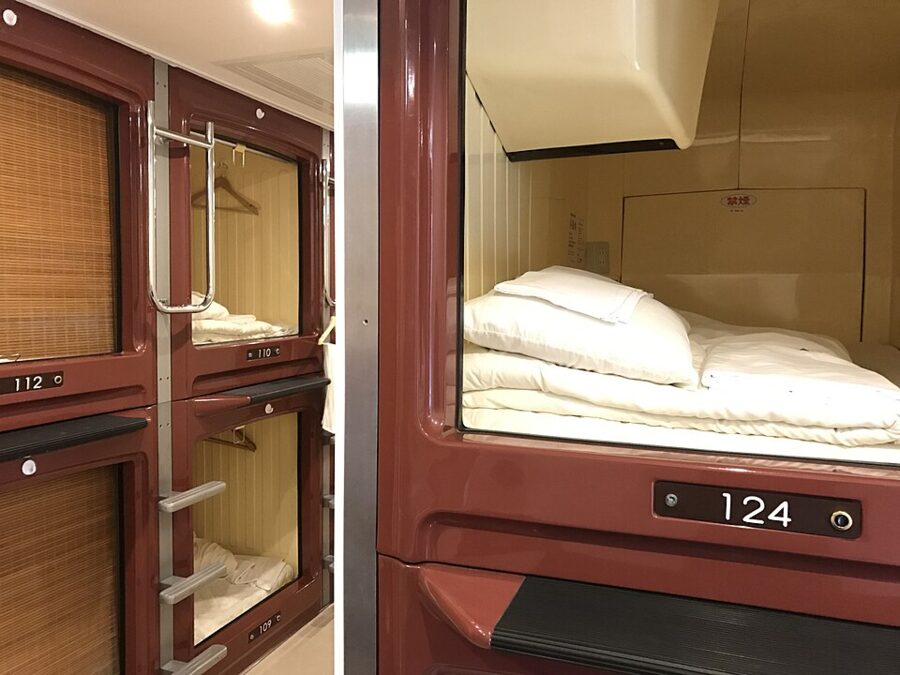

Who can use them: adults traveling light, for a night or two. They suit a cheap first night or a late arrival, not a week with luggage, and couples and families cannot share a pod. Many capsule hotels refuse guests with tattoos in their bath areas, so check the rules for each one.
Ryokan in the city
A ryokan (旅館) in Tokyo is rarely the hot-spring inn of the countryside. Most are small family places with tatami rooms, futons laid out at night and shared baths, at business-hotel prices, and few serve dinner. Sawanoya in Yanaka is the classic of that kind.
The other kind is the luxury urban ryokan, which in practice means Hoshinoya Tokyo in Otemachi. Anywhere in between, check what “ryokan” means on the listing: some are guesthouses that use the word for a tatami floor.
Hostels
Tokyo’s hostels are clean, safe and often well designed, with dorm beds for about ¥5,000–9,000 for November 24, 2026 and private rooms at the price of a cheap business hotel. Book and Bed in Shinjuku and UNPLAN in Shinjuku and Kagurazaka are examples; the cluster around Asakusa, Kuramae and Ueno is a big one.
Many hostels lock up the rooms during the day for cleaning, the way capsule hotels do, and many have no bath, only showers. That is fine for a backpacker and tiring for anyone on their feet from 08:00 to 22:00.
Apartments and private rentals (minpaku)
Private rentals, called minpaku (民泊), are legal in Tokyo only under one of three systems: a full inn license, a registration under the 2018 Private Lodging Business Act, or a special-zone certification. Under the 2018 law, a home may be rented for no more than 180 days a year, and wards can cut that further by ordinance. Several do, mostly in residential zones.
That is why the apartment you found may only be bookable at weekends. The Japan Tourism Agency warns guests to avoid unregistered places and to book through registered intermediaries or travel agencies. For families, the apartment hotels near Asakusa, Ueno and Ikebukuro, licensed as hotels with kitchens and washing machines, avoid the problem.
Luxury towers
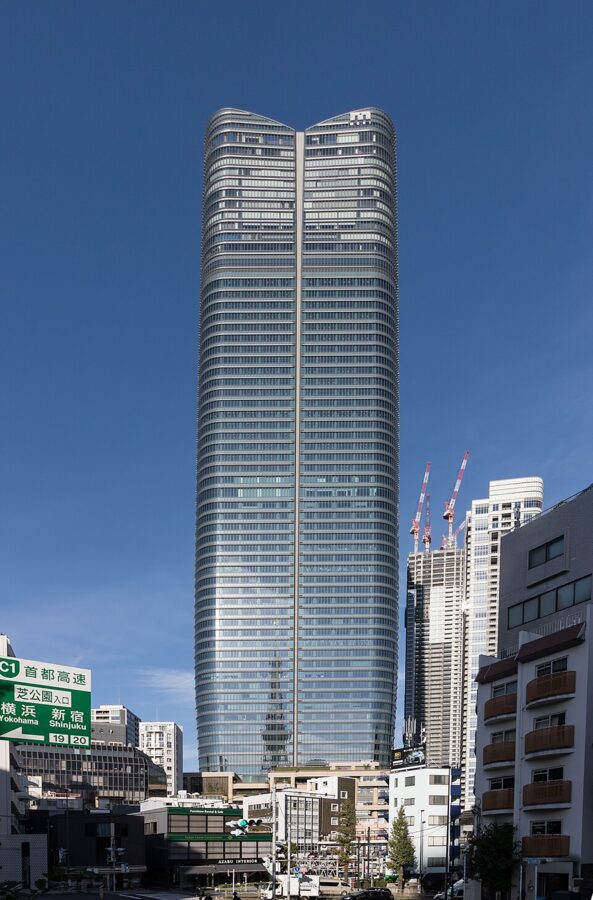
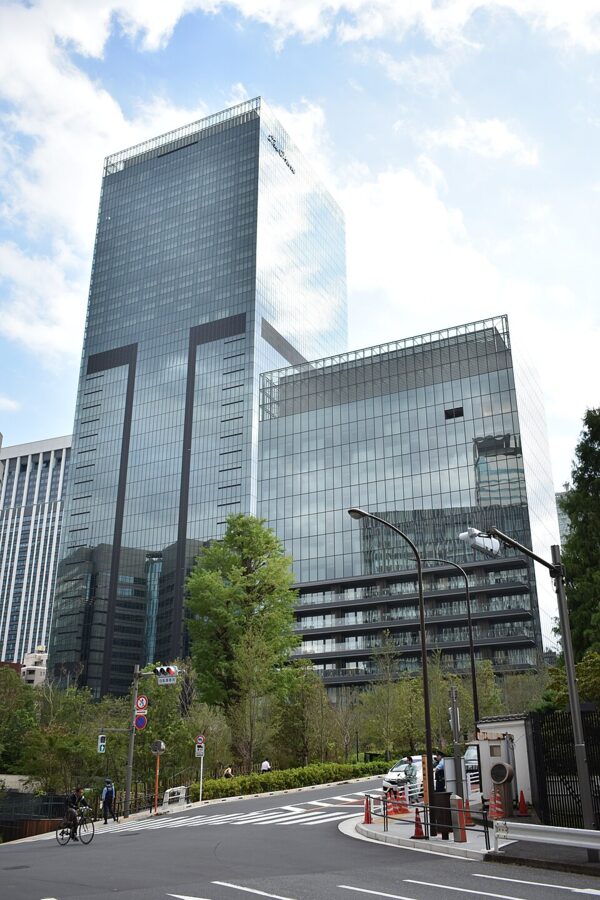
The top of the market is in the towers of Otemachi, Marunouchi, Toranomon, Roppongi and West Shinjuku, usually in the top 10 floors of an office building with the lobby high up. The prices for November 24, 2026: ¥53,460 at Keio Plaza, ¥78,493 at the Tokyo Station Hotel, ¥141,352 at The Okura Tokyo, ¥278,688 at Janu Tokyo. Views, pools and space are what the money buys; the cheaper chains are just as clean.


What a night costs, and when it jumps
Here is the November 24, 2026 floor, district by district, from the lowest rates listed that night. Read across rather than down: the gap between a business hotel in Asakusa and the same chain in Ginza is the cost of location.
| District | Cheapest bed (capsule or hostel) | Business and mid-range hotels | Top of the list |
|---|---|---|---|
| Shinjuku | ¥3,060–8,470 | ¥11,500–26,060 | ¥53,460 (Keio Plaza) |
| Tokyo Station and Nihonbashi | none listed | ¥10,800–30,800 | ¥195,376 |
| Ginza | none listed | ¥13,043–30,452 | ¥203,960 |
| Asakusa | ¥2,074–5,600 | ¥9,750–11,924 | ¥39,528 |
| Ueno | ¥2,827–9,372 | ¥11,373–14,240 | ¥72,576 |
| Ikebukuro | ¥3,500 | ¥9,990–11,800 | ¥34,848 (apartment hotel) |
| Shinagawa | ¥6,274 (Gotanda) | ¥9,818–23,031 | ¥122,148 |
| Roppongi and Akasaka | ¥5,600–11,065 | ¥16,469–28,800 | ¥278,688 (Janu Tokyo) |
| Ebisu | ¥6,274 | ¥14,250–16,190 | ¥35,112 |
| Ningyocho and Kagurazaka | ¥5,818–7,623 | ¥17,232–22,440 | ¥26,790 |
Those are midweek prices outside the peaks. The rates climb, sometimes double, in four seasons, and the cheapest rooms in the best places are gone weeks before.
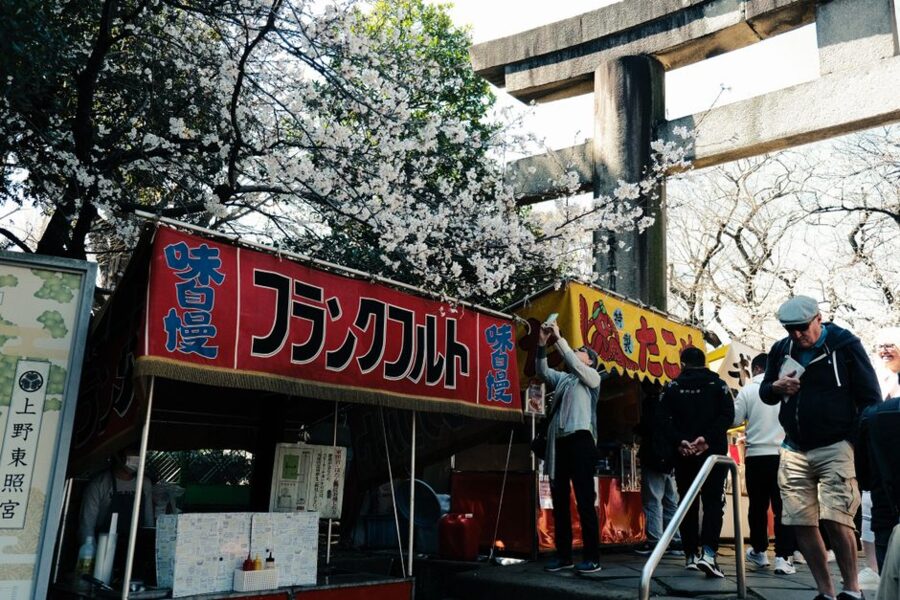
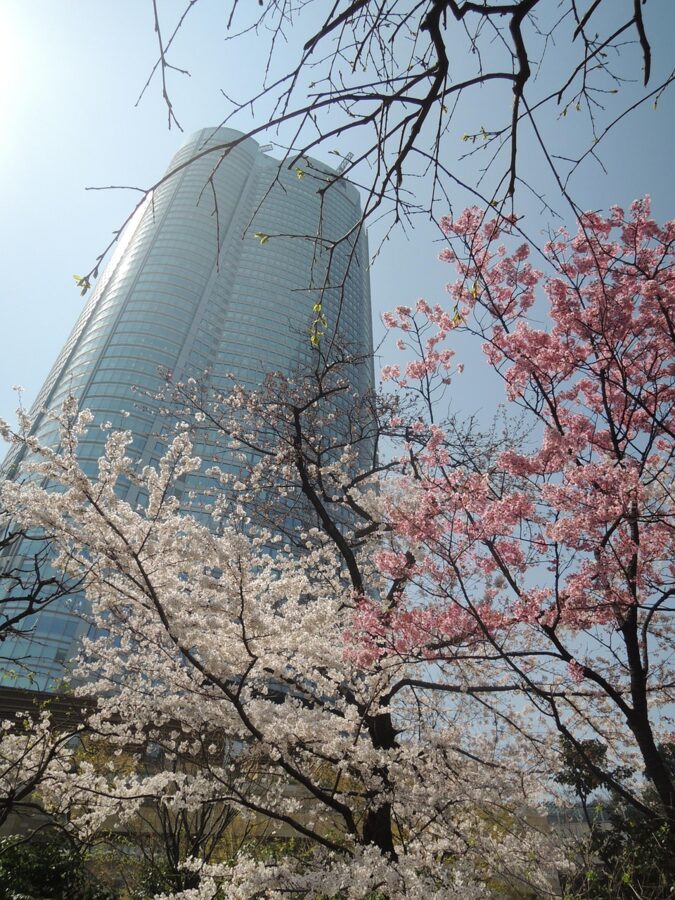
Cherry blossom season comes first. The Japan Meteorological Agency’s normal flowering date for Tokyo is March 24, but the trees opened on March 19 in 2026, March 24 in 2025 and March 29 in 2024, so the peak week moves. Book the last ten days of March and the first week of April as early as you can.
Golden Week runs from April 29 to May 5 in 2027, when the whole country travels, and New Year from about December 29 to January 3. Autumn is the quiet surprise: the ginkgo and maple leaves turn in Tokyo from late November into December, and weekends then fill up. Big concerts at Tokyo Dome and conventions at Tokyo Big Sight fill whole districts for a weekend, too.
At the desk: tax, passports and luggage
The Tokyo accommodation tax
Tokyo charges a nightly accommodation tax, and the rules change on April 1, 2027. The Tokyo Metropolitan Government’s Bureau of Taxation sets it per person per night, on the room rate.
| Room rate per person per night | Until March 31, 2027 | From April 1, 2027 |
|---|---|---|
| Under ¥10,000 | No tax | No tax |
| ¥10,000–12,999 | ¥100 | No tax |
| ¥13,000–14,999 | ¥100 | 3% of the rate |
| ¥15,000 and over | ¥200 | 3% of the rate |
| Who pays | Hotel and ryokan guests | Also capsules, hostels and other simple lodgings, and minpaku |
The change hits the expensive end hard. Two people sharing a ¥30,000 room pay ¥200 each until March 2027, and ¥450 each from April. At ¥80,000 for two, the tax goes from ¥400 a night to ¥2,400.
Some hotels collect it at the desk, separately from what you paid online, so check whether a quoted rate includes it. Bring a card, or a little cash.
Other fees and the check-in rules
The room rate in Japan normally includes the 10% consumption tax and service, so there is no tip and usually no resort fee. The big luxury hotels add a service charge to the room or the restaurant bill, which the rate quote should show. Check-in is usually 15:00 and check-out 10:00 or 11:00, and most hotels will hold bags before and after.
Foreign visitors without an address in Japan must show a passport at check-in, and the hotel will copy it. That comes from the Ministry of Health, Labour and Welfare, which requires your nationality and passport number in the guest register. It is not the desk being fussy, and it applies to every guest in the group, so have all the passports out.
Sending the luggage ahead
Japan’s luggage-forwarding services are the best argument for changing hotels mid-trip. With Yamato Transport’s hands-free service, a suitcase dropped at a hotel desk or sales office by about 18:00 can reach the next hotel the next day; one 160 cm bag from Tokyo to Kyoto started at about ¥3,160 in late 2026. Hotels have to agree to receive it, so ask first.
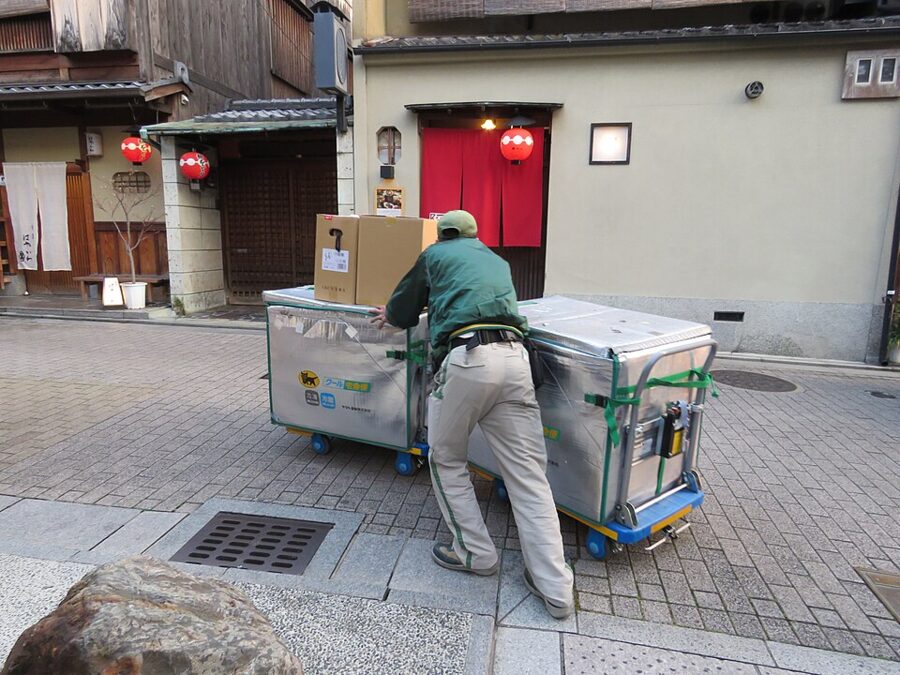

The labeling matters. Hoshinoya Tokyo asks for the check-in date and the guest’s name on the slip, and 9h nine hours wants the name in Roman letters and the bag sent for the check-in date itself. Next-day delivery is the best case, so send a bag to the airport with a day to spare.
Booking: how far ahead, where, and the cancellation line
For an ordinary month, book two to three months ahead and you will have most of the choice. For cherry blossom, Golden Week and New Year, book as soon as the dates are fixed, four to six months out if you can. The good cheap rooms near the big stations go first; the luxury towers almost always have something left, at a price.
Book direct where the hotel’s own site gives something back. 9h nine hours guarantees its lowest rate to members, Dormy Inn gives three points per ¥100 spent before tax on its own site and app, and Toyoko Inn lets you change an official-site booking on the day. Booking platforms help for comparison and for small independents. But a booking made through a platform has to be changed or canceled through that platform, not at the hotel.
Read the cancellation line before you pay. Japanese hotels commonly charge a percentage from a few days out, rising to 100% on the day or for a no-show; at 9h nine hours, canceling before the check-in date costs nothing and on the day costs the full rate. Non-refundable plans are cheaper and mean exactly that.
So the answer from the first line holds: a room five minutes from a Yamanote station, in Shinjuku West, by Tokyo Station or in Ueno and Asakusa. Check which exit the hotel means, book by January for a late-March trip, and budget the new 3% tax for any night after April 1, 2027.