

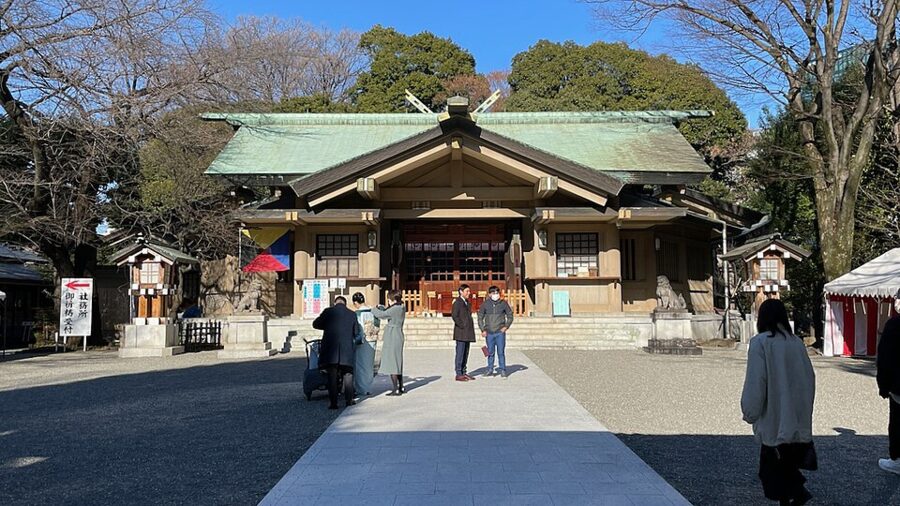
Get off the JR Yamanote Line at Harajuku before 10:00 on a weekday and the 350 meters of Takeshita Street belong mostly to delivery vans and half-raised shutters. By 14:00 on a Saturday the shopping association’s sign asking you to keep left has stopped being advice, and the crowd moves at the speed of its slowest crepe. That gap is the whole planning problem in this district, and it decides the order of everything else.
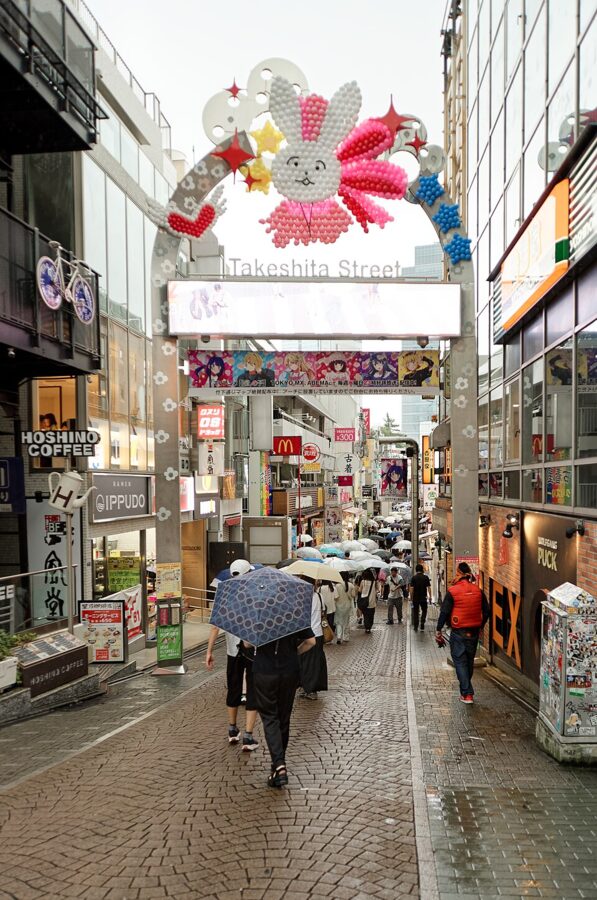

The order I’d use: the shrine first, because Meiji Jingu opens at sunrise (06:10 in November, 06:40 in December) and the forest is quiet until about 09:00. Takeshita Street second, at 10:00 or 11:00 as the shops open. Omotesando and Cat Street through the afternoon, when the crowds have moved there too and the avenue is wide enough to take them. Yoyogi Park fits in wherever a weekend event is on.
Harajuku (原宿) is not a ward or even an official address. The streets carry the names Jingumae in Shibuya ward, which calls itself Shibuya City in English, and the name belongs to the station and to the old post town that stood here. Everything below is within a 20-minute walk of the station.


Which station, which exit
Three stations serve the district, and the right one depends on which end you want.
JR Harajuku Station (JY19)
The JR Yamanote Line stop is the obvious one: two stops and four minutes from Shinjuku, one stop from Shibuya. A paper ticket from either costs ¥160 since JR East raised its fares on March 14, 2026, when the old cheaper Yamanote Line fare band was folded into the standard one. The full picture of IC cards and passes is in the guide to getting around Tokyo; for Harajuku a tap of any IC card does the job.
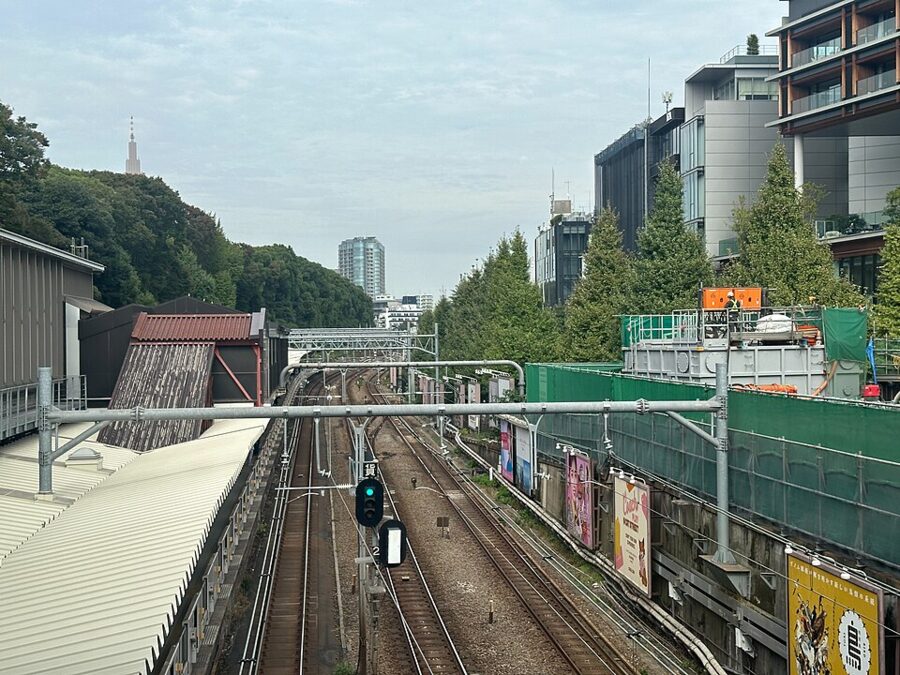
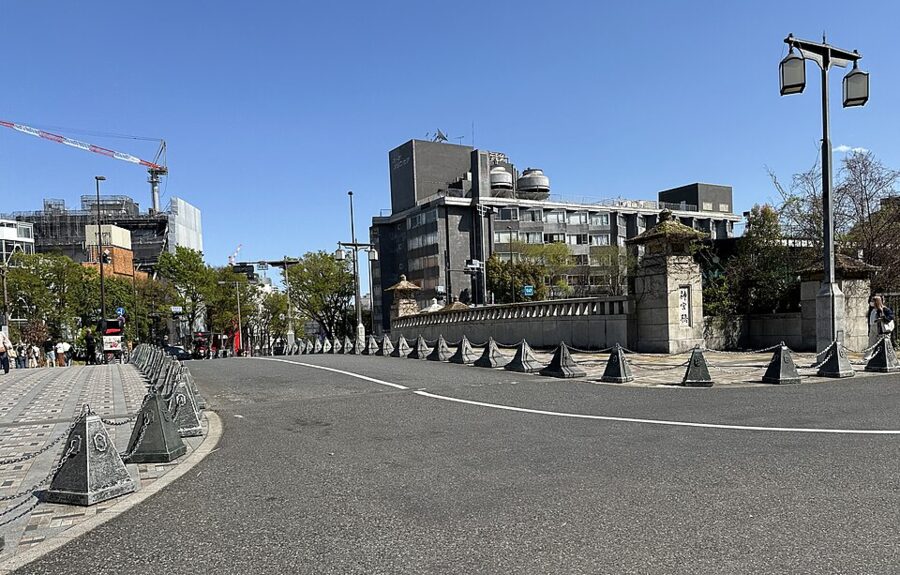
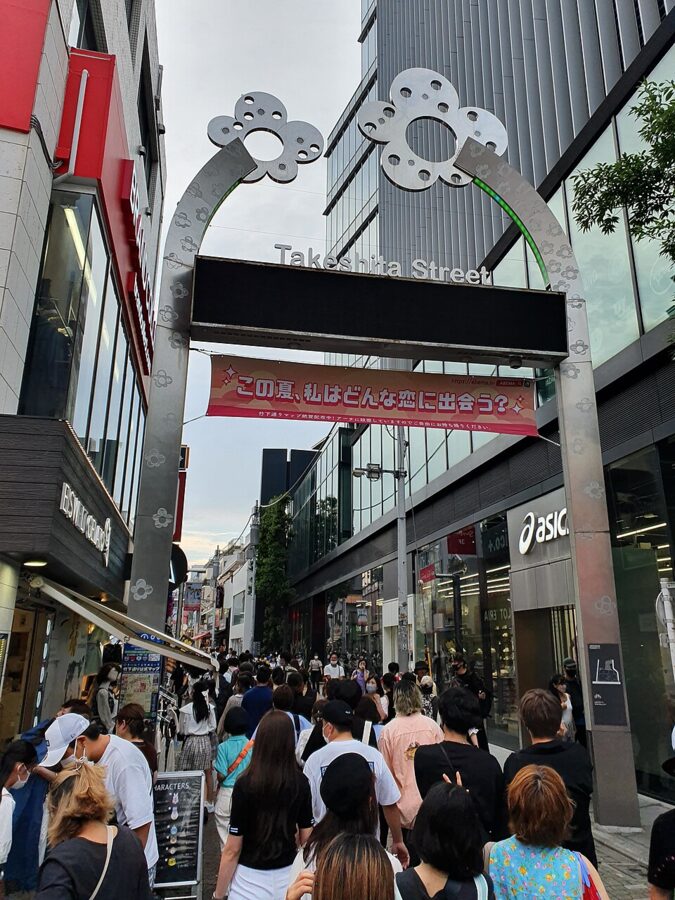
The station has two gates, and they open onto different districts. The main gate, signed Omotesando Exit, has two doors on the street side: the East Exit leads straight out to the top of Omotesando, and the West Exit, past the ticket machines, lets you out by Jingu Bridge and the shrine. The Takeshita Exit, at the Shinjuku end of the platforms, is a small gate with stairs only, no escalator or elevator, and it puts you directly across the road from the Takeshita Street arch.
Since March 21, 2020, the two directions have used separate platforms. Trains for Shibuya and Shinagawa stop at the old island platform; trains for Shinjuku and Ikebukuro stop at the platform on the shrine side, which until 2020 opened only for the New Year crowds. If you are carrying luggage, use the Omotesando Exit, where the lifts are.
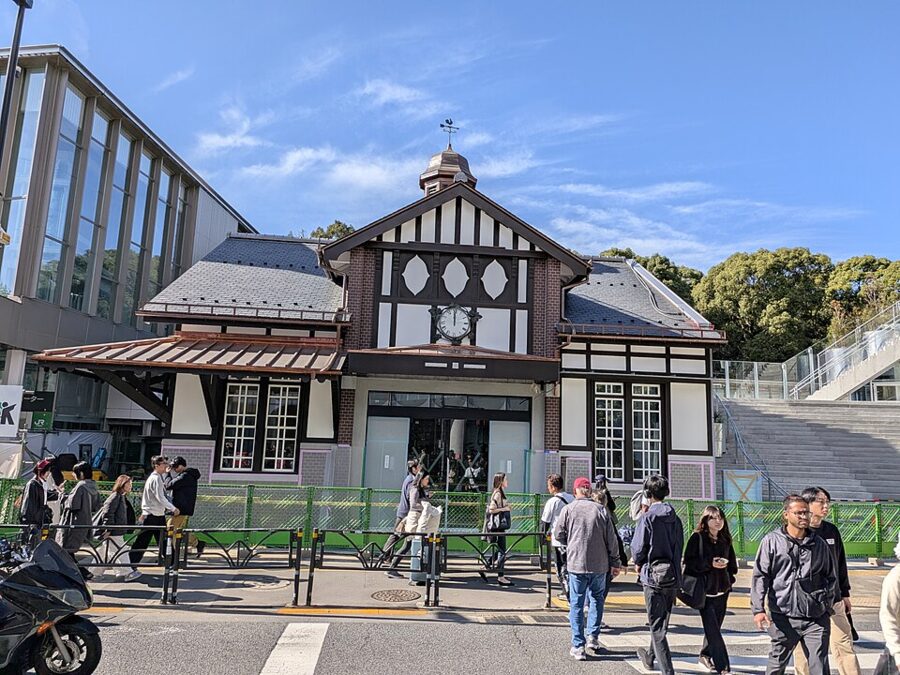
The building that every older photo of Harajuku shows, the white half-timbered station with its little spire, was the oldest wooden station building in Tokyo when it closed in 2020. JR East announced on April 23, 2024 that it would rebuild the exterior as a commercial building, started work at the end of May that year, and gave winter of fiscal 2026 as the opening. By early November 2026 the facade was out of its scaffolding next to the new station. I could not find a posted opening date for the shops inside.
Meiji-jingumae〈Harajuku〉 Station (C03, F15)
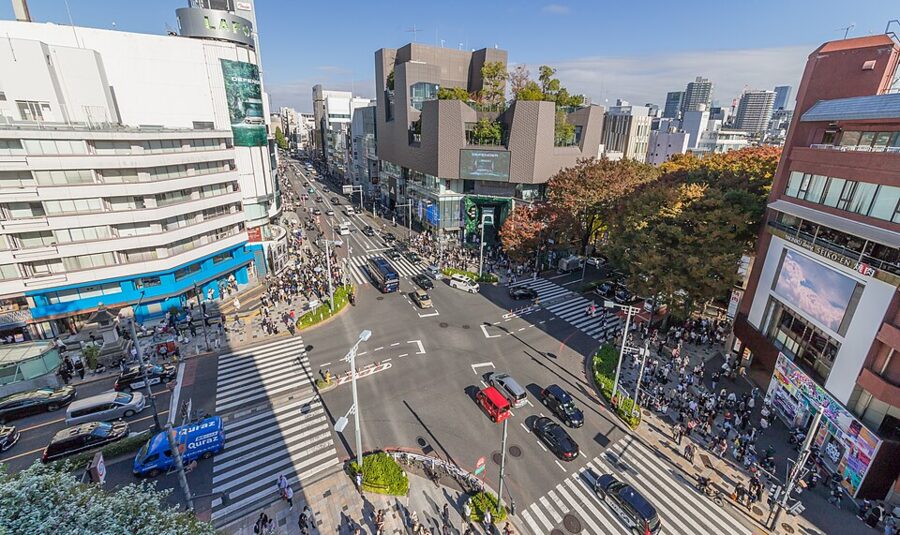
Tokyo Metro signs this one with the district name in brackets, and it is the better arrival from the subway: the Chiyoda Line runs one stop from Omotesando, the Fukutoshin Line one stop from Shibuya. The station lies under the Jingumae crossing, and the exits are worth knowing by number. Exit 2 comes up beside the JR Omotesando Exit (the two stations are linked outside the gates), Exit 5 is one minute from Laforet Harajuku and a short walk from the bottom of Takeshita Street, and Exits 4 and 7 come up at Harakado.
Omotesando Station (G02, C04, Z02)
The Ginza, Chiyoda and Hanzomon lines meet at the far, Aoyama end of Omotesando, about one kilometer from Harajuku Station. Arrive here if you want to walk the avenue downhill toward the shrine, or if Aoyama and the Nezu Museum come first. Exits A1 and A2 face the Harajuku direction; Laforet puts its own walk from Exit A2 at seven minutes.
The two ends of Takeshita Street work the same way. The top end, the arch, is the JR Takeshita Exit. The bottom end comes out on Meiji-dori, a few minutes north of the Jingumae crossing and Exit 5. Walking it uphill against the flow is slower on weekends and not worth trying after noon.
Meiji Jingu, early
Meiji Jingu (明治神宮) opens with the sun and closes with it, so the hours change every month. Entry is free, it is open every day of the year, and from each of the three gates the walk to the main hall takes about ten minutes. The Harajuku Gate, the south one, is a minute from JR Harajuku and from Exit 2.
| Month | Opens | Closes | Month | Opens | Closes |
|---|---|---|---|---|---|
| January | 06:40 | 16:20 | July | 05:00 | 18:20 |
| February | 06:20 | 16:50 | August | 05:00 | 18:00 |
| March | 05:40 | 17:20 | September | 05:20 | 17:20 |
| April | 05:10 | 17:50 | October | 05:40 | 16:40 |
| May | 05:00 | 18:10 | November | 06:10 | 16:10 |
| June | 05:00 | 18:30 | December | 06:40 | 16:00 |
That 16:00 closing in December is the thing people miss. Leave the shrine for the afternoon in winter and you will reach the gate as the priests are shutting it. The shrine’s opening-hours table notes that facilities inside keep shorter hours, mostly 09:00 to 16:00.

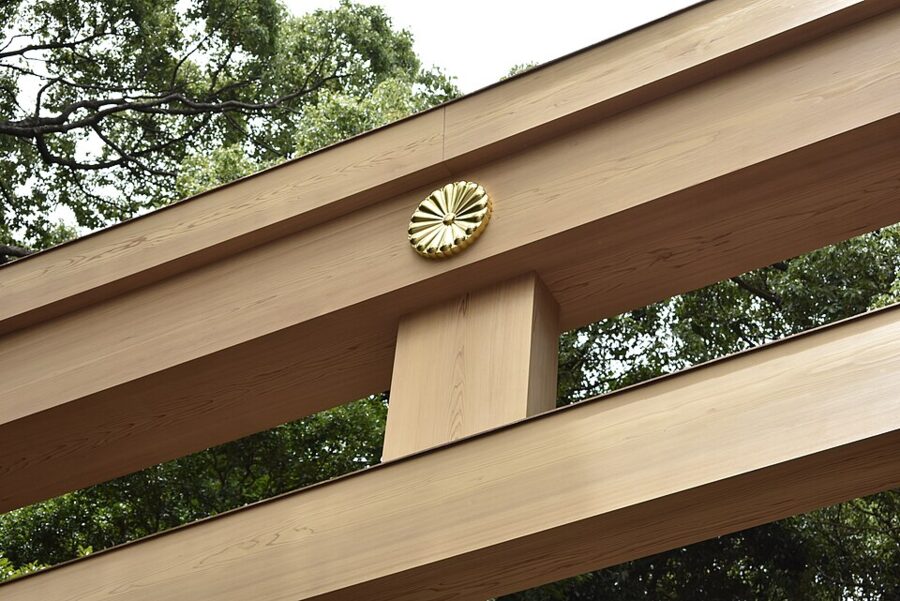

The shrine was founded on November 1, 1920 for the spirits of Emperor Meiji and Empress Shoken, and the forest around it was planted on purpose. About 100,000 trees of 365 species were donated from across Japan, and the foresters chose evergreen broadleaf trees over cedar because they had worked out that cedar would not survive Tokyo’s smoke. The shrine’s second survey, published in 2013, counted about 36,000 trees of 234 species: fewer, and far bigger. The approach is gravel and shaded the whole way, which is the reason to come in summer.
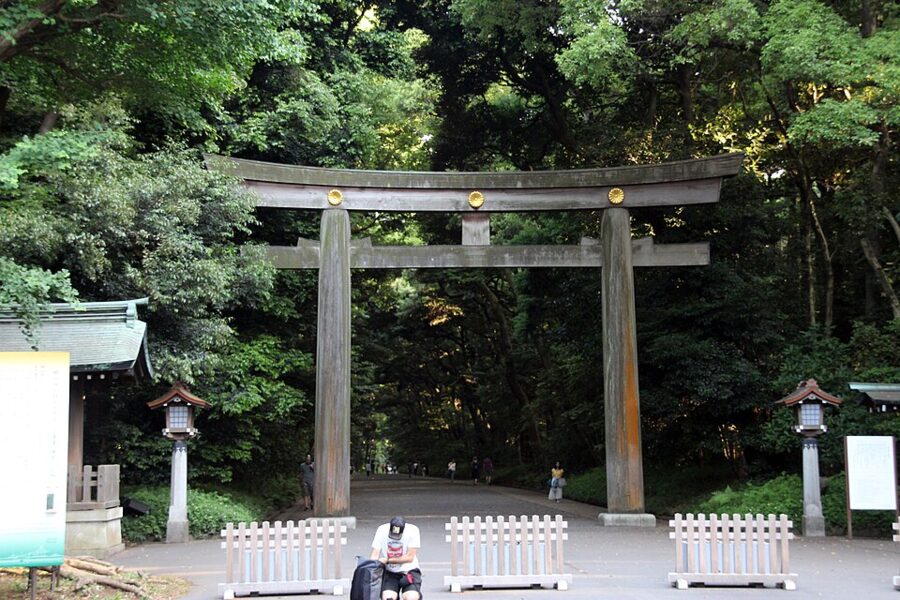

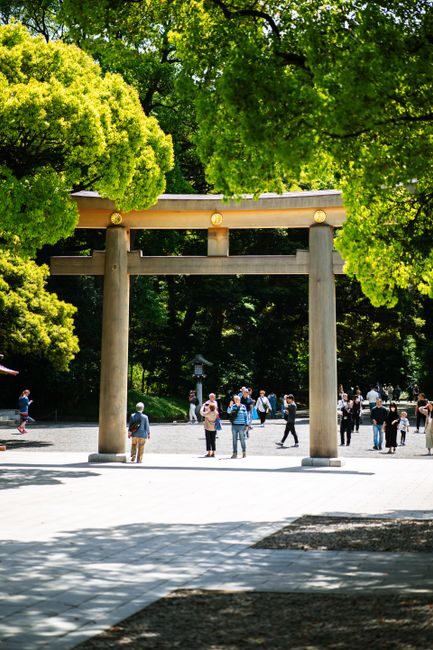
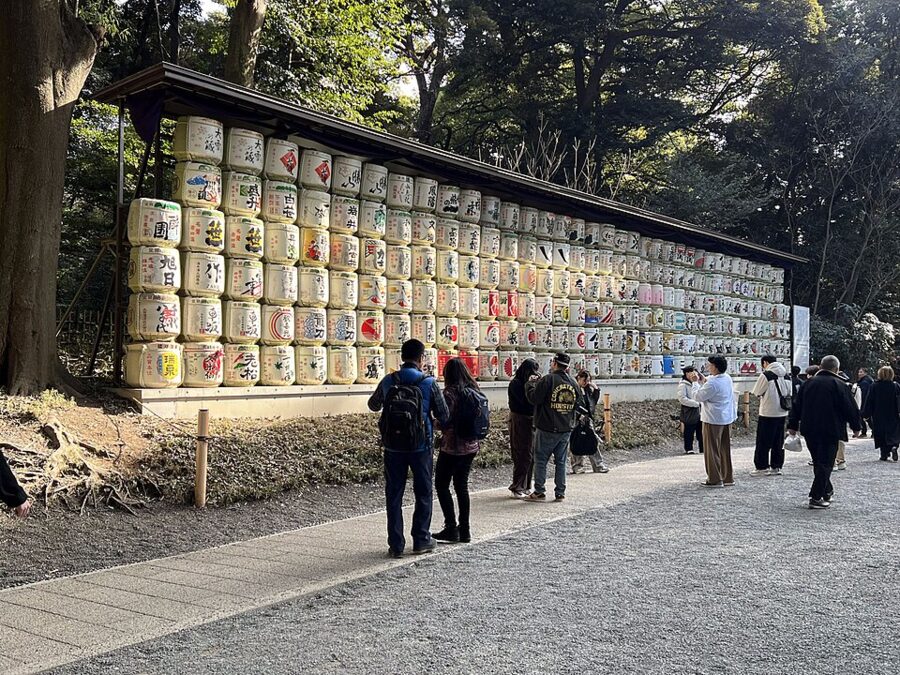
Along the South Approach, before the grand torii, the wall of sake barrels is the photo everyone stops for. Past the torii the path turns right into the main courtyard. Photography is fine in the open precinct; tripods and professional shoots need permission, and the shrine asks you not to eat or smoke outside the marked places.
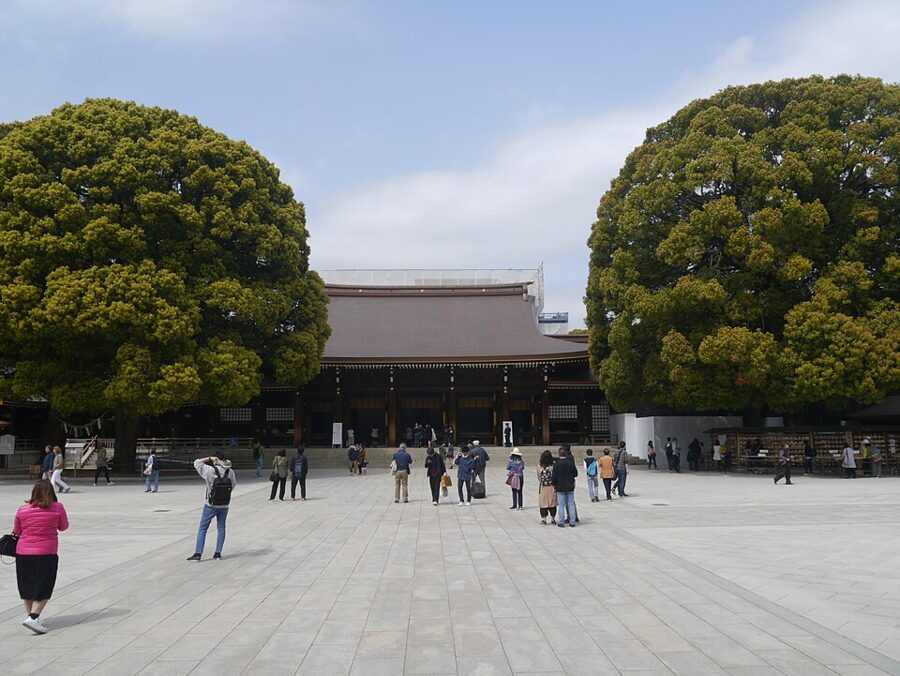

Inside the courtyard you can buy an ema (wooden wish plaque), amulets and the shrine’s goshuin (the ink stamp pilgrims collect), the last at the Nagadono counter from 09:00 until closing. The Meiji Jingu Museum, opened in October 2019 for the shrine’s centenary, sits by the South Approach: 10:00 to 16:30 with last entry 30 minutes before, closed Thursdays unless Thursday is a holiday, ¥1,000 for adults. Its schedule page lists the closures between exhibitions.
The Inner Garden: worth ¥500 in June
South of the main hall, the Meiji Jingu Inner Garden (明治神宮御苑) charges ¥500 and keeps its own hours: 09:00 to 16:30 in March–October, 09:00 to 16:00 in November–February, and 08:00 to 17:00 through June (18:00 on weekends). It was a daimyo garden before Emperor Meiji had it laid out as a walking garden for the empress around 1893, and it is the reason the shrine was built here at all, according to the shrine’s own page on the garden.
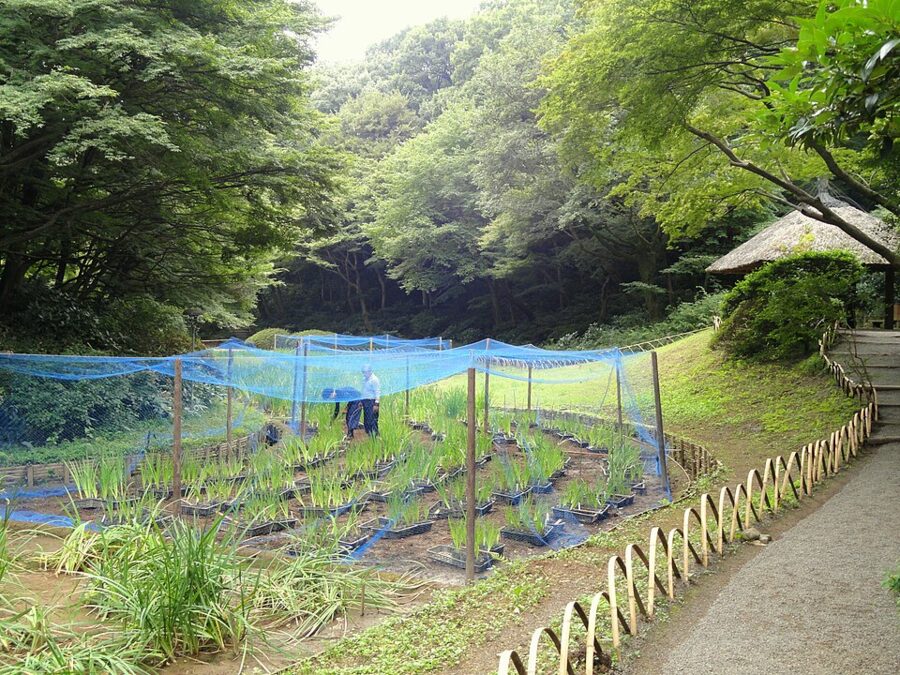
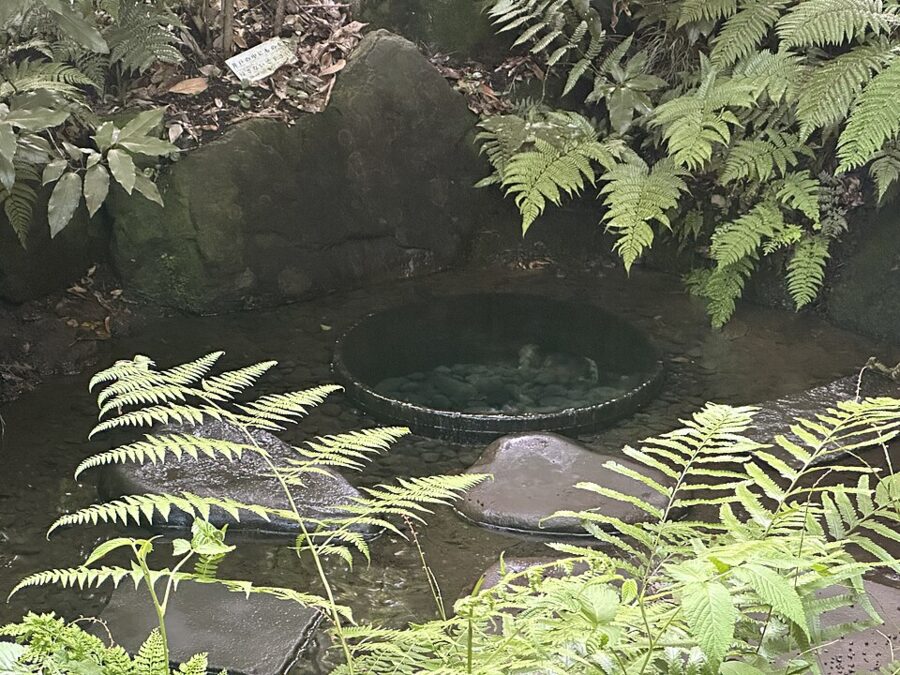

My verdict: pay in June for the irises and in late November or early December for the maples around the pond. In January and February you are paying ¥500 to see a well, and the well has a line.
The New Year rush
Meiji Jingu is, year after year, the shrine that draws the most hatsumode (first shrine visit of the year) visitors in Japan. For the 2026 New Year the gates stayed open all night from December 31, closed at 18:30 on January 1, at 18:00 on January 2 and 3, and at 17:30 on January 4, and the Inner Garden used its east gate for the first three days. The busiest windows, by the shrine’s own count, were 22:00 to 03:00 on New Year’s Eve and anything after 10:00 on January 1 to 3. The shrine posts the 2027 times on its New Year page in December; expect the same pattern, and go on January 4 or later if what you want is the shrine rather than the crowd.
Takeshita Street at 10:00, not 14:00
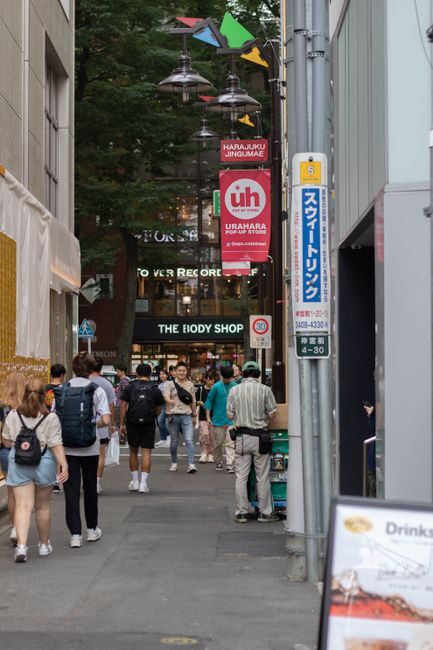
Takeshita Street (竹下通り) runs about 350 meters downhill from the station to Meiji-dori, and it has been sold to teenagers since the 1970s. The shopping association dates the street’s start to 1974, when the Palais France building opened at the bottom, and by 1977 there were crepe stands; the costume shop that dressed the Takenoko-zoku street dancers of 1979 sold its clothes here. In late 2026 the mix is crepes, rainbow sweets, Korean cafes and cosmetics, character goods, cheap fashion, capsule-toy shops, and a 100-yen store.
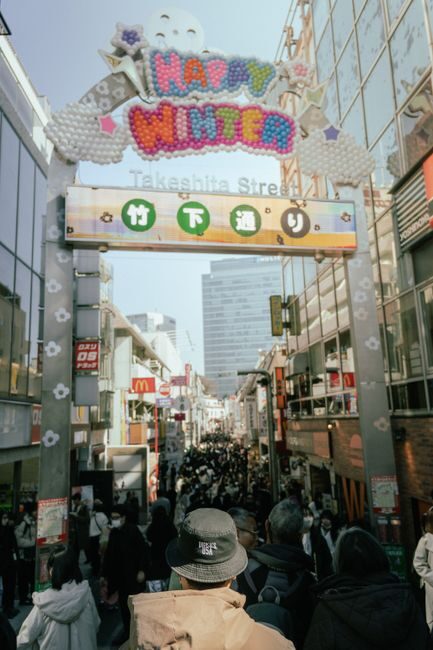
The rules are set by the shopping association, and they are posted at both ends. The street is pedestrian-only from 11:00 to 18:00, when steel bollards rise out of the road to keep cars out; keep left and walk in one direction; and street touting is banned, so ignore anyone who stops you, offers a handshake or hands you a catalog, as the association’s own notice puts it. Most shops open at about 10:00 or 11:00 and close around 20:00. After that the street empties fast.
Least crowded: weekday mornings before 11:00, and any weekday in the second half of January, after the holidays and before spring break. Most crowded: Saturday and Sunday from midday to about 17:00, and Golden Week (April 29 to May 5 in 2027). On a crowded day, step into the side lanes; the shops there are the same mix with a third of the people.
The crepes
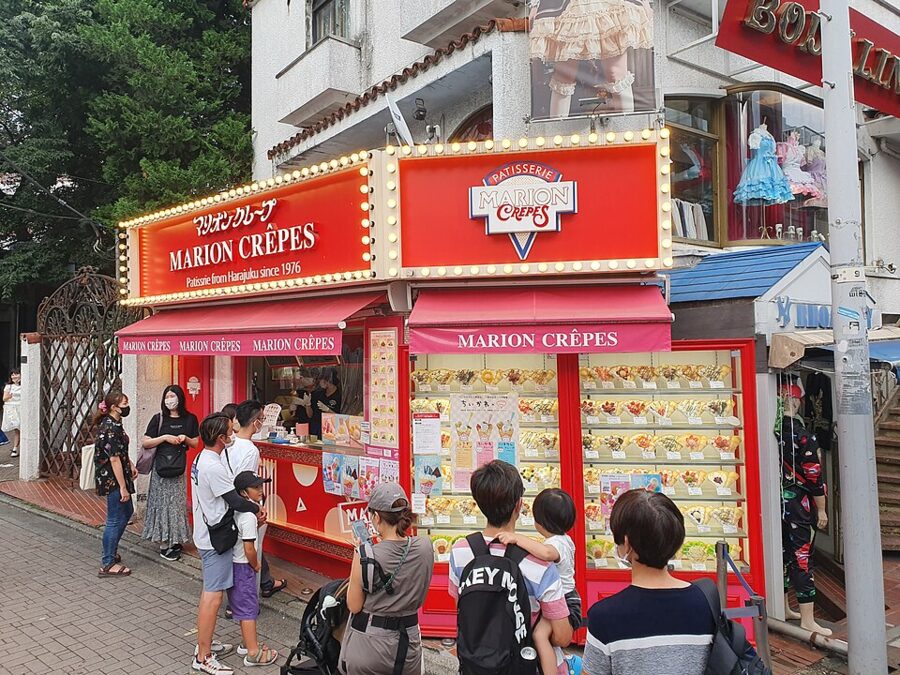
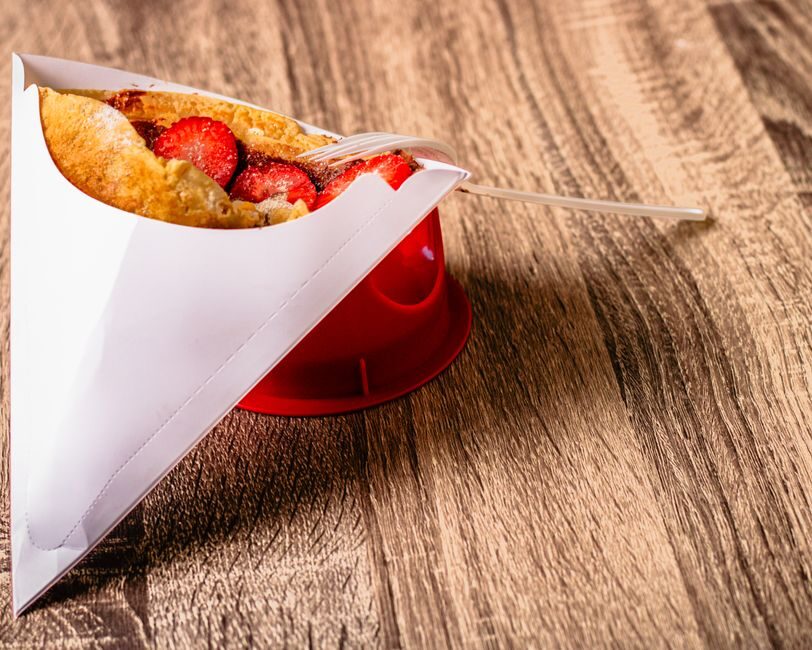
Marion Crepes started as a food truck in 1976, opened on Takeshita Street in 1977, and turned 50 in 2026. It still has the Takeshita Street shop at Jingumae 1-6-15 and a second one in the Cute Cube building a few doors down, both listed on its store list. The menu runs to dozens of fillings, sweet and savory, and you choose by pointing at the plastic models in the window. Eat it standing by the shop, not while walking: the street is too tight for that on a busy day.
What to skip: the photo foods with the longest lines, the giant rainbow cotton candy and the half-meter fries among them. They are built to be filmed, and a long wait for sugar is a poor trade for a morning. The character shops are better value than they look if you know what you want; if you do not, Kiddy Land on Omotesando has more of it under one roof.
Togo Shrine, two minutes off the street
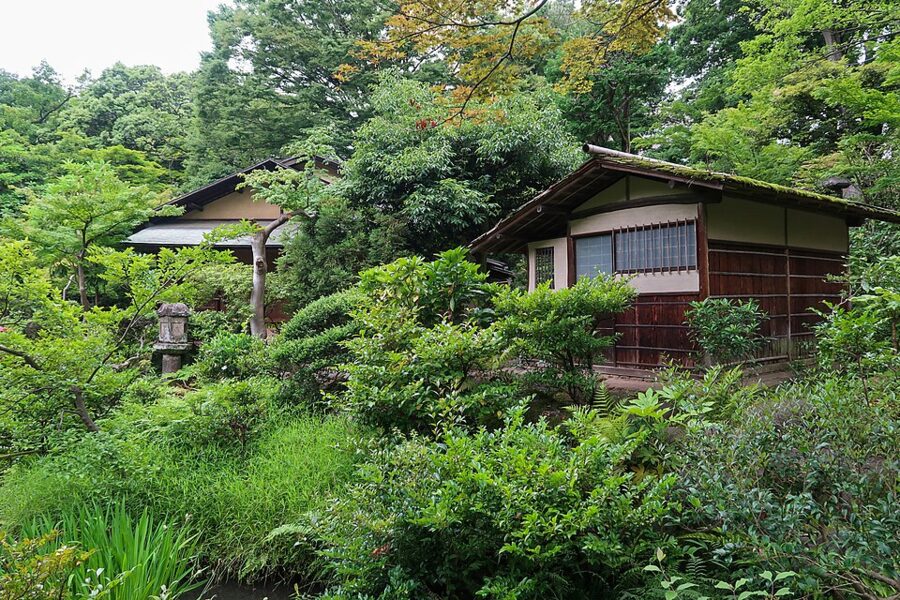
Turn north off Takeshita Street about halfway down and you reach Togo Shrine, established in 1940 for Admiral Togo Heihachiro, the commander who beat the Russian fleet in 1905. It has a pond garden, almost no visitors, and free entry. The antique market once held around the shrine on the first Sunday of the month ended in December 2009.

Omotesando and the new corner buildings
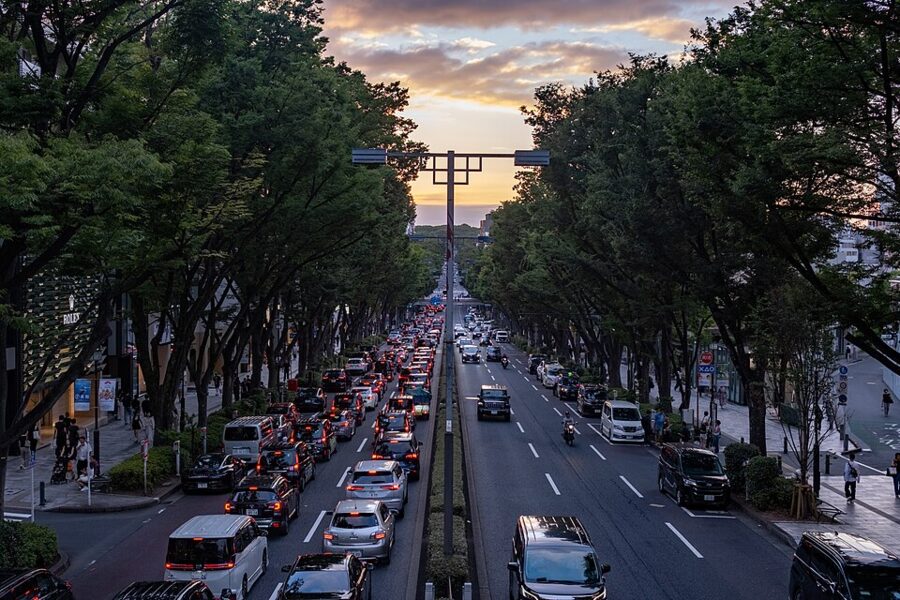
Omotesando (表参道) is the main approach to Meiji Jingu, about one kilometer of zelkova trees and wide pavements from the Harajuku end down to Aoyama-dori. It is where the luxury flagships are, and it is the best walk in the district: shade in summer, room to pass, and a building on almost every plot that someone famous designed, most of them since 2000.

Harakado and Omokado at the Jingumae crossing
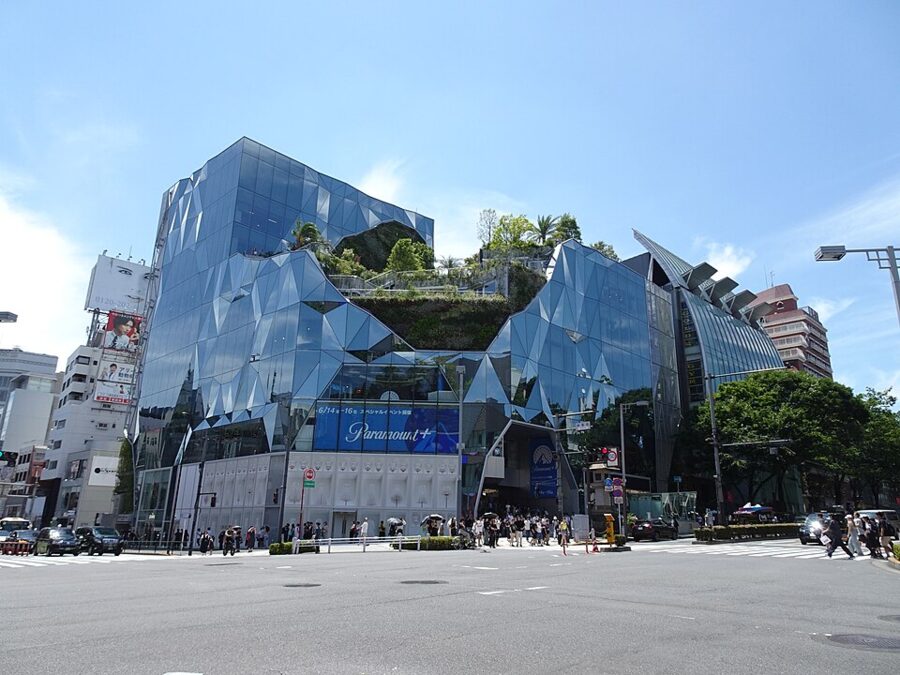
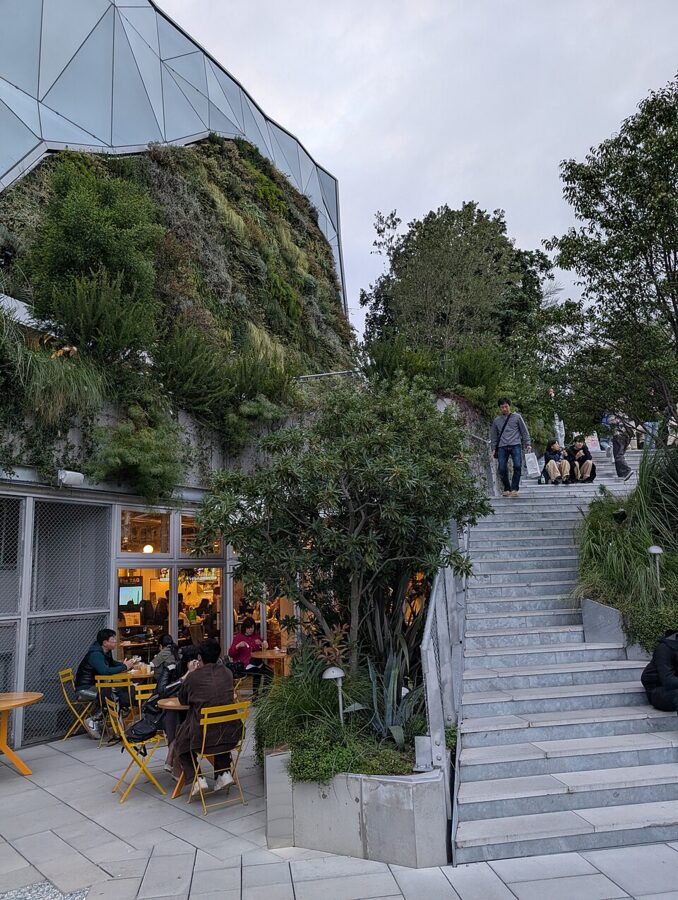
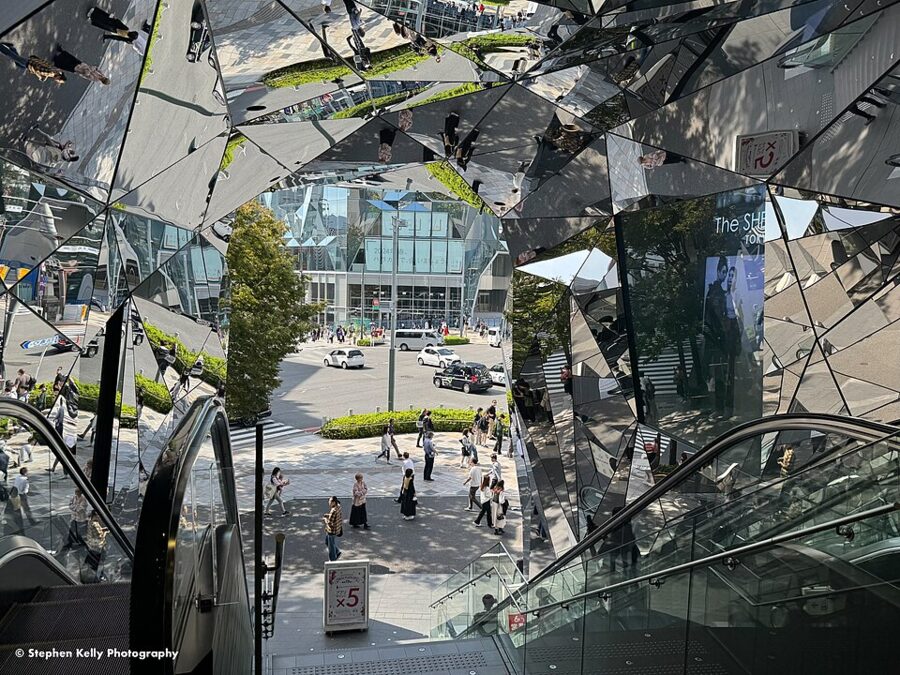
Tokyu Land owns two buildings facing each other across the Jingumae crossing. Omokado, the Tokyu Plaza Omotesando building, opened on April 18, 2012 with a mirrored escalator entrance that people photograph more than they ride, and a free rooftop terrace planted with trees. Harakado, Tokyu Plaza Harajuku, opened on April 17, 2024 on the opposite corner with about 75 tenants, a creators’ floor, food on the upper floors and a planted terrace on top that overlooks the crossing. Both are on the Tokyu Plaza Harajuku site and its Omokado twin, with shop hours by tenant.

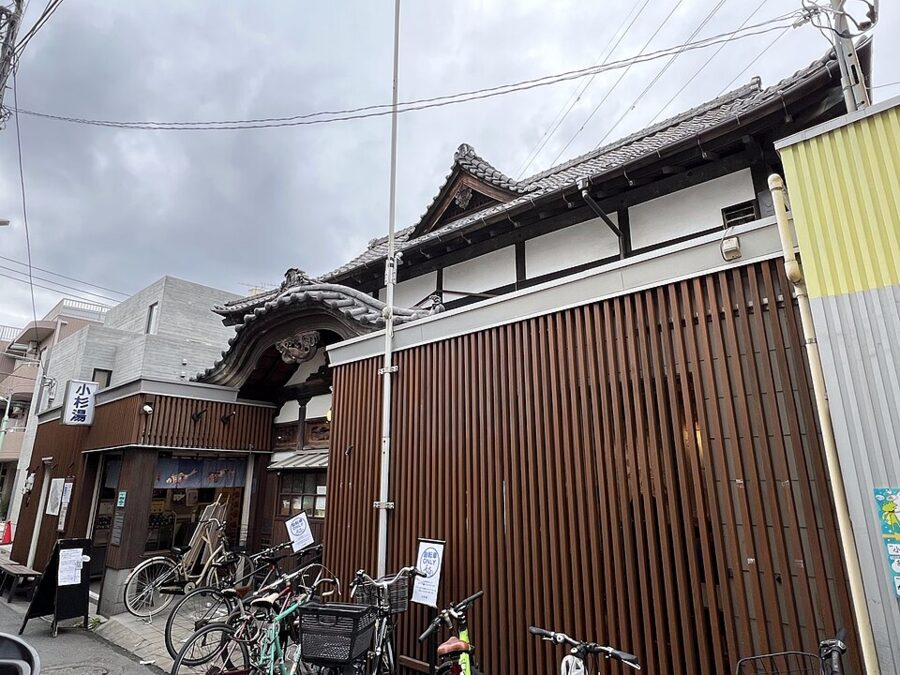
The reason I’d go into Harakado is in the basement. Kosugiyu Harajuku is the second branch of a public bath that has been open in Koenji since 1933: a milk bath, a hot bath at 44°C and a cold one at 18.5°C. It opens 07:00 to 23:00 with last entry at 22:15, closes Thursdays, and costs ¥600 for adults, on its own site. After a day of walking, it is the best ¥600 in Harajuku.

Omotesando Hills and the flagships
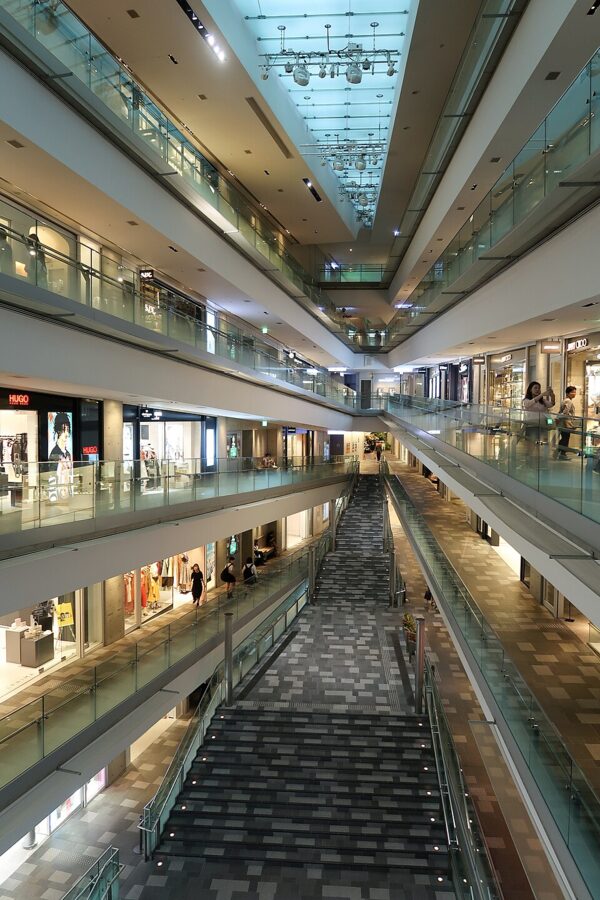
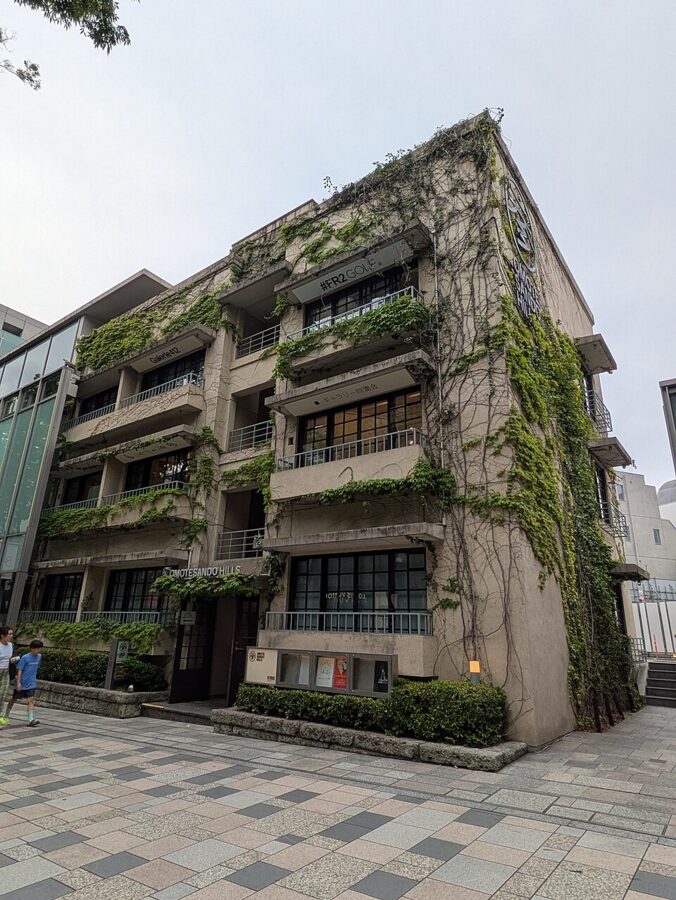
Omotesando Hills opened on February 11, 2006 in place of the old Dojunkai Aoyama Apartments, the low blocks that had lined the avenue for decades. Tadao Ando designed it; its facade runs 250 meters, about a quarter of the avenue’s length, and it has six floors above ground, six below, about 100 shops and 38 apartments, by the building’s own description. Go in for the atrium, where a spiral ramp winds down through the floors. The shops are expensive, and the ramp is free.


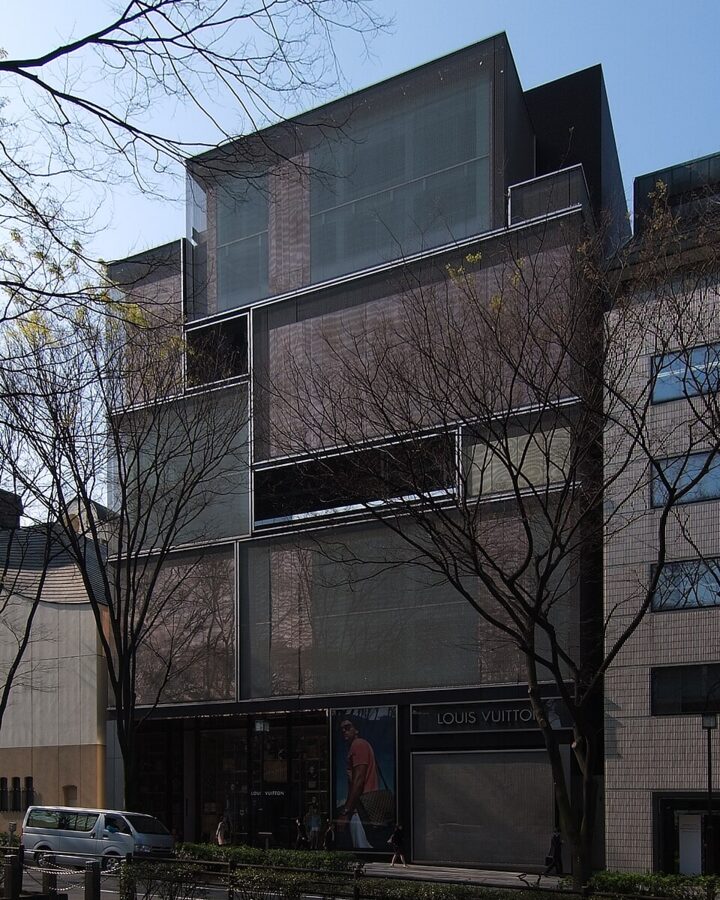
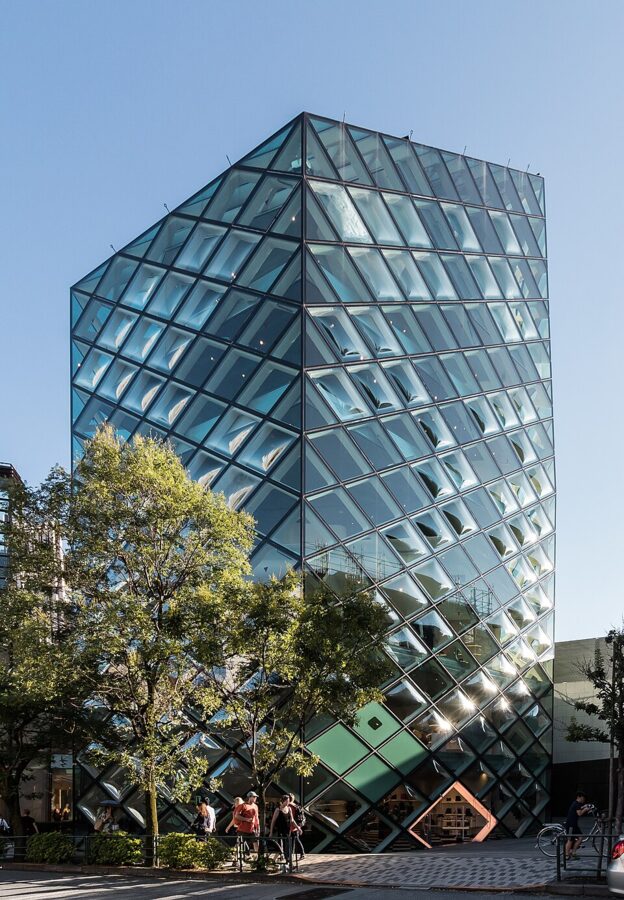
Further down, Louis Vuitton’s store by Jun Aoki, opened in 2002, is a stack of trunk-shaped boxes with an exhibition space on the seventh floor, and One Omotesando, a 2003 building by Kengo Kuma, is a few doors along. On the Aoyama side, Prada Aoyama by Herzog and de Meuron is the one most people come to see. None of them charge to walk in, and none of them mind a look.

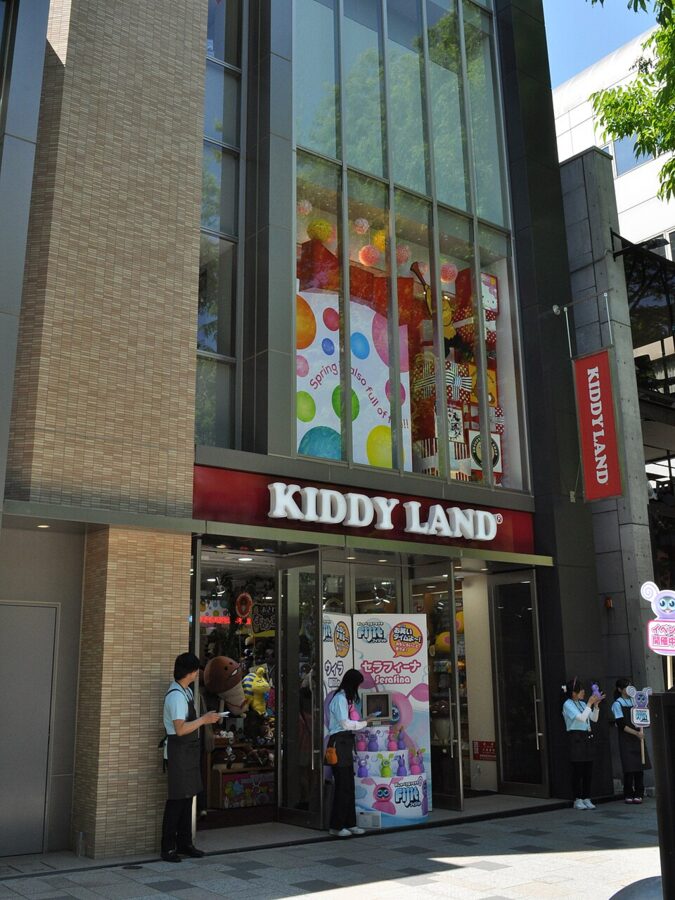
Kiddy Land is the opposite kind of flagship: five floors of character goods on Omotesando at Jingumae 6-1-9, open 11:00 to 20:00, with its posted hours marked “for the time being” since the pandemic. If you are buying Sanrio, Ghibli, Snoopy or Pokemon goods for someone at home, this is the stop that spares you three others.
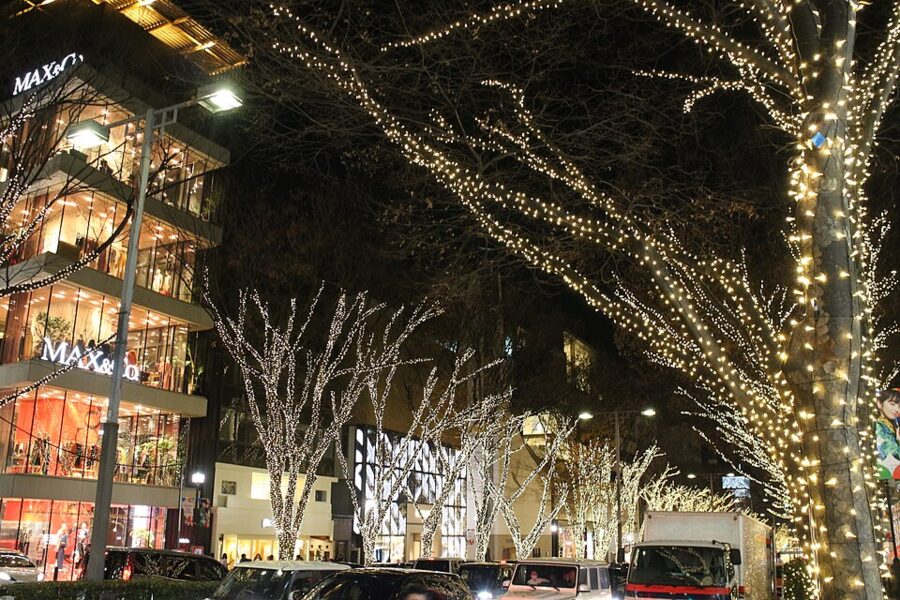

The avenue’s winter illumination is organized by the local merchants’ association and sponsored by a fashion house, which puts its name on it; it is lit for most of December. Weeknights before 19:00 are easiest. On the last weekend before Christmas the footbridge becomes a bottleneck.
Cat Street, Ura-Harajuku and the fashion
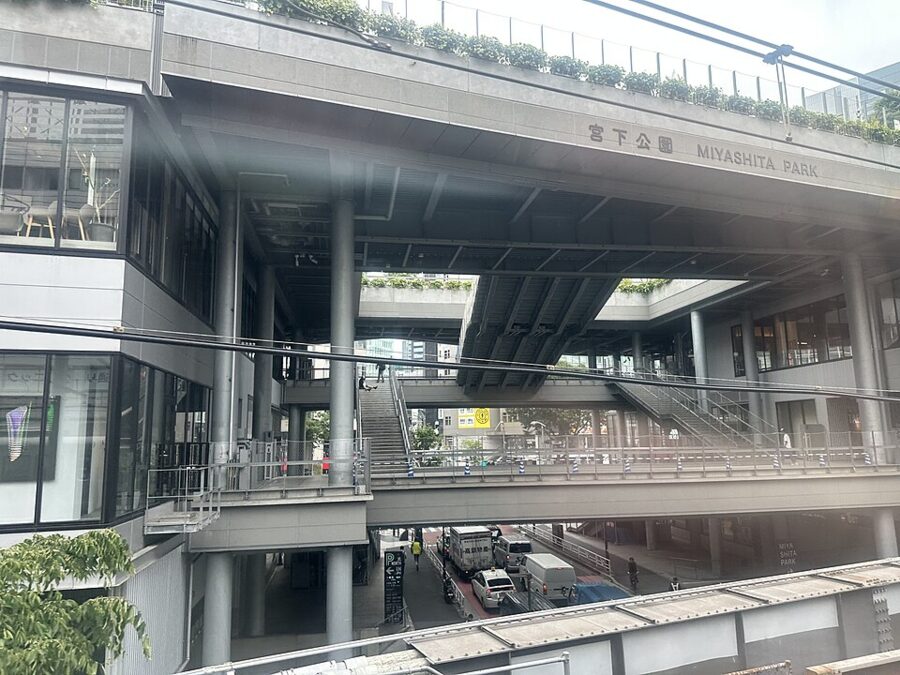
Cat Street (キャットストリート) is a footpath built in the 1960s over the covered-over Shibuya River, here called the Onden River, and it became a ward road in 1996. It crosses Omotesando at the Jingumae police box. South of the crossing it runs toward Miyashita Park and Shibuya; north of it, it threads into Ura-Harajuku, the backstreets east of Meiji-dori.
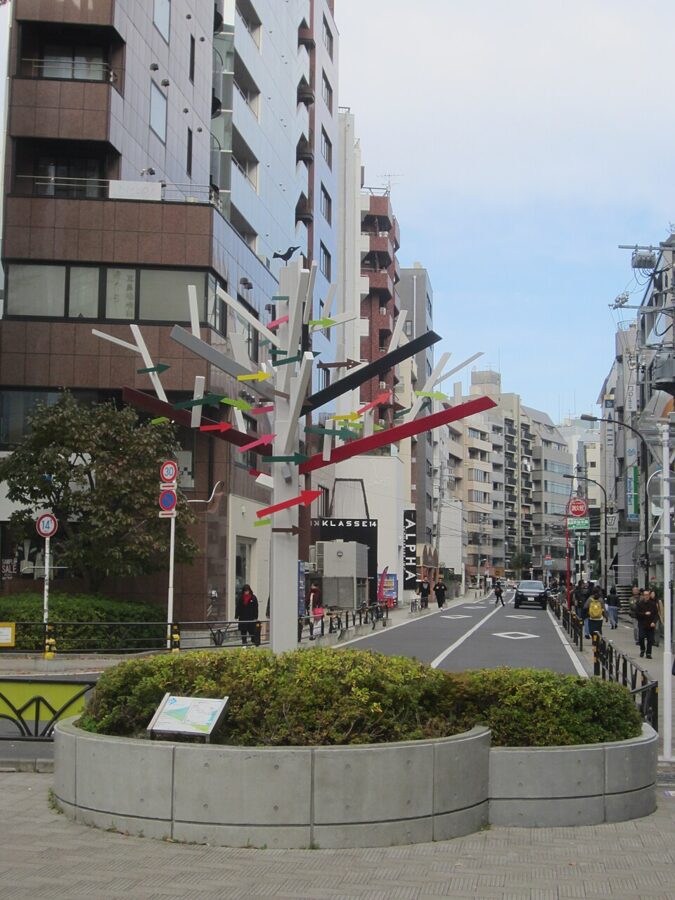

Ura-Harajuku means “back Harajuku,” and its story is rent. In the 1990s these lanes were cheaper than Takeshita Street or Omotesando, so young designers opened tiny shops in them, and the streetwear labels that came out of that decade still keep flagships here. In late 2026 the southern half of Cat Street is mostly international sports and outdoor brands, sneaker shops and vintage; the northern lanes and Harajuku-dori keep the smaller independent shops.
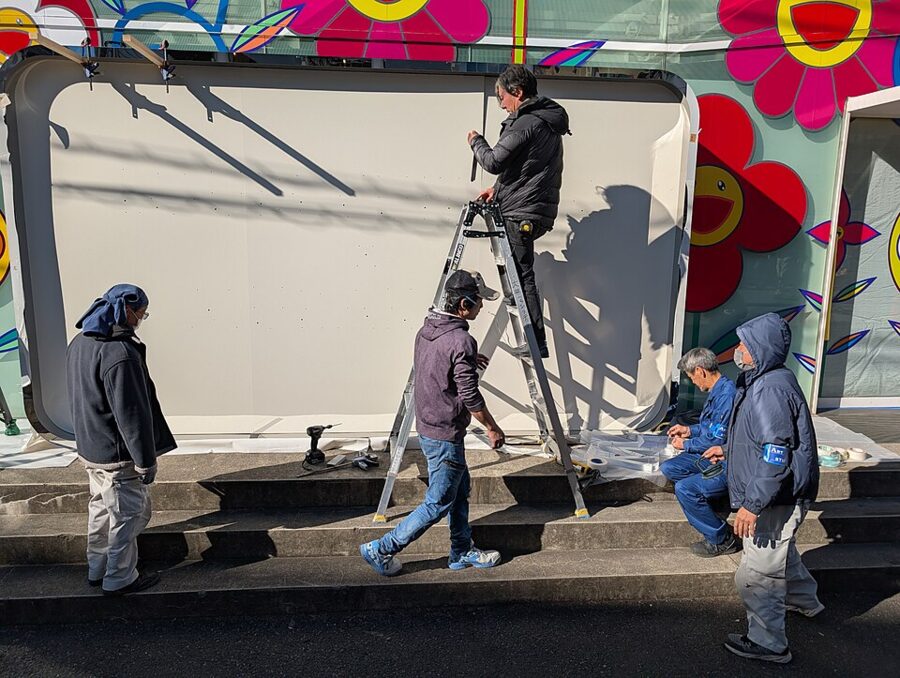
For vintage, the Shibuya store of Pigsty, an Osaka vintage chain, is at Jingumae 5-25-1 on the Shibuya half of Cat Street, about ten minutes on foot from either station, per its store list. Vintage prices here are set for Tokyo collectors, not bargain hunters. If you want cheap secondhand clothes, Shimokitazawa and Koenji are better hunting.
Laforet Harajuku
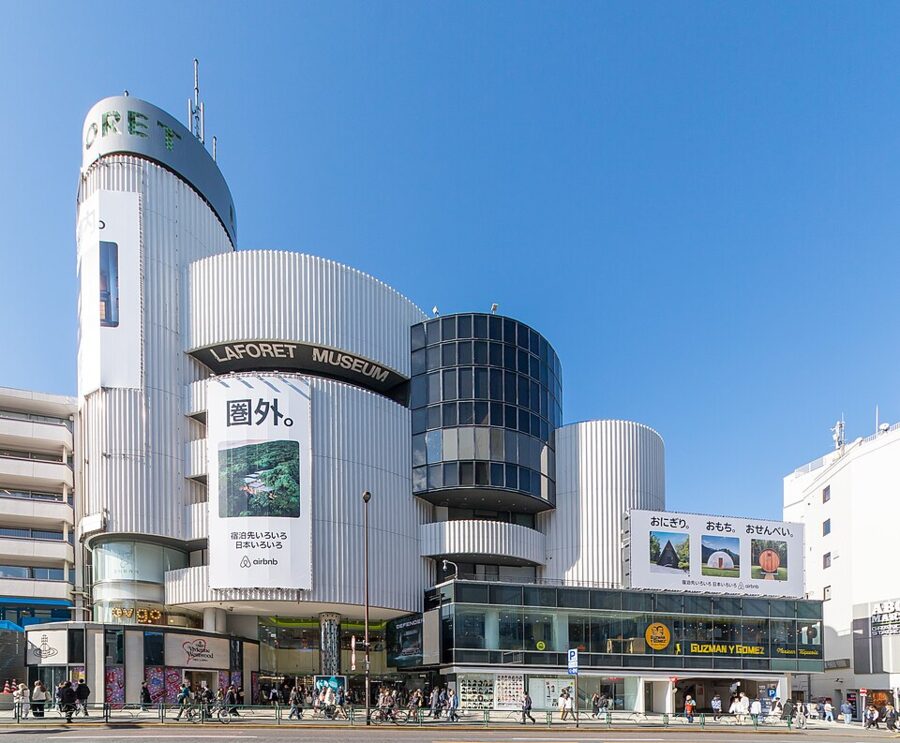
Laforet, at the corner of the Jingumae crossing, opened in October 1978 and did more than any other building to make the district about fashion. It is run by Mori Building (the name is French for “the forest,” a pun on Mori), and its floors are a maze of small Japanese labels, with the Laforet Museum event space on the sixth floor and a half-floor of creators’ stalls in the basement. Hours are 11:00 to 20:00, with any early closings posted on its access page.

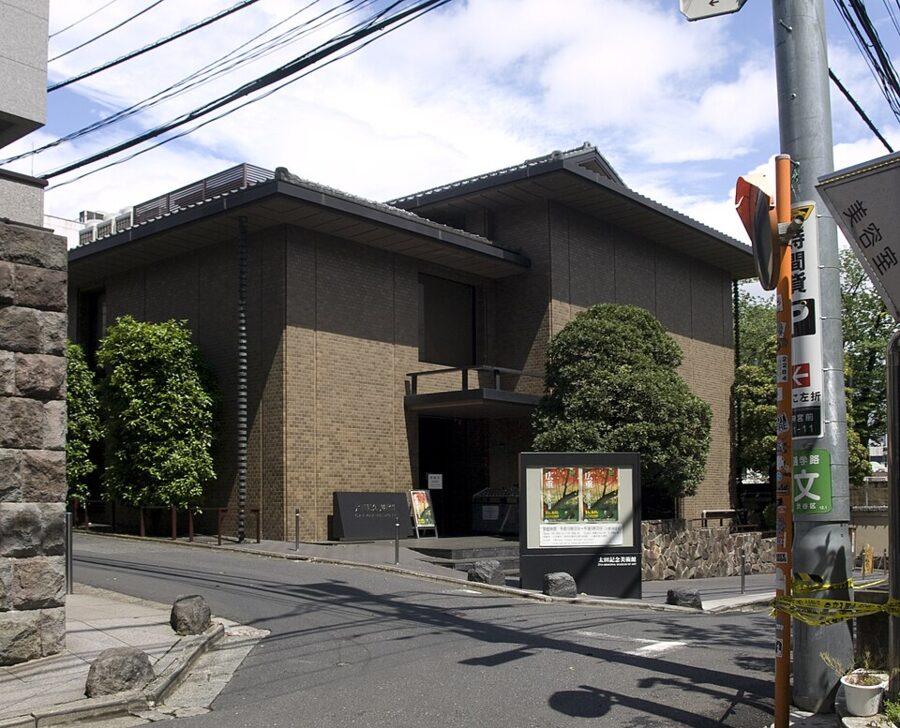
Directly behind Laforet, the Ota Memorial Museum of Art shows woodblock prints from the collection of Ota Seizo, with no permanent display: each show runs a month or two and the museum closes between them. Hours are 10:30 to 17:30 with last entry at 17:00, and no timed booking is needed. The museum’s schedule shows which weeks it is shut between shows.

Sweets, coffee and lunch
Harajuku eats on its feet in the morning and sits down after 14:00, when the lunch lines ease. The food here is better for snacks and coffee than for dinner, and the shops shut by about 20:00. For dinner, and for the wider question of what to eat in the city, the Tokyo food guide covers more ground.
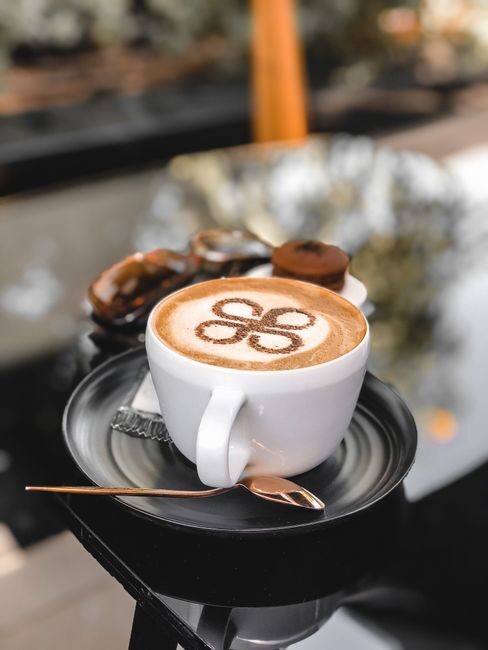
For coffee, Sarutahiko Coffee’s The Bridge branch is inside JR Harajuku Station on the second floor, open 08:00 to 22:00, and it is the easiest coffee in the district to reach before the shrine. On Cat Street, The Roastery by Nozy Coffee sells only single-origin beans, roasted in the shop, with about eight to choose from at Jingumae 5-17-13; its own page was running a Christmas fair in November 2026.
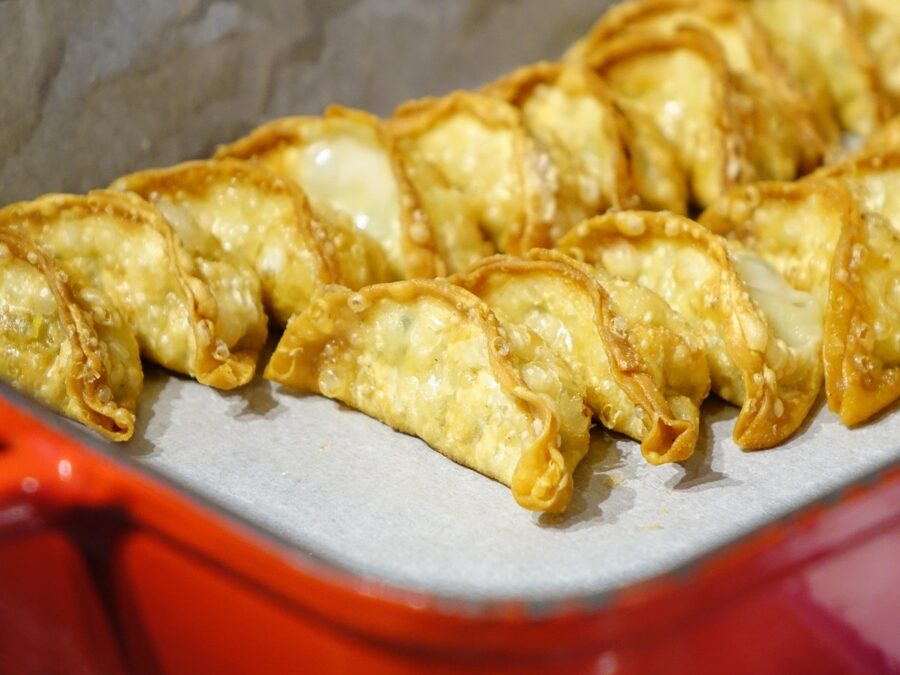
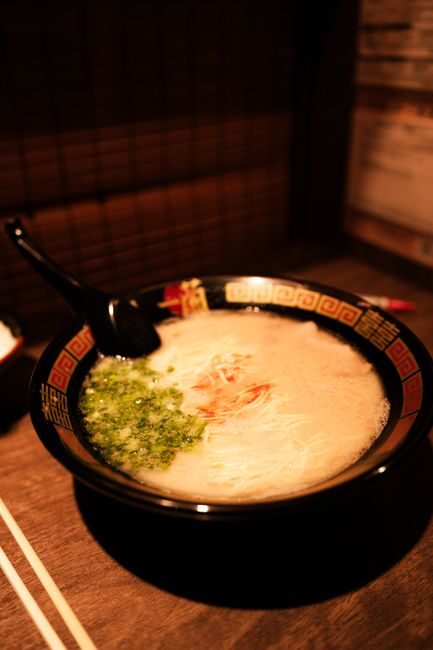
Lunch is where Harajuku is cheapest. Harajuku Gyoza-ro, on a backstreet a few minutes from Meiji-jingumae, does gyoza, fried or boiled, with rice and little else, every day from 11:30 to 22:00, and the line on weekends moves faster than it looks. The yuzu-salt ramen chain AFURI keeps a Harajuku branch on its shop list, and the light broth is a good reset after a morning of crepes.
Several brunch and pancake places with long reputations here I could not confirm as still trading, so they are not named. The rule of thumb holds anyway: anything with a line around the block on Takeshita Street is selling a photograph, and anything with a line of office workers on a weekday backstreet is selling lunch.
Yoyogi Park and the weekend
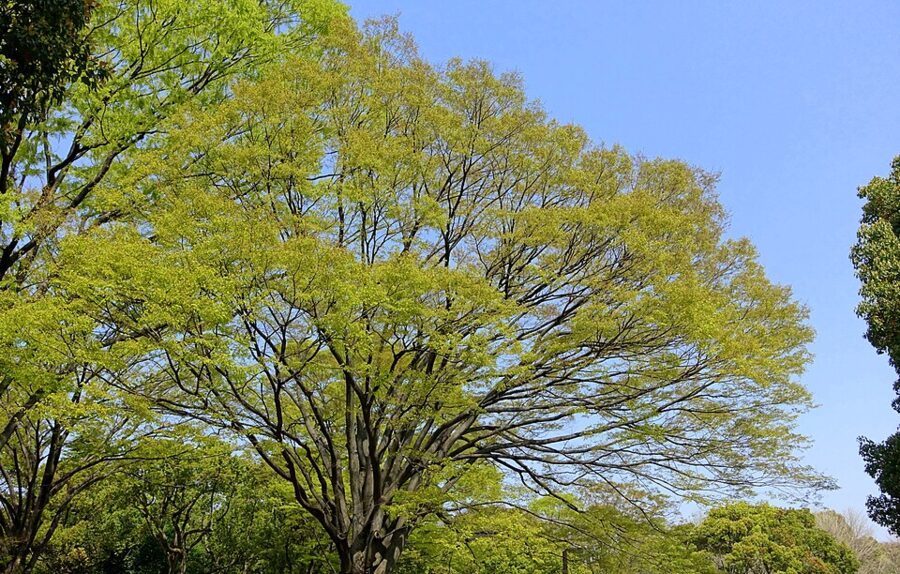
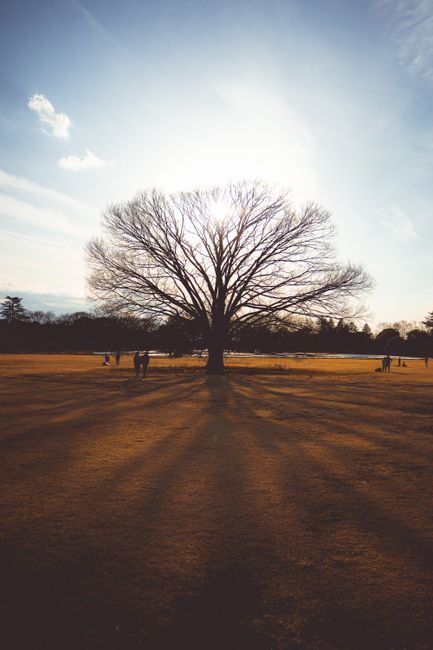
Yoyogi Park (代々木公園) is next to the shrine and never closes: it is open around the clock, every day, and free. It opened on October 20, 1967 on land that had been an army parade ground, then the American housing compound called Washington Heights, then the athletes’ village for the 1964 Olympics. At about 54 hectares it is the fifth-largest metropolitan park in the 23 wards, split by a road into the wooded A area and the B area with the outdoor stage and the Event Plaza.
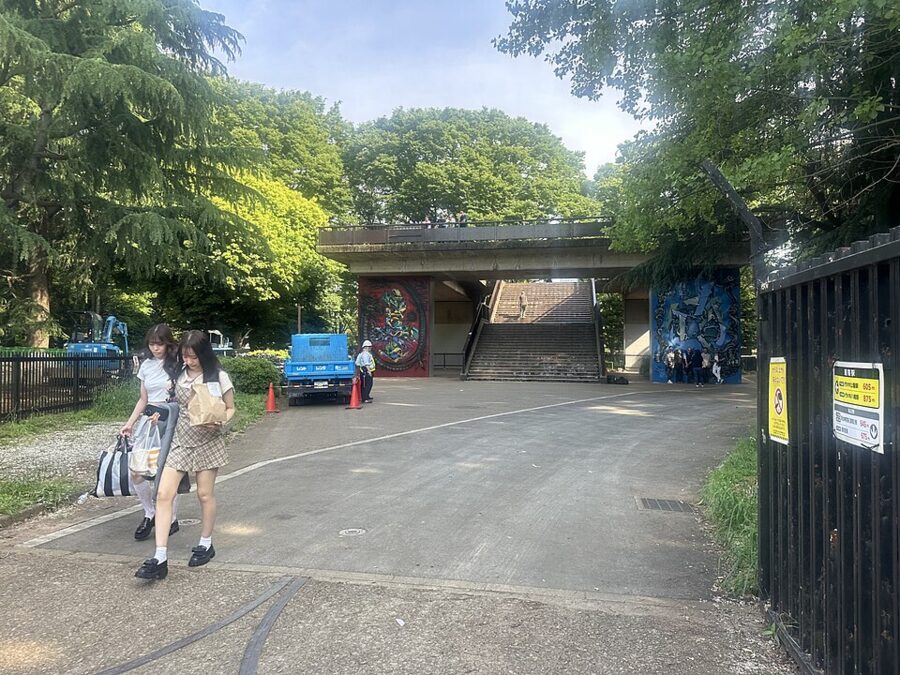

The park is in the middle of works in late 2026. The rose garden is being rebuilt until late March 2027 and the large water corridor until mid-January 2027, and running is banned on the narrow detour paths around the works. On the plus side, the Olympic memorial lodge just inside the Harajuku Gate, which housed the Dutch team in 1964, opened as a cafe on April 9, 2026. The park office’s list of works and changes is updated as they finish.
Weekends belong to the Event Plaza and the zelkova avenue beside it, where a festival of some kind runs on most Saturdays and Sundays from spring to autumn: national food festivals, music, dance. The Tokyo Metropolitan Park Association’s Yoyogi page posts each month’s events.
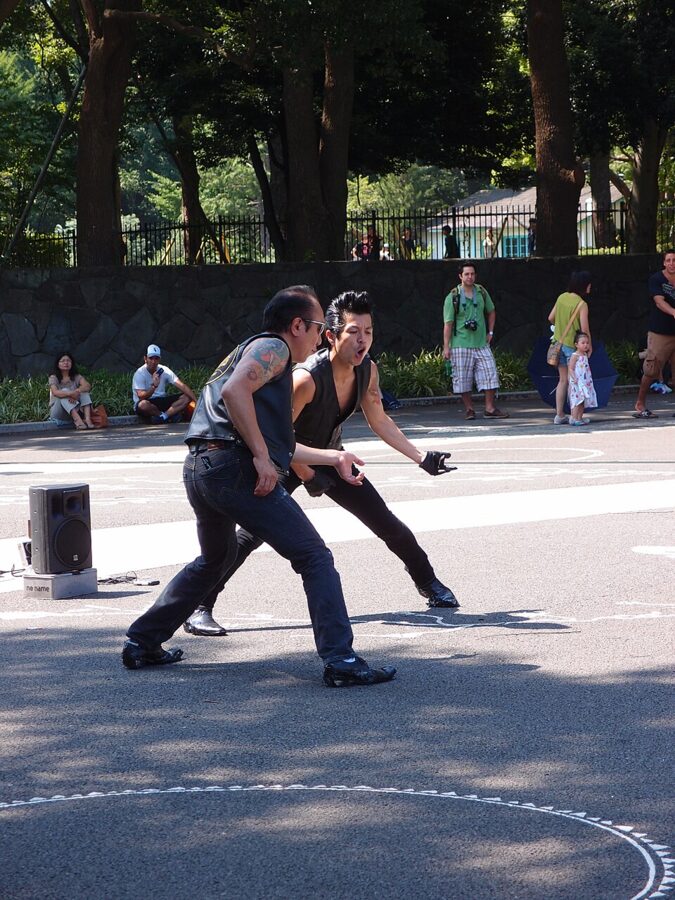
The rockabilly dancers who made the park’s Harajuku entrance famous on Sunday afternoons go back to the years when the roads by the park were closed to traffic on Sundays, from 1977 until August 31, 1998. Some still turn up with a boombox in leather jackets and pompadours, but no one publishes a schedule and I could not confirm a regular Sunday in 2026. Treat them as a bonus, not a plan.


Next door, on foot
Harajuku runs into four other districts, and the walk between them is often faster than the train.
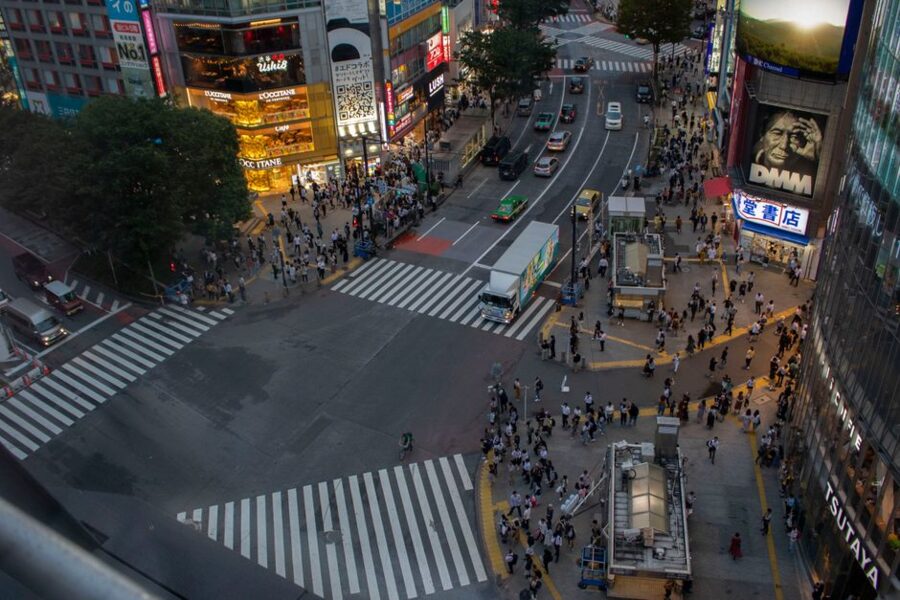
Shibuya is 20 minutes south down Cat Street, which brings you out by Miyashita Park; it is one stop on the JR Yamanote Line or the Fukutoshin Line if your feet are done. The crossing, the station’s exits and the nights out have a guide of their own, and the late-night side of the city in the Tokyo nightlife guide. Harajuku itself is quiet after 20:00.

Aoyama starts where Omotesando meets Aoyama-dori, about ten minutes downhill from the station. Prada Aoyama is a few minutes past the crossing, and the Nezu Museum, with its garden open only to ticket holders, is further along the same street, per the museum’s visitor notes.


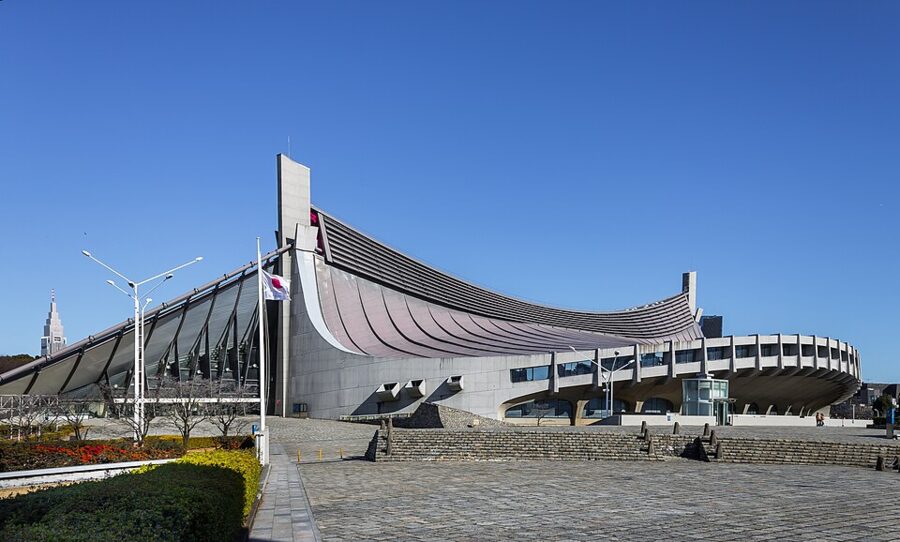
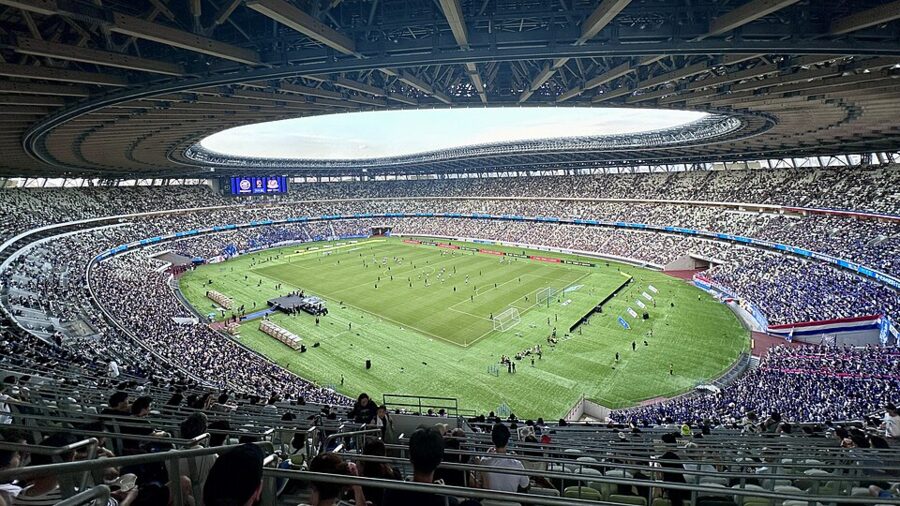
Sendagaya is the quiet grid north of Takeshita Street, past Togo Shrine, with small offices, cafes and the National Stadium at its far edge. Kitasando Station (F14) is the next stop up the Fukutoshin Line from Meiji-jingumae, and the walk from the Takeshita Exit is short enough that most people do not bother with the train.

Shinjuku is two stops and four minutes north on the Yamanote Line, or a walk of a little over two kilometers through Yoyogi. I’d take the train. If you are still choosing a base, the guide to where to stay in Tokyo weighs Shibuya and Shinjuku, which have the hotels Harajuku lacks; and from Haneda Airport the train ride to Harajuku Station takes about 50 minutes.
So: the shrine gate at 06:10 in November and 06:40 in December, Takeshita Street by 10:00 while the vans are still unloading, Omotesando after lunch, and the bath under Harakado before its last entry at 22:15. In November the gate closes at 16:10, and the arch is still across the road from the Takeshita Exit when you come back.