

A ticket to a Tokyo live house is only part of the price, because the door also collects for a compulsory drink, usually ¥600 or ¥700. On November 23, 2026, a daytime bill at Shinjuku Loft cost ¥3,400 in advance or ¥4,000 on the day, plus a ¥600 drink. In Shimokitazawa the same night, Daisy Bar was charging ¥700 for its drink, up from ¥600 since July 1, 2026.
That is the whole system in three numbers. A ticket for a local band in a basement room runs about ¥2,500–4,000, the door price is usually ¥500 more than the advance, and the drink is ¥600–700. Shows open 30 minutes before they start, start between 18:30 and 19:30, and finish around 22:00, which leaves time for the last train.
If you only have one night, I’d pick a weekday in Shimokitazawa, look up three venue schedules that afternoon, and pay at the door. You will hear three or four bands for less than a dinner, and you will be out before the trains stop. Arena shows at the Budokan and Tokyo Dome are a different sport, with lotteries, ID checks and seats you learn on the day.

How a Tokyo live house works
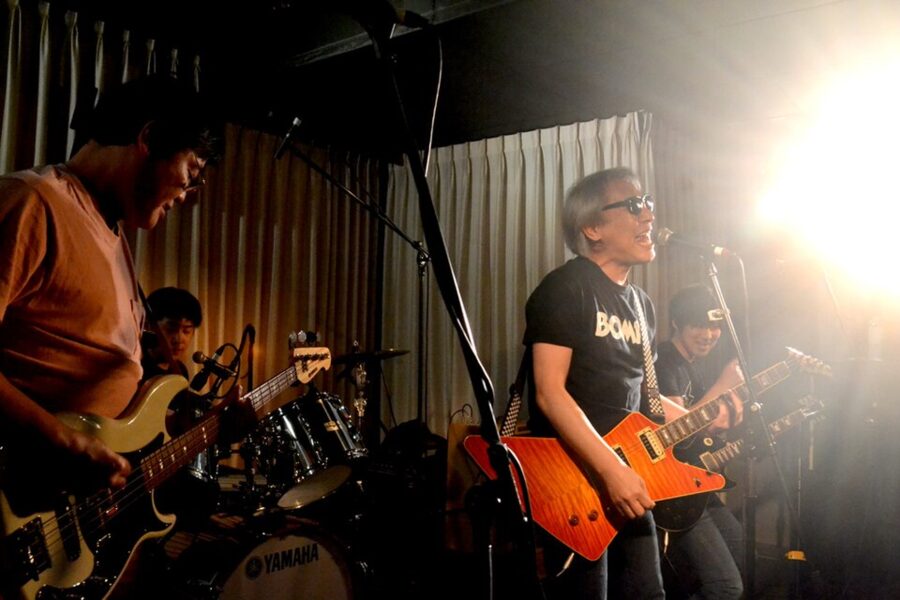
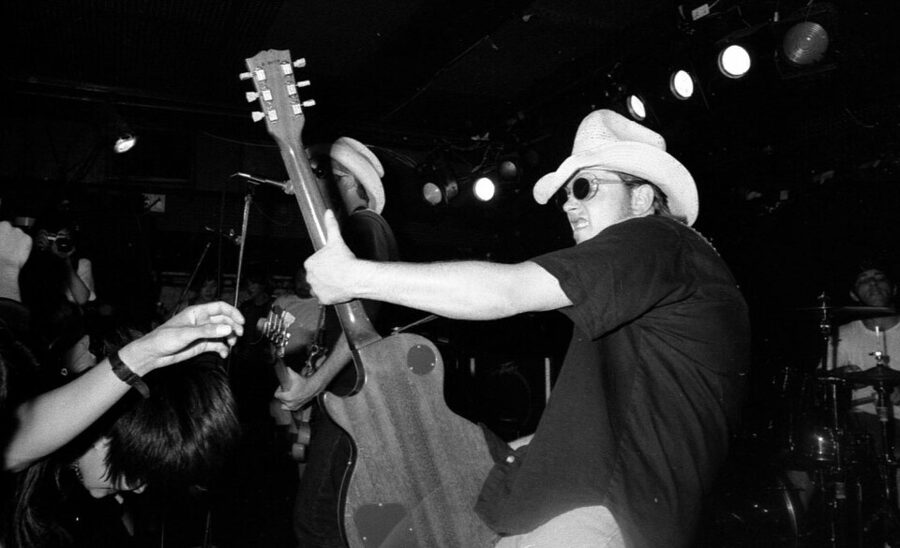
The Japanese word is raibu hausu (ライブハウス), a term made in Japan in the 1970s for a small, mostly standing room with its own sound system, a bar and no fixed seats. Many are licensed as restaurants rather than as theaters, which is why the drink is compulsory: a room full of people who buy nothing stops looking like a restaurant. The custom stuck even at venues that hold the other license.
The drink charge (ドリンク代)
On a schedule page the drink shows up as 1D, +1D, 1ドリンク別 (drink extra) or ドリンク代別. You pay it in cash at the reception desk along with the door price, or on top of an advance ticket, and get a token or a plastic coin to swap at the bar. Soft drinks count; you don’t have to drink alcohol, and you can cash the token in after the last band.
Prices moved in 2026. Daisy Bar raised its entry drink from ¥600 to ¥700 on July 1, 2026, citing ingredient and running costs, and other rooms in the ¥600 band may follow. Shinjuku Marz listed its drink at ¥600 in November 2026. Leaving and coming back usually costs another drink: Shinjuku Loft prints it on the listing.

Advance, door and the number on your ticket
Mae-uri (前売) is the advance price and tojitsu (当日) the door price. Advance tickets usually carry a seiri bango (整理番号), an entry number, and staff call people in by number or in blocks of ten. The number decides how close you stand, and for a one-man show by a band with a following it matters.
Different ticket channels can mean different lines. On November 23, 2026, Daisy Bar let in hand-sold tickets first (A1 onward), then online tickets (B1 onward), then people who had reserved. Door buyers go in last. For a mixed bill of four bands nobody has heard of, last is fine.

“Which band are you here for?”
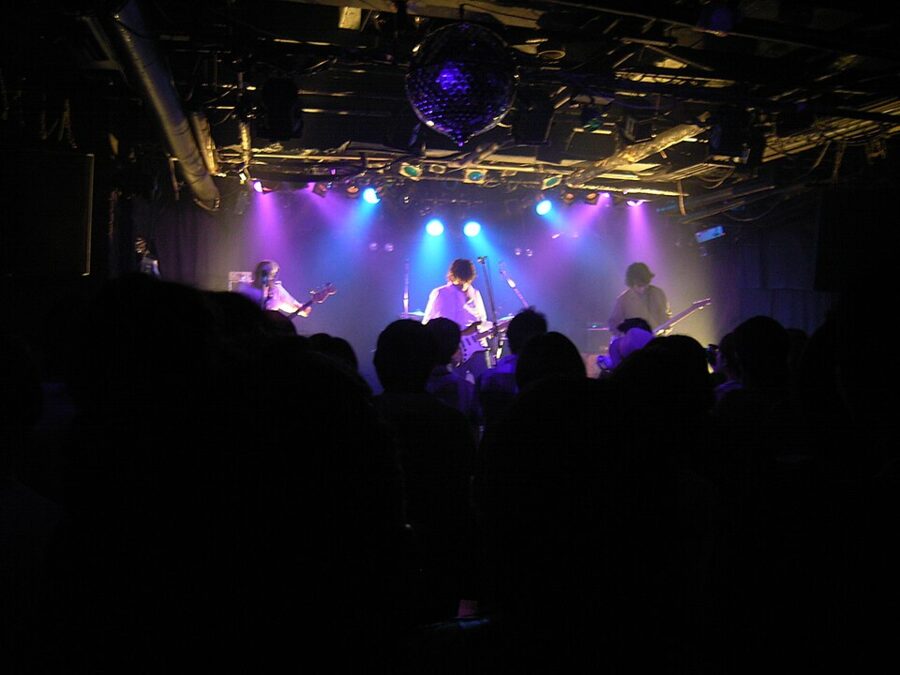
Most nights are taiban (対バン), a bill of three to five acts who each play 30–40 minutes. At the desk you will be asked who you came to see, often with a printed list to point at. It is not small talk: the venue shares door money with the bands according to who brought whom, and many young bands have a ticket quota to fill.
Name one band. If you came on spec, say so, or pick the one whose name you can pronounce; the money still goes to someone on stage. If you reserved through a band, give its name and yours, and the advance price is held at the desk.
Lockers, cameras and the clock
Small rooms have few lockers or none, so travel light and leave luggage in a station coin locker. The large halls are better equipped: Zepp Shinjuku charges ¥400 for a locker on its B1F level, and Zepp Haneda has 810 outside the building alone.
Photo rules are usually the band’s call, posted on the door or announced before the set. Many acts now allow phones for the last song or not at all; a few encourage it so you tag them. When the rule is no, staff mean it, and at some rooms they will shine a flashlight at a raised phone. Moshing and diving are banned at the Zepp halls; at small punk rooms it depends on the band and the night, so watch what the regulars do first.
Finding a show and buying a ticket
There is no single listing that covers Tokyo’s small venues. Each live house posts its own monthly schedule, usually two or three months ahead, with the bill, the open and start times, the advance and door prices, the drink and how to reserve. Pick a district, open its venues’ schedules and choose by date and price.
Four ways in
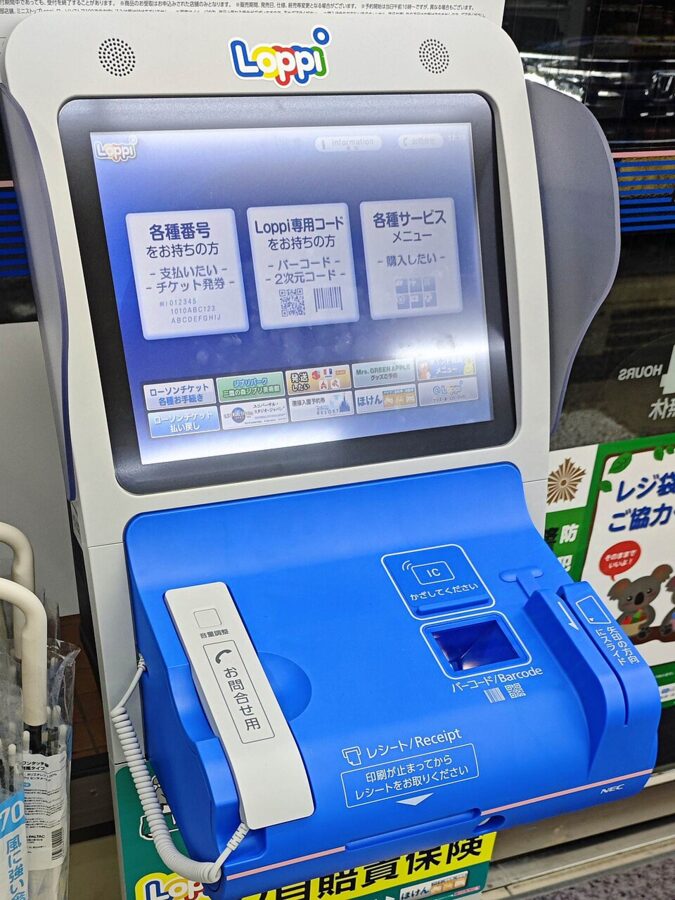
Reserve through the band or the venue. Listings often say 各BAND予約 (reserve through each band) or give a venue form or phone number, and you pay cash at the door. Shinjuku Pit Inn takes reservations by web form or phone until the day before, and reserved guests go in first. For a visitor this is the path with the fewest obstacles: an email address and a name are enough.
Small ticket platforms. Live houses sell through compact systems such as TIGET, Livepocket, Ticket Dive and ZAIKO, which issue a QR code or an entry number. Some only open sales to registered accounts, and payment options vary by show, so read the sale page before you count on a foreign card.
The big three. e+ (eplus), Ticket Pia and Lawson Ticket handle arena tours, foreign acts and the bigger halls. Ticket Pia runs an English-language version of its site, but presale lotteries run through member accounts and, for many acts, fan clubs, and these are built for residents. Whether a foreign phone number or card gets through varies by sale.
The door. Unless a show is marked sold out (SOLD OUT or 完売), small rooms keep tickets for the door. On a weekday this is the easiest route of all.
The resale law, and what it means for you
Since June 14, 2019, Japan’s ticket resale law (チケット不正転売禁止法) has banned reselling a covered ticket above its face value as a repeated business without the promoter’s consent, and buying one for that purpose. A ticket is covered when it states that resale is banned, names a date and a seat or entry right, and the buyer’s identity was checked at the sale. The government’s own explainer gives the penalty as up to a year in prison, a fine of up to ¥1 million, or both; the Agency for Cultural Affairs repeated its request to the industry to police resale on June 15, 2026.
In practice, a resale-site ticket for a big show is a risk twice over: it may be illegal to have bought, and it may not get you in, because the name on it will not match your passport. The legal route is the promoter’s own koshiki riseru (公式リセール), official resale at face value; big festivals such as Countdown Japan open theirs a few weeks before the event. Small-venue tickets bought at the door are not affected at all.
Shimokitazawa: the live-house district
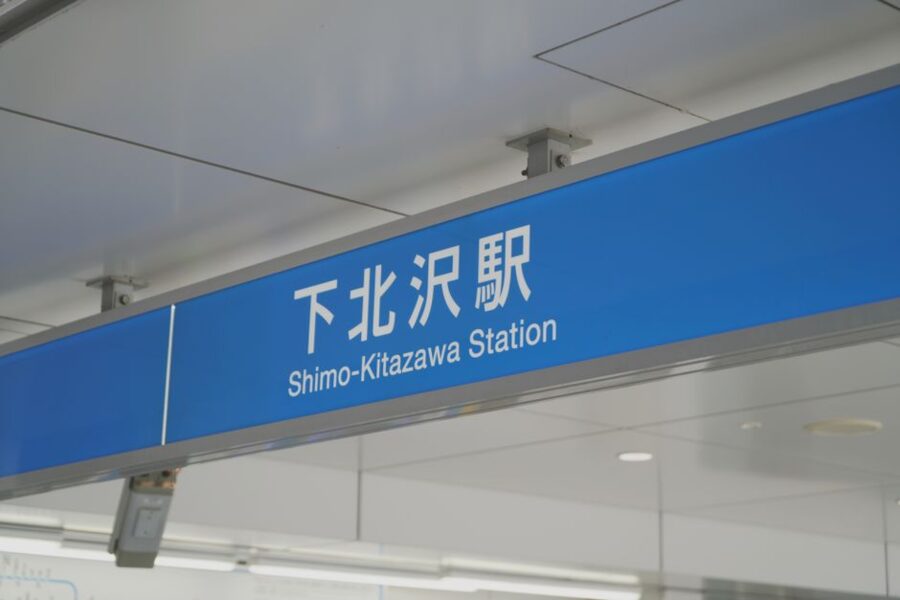
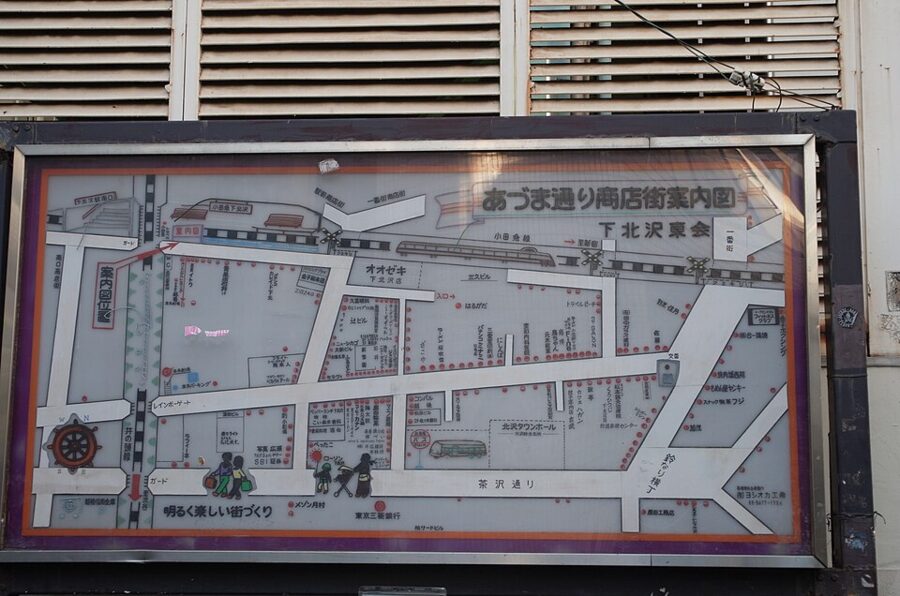
Shimokitazawa (下北沢) packs more small venues into a short walk than anywhere else in the city, alongside its used-clothing shops and small theaters. It is two stops from Shibuya on the Keio Inokashira Line and about 10 minutes from Shinjuku on the Odakyu Line.
The station itself is new. The Odakyu tracks went underground in March 2013, the old “North Exit” and “South Exit” names disappeared with the rebuilt station in 2019, and in March 2022 the Mikan Shimokita shopping arcade opened under the Inokashira Line viaduct.

The rooms, and the walk between them
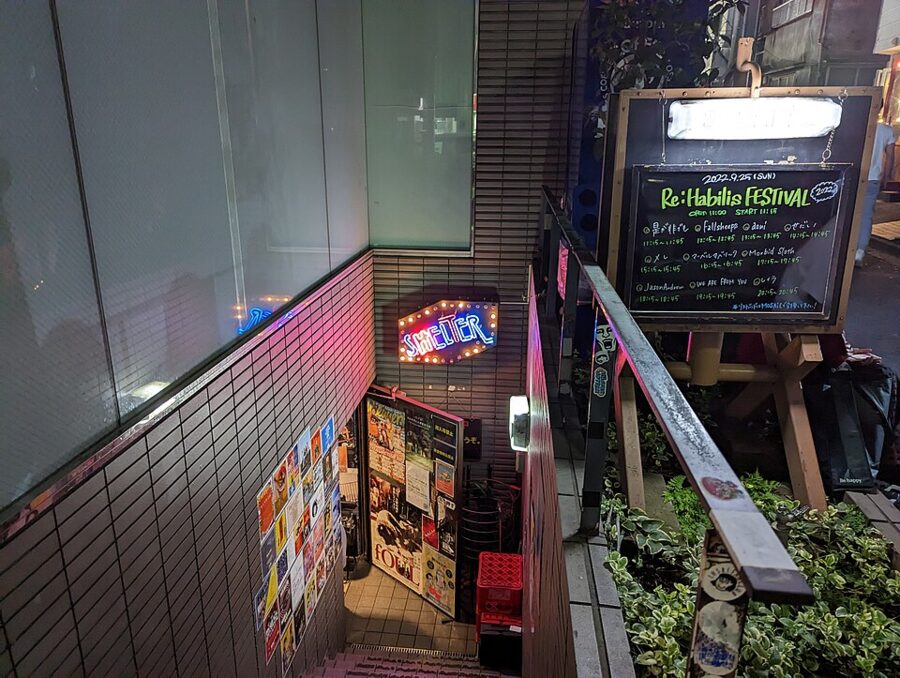
SHELTER opened in October 1991 as the Loft group’s Shimokitazawa room and books punk, guitar pop and loud indie. Fans of the anime Bocchi the Rock! know it as the model for the club in the series. A typical bill: on November 23, 2026, a three-band album tour final opened at 18:00, started at 18:30 and cost ¥3,500 in advance or ¥4,000 at the door.
CLUB Que, two floors down on Kitazawa 2-5-2, books older punk and rock names alongside new bands, and streams many shows with a week of archive viewing. Daisy Bar, four minutes from the Southwest Exit (南西口) on Kitazawa 2-2-3, is the place for young guitar bands, sometimes with a daytime show and an evening show on the same day.

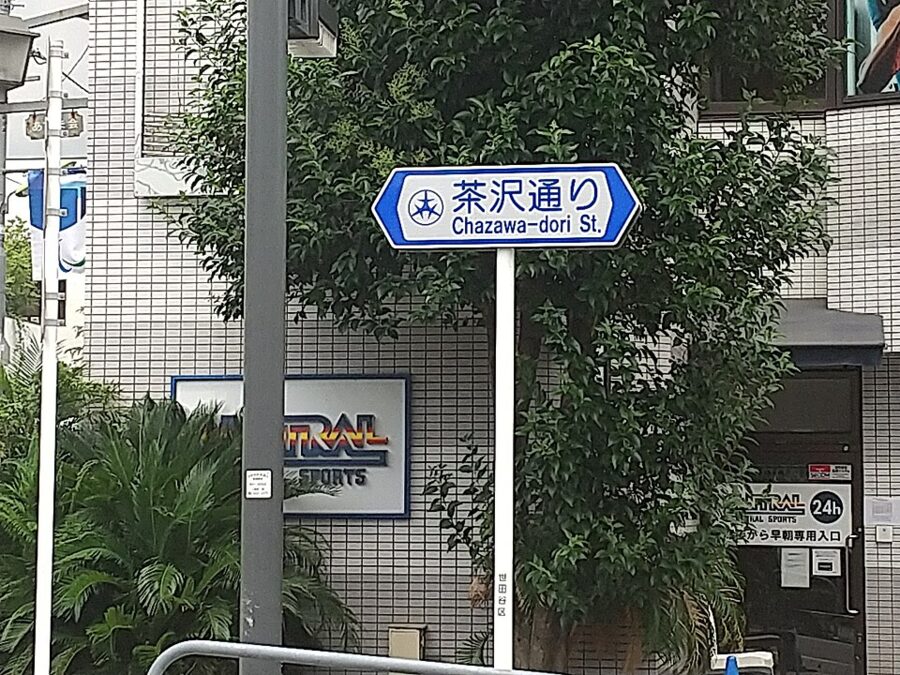
South across Chazawa-dori, BASEMENTBAR and THREE share an address on Daizawa 5-18-1 and a booking crew, and are the likeliest rooms in the district to have a foreign touring band on the bill: in late 2026 that meant VoodooV from Finland and ROZY from Texas. THREE marks its 17th anniversary with a run of shows in mid-December 2026.


LIVE HAUS, on Kitazawa 2-14-2, runs indie and experimental bills in the evening and DJ nights after midnight. All of these rooms are within a 10-minute walk of the station, so you can read two door boards before committing to one.
Koenji and the loud end of the Chuo Line
Koenji (高円寺) is about six minutes west of Shinjuku on the JR Chuo Line, and Suginami ward’s own visitor guide calls it the birthplace of Japanese punk. The scene runs from blues and jazz in the oldest rooms to noise, psych and hardcore in the newer ones. Note that the rapid trains on the Chuo Line skip Koenji on weekends and holidays; take the local or the rapid on a weekday.
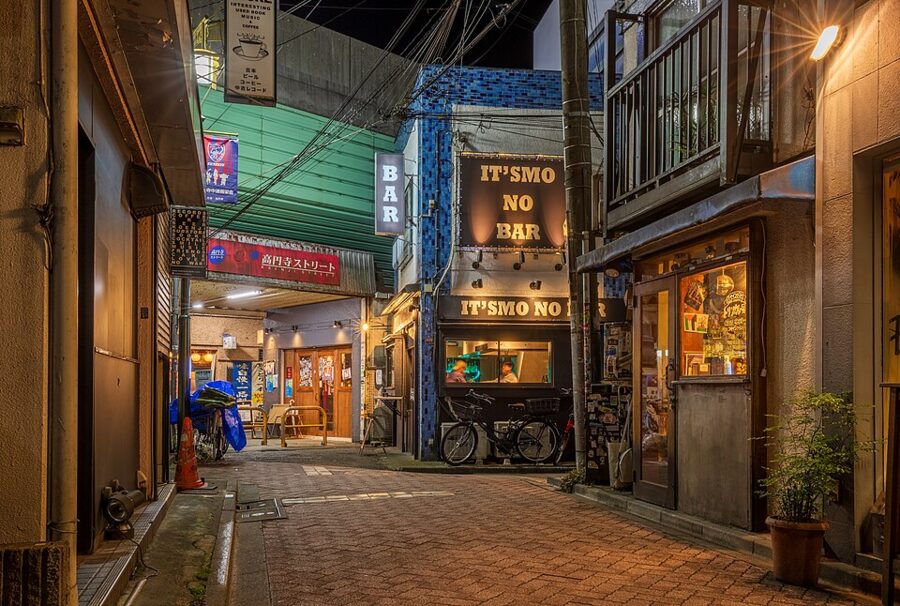

JIROKICHI opened in 1975, turned 50 in 2025 and published a 50-year history in January 2026. It is a seated room of 40–45 places with food, where a typical night is two sets of about an hour with a break, doors at 18:30, music at 19:30 and the end around 22:00. Everything is cash and paid up front: the music charge and a drink at the counter when you arrive, each later order as you make it.
Koenji HIGH, south of the tracks on Koenji-minami 4-30-1, is one of the larger rooms in the neighborhood and books indie rock and idol-rock bills; a two-act show on November 24, 2026 cost ¥3,500.

Higashi-Koenji
One stop east on the Tokyo Metro Marunouchi Line, Higashi-Koenji (東高円寺) has the two rooms with the loudest reputations. U.F.O. CLUB, three minutes from Exit 2, turned 30 in January 2026 and books psychedelic and underground rock; its listings show prices with “+1D”, and its system page spells out that the drink is collected at the door and is not in the ticket price. A December 1, 2026 two-band bill was ¥3,500 in advance and ¥4,000 at the door.
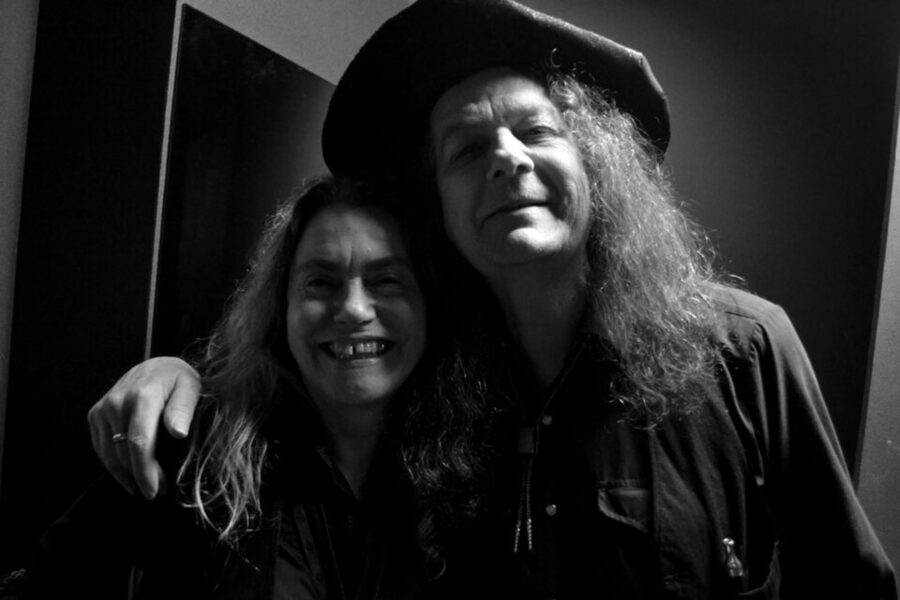

Higashi-Koenji Niman Denatsu (二万電圧, 20000V) opened in 2010 to carry on the old Koenji 20000V, which was lost to a fire in 2009, and books loud rock, punk and metal. Earplugs are not optional here.
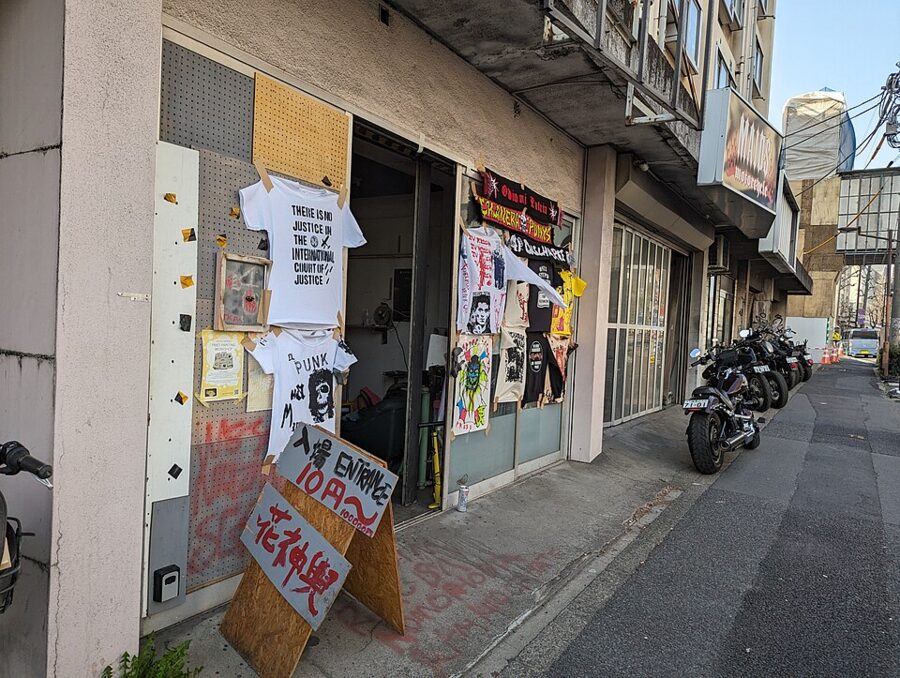
Shinjuku’s rock clubs
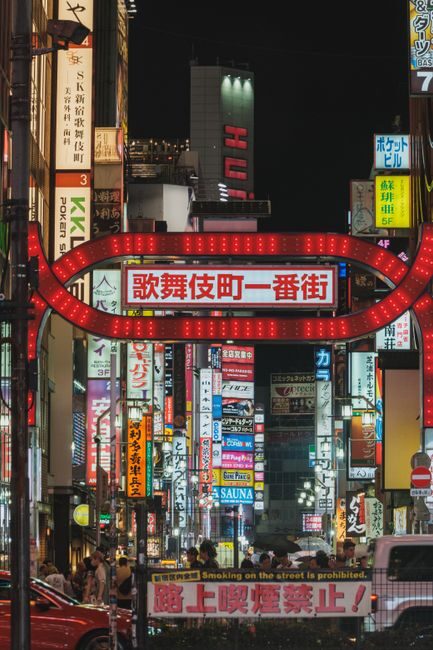
Shinjuku Loft (新宿ロフト) opened on October 1, 1976 in Nishi-Shinjuku, became the city’s punk venue in the 1980s, and moved to its present basement in Kabukicho on April 1, 1999, after a long fight with its old landlord. It holds about 500 standing and turned 50 in 2026, marked with a circuit event across several rooms. The address is Kabukicho 1-12-9, a few minutes from Seibu-Shinjuku Station.
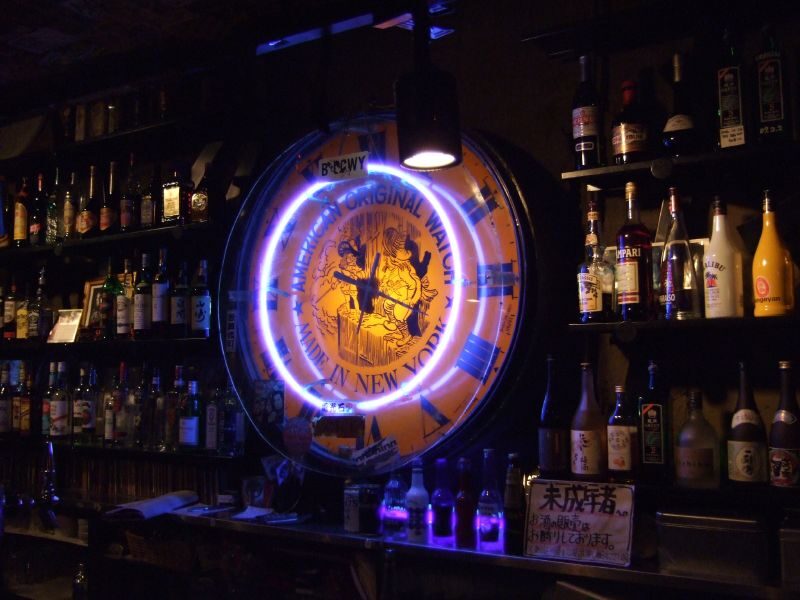

Loft runs two shows on many days. Mornings and afternoons now often go to idol groups: the November 23, 2026 daytime event started at 10:40 with two dozen acts on the bill. Evenings are for rock, punk and their relatives, and the listing tells you which you are walking into.

Shinjuku ANTIKNOCK, open since 1985 in a basement on Shinjuku 4-3-15, is the hardcore and metalcore room, with American bands on tour every few weeks: on November 23, 2026 the night bill had Watch You Fall and Seasons End from the United States. Marz, on Kabukicho 2-45-1, books alternative and indie bills and multi-band day events.

Shibuya: mid-size halls and club rooms
Shibuya is where bands go when they outgrow the basements: rooms a size or two up that host Japanese indie acts on the way up and foreign acts on the way through. Most are on the slopes of Dogenzaka and Udagawacho.
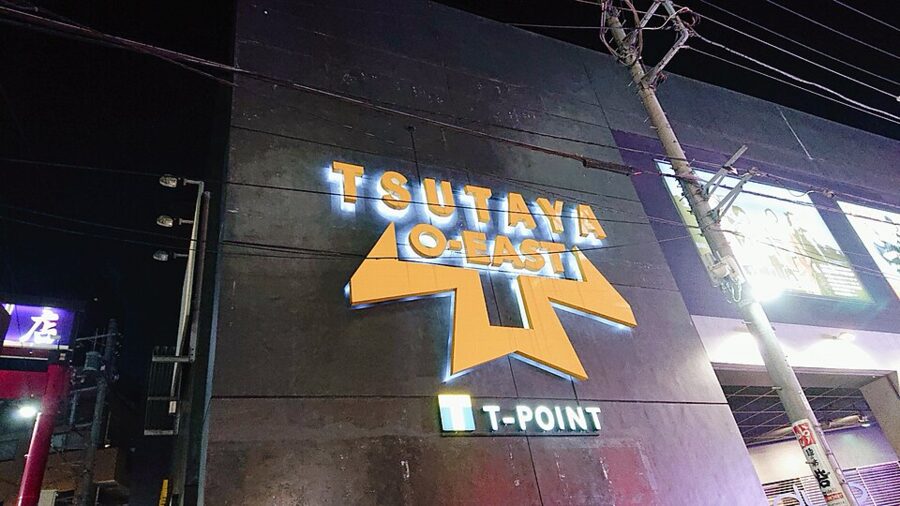
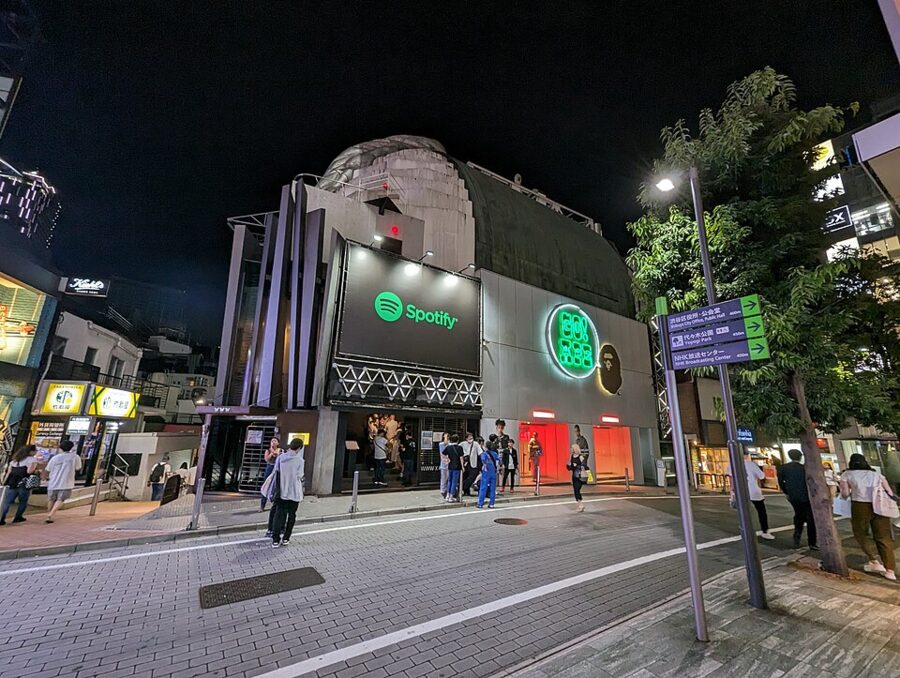
The four Spotify O-EAST, O-WEST, O-Crest and O-nest sit on Dogenzaka and Maruyamacho, from the large hall at O-EAST down to the small upstairs room at O-nest. In Udagawacho, WWW and WWW X book indie, electronic and leftfield acts; the ambient musician Laraaji is booked for WWW’s 2026–27 New Year party.

Shibuya Club Quattro, on the fourth floor of Udagawacho 32-13, is the classic mid-size step up for Japanese indie bands. La.mama, on Dogenzaka, is a small room with a long memory; JUN SKY WALKER(S) chose it for the last night of their 2026 tour.
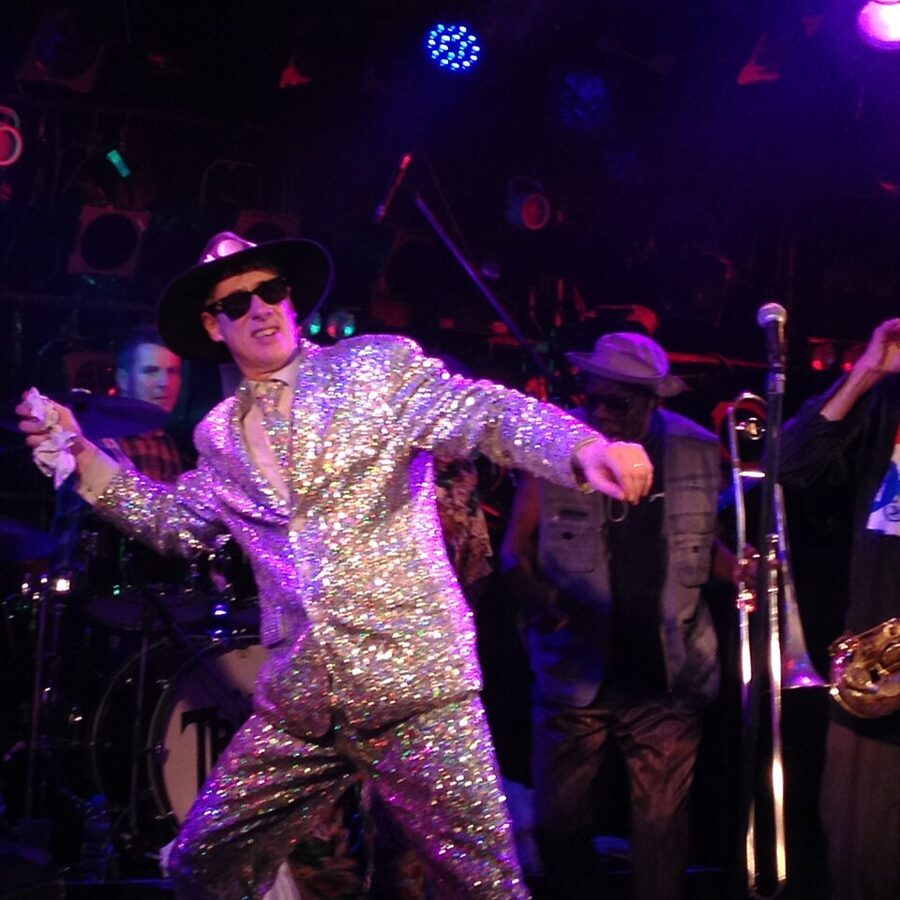

For an open night, Ruby Room on Dogenzaka has run an open mic every Tuesday for years, 19:00–02:00, with performers signing up online at least 24 hours ahead; it marks its 24th anniversary on November 27, 2026. One stop away in Ebisu, LIQUIDROOM opened in Kabukicho in July 1994, moved to Ebisu in July 2004, and is in its 22nd year there, booking bands, DJs and long club nights.

Jazz: supper clubs, small rooms and listening cafes
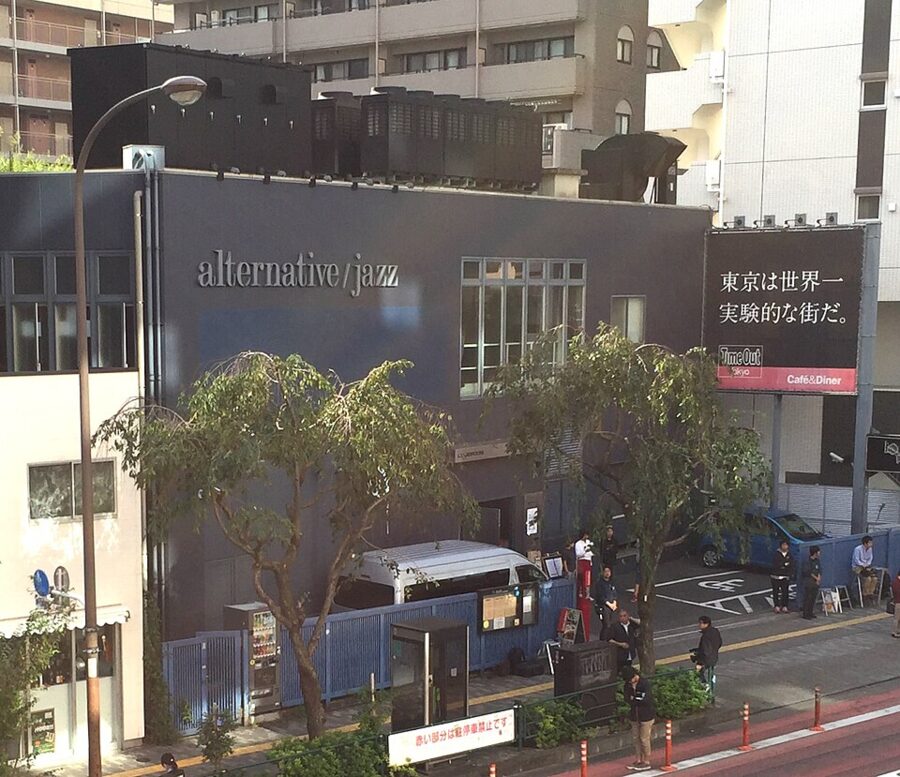
Tokyo jazz comes at three price points. The supper clubs bring American and European headliners and charge accordingly. The small clubs in Shinjuku and Kichijoji put leading Japanese players on stage nightly for ¥3,000–5,500. And the listening cafes, the jazz kissa, play records on serious speakers for the price of a coffee.
The supper clubs
Blue Note Tokyo opened on November 28, 1988 on a back street of Minami-Aoyama. For the Kenny Barron Trio on November 23–25, 2026, the club’s listing set seats from ¥11,000 at the counter and side areas to ¥16,500 in a box, two sets a night, with bookings only through the website. Food and drink are on top.
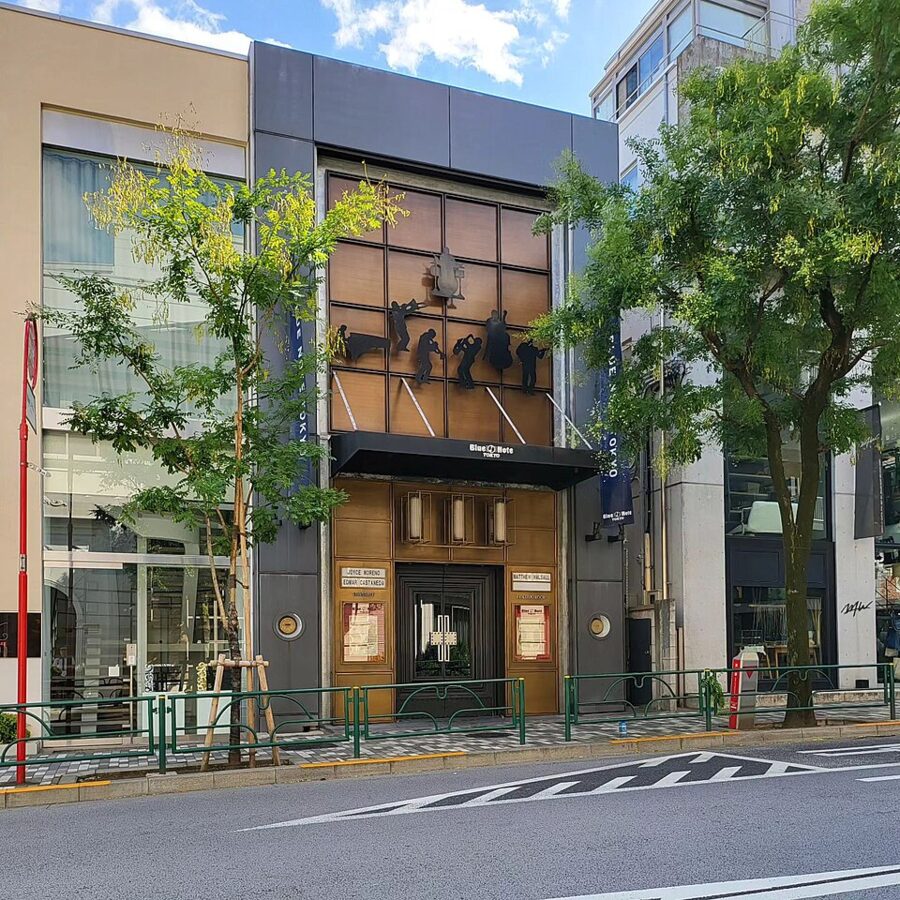

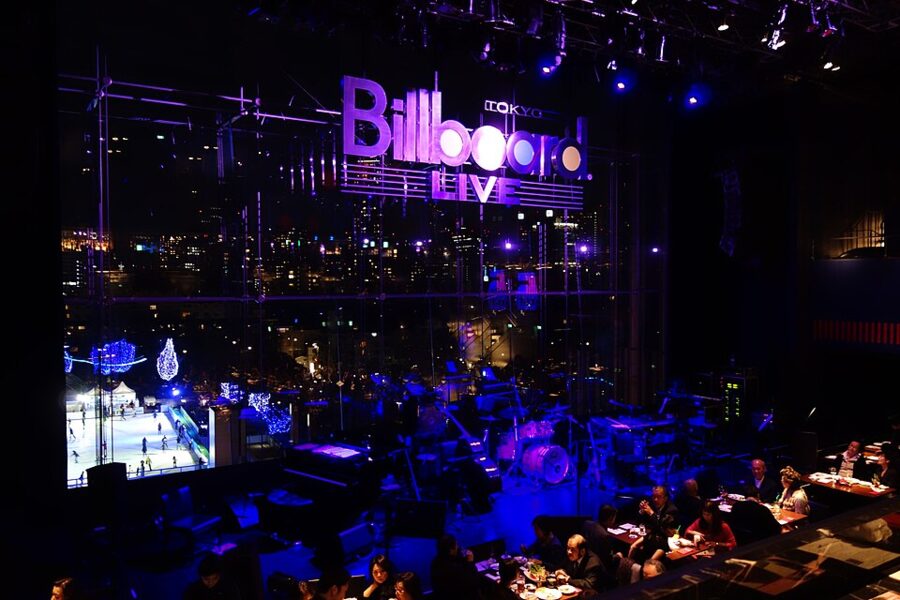
There is no dress code, and the club’s FAQ allows photos before and after the show but not during it. The same company runs COTTON CLUB in Marunouchi, opened in 2005, with a similar format and a more mixed program, from jazz to pop singers’ birthday shows. Billboard Live in Tokyo Midtown, Roppongi, does the same with soul, R&B and pop.

Shinjuku and Kichijoji
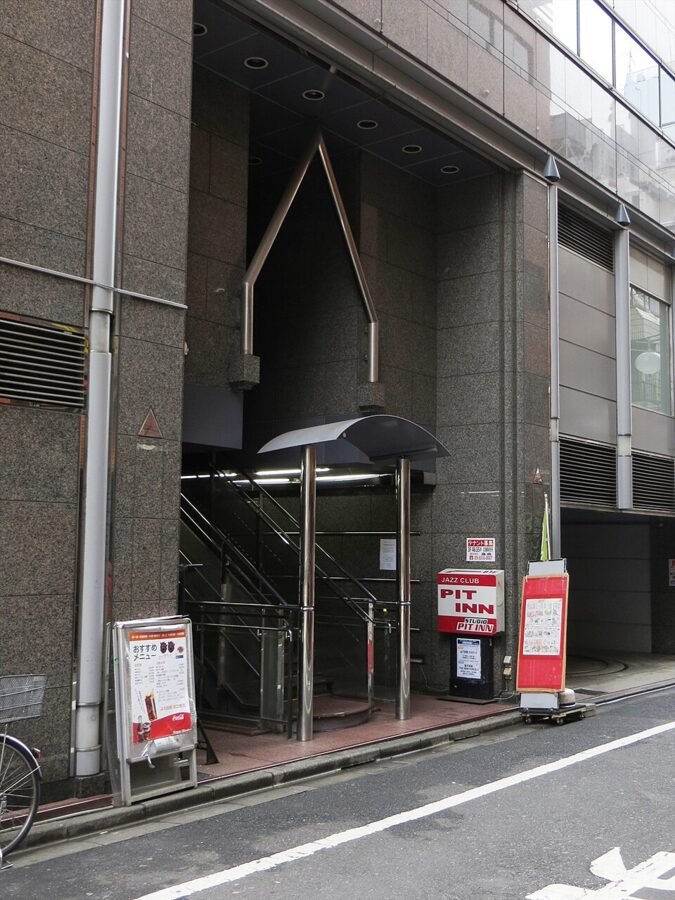
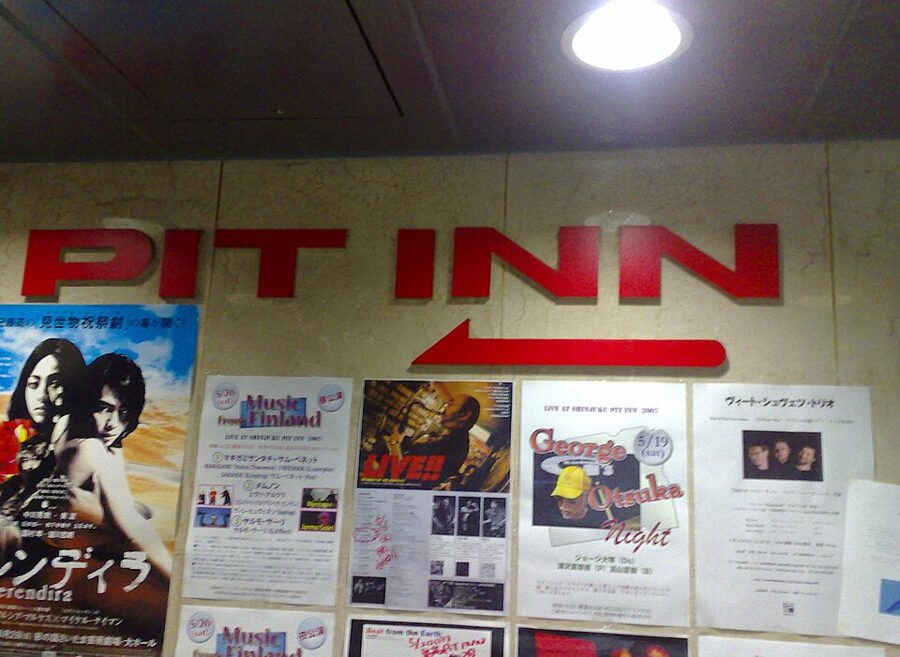
Shinjuku Pit Inn opened on December 24, 1965 and moved to its basement on Shinjuku 2-12-4 in 1992; it marked 60 years with concerts in December 2025. Evening shows in late 2026 cost ¥5,000–5,500 with one drink, such as saxophonist Akira Sakata’s band on November 23 for ¥5,500. The cheap secret is the morning set: 11:00 shows for ¥1,300 plus tax with a drink, no reservations and a single set.


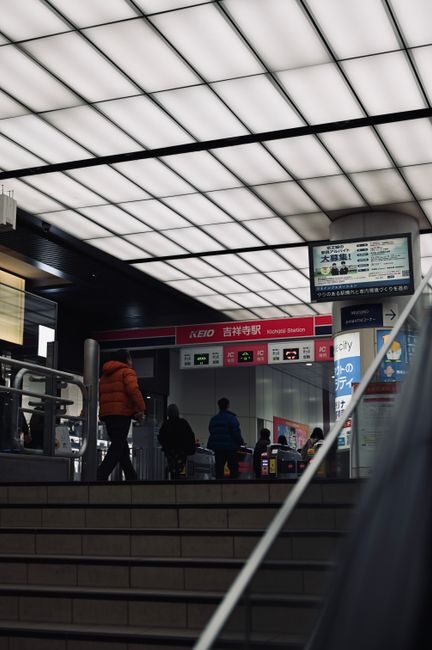
In Kichijoji, a 15-minute ride west on the JR Chuo Line, SOMETIME opened in 1975 and is in a basement on Kichijoji-Honcho 1-11-31. One charge covers both sets, at 19:00 and 20:30, with no clearing of the room between them. November 2026 charges were ¥3,000–3,500 in the evening and ¥2,000 for the weekend daytime shows, plus whatever you eat and drink; phone bookings are taken in English, and cards and IC cards work.
The jazz kissa and their rules
The first jazz kissa (ジャズ喫茶) is usually dated to 1929, a cafe called Blackbird in Hongo. They peaked in the 1960s, when imported records were too expensive to own and a coffee bought you an afternoon in front of speakers no apartment could hold. About 600 jazz kissa and jazz bars still operate across Japan, most of them playing vinyl.
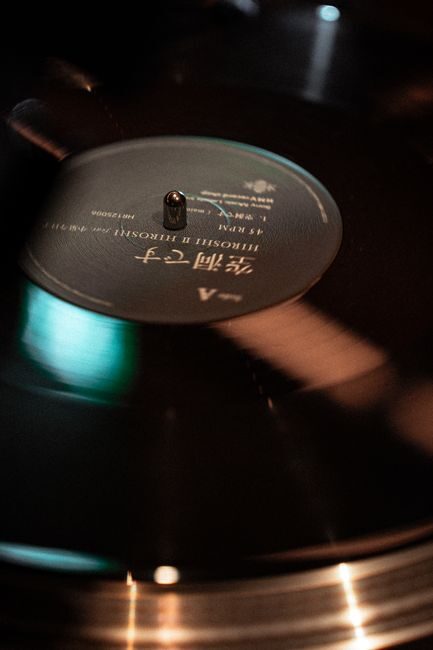
The rules are the point. Eagle (いーぐる) in Yotsuya, on Yotsuya 1-8, asks for silence from opening until 18:00, then becomes a bar where you may talk over the records, and does not allow earphones at any hour. Its hours are 11:30–23:20 on weekdays and 12:00–23:20 on Saturdays, closed on Sundays and holidays.
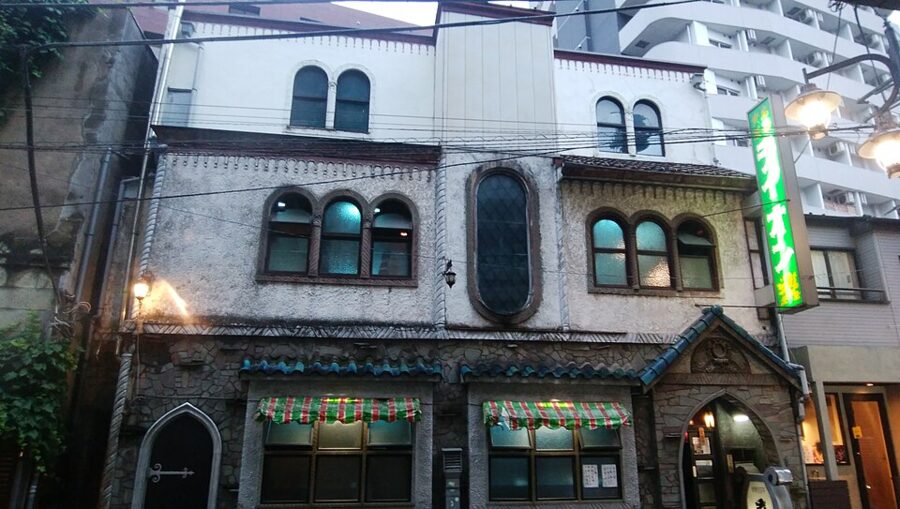
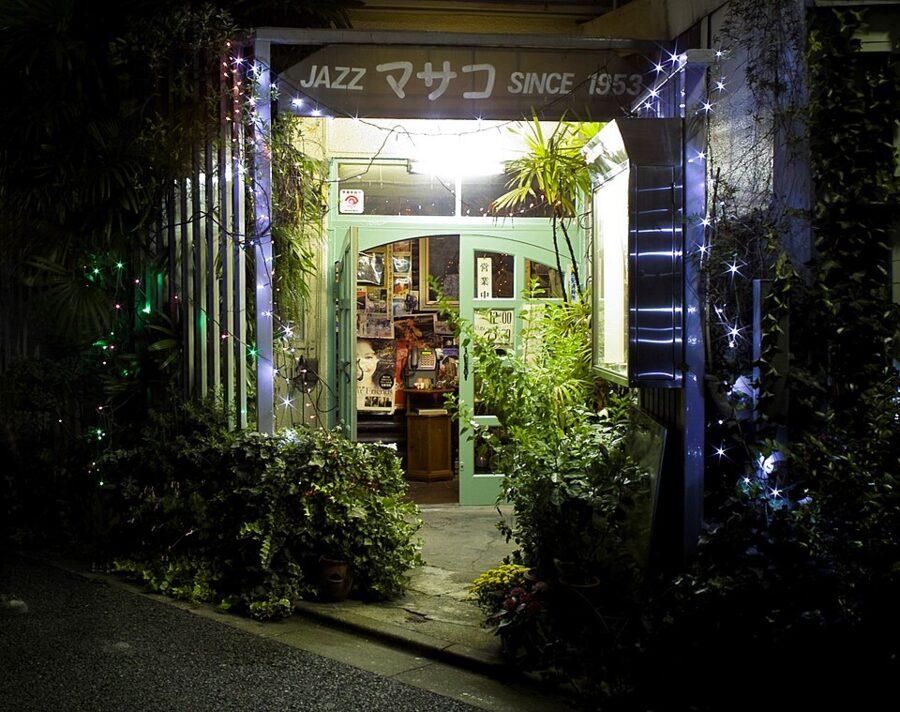
In Kichijoji, Funky opened as a jazz kissa about 65 years ago and still has the JBL Paragon speaker it installed in 1970. It now runs as a bar and brasserie from 15:00 to 24:00, and has brought back an all-vinyl afternoon, Analog Funky, on the third Tuesday of each month from 15:00 at no extra charge. For classical records there is Meikyoku Kissa Lion on Dogenzaka in Shibuya, open since 1926, 13:00–20:00 and cash only.


Hearing the next band before you fly
Plenty of the bands in those basements reach audiences abroad before most Tokyo residents have heard of them. Next Music from Tokyo is the clearest case: a touring showcase that has brought small Tokyo bands to Canada since May 2010, run by one person who pays the bands’ flights and hotels and works the door himself.
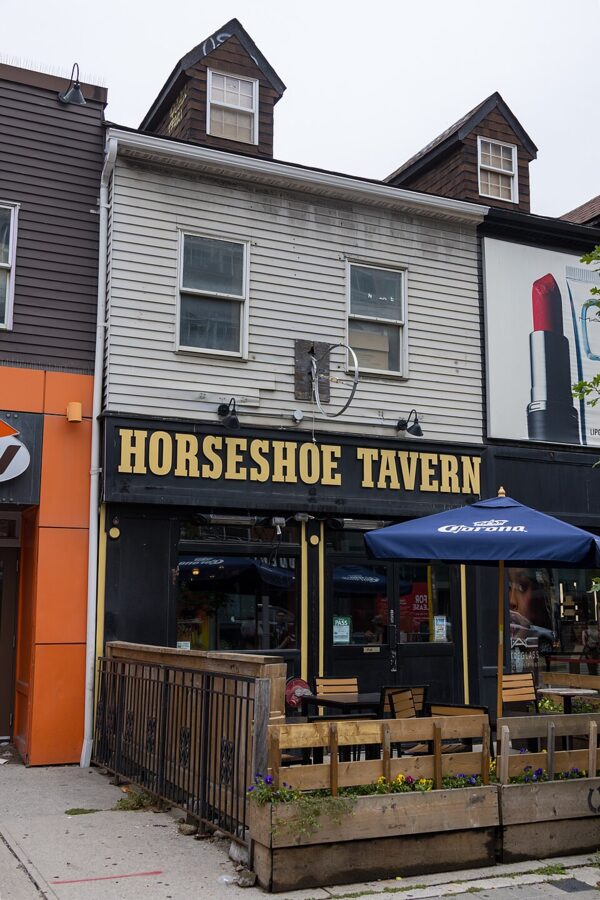
Its 18th edition ran September 18–24, 2026 with Haku., SYAYOS, yureruwayurei and pudelhunds, playing two nights at the Horseshoe Tavern in Toronto that sold out in advance, a show in Montreal that moved to the bigger Café Campus, and two nights at the WISE Hall in Vancouver. The list of past tours reads like a guide to the last 15 years of Tokyo indie: ZAZEN BOYS in 2012, Hitsuji Bungaku in October 2016.

The bands come home and play the same small rooms. pudelhunds, a math-rock trio from Fukuoka signed to the label Oaiko, played the Oaiko FES winter bill at Shibuya Club Quattro in December 2026 alongside yureruwayurei (揺れるは幽霊), and Daisy Bar in Shimokitazawa booked them again for January 2027. Following a tour like this, or a label’s roster, is the fastest way to arrive with a list of bands worth a ticket.
You can also listen in from home. JIROKICHI streams its shows free on its YouTube channel and sells an optional “after” ticket of ¥1,000–5,000 as a tip, CLUB Que keeps a week of archive for its streamed shows, and Daisy Bar sells a separate stream price. A week of that before a trip tells you which rooms book what you like.
The big rooms: Budokan, Tokyo Dome, Zepp and Kokugikan
Above a few thousand seats the rules change. Tickets for Japanese acts go first to fan clubs and then to rounds of lotteries (抽選, chusen), often months ahead, and general sale is what is left. Most are now smartphone tickets bound to the buyer’s name, with the seat revealed close to the day or at the gate, and staff may check photo ID against the name. Bring your passport.
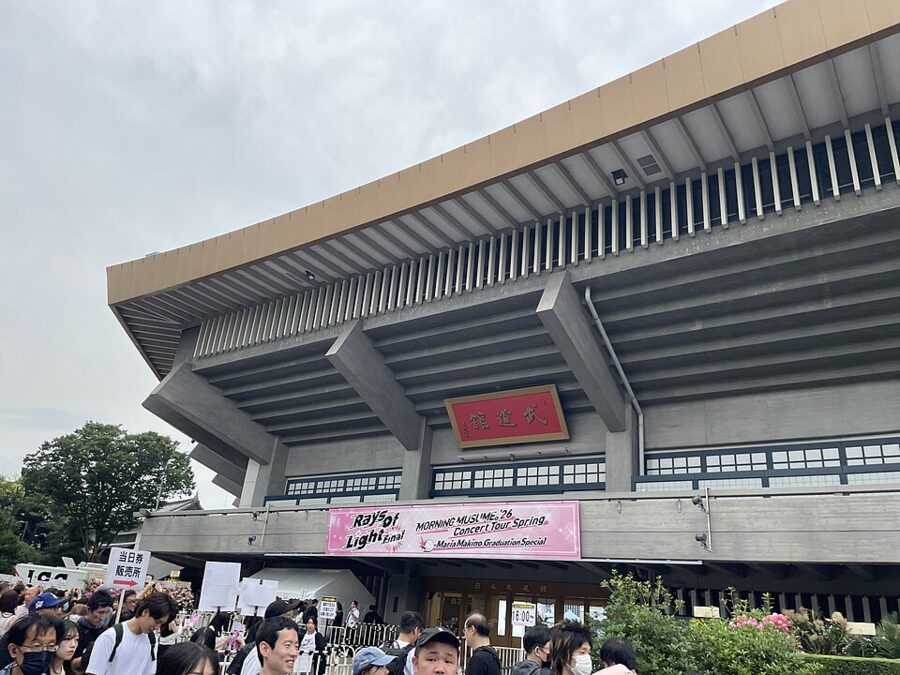
Nippon Budokan
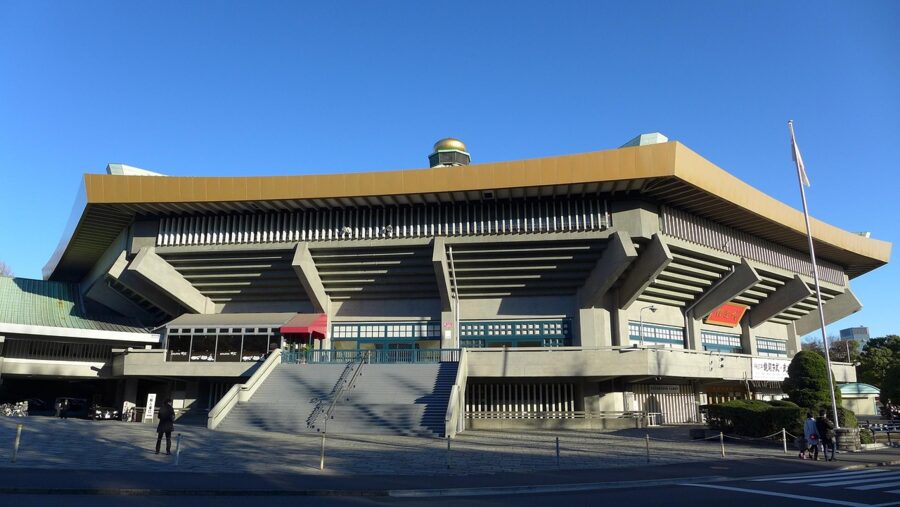
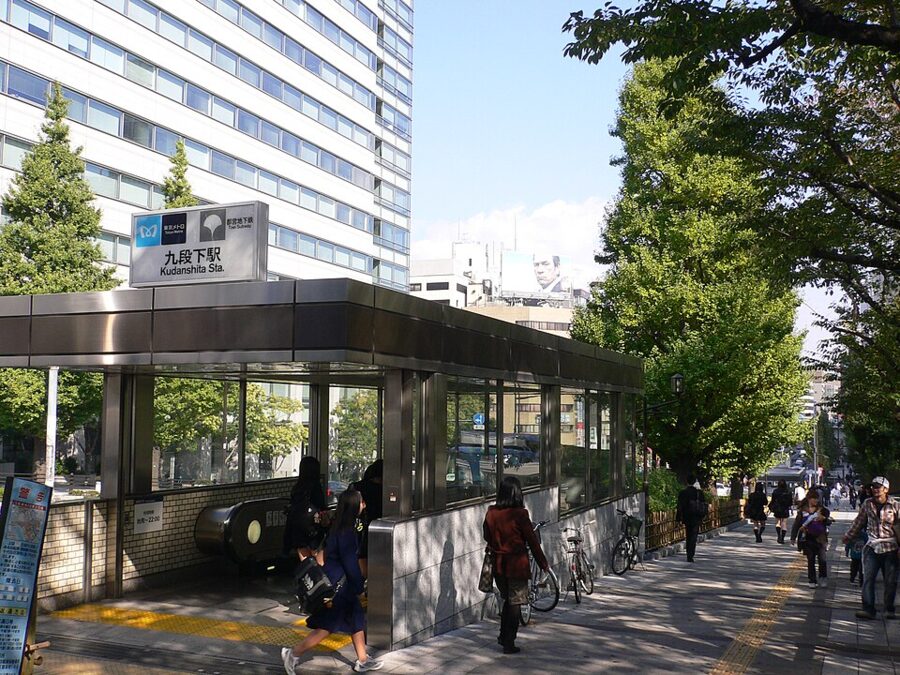
The Budokan’s access page sends you to Kudanshita Station on the Tozai, Hanzomon and Toei Shinjuku lines, Exit 2, then a five-minute walk; when Exit 2 is jammed, use Exit 4, and on the way home cross the footbridge to Exits 1 or 3. Takebashi Station, Exit 1, is a 12-minute alternative. There is no visitor parking.

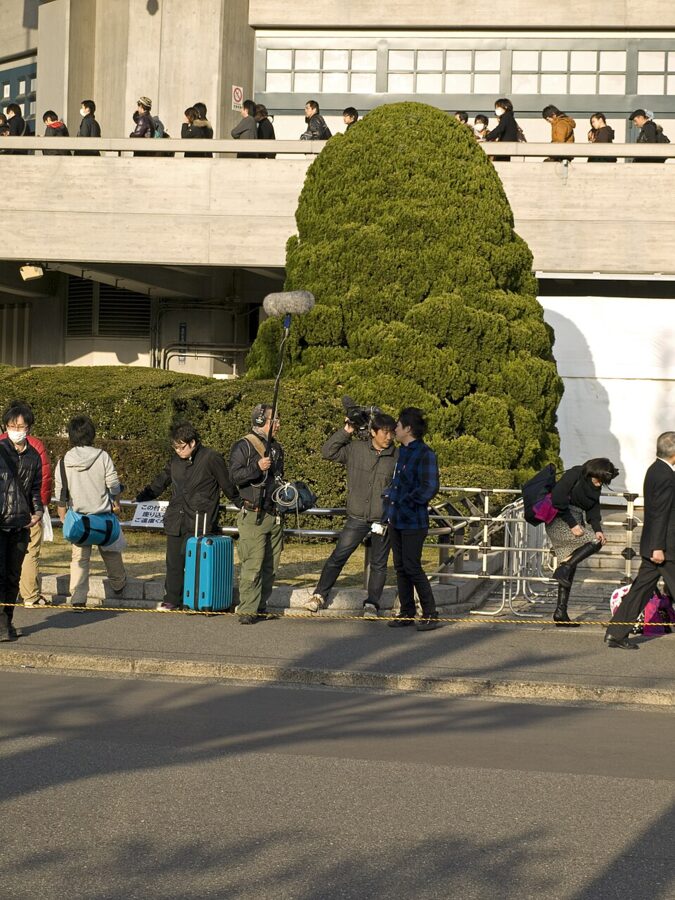
The hall sits inside Kitanomaru Park, and a notice dated June 23, 2026 lists what not to do there: no smoking anywhere in the park or on Chiyoda ward streets, no loitering on the narrow pavement in front, no trading merchandise outside, and no gatherings in the park while you wait.


Tokyo Dome
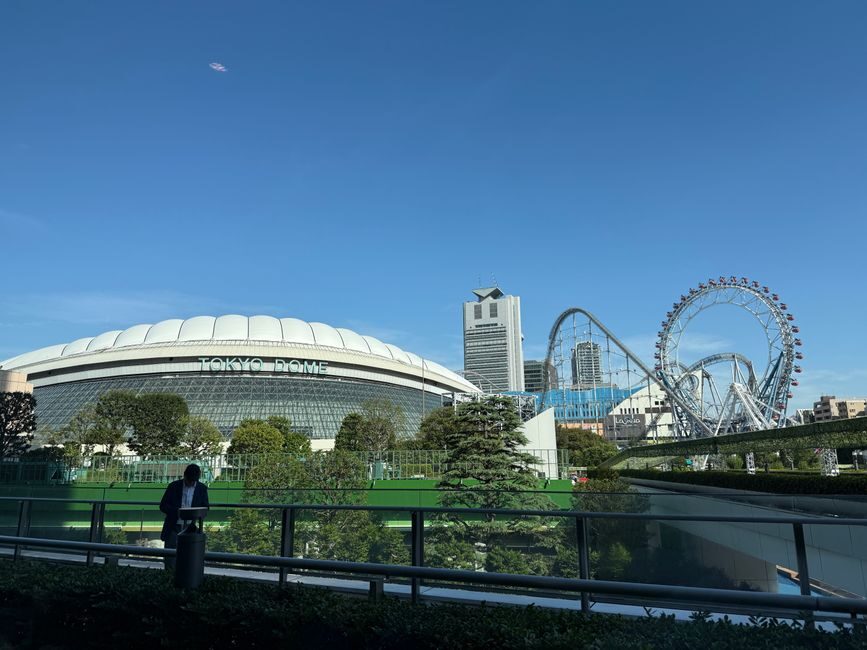
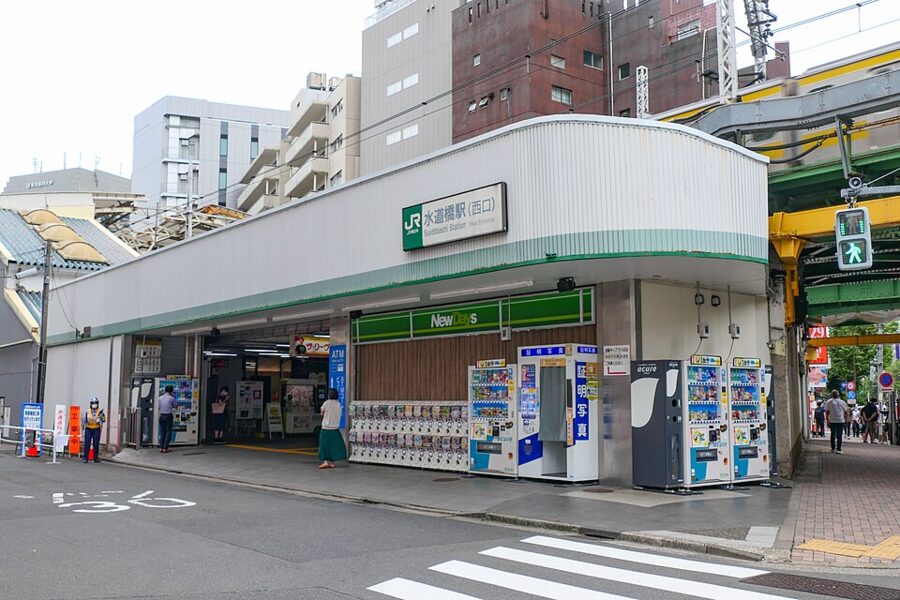
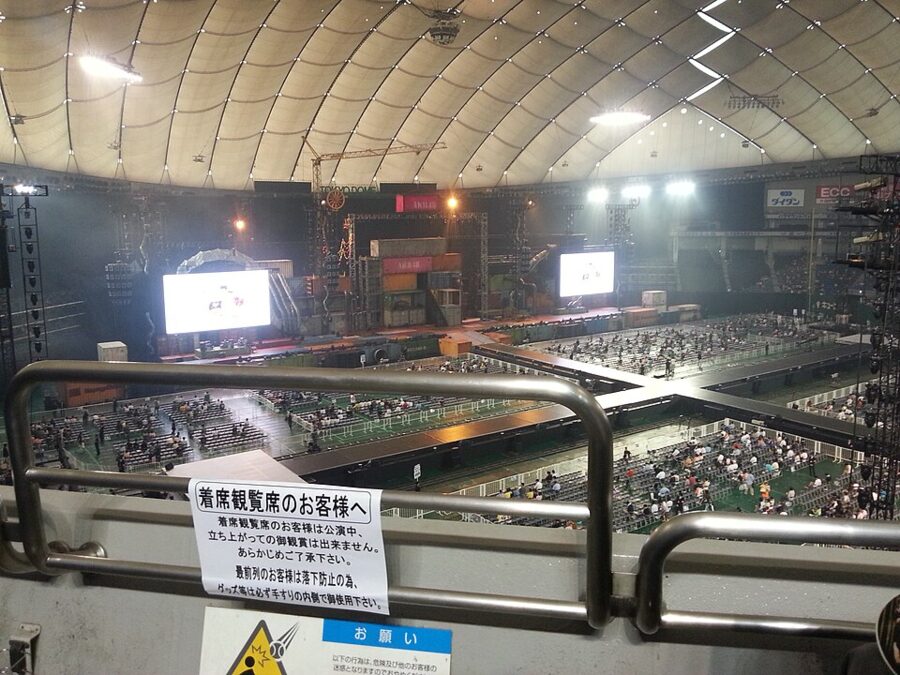
Tokyo Dome holds the largest indoor shows in the city and is a short walk from JR Suidobashi, Tokyo Metro Korakuen and Toei Suidobashi stations. The Dome’s visitor rules matter on the day: it is fully cashless inside, glass bottles, cans, large or frozen plastic bottles and alcohol may not be brought in, and after the show you are asked to leave in stages and use stations other than the nearest one.


The Zepp halls
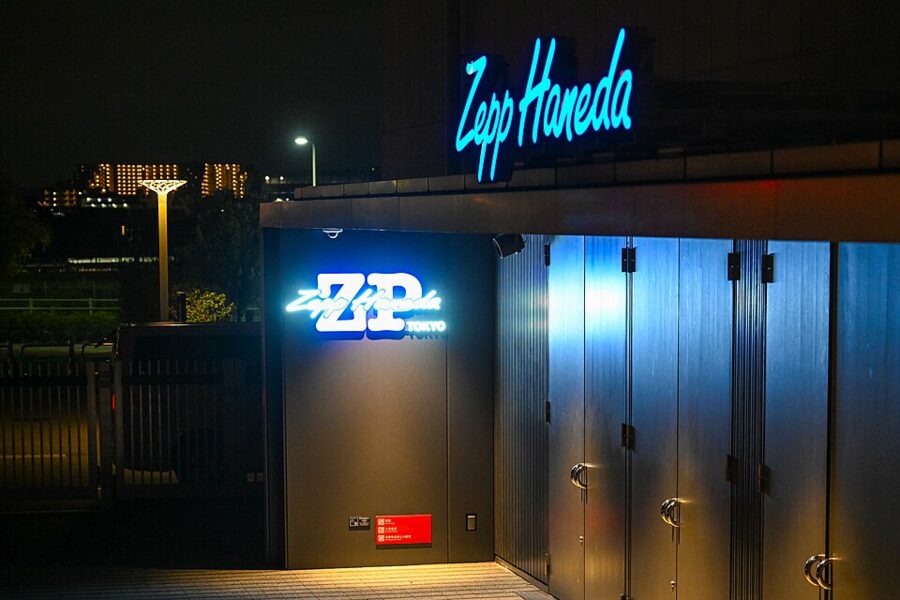
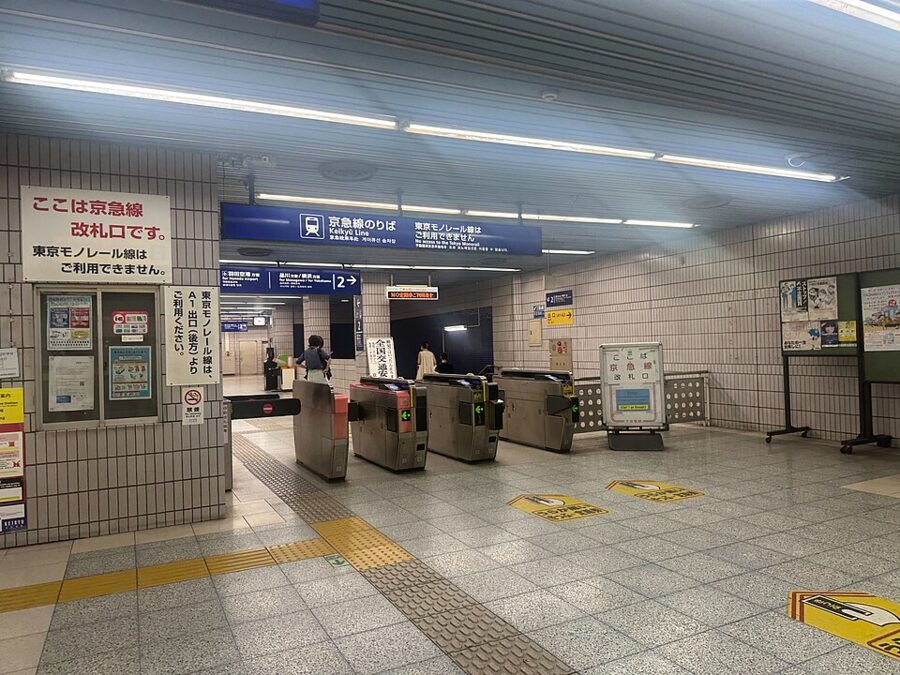
Zepp halls are the big standing rooms, a size above Shibuya’s clubs. Zepp Tokyo in Odaiba closed on January 1, 2022, and the three Tokyo halls in 2026 are these. Zepp Haneda holds 2,925 standing in Haneda Innovation City, directly beside Tenkubashi Station on the Keikyu Airport Line and the Tokyo Monorail, one stop short of Haneda Airport.


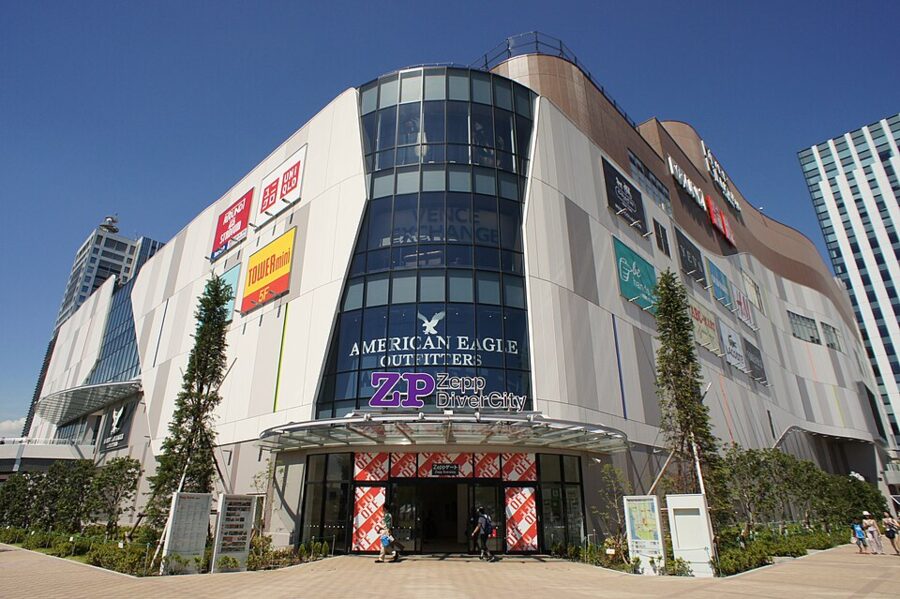
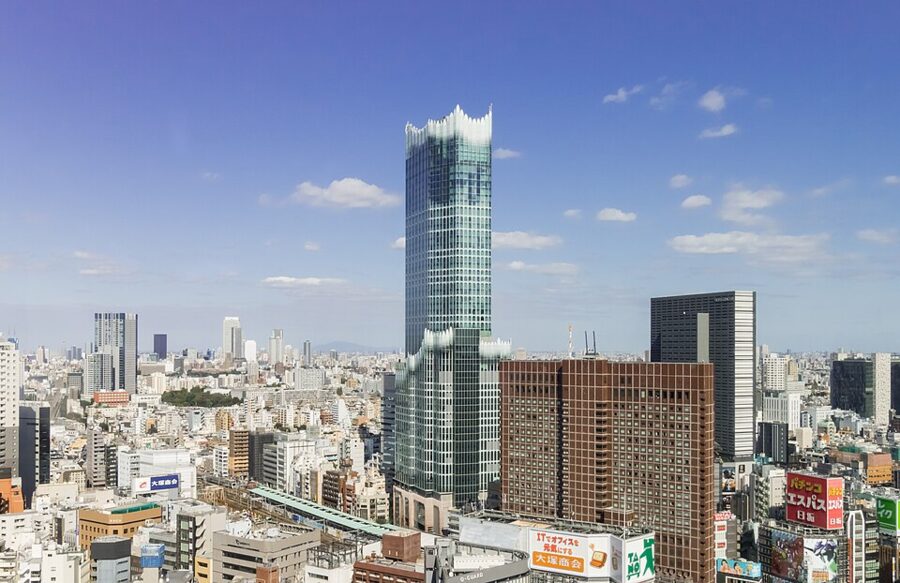
Zepp DiverCity in Aomi holds 2,473 standing and is 10 minutes on foot from Daiba Station on the Yurikamome or Tokyo Teleport Station on the Rinkai Line. Zepp Shinjuku, opened in 2023 in the basement of the Tokyu Kabukicho Tower, holds 1,500 standing, is a minute from Seibu-Shinjuku Station and takes no cash.


Ryogoku Kokugikan
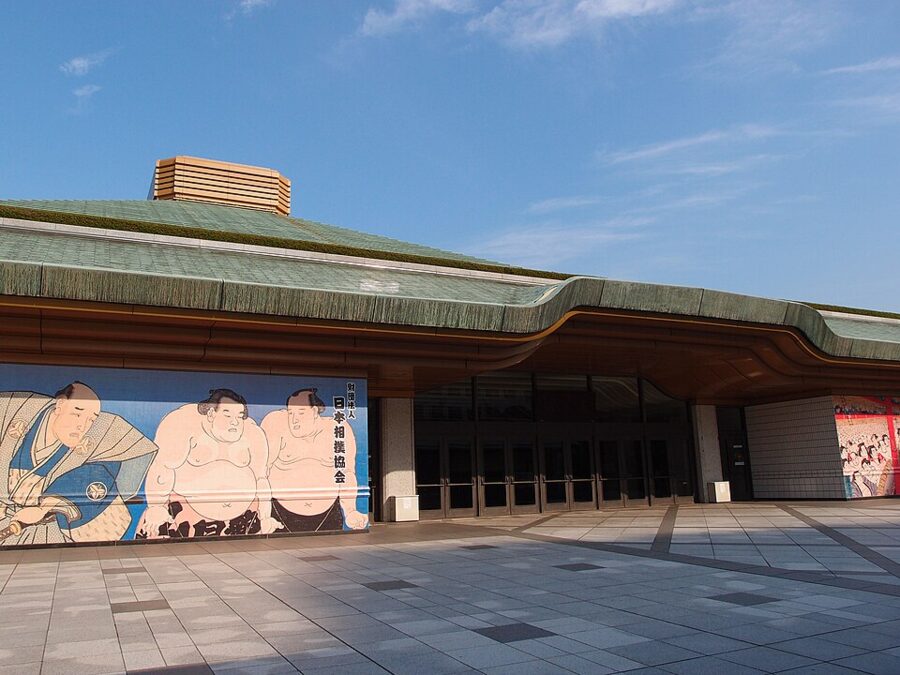
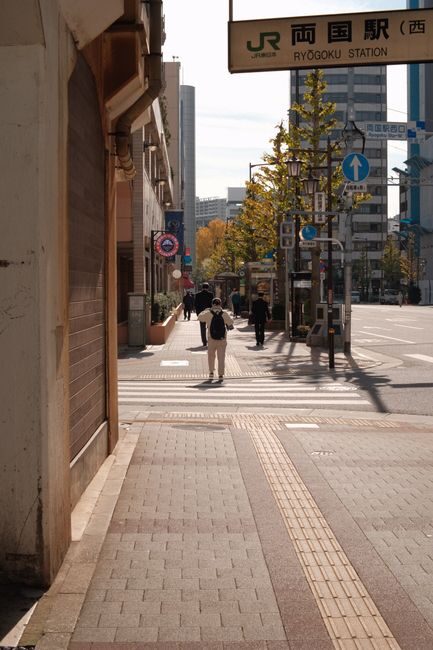
The sumo hall doubles as a concert venue for 11,098 when no tournament is on. The Sumo Association rents it out around the three Tokyo tournaments each January, May and September, and it is a minute from JR Ryogoku Station and five from the Toei Oedo Line.

Festivals within reach of Tokyo
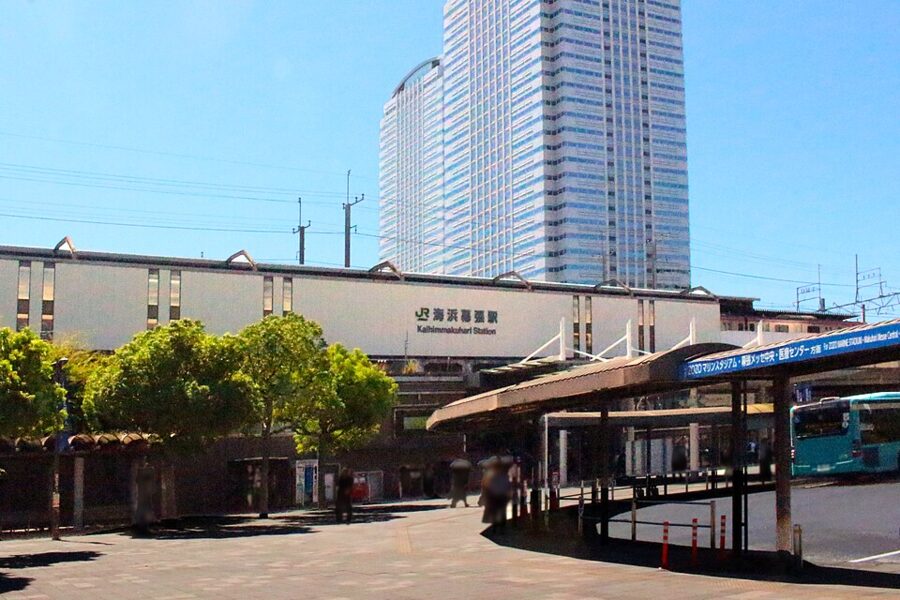
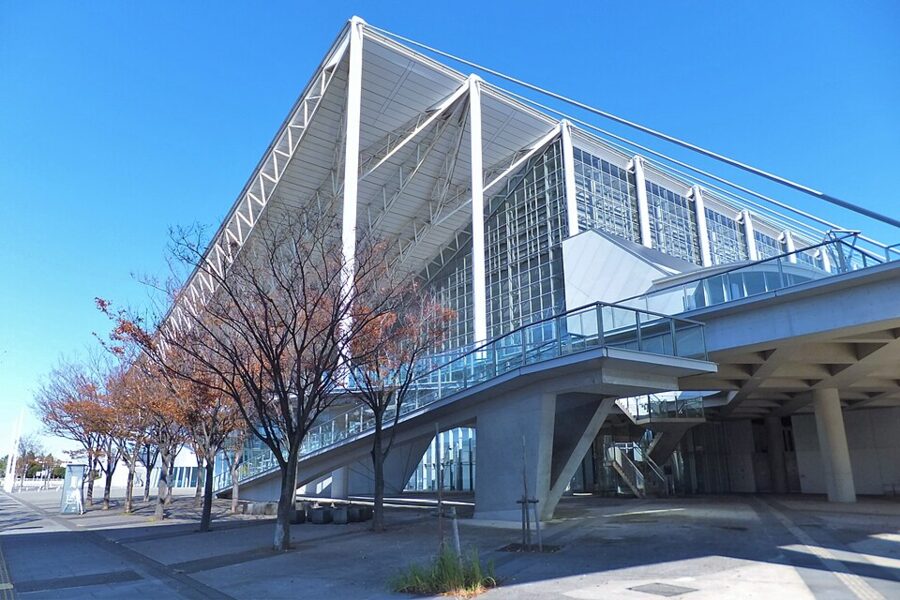
Summer Sonic ran its Tokyo edition on August 14–16, 2026 at ZOZO Marine Stadium and Makuhari Messe in Chiba. From Kaihin-Makuhari Station it is seven minutes on foot to the Messe and 15 to the stadium. The 2027 dates had not been announced as of November 24, 2026.

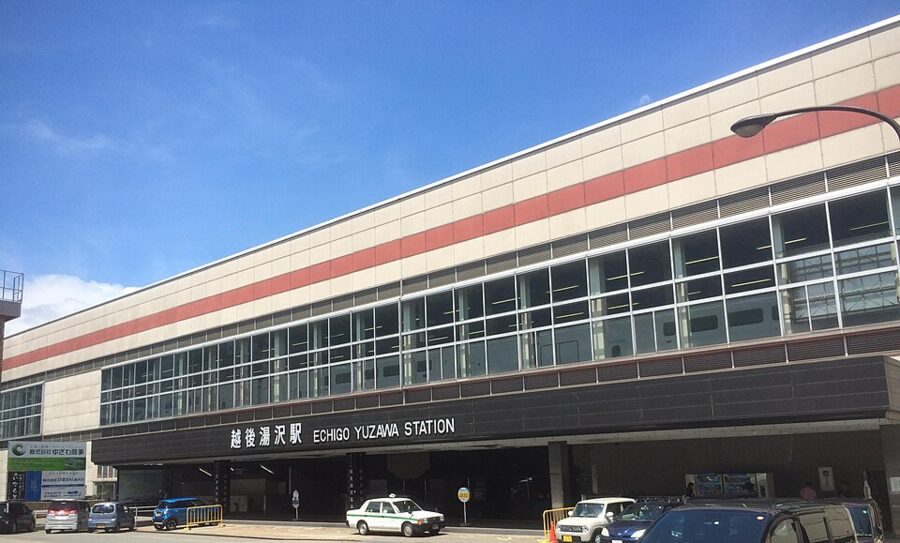
Fuji Rock ran July 24–26, 2026 at Naeba Ski Resort in Niigata, with 123,500 visits over four days counting the July 23 eve party, according to the organizer. The usual route is the Joetsu Shinkansen between Tokyo and Echigo-Yuzawa, about 90 minutes, then the festival shuttle bus, about 40 minutes and ¥2,000 paid on boarding in 2026. No 2027 dates yet.


Countdown Japan 26/27 runs on December 26–27 and 29–31, 2026 across Halls 1–11 and the Event Hall at Makuhari Messe. The organizer puts it about 30 minutes from JR Tokyo Station to Kaihin-Makuhari on the Keiyo Line, then five minutes on foot. Official resale opens in early December.

After the last band
A small show ends around 22:00, which leaves about two hours before the last trains and a choice about the rest of the night: a bar in the same street, or a club that starts as the live house closes. The Tokyo nightlife guide picks up from there, and the Tokyo travel guide has the rest of the city.
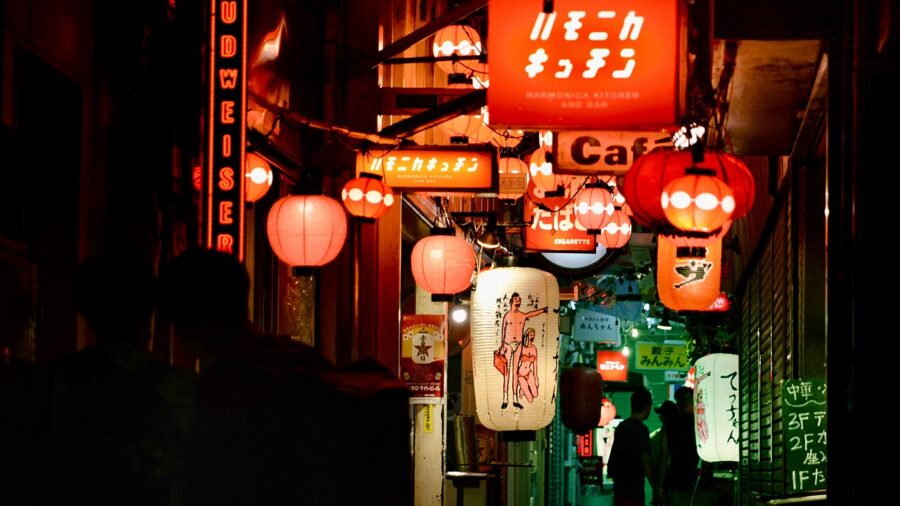
Before any of that, keep the drink token. It is ¥700 at Daisy Bar since July 1, 2026, ¥600 at Loft and Marz, and it is the only part of the evening you have already paid for.