

Five days, a hotel a short walk from a JR Yamanote Line station, and three alarms set for ticket releases: that is the skeleton of a first trip to Tokyo (東京), and the rest of the planning hangs off it. The alarms are for the Ghibli Museum (10:00 Japan time on the 10th of the month before), Tokyo Disney Resort (14:00, two months ahead to the day) and the free Imperial Palace grounds tour (05:00 Japan time on the 1st of the month before). Miss them and you can still have a good trip. Set them and the hard part is done.
The city also changed its prices under first-timers’ feet in 2026.
JR East raised fares on March 14, 2026 for the first time since the company was formed in 1987 (consumption tax changes aside), and the Tokyo Subway Ticket went up the same day. Tax-free shopping became a refund at the airport on November 1, 2026. The Tokyo accommodation tax turns into a flat 3 percent on April 1, 2027. Every figure below is the late-2026 one, with the date beside anything that has just moved or is about to.
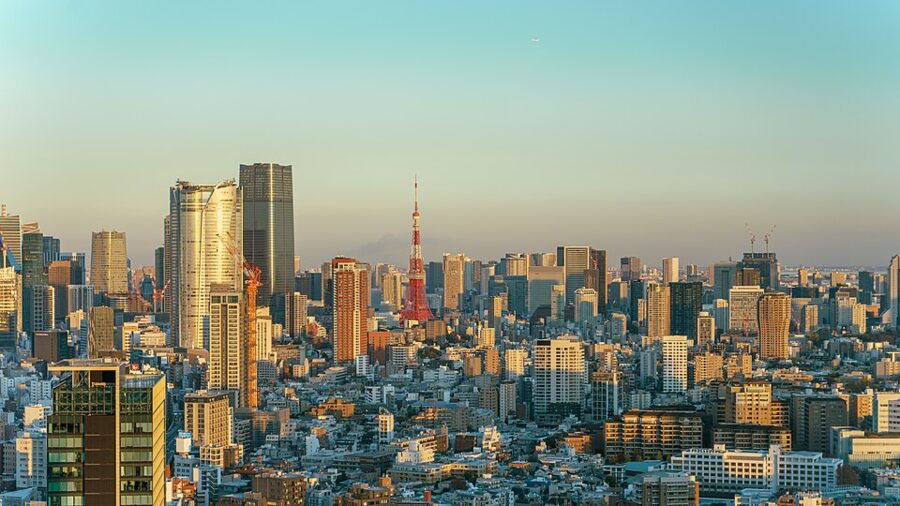



The first four decisions
How many days
Five full days is the length I’d plan for. Three is enough to see the big names on the east and west sides of the city and leaves no slack for a rainy day or a sold-out slot. Seven lets you add two day trips, which is where Tokyo trips usually get better.
Count arrival day as half a day at most. Immigration, a train into the city and a hotel check-in at 15:00 eat the afternoon, and most long-haul arrivals land tired. The last day goes the same way: airlines ask for you at the terminal about two hours before an international flight, and the new tax-free refund check (below) happens before you can drop your bags.
Which season
Spring and autumn are the easy answers, for the same reason: mild days and dry skies. The Japan Meteorological Agency’s 1991–2020 averages for central Tokyo give a mean of 14.3 °C in April and 12.5 °C in November, against 26.9 °C in August, when the average daily high is 31.3 °C. The wettest months are not June but September and October, at 224.9 mm and 234.8 mm, because the typhoons and the autumn rain front both arrive then. January is cold (a 9.8 °C average high) and the sunniest month, at 192.6 hours of sunshine, which is when Mount Fuji shows from the tower decks; the full table is in the agency’s Tokyo climate normals.
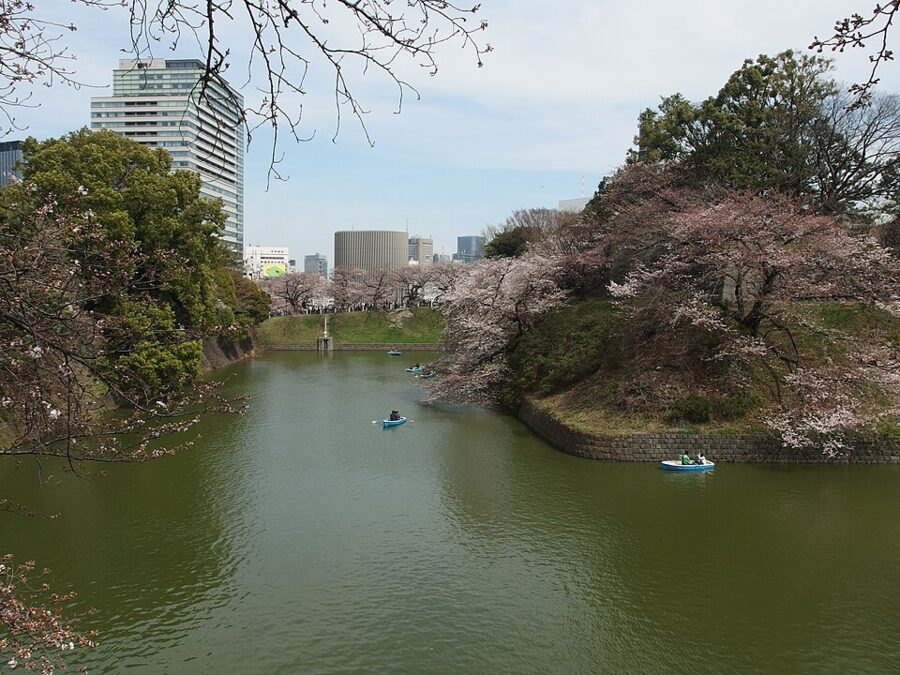
Cherry blossom week is the most expensive and most crowded week of the year. In 2026 the agency’s sample tree at Yasukuni Shrine reached full bloom on March 28, three days ahead of the average, so a trip pinned to the blossom needs some give on both sides. The full calendar, with holidays and 2027 dates, is further down.

Narita or Haneda
Haneda, if the fare is close. It sits on the bay at the south edge of the city, and the Keikyu line reaches Shinagawa in 11 to 14 minutes. Narita is out in Chiba prefecture; the fastest Narita Express takes 53 minutes to Tokyo Station, and the Keisei Skyliner reaches Nippori, on the east side, in as little as 36 minutes.
Narita is not a punishment. If your hotel is in Ueno or Asakusa, the Skyliner and the Keisei Access Express land you closer than anything from Haneda does. The Narita train access page lists which line serves which side of the city: the Skyliner for Nippori and Ueno, the Narita Express for Tokyo Station, Shinagawa, Shibuya and Shinjuku. The Haneda side, terminal by terminal, is in its own guide.
Where to sleep
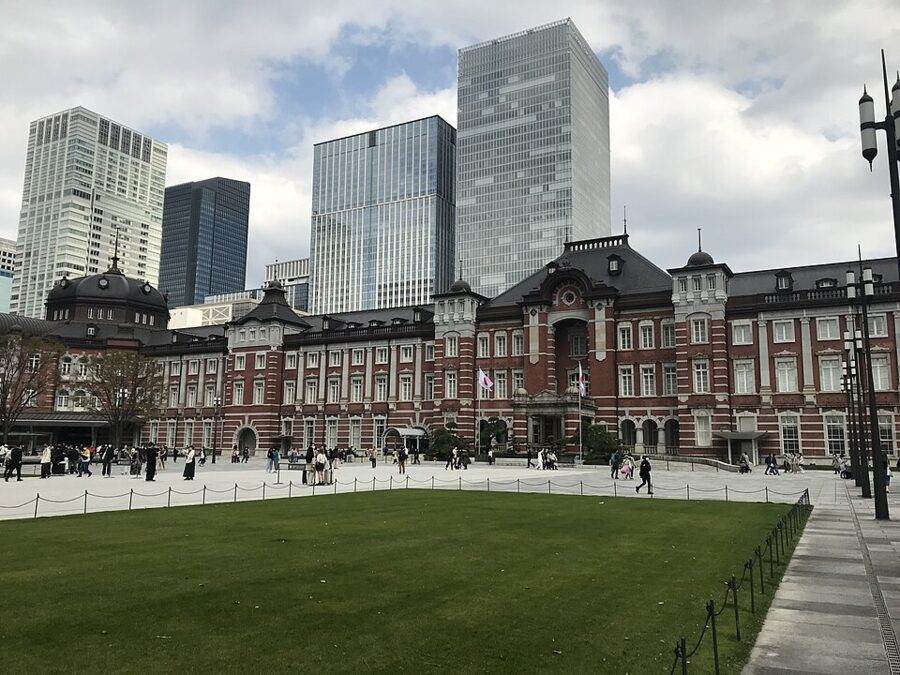
Pick the station first and the hotel second. A hotel within five minutes’ walk of a Yamanote Line station, or of a big subway interchange, saves more time over five days than any upgrade buys. I’d shortlist four bases.
- Shinjuku for the most trains, the Narita Express, the Odakyu line to Hakone and the late nights. The cost is the size of the station.
- Tokyo Station or Ginza for the shinkansen, day trips and quiet streets after 22:00.
- Ueno or Asakusa for the Skyliner from Narita, older streets and lower room prices on the whole.
- Shibuya for nights out and the Haneda run via Shinagawa; it is loud, and hotels near the crossing price that in.
One thing catches people: a hotel described as “near Shinjuku” can be 20 minutes from the station’s far side. Check the walk on a map to the exit you will use.

Landing: paperwork, cash, data and the card
Entry paperwork
Fill in Visit Japan Web, the Digital Agency’s service for immigration and customs, before you fly. You register passport, flight and customs answers and get a QR code to show at the airport. You can register from a computer, but the code has to be shown on a phone or tablet, so do the last step on the device you will carry.
The same service handles the online version of the new tax-free check at departure (more on that below), which is a second reason to keep the account. The departure side has its own new cost: Japan’s international tourist tax rose from ¥1,000 to ¥3,000 per departure on July 1, 2026. It is added to the air fare, so there is nothing to pay at the counter; certain tickets bought before that date keep the old rate.
Cash, and where it is still needed
Cards work in most hotels, chains, department stores and taxis. Cash is still the rule in the places a first-timer wants most: small ramen and soba shops with a ticket machine by the door, festival stalls, temple offerings and the smaller counters in the old alleys. Suica top-ups at station machines take cash only, which settles the question by itself.
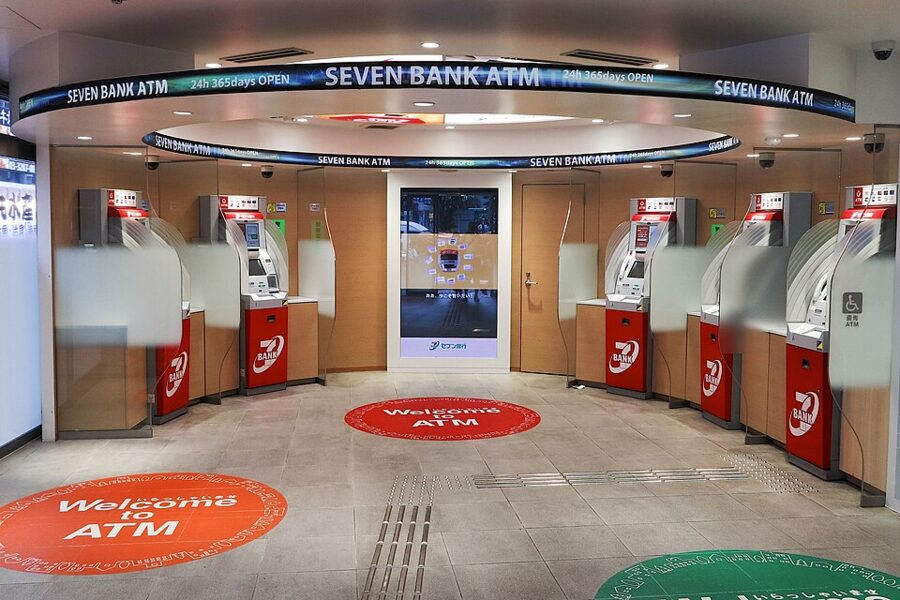
The ATMs to look for are the ones in 7-Eleven stores. Seven Bank says its machines take cards issued abroad and that it runs more than 28,000 of them across Japan, including at Narita and Haneda. Draw a few tens of thousands of yen on day one and refill from a convenience store as needed.

Phone data
Sort data before the flight. An eSIM installed at home is live when the plane lands, and the first things you need (the Visit Japan Web code, the route to the hotel) need a connection. Free station Wi-Fi exists but asks for a sign-up, usually while you are carrying two bags.
The IC card
Get an IC card, or put one in your phone, before you ride anything. Suica (JR East) and PASMO (the private railways and subways) are the same thing for you: tap at the gate, the fare comes off the balance, and the same card pays at convenience stores, vending machines and coin lockers. A plastic Suica costs a ¥500 deposit on top of the stored value, holds up to ¥20,000, and refunds the deposit and balance (less a ¥220 fee) when you hand it back at a JR East station. Card sales, suspended during the chip shortage, restarted on March 1, 2025.
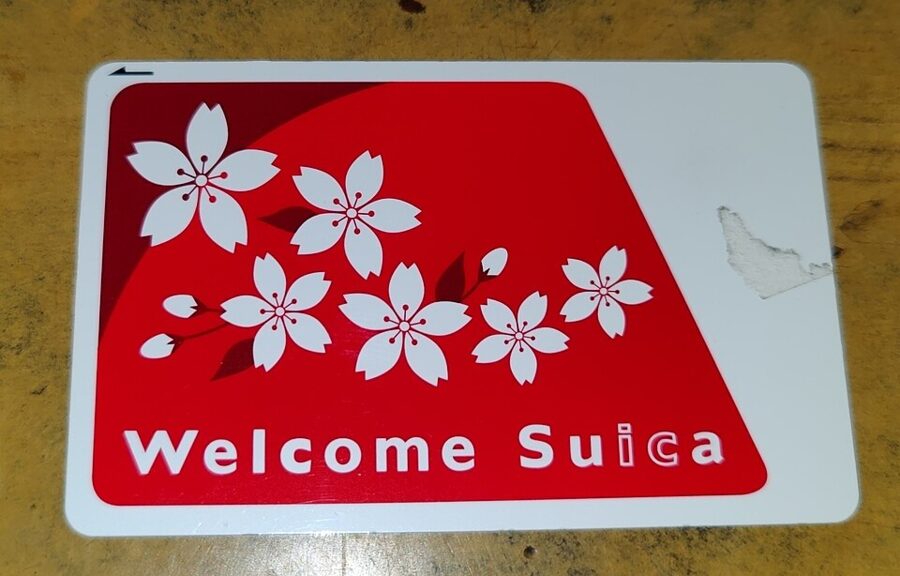
The Welcome Suica is the visitor version: no deposit, valid 28 days from purchase, no refund of what is left. JR East also offers it as an app, Welcome Suica Mobile, and a Suica or PASMO added to a phone wallet works at the same gates. I’d take the phone version where your handset supports it, if only because you cannot leave it in yesterday’s trousers.
As of late 2026 there is a third way in, on some lines. “Tap to Ride” lets a contactless credit or debit card open the gates on 11 operators around Tokyo, the Keikyu, Tokyo Metro and Toei subway among them. JR East is not in the list, child fares are not offered (children pay adult fares), and the Toei transfer discount does not apply. It is a good backup, not a replacement for Suica.
The airport run
From Haneda, the Keikyu line runs to Shinagawa in 11 to 14 minutes depending on the terminal and continues onto the Toei Asakusa Line; the Tokyo Monorail runs to Hamamatsucho for the Yamanote Line. Airport Limousine buses serve both airports and many big hotels’ front doors, which is the choice with two large cases and a hotel on the route. Taxis are realistic from Haneda in a way they are not from Narita, and the meter rose about 10 percent on April 20, 2026 (the Tokyo-wide fare revision), so check the airport fixed fare before you get in. Terminal-by-terminal detail, last trains included, is in the Haneda guide.

Getting around
The Yamanote Line
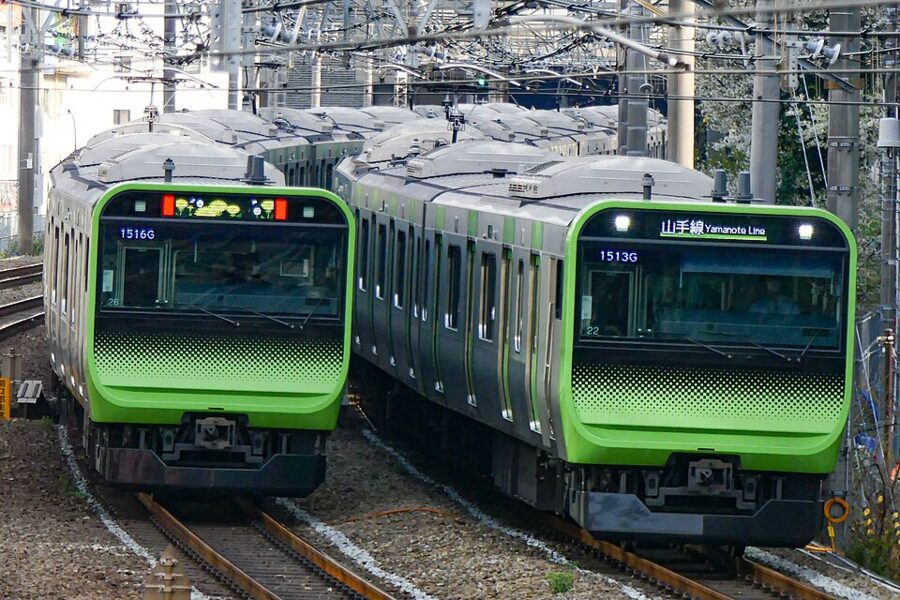
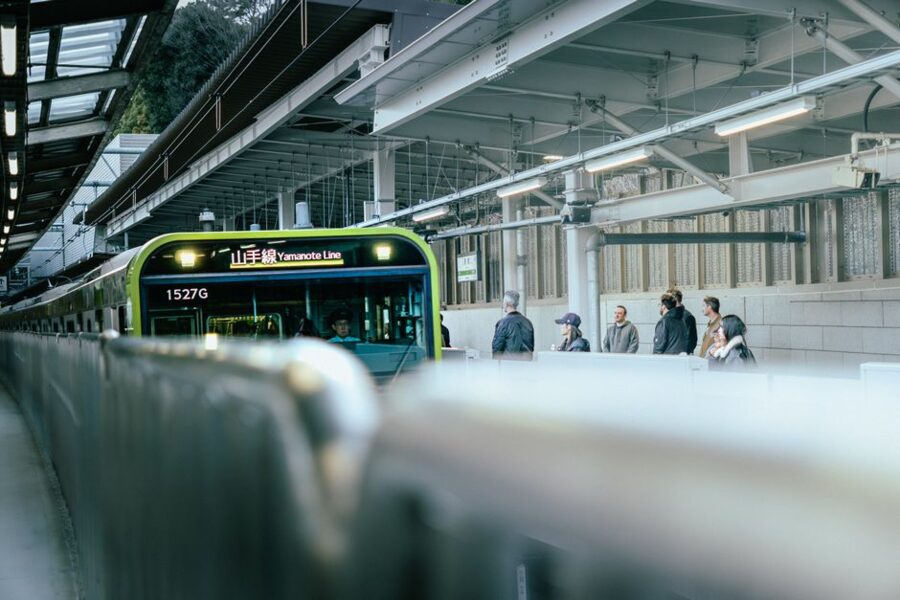
The JR Yamanote Line is a 30-station loop that ties together most of what a first-timer visits: Tokyo, Akihabara, Ueno, Ikebukuro, Shinjuku, Harajuku, Shibuya, Ebisu and Shinagawa. A full circuit takes about an hour, and trains come every few minutes through the day. Use it to cross the city; use the subway to get into the middle of it.
The 2026 fare change bit hardest here.
JR East merged the old, cheaper “Yamanote Line zone” fares into its standard trunk-line fares on March 14, 2026, which raised fares within the loop by 16.4 percent on average. The shortest ride (1–3 km) is ¥160 by paper ticket and ¥155 by IC card, per the JR East fare revision notice. It is still cheap. It is no longer the cheapest way to go two stops.
Two subway companies, one map
Tokyo’s subway is two companies: Tokyo Metro (nine lines, letters G, M, H, T, C, Y, Z, N and F) and Toei (four lines, among them the Oedo and Asakusa lines). An IC card covers both, and you will not notice the join except at a few stations where changing between them means leaving one set of gates and entering another. Tokyo Metro’s shortest fare is ¥180 on paper and ¥178 by IC card.
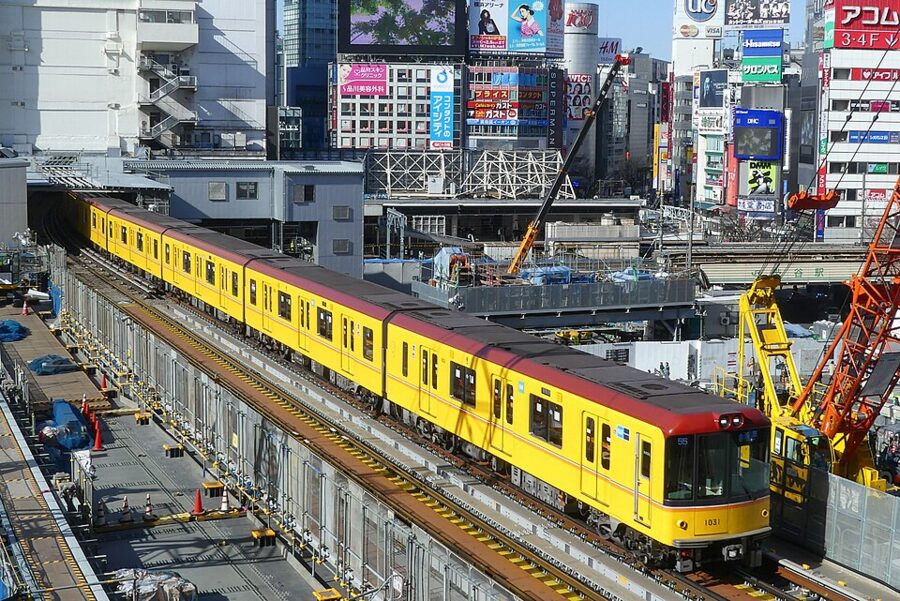

Stations carry numbers as well as names: Ginza Line Asakusa is G19, Shibuya is G01, and the numbers run in order along each line. If you remember one thing, remember the letter and number of your hotel’s station; it is how the signs, the maps and the staff talk.
Day passes: when they pay
The Tokyo Subway Ticket covers every Tokyo Metro and Toei line for 24, 48 or 72 hours from first use. Since March 14, 2026 it costs ¥1,000, ¥1,500 and ¥2,000 (it was ¥800, ¥1,200 and ¥1,500). It is sold to overseas visitors and to Japanese residents from outside the Tokyo region, and it does not cover JR lines, the Yamanote Line included.
My verdict: the 72-hour ticket pays if you ride the subway five or six times a day for three days; the 24-hour ticket at ¥1,000 pays only on a heavy day. Most first-timers mix JR and subway, so a plain IC card ends up cheaper and simpler. Buy the pass for the days you will spend in Ginza, Asakusa, Roppongi and Omotesando, which are subway territory.
Taxis
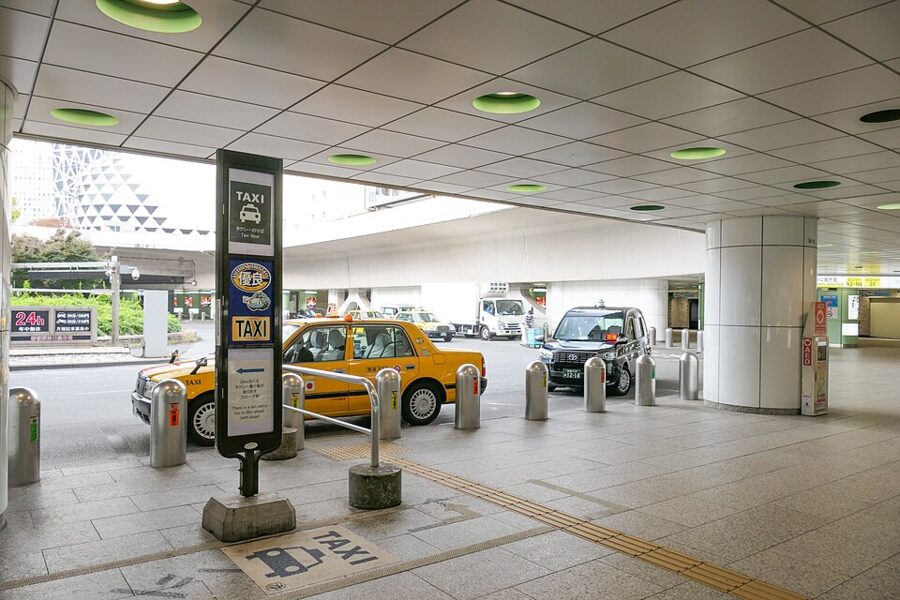
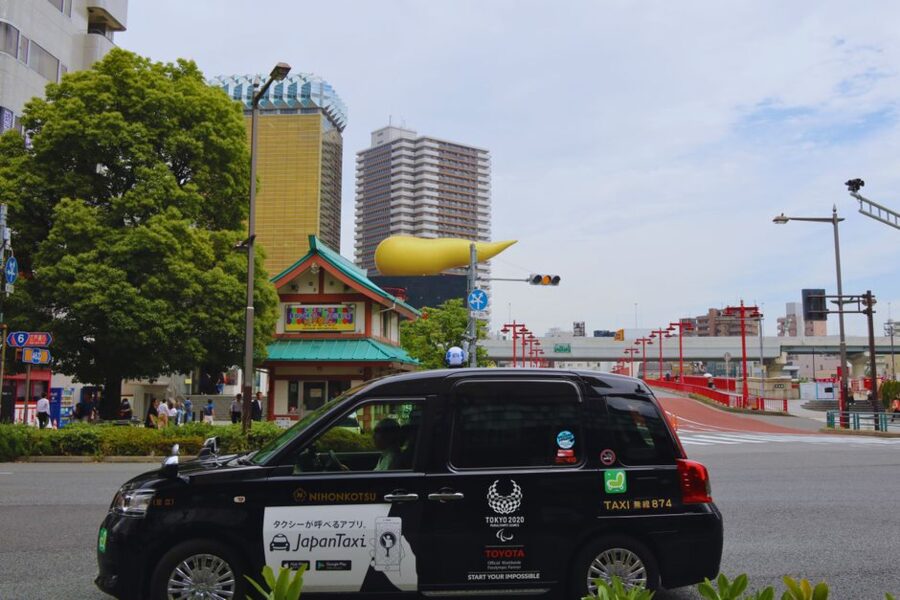
Taxis are clean, metered and safe, and drivers do not expect a tip. The back left door opens by itself; do not grab it. Short hops for three or four people with bags can cost little more than the train, and after the last trains (around midnight on most lines) they are the only option short of a long walk. Fares rose about 10 percent on April 20, 2026, when the Kanto Transport Bureau approved a fare revision for the 23 wards and the Musashino and Mitaka area.

Walking, and which exit
Tokyo is a walking city between stations and a train city across it. Many famous pairs are closer than the subway map suggests: Harajuku to Shibuya is a walk of about 25 minutes down Omotesando and Meiji-dori, Ueno to Akihabara about 20. Walk those and you see more than you would underground.
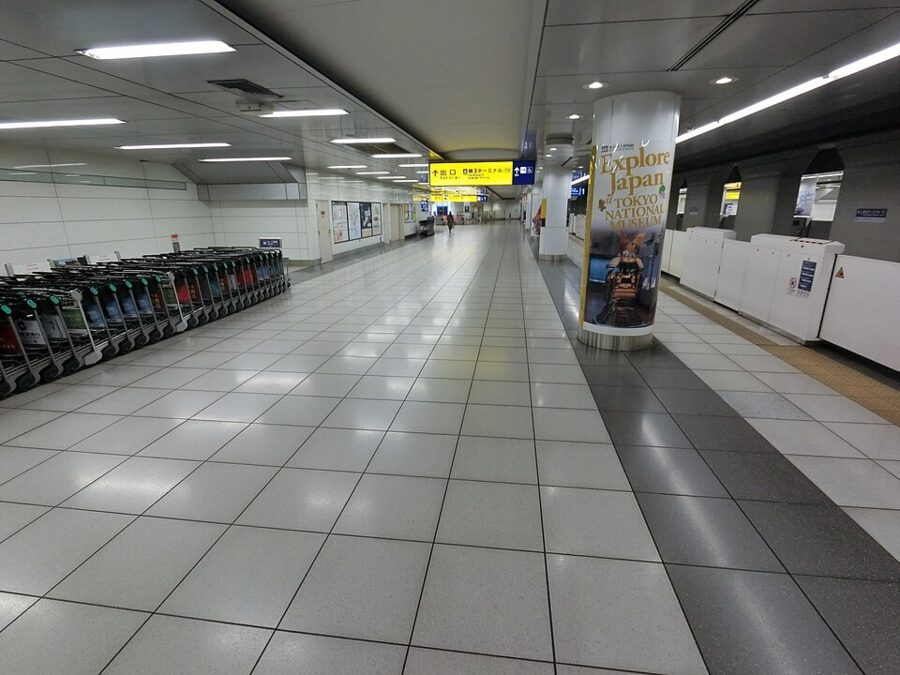
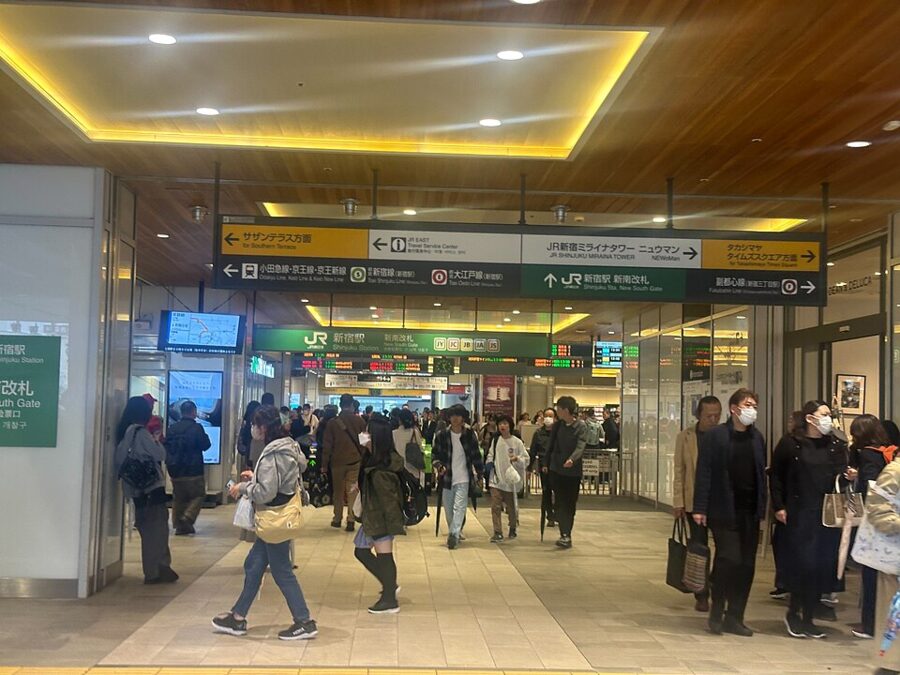
Inside the big stations, the exit matters more than the line. Shinjuku has a “South Exit”, a “New South Exit”, a “Southeast Exit” and an “East Exit”, and they come out on different streets. Find the exit name on the hotel’s or venue’s own access page, follow the yellow exit signs, and expect to walk ten minutes underground at Shinjuku, Tokyo and Shibuya before you reach daylight.

When the Japan Rail Pass pays from Tokyo
The 7-day Japan Rail Pass costs ¥50,000 bought online (¥53,000 through an overseas agent), the 14-day ¥80,000 and the 21-day ¥100,000. It does not include the fastest Tokaido Shinkansen trains, the Nozomi, without a separate supplement ticket. A Tokyo–Kyoto return on the Nozomi costs roughly half the price of the 7-day pass.
So the pass does not pay for a Tokyo-only trip, and it does not pay for one trip out to Kyoto and back. It starts to pay on a loop that goes far, fast: Tokyo to Kyoto, on to Hiroshima, back through Osaka to Tokyo inside seven days, for example. For day trips out of Tokyo, buy single tickets or a JR East regional pass.
The districts, by what they are for
Tokyo has no single center, and a first trip works best when each day takes one or two neighboring districts. These are the ones that matter on a first visit, in the order I’d explain them to someone looking at the map.
Shibuya
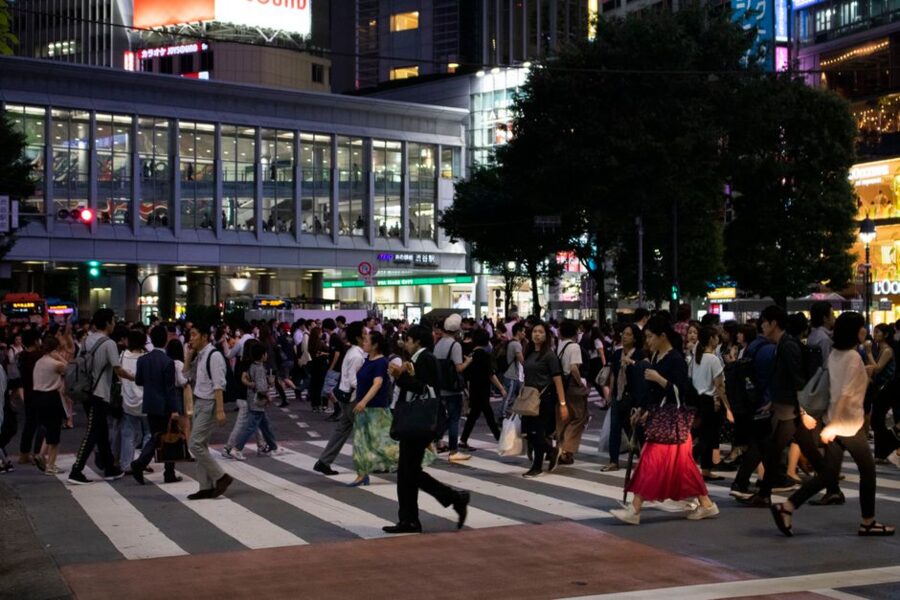
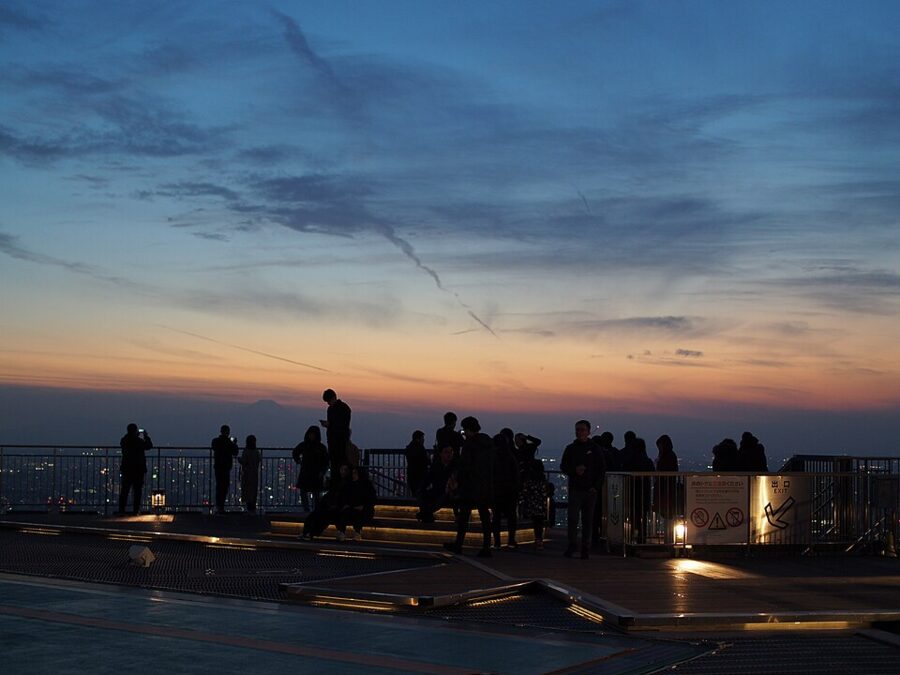
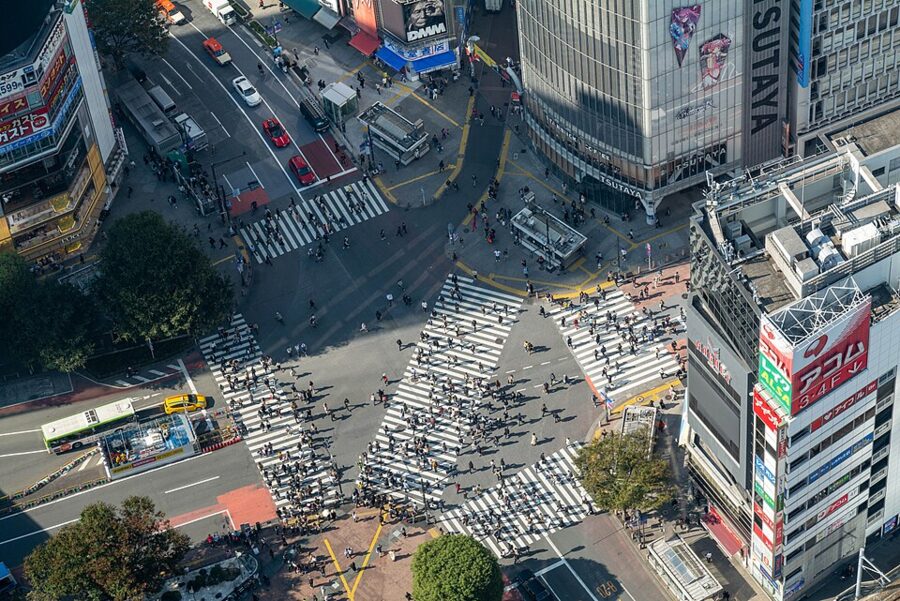
Shibuya is the scramble crossing, the Shibuya Sky roof deck, shopping for under-30s and a night out that starts early. It is also the fastest-changing district in the city, with station redevelopment running into the 2030s. The Shibuya guide covers the exits, the crossing at its busiest, and where to eat away from it.
Shinjuku
Shinjuku is the city’s biggest station and its busiest night district, split by the tracks. West is skyscrapers and hotels; east is department stores, Kabukicho and the tiny bars of Golden Gai. Omoide Yokocho (思い出横丁), a strip of grill counters right outside the West Exit, is where many first-timers eat yakitori under the train noise.
Kabukicho needs one plain warning. The Metropolitan Police Department warns foreign visitors that touts steering people to overpriced bars are on the rise, and Shinjuku police say touting on the street is banned under ward rules (their notice to visitors was updated May 22, 2026). Never follow anyone off the street into a bar.
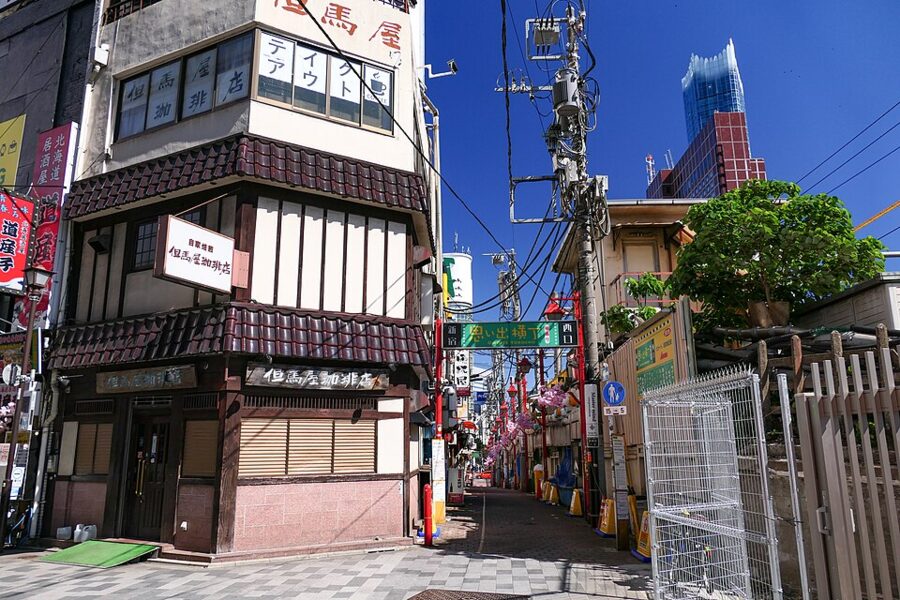

Asakusa
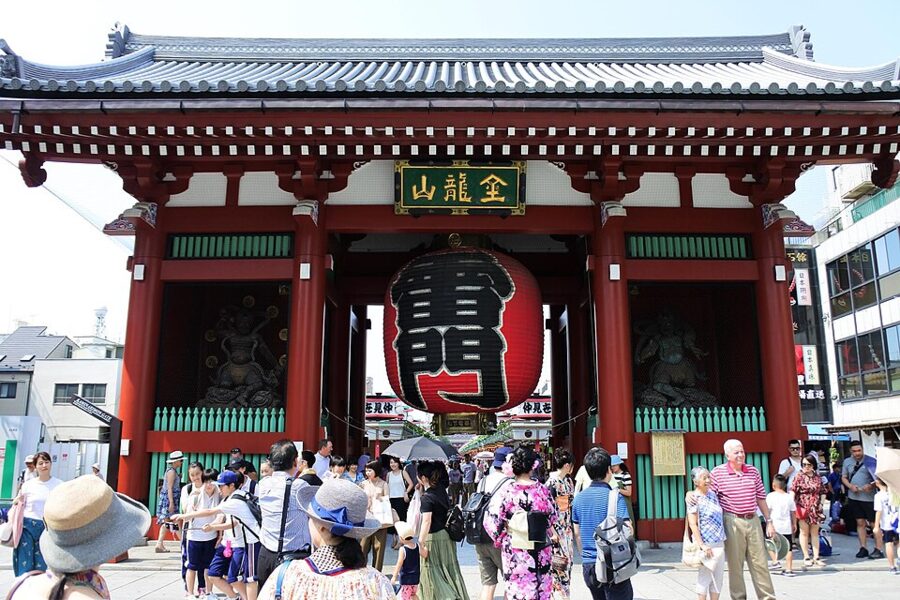
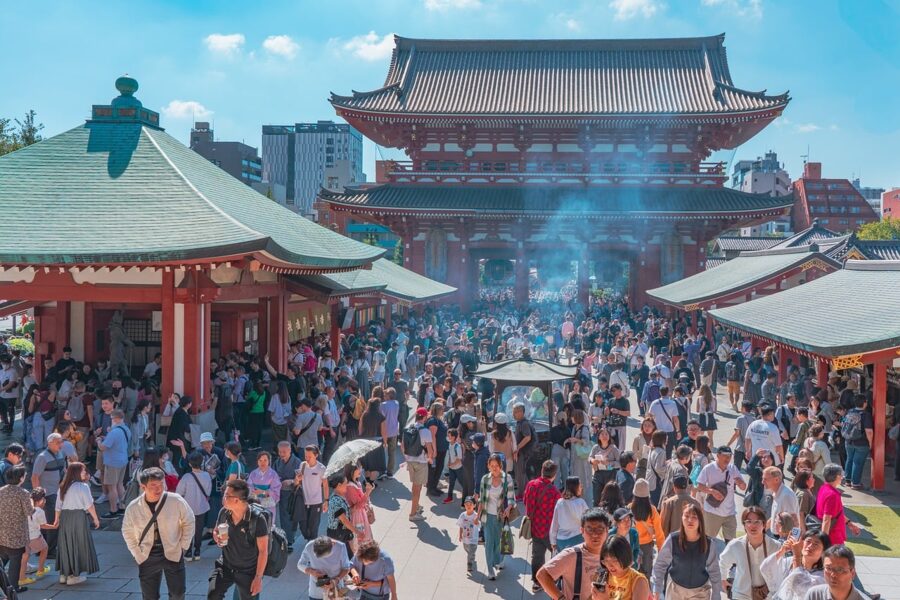
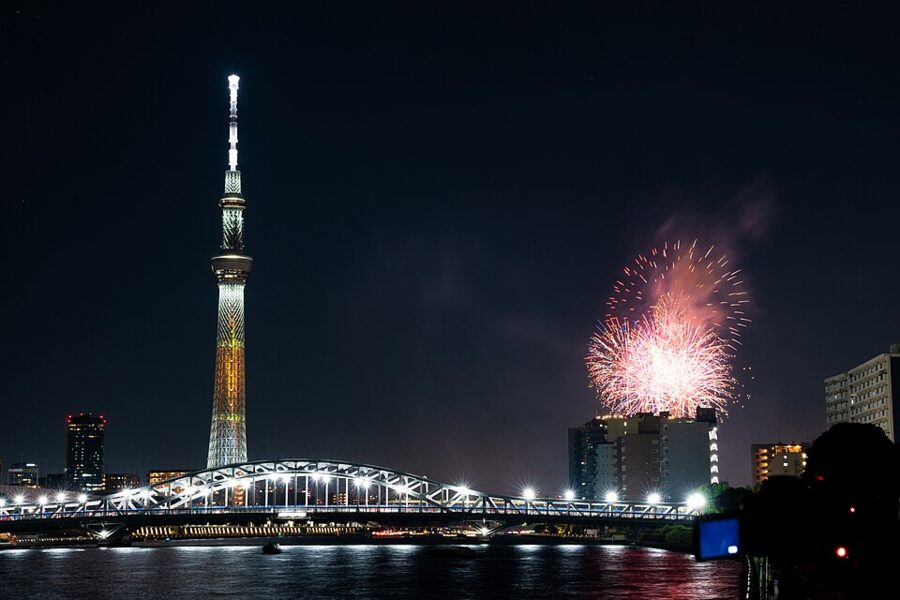
Asakusa is the old east side: Senso-ji, Tokyo’s oldest temple, the Kaminarimon gate with its giant lantern, and the Nakamise shopping street running between the two gates. Go before 09:00 or after dark, when the main hall is lit and the street is empty. The Tokyo Skytree is across the Sumida River, and some Toei Asakusa Line trains run straight through to Haneda and Narita.

Ginza
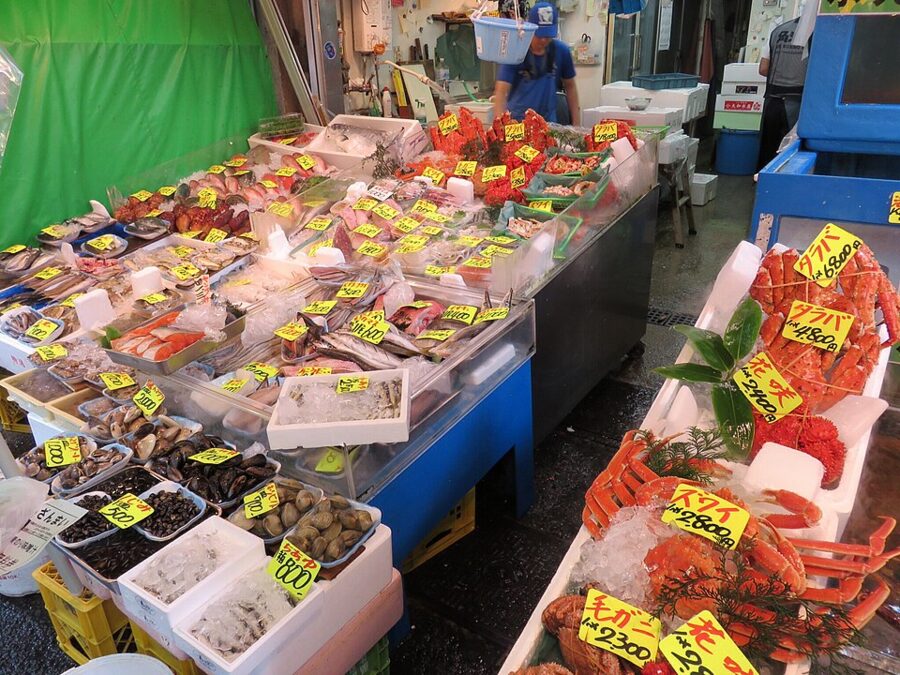
Ginza is department stores, flagship shops and tax-free counters on every floor, plus the Kabuki-za theater at its east end. It is calm, grown-up and expensive. It is also where much of the city’s high-end sushi is, a few minutes from the Tsukiji Outer Market’s breakfast counters.
Ueno
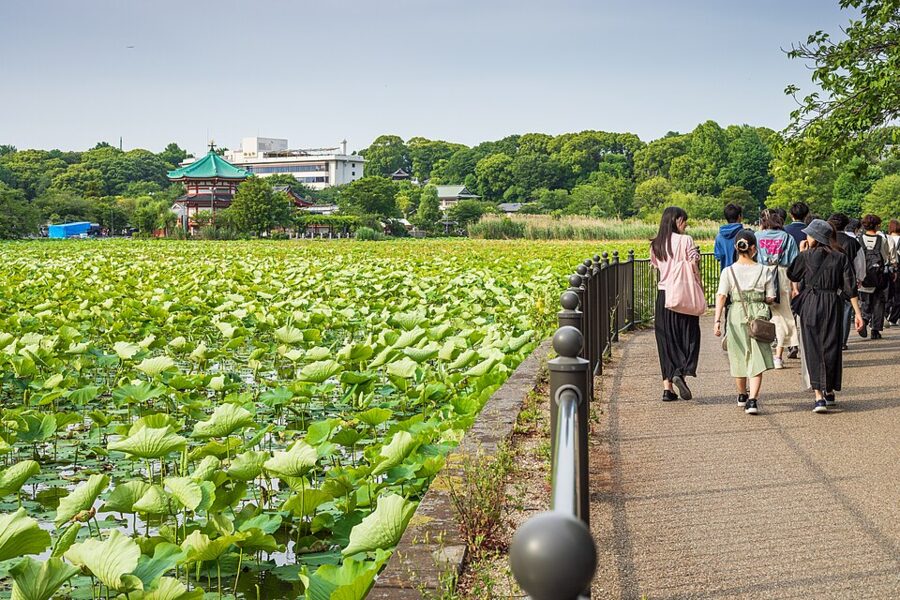
Ueno is a park full of museums: the Tokyo National Museum and the National Museum of Western Art, with the zoo beside them and Shinobazu Pond at the south end. The Ameya Yokocho market runs under the tracks to the south. Ueno is also the Skyliner terminus from Narita, so it is an easy first night.

Harajuku
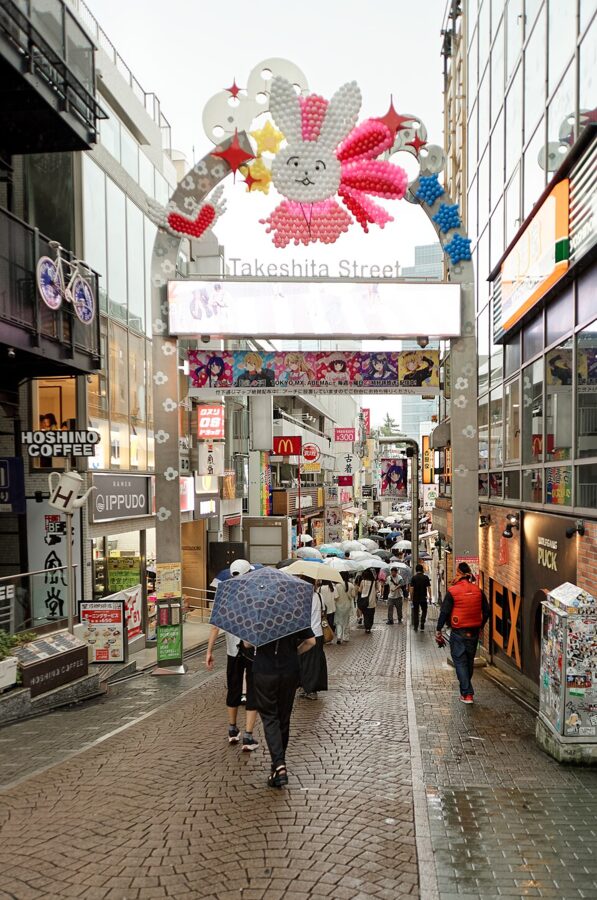
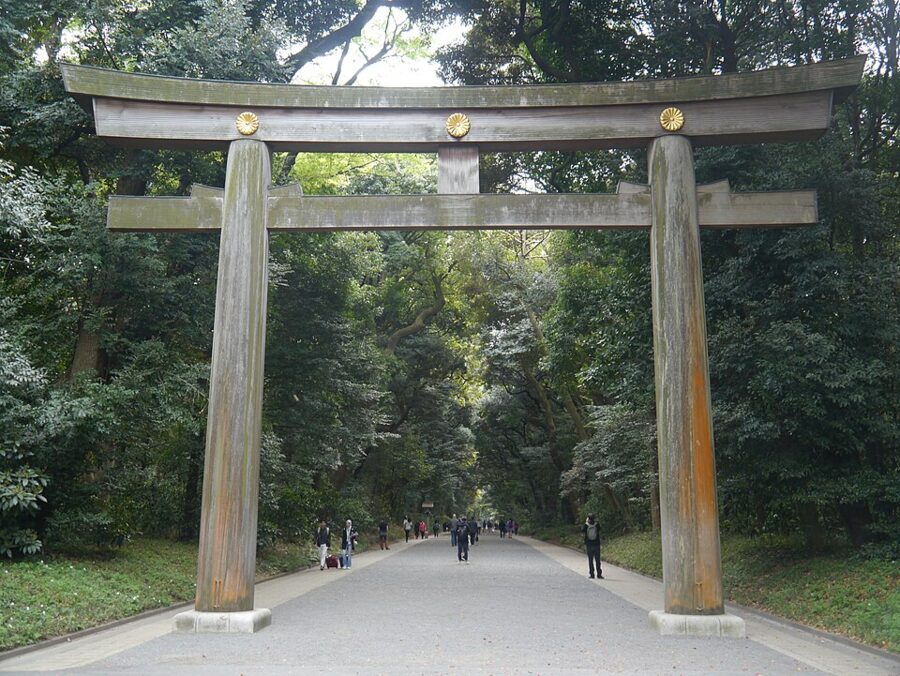
Harajuku is two things a few hundred meters apart: Takeshita Street, a narrow lane of fashion and crepes aimed at teenagers, and Meiji Jingu, a shrine inside a large forest. Omotesando, the broad avenue running southeast, is the grown-up version of the shopping. Weekday mornings are the time for Takeshita Street; Saturday afternoons it barely moves.

Akihabara
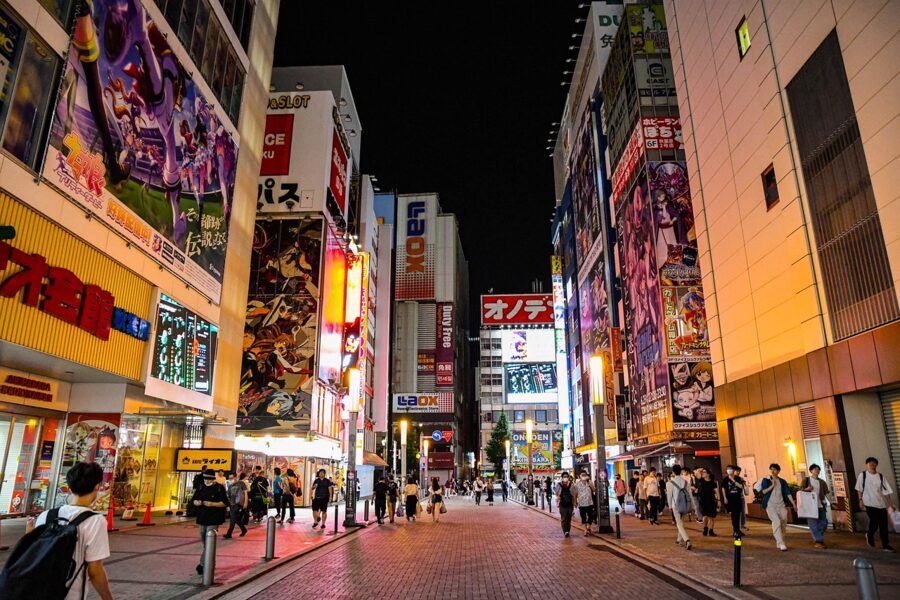
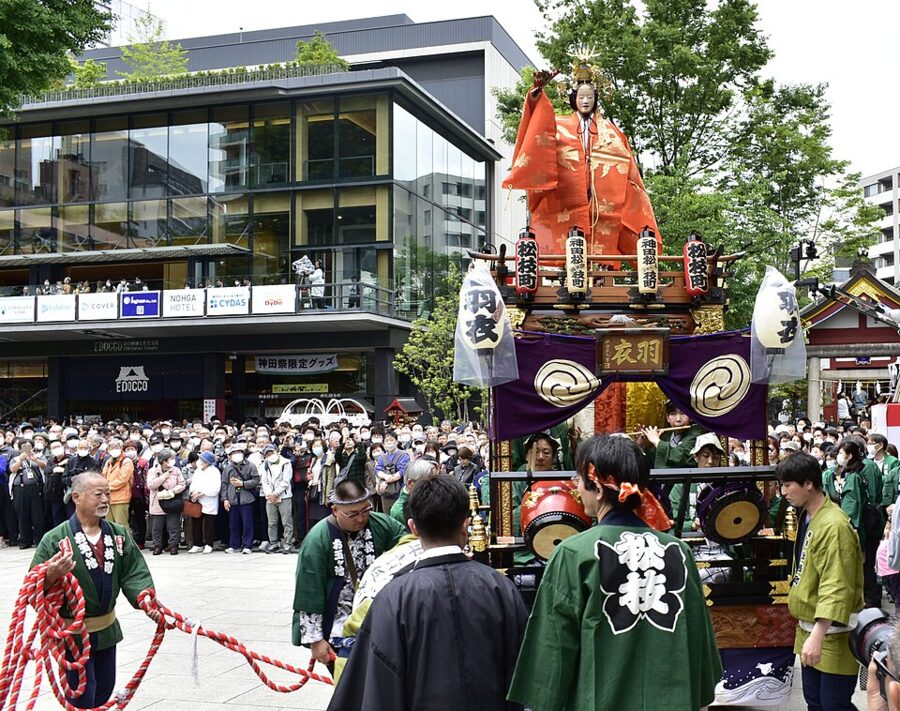
Akihabara is electronics, anime, manga, games and maid cafes, around Chuo-dori and the JR station. Many of the bigger stores are tax-free. Kanda Myojin, the shrine behind it, is the home of the Kanda Matsuri, whose processions pass through these streets.
Roppongi
Roppongi is art and late nights. Roppongi Hills holds the Mori Art Museum and an open-air roof deck; Azabudai Hills, a short walk away, holds teamLab Borderless. Its club strip near the crossing has a long-standing reputation for drink-spiking and overcharging at some venues, and the police warnings about touts apply here too.

Odaiba
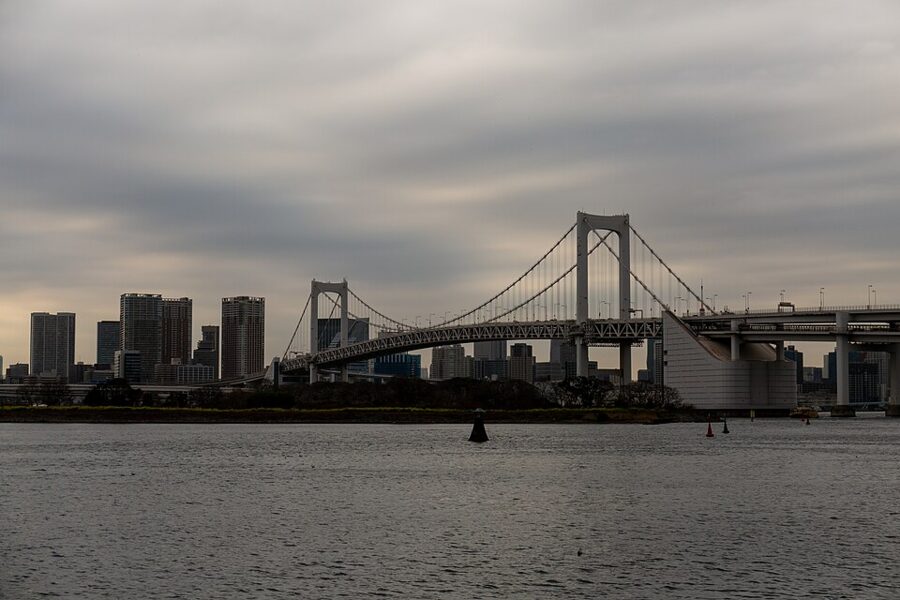
Odaiba is reclaimed land in the bay, reached over the Rainbow Bridge on the driverless Yurikamome line. It is malls, a beach where swimming is not the point, and the best night view back to the city. teamLab Planets is a few stops further on the Yurikamome, in Toyosu. I’d give Odaiba an evening, not a day.
What to book, and when tickets open
Most of Tokyo needs no booking at all. The handful of things that do sell out, and sell out fast, on a fixed release schedule.
| What | Tickets open | Adult price (late 2026) |
|---|---|---|
| Ghibli Museum | 10:00 Japan time on the 10th, for the following month | ¥1,000 |
| Shibuya Sky | Up to two weeks ahead | ¥2,700 before 15:00, ¥3,400 after (online) |
| teamLab Planets | Online only, by time slot | From ¥3,800 (varies by day) |
| Grand sumo, Tokyo | Four to five weeks before each tournament | Chair seats from ¥3,500 weekdays |
| Imperial Palace tour | 05:00 Japan time on the 1st of the month before | Free |
| Tokyo Disney Resort | 14:00 daily, for the same date two months later | 1-Day Passport from ¥8,900 |
Ghibli Museum
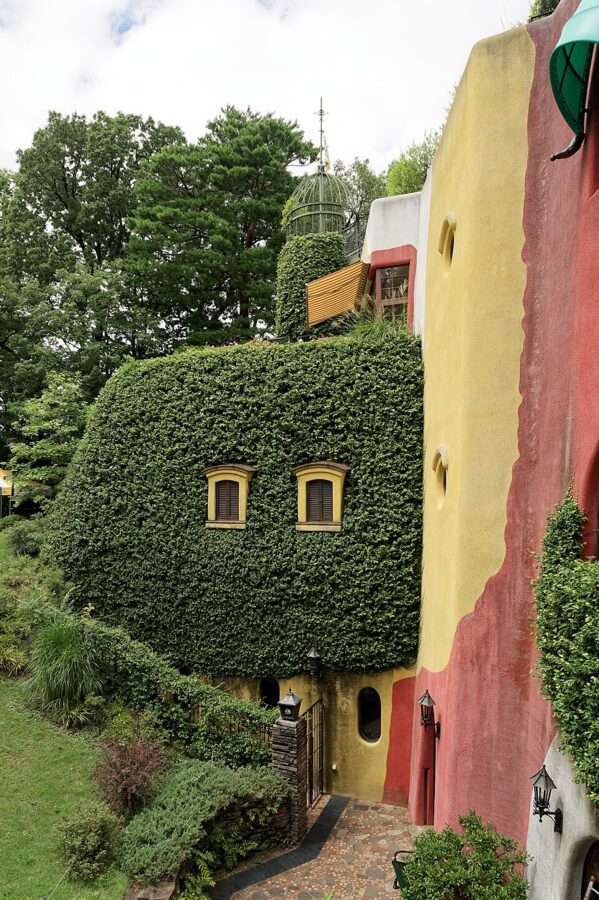
Entry is by advance ticket only, with no sales at the door. Tickets go on sale through Lawson Ticket at 10:00 Japan time on the 10th of each month for the whole of the following month: January 10 for February, and so on. Weekend slots in the first hour go first. The museum is open 10:00–18:00 on its calendar days; from JR Mitaka Station’s South Exit it is a 15-minute walk or a community bus at ¥230.

Shibuya Sky
The roof of Shibuya Scramble Square sells adult tickets online up to two weeks ahead: ¥2,700 for entry up to 14:59 and ¥3,400 from 15:00, or ¥3,000 and ¥3,700 at the window. When the web allocation sells out, the window is sold out too. Bags, hats, tripods and selfie sticks stay in lockers on the 46th floor, and the roof closes in strong wind, rain or thunder, so check the forecast before you pay the sunset price.

teamLab Planets and teamLab Borderless
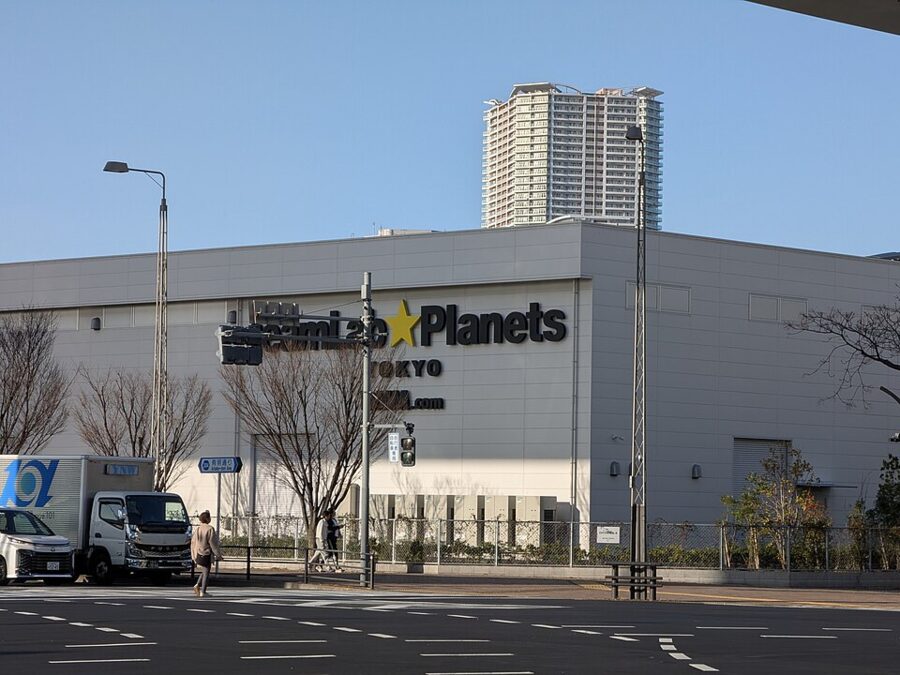
teamLab Planets in Toyosu is the one where you walk barefoot through water. Tickets are online only, by time slot, from ¥3,800 for adults on dynamic pricing; it is open 08:00–22:00 with last entry an hour before closing, three minutes from Exit 1A of Shin-Toyosu Station. Its run is scheduled to end at the end of 2027, so anyone planning a 2028 trip should not count on it.
teamLab Borderless, in Azabudai Hills since February 9, 2024, is the permanent one: adults from ¥3,400 online, ¥200 more on site, open 08:30–21:00 on most days. If you can do only one, I’d pick Planets while it lasts.
Sumo
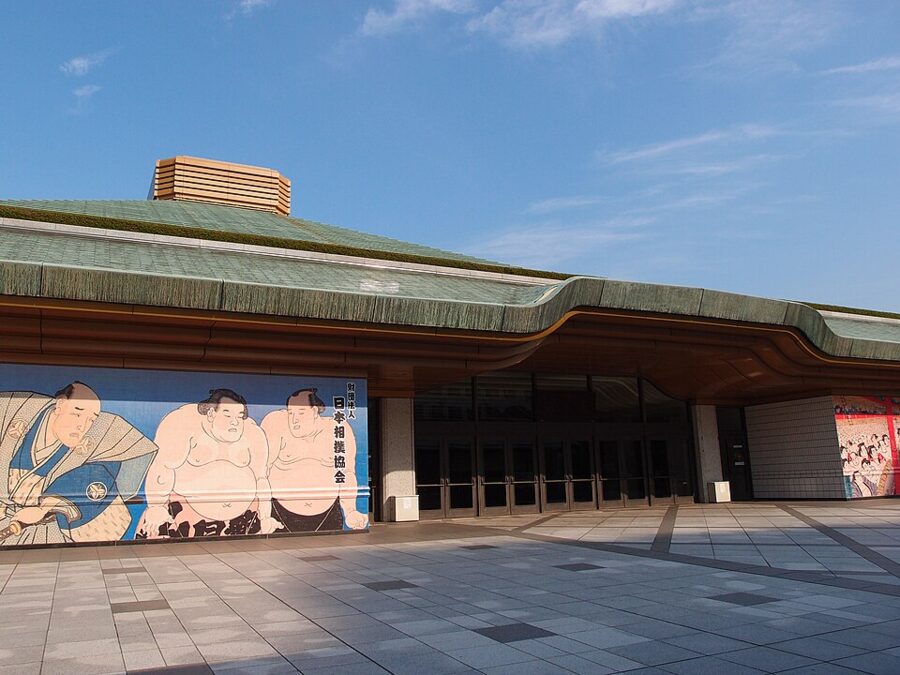
Tokyo hosts three of the six grand tournaments a year at the Ryogoku Kokugikan. For 2027 they run January 10–24, May 9–23 and September 12–26, and tickets go on sale on December 5, 2026, April 10, 2027 and August 7, 2027. Weekend seats go on the first morning. The cheapest chair seats are about ¥3,500 on weekdays; a four-person floor box starts around ¥34,000.

Imperial Palace tours
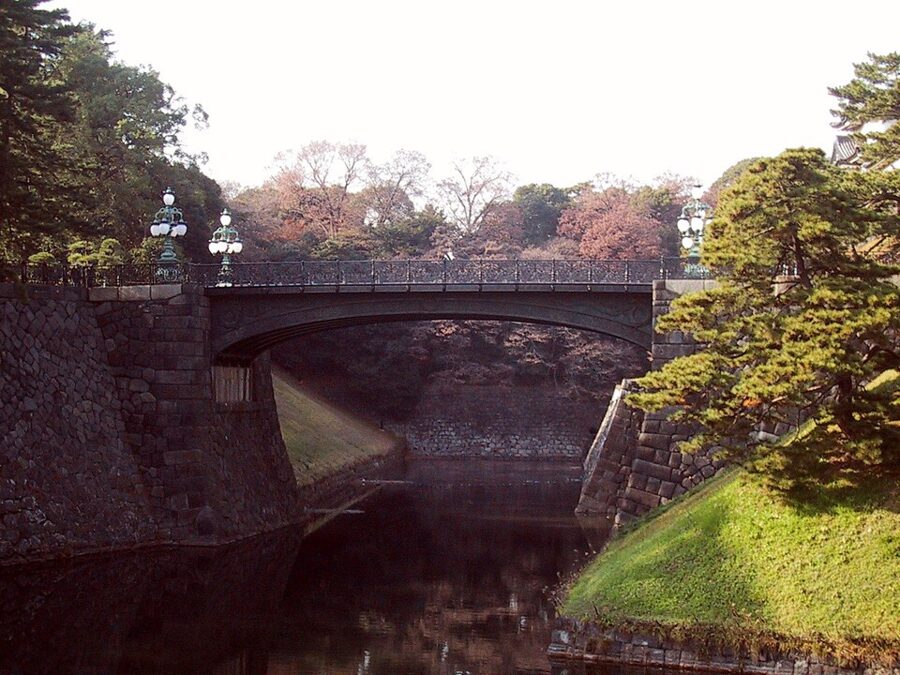
The Imperial Household Agency’s grounds tour is free and runs twice a day, about an hour over 2.2 km, for up to 200 people per tour. Online booking opens at 05:00 Japan time on the 1st of the month before your visit and closes at 23:59 four days before it. Some places are kept for walk-ins: numbered tickets are handed out at Kikyo-mon (桔梗門) from 09:00 for the morning tour and 12:30 for the afternoon. Bring your passport; there are no tours on Sundays, Mondays or national holidays, none in the afternoon from July 1 to September 30, and none from December 28 to January 4.

Tokyo Disney Resort
Park tickets for Tokyo Disneyland and Tokyo DisneySea go on sale at 14:00 every day for the same date two months later. Prices vary by day; the adult 1-Day Passport starts at ¥8,900. Weekends and school holidays sell out, and the parks sell no tickets at the gate once the day’s limit is reached.
Popular restaurants
The famous sushi and kaiseki (seasonal multi-course) counters book weeks or months ahead, often only through the restaurant’s own system, a hotel concierge, or a phone call in Japanese. Some release seats on a fixed day each month, like the museums. If a place matters to you, find its booking rule on its own page as soon as the flights are fixed. Everything else in Tokyo, which is most of it, takes walk-ins.
Eating and drinking
How ordering and paying work
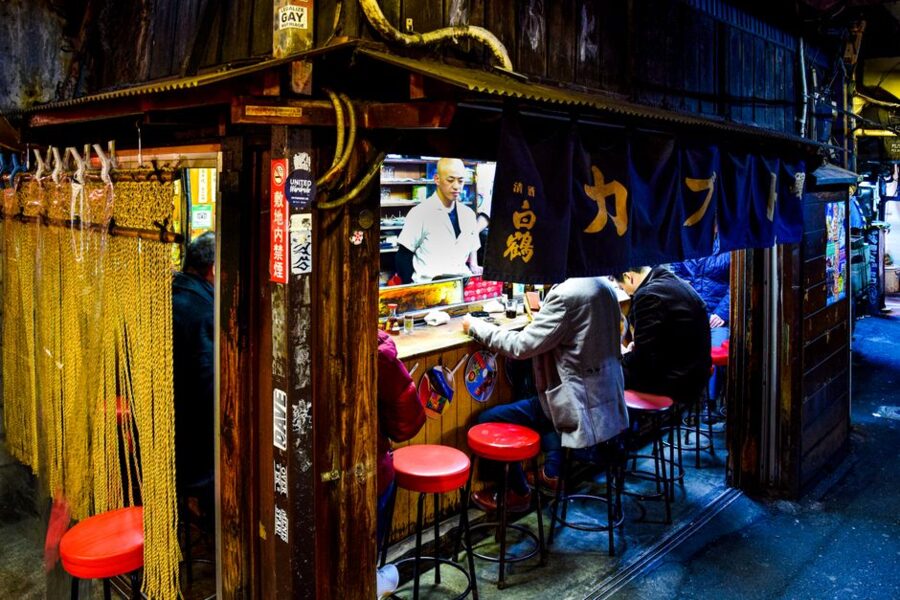
At many ramen, soba and rice-bowl shops you order at a ticket machine by the door: put in cash, press the button for your dish, hand the ticket to the cook. Some machines take IC cards or QR payments, many still take only notes and coins. At sit-down restaurants the bill comes to the table and you pay at the register by the door, not to the server.
Izakaya, the Japanese pub that serves food, usually add a table charge with a small dish called otoshi that arrives without being ordered. It is normal and costs a few hundred yen; ask before you sit down if you want to know. Menu prices in Japan include consumption tax by law, so the price on the board is the price you pay, apart from those table charges.
What meals cost
Tokyo is cheap to eat in well at lunch and expensive to eat in at the top end, with little in between that has to cost much. A regular bowl of beef on rice at Yoshinoya costs ¥498 to eat in (November 2026), which is the floor for a hot meal. Convenience-store breakfasts sit below that. A bowl of ramen, a set lunch or an izakaya round runs a few multiples of the beef bowl, and a counter-seat omakase (chef’s choice) dinner runs into five figures, the price set by the chef and posted on the restaurant’s own booking page.

Reservations
For dinner on a Friday or Saturday, book anything you have your heart set on; walk-ins are fine on weekdays and at lunch. A no-show is taken seriously, and some restaurants charge a cancellation fee from the day before. Arrive on time. A table held for you in a 12-seat room is a twelfth of the night’s business.
The night
A Tokyo night starts early, around 18:00 with a first drink, and is planned backwards from the last train, which on most lines leaves central Tokyo between about 00:00 and 00:30. After that you are paying for a taxi or staying out until the first trains around 05:00. The districts, the late bars, the cover charges and the warnings are in the Tokyo nightlife guide; the small music rooms, from jazz bars to the live houses of Shimokitazawa, have their own live music guide, ticket and drink charges included.
The calendar
The seasons in brief
Spring (late March to May) is blossom and crowds. Summer (June to August) is the rainy season first, then heat and humidity, offset by festivals and fireworks. Autumn (September to November) starts with typhoons and ends in clear, cool weeks with the ginkgo trees turning yellow. Winter (December to February) is cold, dry and clear, with the lowest crowds outside the New Year week.
National holidays, Golden Week, Obon and New Year
Japan’s 2027 national holidays, from the Cabinet Office list, are January 1 and 11, February 11 and 23, March 21 (with March 22 off in lieu), April 29, May 3, 4 and 5, July 19, August 11, September 20 and 23, October 11, and November 3 and 23. On a holiday, trains run to the weekend timetable, museums that close on Mondays open and close the next day instead, and anywhere popular fills up.
Golden Week 2027 falls as Thursday, April 29 and then Saturday, May 1 to Wednesday, May 5: five days off in a row for most of Japan, and the most crowded travel week of the year. Obon, around August 13–16, two days after the Mountain Day holiday, empties the city of residents and fills the trains out of it. New Year (about December 29 to January 3) is the only time the city goes quiet: many restaurants and small museums close, shrines fill for the first visit of the year, and anything with a calendar posts special hours.
2027 events already announced
- Grand sumo at the Ryogoku Kokugikan: January 10–24, May 9–23 and September 12–26.
- The Tokyo Marathon 2027: Sunday, March 7, with roads around the course closed through the morning.
- GREEN×EXPO 2027, the international horticultural expo at Kamiseya in Yokohama: March 19 to September 26, 2027.
- The Kanda Matsuri, held every two years by Kanda Myojin, returns in 2027 after its 2025 edition; it is held in May, and the shrine posts the dates.
- The Sumidagawa Fireworks Festival, held on July 25 in 2026; the 2027 date had not been posted by late November 2026.
- April 1, 2027: the Tokyo accommodation tax changes to 3 percent of the room rate (below).
- End of 2027: the scheduled close of teamLab Planets in Toyosu.


Money and rules
A day’s budget at three levels
Rooms are the variable: they swing with the season and the day of the week, and they are what puts a Tokyo trip into one budget or the other. The day’s spending outside the room is more predictable. These are built from late-2026 prices posted by the operators, per adult.
| Level | A typical day, outside the room |
|---|---|
| Tight | IC-card rides or a 24-hour subway ticket (¥1,000); free sights such as Senso-ji, Meiji Jingu and the free palace tour; a beef bowl (¥498) or convenience-store meals for two of the three meals |
| Middle | The same transport plus one paid sight (Shibuya Sky at ¥2,700 before 15:00, or teamLab Borderless from ¥3,400); a ramen or set lunch and an izakaya dinner |
| Comfortable | Taxis for the late legs; one big ticket (Tokyo Disney Resort from ¥8,900, or a sumo box shared four ways); a booked counter dinner |
The accommodation tax bands are a useful marker of where the room market sits: they start at ¥10,000 per person per night, and from April 2027 at ¥13,000. If your room costs less than that per person, you pay no Tokyo accommodation tax at all.
Tax-free shopping as it works from November 1, 2026
Tax-free shopping changed on November 1, 2026 from a discount at the till to a refund after you leave. You pay the full tax-included price in the shop, show your passport, and the shop records the purchase. At the airport, before you check in your bags, you scan your passport at a tax-free kiosk; customs either clears you on the screen or asks to see the goods. Only after that does the shop, or the refund company it uses, send the tax back, by whatever method it offered you at the counter.
The rules that trip people, from the Japan Tourism Agency’s guidance for travelers:
- The minimum is ¥5,000 before tax, per shop, per day.
- You must leave Japan within 90 days of the purchase, with every item on you.
- Food, drink and cosmetics opened or used in Japan lose the refund. And the check is by receipt: if one item from a receipt is missing, nothing on that receipt is refunded.
- Do the check before you drop your checked bags; a bag once checked cannot be pulled back for it. At Narita and Haneda you can also do it online through Visit Japan Web in the departures hall, up to security.
The Tokyo accommodation tax
Tokyo charges an accommodation tax per person per night, based on the room-only rate. Until March 31, 2027 it is ¥100 for a rate of ¥10,000–14,999 and ¥200 for ¥15,000 or more, with nothing charged below ¥10,000. From April 1, 2027 it becomes 3 percent of the rate, with nothing charged below ¥13,000; a ¥30,000 night for one person will then carry ¥900 rather than ¥200. Many hotels collect it at the desk, on top of a rate you prepaid.
The metropolitan government publishes what the tax pays for. The fiscal 2026 list includes ¥300 million for a campaign asking visitors to Tokyo to take their trash home with them.
Tipping
Do not tip. Not in restaurants, not in taxis, not in hotels. Service is in the price, and money left on the table is often brought back to you. Where a service charge applies, as in many hotel restaurants, it is printed on the bill.
Smoking
Smoking is banned in most restaurants and bars under Tokyo’s ordinance, and on the street in much of the city. Chiyoda ward, which includes the Imperial Palace, Marunouchi and Akihabara, bans smoking on every street in the ward and fines offenders ¥2,000 on the spot, heated tobacco included. Since October 1, 2026 Chiyoda takes that fine by card or phone, a change the ward says is for people without cash, foreign visitors among them. Look for the marked smoking areas outside stations.
Trash
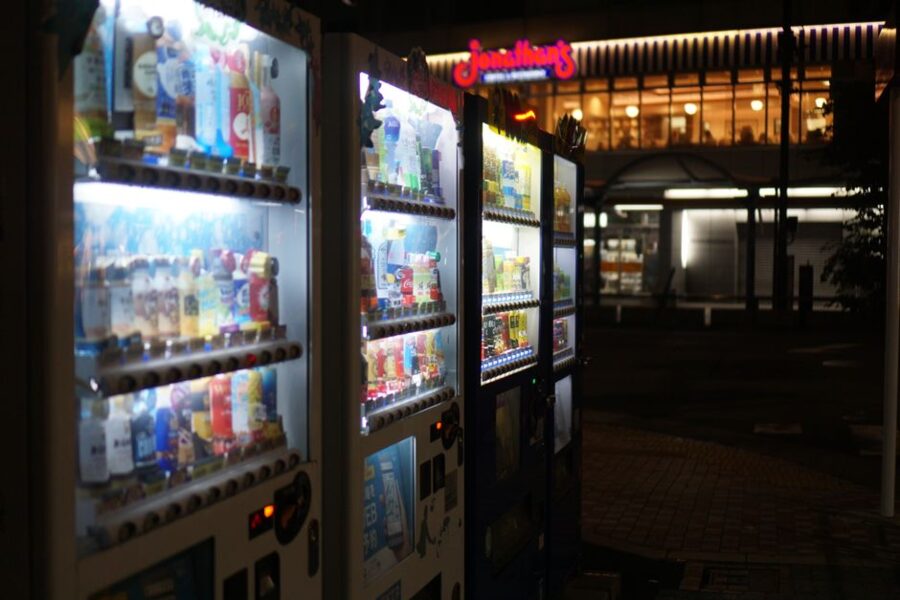
Public bins are rare. Carry a small bag for your own trash and take it back to the hotel, or use the bins beside vending machines (bottles and cans only) and inside convenience stores. Separating burnable trash, plastic and bottles is expected wherever there is a choice of bins.
Quiet trains
On trains, talk quietly, take no calls and set the phone to silent. Eating on local trains is frowned on; on the shinkansen it is normal. In rush hour, backpacks go on the rack or your front.
Itineraries for three, five and seven days
Each day keeps to one side of the city, which is how you stop losing an hour a day to trains. Swap days around for the weather; keep the booked tickets fixed.
Three days
- Day 1, the east side: Asakusa and Senso-ji at 08:00, Ueno Park and a museum, Akihabara in the evening.
- Day 2, the center: the Imperial Palace tour or the East Gardens, Tokyo Station and Marunouchi, the Tsukiji Outer Market for lunch, Ginza in the afternoon, Odaiba at night.
- Day 3, the west side: Meiji Jingu early, Takeshita Street and Omotesando, Shibuya and Shibuya Sky at sunset, dinner in Shinjuku.

Five days
The three days above, plus two more:
- Day 4: the Ghibli Museum in the morning, Kichijoji and Inokashira Park, then Shinjuku and Omoide Yokocho in the evening.
- Day 5: teamLab Planets in Toyosu in the morning, Roppongi Hills and teamLab Borderless or the Mori Art Museum, a night in Roppongi or back in Shibuya.
Seven days
The five days, plus two day trips, or a day trip and a sumo day in January, May or September. A day at Tokyo Disney Resort takes the whole day, opening to fireworks.
Day trips, in a line each
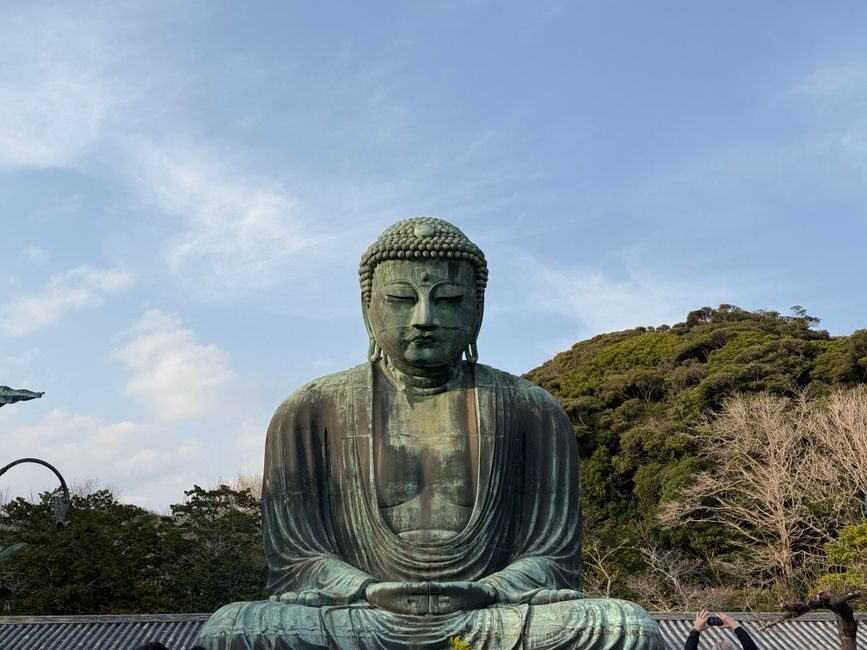
- Kamakura: the Great Buddha, temples and the sea, about an hour from Tokyo Station on the JR Yokosuka Line.
- Yokohama: Chinatown and the harbor, about half an hour away; in 2027, GREEN×EXPO from March 19 to September 26.
- Hakone: hot springs and lake views, about 80 minutes from Shinjuku to Hakone-Yumoto on the Odakyu Romancecar; better as an overnight.
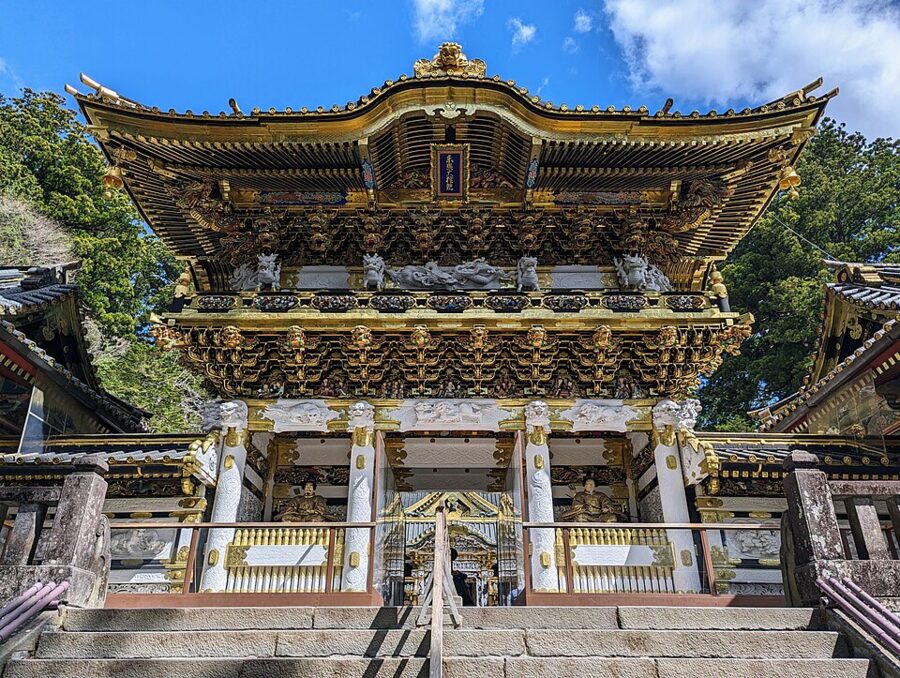
- Nikko: the Toshogu shrine and the mountain lakes, about two hours from Asakusa on Tobu’s limited express.
- Kawaguchiko: Mount Fuji’s lakes, about two hours away; pick a clear winter day.

That leaves the three alarms. Ghibli tickets for a February 2027 visit go on sale at 10:00 Japan time on January 10; Imperial Palace tours for February open at 05:00 Japan time on January 1; Tokyo Disney tickets for any day open at 14:00 Japan time two months before it. Set them in Japan time, not yours.