

A regular bowl of beef on rice at Yoshinoya costs ¥498 if you eat it at the counter and ¥489 if you carry it out the door, according to the chain’s own menu in November 2026. Those nine yen are the difference between the 10% consumption tax on eating in and the 8% rate on takeaway food, and they explain a good deal about eating in Tokyo. The city prices food by where you sit, when you sit, and whether you booked.
The short version for planning: build your days around sushi, ramen, soba, tempura, tonkatsu and yakitori, add one monjayaki dinner in Tsukishima and one morning at the Tsukiji Outer Market, and eat your expensive meal at lunch. A bowl of noodles at a standing soba counter starts at ¥450. A good ramen runs about ¥1,000 to ¥1,400. A seat at Ginza Kyubey’s sushi counter starts at ¥8,250 at lunch and ¥16,500 at dinner, before the dinner service charge.
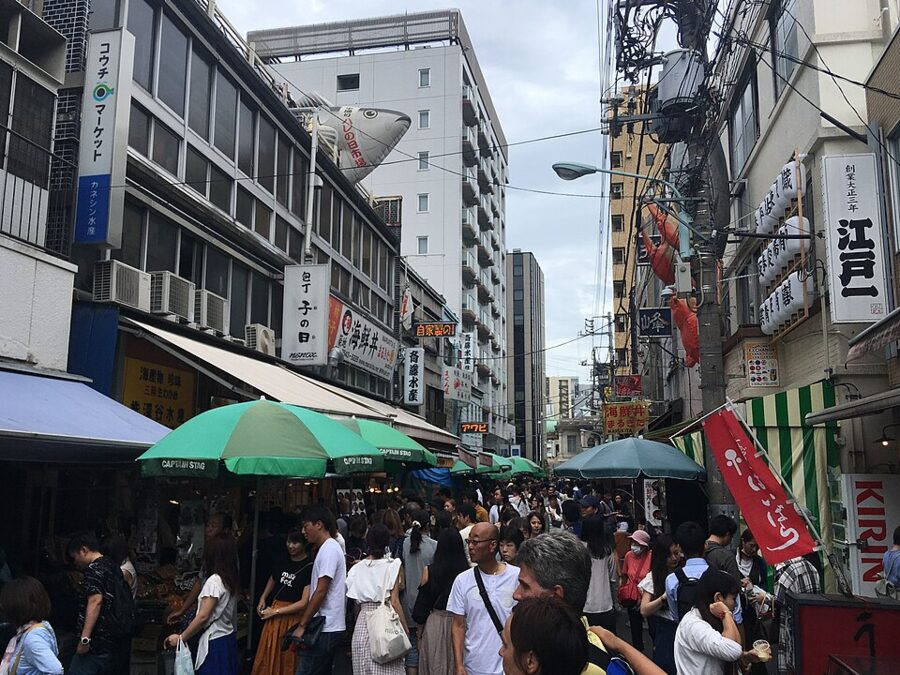

Ordering is the part that trips people up, and it is simpler than it looks. Cheap places sell you a ticket from a machine by the door. Mid-range places hand you a menu, a tablet or a QR code. Expensive places want a booking, often weeks ahead, and some want a card number with it.


What a meal costs in late 2026
Prices in Japan are shown with tax included, because the law on total price display requires it whenever a business posts a price. What you see on the ticket machine or the menu is what you pay, with two exceptions: a seating charge in bars and izakaya, and a 10% service charge at some high-end restaurants, usually only at dinner. The table below uses the posted price where a place publishes one and “about” where the figure is a typical spend.
| Meal | Cheap | Middle | Splurge |
|---|---|---|---|
| Breakfast | Two convenience-store onigiri, about ¥350–500; kake soba at Fuji Soba, ¥450 | Coffee with free toast before 11:00 at Komeda, the price of the drink; tsukemen at Rokurinsha from 7:30, about ¥1,000 | Sushi at Sushi Dai in Toyosu Market, about ¥5,000–6,000, cash only |
| Lunch | Regular gyudon at Yoshinoya, ¥498 eaten in | Tonkatsu set at Maisen in Aoyama, about ¥1,000–2,000; tempura lunch at Tsunahachi, about ¥2,000–3,000 | Nigiri at Ginza Kyubey, ¥8,250, ¥11,000 or ¥16,500 |
| Dinner | Curry at Bondy in Jimbocho, about ¥1,000–2,000, cash only | Chanko hotpot at Tomoegata in Ryogoku, about ¥5,000–6,000; tempura at Tsunahachi, about ¥6,000–8,000 | Ginza Kyubey, ¥16,500 to ¥44,000 plus 10% service |
Two things the table hides. The first is how far lunch undercuts dinner at the same address: Kyubey’s two cheapest sets, at ¥8,250 and ¥11,000, are lunch only, and dinner adds the service charge to everything. The second is the tax gap on takeaway, which is about to get wider.
On September 15, 2026, the cabinet approved an outline to cut the consumption tax on food sales to 1% for two years, from April 1, 2027 to March 31, 2029, and the National Tax Agency has posted the details of the planned cut. As of late November 2026 it still needs the Diet to pass the bill. Eating in counts as a restaurant service, not a food sale, so it stays at 10%. If the law passes, the counter-versus-takeaway gap on that Yoshinoya bowl stops being nine yen and becomes something you will notice.
How ordering and paying work
Ticket machines (食券機)
Most ramen shops, standing soba counters, beef-bowl chains and curry houses sell meals through a shokkenki, the meal-ticket machine by the door. You pay first, press the button for the dish, take the ticket and hand it to the cook or leave it on the counter. The top-left button is usually the house’s main bowl, and the buttons below it are the same bowl with more on it.
Older machines take only cash, often only ¥1,000 notes and coins, so carry small money. Newer ones take a transit IC card or a QR payment, and the shops that have switched usually stick a card logo on the machine itself. If a button is lit red, it has sold out. Extras such as a boiled egg or an extra portion of noodles are separate tickets, bought at the same time, not later.
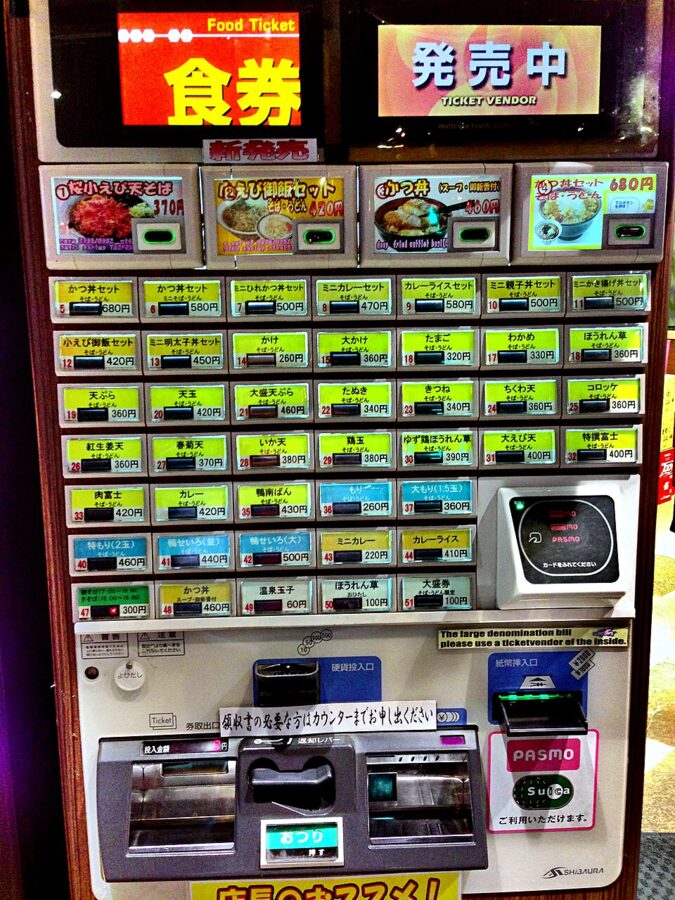

Ichiran, the tonkotsu chain, turns the process into paperwork. You buy the ticket, sit in a partitioned booth the chain calls its flavor-concentration counter, and fill in an order sheet for broth strength, richness, garlic and noodle firmness. It is a decent first ramen for anyone nervous about ordering out loud, and nobody watches you eat.
Counters, tablets and QR menus
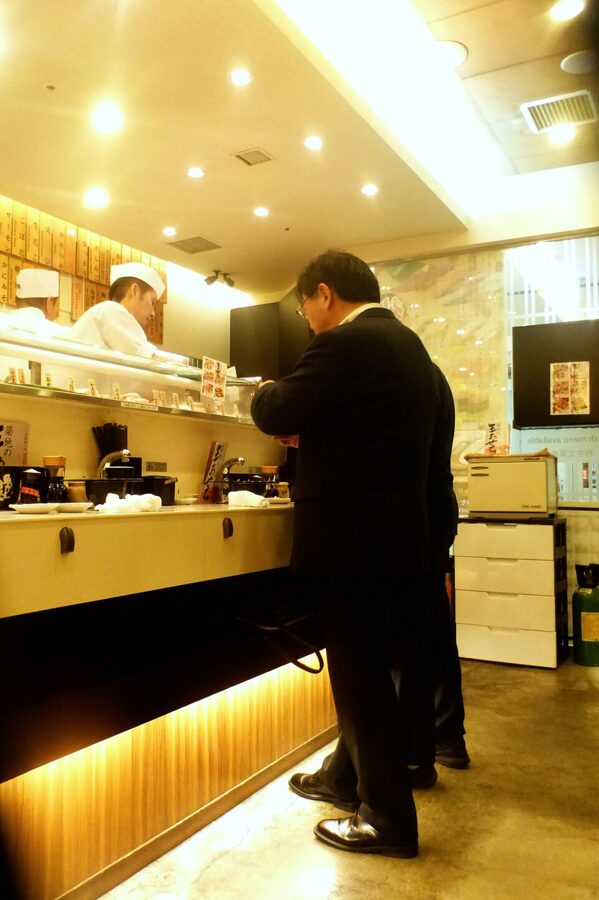
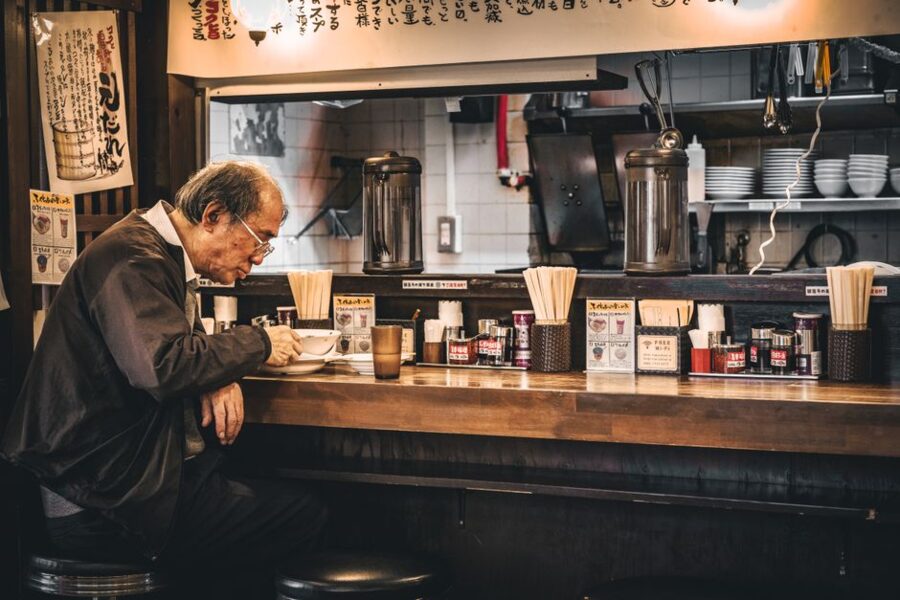
A counter seat is the default in Tokyo, not a lesser table. At ramen, soba, sushi, tempura and yakitori places the counter is where the cooking happens, and the cook serves straight onto it. Wait to be shown a seat, or wait at the door to be waved in; the staff will usually seat groups together only when adjoining seats come free.
Chains and many izakaya now take orders on a tablet at the table or through a QR code that opens a menu on your phone, often in English. Conveyor-belt sushi chains such as Sushiro work almost entirely through touch screens, and they take place-in-line bookings through their own app. Water or tea is free and refilled without asking. A wet towel arrives first, and it is for your hands.
Lunch sets and the dinner price
Office workers eat between 12:00 and 13:00, and almost every restaurant that serves dinner also sells a set lunch to catch them. The set, often called a teishoku, is the main dish with rice, miso soup and pickles at a fixed price. It is the best value in the city, and the reason to put your big meal of the day at noon.
The gap can be large. Tsunahachi, the tempura house in Shinjuku, serves its lunch menu on weekdays from 11:00 to 15:00, and its typical lunch spend is about a third of dinner. At Ginza Kyubey’s main store, the nigiri sets start at ¥8,250 at lunch, the ¥16,500 set is the cheapest at dinner, and dinner carries a 10% service charge. Arrive at 11:30 or after 13:00 and you skip the office rush entirely.

Reservations, no-shows and cancellation fees
Ramen shops, soba houses, standing bars, conveyor sushi and most curry places do not take bookings: you join the line. That includes some famous names. Bondy in Jimbocho says outright that it takes no reservations; Kanda Matsuya, Cafe de l’Ambre and Sabouru do not either.
Sit-down restaurants vary, and the rules are specific. Maisen’s Aoyama main store takes weekend and holiday bookings only for its banquet courses, and confirms every reservation two days ahead by phone, or by email for overseas guests, so reply to it. Tonki in Meguro books only groups of four or more through its website.
Sushi Dai at Toyosu Market takes no advance bookings at all; from 5:00 it hands out time slots at the shop front. Sometaro, the okonomiyaki house in Asakusa, books only its ¥2,800 course for groups of three or more on weekdays and eight or more at weekends, and takes no bookings from July to September.
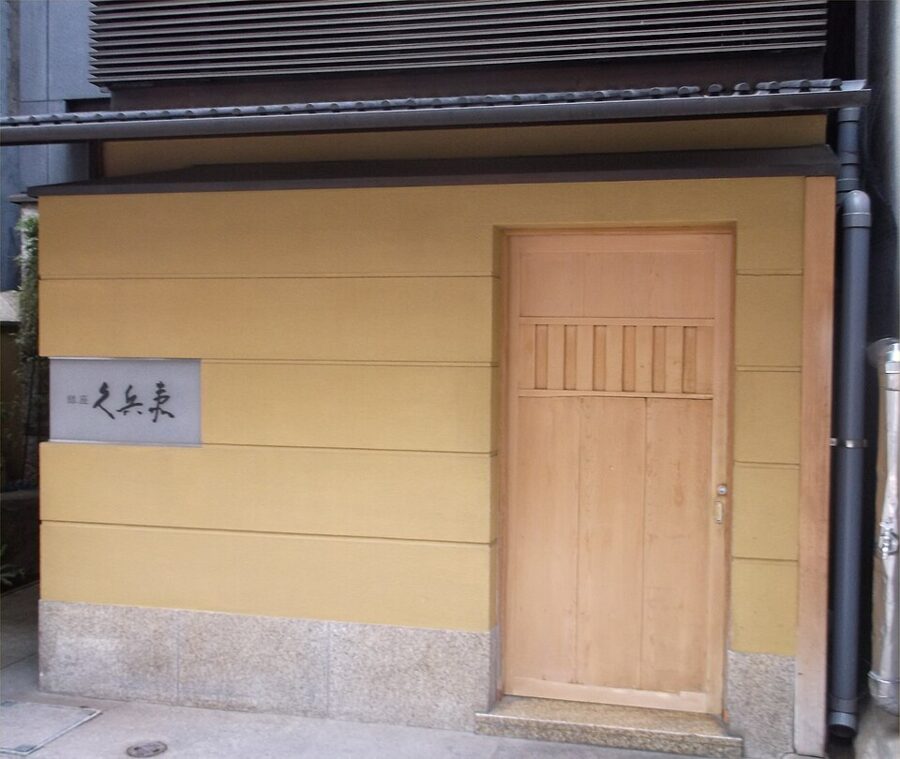
The high-end counters and kaiseki rooms are the opposite. They sell out weeks or months ahead, many take bookings only through online reservation services or a hotel concierge, and most ask for a card number with the booking. Read the cancellation terms before you confirm: a charge for a late cancellation or a no-show is standard at that level, and the restaurant will run the card. If plans change, cancel through the same channel you booked with, as early as you can.
Cash, cards and the tax on the tag
Cards and IC cards work at department stores, chains and most mid-range restaurants. Maisen, Tsunahachi and the Isetan food halls take just about everything. The exceptions are the old, small and famous, which is exactly where visitors want to eat.
Kanda Matsuya takes no cards, no IC cards and no QR payments. Bondy, Sabouru, Sushi Dai and Naniwaya Sohonten are cash only. Usagiya, the dorayaki shop in Ueno, puts it in English on its own site: cash only.
Cafe de l’Ambre takes no cards but does take PayPay. Rokurinsha on Tokyo Ramen Street takes transit IC cards but not credit cards. Carry ¥10,000 in cash and a charged IC card, and you will not get stuck; see getting around Tokyo for loading a card on your phone.
At convenience stores the tax rate depends on where you eat. Tell the cashier if you plan to use the eat-in counter, because that is 10%, while the same onigiri carried out is 8%. Nobody checks, but the receipt says which you claimed.
The kinds of place
Shokudo and teishoku
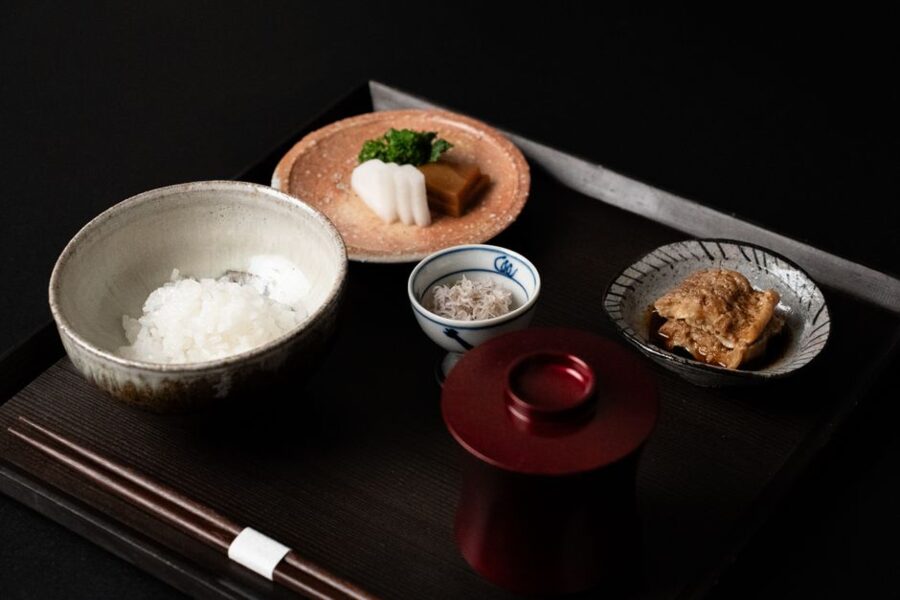
A shokudo is a plain eating house, and the teishoku set is what it sells: grilled mackerel, ginger pork or a fried cutlet with rice, soup and pickles on one tray. The food is home cooking done at volume, and the price in 2026 is about ¥1,000 to ¥1,500 in the central wards. Look for plastic food models or a printed board at the door, and expect to share a table at noon.
Ramen shops
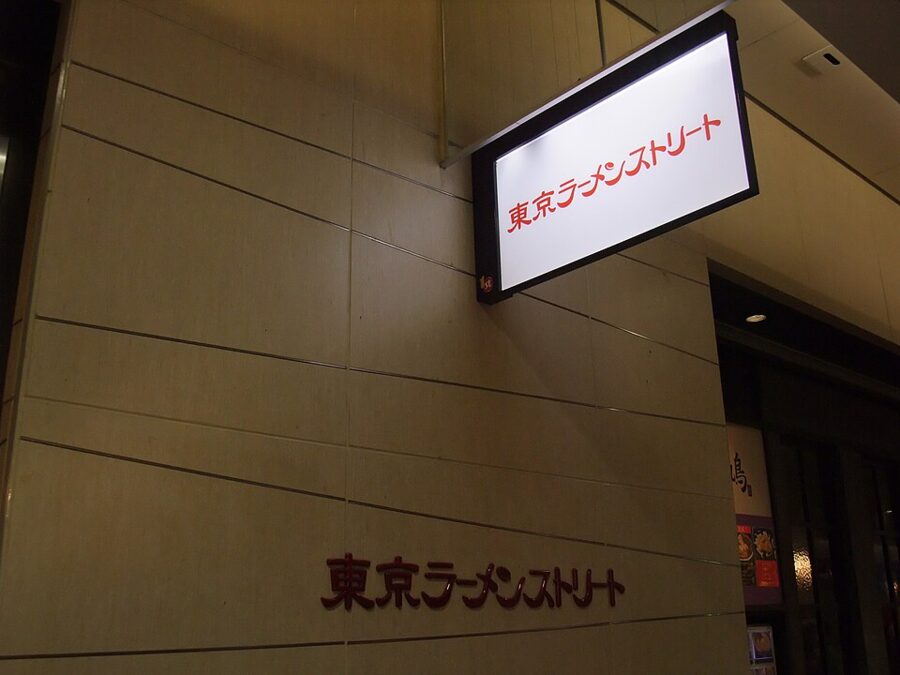
Ramen shops are small, fast and almost always ticket-machine places. You will wait outside in line at the famous ones, then eat in under 20 minutes; lingering after the bowl is empty is poor form when people are waiting. The easiest place to try several styles is Tokyo Ramen Street, a row of shops in the basement of Tokyo Station First Avenue on the Yaesu side.
Its lineup in November 2026 includes Rokurinsha for thick tsukemen dipping noodles, Hirugao for salt ramen and Soranoiro NIPPON, whose menu carries vegan and gluten-free bowls. Rokurinsha also opens for breakfast, 7:30 to 9:45, before reopening for the day at 10:00, which makes it the obvious bowl before a morning Shinkansen.

Standing soba
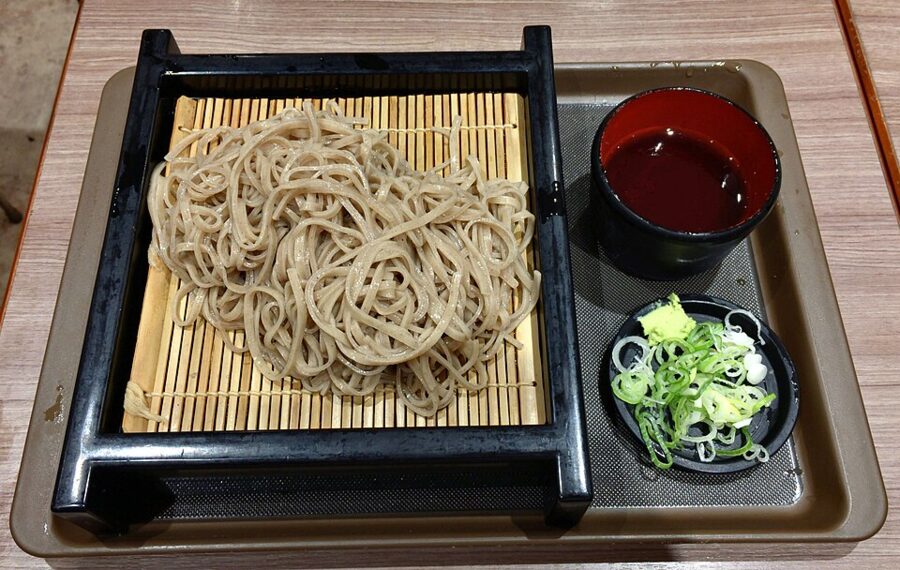
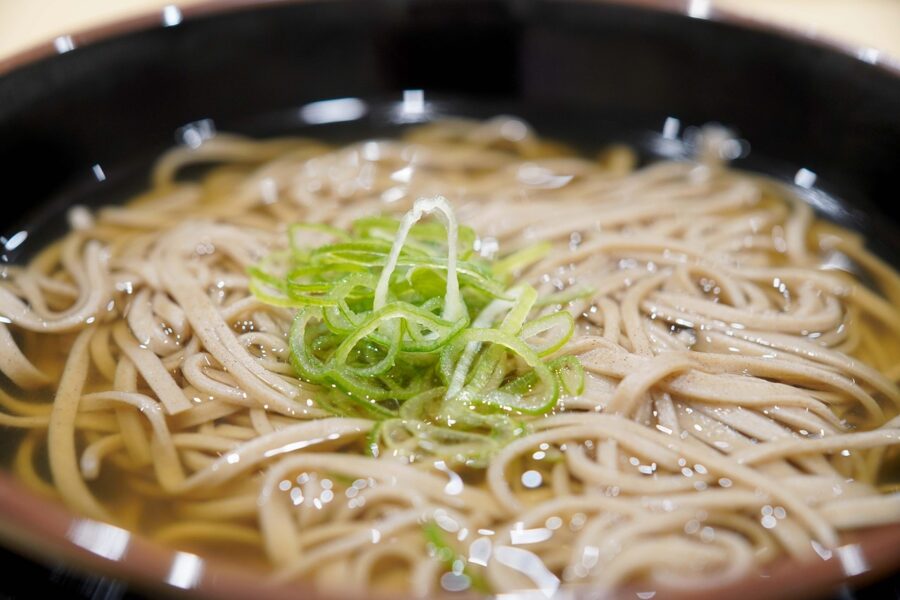
Tachigui soba, standing noodle counters, are the city’s fastest hot meal. You buy a ticket, hand it over, and the bowl is on the counter in about a minute. Fuji Soba, the biggest chain, runs about 100 shops in and around Tokyo, and its menu lists kake soba, plain noodles in hot broth, at ¥450 after an August 1, 2026 price revision.
Add a tempura fritter for ¥620 in total, or switch to udon at the same price. The broth is dark and salty in the Tokyo way, and the noodles are not the reason to come. The speed and the price are.
Conveyor belts and sushi counters
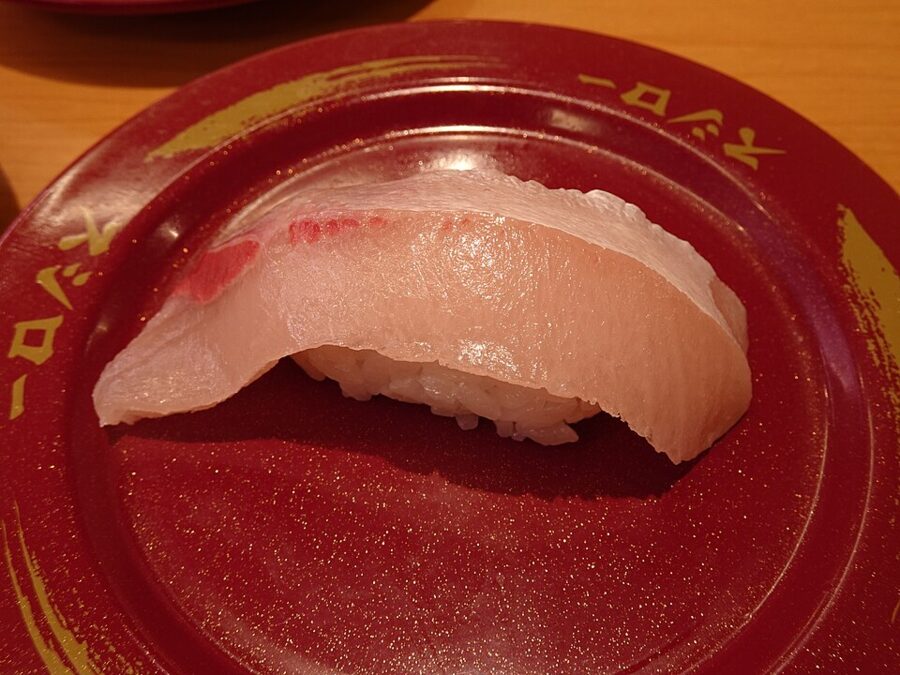
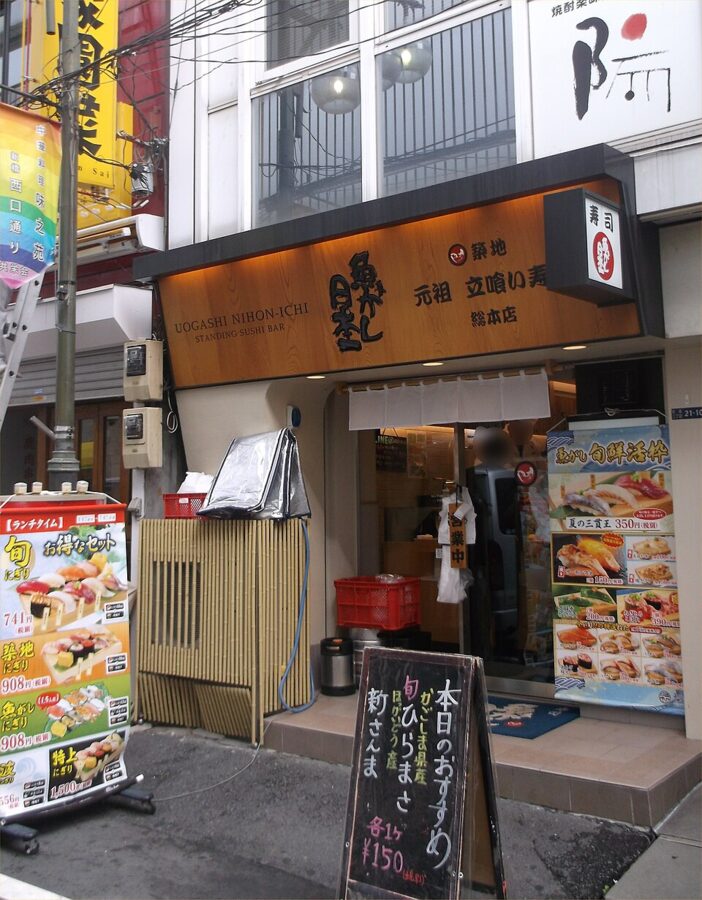
Sushi in Tokyo comes at three levels. Conveyor-belt chains, kaitenzushi, are cheap, family-friendly and run on touch screens. Standing bars such as Uogashi Nihon-ichi, which has a branch in front of Shimbashi Station open 11:00 to 23:00 on weekdays, sell nigiri piece by piece from a chef. Counters with a chef and a set menu are the third level, and the price jumps from tens of yen a piece to tens of thousands a meal.
At a counter, either order the chef’s set, omakase, or point at what is on display. Eat each piece soon after it is put down, in one bite if you can, and with fingers if you like. Dip the fish side, not the rice, in soy, and only if the chef has not already brushed it.

Izakaya
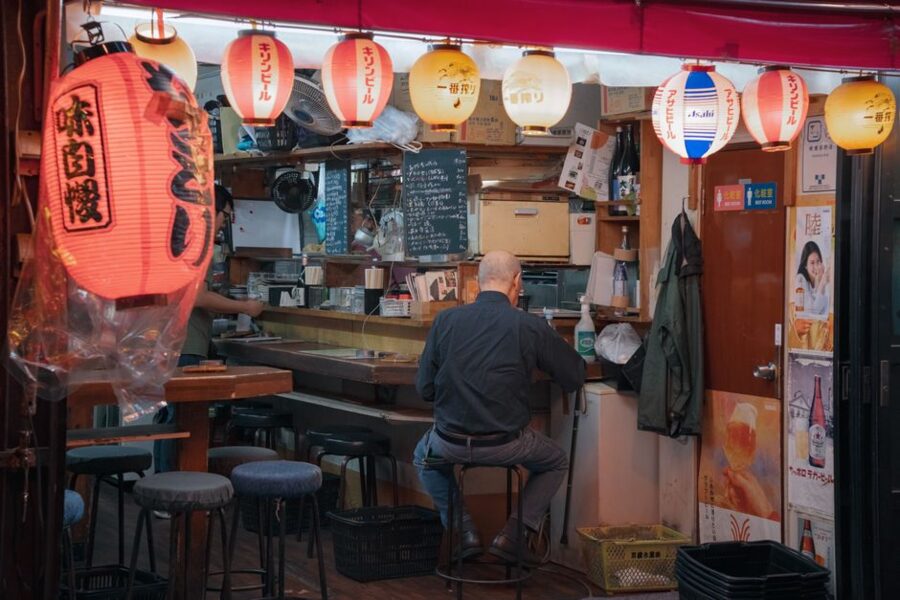
An izakaya is a pub that serves small plates, and the plates are often excellent. Expect a small dish you did not order, the otoshi, which is the seating charge in edible form. Ordering, drinking and the cover charges are covered in the Tokyo nightlife guide; for food, the rule is that the menu is long, the portions are small, and you order a few things at a time.
Kissaten
The old coffee houses, kissaten, serve hand-poured coffee, thick toast, egg sandwiches and the ketchup spaghetti called Napolitan. Cafe de l’Ambre in Ginza 8-chome, five minutes from Exit 1 of Shimbashi Station on the Ginza Line, roasts its own beans and opens Tuesday to Saturday 11:00 to 20:00 and Sunday 11:00 to 18:00, closed Mondays. Sabouru in Jimbocho, a minute from Exit A7, opens Monday to Saturday 11:00 to 19:00 with last food orders at 18:00, cash only.
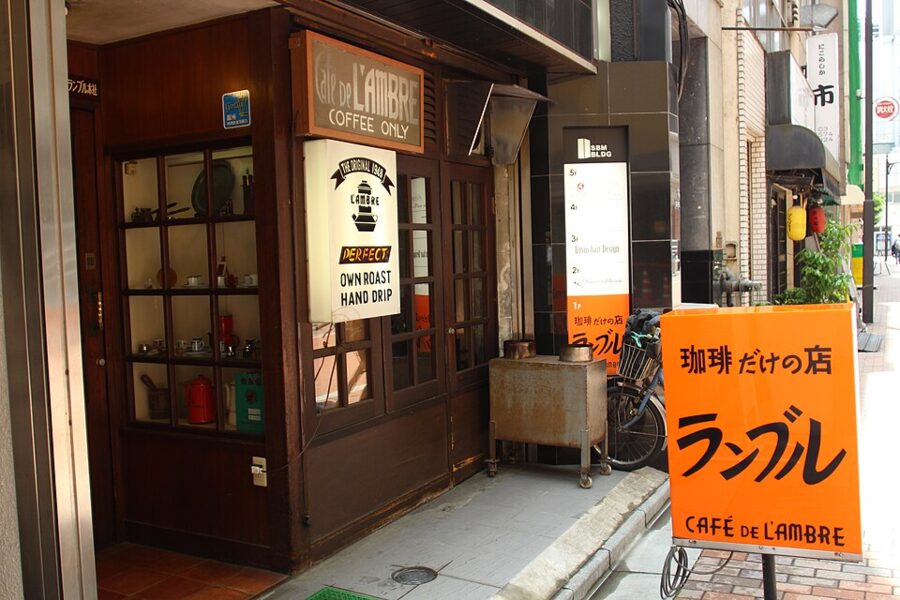

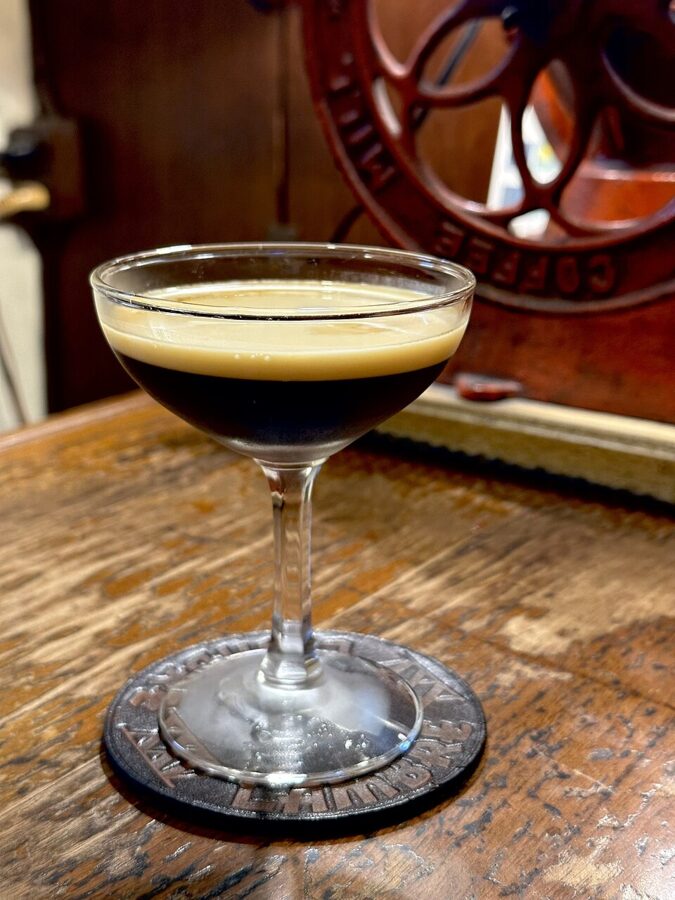

For breakfast, the chain coffee house Komeda gives you toast or a roll free with any drink from opening until 11:00, with a boiled egg, egg paste or sweet red-bean paste. Some old kissaten still allow smoking, so check the door before you sit.
Department-store food halls (depachika)
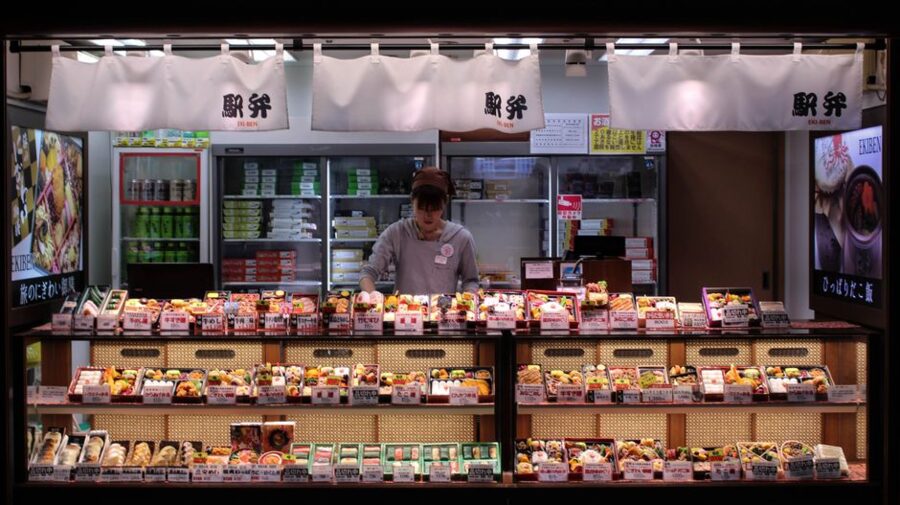
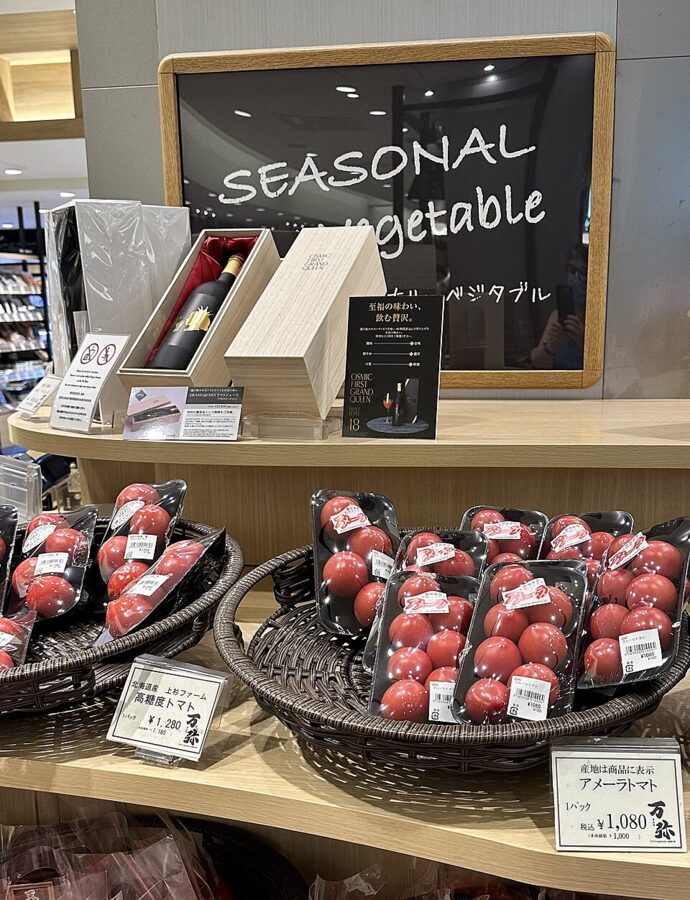
The basement food floors of department stores, depachika, sell bento, sushi, tempura, salads, grilled eel, wagashi and fruit priced like jewelry, mostly to take away. The word itself spread after Tokyu’s Food Show opened under Shibuya Station in 2000. The floors sit underground for a practical reason: water, gas and drainage cost less to run there, and a busy basement pulls shoppers up through the rest of the store.
Isetan Shinjuku is open 10:00 to 20:00 and has the biggest range. Mitsukoshi in Nihonbashi closes at 19:00, but its basement and ground floors stay open until 19:30. Many counters mark down bento and sushi in the last hour, and there is rarely anywhere to sit, so plan on a park bench or your hotel room.

Convenience stores and supermarkets
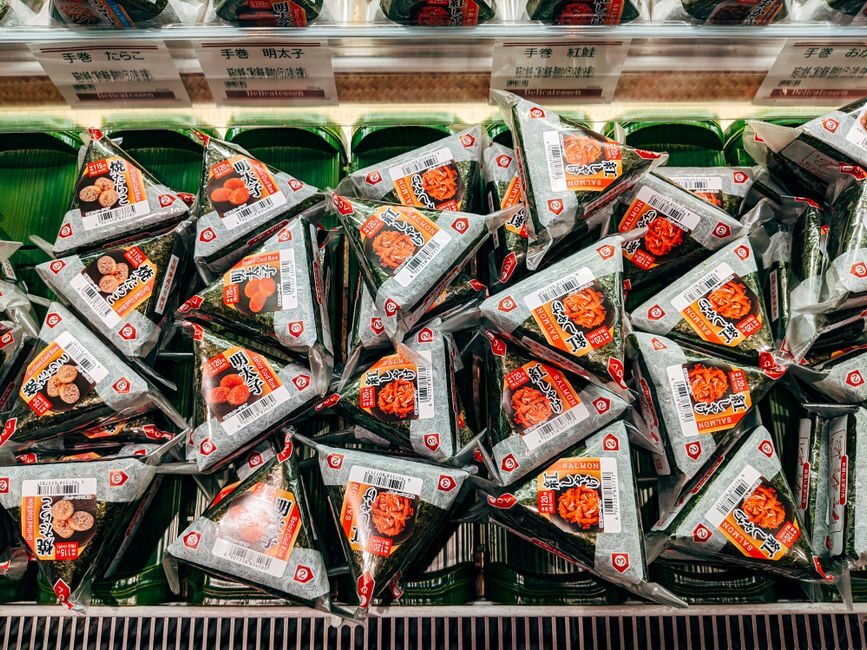
Tokyo’s convenience stores, konbini, are a real food source: onigiri, sandwiches, fried chicken, noodle salads and bento heated in the shop’s microwave. At 7-Eleven, the onigiri sold in the Tokyo area in November 2026 run about ¥170 to ¥250 each, tax included at the takeaway rate. A breakfast of two onigiri and a tea costs about the same as one bowl of standing soba.
Supermarkets beat convenience stores on price, especially for bento in the evening, when discount stickers go on whatever is left.
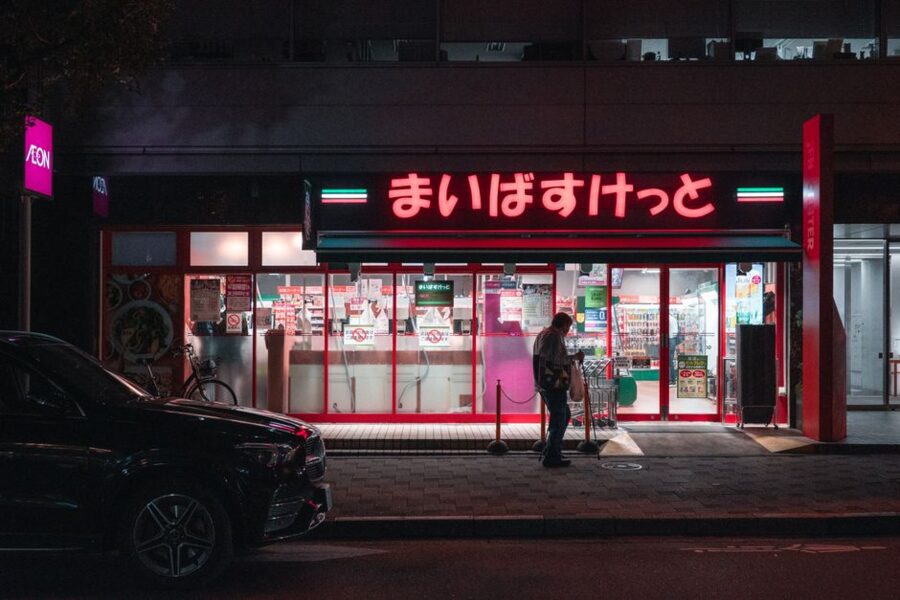
Yokocho alleys
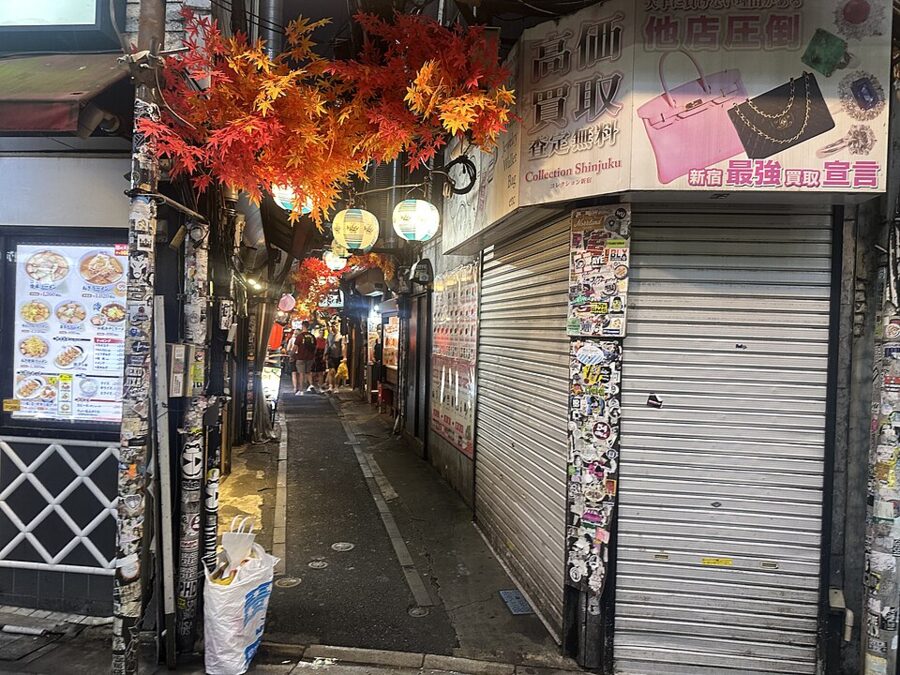
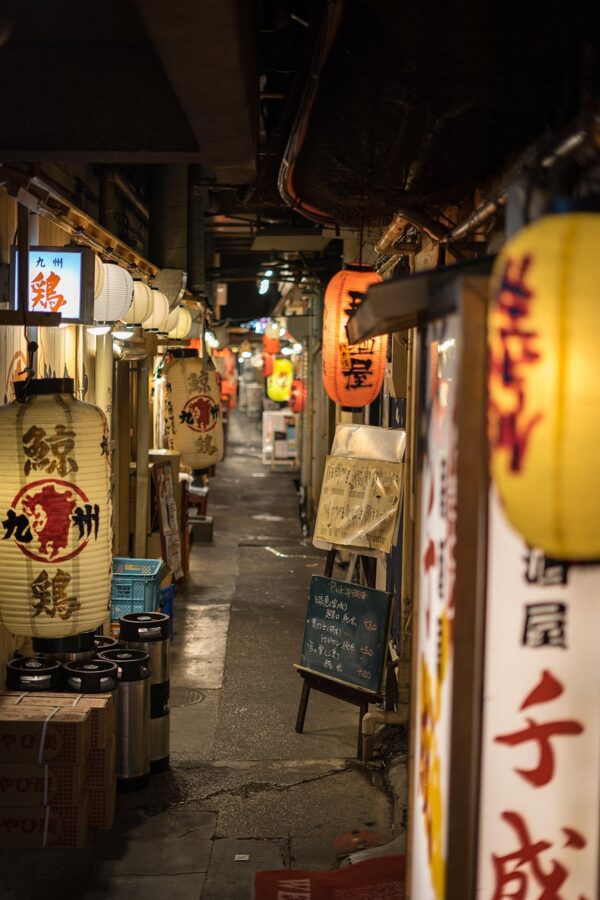
A yokocho is a lane of tiny bars and grills, most of them descended from postwar black markets. Omoide Yokocho (思い出横丁), by the west exit of Shinjuku Station, packs about 80 shops onto a plot of about 2,000 square meters, around 60 of them skewer grills and bars. Its association marks November 24 each year as Omoide Yokocho Day.
The other classic is the row of yakitori places tucked under the railway viaduct between Yurakucho and Shimbashi, where the trains rattle overhead. Both are better for a drink and a few skewers than for a full dinner, and some stalls charge for the seat. Ask before you sit if there is no menu with prices.
The dishes, one by one
Sushi
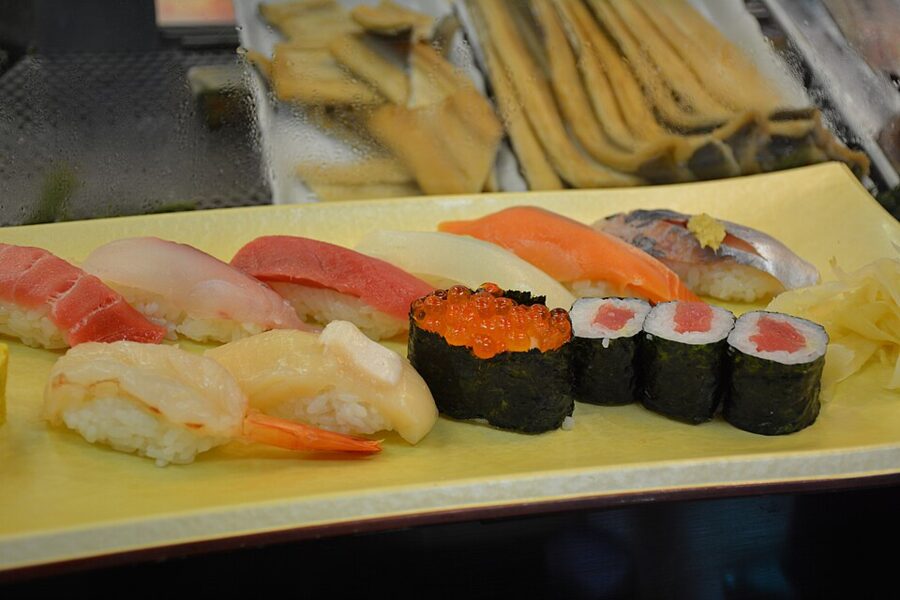
Tokyo’s own style is Edomae sushi: hand-pressed nigiri, with fish that is often cured, marinated or simmered rather than only raw. It began as street-stall food eaten standing up, and the pieces in the Edo period were two or three times the size of today’s. The rolled-and-wrapped gunkan style, used for salmon roe and sea urchin, is said to have been invented at Kyubey in Ginza in 1941.
For a first counter meal, go to lunch in Ginza or Tsukiji and order the set. For a big night, book Kyubey or another Ginza counter well ahead. For the market experience, Sushi Dai sits on the third floor of the fisheries intermediate wholesale building at Toyosu Market, three minutes from Shijo-mae Station on the Yurikamome, open 6:00 to 14:00 and closed Wednesdays and Sundays. People line up before the slots are handed out at 5:00, and the bill comes to about ¥5,000 to ¥6,000, cash only.

Ramen
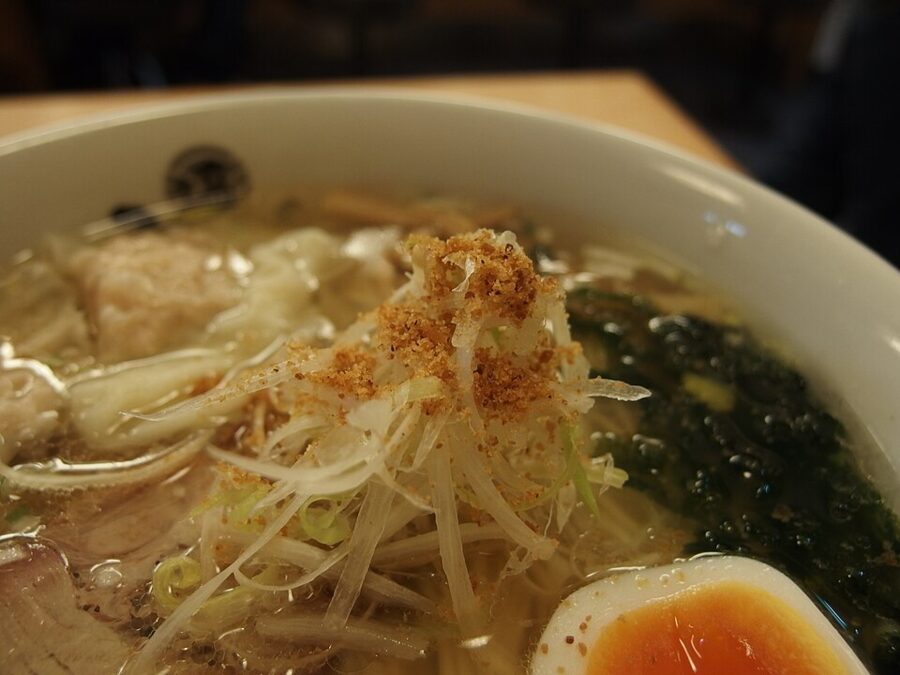
Tokyo ramen in the narrow sense is a clear soy-sauce broth from chicken and pork, with curly noodles, a slice of pork and bamboo shoots. Every regional style is here too: Sapporo miso, Hakata pork-bone, and the thick dipping noodles called tsukemen. AFURI’s Harajuku shop, open 10:00 to 23:00 every day, is known for a citrusy yuzu salt broth and takes cards, which many ramen shops do not.
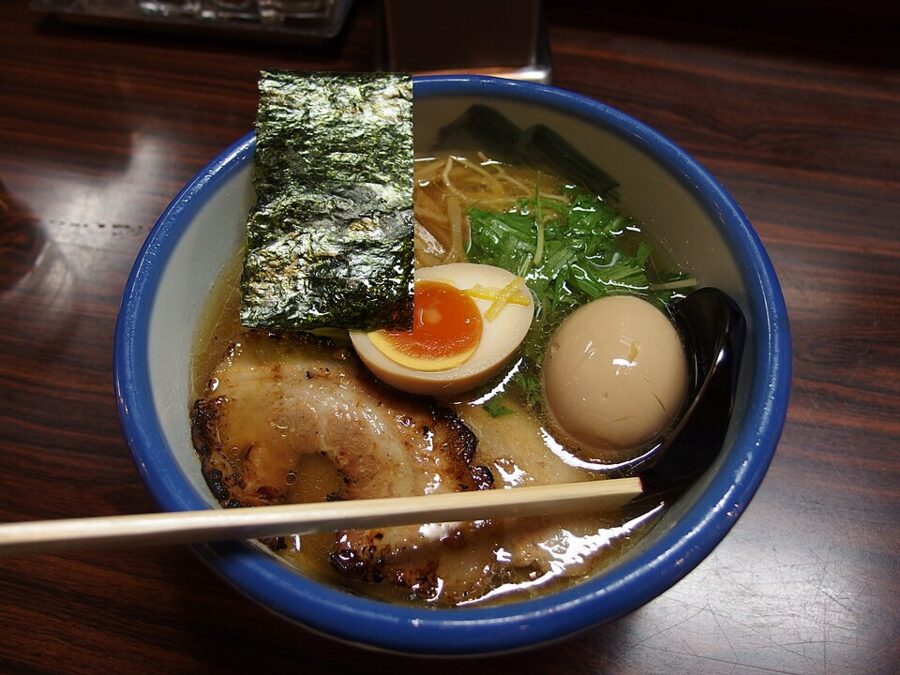

Expect to pay about ¥1,000 to ¥1,400 for a bowl at a well-known shop in late 2026, more with a full set of toppings. Slurping is normal. Lifting the bowl to drink the broth is fine; leaving most of it is also fine, and kinder to your sodium count.

Soba and udon
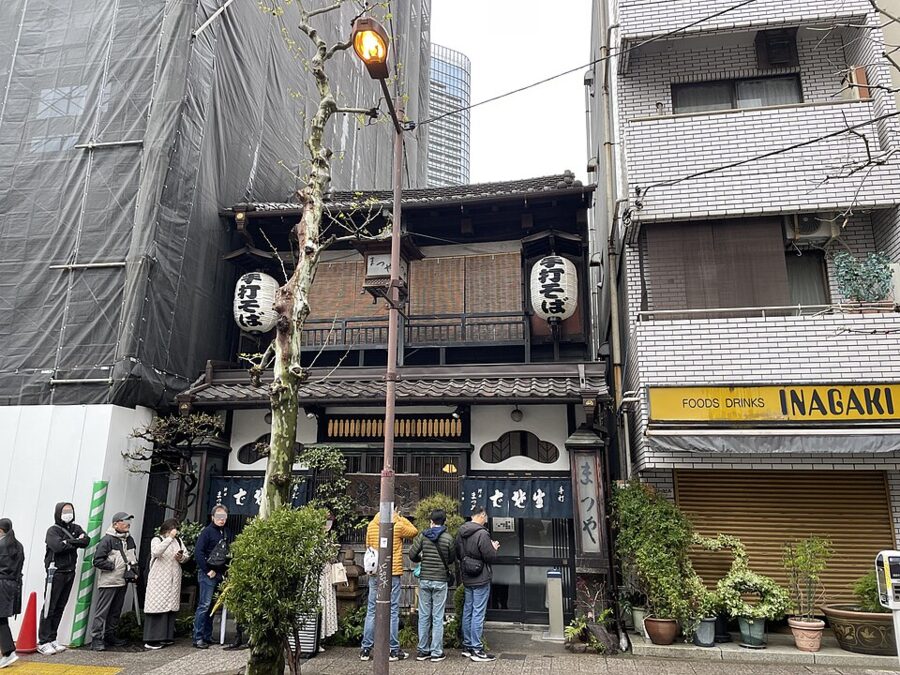
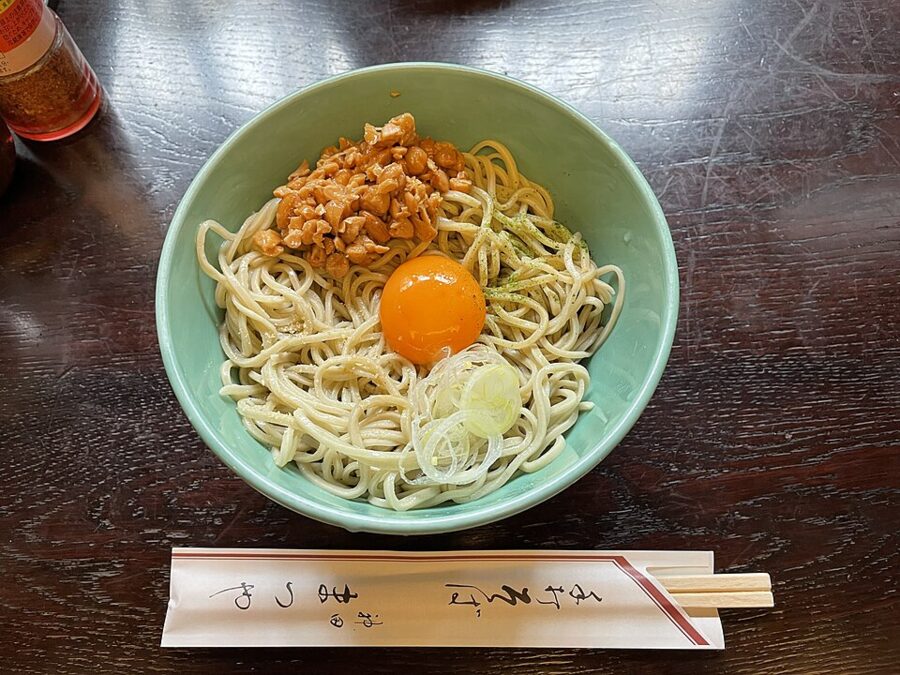
Buckwheat soba is the old Tokyo noodle, and it is best cold, on a bamboo tray, dipped in a sharp soy sauce and finished with the noodle cooking water, sobayu, poured into the leftover sauce. Two classic houses sit a few minutes apart in Kanda. Kanda Matsuya, at Kanda-Sudacho 1-13, two minutes from Awajicho Station on the Marunouchi Line, opens Tuesday to Friday 11:00 to 20:30 and Saturday 11:00 to 19:30, closed Sundays and Mondays, cash only, no reservations.
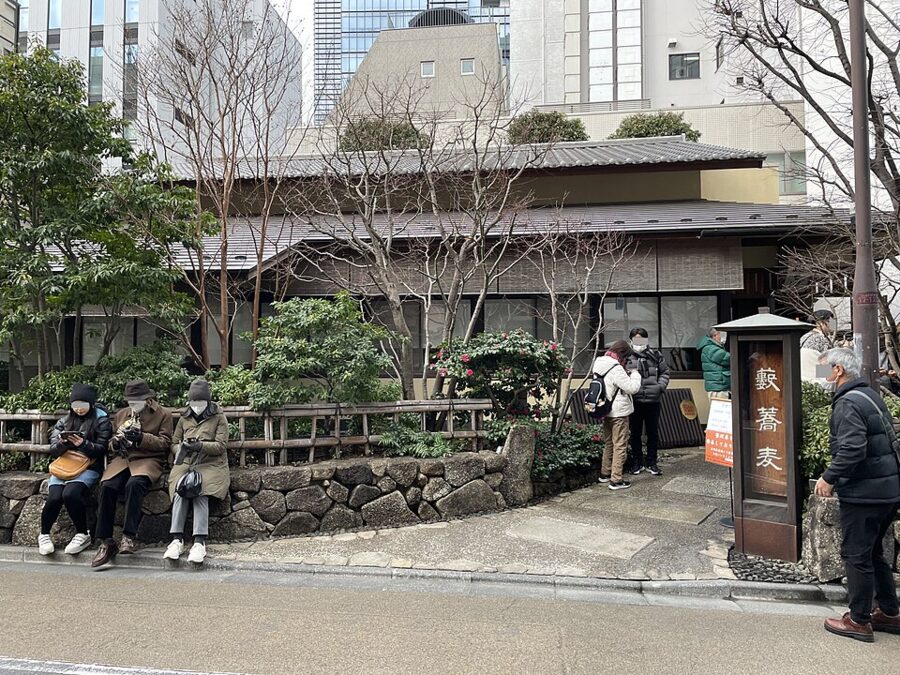
Kanda Yabu Soba, at Kanda-Awajicho 2-10, three minutes from Exit A3 of Awajicho Station, opens 11:30 to 20:30 and closes Wednesdays. It takes cards and transit IC cards, and it takes bookings for its upstairs course meals. Its green-tinged noodles and tiny portions are the house style; order two baskets if you are hungry.
Udon, the thick wheat noodle, is a western Japan specialty; in Tokyo, the shops that make their own noodles usually say Sanuki (Kagawa) or Osaka style on the sign.
Tempura
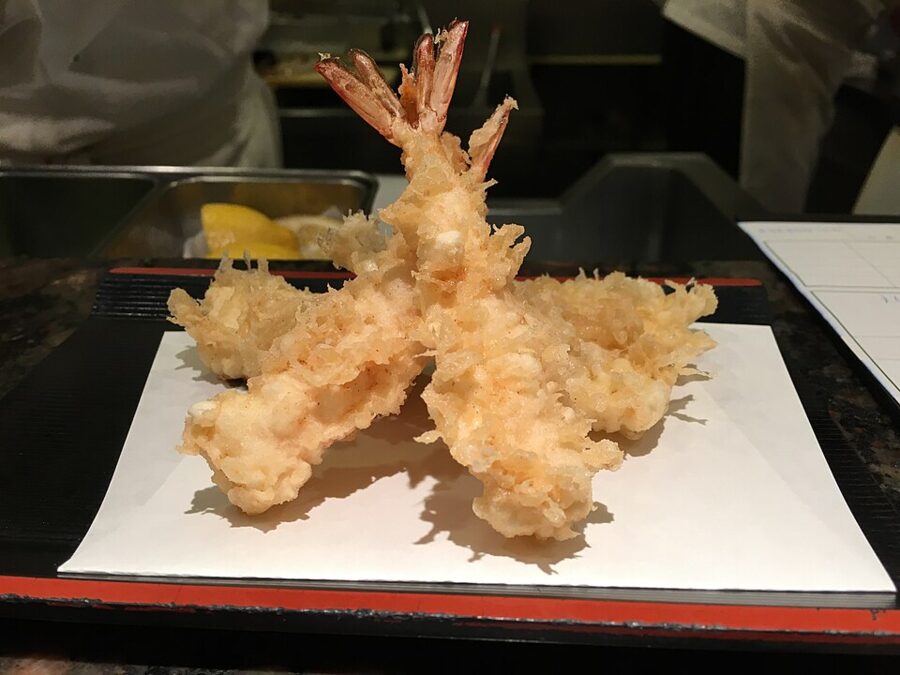
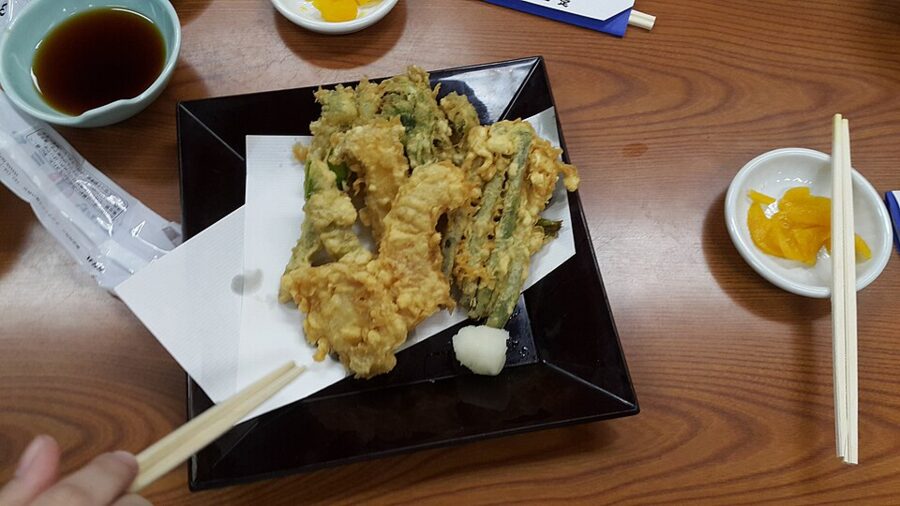
Tempura was Edo street food, sold on skewers from stalls, and one of the three foods the old city was proud of with sushi and soba. Today it runs from ¥620 tempura soba at a standing counter to counters where a chef fries one piece at a time in sesame oil and passes it straight to you.
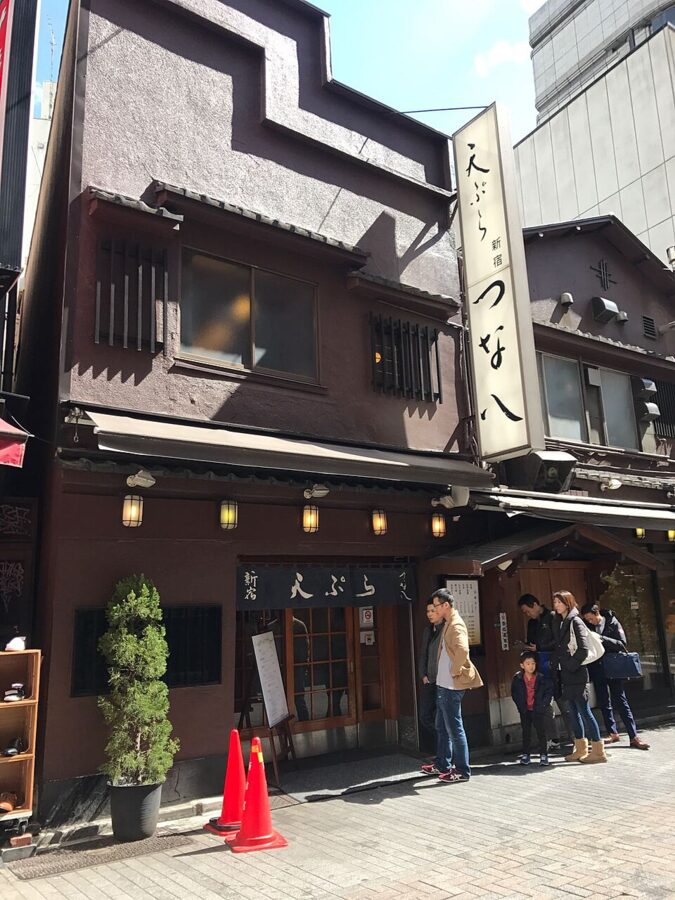
Tsunahachi’s main store at Shinjuku 3-31-8, three minutes from Shinjuku-sanchome Station, is the easy middle ground: open 11:00 to 22:00 with last orders at 21:00, closed only December 31 and January 1, cards accepted. Weekday lunch, served until 15:00, is about ¥2,000 to ¥3,000; dinner about ¥6,000 to ¥8,000. In Asakusa, tempura rice bowls, tendon, are the local lunch.



Tonkatsu
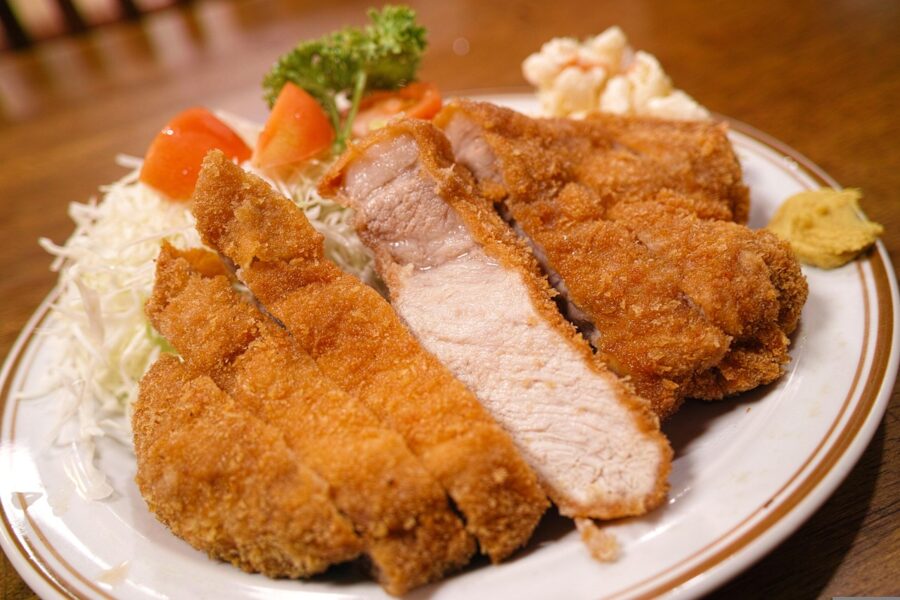
A breaded, deep-fried pork cutlet with shredded cabbage, rice, miso soup and a thick fruity sauce. Maisen’s Aoyama main store, at Jingumae 4-8-5, three minutes from Exit A2 of Omotesando Station, opens daily 11:00 to 22:00 with last orders at 21:00, closing only January 1 and 2. Its lunch spend runs about ¥1,000 to ¥2,000, and it sells cutlets and cutlet sandwiches to take away.
Tonki, near the west exit of Meguro Station, is the counter version: a long bar, cooks in white, and the cutlet fried in front of you. It opens 16:00 to 21:30 and closes Mondays and Tuesdays.
Yakitori
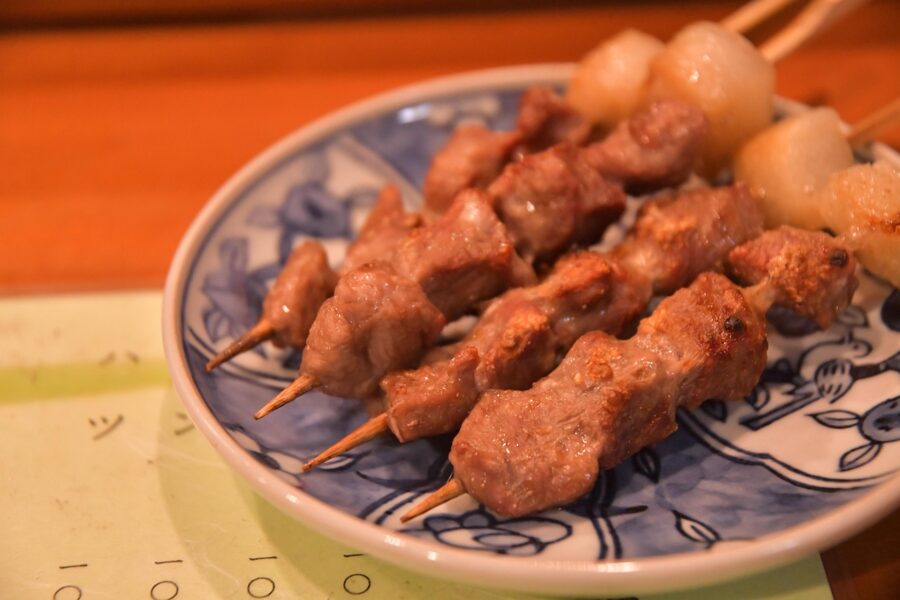
Chicken grilled on skewers over charcoal, thigh, heart, skin and every other part of the bird, ordered seasoned with salt, shio, or sweet soy glaze, tare. A good rule: order thigh with leek, negima, and meatballs, tsukune, in tare, and everything else in salt. Omoide Yokocho and the Yurakucho viaduct are the atmospheric places to eat it; the serious yakitori counters are booked like sushi counters.
Okonomiyaki and Tokyo’s monjayaki
Okonomiyaki, the batter-and-cabbage pancake, is Osaka and Hiroshima food, but Tokyo has its own old guard. Sometaro, in Nishi-Asakusa near Tawaramachi Station, is a wooden house where you cook at your own griddle. It opens Monday and Thursday 12:00 to 14:30 and 17:30 to 20:30, Friday lunch only, and weekends 12:00 to 20:30, closed Tuesdays and Wednesdays, cash only.
Monjayaki is Tokyo’s own: a runny batter with cabbage and fillings that never sets, scraped off the griddle with a tiny spatula. It grew out of a sweet children’s snack and took its modern shape after World War II in the old east side of the city. The place to eat it is Tsukishima, where Nishinaka-dori, the street straight out of Exit 7 of Tsukishima Station, is known as Monja Street (もんじゃストリート).
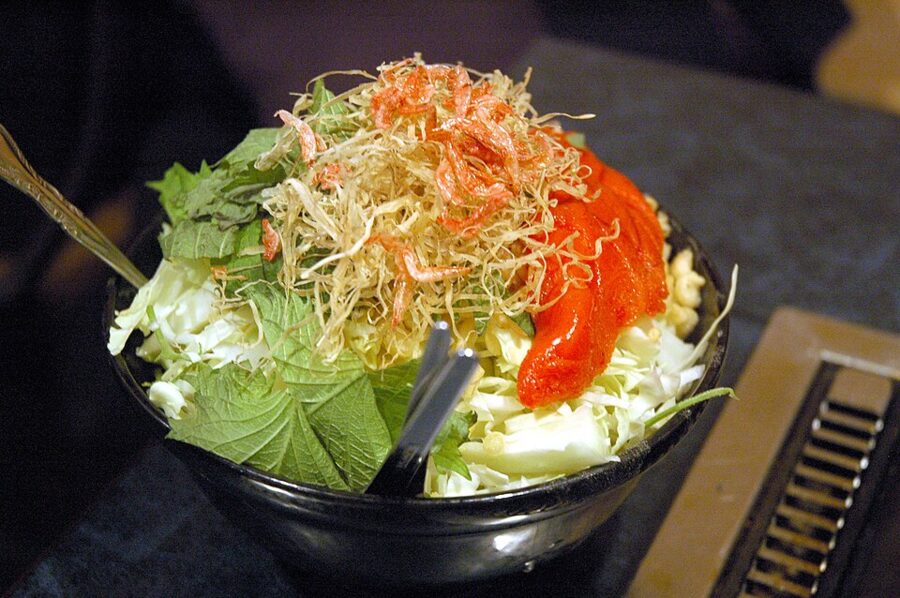

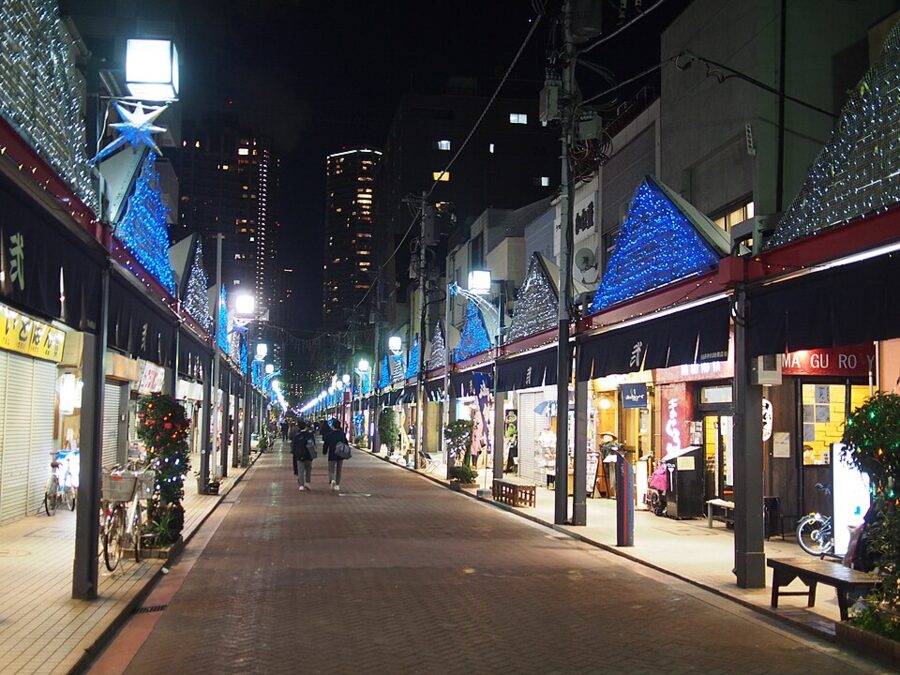
The street holds about 75 monja restaurants, most of them converted from other shops during a monja boom in the late 1980s. The Tsukishima monja association counts about 50 member shops, runs an information center on the street and takes bookings for its members. Monja Kondo has traded there since 1950, and Yoshimiya, founded in 1954, calls itself the original.

Wagyu, yakiniku and sukiyaki
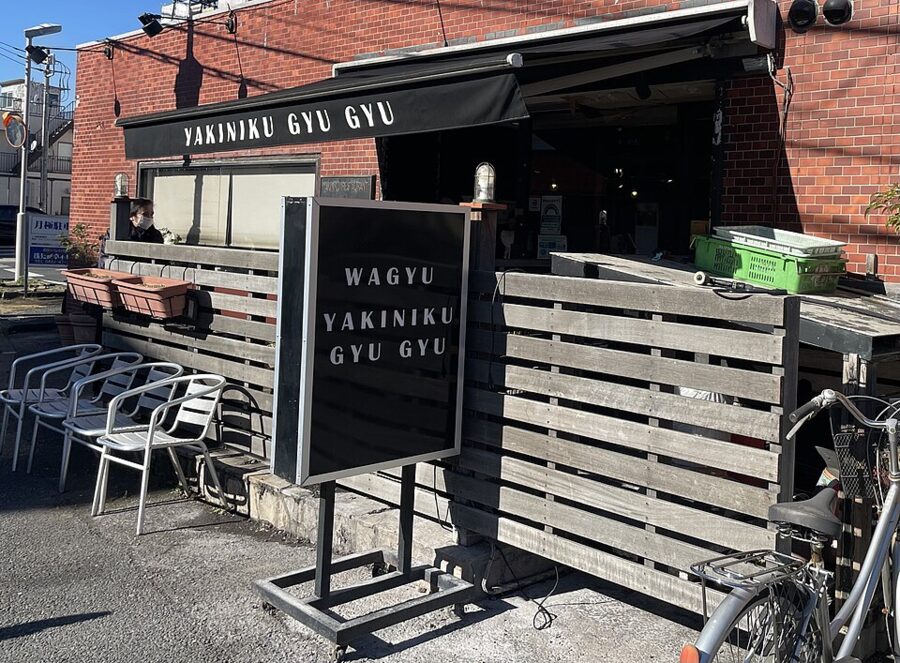
Japanese beef reaches you three ways in Tokyo. Yakiniku is grill-it-yourself barbecue, with cuts brought raw to a grate in the table. Sukiyaki simmers thin slices in a sweet soy broth at the table, dipped in raw egg. Shabu-shabu swishes them through hot stock.
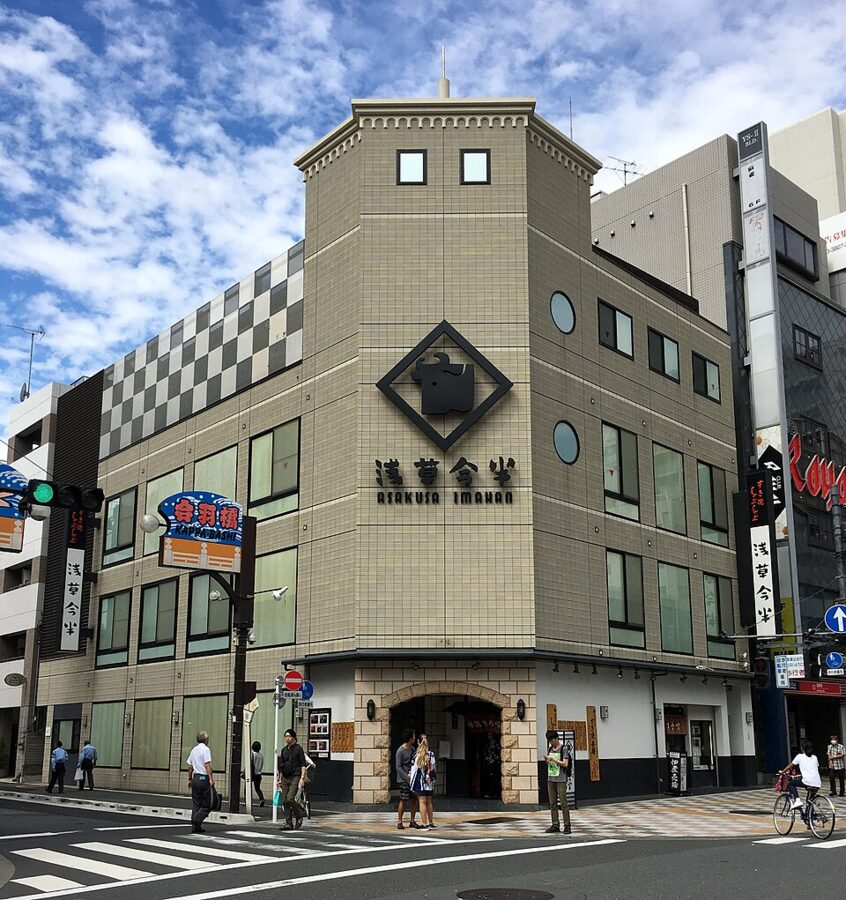
Asakusa Imahan’s Kokusai-dori main store, at Nishi-Asakusa 3-1-12 above Exit A2 of the Tsukuba Express Asakusa Station, is the classic sukiyaki house in the old east side; it takes bookings and cards. At a high-end wagyu restaurant, ask for the grade and the prefecture of origin on the menu; Kobe, Matsusaka and Omi are the names that cost most.
Curry
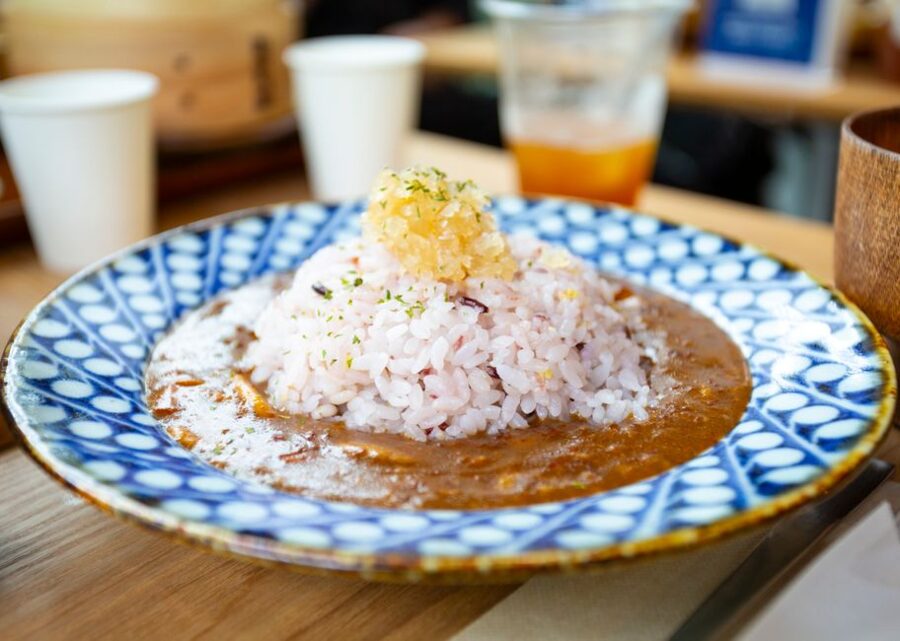
Japanese curry is thick, mild and brown, served over rice, often with a fried cutlet on top. CoCo Ichibanya, the national chain, posts tax-included prices for both eating in and takeaway and lets you set the spice level. Jimbocho, the secondhand-book district, is the city’s curry neighborhood.
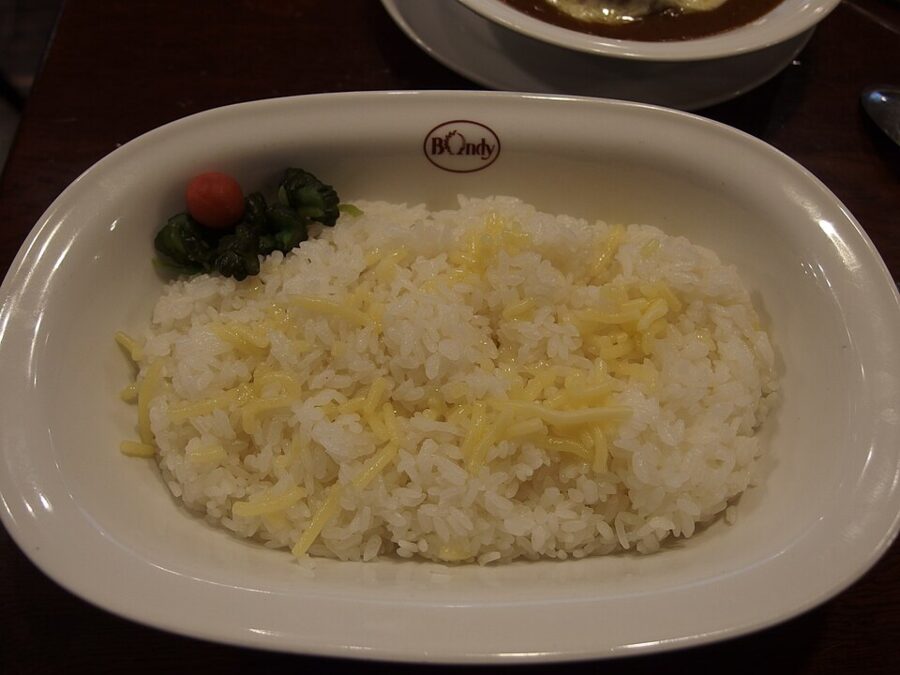
Bondy, on the second floor of the Kanda Kosho Center a minute from Jimbocho Station, serves European-style curry with a side of boiled potatoes and butter. It opens 11:00 to 22:00 on weekdays and from 10:00 at weekends, with last orders at 21:30, closes only for New Year, and takes neither reservations nor cards.

Sweets and wagashi
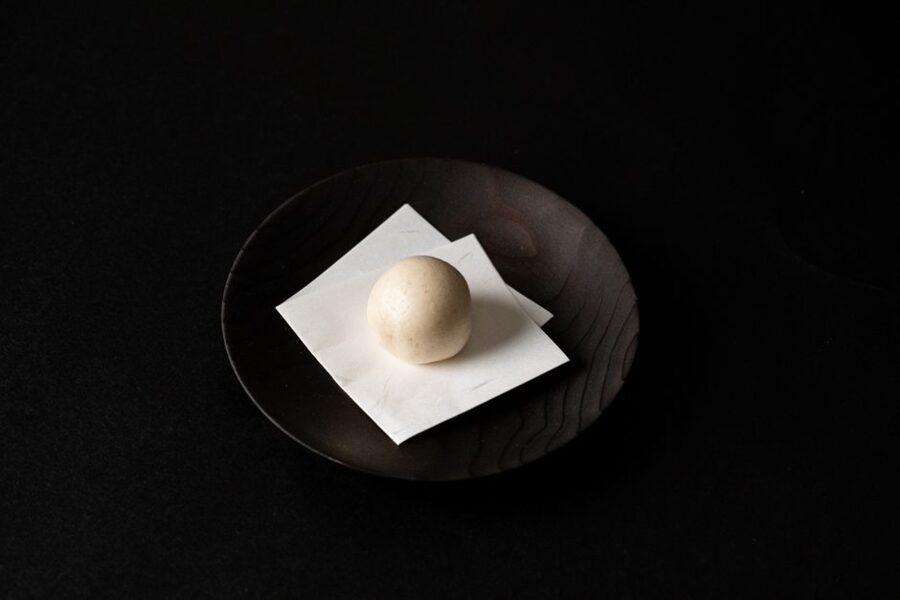
Wagashi are Japanese confections, built on sweet bean paste, rice flour and agar, shaped and colored to the season. Toraya, a confectioner founded in Kyoto in the late Muromachi period, runs more than 80 shops in Japan; its Akasaka flagship, six minutes from Exit A of Akasaka-mitsuke Station, opens 9:00 to 18:00 on weekdays and from 9:30 at weekends. Buy the bar of red-bean jelly, yokan, as a gift; eat the seasonal fresh sweets on the spot.
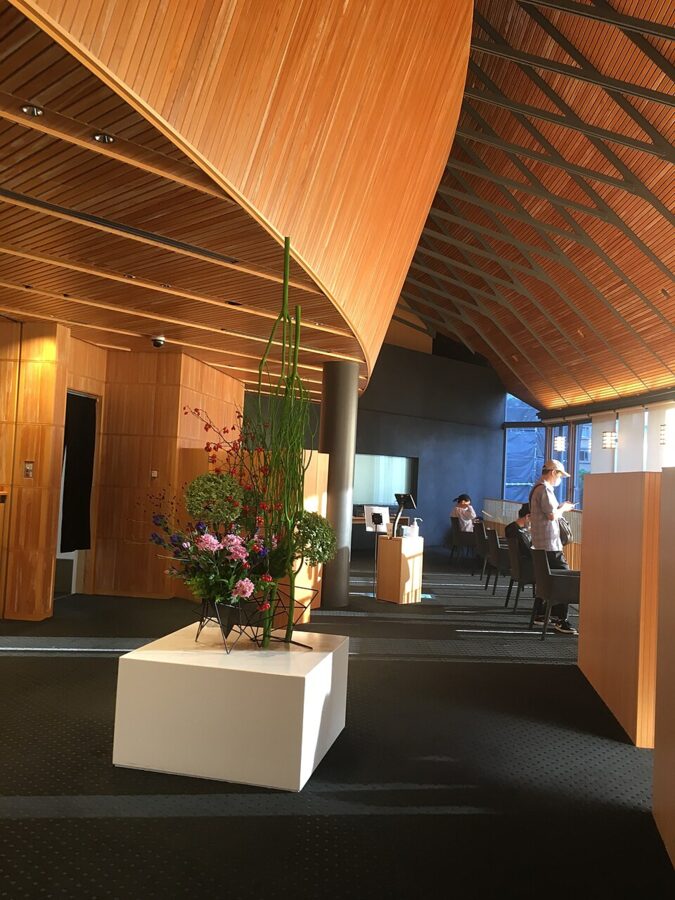

Street sweets are the cheaper end. Usagiya in Ueno, across Chuo-dori from the Matsuzakaya and PARCO building, raised its dorayaki, red-bean paste between two pancakes, from ¥240 to ¥270 on April 10, 2026. It opens 9:00 to 18:00, closes Wednesdays, takes cash only, and bakes dorayaki until 16:00; after that, phone ahead.
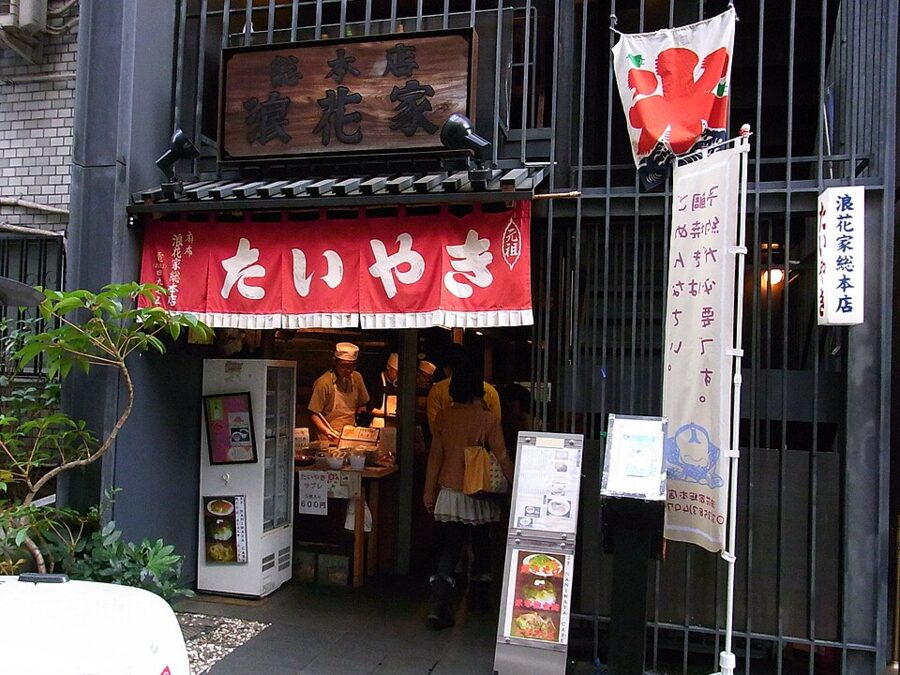
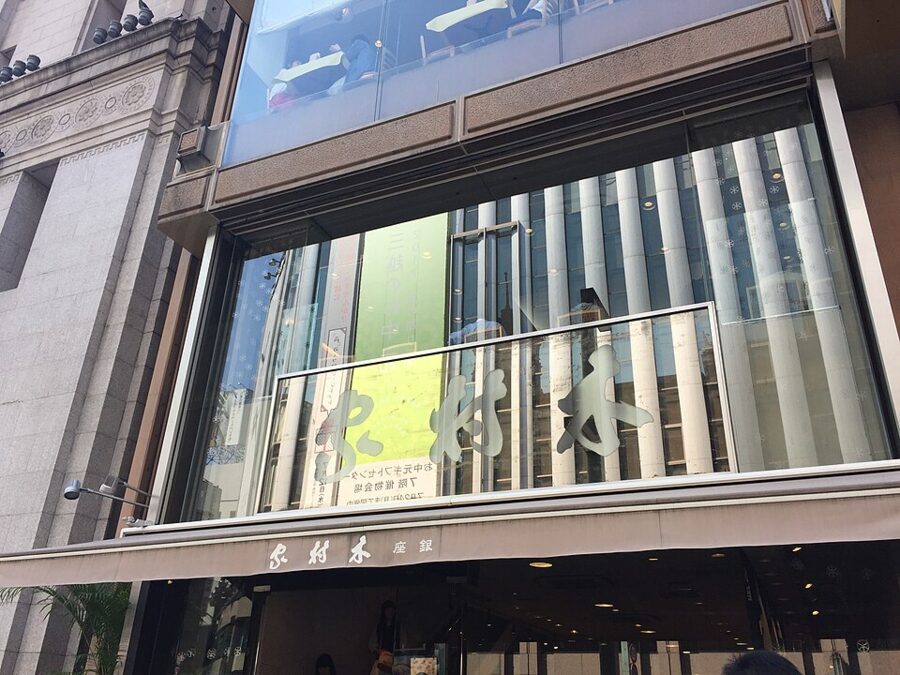
Naniwaya Sohonten in Azabu-Juban, by Exit 4 of the Namboku Line and Exit 7 of the Oedo Line, makes taiyaki, the fish-shaped cake filled with bean paste, one iron mold at a time. It opens 11:00 to 19:00 and closes Tuesdays and Wednesdays, cash only. Ginza Kimuraya, on Chuo-dori in Ginza 4-chome, sells the sweet bean bun, anpan, 10:00 to 20:00, closing only December 31 and January 1.


The markets
Tsukiji Outer Market
The wholesale fish market left Tsukiji for Toyosu in October 2018, but the outer market, Tsukiji Jogai Shijo (築地場外市場), with its shops and small restaurants, stayed. It sells sushi breakfasts, rolled omelet, grilled seafood, knives, dried bonito and tea. The market calendar gives the hours: 6:00 to 9:00 is for professional buyers, 9:00 to 14:00 is the public’s time, and after 14:00 shops close as they please. Individual shops set their own closing days, and many follow the wholesale market’s, which means Sundays, public holidays and some Wednesdays.
The market’s manners page is worth reading before you go. Eat inside the shop or in a designated eating space, not while walking.
Leave big bags in a coin locker; strollers can be left at the Plat Tsukiji information center for ¥500. Ask before photographing a shop, do not touch the food, do not bargain. In December, the month locals shop for New Year, the market asks visitors to skip sightseeing and group tours altogether.

Toyosu Market
Toyosu Market (豊洲市場), the working wholesale market in Koto ward, sits at Shijo-mae Station on the Yurikamome, whose ticket gates open straight onto the market’s pedestrian deck. The visitor walkways, which include the restaurant and shop areas, open 5:00 to 17:00, and you cannot eat or drink in the walkways themselves. On Sundays, public holidays and other market holidays the whole market, restaurants included, is closed.
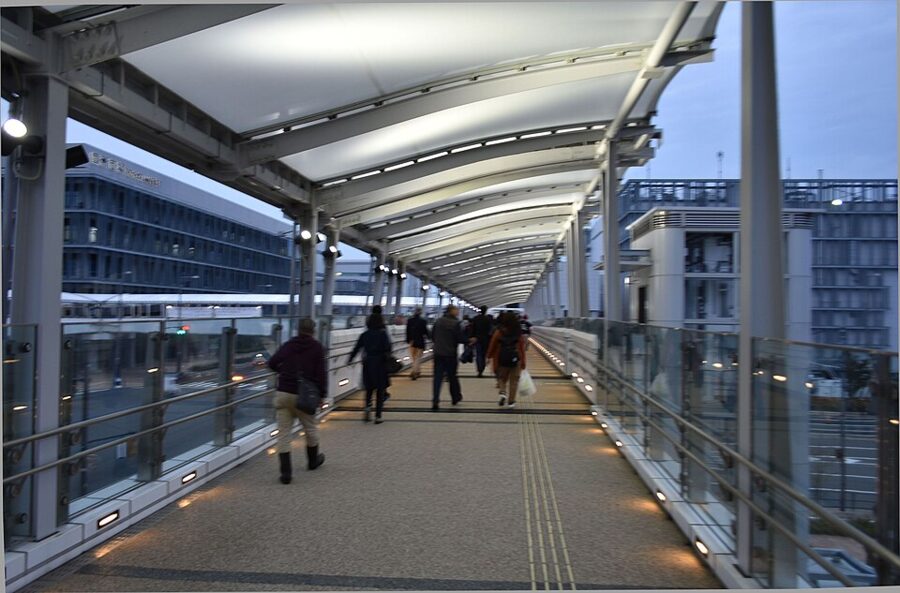

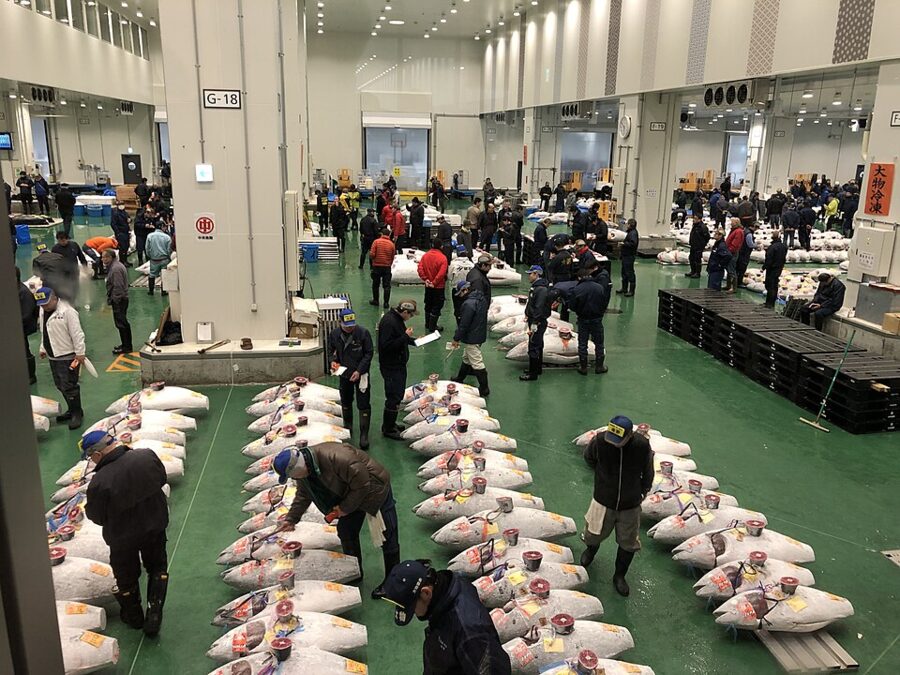
To watch the tuna auction from the observation deck, you apply for the early-morning tuna auction lottery, run month by month, free, for groups of up to five, with photo ID checked on the day. There is no same-day entry to the deck, and no applications are taken for December 25 to January 5. Anyone can watch from the second-floor gallery without applying, from 5:00 on market days.

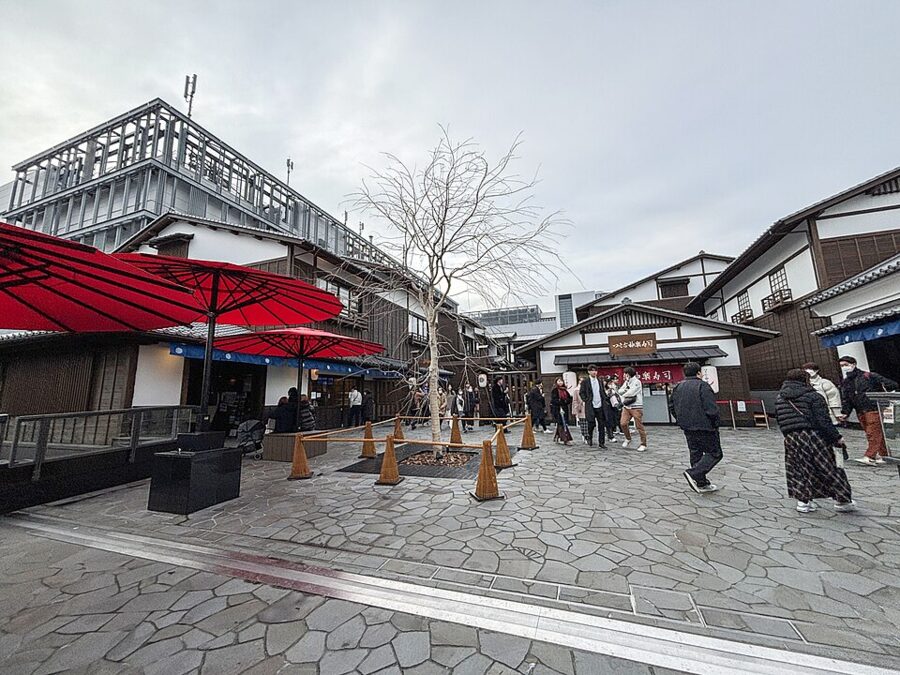
Next door, Toyosu Senkyaku Banrai is an Edo-style food and hot-spring complex with sushi, seafood bowls, a food court and a free rooftop footbath on the eighth floor. It changed its name on September 1, 2025, from Toyosu Jogai Edomae Ichiba, and the market restaurants and its own keep different hours, so check both.

Ameyoko
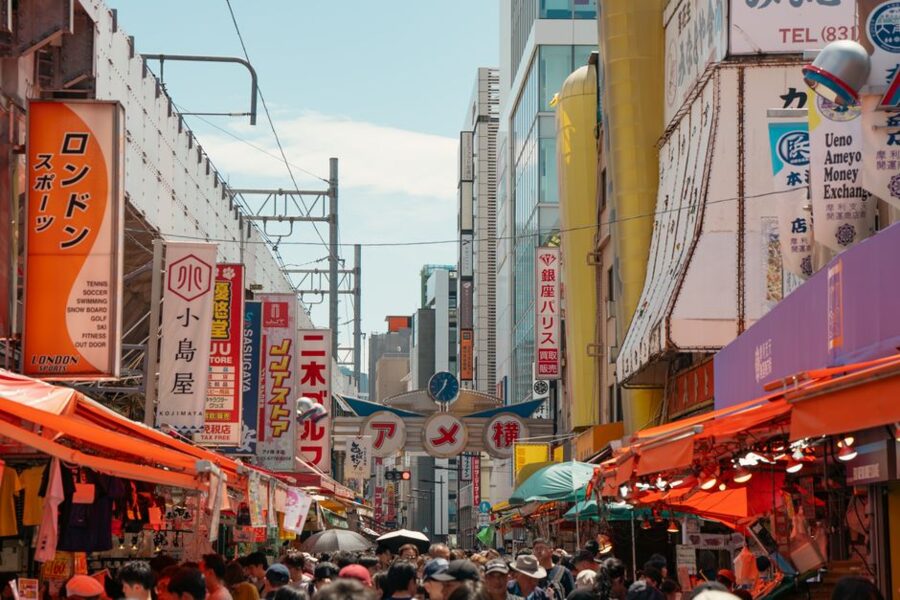
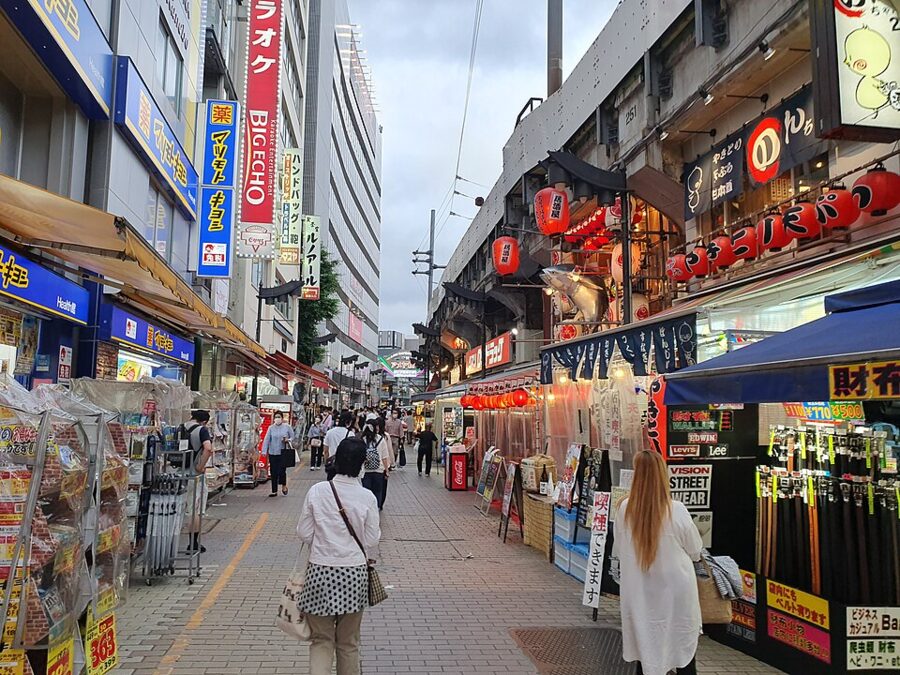
Ameya Yokocho, Ameyoko (アメ横) for short, is a market street of about 400 shops along 500 to 600 meters of JR viaduct between Okachimachi and Ueno stations. It began as a postwar black market and sells dried fish, seafood bowls, fruit on sticks, spices, sweets and cheap clothes. The shopping street’s own site sums it up as eating on the move, shopping and a quick drink.
The alleys under the tracks hold standing bars and izakaya that stay busy into the evening. In late December the street turns into the city’s New Year food shop and becomes almost impassable; go on a weekday morning in any other month.
Shotengai shopping streets
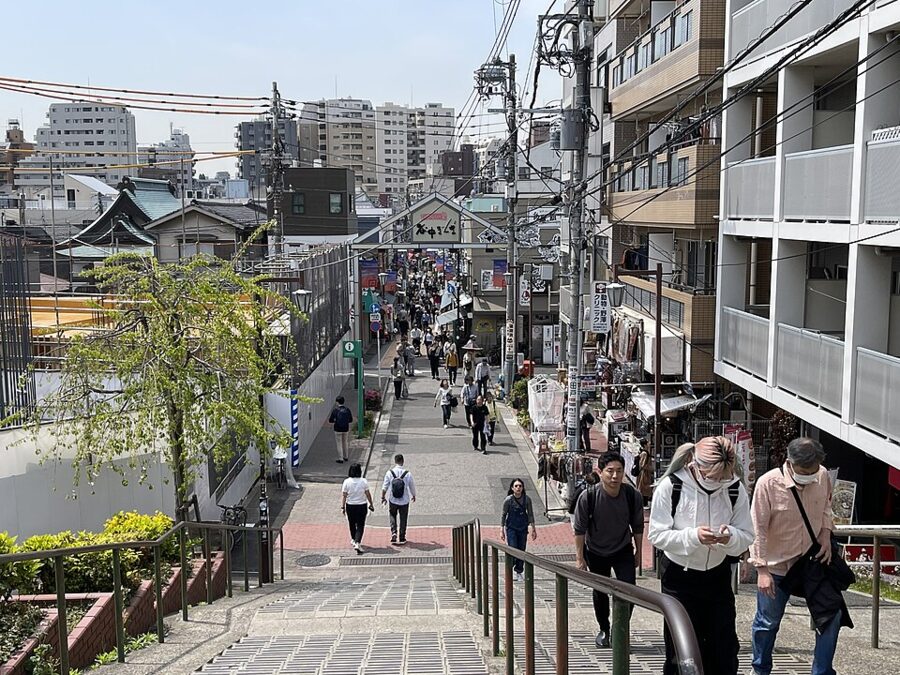
Every Tokyo neighborhood has a shotengai, a covered or open shopping street of family shops, and the food on them is the city’s cheapest snacking. Yanaka Ginza, at the bottom of the Yuyake Dandan steps on the walk from Nippori Station, sells croquettes, skewers and sweets from small counters. Its association runs a New Year walk around the Yanaka Seven Lucky Gods, held on January 3 and 4 in 2026.

Eating by district: a short pass
These are the districts where the food is a reason to go. For where each one sits and how they connect, see Tokyo’s neighborhoods.
Ginza has the sushi counters, the depachika and the old bakeries: Kyubey in 8-chome, Kimuraya at the 4-chome crossing, Cafe de l’Ambre near Shimbashi, and a lunch set at a fraction of dinner. Shinjuku has Omoide Yokocho on the west side, Tsunahachi and the Isetan food halls on the east, and ramen at almost any hour.
Asakusa and Ueno, the old east side, cover tempura bowls, sukiyaki, okonomiyaki at Sometaro, the snack stalls of Nakamise-dori and the dorayaki at Usagiya. Kanda and Jimbocho, between Akihabara and the Imperial Palace, have the two classic soba houses, Bondy’s curry and Sabouru’s coffee. Akihabara itself is good for fast, cheap food: Fuji Soba, and a branch of the vegan ramen shop T’s Tantan just outside the Electric Town gate of JR Akihabara Station.
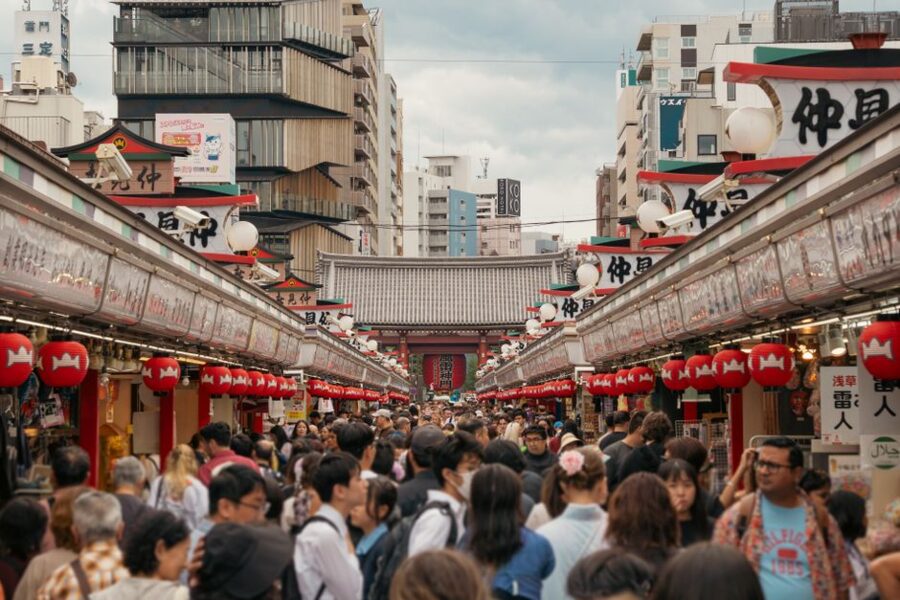
Harajuku and Omotesando have AFURI’s ramen and Maisen’s tonkatsu, five minutes apart on foot.
Tsukishima is monja; Ryogoku, by the sumo hall, is chanko hotpot, the wrestlers’ stew. Tomoegata, three minutes from JR Ryogoku Station, serves it at lunch from 11:30 and at dinner from 17:00, or 16:30 at weekends, and closes Mondays. Azabu-Juban has Naniwaya’s taiyaki, and Meguro has Tonki. Shibuya has its own guide, depachika and all.
Vegetarian, vegan, halal and allergies
Vegetarian and vegan
Fish stock, dashi, made from dried bonito, is in miso soup, noodle broths, most simmered dishes and many sauces. “No meat” in a Japanese kitchen often means fish is fine. Say you eat no meat and no fish, niku to sakana wa tabemasen, and ask about the stock, dashi wa nan desu ka.
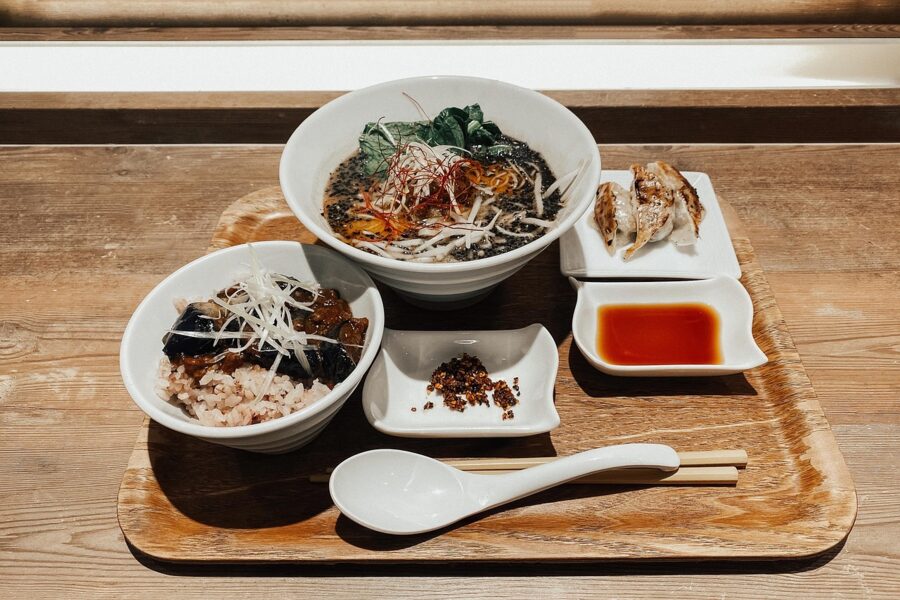
Dedicated places make life easier. T’s Tantan serves ramen with no meat, fish, dairy or egg, with branches in Tokyo Station’s Gransta Tokyo basement, inside the gates at JR Ikebukuro and JR Ueno, and outside the Electric Town gate in Akihabara. Ain Soph, a vegan restaurant group open since 2009, has restaurants in Ginza, Shinjuku-sanchome and Ikebukuro. On Tokyo Ramen Street, Soranoiro NIPPON lists vegan and gluten-free bowls.
Halal
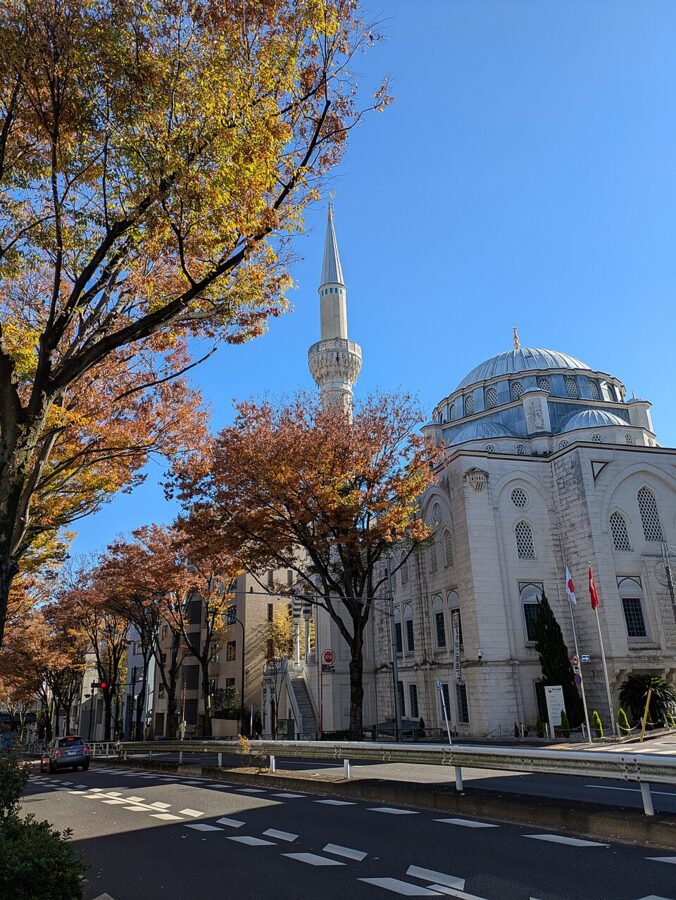
Pork and pork extract turn up in ramen broth, gyoza, curry roux and many sauces, and mirin and sake are used in a lot of Japanese cooking. Halal-certified restaurants are concentrated around the city’s mosques and in Asakusa. Tokyo Camii, the mosque in Oyamacho, Shibuya ward, near Yoyogi-Uehara Station, posts daily prayer times and runs a halal market.

Allergies
Japan’s food labeling law requires packaged, processed food to list the allergens it contains. The Consumer Affairs Agency added cashew nuts to the mandatory list on April 1, 2026, which now has nine items: shrimp, cashew, crab, walnut, wheat, buckwheat, egg, milk and peanut. Makers have a two-year transition for cashew. Another 20 ingredients, including soy, sesame, salmon and pistachio, which was also added in April 2026, are recommended but not required.
The rule covers what you buy wrapped at a konbini or depachika, not what a restaurant cooks for you. Restaurants have no such duty, so carry a card in Japanese that names your allergy: … arerugi ga arimasu, “I have a … allergy.” Be especially careful at soba shops if you react to buckwheat, because udon and soba are often boiled in the same water.
Etiquette that changes what you do
Lines. Join the end of the line outside, do not hold a place for friends who are not there, and when the line has a ticket machine, buy the ticket when staff tell you to, which is often before you reach the door. At Sushi Dai the line starts before the 5:00 slot handout.
Slurping. Fine with noodles; it cools them. Blowing your nose at the table is the thing that draws looks.
Eating while walking. Not illegal, but discouraged in crowded places. The Tsukiji Outer Market asks you to eat inside the shop or in a designated space, the Toyosu walkways ban eating and drinking, and on Nakamise-dori the polite thing is to finish at the stall. Konbini usually have a bin by the door; there are few public ones elsewhere, so carry your trash.
Tipping. None, anywhere. Leave money on the table and someone may follow you out to return it. The charges that replace it are on the bill: an otoshi seating charge at izakaya and bars, and a service charge, such as Kyubey’s 10% at dinner, at some high-end places.
Paying. At most restaurants you pay at the register by the door, not at the table; take the bill there. Put cash or card in the small tray rather than handing it over. Say gochisosama deshita, roughly “that was a feast,” on the way out, and the cook will look up.
Back at Yoshinoya, the nine yen between eating in and taking out are the cheapest lesson in Tokyo food. Sit at the counter for noodles and the old houses, carry out from the depachika and konbini, and book the counter you saved for at lunch, not dinner. If the Diet passes the food tax cut, check the takeaway prices again after April 1, 2027; that is when the gap stops being small change.