

Since April 1, 2026, a ticket to the top of Tokyo Skytree has cost a different amount almost every day. On the convenience-store system in late 2026, both decks cost an adult ¥3,200–3,400 on a weekday, ¥4,000 on a Saturday and ¥4,400 over the New Year holidays, and the tower adds ¥500 a head if you buy at its own counter on the day. The price follows the calendar and the crowd, not the weather, so a hazy Saturday afternoon is the most you can pay for the least you can see.
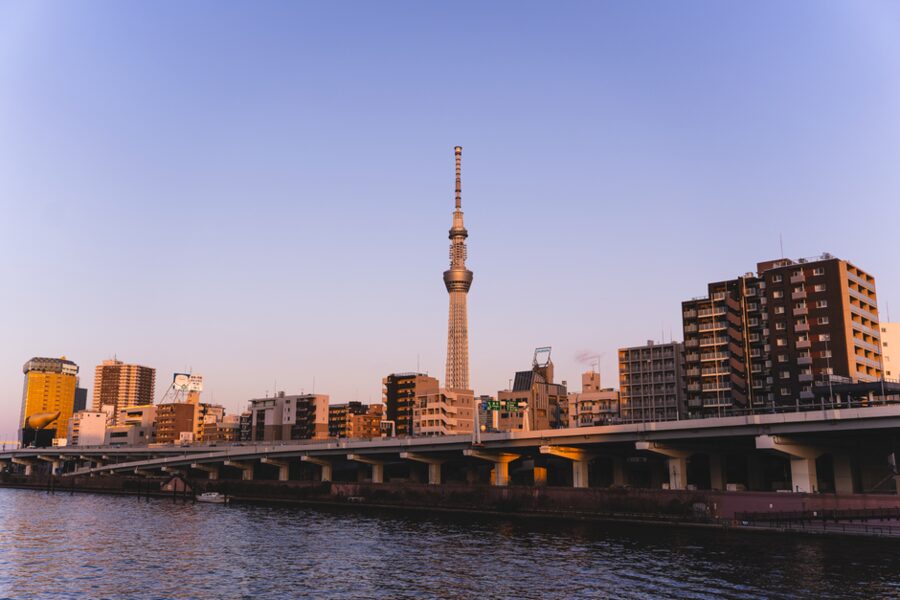
So the answer comes first. Buy the combined ticket for both decks online, for a weekday, for the first entry slot of the day (10:00 on weekdays, 09:00 at weekends and on holidays), and pick a morning between November and February when the forecast is clear. That is the cheapest and emptiest Skytree there is, and the only one where Mount Fuji is likely to show. If the morning turns out hazy, the lower deck alone is enough.
Is it worth it at all? The free observatory at the Tokyo Metropolitan Government Building in Shinjuku sits at 202 m and costs nothing, and Shibuya Sky gives you an open roof at 229 m for ¥2,700 before 15:00. Skytree’s lower deck is more than 100 m higher than either, and the view is different in kind: the whole flat sprawl of eastern Tokyo, the rivers, the bay and, on the right morning, Fuji standing over the western edge. I’d pay for it once, on a clear weekday, and not on any other terms.



The tower and its two decks
Tokyo Skytree (東京スカイツリー) is 634 m tall, and Guinness World Records certified it as the world’s tallest tower on November 17, 2011. The number was chosen on purpose: 6-3-4 can be read as mu-sa-shi, the name of the old province that covered Tokyo, according to the operator’s own account of the height. Tobu Railway built it on an old freight yard beside its line in Oshiage, Sumida ward, and it opened on May 22, 2012; by May 2013 it had taken over from Tokyo Tower as the main broadcasting mast for the capital’s television stations.
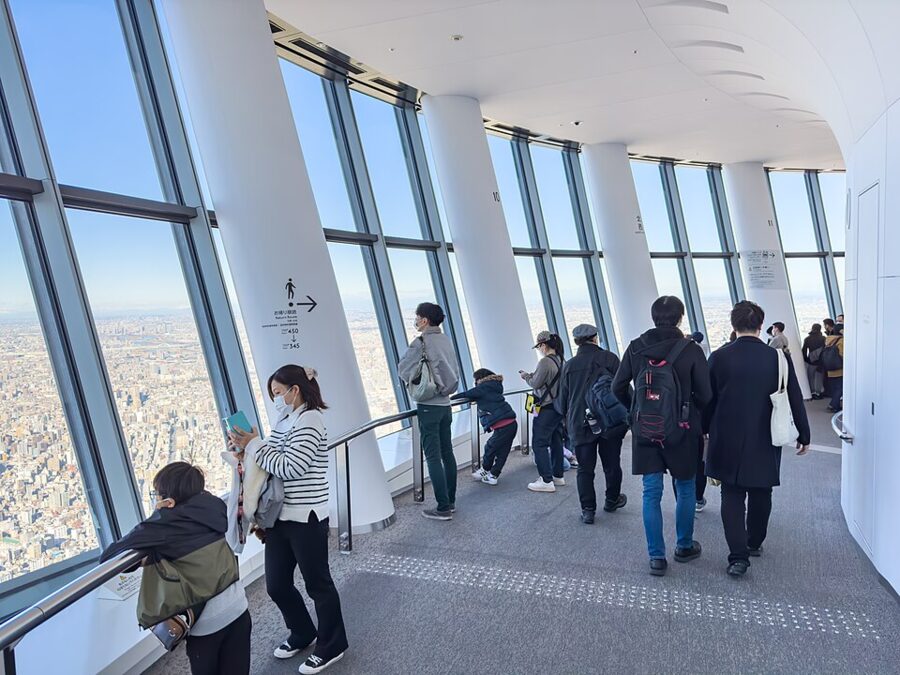
You see two parts of it. The Tembo Deck spans floors 340 to 350 and holds about 2,000 people; the Tembo Galleria spans 445 to 450 and holds about 900. The lifts from the fourth floor reach 350 m in about 50 seconds at 600 m a minute, and a second, slower pair runs from the Tembo Deck to the Galleria in about 30 seconds. The tower passed 50 million visitors on September 21, 2024, which tells you how many people you will be sharing those lifts with.
The route is one-way and worth knowing before you go up. You arrive on floor 350, take the second lift to 445 if you have a Galleria ticket, walk up the ramp to 450, ride down to 345, take the escalator to 340, and leave by lift for the fifth-floor exit. Once you are back on the ground, there is no re-entry.
Tembo Deck: floors 350, 345 and 340
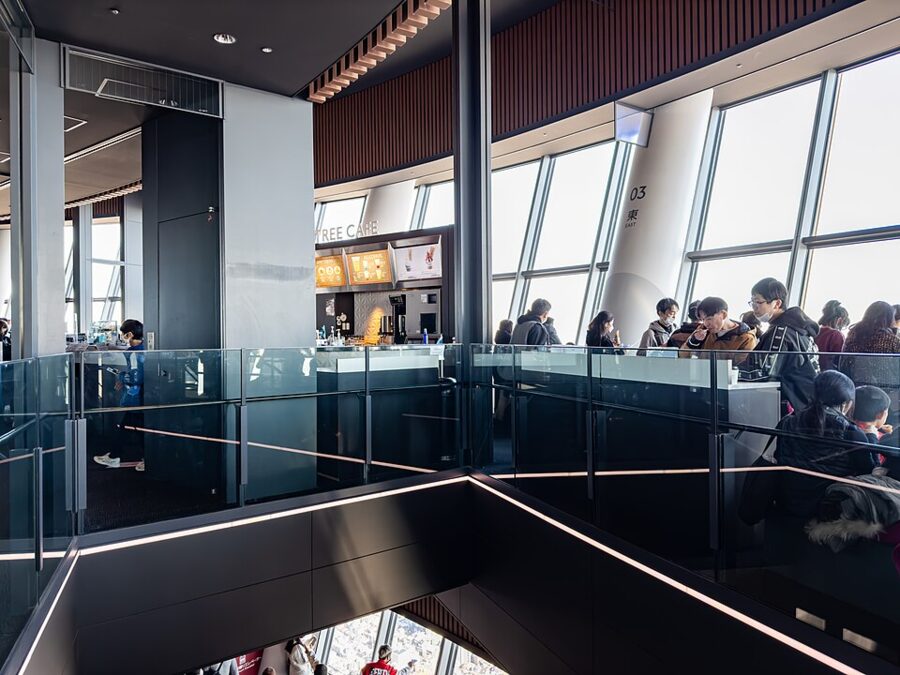

Floor 350 is where the lift opens, and it is the busiest of the three. The standing SKYTREE CAFE 350 sells drinks you can carry around the floor, and since July 19, 2024 seven 85-inch 8K screens around the windows play time-lapse footage of the view outside, which is useful mainly on days when the real one is white. The machines that sell the Galleria add-on are here too.
Floor 345 holds Sky Restaurant 634, the SKYTREE SHOP that sells goods found only on the deck, and a post box whose letters get a special postmark. The restaurant needs a Tembo Deck ticket on top of the meal. As listed on the tower’s daily hours page in November 2026, lunch runs 12:00–16:00 on weekdays and 11:30–16:00 at weekends and on holidays, and dinner 17:30–22:00 on weekdays and from 17:00 at weekends.
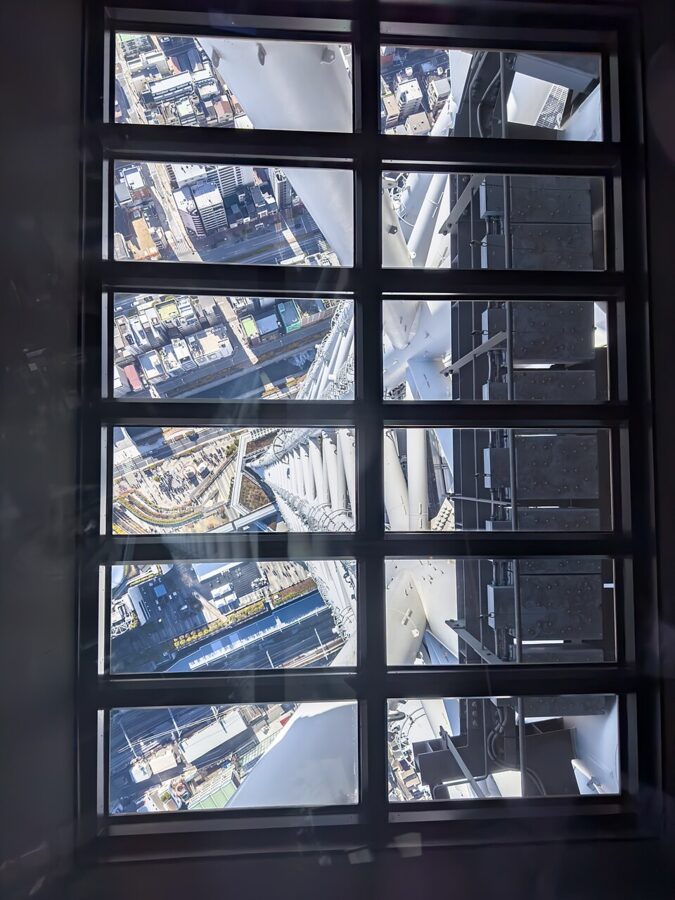

Floor 340 is the quiet one, because most people reach it on the way out. It has the glass floor, the tower’s 2 m by 3 m panel over a 340 m drop, and SKYTREE CAFE 340, the only seated cafe on the deck, open 10:00–21:45 with last orders at 21:15. If you want to sit with a coffee and the view, this is the place, and it takes no reservations.

Tembo Galleria and Sorakara Point
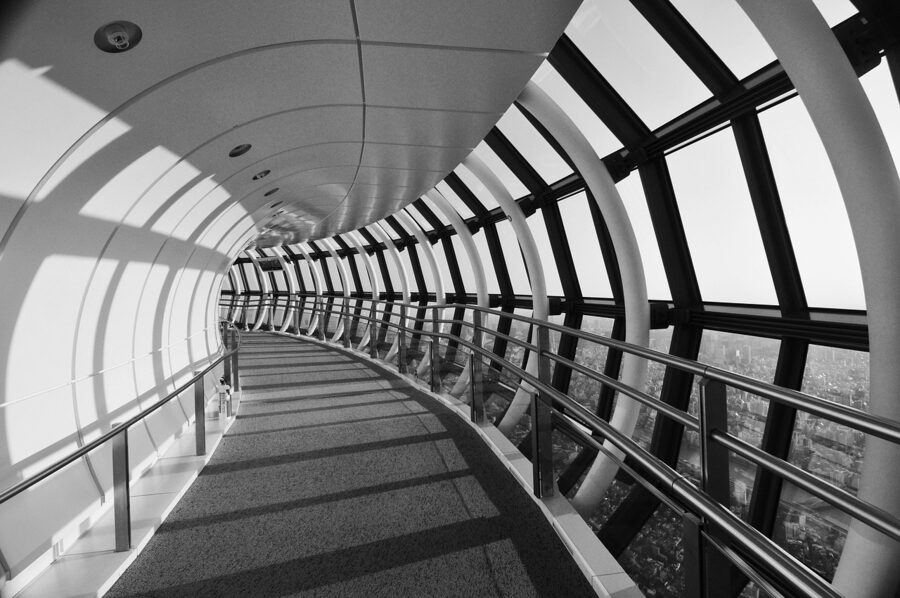
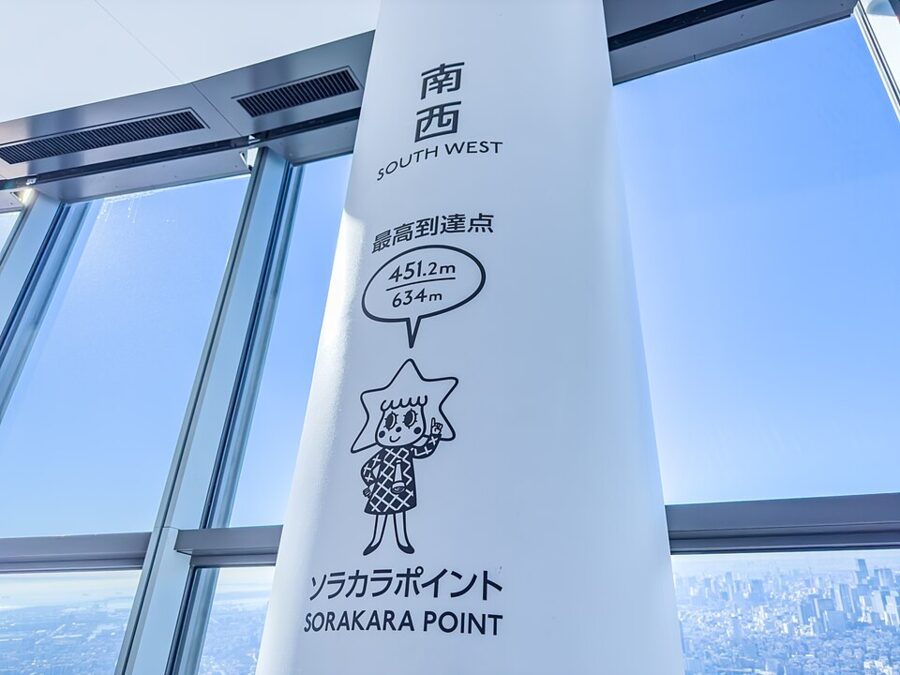
The Galleria is a sloping glass tube about 110 m long that spirals from floor 445 to floor 450 around the outside of the tower. It feels more like walking in the sky than the deck below, because the glass curves over your head and the floor rises under you. At the top is Sorakara Point, which the operator gives as 451.2 m, the highest point in the tower that the public can reach.
Is the extra 100 m worth it? On a clear day, yes: the extra height flattens the city into a map and pushes the horizon out to the mountains. On a hazy day it is the same gray from a little higher, and the second lift is one more line to stand in. Buy the combined ticket only if the forecast is good, and buy the deck-only ticket if it isn’t; you can still add the Galleria at the top if the sky clears.

What you see, and when Fuji shows
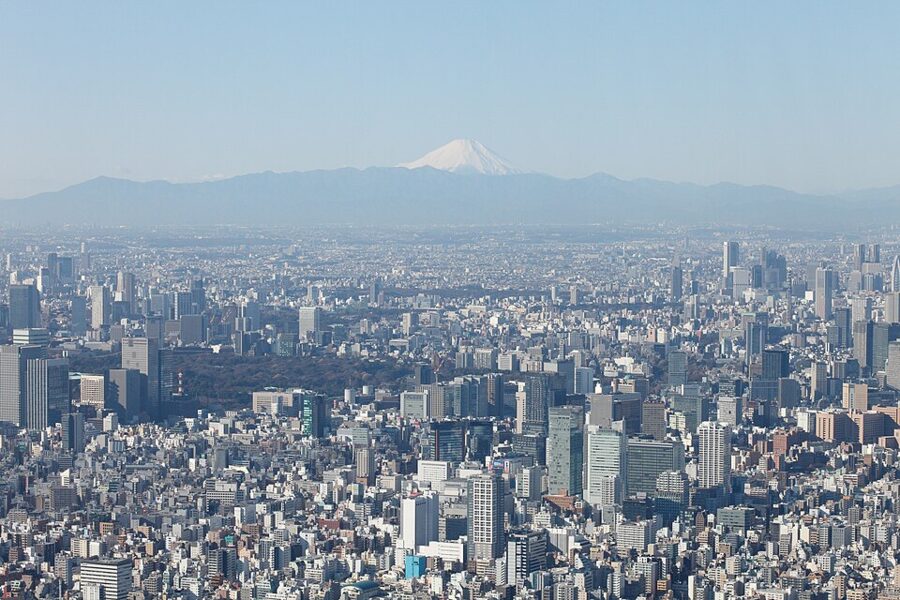
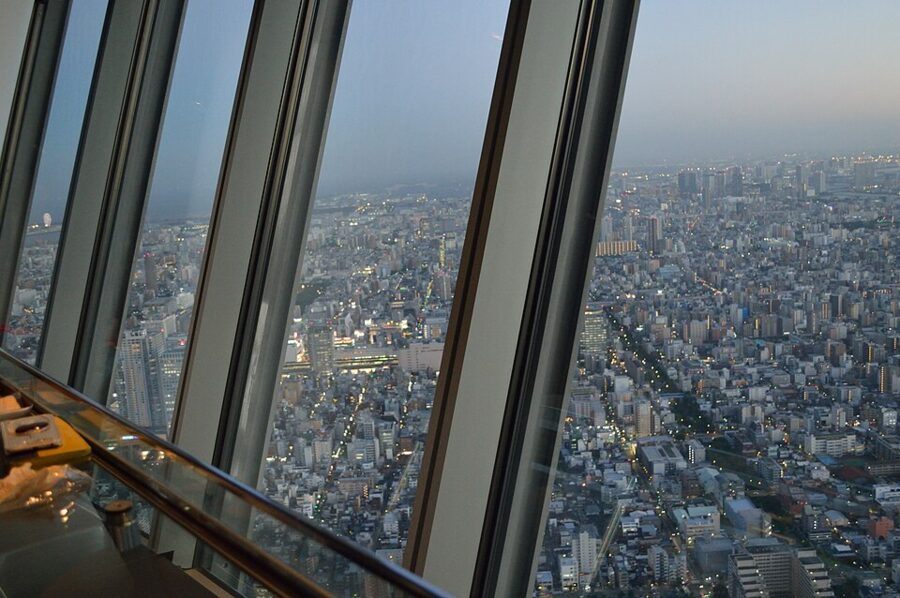
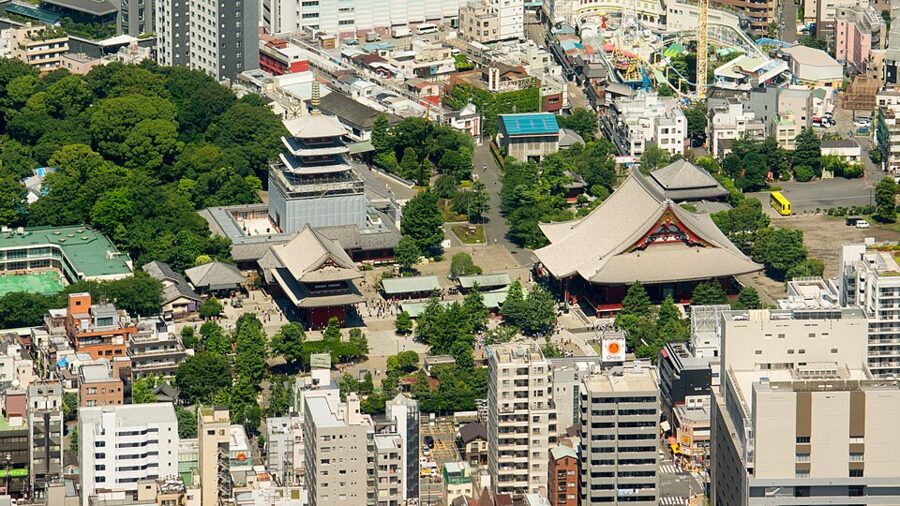
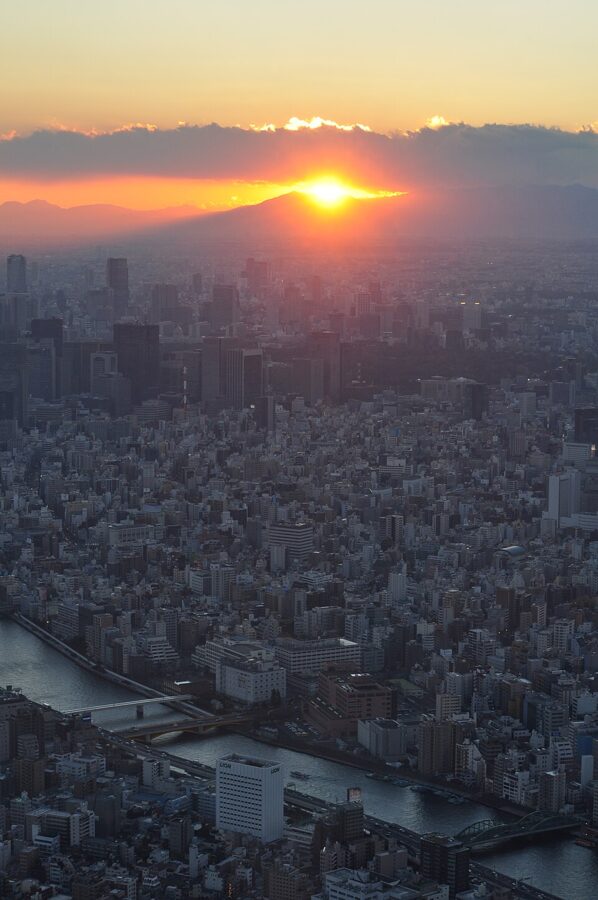
Look west first. Directly below the tower the Sumida River bends past Asakusa, and the roofs of Senso-ji sit in their block of green just across it. Beyond them the towers of Ueno, Akihabara and then Shinjuku stack up toward the horizon, and in the far west-southwest stands Mount Fuji. To the south the river runs out to Tokyo Bay, and to the north and east the low-rise city simply carries on to the Arakawa River and the Kanto Plain.

Fuji is the reason to time the visit. The tower’s own answers to visitors’ questions say the air is clearest from November to February and that early morning gives the best chance of seeing the mountain. In practice that means the first slot of a cold, dry day. From spring to autumn the odds drop, and the tower gives no refunds for poor visibility.
Twice a year the sun sets exactly into Fuji’s summit as seen from the decks, the effect called Diamond Fuji. The tower announces the dates on its news page: around 16:30 on November 8, 2026, around 17:00 on February 3, 2026, and around 16:29 on November 7, 2025. The pattern holds every year, early November and early February, and those are the sunset slots worth booking weeks out.

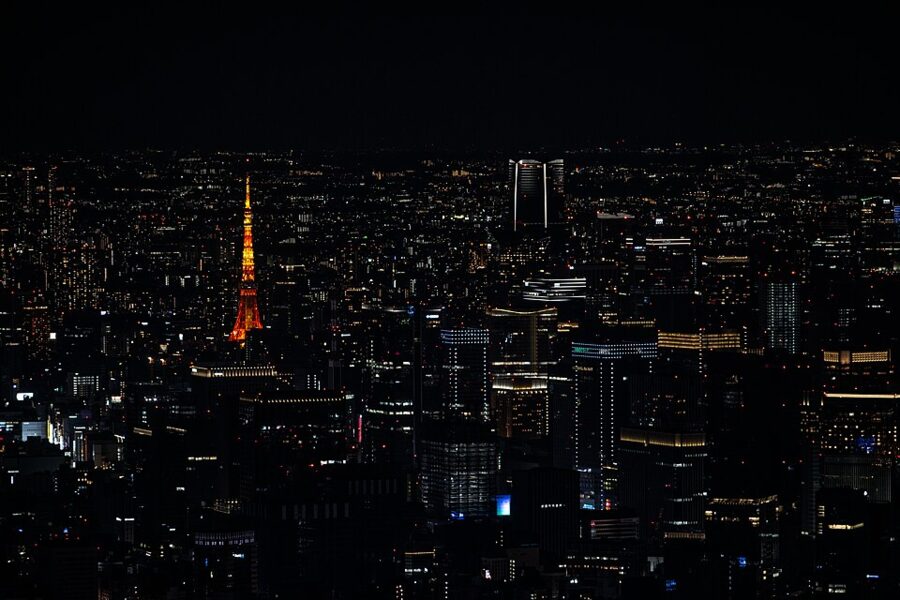
After dark, the deck is about lights rather than landmarks. Tokyo Tower shows up as an orange spike to the southwest, Shinjuku glows to the west, and the bridges over the Sumida trace the river south. It is a good view, but a night view is something every deck in Tokyo has, and several of them do it for less.

Tickets and prices, late 2026
The tower switched individual admission to variable pricing for entries from April 1, 2026, according to its own timeline. The ticket page lists only floor prices: from ¥3,000 for an adult with both decks and from ¥1,800 for the Tembo Deck alone. Adults are 15 and over (high school students and older); children’s tickets, for ages 6 to 14, cost half. Under-fives, and six-year-olds who have not started school, go free.
What you actually pay depends on the day. These are the adult price levels the Seven-Eleven ticket system, which sells the same time-slot tickets, listed in November 2026 for dates from late November 2026 to mid-January 2027:
| Kind of day | Both decks (adult) | Tembo Deck only (adult) |
|---|---|---|
| Weekday, mid-January | ¥3,200 | ¥2,000 |
| Weekday, late November and December | ¥3,400 | ¥2,200 |
| Saturday | ¥4,000 | ¥2,800 |
| New Year holidays (December 31, January 1) | ¥4,400 | ¥3,200 |
On the dates I checked, the morning and late-afternoon slots cost the same: the date sets the price, not the hour. Add ¥500 per ticket if you buy at the fourth-floor counter or the machines beside it on the day.
Where to buy, and when sales open
There are four ways in. The tower’s official online ticket site, run by LINKTIVITY, takes Visa, Mastercard, JCB, American Express, Diners Club, PayPay, WeChat Pay and Alipay but not cash.
Seven-Eleven’s multi-copy machines sell the same tickets for cash. The counter on the fourth floor sells same-day tickets with the ¥500 surcharge, and on busy days it can stop selling altogether. A few official hotels and travel agencies also sell them.
All of them are date-and-time tickets in 30-minute slots, and each purchase covers up to eight people. On Seven-Eleven’s system, each month’s slots go on sale at 00:00 on the first day of the month two months before: January 2027 opened on November 1, 2026. The crowded hours, 16:00 to 19:00, are the slots to book early.
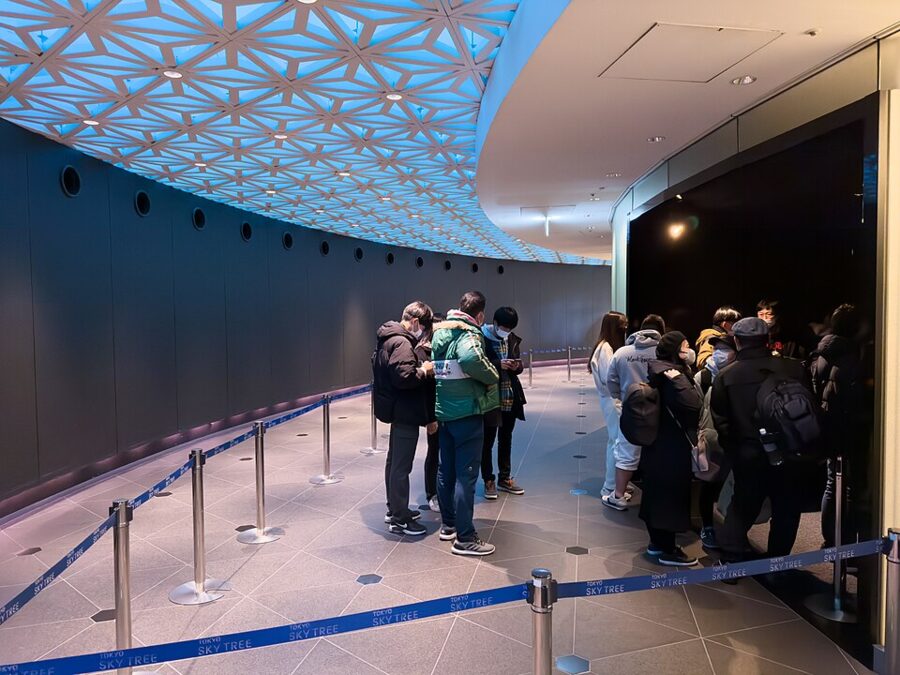
Bring the QR code on your phone; the tower accepts a screenshot, which saves you from a slow connection in the entrance hall. If you are late for your slot, you can still enter the same day, but you join the line behind the people who are on time.
The Galleria add-on, and why the combo is cheaper
If you buy the deck-only ticket, you can add the Galleria at the machines on floor 350: ¥1,400 for an adult and ¥700 for a child, with no counter surcharge. Only Tembo Deck ticket holders can buy it, and sales stop when the upper deck is full. Add it up and the combined ticket is ¥200 cheaper than the two bought separately at every price level in the table above.
That ¥200 is the price of keeping your options open, and on a doubtful day it is worth paying. Buy the deck-only ticket, look out of the window at 350 m, and decide there.
Fast tickets, cancellations and the small print
The Fast Skytree Ticket, a priority ticket for overseas visitors that the tower started selling on February 19, 2015, is no longer sold, and the tower says plainly that it offers no priority admission. The only way past the counter line is a ticket bought in advance, which uses its own entry lane.
You cannot change the date or time of a ticket; you cancel and buy again. Under the cancellation rules for online tickets, cancelling within 59 minutes of purchase is free, from 30 days before your visit until your slot costs 20% of the price, and after the slot starts you lose the whole amount. Bad weather does not change that, and neither does a whiteout at the top.
Check your bags before you leave the hotel. The tower’s list of prohibited items bans luggage with any side over 60 cm, which rules out most suitcases, along with drinks in cups and anything without a resealable lid. Coin lockers are on the fourth floor and around Solamachi, and there is a paid baggage counter on the first floor, so the airport run and the tower can share a day.
Two special tickets are worth a look. The Morning View Ticket, from ¥2,500 for an adult, adds a soft drink and a snack at the cafe on floor 350 to a Tembo Deck entry in the early slots. The Night View Ticket, from ¥2,400, adds one alcoholic drink in the evening. Both are limited to certain entry times that change with the season.
When to go
The tower’s crowd forecast is blunt about it. The decks are emptiest right after opening, 10:00 on weekdays and 09:00 at weekends and on holidays, and they are fullest from 16:00 to 19:00, when people come for the sunset and stay for the lights. The tower recommends anything from opening to about 15:00 if you want space at the window. A visit takes about an hour for the Tembo Deck and an hour to an hour and a half with the Galleria.
The decks open 10:00–22:00 on weekdays and 09:00–22:00 at weekends and on holidays, with the last entry at 21:00, as the listings for December 2026 give them; the tower notes that hours can change by season. In late November the sun sets at about 16:29, so a 15:30 slot puts you on the deck for the colors and the first city lights. That slot is the expensive kind of crowded, and the hour before closing is the quiet alternative for a night view.
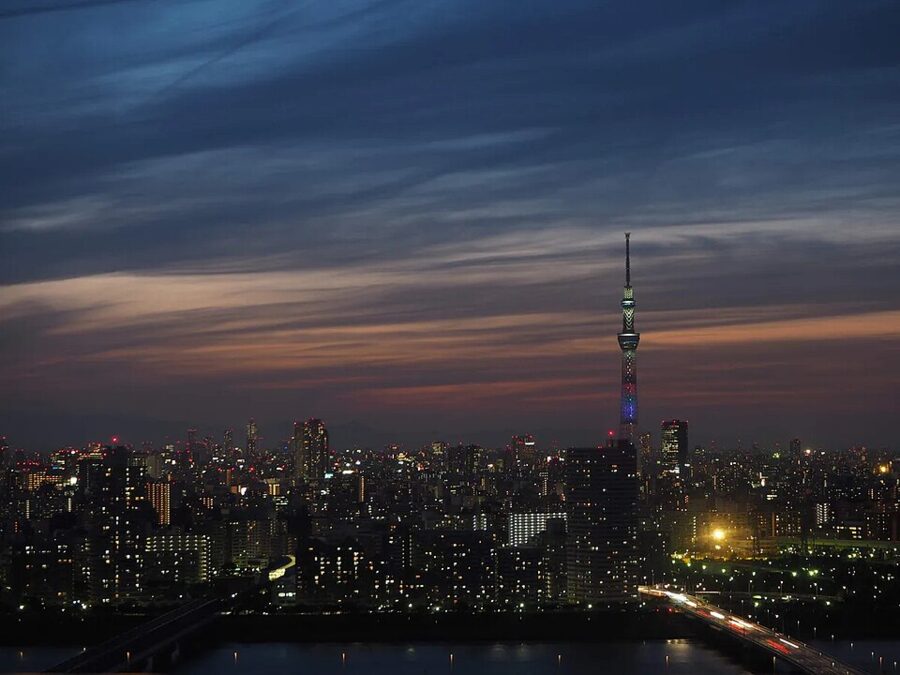

Watch the forecast more than the clock. A clear winter morning beats every other time, and a day of low cloud can leave you inside a white box at 350 m with no refund. Tokyo’s rainy season in June and July and the haze of high summer are the worst months for distance; the Tokyo weather guide has the month-by-month pattern.
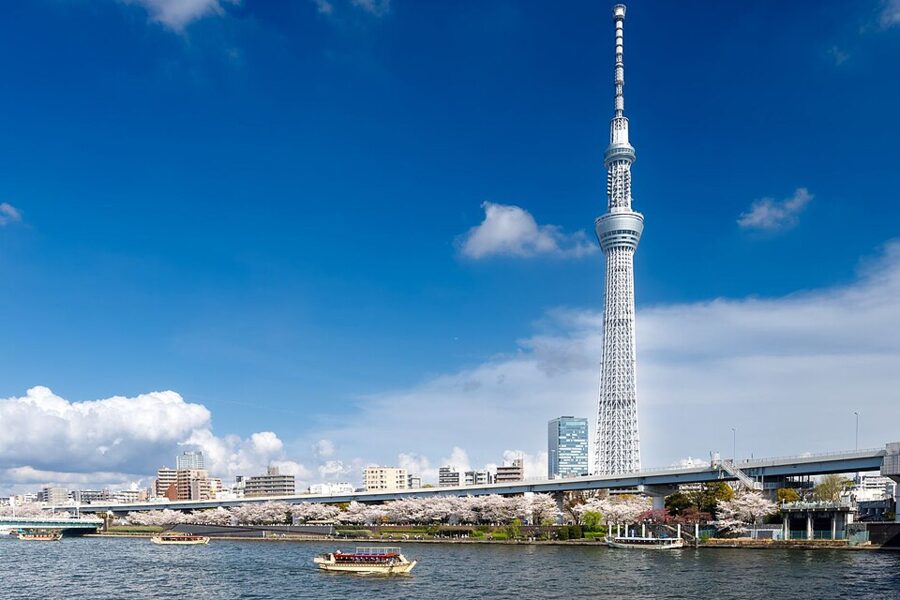
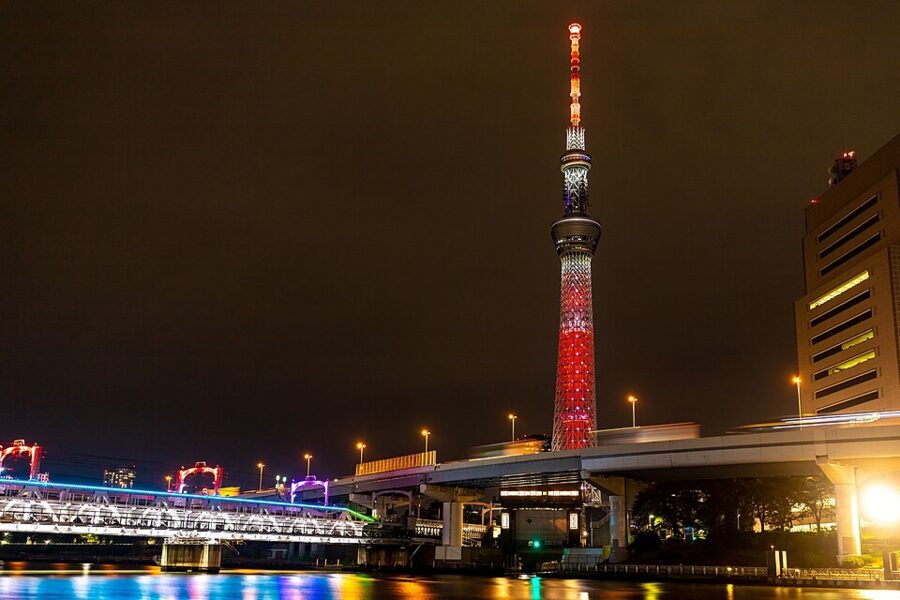
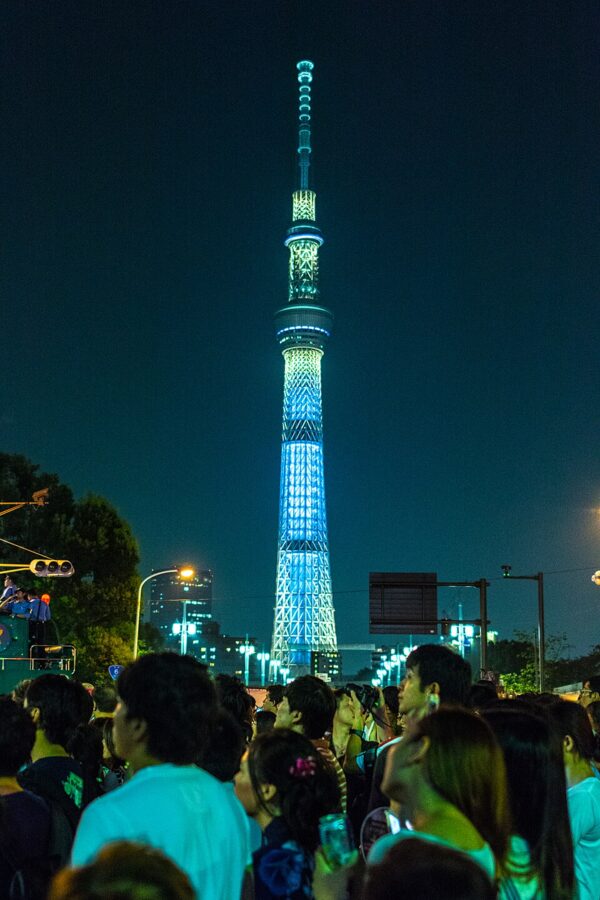
Seen from outside, the tower changes every evening. Three standard designs rotate nightly, as the lighting schedule shows: Iki, a pale blue taken from the Sumida River; Miyabi, in the purple called Edo-murasaki; and Nobori, in tachibana orange. The lights stay on until midnight, and special designs take over during events, for cherry blossom season and for Christmas.


Fireworks night and New Year’s morning
The Sumida River Fireworks fill the sky beside the tower on the last Saturday of July each year, and the tower runs a separate, ticketed session for them. In 2025 it sold 330 places by lottery at ¥12,000 each for an 18:00–20:30 session, split normal opening into 09:00–17:00 and 20:30–22:30, and stopped selling same-day tickets at the counter after 16:00, according to its notice for that night. The 2025 lottery opened on June 4, so watch for the notice in early June.

On New Year’s Day the tower opens early for the first sunrise of the year. For January 1, 2026, it took 800 people, sold the online tickets at ¥9,000 each from 12:00 on December 1, 2025, and sold out, as its sunrise notice records. The rule of thumb for any year: the details come out in the autumn and the tickets go on sale at the start of December.
Tokyo Solamachi, the aquarium and the planetarium below
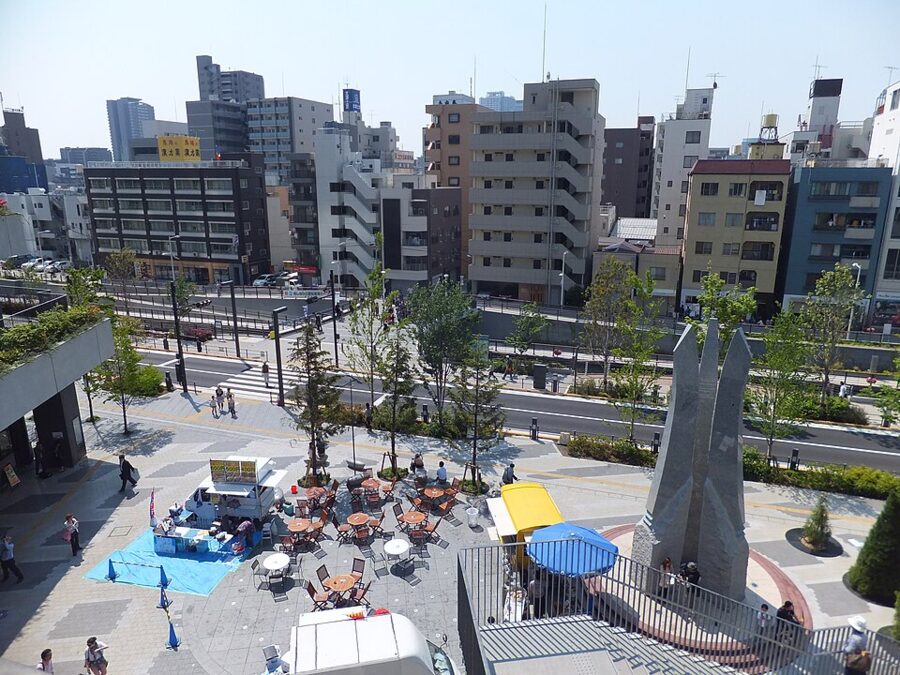

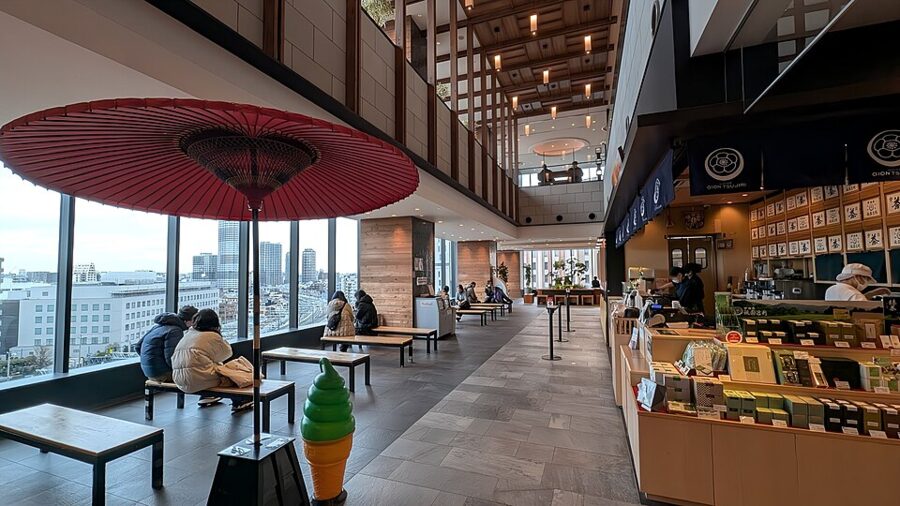
The tower stands on top of a shopping center. Tokyo Solamachi has more than 300 shops in three linked buildings, the West Yard, the Tower Yard and the East Yard, open 10:00–21:00, with the restaurant floors on 6F, 7F, 30F and 31F open 11:00–23:00. Show your deck ticket and participating shops give small discounts, and the complex runs a tax-free service.
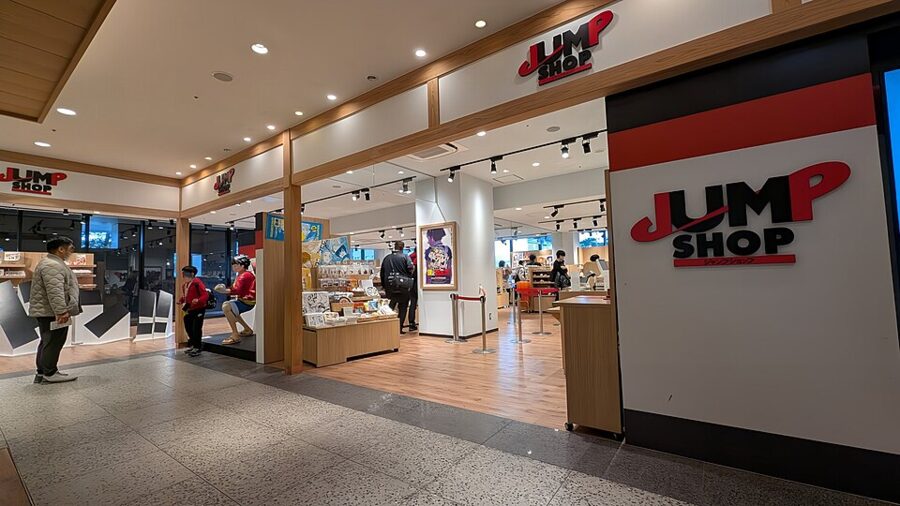
The shops worth the detour are the character stores. The fourth floor has the Pokemon Center Skytree Town, the Kirby Cafe, Sanrio and Ultraman World M78, plus a Japan souvenir zone; the third floor has a Disney Store and a Snoopy Town shop. The official SKYTREE SHOP on the tower’s fifth-floor exit level needs no deck ticket.
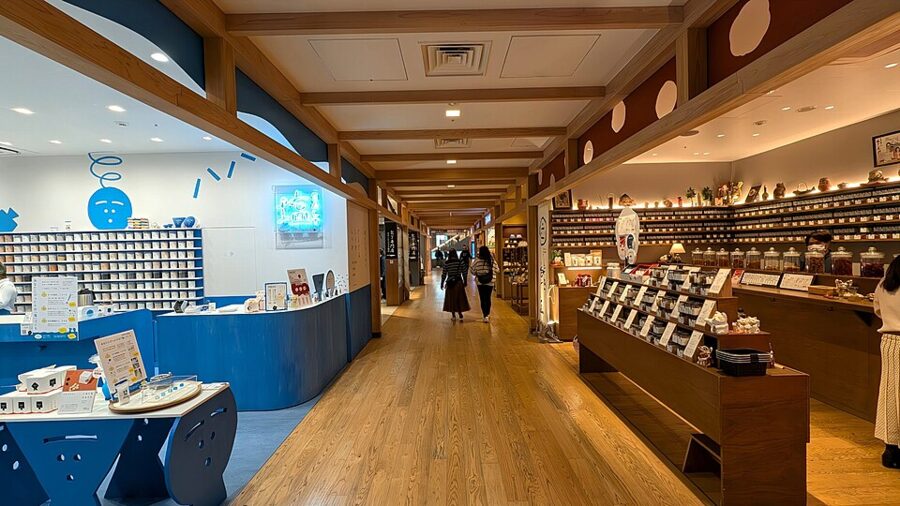

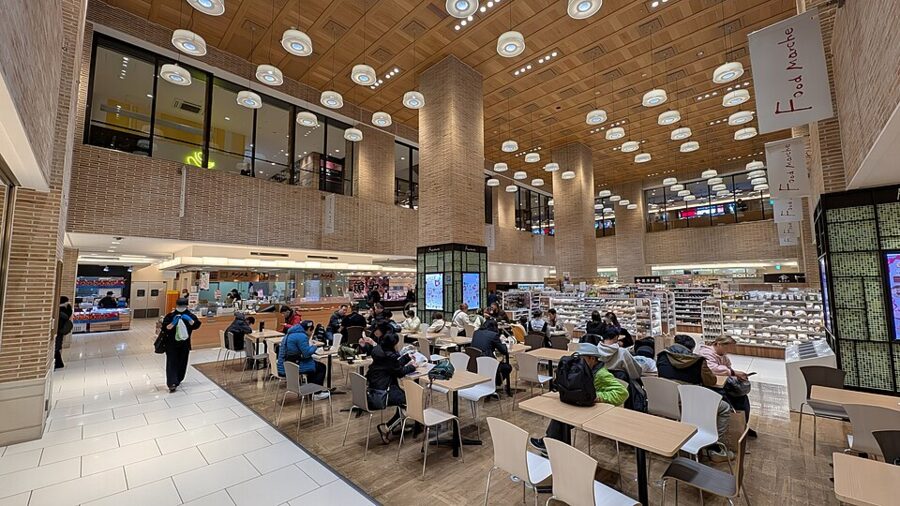
For food, there are three levels to know. The Food Marche on 2F sells bento, sweets and deli dishes to take away, which is the cheap option. The Solamachi Tabeterrace food court is on 3F. Sit-down restaurants fill 6F and 7F, and the Solamachi Dining Skytree View floors at 30F and 31F look out from higher up.

Sumida Aquarium
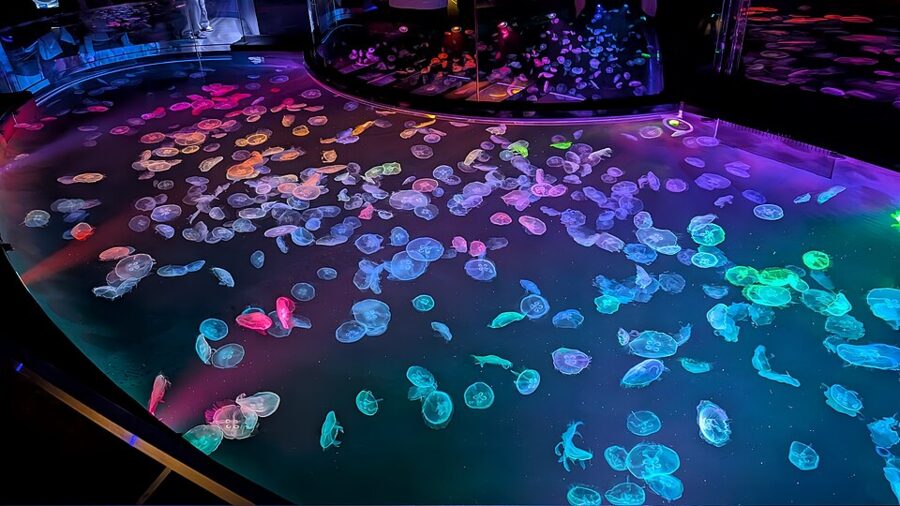

Sumida Aquarium (すみだ水族館) fills the fifth and sixth floors of Solamachi and is open every day, 10:00–20:00 on weekdays and 09:00–21:00 at weekends and on holidays, with the last entry an hour before closing. The aquarium’s admission is ¥2,700 for an adult, ¥2,000 for high school students, ¥1,400 for elementary and junior high school students and ¥900 for children from age three. Online tickets go on sale 30 days ahead and skip the machine line.
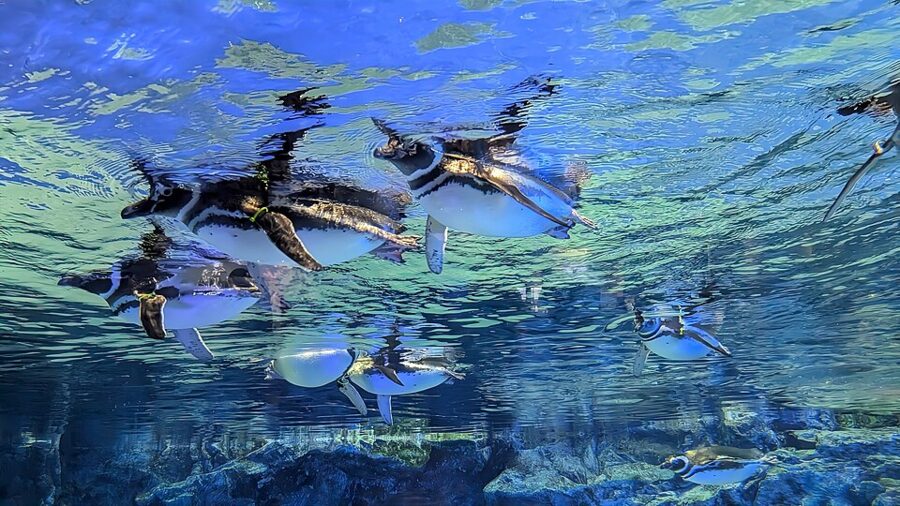
It is a compact indoor aquarium. Alongside the Big Schale there are about 14 species and 700 jellyfish in all, a large tank with sand tiger sharks and of about 450 fish from the Ogasawara Islands, a goldfish room called Edorium and a pool of Magellanic penguins holding about 350 tonnes of water, open from above. Allow an hour and a half, and get your hand stamped at the information counter if you want to step out and come back.

The tower sells a package with the deck and the aquarium from ¥4,000, against ¥4,500 bought separately at the lowest deck price. It has to be booked in advance and cannot be cancelled.
Konica Minolta Planetarium Tenku
Konica Minolta Planetarium Tenku (天空) is on 7F of the East Yard, about a ten-minute walk through Solamachi from the Oshiage side. Shows last about 40 minutes and change through the year, and some carry an English audio guide. A standard seat costs ¥1,600 for an adult and ¥1,000 for a child aged four and up when bought online, ¥200 more at the counter, according to the planetarium’s price list.
Online sales open at 12:00 five days before the show, and the two-person crescent seats cost ¥4,200–4,400 a pair online. It opens 10:30–22:00 on weekdays and 09:30–22:00 at weekends, so it is the one thing here that still works after the shops close. The healing programs with scent are not open to preschool children, and no one is let in once a show starts.
Getting there
Two stations sit at the foot of the tower. Tokyo Skytree Station (TS02) on the Tobu Skytree Line is one stop and three minutes from Tobu’s Asakusa Station; Oshiage (Skytree-mae) Station is served by the Tokyo Metro Hanzomon Line (Z14), the Toei Asakusa Line (A20), the Keisei Oshiage Line and the Tobu line. Both connect straight into the complex. The tower’s access page gives about 20 minutes from Tokyo Station and puts the airports within an hour with no change of train.
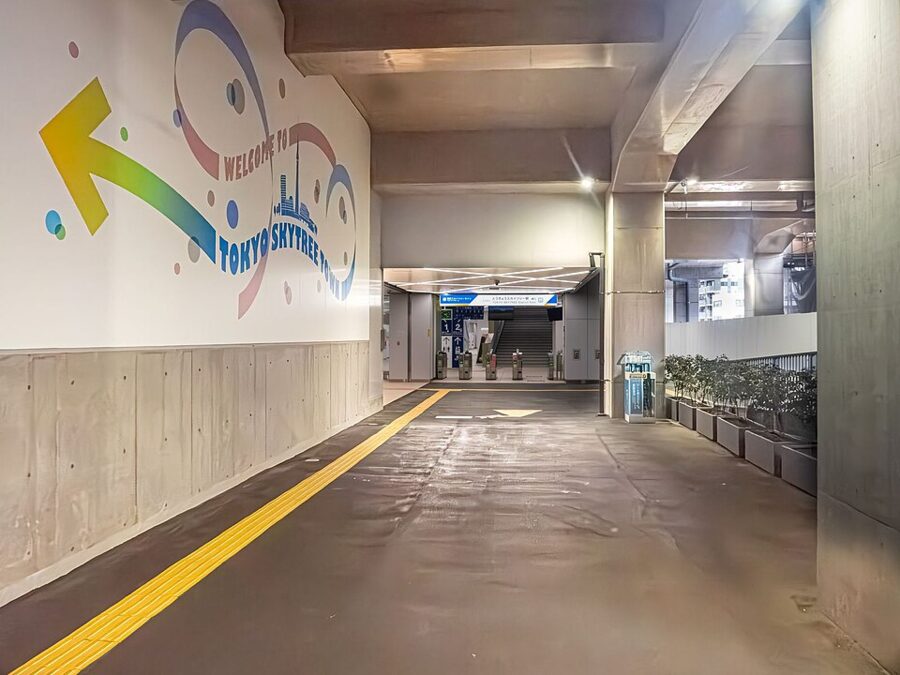

From Tokyo Station, take the JR Sobu Line Rapid to Kinshicho (about eight minutes) and change to the Hanzomon Line for three minutes to Oshiage. From Haneda, Keikyu trains run through onto the Toei Asakusa Line to Oshiage in about 39 minutes; from Narita, Keisei trains on the Narita Sky Access line run through in about 49. From Ueno, it is five minutes on the Ginza Line to Asakusa and three on the Tobu line. The getting around Tokyo guide covers the IC cards that work on all of them.
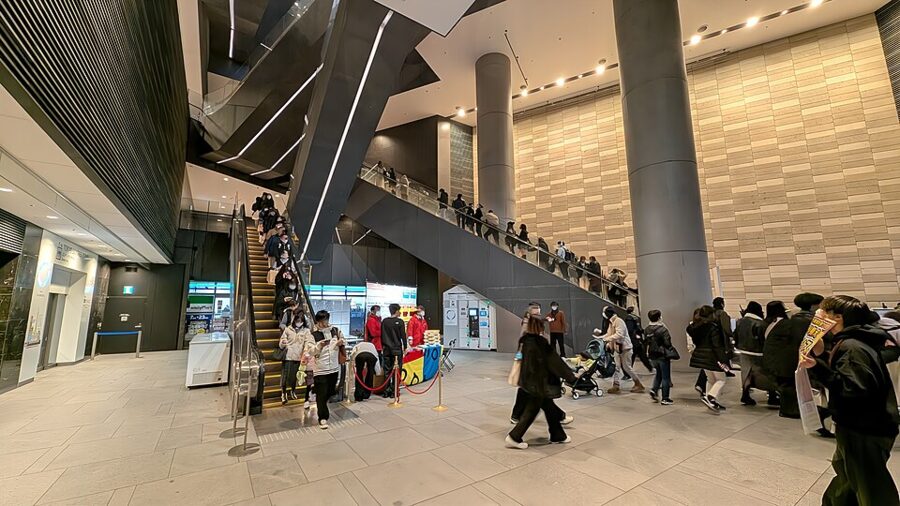
At Oshiage, follow the signs from the gates on the third basement level to the escalators and ride them all the way up to the fourth floor. From either exit of Tokyo Skytree Station, signs lead through the complex to the escalators up to 4F. Either way it is a few minutes under cover.

Walking from Asakusa
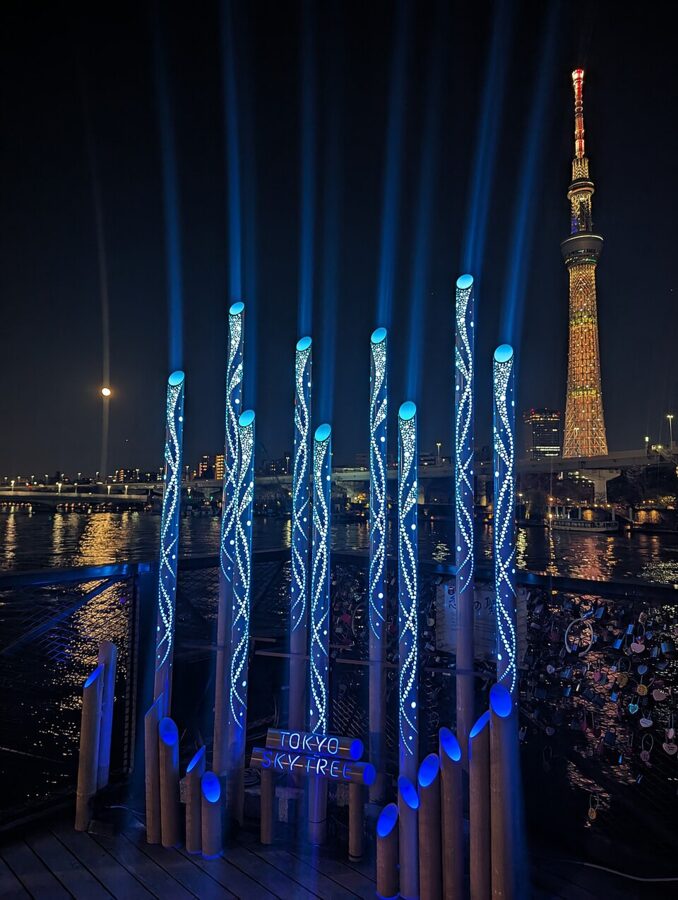
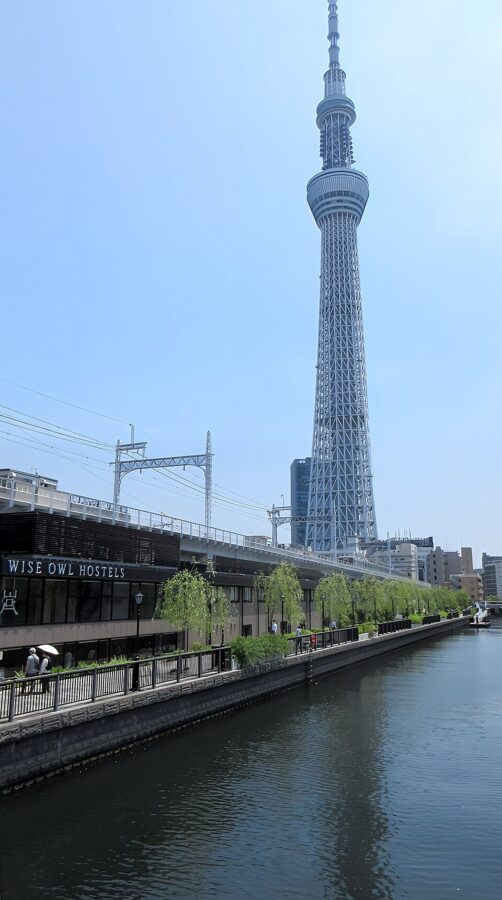
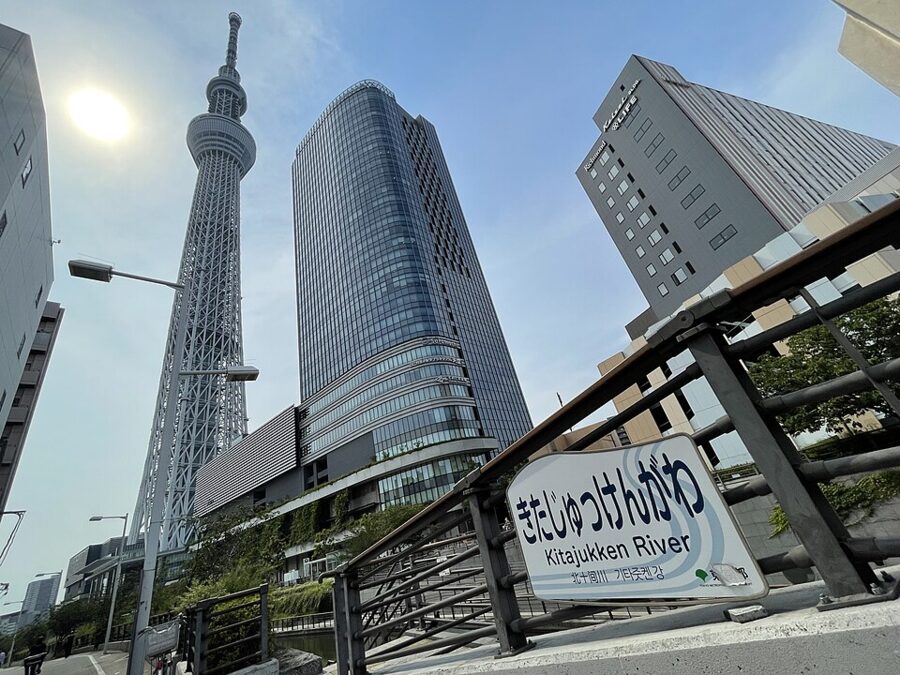
The walk is the better way to arrive, and it takes about 20 minutes. From the north exit of Tobu’s Asakusa Station, cross the Sumida River on the Sumida River Walk, the footpath hung on the side of the Tobu railway bridge, and you come down at Tokyo Mizumachi, a row of cafes and shops under the railway viaduct that opened on June 18, 2020. From there, follow the Kitajukken River east and the tower grows in front of you the whole way. The alternative is Azuma Bridge, by the Asahi Beer Hall, if you are starting from Senso-ji’s Kaminarimon side; the Tokyo neighborhoods guide covers Asakusa itself.


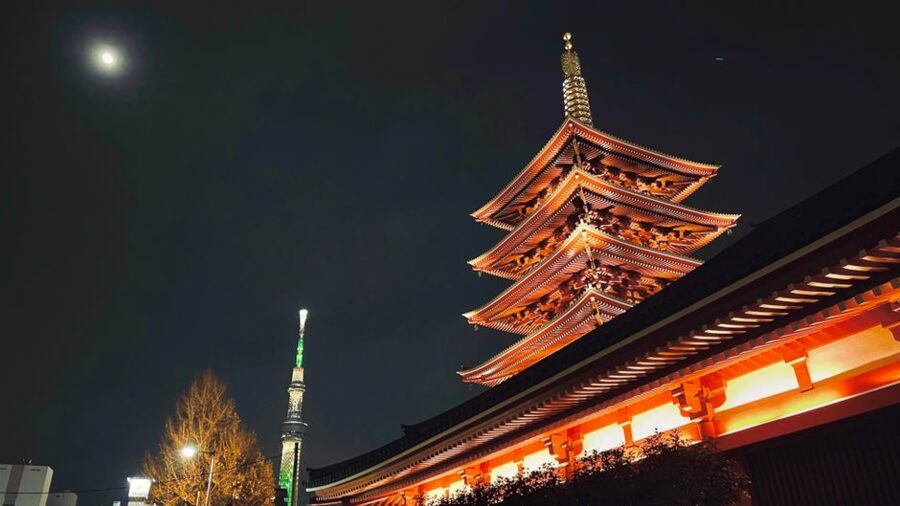
Buses
Tobu Bus runs the Skytree Shuttle on four routes. The Ueno and Asakusa line runs only on Saturdays, Sundays and holidays, every 30 minutes from 09:00 to 19:00 from Skytree Town, for ¥250 an adult or ¥500 for a day ticket. The airport lines go to Haneda and to Narita (¥2,000, about 80 minutes, a handful of departures a day), and a third runs to Tokyo Disney Resort for ¥1,000, useful if you are pairing the tower with a day at Tokyo Disney. Toei city buses and the Sumida ward loop bus also stop at Skytree Town.
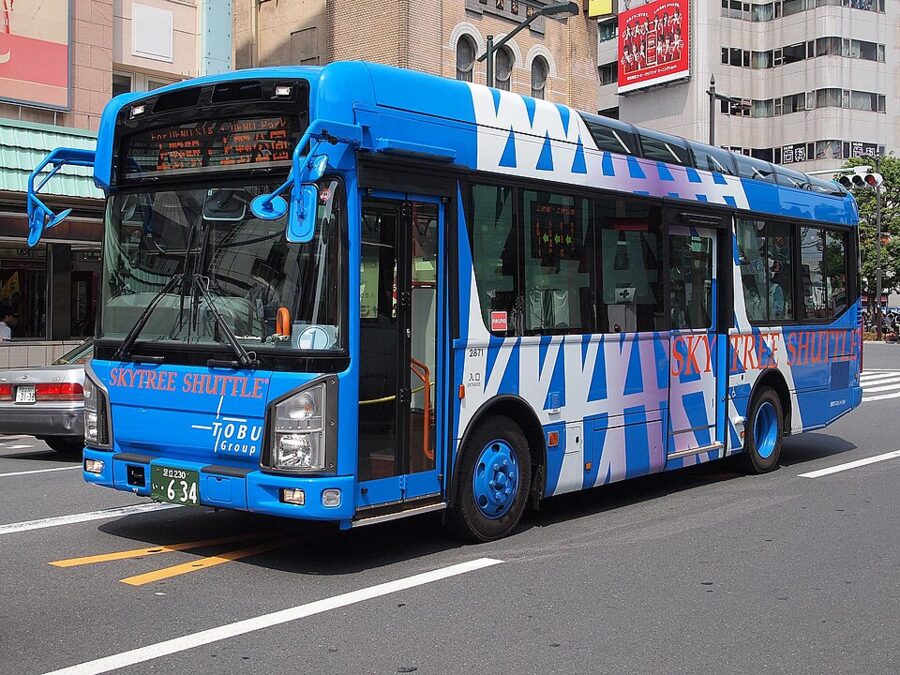

For the airports, the train beats the bus on time, and the Narita Airport and Haneda Airport guides have the fares. The bus earns its place only if you have big luggage and a seat booked.
Skytree against Tokyo Tower, Shibuya Sky and the free decks
The things to do in Tokyo guide lines up the city’s whole set of decks. For the decision most people actually face, these are the four, on the prices the operators posted in November 2026:
| Deck | Height you stand at | Adult price | Last entry |
|---|---|---|---|
| Tokyo Metropolitan Government, South Observatory | 202 m | Free | 21:30 |
| Tokyo Tower Main Deck | 150 m | ¥1,500 | 22:30 |
| Shibuya Sky, open-air roof | 229 m | ¥2,700 before 15:00, ¥3,400 after (online) | 21:20 |
| Tokyo Skytree, both decks | 350 m and 450 m | ¥3,000–4,400 by date | 21:00 |
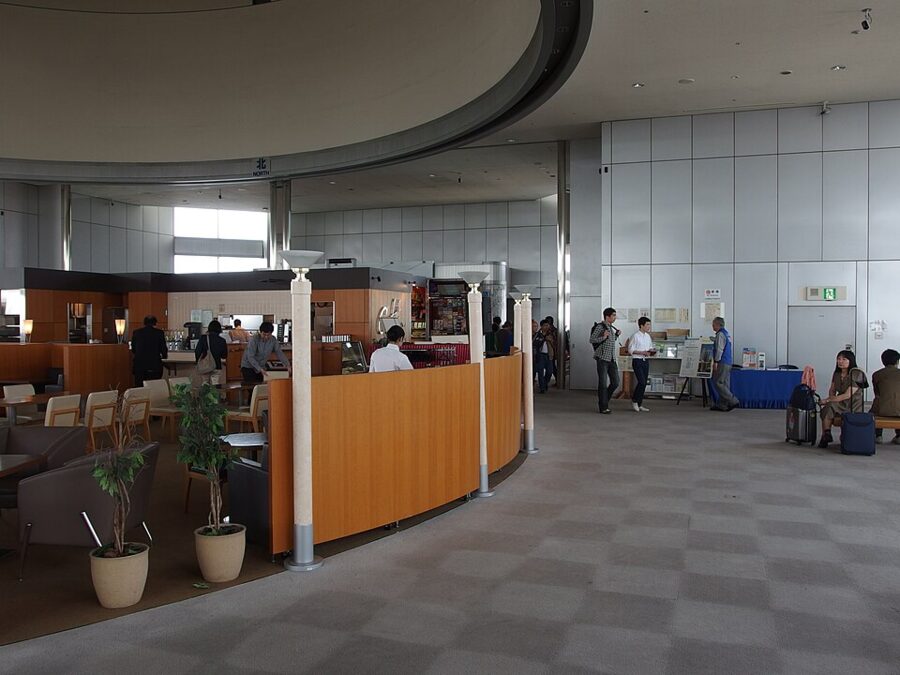

The free one comes first. The South Observatory in Shinjuku is 202 m up, open 09:30–22:00 with the last entry at 21:30, and costs nothing; the North Observatory closes at 17:30, and the metropolitan government’s observatory page lists the closing days. For a first night in Tokyo, it is all most people need.
Shibuya Sky in Shibuya is the one with open air. Its roof is 229 m above the crossing, and its ticket page sells online up to two weeks ahead; the counter charges ¥300 more.
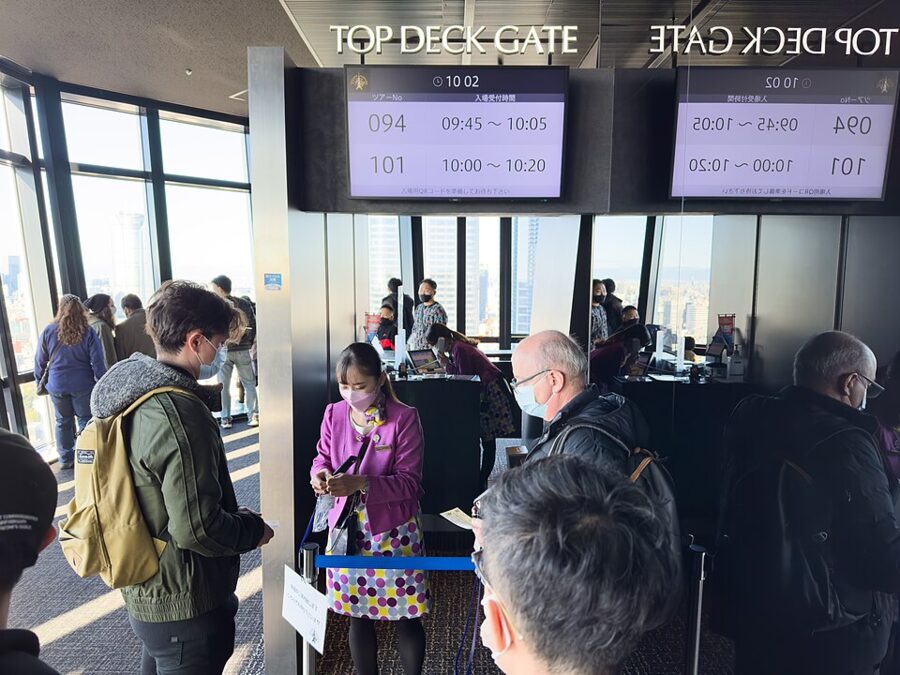

Tokyo Tower is the cheap late option. Its Main Deck at 150 m costs ¥1,500 and takes entries until 22:30, and the tower’s fee page lists the Top Deck Tour to 250 m at ¥3,300 online and ¥3,500 at the counter. It is also the best-looking tower in Tokyo to look at, which no view from inside it can show you.
Skytree’s case is height, and height only pays when the air is clear. From 450 m on a winter morning you see the shape of the whole city and the mountains around it, and none of the others can do that. On a hazy summer evening you pay the most of the four to see roughly what the free deck shows.
That brings it back to the calendar. The cheapest adult ticket in the table above is ¥3,200, for a weekday in mid-January, which falls in the clearest stretch of the year. Seven-Eleven’s machines put each month on sale on the first of the month two months before, so the alarm for a February morning goes on December 1.