

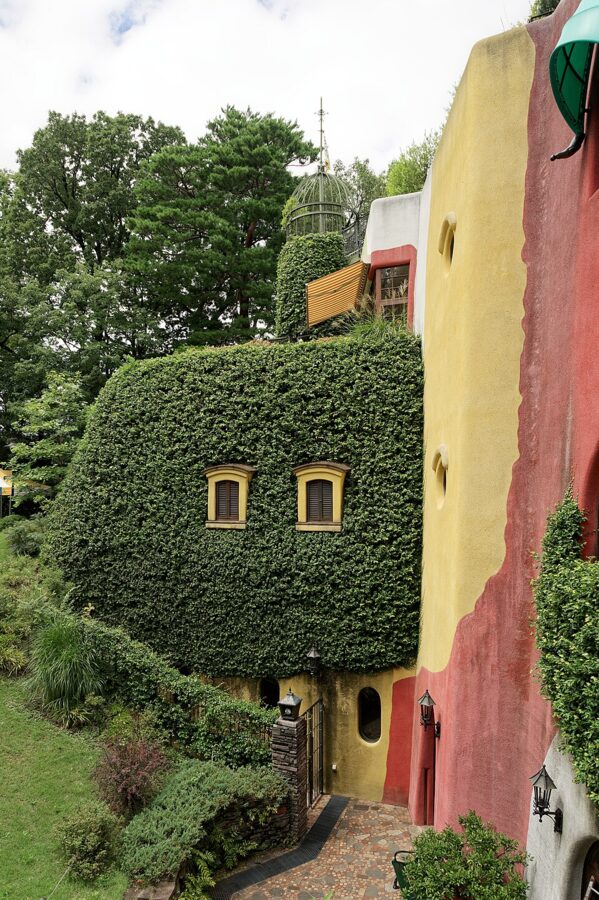
Tickets for the Ghibli Museum go on sale at 10:00 Japan time on the 10th of each month, for the whole of the following month, on Lawson Ticket or inside the one official bus tour: the museum in Mitaka sells nothing at its own door. That one date shapes more Tokyo trips than any temple or tower. Whatever month you fly in, the alarm goes on the 10th of the month before.
Most of the rest of the city is easier than its reputation. Senso-ji, Meiji Jingu, the Imperial Palace East Gardens, the Tokyo Metropolitan Government observatories and Shibuya Crossing cost nothing and need no booking. The things that do need planning are a short list: the Ghibli Museum, the palace tours, sumo tournament seats, the tuna auction deck at Toyosu, sunset slots at Shibuya Sky, and teamLab on a weekend or school holiday. Everything below is grouped by area, with what each place costs, when it opens and how far ahead it sells out, as the operators posted it in late November 2026.

For the wider trip (when to come, what it costs, which pass is worth it) start with the Tokyo travel guide. What follows is the doing: which sights earn the time, and which ones you can skip with a clear conscience.

The short list, and what to book before you fly
For a first trip of four or five days, these are the ones I would not drop:
- Senso-ji in Asakusa at opening time.
- Meiji Jingu and its forest, then Harajuku on foot.
- Shibuya Crossing, once at street level and once from above.
- One tall building at sunset; the free one in Shinjuku counts.
- The Tokyo National Museum, the best two hours indoors in the city.
- Breakfast at the Tsukiji Outer Market.
- One teamLab, and the Ghibli Museum if you can get in.
After that it depends what you came for. Sumo fans plan around the three Tokyo tournaments in January, May and September. Kabuki works as a single act for less than the price of lunch in Ginza. Gardens, old streets and museums fill the gaps between all of it, and most of them are free or under ¥1,000.
Five things sell out, and each has its own system and its own release date. None of them is worth paying a reseller for, and several (the Ghibli Museum, the sumo association, the Yomiuri Giants) refuse resold tickets at the gate.
| Sight | When sales open | Where to book | Same day? |
|---|---|---|---|
| Ghibli Museum | 10th of each month, 10:00, for the following month | Lawson Ticket website only | No |
| Imperial Palace tour | 1st of the month before, 05:00, until 4 days ahead | Imperial Household Agency site | Yes, 300 numbered tickets per tour at Kikyomon |
| Sumo tournament (January, May, September) | About a month before each tournament, 10:00 (general sale) | Ticket Oosumo, the sumo association’s own system | Only if seats remain |
| Toyosu tuna auction deck | Monthly lottery, about a month ahead | The market’s lottery site | No (the upper gallery is open without booking) |
| Shibuya Sky | Up to two weeks ahead | Shibuya Sky’s own ticket page | Counter, if not sold out, at ¥300 more |
Two more are worth booking a few days out. teamLab Planets and teamLab Borderless both sell timed entry at dynamic prices, and weekend afternoons go first. The Tokyo Disney Resort parks release tickets online two months ahead, every day at 14:00, and the park you want on a Saturday can be gone weeks before.
The east: Asakusa, Skytree, Ueno, Yanaka and Ryogoku
The east side is the older city, or what fire, earthquake and the 1945 air raids left of it. It is also the cheapest side to sightsee: one temple, two parks, a museum quarter and the sumo hall, all a short train ride apart on the Ginza Line, the Asakusa Line and the JR Sobu Line.
Senso-ji and Asakusa
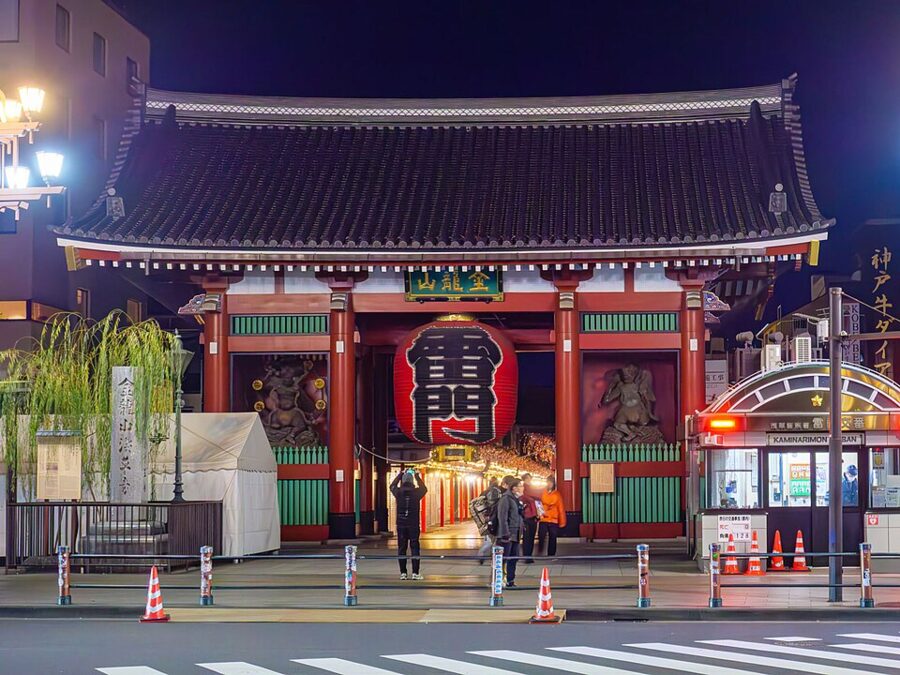
Senso-ji (浅草寺) is Tokyo’s best-known temple and its busiest, and the way to see it is early. The temple gives the main hall’s hours as 06:00–17:00, opening at 06:30 from October to March; the grounds, the Kaminarimon gate and the Nakamise street never close. Entry is free. Asakusa Station (Ginza Line G19, Asakusa Line A18) is a few minutes’ walk from the gate; follow the signs for Kaminarimon.
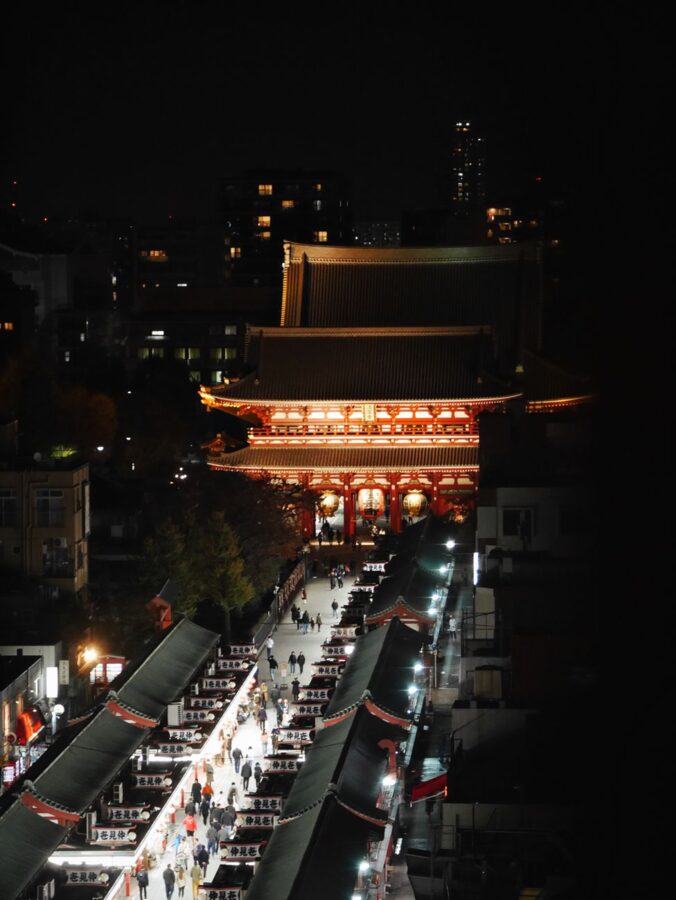
Between the two gates runs Nakamise-dori, about 250 m of red-fronted stalls that the temple traces back to around 1685. It is a souvenir street, and the snacks are better than the souvenirs: rice crackers, sweet bean cakes, ningyo-yaki (small cakes in a mold). Most stalls open mid-morning, so a 07:00 visit gets you the temple without the crowd, and the shopping comes on the way back. The temple’s own page on Nakamise has the history and the hall times.
Asakusa repays an hour beyond the temple. The backstreets west of the grounds have the older restaurants, and Kappabashi-dori, further west, is the kitchenware street of plastic food models and knife shops. For what to eat in the area, the Tokyo food guide goes street by street.
Tokyo Skytree
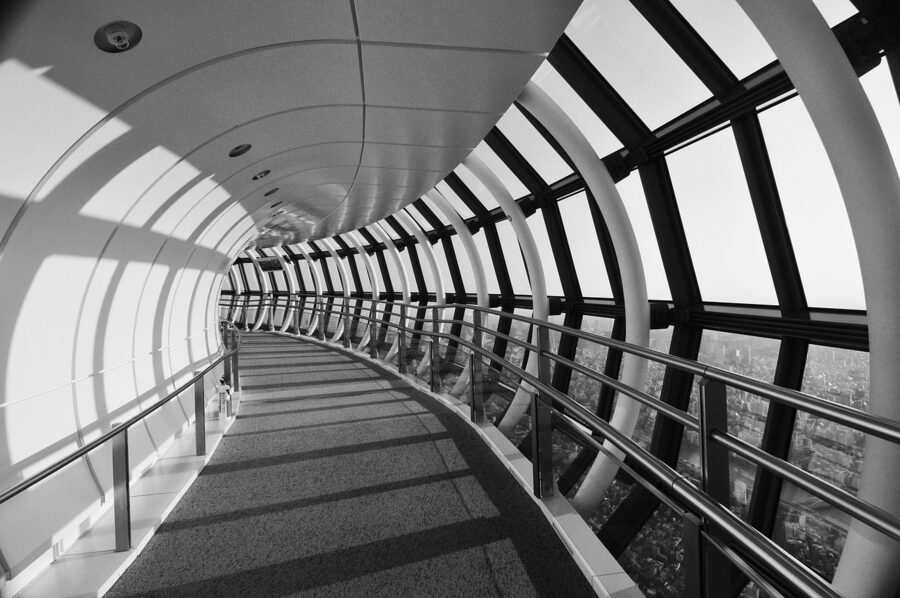
Tokyo Skytree is 634 m tall and has two decks, the Tembo Deck at 350 m and the Tembo Galleria at 450 m. It opens 10:00–22:00 on weekdays and 09:00–22:00 at weekends and on holidays, last entry 21:00. Prices move with the date: on the Skytree ticket page a ticket for both decks starts at ¥3,000 for an adult and the lower deck alone at ¥1,800, and buying at the 4th-floor counter or machines adds ¥500 per ticket. Buy online.
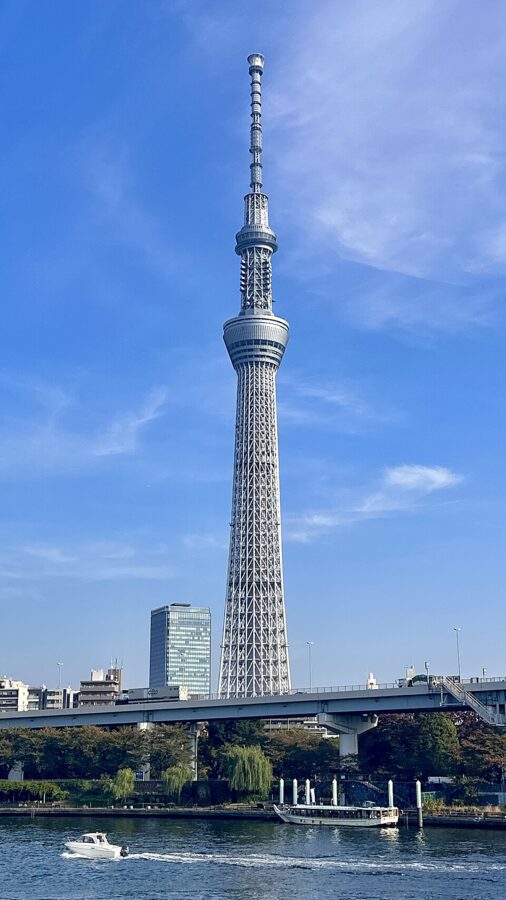
The Galleria ticket (¥1,400 for an adult) can only be bought inside the Tembo Deck, on the day, and only by people who already hold a deck ticket; it is sometimes suspended when the upper floor is full. It is the better of the two views, and on a hazy afternoon it is not worth the extra. Clear winter mornings, when Mount Fuji shows to the southwest, are the time to go up.
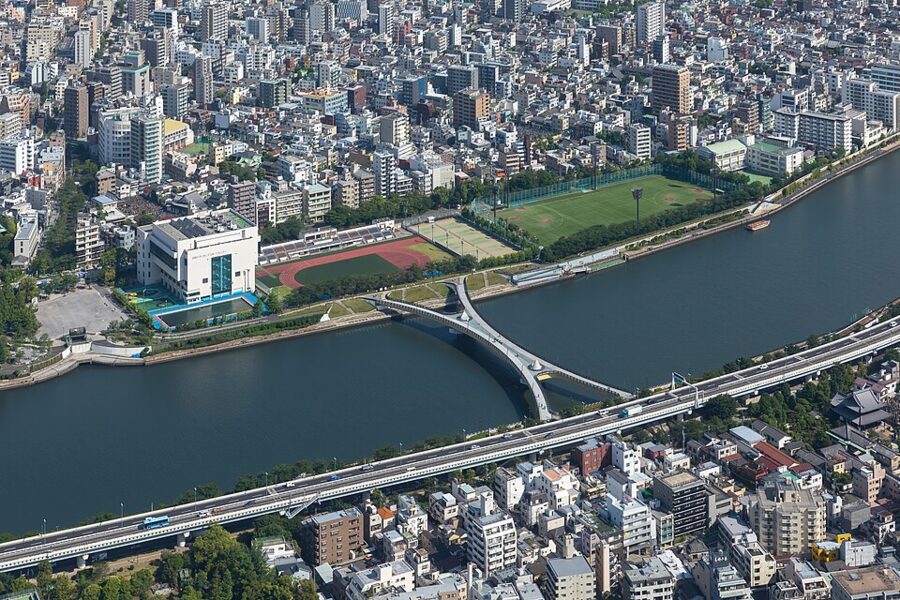

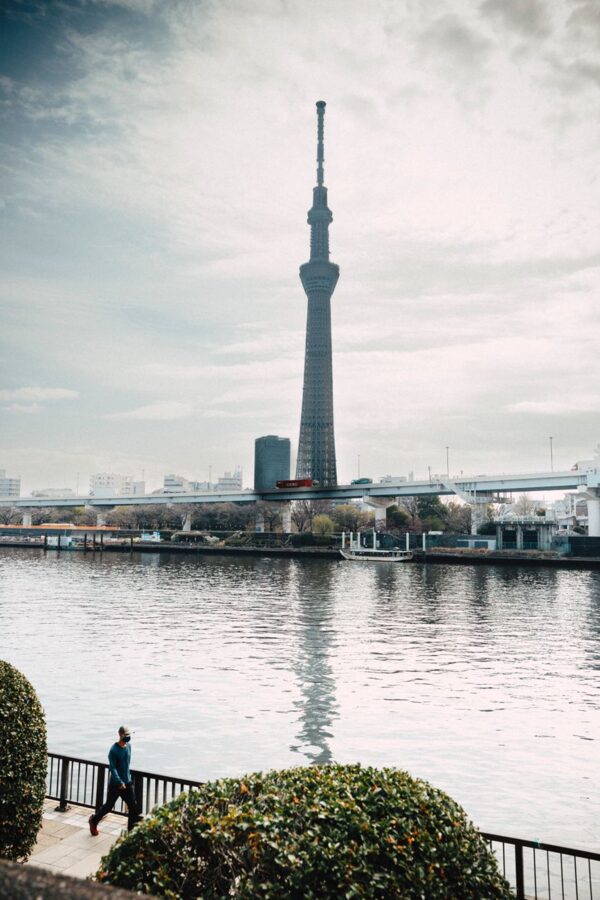
The walk from Asakusa is the part most people skip. Cross Azuma Bridge and follow the river and canal east, and the tower stays in view for the whole 20 minutes; the view of Skytree from the river is a better photo than the view from Skytree.
Ueno Park and the Tokyo National Museum
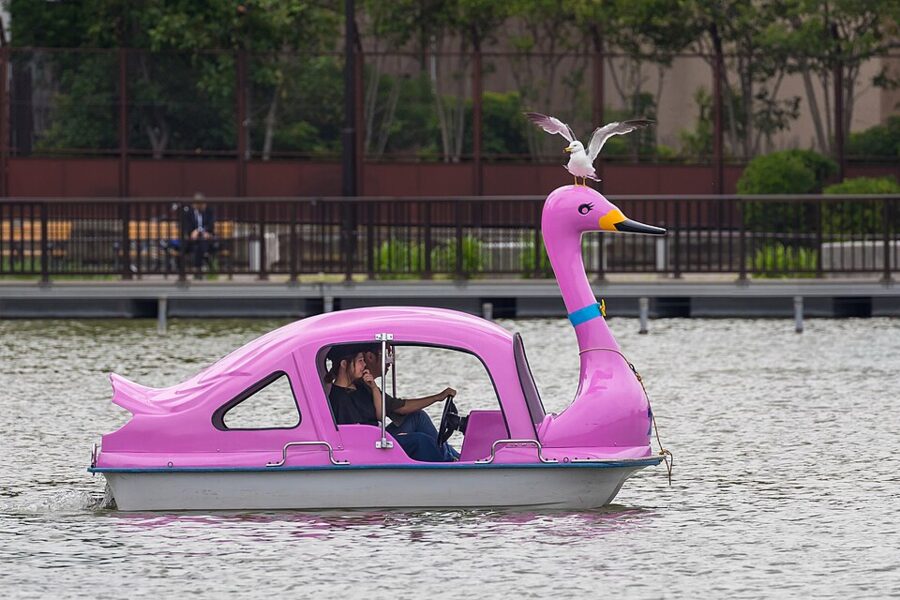
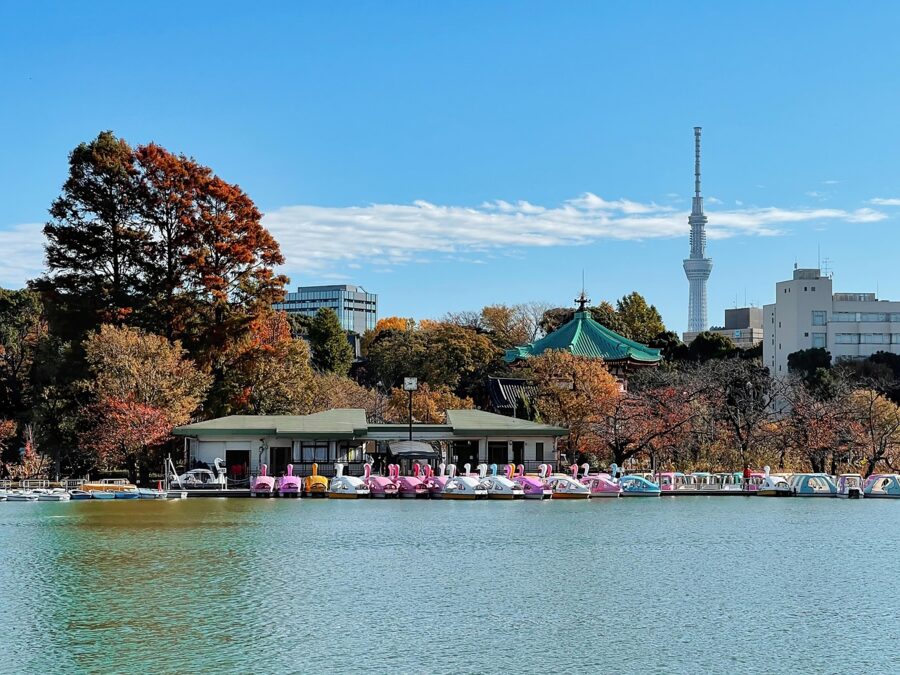
Ueno Park holds more museums than most cities: the Tokyo National Museum, the National Museum of Western Art, the National Museum of Nature and Science, the Tokyo Metropolitan Art Museum and Ueno Zoo all sit inside it or on its edge. The park itself is free, with Shinobazu Pond at its southwest corner, swan boats for hire and a lotus field that covers the water in summer. JR Ueno Station’s Park Exit puts you at the museum end.

If you go into one museum in Tokyo, make it the Tokyo National Museum. The permanent collection costs ¥1,000 for an adult and is free for anyone under 18 or over 70. It opens 09:30–17:00, and until 20:00 on Fridays and Saturdays; it closes on Mondays, or the next weekday when Monday is a holiday. The Honkan, the main gallery, takes you through Japanese art from the Jomon period to the 19th century in about two hours.
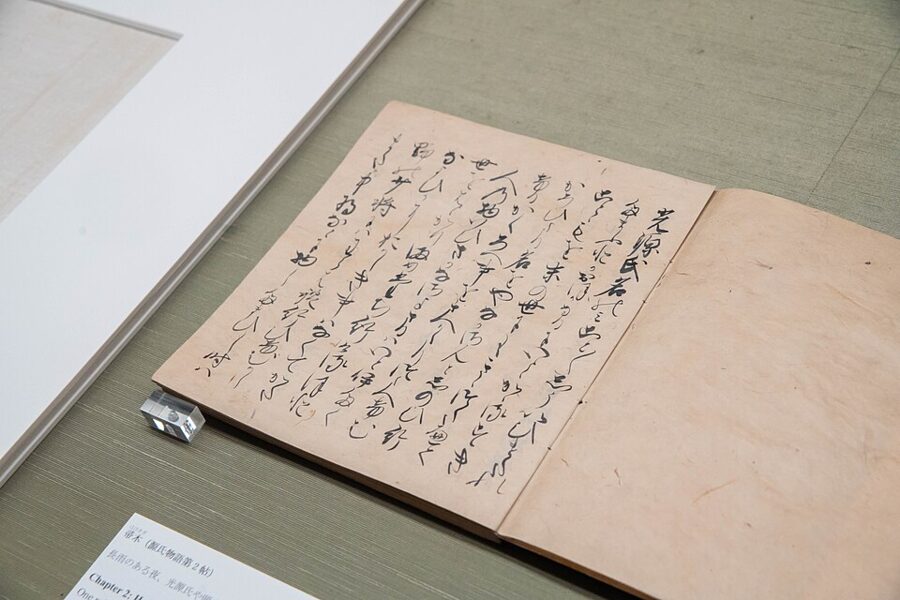

Two rule changes bite this winter. Since August 1, 2026 the museum turns away suitcases and wheeled cases, so leave luggage in a station locker, and metal detectors and bag checks started at the main gate on September 8, 2026.
The museum also closes for the last days of December. Special exhibitions are ticketed separately.
Ueno Zoo has changed too. The twin giant pandas, Xiao Xiao and Lei Lei, left for China on January 27, 2026, and for the first time since 2011 Japan’s best-known zoo has no pandas on show. The zoo’s own news page follows what happens to the panda house.
Yanaka
Yanaka is the neighborhood that survived. The 1923 earthquake and the 1945 fires mostly passed it by, and its temples, wooden houses and narrow lanes give the closest thing in central Tokyo to the city before the war. It costs nothing: walk out of JR Nippori Station’s West Exit, through Yanaka Cemetery (cherry trees along the main path, the graves of writers and actors off it), and down to the shopping street.
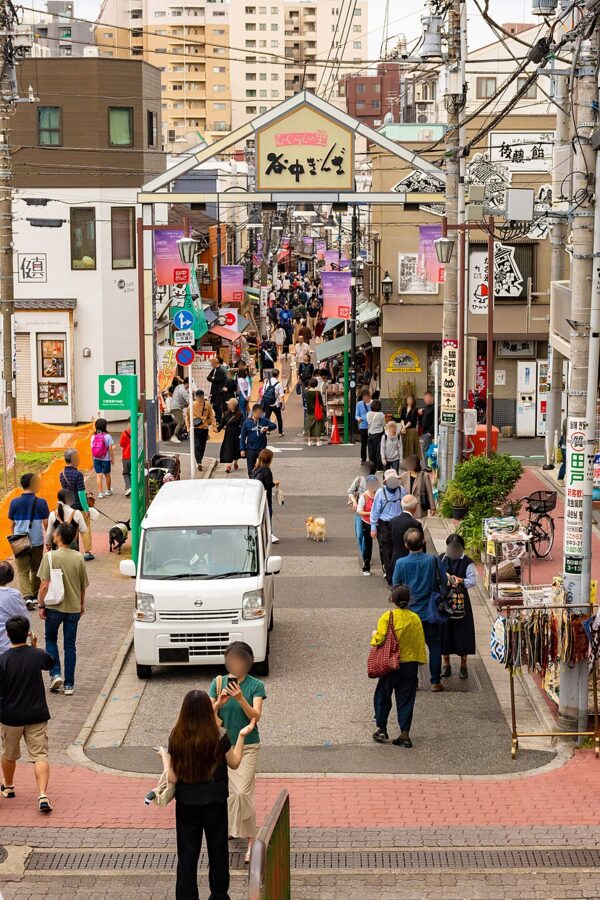
Yanaka Ginza (谷中銀座) is a short, ordinary shopping street, which is the point: butchers frying croquettes, a tea shop, a sake shop, a pickle seller. Go on a weekday afternoon. On weekends it is a line from end to end. From the far end, Nezu Shrine and its tunnel of red gates is a 15-minute walk south.
Ryogoku and sumo
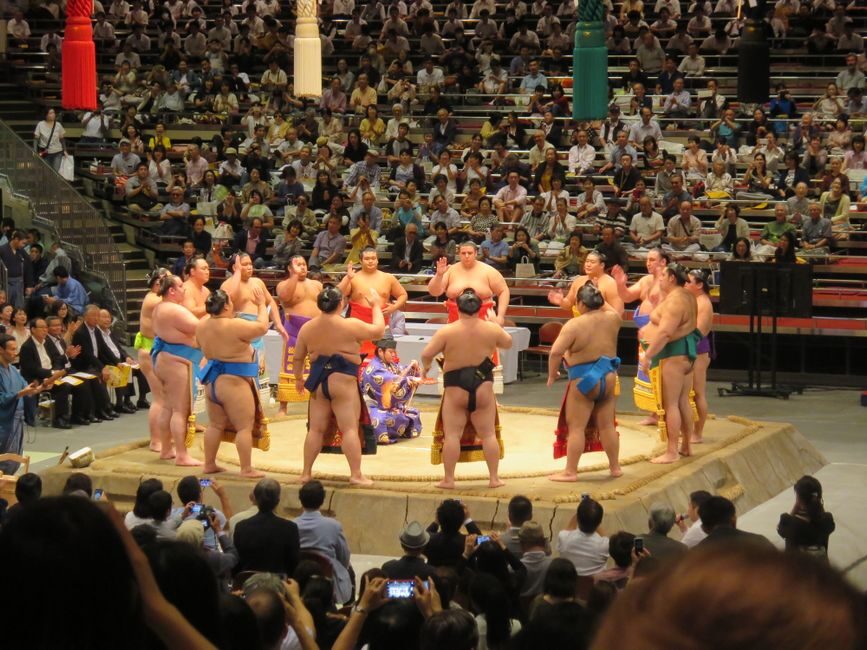
Ryogoku is the sumo district, and three of Tokyo’s six annual sumo tournaments (January, May and September) are held at the Ryogoku Kokugikan beside JR Ryogoku Station. General sale opens at 10:00 about a month before each tournament, through Ticket Oosumo, the sumo association’s own ticket system, and at Seven-Eleven machines. The association sells same-day tickets only for seats still unsold, and for the opening day, the weekends and the final day, that usually means none.
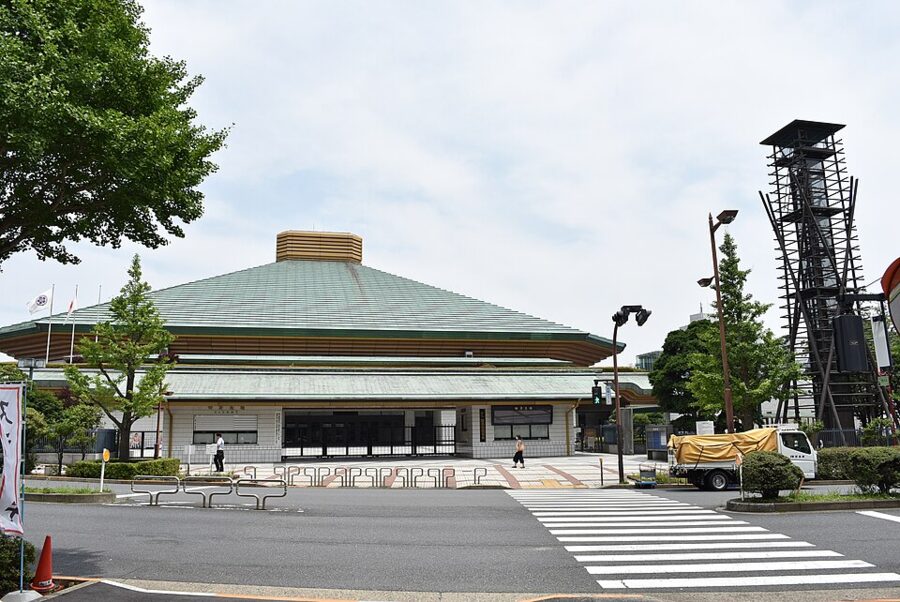

The January 2027 price list runs from ¥3,000 to ¥30,000 a person. The cheapest is the chair D seat, the 14th row at the very back of the second floor, at ¥3,000 on every day of the tournament. Chair C (rows 12–13) costs ¥5,000 on weekdays and ¥6,000 at weekends. The tamari seats, on cushions beside the ring, are ¥25,000 on a weekday and come with the strictest rules in the hall.
The day starts in the morning with the lowest divisions, and the top-division wrestlers enter the ring in the late afternoon. Arrive by 14:00 and you get the second half, which is all most people need. Next door, the Edo-Tokyo Museum reopened on March 31, 2026 after four years of renovation; the permanent exhibition, with its full-size half of the old Nihonbashi bridge, costs ¥800.
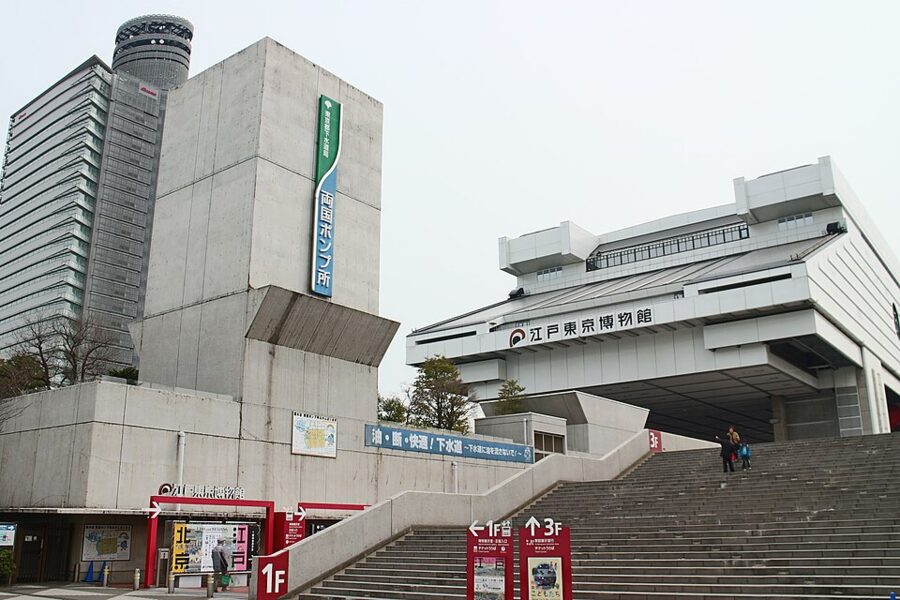

The center: the palace, Tokyo Station, Ginza and the markets
The center is where the city started, around the castle of the Tokugawa shoguns, and it is still where the government and the money sit. For sightseeing it comes down to the palace grounds, the station, Ginza with its theater, and the two fish markets, one old and one new.
The Imperial Palace, the East Gardens and the palace tours
The emperor’s residence is closed to the public, but the Imperial Palace East Gardens, built on the inner citadel of Edo Castle and open since 1968, are free and need no booking. They close on Mondays and Fridays and from December 28 to January 3; a national holiday falling on one of those days opens instead (the Emperor’s Birthday excepted), and when a Monday holiday opens, the Tuesday closes. From November to February they open 09:00–16:00, last entry 15:30; in late spring and summer, until 18:00.
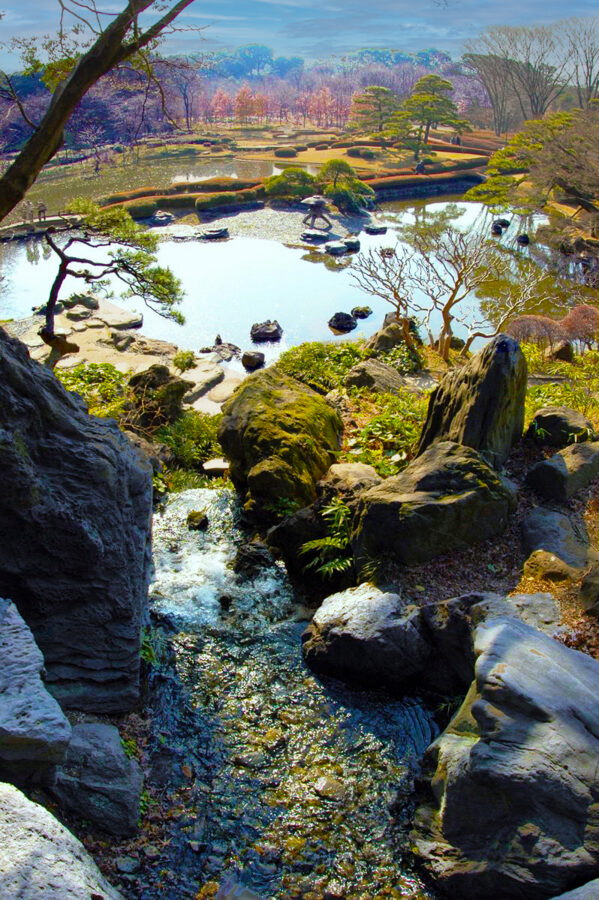

Come in through Otemon gate, five minutes from Otemachi Station (Exit C13a), and walk up to the stone base of the castle keep, which burned in 1657 and was never rebuilt. The view over the gardens from the top of it is the reason to climb. Allow an hour.
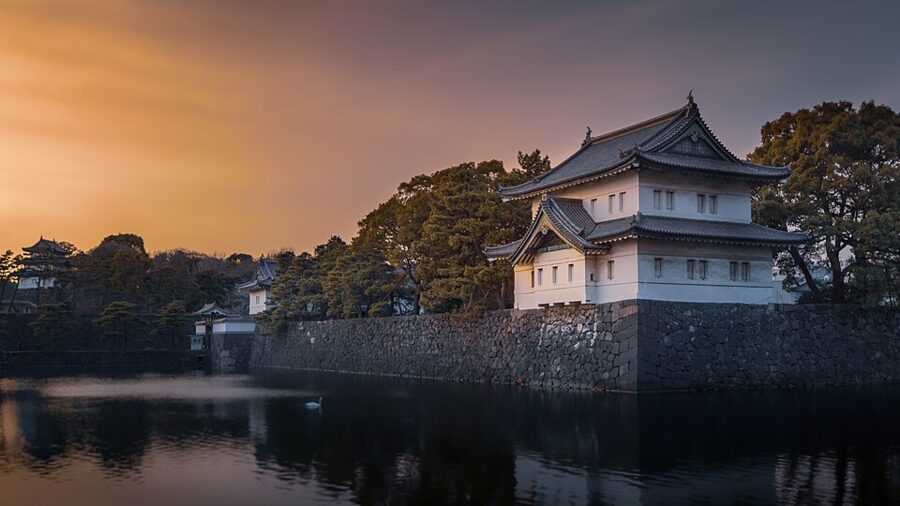
To see the inner grounds you join one of the free palace tours run by the Imperial Household Agency. There is one in the morning and one in the afternoon, every day except Sundays, Mondays, national holidays falling on a weekday, the afternoons from July 1 to September 30, and December 28 to January 4. Online booking opens at 05:00 on the 1st of the month before and closes four days ahead, with 200 places per tour. Another 300 places a tour go on the day, as numbered tickets handed out at Kikyomon from 09:00 for the morning tour and from 12:30 for the afternoon one.
The tour walks about 2.2 km in an hour, past the Fujimi-yagura keep, the palace’s East Plaza and up to the Nijubashi bridge from the inside. Bring a passport: everyone shows original photo ID, and copies are refused. Kikyomon is about 10 minutes from Nijubashimae Station (Exit 6) or 15 minutes from the Marunouchi Central Exit of Tokyo Station.
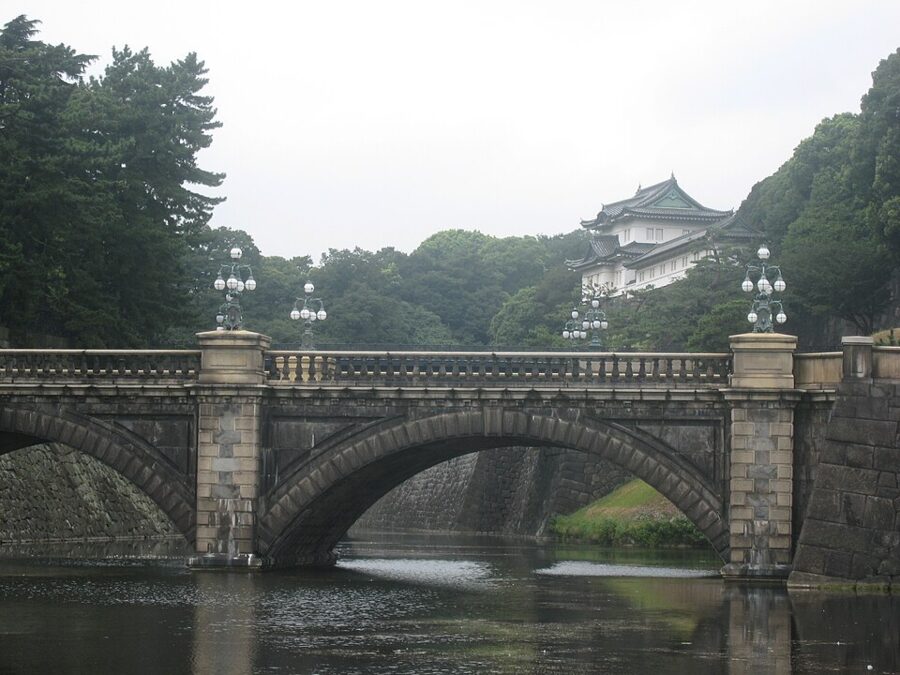
Tokyo Station
The red-brick Marunouchi building of Tokyo Station opened in 1914, lost its upper floor and domes in the 1945 air raids, and was restored to the original three floors and domed roofs in 2012. It is worth the five-minute walk from the palace for the facade alone, best from the plaza in front of the Marunouchi Central Exit, and the domed halls at the north and south exits have the restored plasterwork overhead.
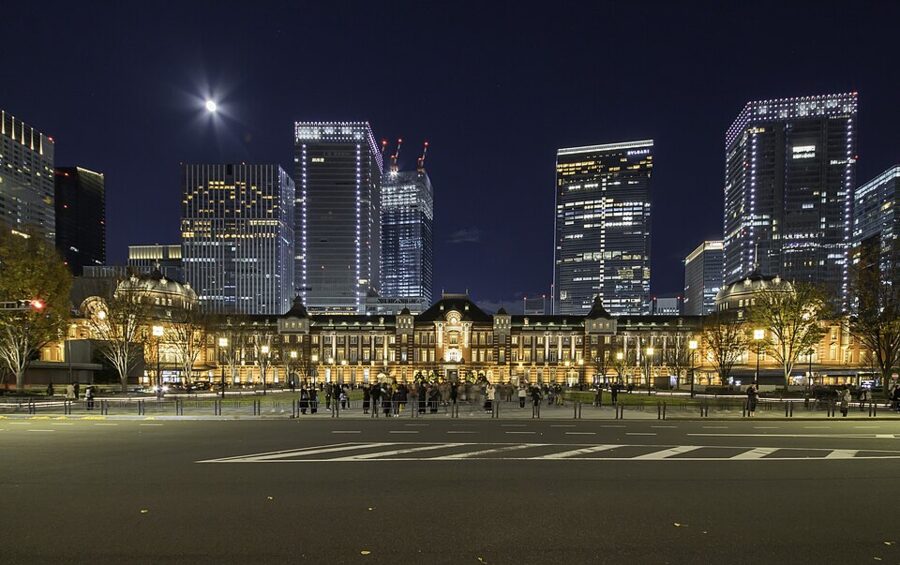

Underneath is the other attraction: a basement of shops and food courts on the Yaesu side, with a row of ramen counters and a run of character shops. Getting from here to anywhere else is covered in the getting around Tokyo guide.
Ginza and the Kabukiza
Ginza is the department-store district, and for sightseeing it is mostly a walk: Chuo-dori from Ginza 1-chome to 8-chome, with the Wako clock tower at the 4-chome crossing. On weekend afternoons the city closes Chuo-dori to cars and turns it into a pedestrian street, and that is the time to walk it.
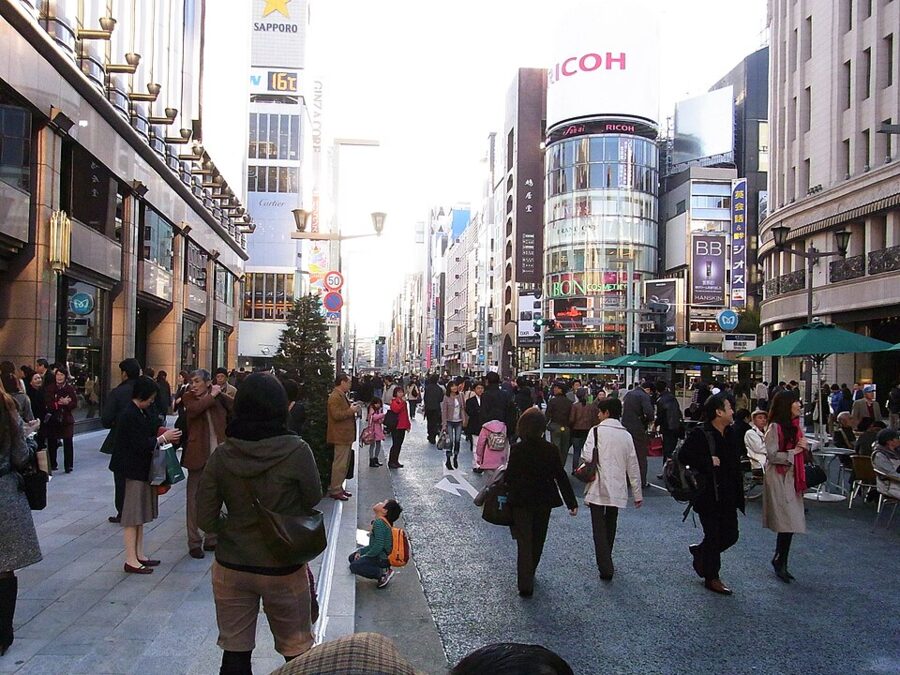

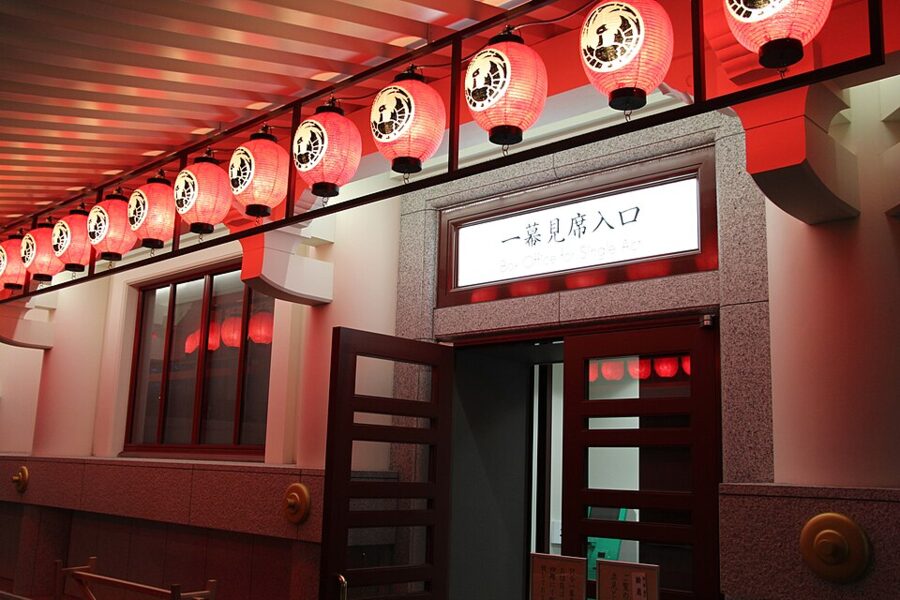
The reason to plan for Ginza is the Kabukiza (歌舞伎座), the main kabuki theater, in Higashi-Ginza (Hibiya Line and Asakusa Line, Exit 3 leads straight into it). A full program runs four to five hours and the seats cost what you would expect. The single-act seats on the 4th level are the answer for a first time: you buy one act, usually 40 minutes to two hours, and leave.
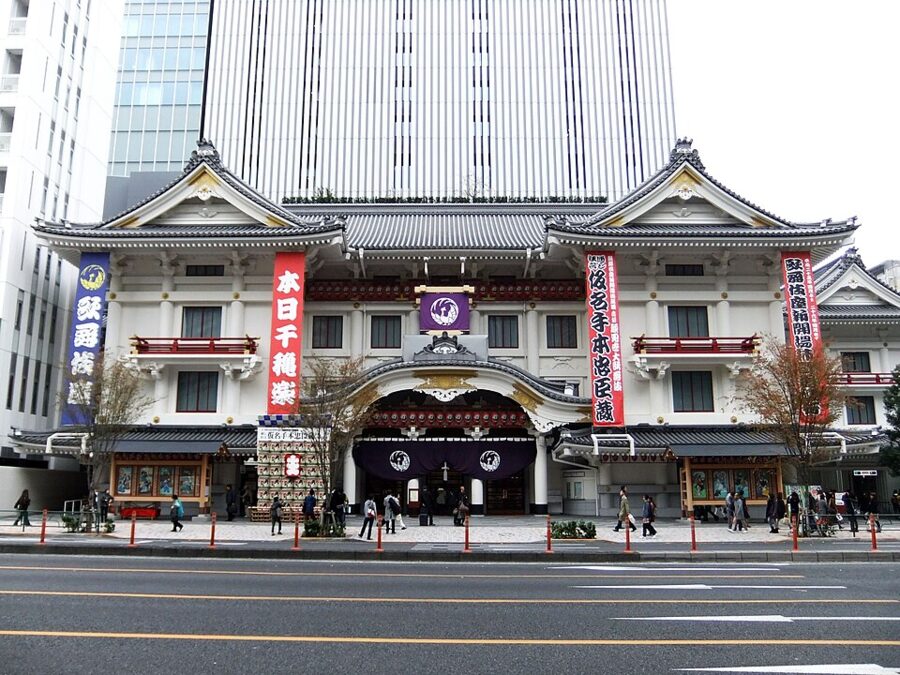
For November 2026 the single-act prices ran from ¥1,600 to ¥3,000 on the 4th level, with “upgraded” single-act seats lower in the house at ¥5,800 to ¥10,800. Prices and act times are set each month by the first day of the run. Each program runs from the first days of the month to about the 25th, and full-program tickets go on sale in the middle of the month before, according to the theater’s schedule. English audio and subtitle guides are rented at the theater.

Tsukiji Outer Market
The wholesale fish market left Tsukiji for Toyosu in October 2018. The Outer Market (築地場外市場) stayed: about 400 shops and restaurants selling fish, knives, dried bonito, tea and tamagoyaki, the sweet rolled omelet sold on a stick. It is a morning place. The market association asks visitors to give way to trade buyers until 09:00, and most shops wind down by about 14:00.
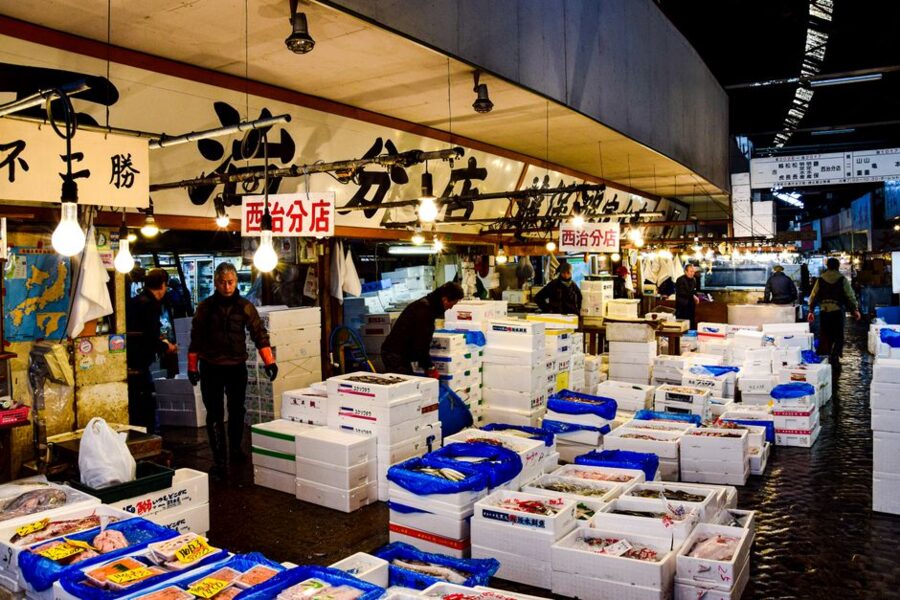
The closing days follow the city’s wholesale market calendar, which the market association’s calendar page posts month by month, and a Sunday visit finds many shutters down. Go between 08:00 and 11:00 on a weekday. Eat standing, do not eat while walking through the lanes, and pay cash at the smaller stalls. Tsukiji Station (Hibiya Line, Exit 1) is a minute away.

Toyosu Market and the tuna auction
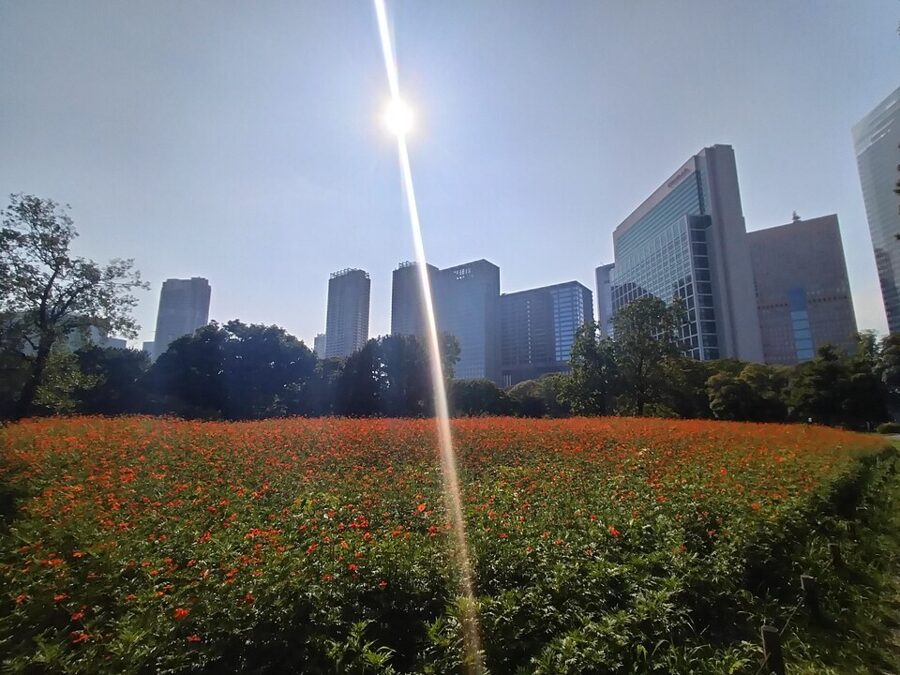
The tuna auction at Toyosu Market (豊洲市場) runs early on market days, from about 05:30, and you can watch it two ways. The upper visitor gallery, behind glass above the auction floor, is open without booking. The deck at floor level, close enough to hear the auctioneers, is by lottery, and free.
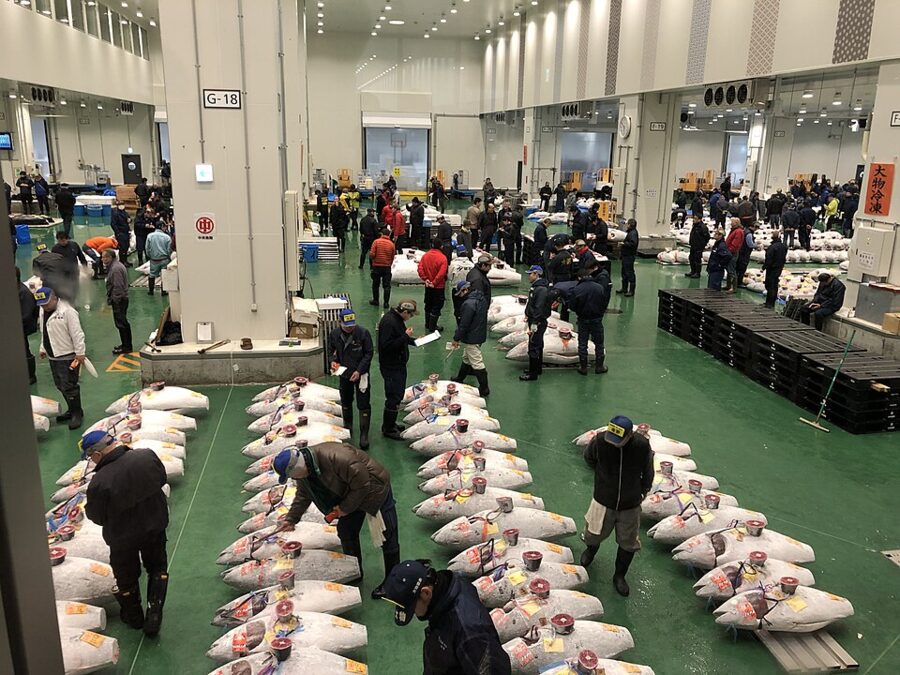

The lottery takes applications for about a week early in the month before, with results in the middle of that month, and the same pattern repeats every month. The market closes on Sundays, national holidays and some Wednesdays, and the nearest station is Shijo-mae on the Yurikamome line.
Is it worth a 05:00 start? If you are jet-lagged and awake anyway, yes. Otherwise Tsukiji at 09:00 gives you the food without the alarm clock.
The west: Meiji Jingu to Mitaka
The west is the Tokyo of the 20th century: the shrine to the emperor who opened Japan, the fashion streets beside it, Shibuya and Shinjuku, and out past them on the JR Chuo Line, the Ghibli Museum. Most of it sits on or near the JR Yamanote Line, three or four stops apart.
Meiji Jingu and Harajuku
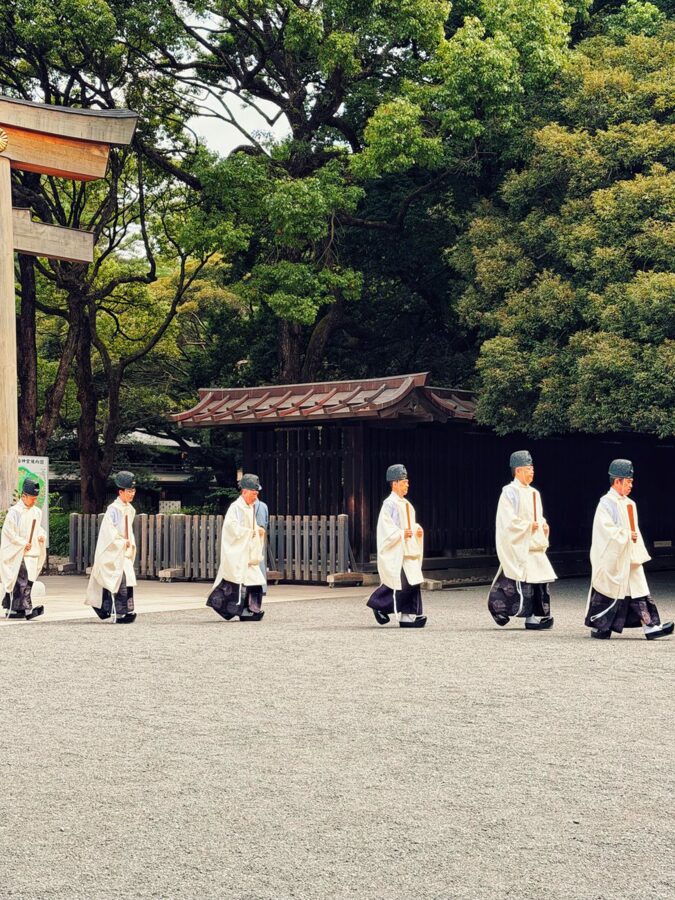
Meiji Jingu (明治神宮) was built in 1920 for Emperor Meiji and Empress Shoken, and the forest around it was planted at the same time, about 100,000 trees chosen to look after themselves for a century. The gates open at sunrise and close at sunset, so the hours change monthly: 06:10–16:10 in November 2026 and 06:40–16:00 in December. Entry is free; the inner garden and the museum charge separately.
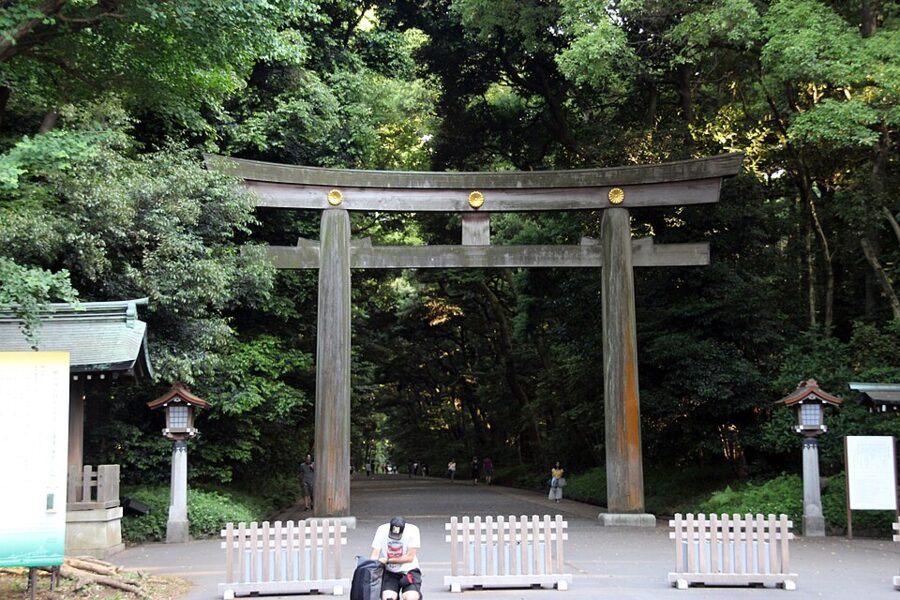

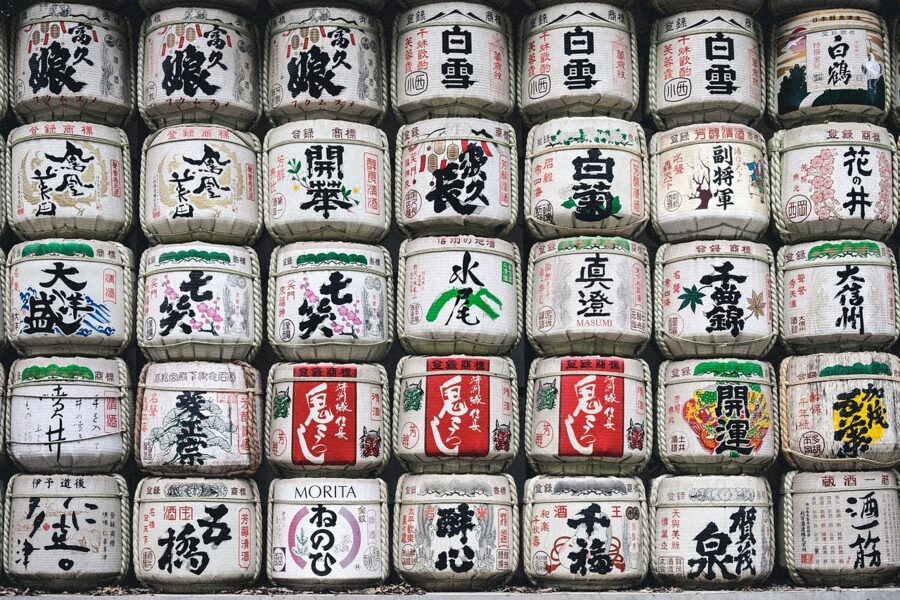
Walk in from JR Harajuku Station and out the north gate toward Yoyogi, or the other way round. The stacked sake barrels on the approach are gifts from brewers around Japan, and across from them a row of Burgundy wine casks, which says something about Emperor Meiji’s tastes.
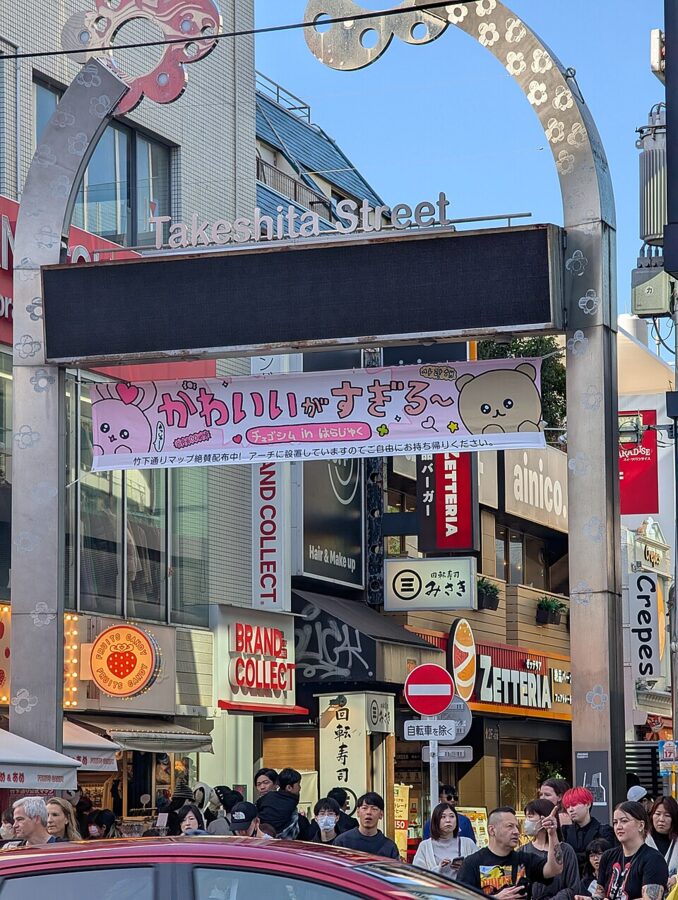
Harajuku is the other side of the station. Takeshita-dori, the narrow street of crepe stands and teenage fashion opposite the station’s Takeshita Exit, is worth five minutes on a weekday and is a crush on weekend afternoons. Omotesando, the tree-lined avenue to the south, is where the architecture is. The Harajuku guide has the side streets and the shops worth the detour.
Shibuya Crossing and Shibuya Sky
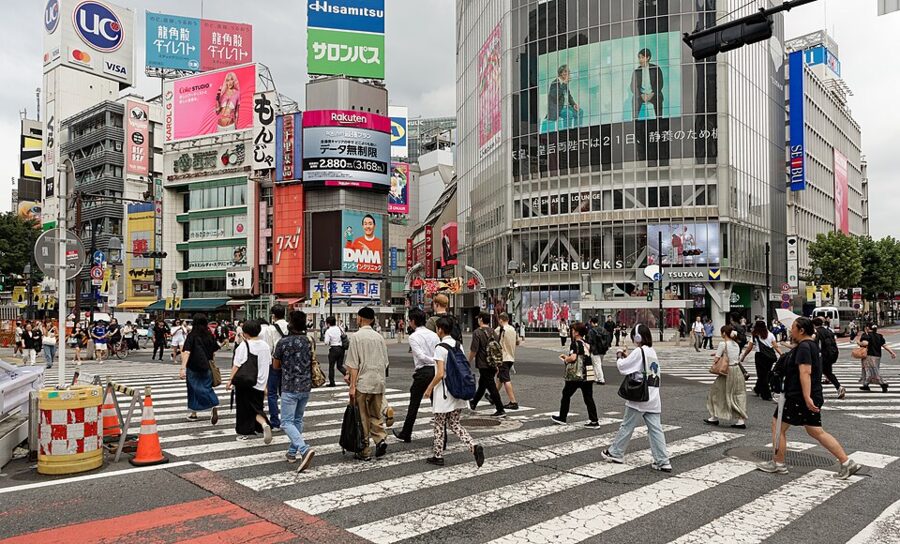
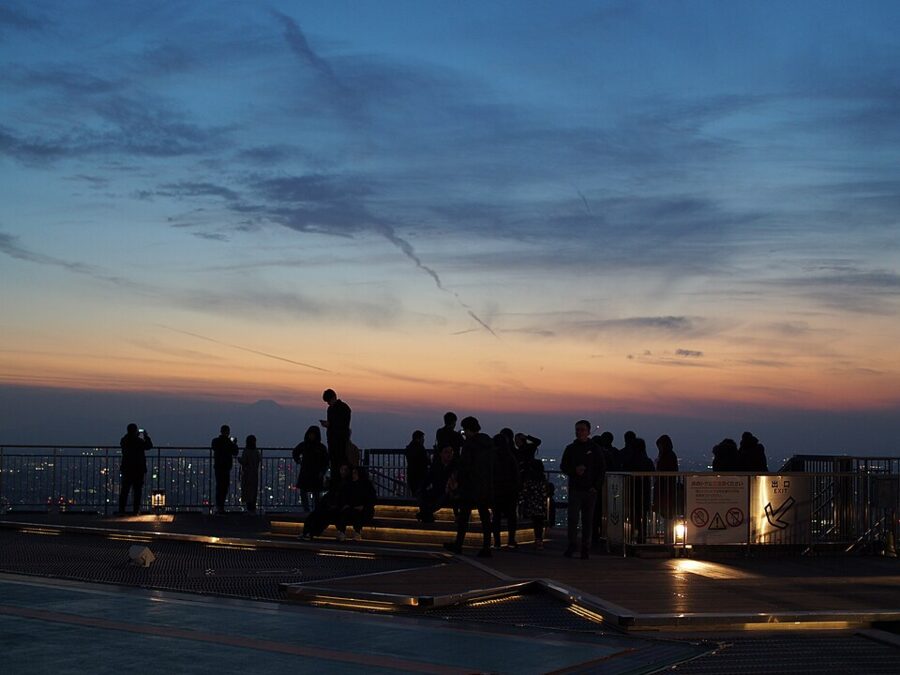
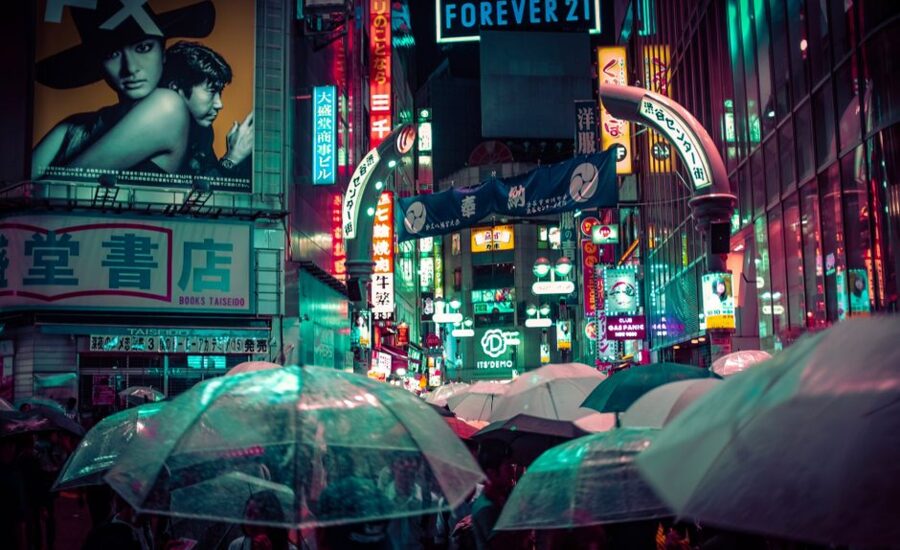
Shibuya Crossing, outside the Hachiko Exit of Shibuya Station, is free and open all night, and it is better from above than in the middle of it. Cross it once at street level. Then go up.

Shibuya Sky is the open-air rooftop on top of Shibuya Scramble Square, 229 m above the crossing. Online tickets cost ¥2,700 for an adult entering before 15:00 and ¥3,400 from 15:00, and are sold up to two weeks ahead; the counter charges ¥3,000 and ¥3,700 when anything is left. The slots around sunset sell out first, and at 16:30 sunsets in late November that means the 15:00 to 16:00 entries.
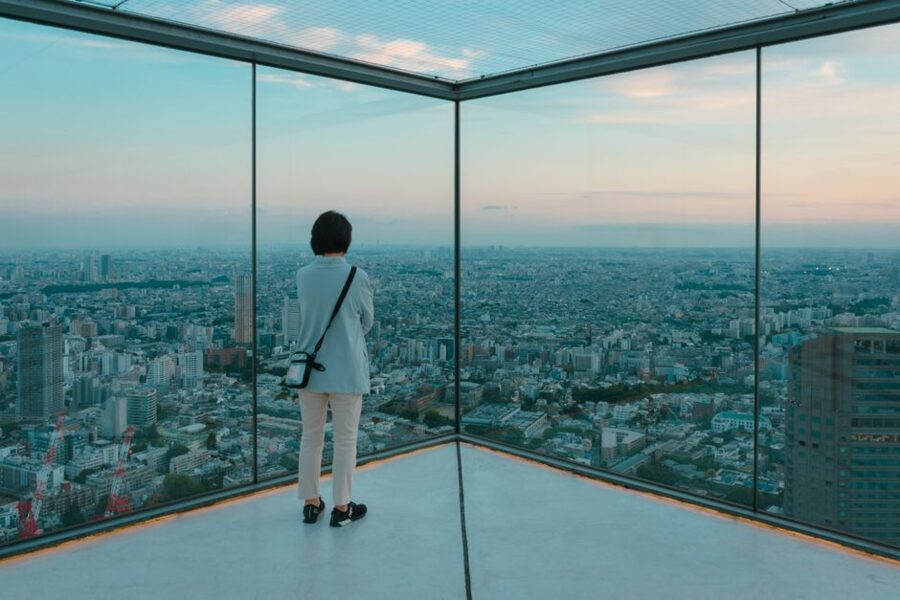
Shibuya the district has its own guide: Shibuya covers the exits, the side streets and where to go after dark, and the Tokyo nightlife guide takes the evening further.
Shinjuku Gyoen
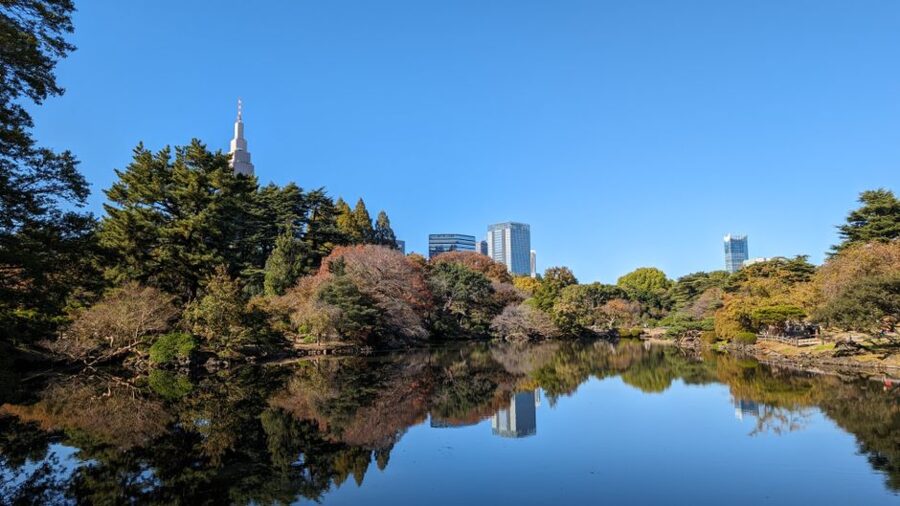
Shinjuku Gyoen (新宿御苑) is the best garden in Tokyo for the money: 58 hectares of French formal garden, English lawns and Japanese pond garden, for ¥500. The Ministry of the Environment’s entry page gives hours of 09:00–16:30 from October 1 to March 14, last entry 16:00, and until 18:00 from mid-March to the end of September. It closes on Mondays (the next weekday when Monday is a holiday) and from December 29 to January 3.
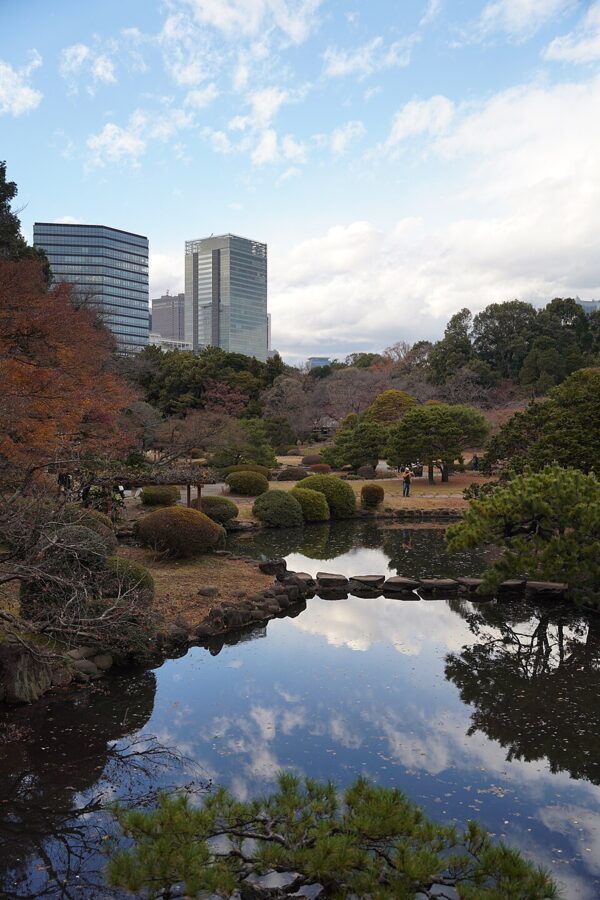

Two exceptions matter. During the cherry blossom season, March 25 to April 24, and the chrysanthemum show, November 1 to 15, it opens on Mondays too. And the ministry warns that cherry-season weekends may switch to advance reservations, so check the page before a late-March or April visit. Food is allowed, alcohol is not, which is why the garden is the calm alternative to Ueno Park for hanami, cherry blossom viewing.
The Tokyo Metropolitan Government observatories
The two free observatories on the 45th floor of the Tokyo Metropolitan Government Building in West Shinjuku sit 202 m up, and they are free. The South Observatory admits visitors 09:30–21:30 and closes on the first and third Tuesdays of the month; the North Observatory admits 09:30–17:00 and closes on the second and fourth Mondays. Both close from December 29 to 31 and on January 2 and 3.
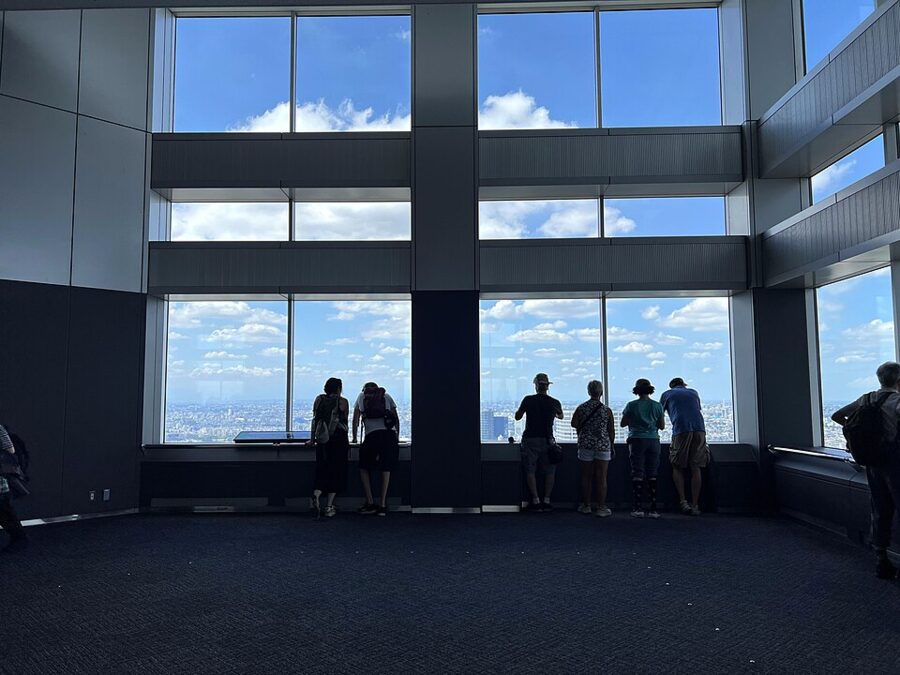
The views are through glass, so it is not Shibuya Sky, but it is free and open late. For the rest of the district, the Shinjuku guide covers the station exits, the alleys and the night.
The Ghibli Museum in Mitaka
The Ghibli Museum sits in Inokashira Park in Mitaka, 20 minutes from Shinjuku on the JR Chuo Line. The museum’s ticket page is plain about it: entry is by advance ticket for a fixed date and entry time, sold only on the Lawson Ticket website, from 10:00 on the 10th of each month for the following month. Adults pay ¥1,000. It opens 10:00–18:00, with entry times on the hour from 10:00 to 16:00, and closes on Tuesdays and for longer breaks that change each year.
You must arrive within an hour of the time on the ticket, but you can stay until closing. Popular days, weekends and school holidays, go fast after release. Nothing sold anywhere else will get you in: the museum refuses resold tickets. From Mitaka Station’s South Exit it is a 15-minute walk along the Tamagawa Josui canal or a short ride on the community bus.
The bay and the south: teamLab, Odaiba, Tokyo Tower and Roppongi
The bay side is reclaimed land, built up from the 1990s, and it is where Tokyo puts its new attractions. The south, between Roppongi and Tokyo Tower, has the art museums and the second tall tower.
teamLab Planets and teamLab Borderless
There are two teamLab digital art museums in Tokyo, and people book the wrong one. teamLab Planets in Toyosu is the one where you take off your shoes and wade through knee-deep water; it is scheduled to close at the end of 2027. It opens 08:00–22:00 with last entry at 21:00 (08:00–20:00 from December 31 to January 2), and adult tickets were listed at ¥3,800 in November 2026 under dynamic pricing, so some dates differ. Shin-toyosu Station on the Yurikamome is a minute away.
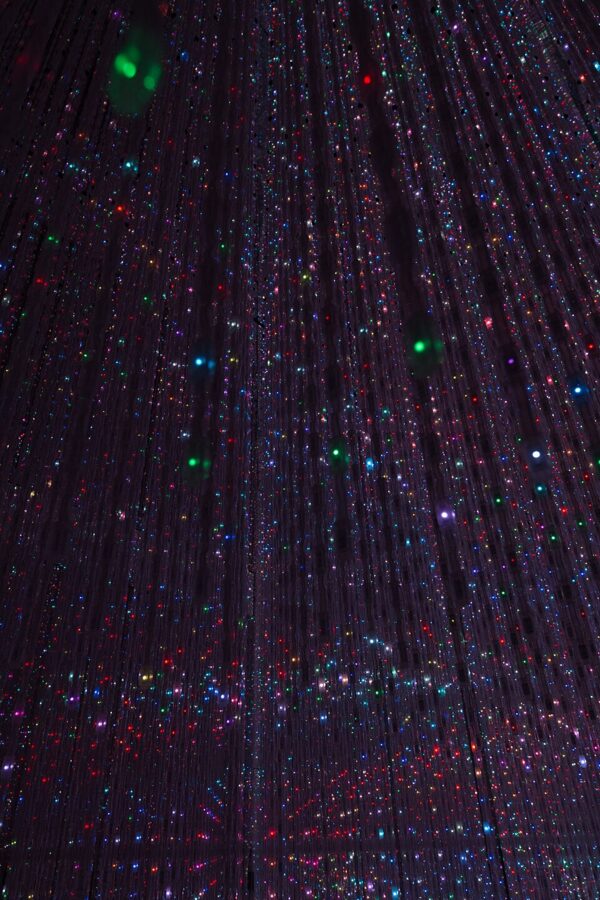

teamLab Borderless moved from Odaiba to Azabudai Hills, near Kamiyacho Station on the Hibiya Line, and reopened on February 9, 2024 as a permanent site. It is dry, darker and built for wandering: the works drift between rooms. Hours are 08:30–21:00 on normal days, and adults pay from ¥3,400 online, with ¥200 more at the door. If you only do one, take Planets while it lasts.
Odaiba
Odaiba is an artificial island with malls, a beach you cannot swim at, and the best view of the Rainbow Bridge. The Yurikamome driverless train from Shimbashi crosses the bridge on a loop, and the front seat is the best ride in the city for the fare. Go at dusk.
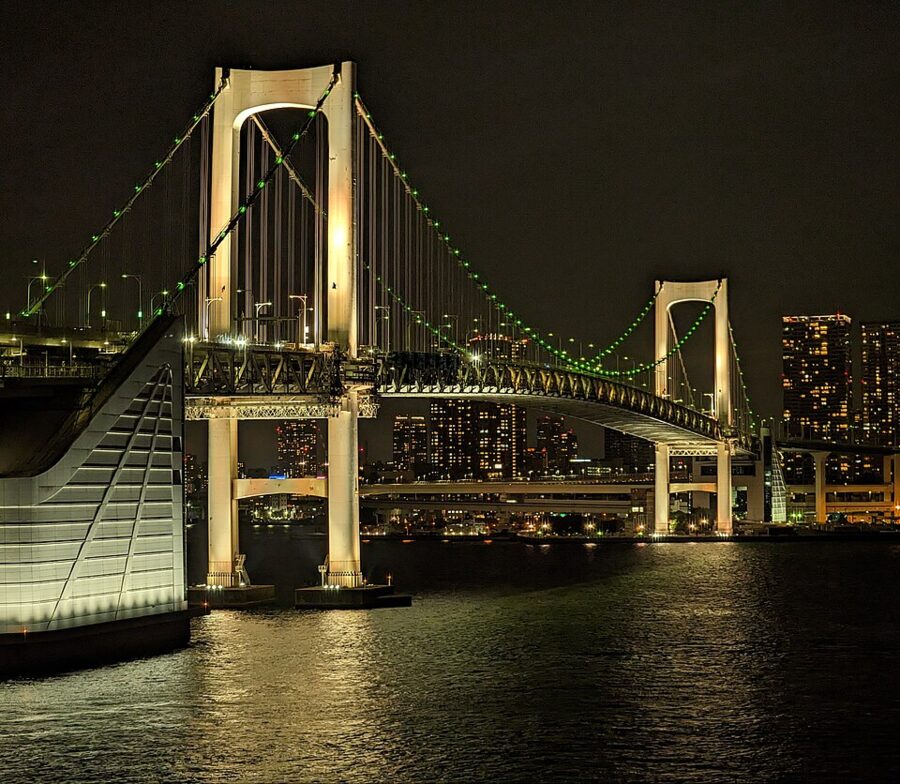
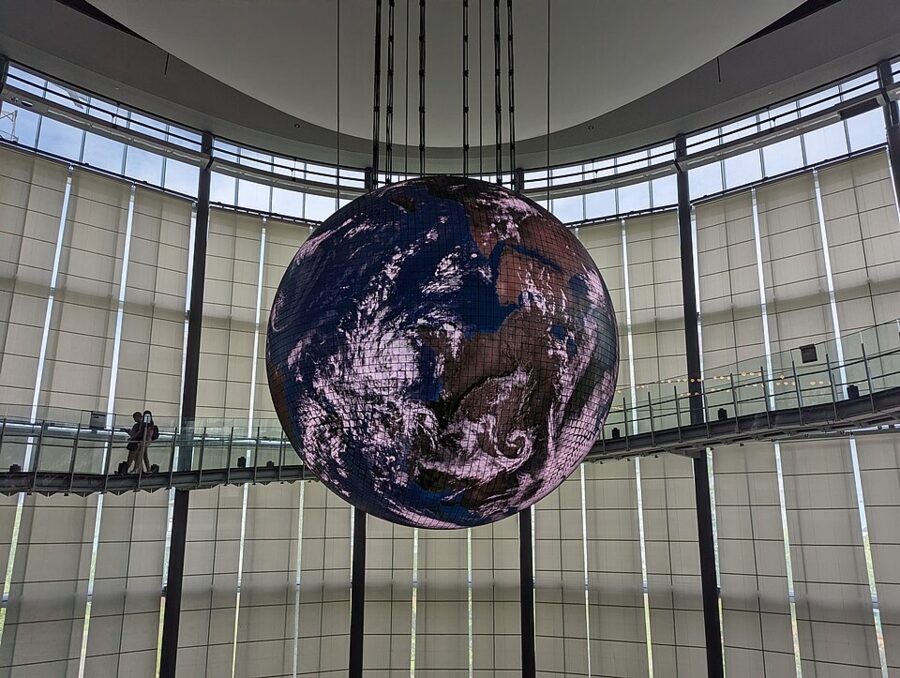
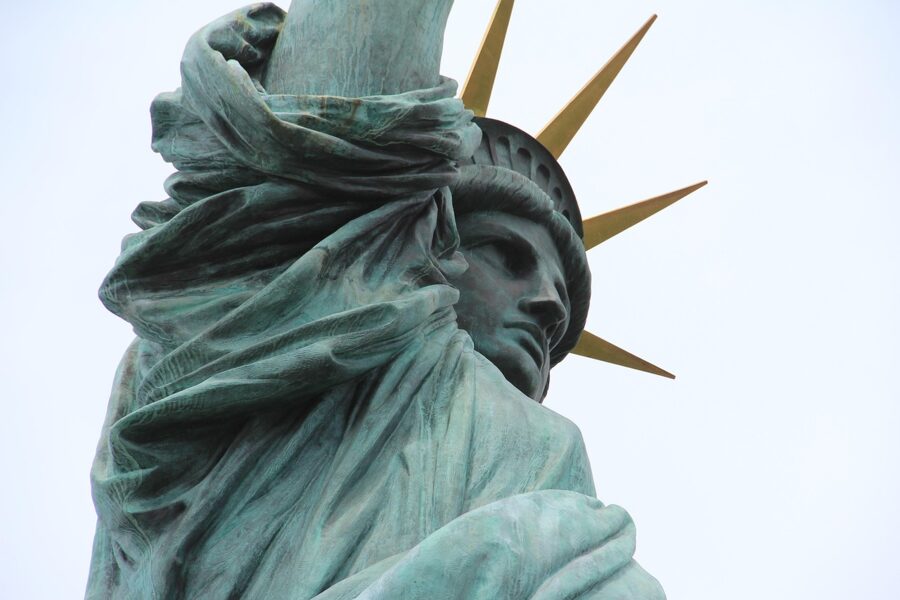
The island has lost more than it has gained since 2022. The Palette Town Ferris wheel closed on August 31, 2022, teamLab Borderless left the same year, and the life-size Unicorn Gundam outside DiverCity Tokyo Plaza ended its run at the end of August 2026 after almost nine years. What remains worth the trip is the waterfront, the Statue of Liberty replica, and Miraikan, the national science museum, open 10:00–17:00 and closed on Tuesdays.
Tokyo Tower
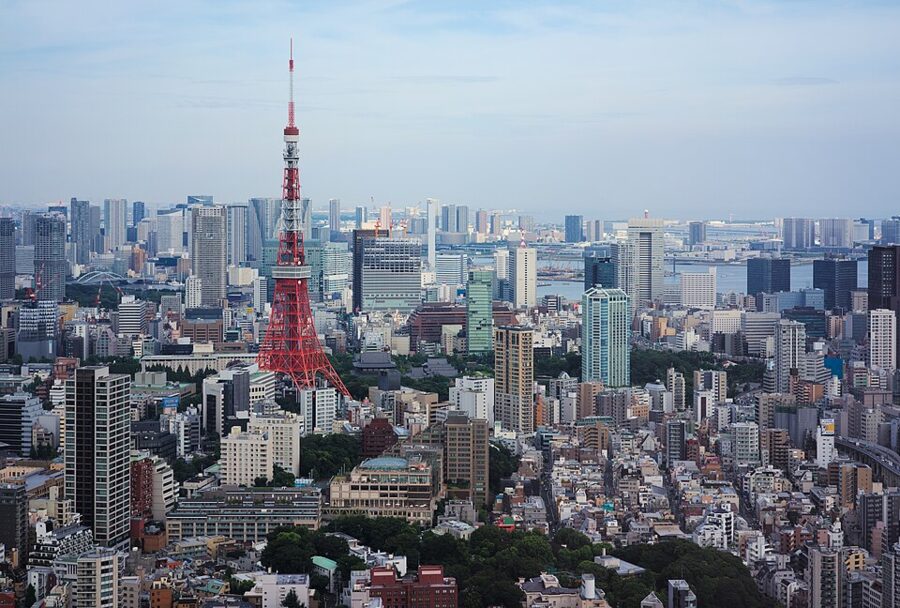
Tokyo Tower is 333 m tall, older (1958) and lower than Skytree, and in the middle of the city rather than at the edge, which makes the view better than the height suggests. The tower’s fee page lists the Main Deck at 150 m for ¥1,500 an adult, open 09:00–23:00 with last entry at 22:30. The Top Deck Tour, which adds the 250 m deck, costs ¥3,300 online or ¥3,500 at the counter, last entry 22:15.
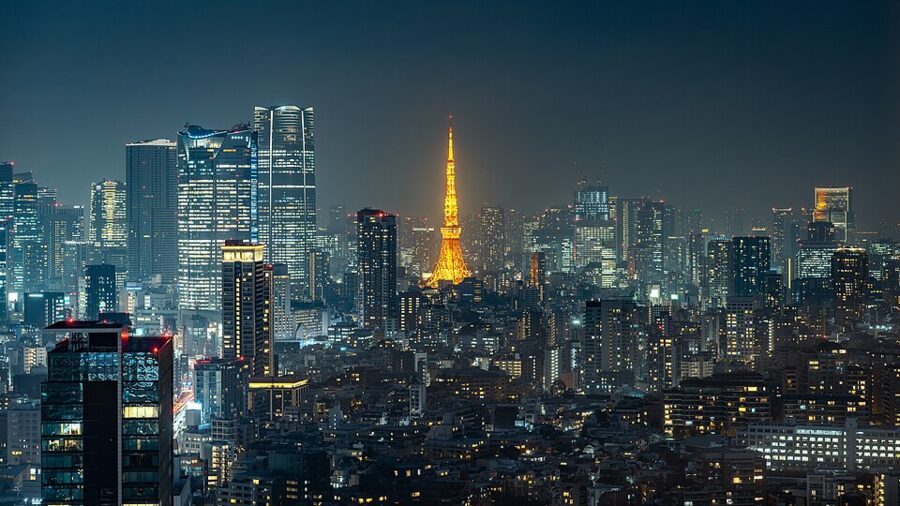

Late opening is the tower’s advantage. When Skytree has stopped admitting at 21:00, Tokyo Tower takes visitors until 22:30, and the view of the city at night from 150 m, close in, is worth more than the far view from Skytree on a hazy day.
Roppongi’s museums
Roppongi has three museums worth the trip, all walkable from Roppongi Station. The Mori Art Museum, on the 53rd floor of Roppongi Hills Mori Tower, shares a ticket with the Tokyo City View deck a floor below; for the exhibition running to March 28, 2027 the combined adult ticket costs ¥2,600 online on weekdays and ¥3,000 at the counter at weekends. Note the date: the Mori Art Museum closes for renovation from September 2027 to April 2028.

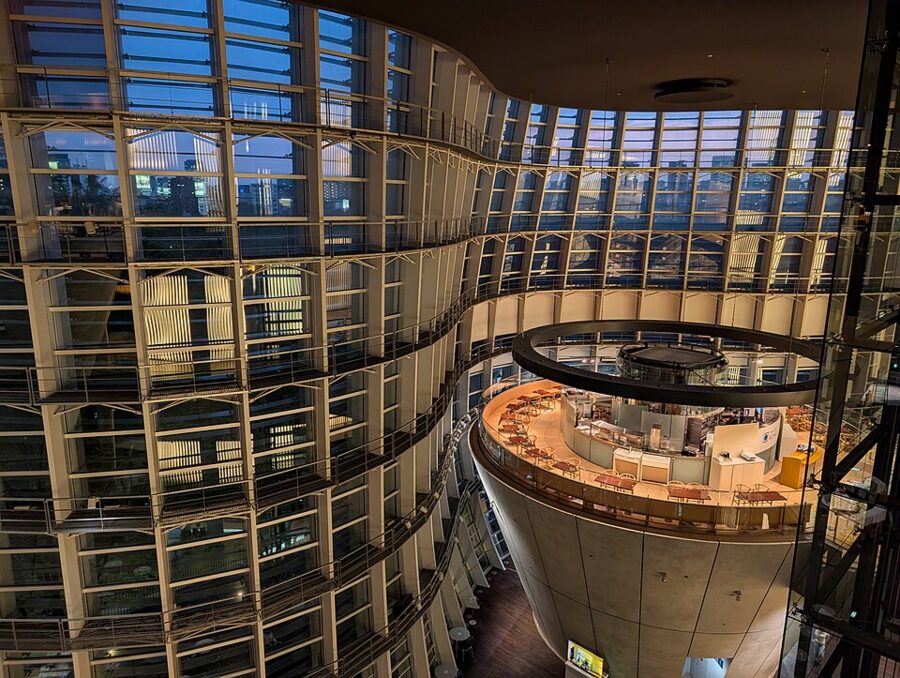
The National Art Center, Tokyo, a five-minute walk away, has no permanent collection and some of the biggest temporary shows in the city; it opens 10:00–18:00 and closes on Tuesdays. Its glass wave of a building, by Kisho Kurokawa, is free to walk into. The Suntory Museum of Art in Tokyo Midtown completes the triangle.


Observation decks compared
Tokyo has more paid observation decks than it needs. Here is how the main ones line up on the prices posted in November 2026. One is free, and for a first trip it may be all you need.
| Deck | Height | Adult price | Booking | Best time |
|---|---|---|---|---|
| Tokyo Metropolitan Government, South | 202 m | Free | None; closed 1st and 3rd Tuesdays | After dark, until 21:30 |
| Tokyo Tower Main Deck | 150 m | ¥1,500 | Online or counter | Late evening, until 22:30 |
| Tokyo Skytree, both decks | 350 m and 450 m | From ¥3,000 (dynamic) | Online; ¥500 more at the counter | Clear winter mornings |
| Shibuya Sky | 229 m, open-air | ¥2,700 before 15:00, ¥3,400 after | Online, up to two weeks ahead | Sunset; book the slot |
| Tokyo City View, Roppongi Hills | 52nd floor | ¥2,600–3,000 with the Mori Art Museum | Online cheaper | Dusk, for Tokyo Tower |
My verdict: the free South Observatory in Shinjuku for the first night, Shibuya Sky for the one paid view, and Tokyo Tower if you want a late one. Skytree is the tallest and the least necessary, unless the morning is clear enough for Fuji.
Shows and events: kabuki, sumo, baseball and Disney
Kabuki is the easiest to fit in: a single act at the Kabukiza, booked a few days ahead or bought at the theater, as above. Sumo depends on the calendar. Tokyo’s tournaments run for 15 days in January, May and September at Ryogoku; the other three are in Osaka (March), Nagoya (July) and Fukuoka (November), so a November trip to Tokyo has no sumo in town.
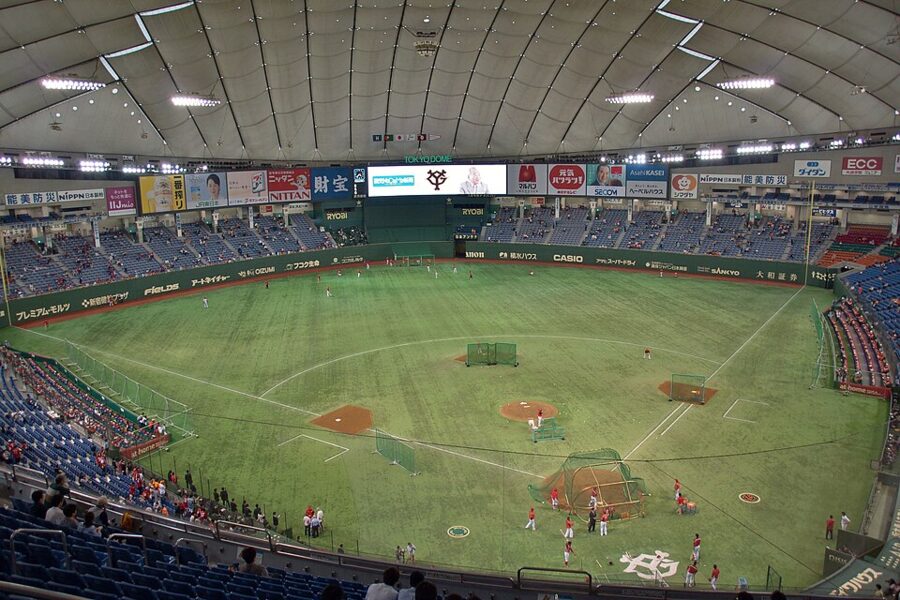
Baseball is the summer answer. The Yomiuri Giants play at Tokyo Dome, next to Suidobashi and Korakuen stations, and the season runs from late March to the autumn, so there are no regular-season games on a November-to-February trip. Buy through the Giants’ own ticket page, which warns that it cancels resold tickets. The cheering sections in the outfield, with a song for every batter, are the show.

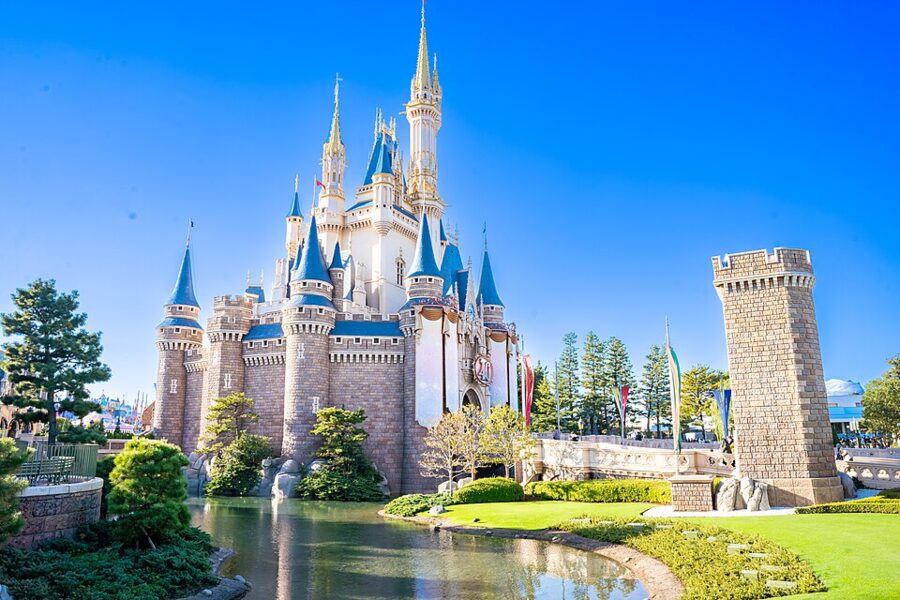
Tokyo Disneyland and Tokyo DisneySea are in Urayasu, in Chiba, 15 minutes from Tokyo Station on the JR Keiyo Line to Maihama. A day ticket is for one park on one date, and the price changes with the day: the operator raised the top price for an adult 1-Day Passport to ¥12,400 from October 2026. The resort’s ticket page releases each date two months ahead, at 14:00 daily. It is a full day, and it only makes sense if Disney is the point.

Live music is the other evening, and the small rooms are where Tokyo is best. That has its own page: the Tokyo live music guide covers the venues, the drink charge at the door and how to buy tickets.
Free things, rainy-day things, and what to skip
A surprising amount of the best of Tokyo is free: Senso-ji and Nakamise, Meiji Jingu and its forest, the East Gardens and the palace tours, and the Tokyo Metropolitan Government observatories. So are Shibuya Crossing, Yanaka and its cemetery, Ueno Park, the Tsukiji Outer Market if you only look, and the walk from Asakusa to Skytree along the Sumida.
For a wet day, the indoor list is long. The Tokyo National Museum is the best use of a rainy day in the city, and the Edo-Tokyo Museum the second. teamLab, Miraikan, the Roppongi museums and the Tokyo Station basements all keep you dry, and Akihabara’s electronics and game shops are stacked eight floors high (the Akihabara guide has the ones worth climbing). The rainy season runs through June and into July, and typhoons can close the open-air decks and the palace tours in late summer.
And the skips, with reasons:
- The Robot Restaurant. It stopped performing in Kabukicho in March 2020 and has not reopened.
- Toyosu for the market alone. Without the auction, it is a clean, modern building of closed doors and viewing corridors. Eat at Tsukiji instead.
- Skytree on a hazy afternoon. At ¥3,000 and up for both decks, it needs a clear day to beat the free deck in Shinjuku.
- Odaiba for the Gundam. The statue outside DiverCity came down at the end of August 2026.
- Takeshita-dori on a weekend afternoon. You will see the backs of heads. Go on a weekday morning or not at all.
- Paying a reseller. The Ghibli Museum, the sumo association and the Giants all say resold tickets can be refused at the gate.
Grouping the sights into days
Tokyo is too big to cross for one sight, so plan by area: one side of the city a day, with the sight that has a fixed time at its center. Check the closing days first, because they clash. The Tokyo National Museum and Shinjuku Gyoen close on Mondays, the East Gardens on Mondays and Fridays, the Ghibli Museum on Tuesdays, and the palace tours do not run on Sundays or Mondays.
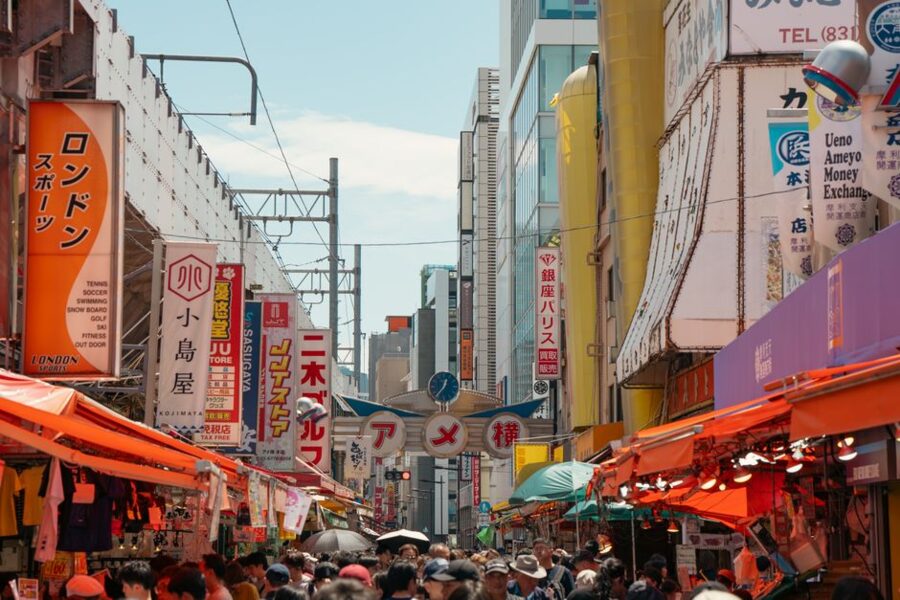
The east. Senso-ji at 07:00, Nakamise as it opens, the river walk to Skytree, then Ueno and the Tokyo National Museum in the afternoon, ending in Yanaka or at Ameyoko. Swap Skytree for Ryogoku in a sumo month.
The center. A palace tour in the morning (or the East Gardens on any day but Monday or Friday), Tokyo Station for lunch, Ginza in the afternoon and a single act at the Kabukiza in the evening. Start with breakfast at Tsukiji if you can face it.
The west. Meiji Jingu at opening, Harajuku and Omotesando through the morning, Shibuya and Shibuya Sky at sunset, and Shinjuku for the night. Put Shinjuku Gyoen and the free observatory on another afternoon, or swap the Ghibli Museum in when your ticket says so.
The bay and south. teamLab Planets in the morning, the Yurikamome across to Odaiba, then back to Roppongi for an evening museum and Tokyo Tower at night.
Where you sleep changes how this works: a base on the Yamanote Line keeps every day under 30 minutes from the start, and the where to stay in Tokyo guide compares the areas. The Tokyo neighborhoods guide goes deeper into each district, the day trips from Tokyo guide covers Kamakura, Nikko and Hakone, and if you are landing at Haneda Airport, the east and center days are the easiest first day from the monorail and the Keikyu line.
Then the dates. Sumo seats go on sale about a month before each tournament, the tuna auction lottery runs a month ahead, and full kabuki programs open in the middle of the month before.
And the Ghibli Museum releases next month at 10:00 on the 10th, on Lawson Ticket, or inside the one bus tour the museum lists.