

For two people on a first trip, the hotels I’d book are Shinagawa Prince Hotel on a tight budget, Hotel Gracery Shinjuku or the renovated rooms at Asakusa View Hotel in the middle, and The Okura Tokyo or the Tokyo Station Hotel for a splurge. On each hotel’s own booking page, checked on November 24, 2026, for the night of Wednesday, January 20, 2027, those rooms ran from ¥15,220 to ¥114,444. Every price below is for one room, two adults, no meals, on that same night, so the numbers line up.
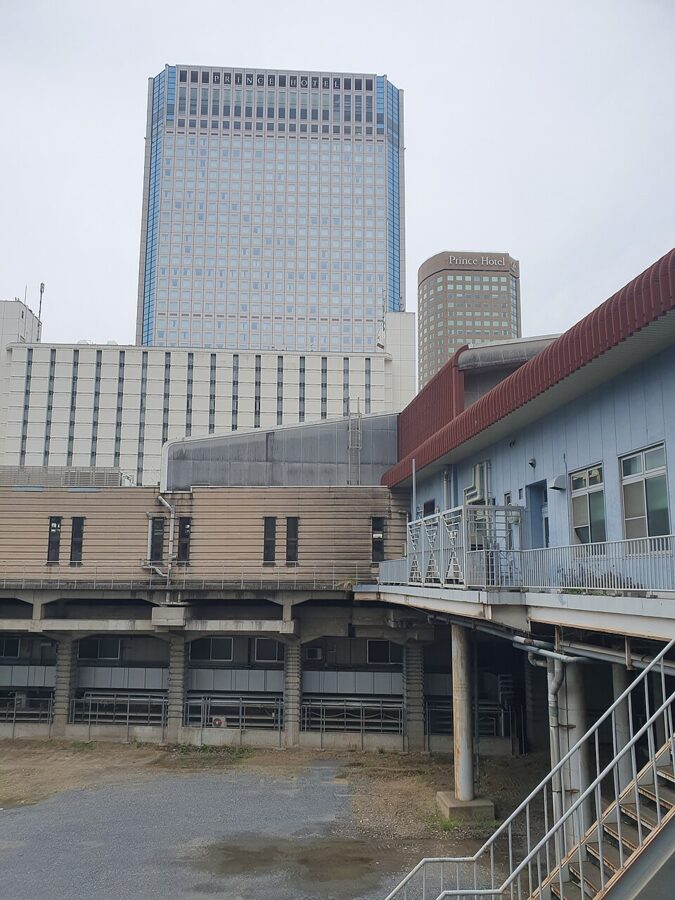
The cheap end is Shinagawa Prince Hotel, across the road from Shinagawa Station: ¥15,220 for a 21 m² twin in the Main Tower, on the members’ rate that anyone can sign up for free. The Keikyu Line runs to Haneda from the station, the Tokaido Shinkansen stops there, and the JR Yamanote Line goes both ways round the loop. It is a big, plain, efficient place, and the right one for a short first visit.
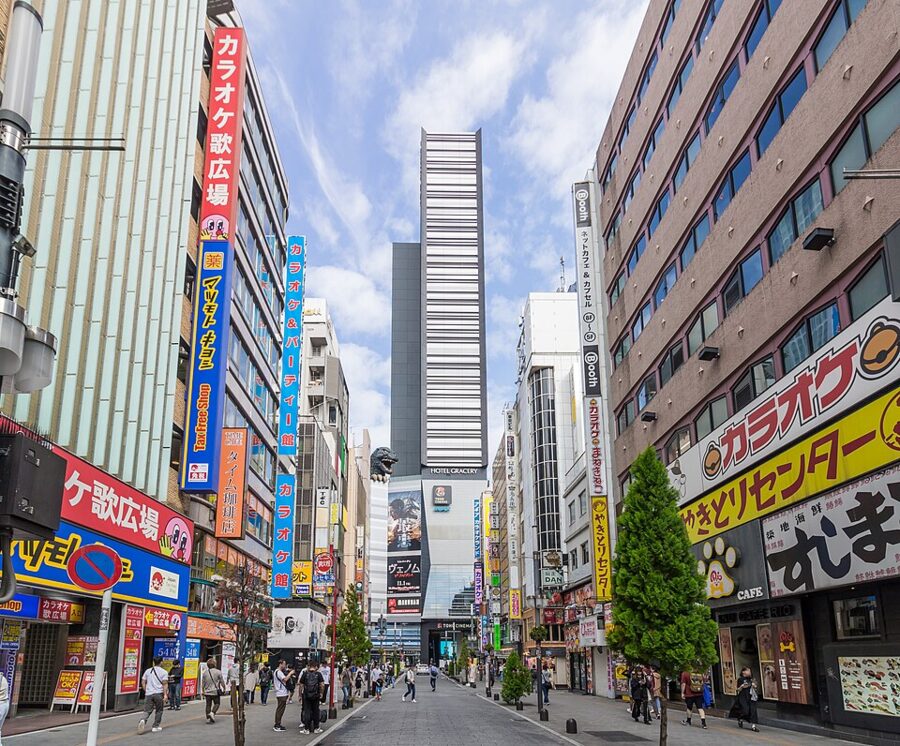
In the middle, Hotel Gracery Shinjuku asked ¥22,900 for an 18 m² double with a 140 cm bed, five minutes from the JR East Exit. Asakusa View Hotel asked ¥22,270 for a 26.1 m² twin on its renovated 7th to 12th floors, Skytree side. Same money, eight more square meters, and a subway ride of about 35 minutes to Shinjuku. That is the whole Tokyo hotel trade in two lines.

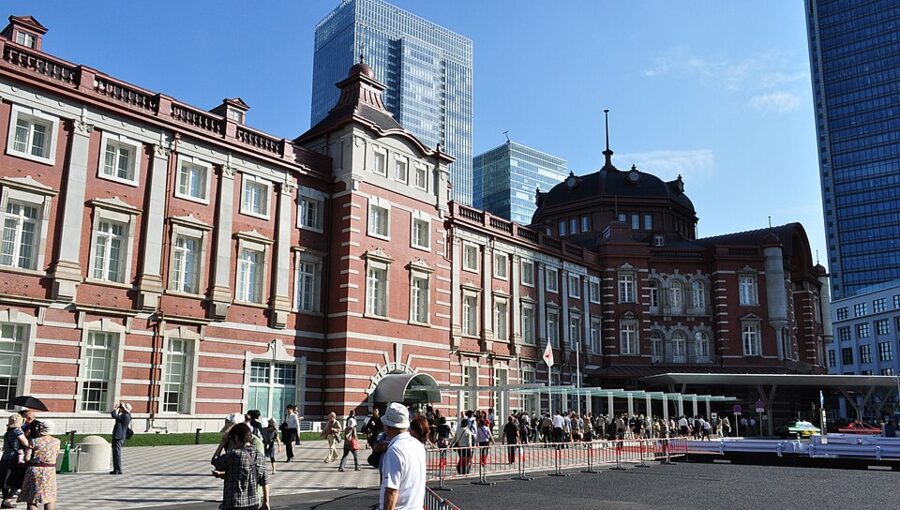
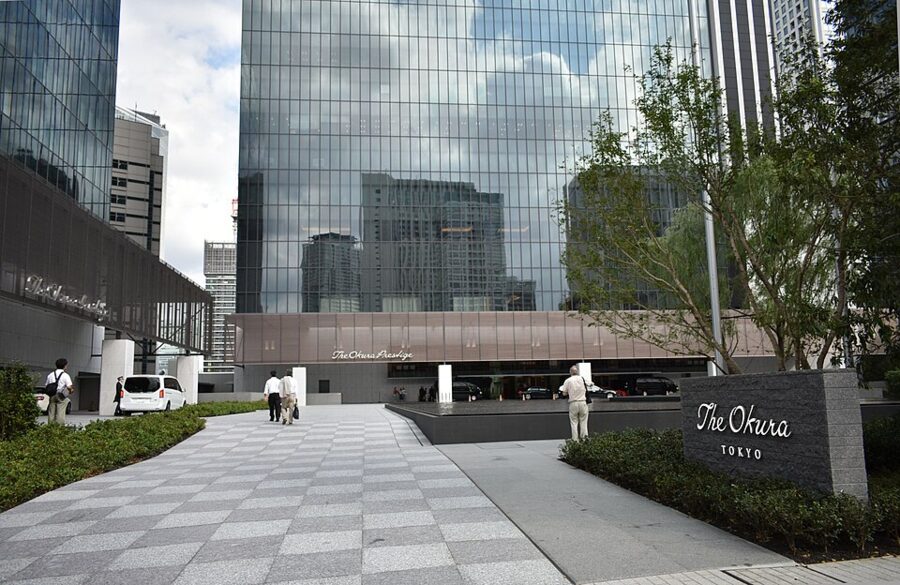
For a splurge, The Okura Tokyo in Toranomon quoted ¥91,080 for a 48 m² Prestige Twin, and the Tokyo Station Hotel ¥114,444 for a 40 m² Palace View Superior Twin (¥102,998 with its free membership). The Okura gives you twice the floor space of most of the city. The Tokyo Station Hotel gives you the Shinkansen downstairs, which is the better deal if you are leaving for Kyoto at 07:00.


Which district suits you is a separate question, and the where to stay in Tokyo guide settles it: station first, then airport, then the side of the station, then noise.
How to read a Tokyo hotel price
A Tokyo hotel quote can mean four different things, and two hotels a block apart can show the same room at prices that look ¥10,000 apart for reasons that have nothing to do with the room. Read these four lines before comparing anything.
Per room or per person
Japanese hotel booking pages ask how many adults first and then show a total for the room. Ryokan, and many hotel plans that include dinner, quote per person instead, so a ¥25,000 inn for two can be ¥50,000 a night. When a listing says 1名 (one person) or お一人様 next to the price, double it for two.
The accommodation tax is per person too, which is where couples get caught. The Tokyo Metropolitan Government’s Bureau of Taxation charges ¥100 a person a night when the room-only rate per person is ¥10,000 to ¥14,999, and ¥200 at ¥15,000 and up. Nothing below ¥10,000.
From April 1, 2027, the revised Tokyo accommodation tax becomes 3% of the room-only rate per person, with no tax under ¥13,000 per person, and it extends to capsule hotels, hostels and private rentals. The rate it is worked out on excludes meals. The full before-and-after table is in the where-to-stay guide; in practice, the Tokyo Station Hotel room above pays about ¥3,400 in tax for two from April, against ¥400 before.

Tax and service charge
Prices on Japanese-language hotel pages include the 10% consumption tax and, at full-service hotels, the service charge. The booking pages say so in small print (税・サービス料込, tax and service included). The accommodation tax is the exception. Hotel Gracery Shinjuku’s own booking page says it is not in the quoted price and is paid at check-in, and Mitsui Garden Hotels collect it at the desk at check-in or check-out.
English-language booking engines run by international systems sometimes show the opposite. Keio Plaza Hotel Tokyo’s English booking page quoted a Standard Queen for January 20, 2027 at ¥36,040, marked “excluding taxes and fees”. Compare a pre-tax number with a tax-included one and the cheaper hotel can come out dearer at checkout.
Square meters, and what a double is
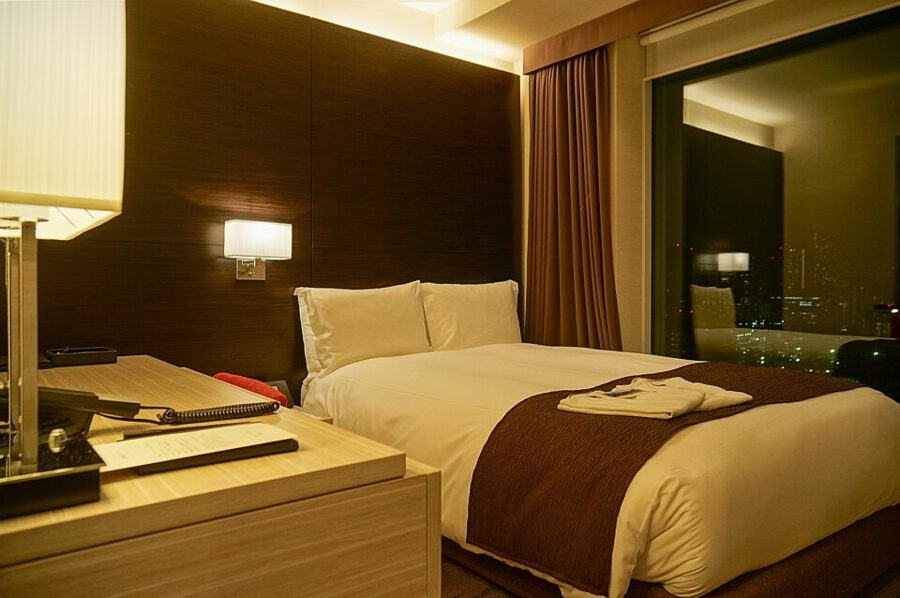
Rooms in Japan are sold by area, and the figure is on every room page. Under 15 m² is a single person’s room whatever the listing says: Hotel Asia Center of Japan’s standard double is 13 m². About 18 m² is the normal city double, 25 m² is roomy, and the 46 m² standard rooms at The Prince Sakura Tower Tokyo are larger than plenty of Tokyo apartments.
The bed is the other trap. The booking system that many Japanese hotels share sorts beds by width: single 90–130 cm, double 131–150 cm, queen 151–180 cm. So a “double” is usually a 140 cm bed, about the width of an American full, and a semi-double (セミダブル) is sold as a room for two on a bed that can be narrower still; the width in centimeters is on the room page. Hotel Ryumeikan Tokyo’s double is 17.5 m² with one 140 cm bed; its next size up, 19 m², has a 160 cm bed and cost ¥3,000 more.
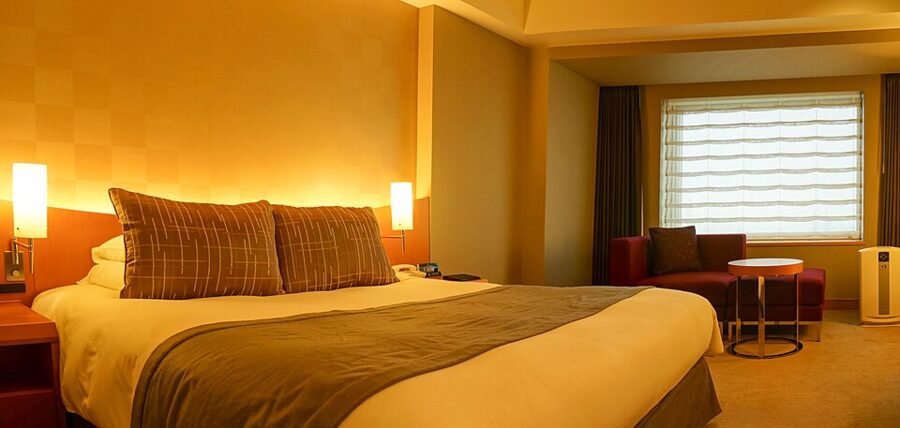

If two adults want two beds, search for a twin (ツイン), not a double. Twins are usually a few square meters larger and a few thousand yen dearer: at Hotel Gracery Shinjuku, the 24 m² twin was ¥5,200 more than the 18 m² double on the same night.

The hotel’s own site, or a booking platform
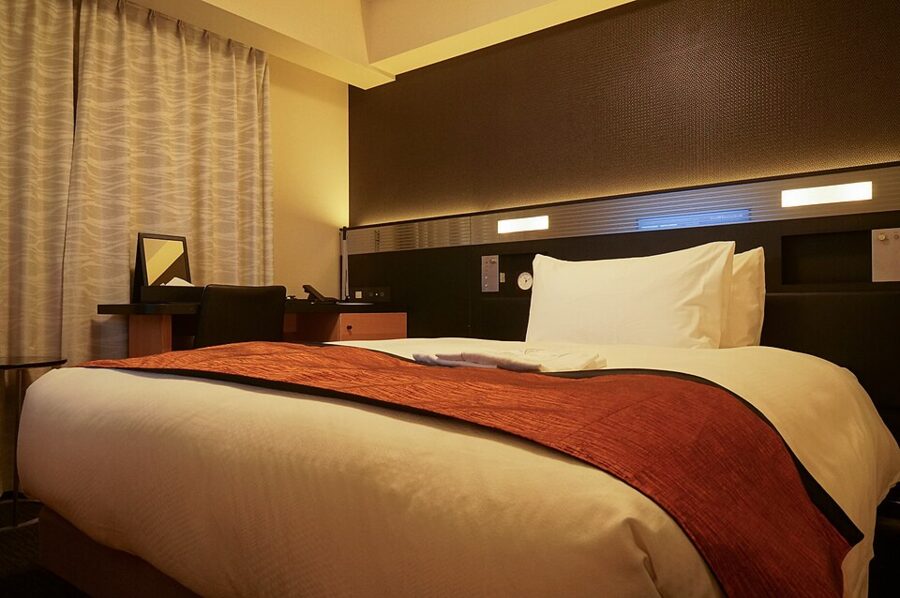
Most Tokyo hotels run a free membership that gets a lower price on their own site, and the gap is not small. The Tokyo Station Hotel’s member rate was 10% under the public one. Shinagawa Prince Hotel and Sunshine City Prince Hotel showed their cheapest rooms on January 20, 2027 only at the members’ price, and Hotel Gracery Shinjuku took ¥600 off for members.
Platforms are good for seeing what exists on a date. But a booking made on one is changed or canceled through that platform, not at the hotel desk, and member perks and room requests usually go with the direct booking. I compare on a platform and book on the hotel’s own page.
Read the cancellation line before paying. The Tokyo Station Hotel charges 100% of the room rate from the day before arrival. Prince Hotels’ plans quoted above allowed free cancellation up to two days before. Non-refundable plans are cheaper and mean what they say.
District by district, at three prices
Each district below has a top, a middle and a bottom, and the prices are the floors that each hotel’s own booking page showed for January 20, 2027. A Saturday in cherry blossom season costs a lot more. Where a hotel’s own page would not give a price for that night, I have left the price out rather than guess. The districts themselves, by day, are in the Tokyo neighborhoods guide.
Shinjuku (新宿)
Shinjuku has more rooms than anywhere else in the city, and the station’s sides decide which kind you get. The skyscraper hotels are west of the tracks, quiet at night and a long walk through the underground passages from the platforms. The cheaper towers are east, around Kabukicho, which is loud until morning. Shinjuku Station has more than one exit called “East”, so check which one a hotel means.
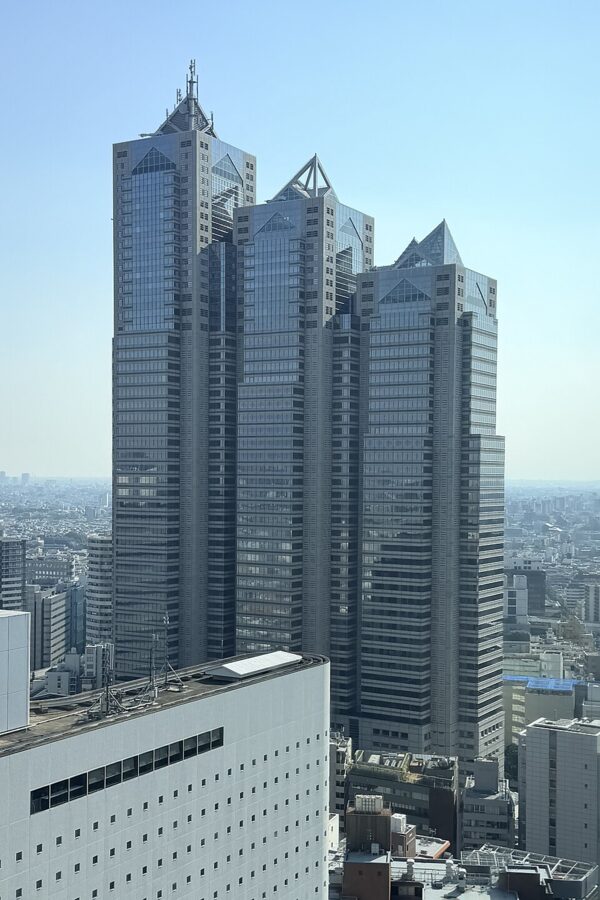
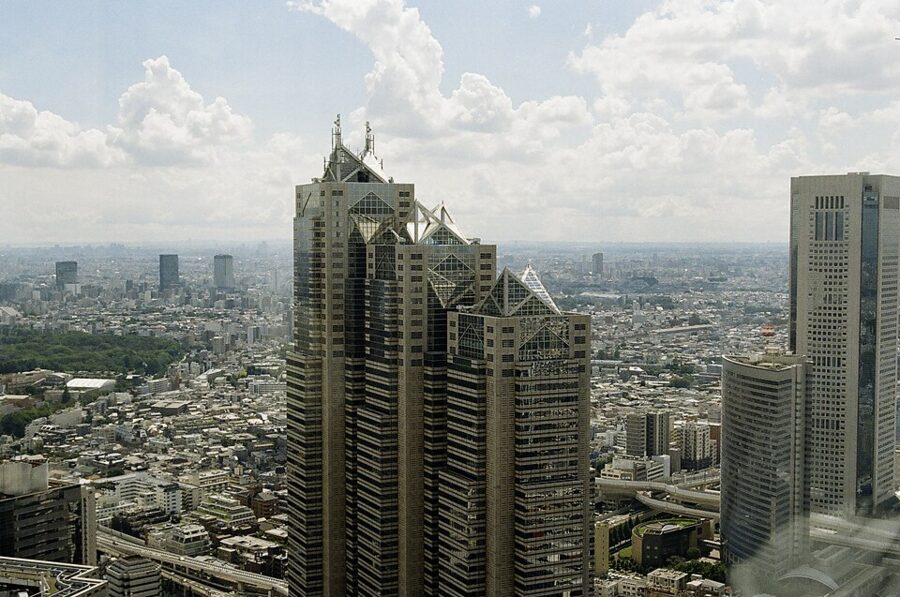
Top: Park Hyatt Tokyo. The hotel takes the 39th to 52nd floors of Shinjuku Park Tower, with the lobby on the 41st, and reopened on December 9, 2025 after closing on May 7, 2024 for renovation. It has 171 rooms, including new 85 m² Park Suites, and since the reopening the hotel’s restaurants include Girandole by Alain Ducasse. It is good for long dinners and quiet nights, and less good for anyone who wants to walk out of the door into the city: the tower stands at the far southern end of the skyscraper district, well beyond the West Exit.

Upper middle: Keio Plaza Hotel Tokyo. The twin towers by the West Exit opened on June 5, 1971 and have the most practical rooms on the west side. The Standard Queen is 23.5 m² on the 19th to 21st floors of the main tower, and was ¥36,040 before tax and service on the English booking page for January 20, 2027. Children up to 5 stay free if they share a bed, and the hotel has been an official Tokyo Disney Resort Good Neighbor Hotel since October 2002.
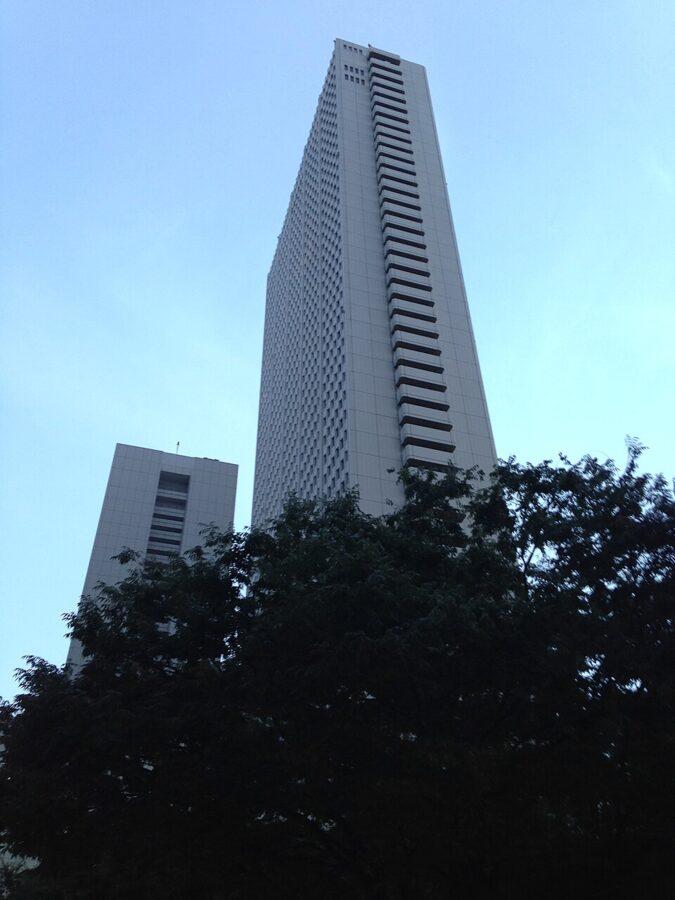

Middle: Hotel Gracery Shinjuku. The one with Godzilla’s head on the terrace, in the Shinjuku Toho Building, five minutes from the JR East Exit and three from Seibu-Shinjuku Station. The 18 m² double with a 140 cm bed was ¥22,900; the 20 m² Comfort Double with a 160 cm bed was ¥28,200. Check-in starts at 14:00, an hour earlier than most, and Gracery’s late check-out costs ¥1,100 a person an hour, up to 14:00.
The catch is the walk home. The hotel is on the Kabukicho side of Yasukuni-dori, so the route back from dinner passes touts and bars until late. For most people that is fine. For light sleepers with children, the west side is the better buy.
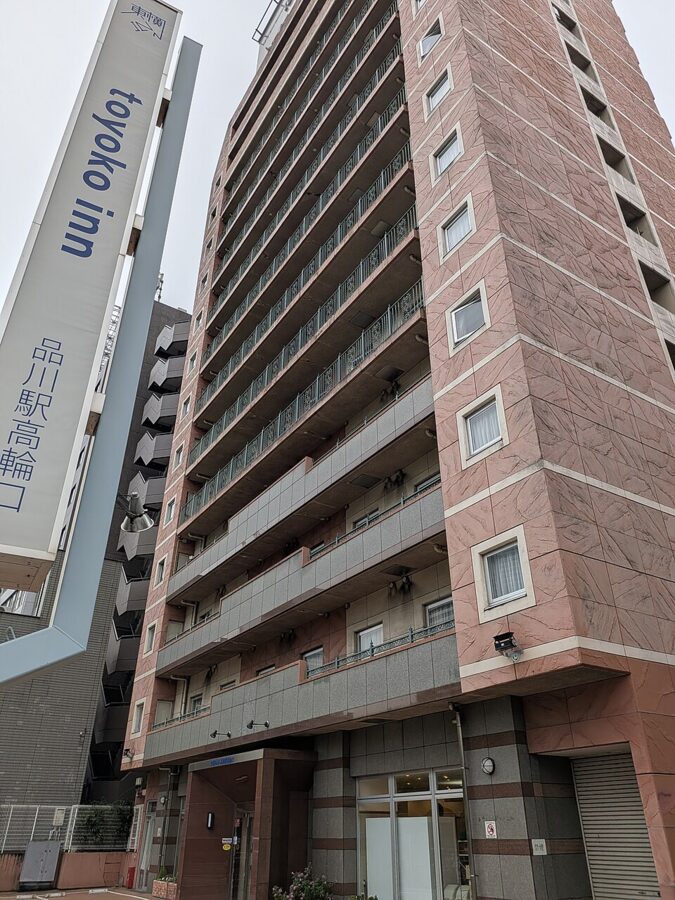
Bottom: Toyoko Inn Tokyo Shinjuku Kabukicho. Plain, clean, with a free buffet breakfast from 06:30 to 09:00, check-in at 15:00 and check-out at 10:00. The address is the problem: the Kabukicho Toyoko Inn is 15 minutes’ walk from the JR East Exit and three minutes from Exit A1 of Higashi-shinjuku Station on the Toei Oedo Line, so it suits Oedo Line users and nobody else much.
Below it, Shinjuku’s cheapest beds are capsule hotels and hostels.
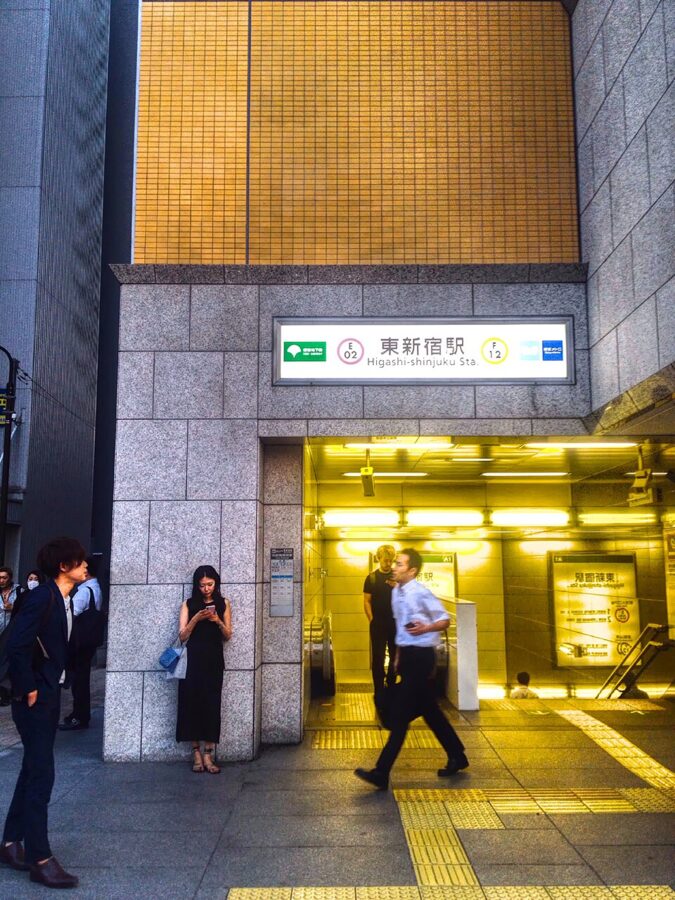

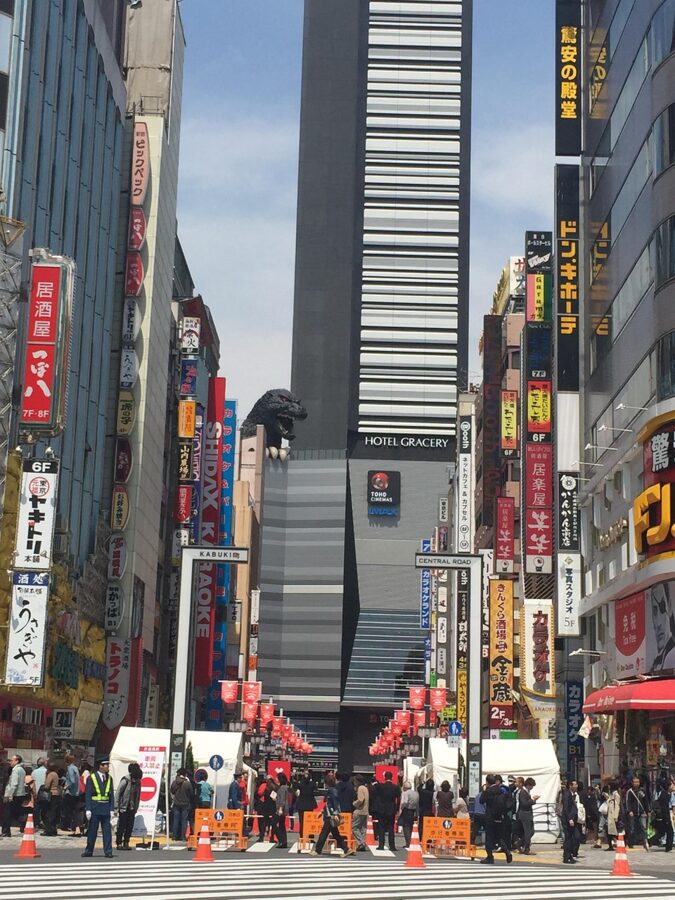
Verdict: the west side for families and early nights, Gracery for people who want to walk back from Golden Gai, and nothing on the Kabukicho side for anyone who sleeps lightly.
Shibuya (渋谷)
Shibuya‘s three most useful hotels for a first trip all belong to Tokyu Hotels, the hotel arm of the railway company whose lines start at Shibuya Station. That makes the choice simple: pick by distance from the gates.
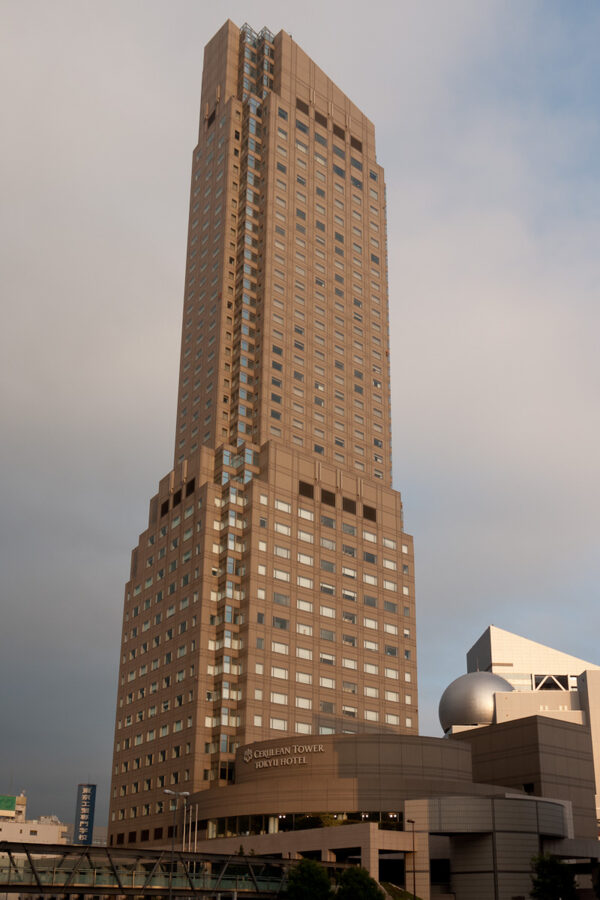
Top: Cerulean Tower Tokyu Hotel. The tall tower on Route 246, five minutes from the JR West Exit and about the same from Shibuya Mark City. Cerulean Tower’s rooms start at 28.4 m² and go up to Japanese-style suites. It is the Shibuya hotel for people who want space and a view of the city at night.

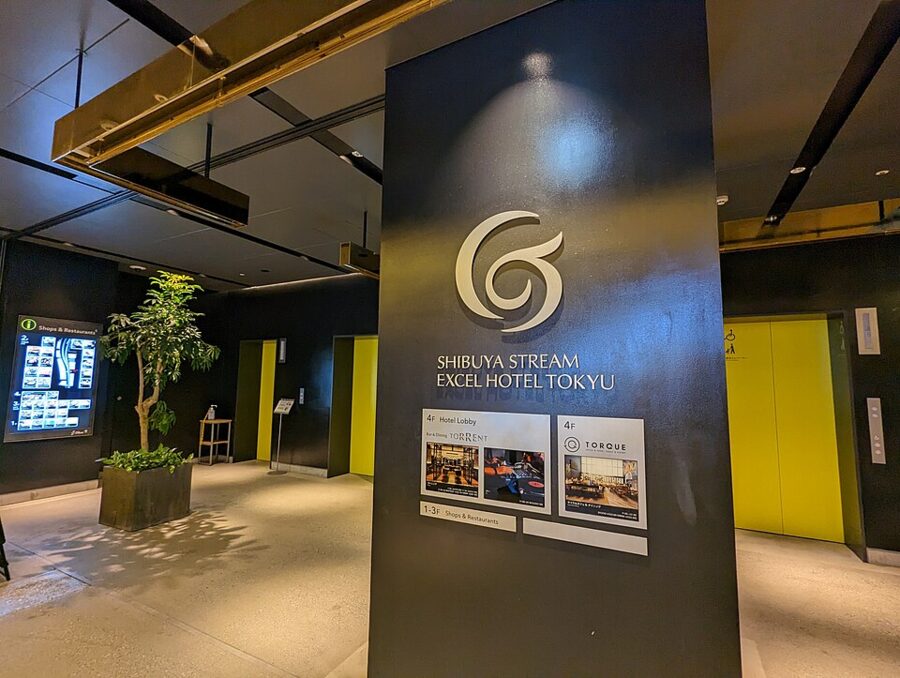
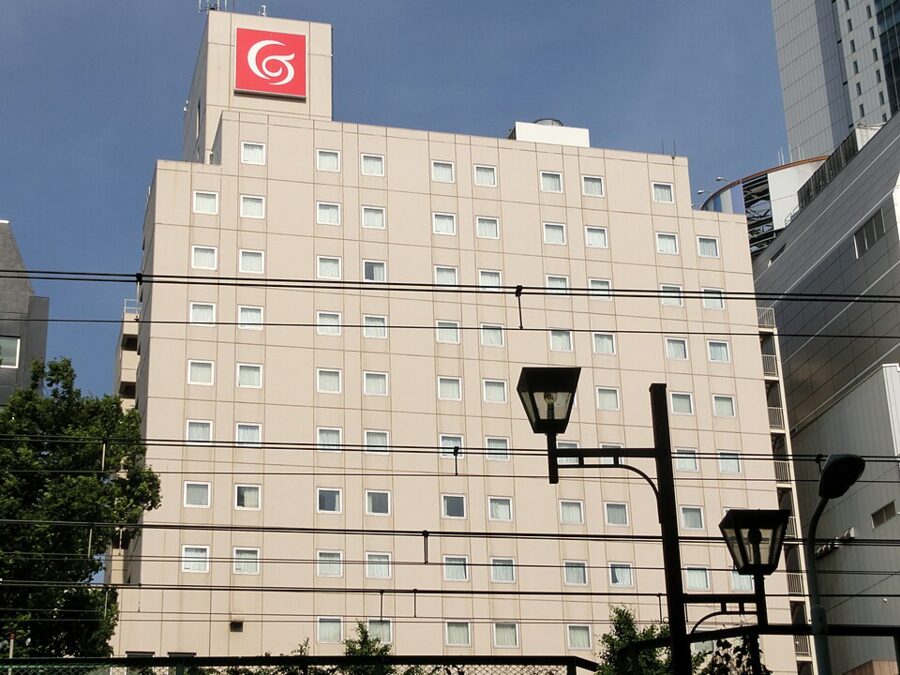
Middle: Shibuya Stream Hotel. Connected directly to Shibuya Station, in the Shibuya Stream building on the south side. It is the pick for a short stay with an early start, or for anyone planning sunset at Shibuya Sky and an evening on foot.
Bottom: Shibuya Tokyu REI Hotel. Two minutes from the Miyamasuzaka Exit of the JR and Ginza Line station, on the Miyamasuzaka side. It is the plainest of the three and the closest Shibuya gets to a business-hotel price. Verdict: Shibuya suits people out late and walking to Harajuku; for a first trip with luggage, Shinjuku or Shinagawa are simpler.
Ginza and Tokyo Station
Tokyo Station is where every Shinkansen line starts, and the blocks around it and south to Ginza are calm after 22:00. This is the base for rail-pass holders and early departures. The Marunouchi side faces the Imperial Palace; the Yaesu side is where the cheaper rooms are, and the Tokyo Station guide explains how the two connect.
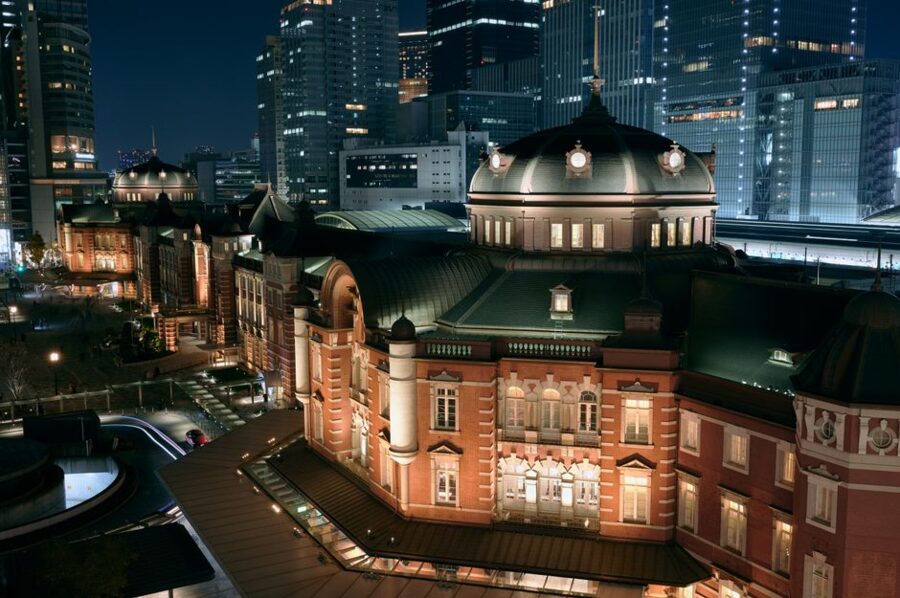
Top: the Tokyo Station Hotel. In the station’s own red-brick building, with a 40 m² Palace View Superior Twin at ¥114,444 (¥102,998 for members) for January 20, 2027. Check-in is 15:00 and check-out 12:00, an hour later than most, and the hotel takes bookings up to a year ahead. Cancel the day before and you pay in full.
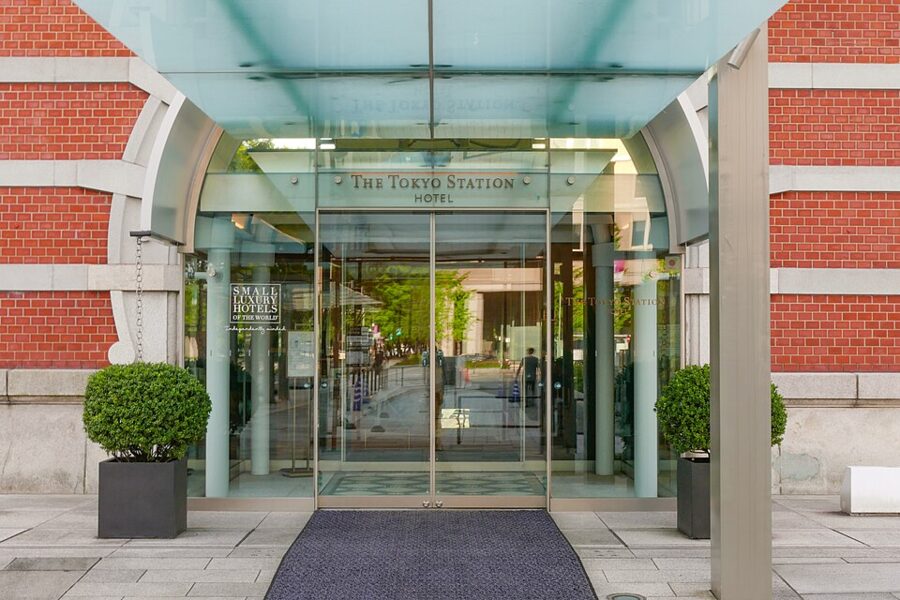

The room names tell you the view. Palace View and Palace Side rooms face the Marunouchi plaza toward the palace, and the South Wing rooms are at the south end of the long building. I’d pay for the palace side and spend the difference on dinner.
Middle: Mitsui Garden Hotel Ginza Premier. In the Ginza Mitsui Building, four minutes from Exit 1 of the Ginza Line at Shimbashi and five from the JR Ginza Exit there. The 18.5 m² double was ¥27,680, and check-out is 12:00. It is the Ginza pick for people who want to walk to the department stores and the Kabukiza.
Middle: Hotel Ryumeikan Tokyo. Three minutes from the Yaesu North Exit, with the front desk on the 15th floor. The double was ¥29,000 for 17.5 m² and a 140 cm bed. Check-in is 14:00 and check-out 11:00, and guests with a later stay booked can leave one bag per person with the hotel from a week before.
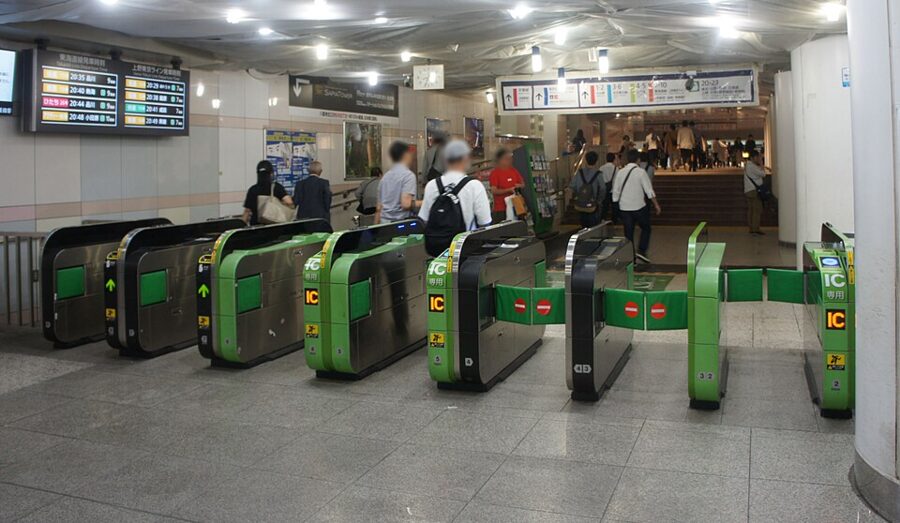

Bottom: Toyoko Inn Tokyo-eki Yaesu Kita-guchi. Three minutes from the Yaesu North gate of JR Tokyo Station and from Exit A7 of Nihombashi Station on the Tozai Line. Free continental breakfast from 06:30 to 09:00, check-in at 15:00, check-out at 10:00. The rooms are small and the location is the reason to book.
Verdict: worth the money if you have a Shinkansen to catch or a rail pass to use. If the evenings are going to be in Shinjuku or Shibuya, the extra cost buys you a ride of 20 to 30 minutes home.
Asakusa and Ueno
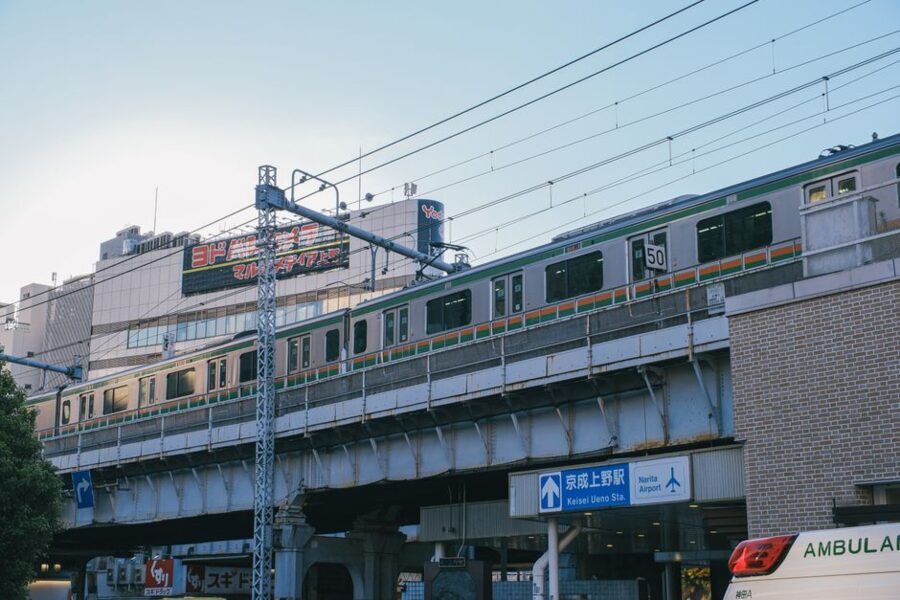
Taito ward, in the old northeast of the city, is where the money goes furthest. The Ginza Line joins Asakusa and Ueno in five minutes, Ueno has the JR Yamanote Line, the Shinkansen and the Keisei Skyliner to Narita, and Akihabara is two stops south. The cost is time: Shinjuku is 30 to 40 minutes away.
Top: Asakusa View Hotel. The tall hotel on Kokusai-dori, a few minutes from Senso-ji. It reopened after a renovation on November 17, 2025, with a 28th-floor lounge for some plans, and the renovated rooms on the 7th to 12th floors are sold as new in 2026. A 26.1 m² renovated twin on the Skytree side was ¥22,270 on January 20, 2027, more floor space for less money than the 18 m² Gracery double in Shinjuku.
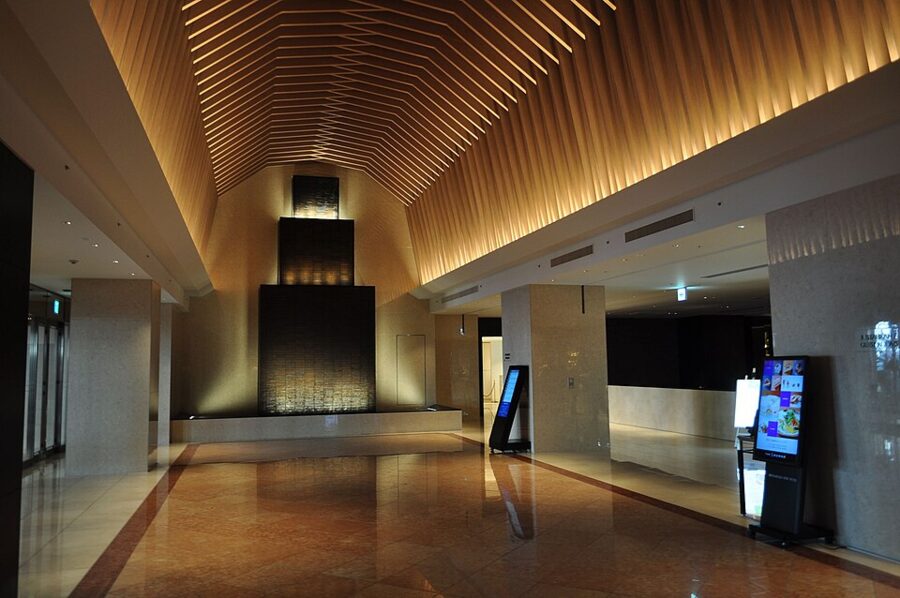

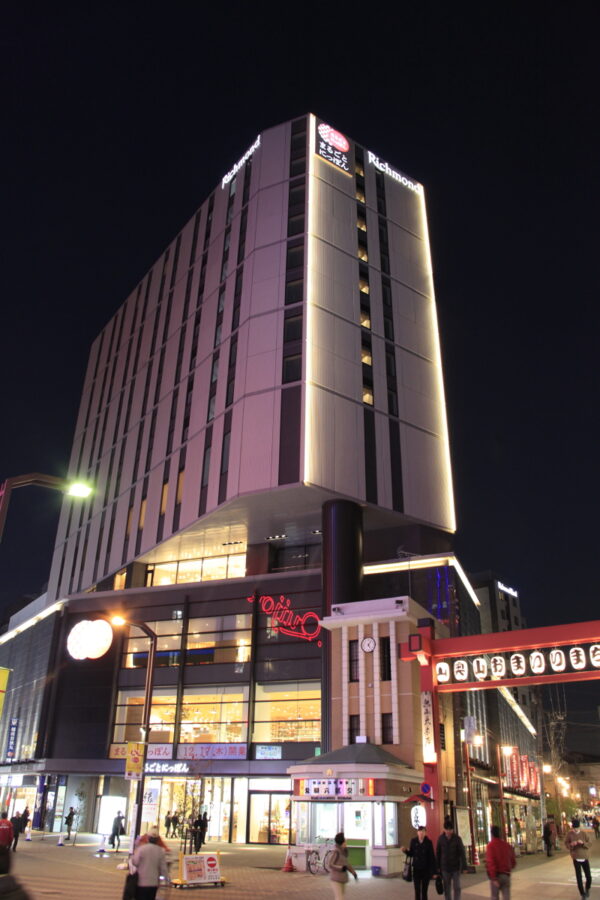
Middle: Richmond Hotel Premier Asakusa International. 254 rooms a few minutes from Exit A1 of Asakusa Station on the Tsukuba Express, with Japanese-modern rooms of 39 m² and a 48 m² room with two bunk beds that suits a family of four. Some rooms look toward the Skytree and the Senso-ji pagoda.

Middle: Nohga Hotel Ueno. A design hotel near Ueno Station, its rooms furnished with work by local craftspeople. Nohga’s 18 m² queen room was ¥24,420 room only; check-in is 15:00 and check-out 11:00. It is the better pick if your trip starts or ends on the Skyliner.
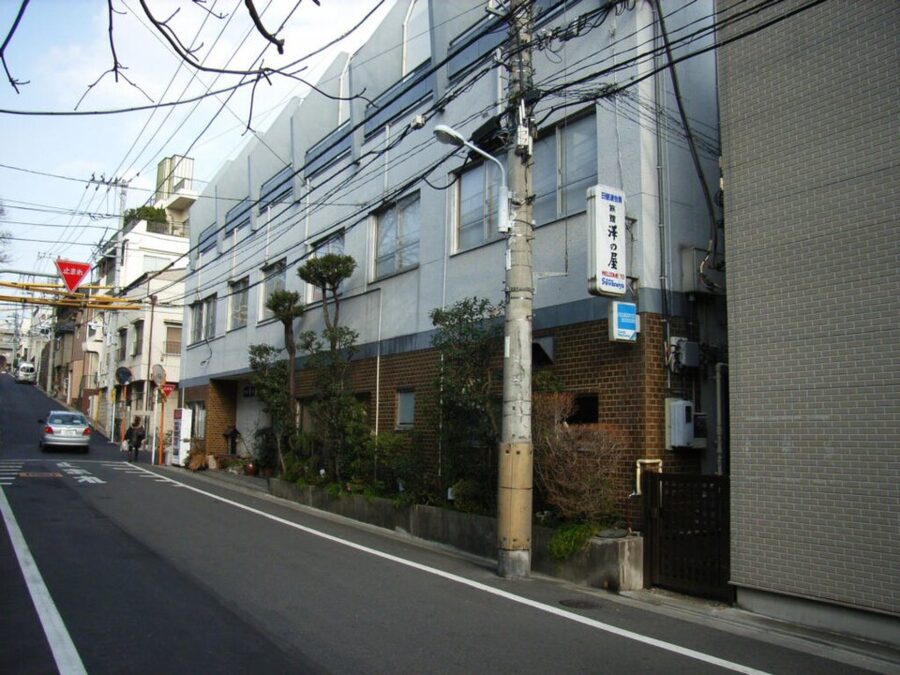
Bottom: Ryokan Sawanoya. A family-run inn in Yanaka, northwest of Ueno Park, which marked its 70th year in June 2019 and runs its own site in English. It is a traditional Japanese inn, not a hotel, so check the per-person basis when booking. Verdict on the area: Asakusa for early mornings at the temple, Ueno for the trains, and neither for nightlife.

Roppongi and Akasaka
Minato ward is where the international hotel brands put their newest towers, and the prices show it. Roppongi itself is a nightlife district on the Hibiya and Oedo lines with no JR station. Akasaka, Toranomon and Kioicho are quieter and closer to the government district.
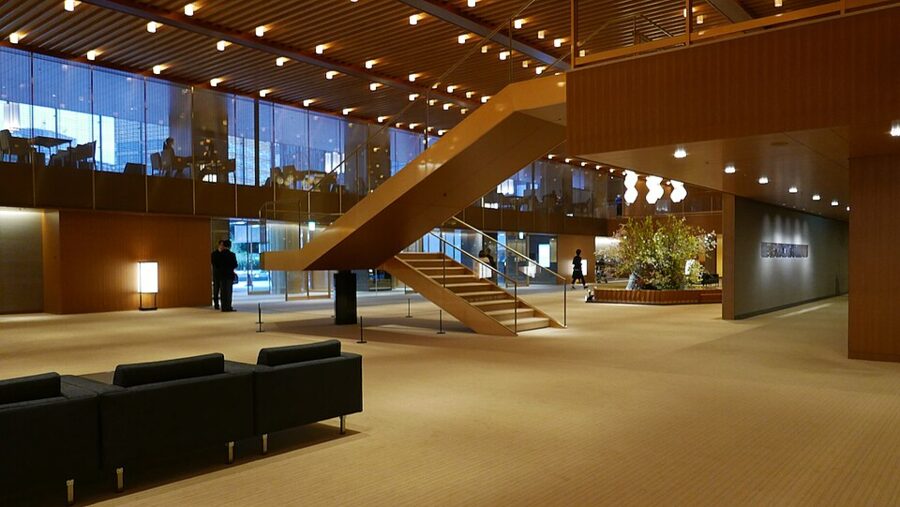
Top: The Okura Tokyo. In Toranomon, on the site of the 1962 Hotel Okura, rebuilt and reopened on September 12, 2019. The 48 m² Prestige Twin was ¥91,080 for January 20, 2027, tax and service included, and the Okura’s rules for children let under-13s sleep free in their parents’ bed.
The Prestige Tower also has accessible rooms for wheelchair users. It is the quiet luxury pick, and the lobby is worth the visit even if you sleep elsewhere.

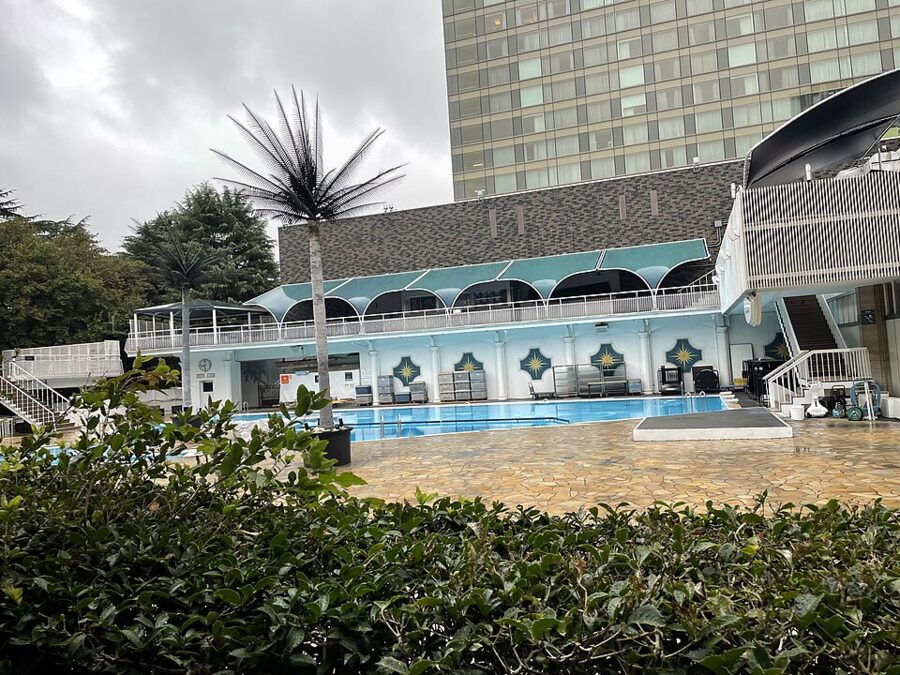
Upper middle: Hotel New Otani Tokyo. At Kioicho, between Akasaka-mitsuke and Yotsuya, built in 17 months for the 1964 Olympics and opened on September 1, 1964. The Japanese garden goes back to the Edo period, when this was a residence of the Ii family of Hikone. It suits families, with space and a garden to walk in, and the Garden Pool is outdoors.

Middle: Mitsui Garden Hotel Roppongi Premier. About five minutes from Exit 5 of Roppongi Station and seven from Roppongi-itchome on the Namboku Line. The 20.5 m² double was ¥30,480, check-in 15:00, check-out 12:00. It is the sensible Roppongi pick.
Bottom: Hotel Asia Center of Japan. A plain hotel in Akasaka run since 1957, five minutes from Aoyama-itchome and Nogizaka stations, in a quiet residential street. A 13 m² standard double was ¥16,160, check-out 12:00, breakfast ¥1,800 extra. That room is really a single for most adults, so two people should book the 14 m² compact twin at ¥17,100.
Verdict: the towers are worth it if the budget allows; Roppongi as a cheap first-time base is not.
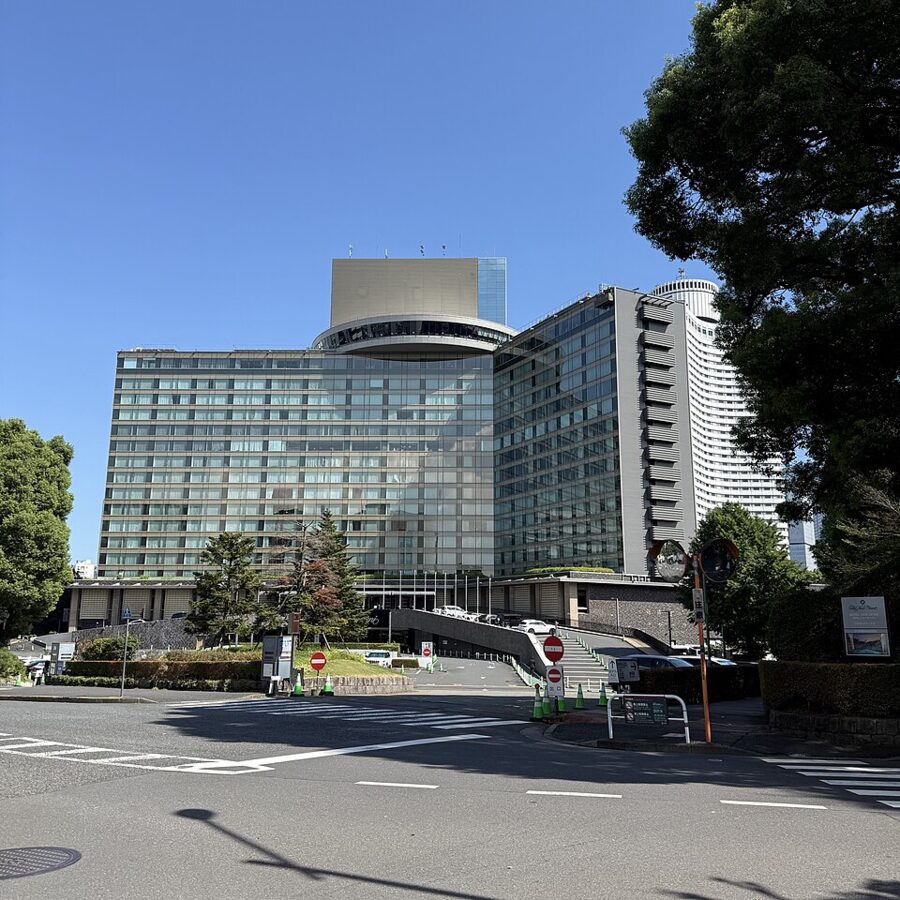
Shinagawa (品川)
Shinagawa is the easiest base in the city for a short stay: the Keikyu Line to Haneda without a change, the Tokaido Shinkansen, and the Yamanote Line. The details of the airport run are in the Haneda Airport guide. The big hotels are on the Takanawa (west) side of the station, and there is little to do outside them after dinner.
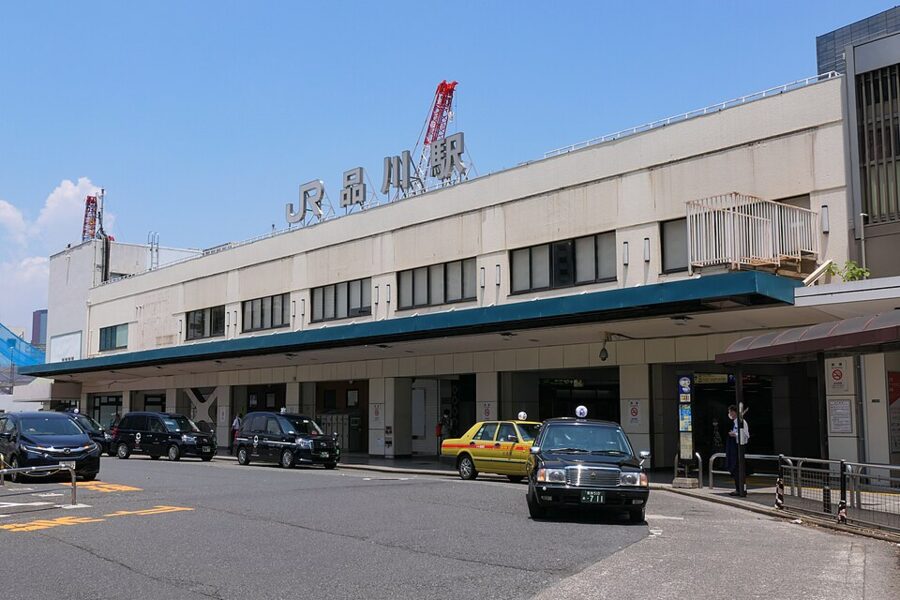

Top: The Prince Sakura Tower Tokyo. Up the hill from the Takanawa Exit, with standard rooms of 46 m². The Deluxe King or Twin was ¥53,896 at the public rate for January 20, 2027, and some rooms look out at Tokyo Tower. It is the Shinagawa splurge, and half the price of the luxury towers in Marunouchi for a room of about the same size.
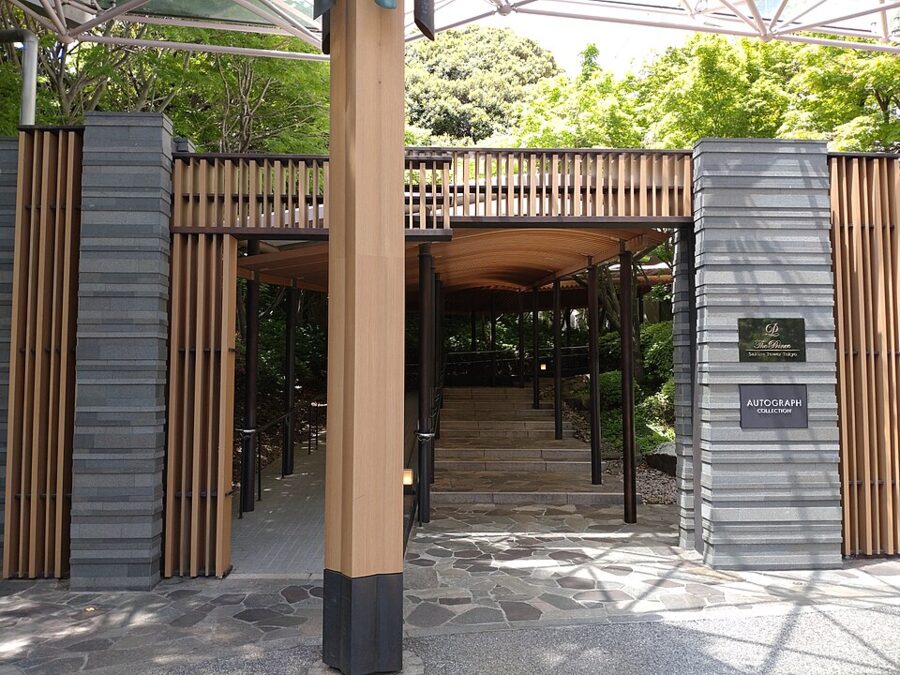

Upper middle: Grand Prince Hotel Takanawa. Next door and plainer, with a Superior Double from ¥24,486 on the members’ rate and standard rooms from 21.1 m². It is the Sakura Tower’s address at under half the price.
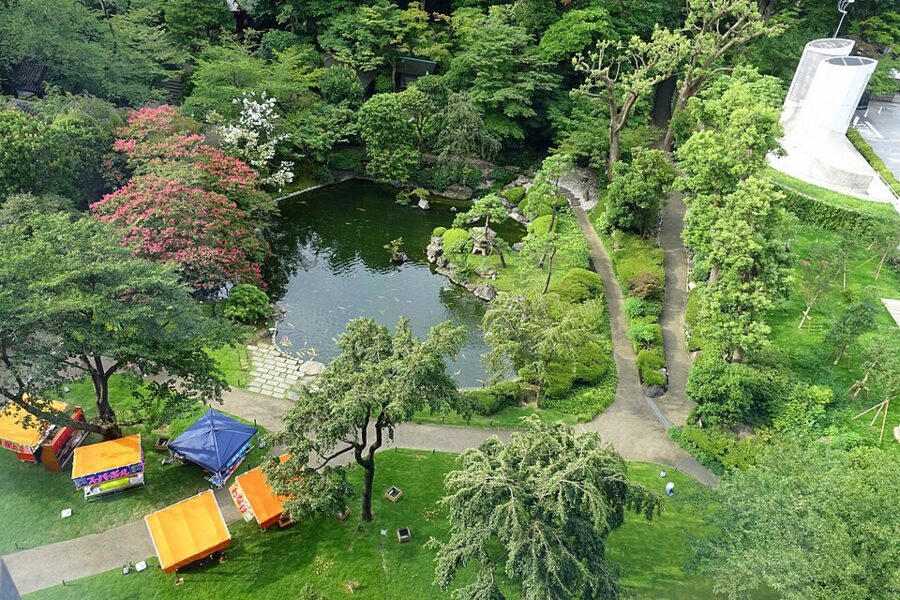
Middle: Shinagawa Prince Hotel. A small town of four towers across from the station. The members’ rate started at ¥15,220 for a 21 m² twin in the Main Tower, and the N Tower had a small double from ¥13,800.
Shinagawa Prince’s room list runs from 13.2 m² singles to 33 m² rooms for four, plus suites, so check the size before booking. Children under 6 can share a bed with an adult at no charge.
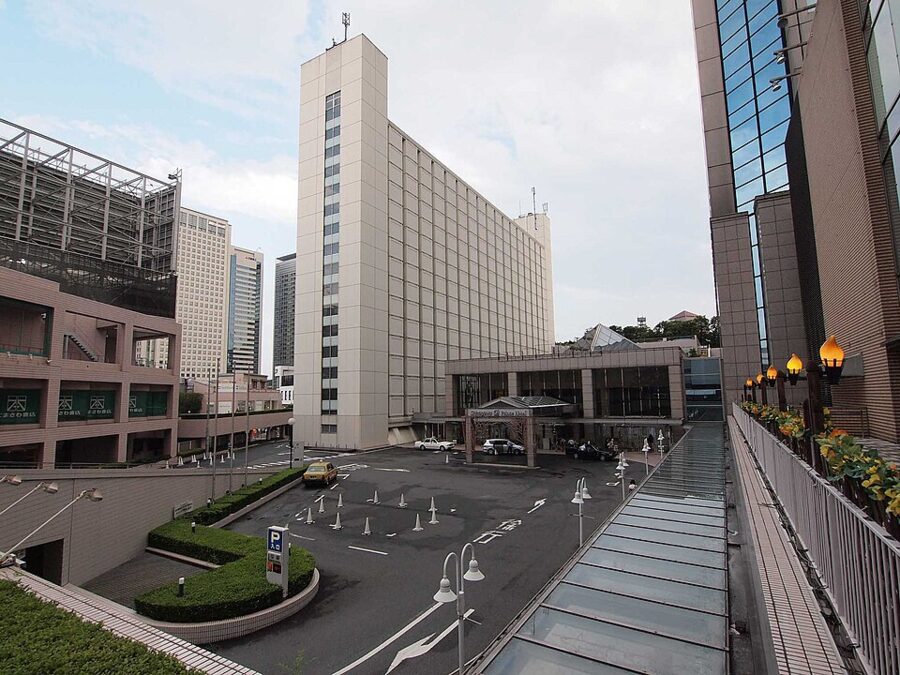

Bottom: Toyoko Inn Tokyo Shinagawa-eki Takanawa-guchi. Two minutes from the Keikyu and Shinkansen platforms on the Takanawa side. Same Toyoko Inn rules as everywhere: check-in 15:00, check-out 10:00, breakfast included. Verdict: the best first or last night of a trip, and the best base for anyone moving on to Kyoto.
Ikebukuro (池袋)
Ikebukuro is the cheaper, plainer Shinjuku at the northwest corner of the Yamanote loop, with the Marunouchi, Yurakucho and Fukutoshin subway lines and the Seibu and Tobu railways. It suits people on a budget, anime and game shoppers, and families heading to Sunshine City.
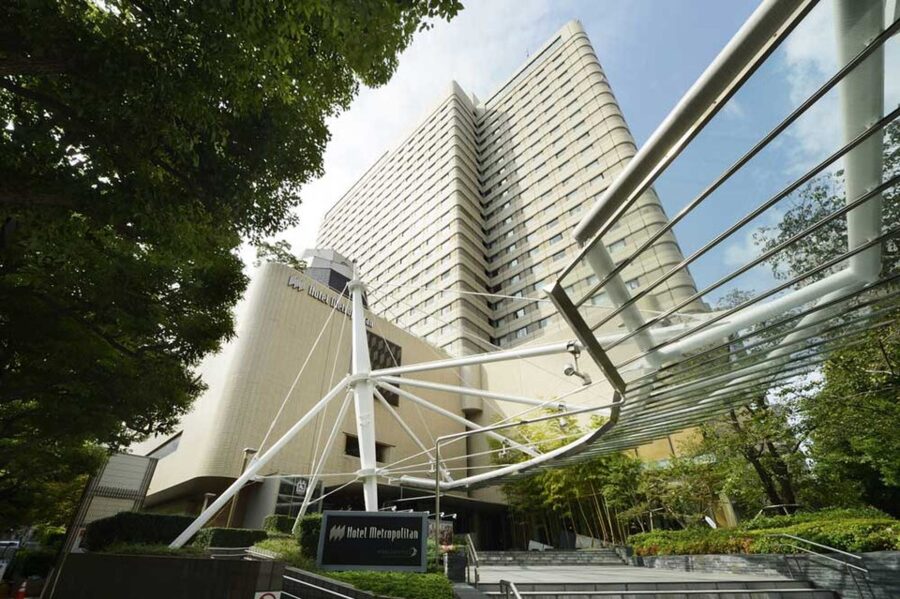
Top: Hotel Metropolitan Tokyo Ikebukuro. Three minutes from the West Exit (South), with a 17 m² standard room at ¥34,900 room only. Check-in is 14:00 and check-out 12:00, three hours more in the room than at a Toyoko Inn. It is the reliable one, run by the same JR East group as the Tokyo Station Hotel.

Middle: Sunshine City Prince Hotel. Inside the Sunshine City complex on the east side, with the aquarium and the observation deck in the same block. The members’ rate started at ¥15,308 for a semi-double, and Sunshine City Prince’s Japanese-style rooms of 75 m² take up to six people, which suits a family better than two hotel rooms.
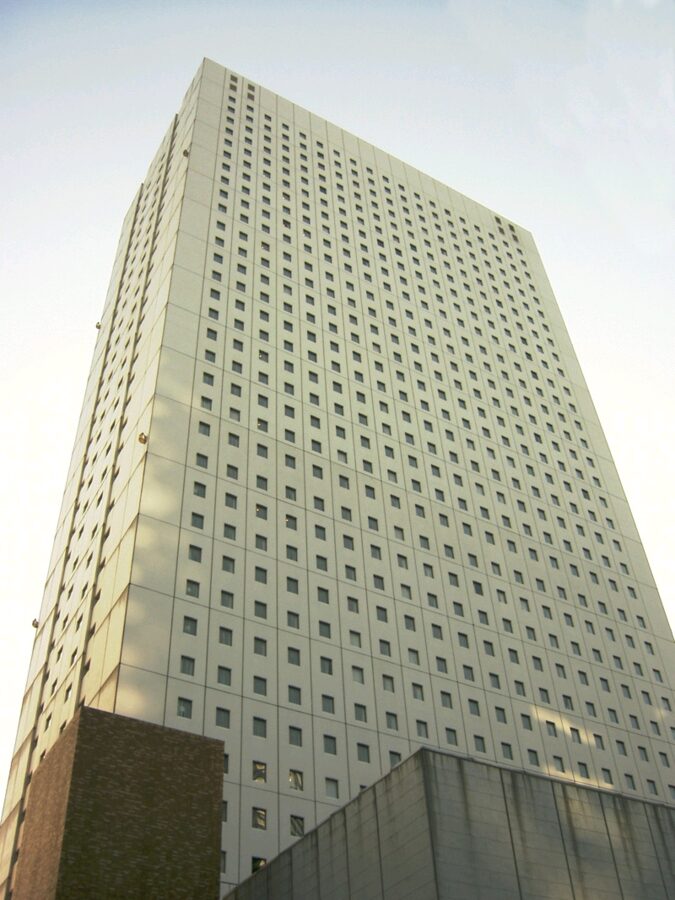

Bottom: Toyoko Inn Tokyo Ikebukuro Kita-guchi No.1. Four minutes from Exit 20a, on the north side, with the usual 15:00 and 10:00 times and the free buffet breakfast. Verdict on Ikebukuro: good value, dull evenings.
The landmark hotels, briefly
A few Tokyo hotels are famous enough to be places in their own right. The lobby bars and restaurants are open to non-guests, which is the cheap way to see them.
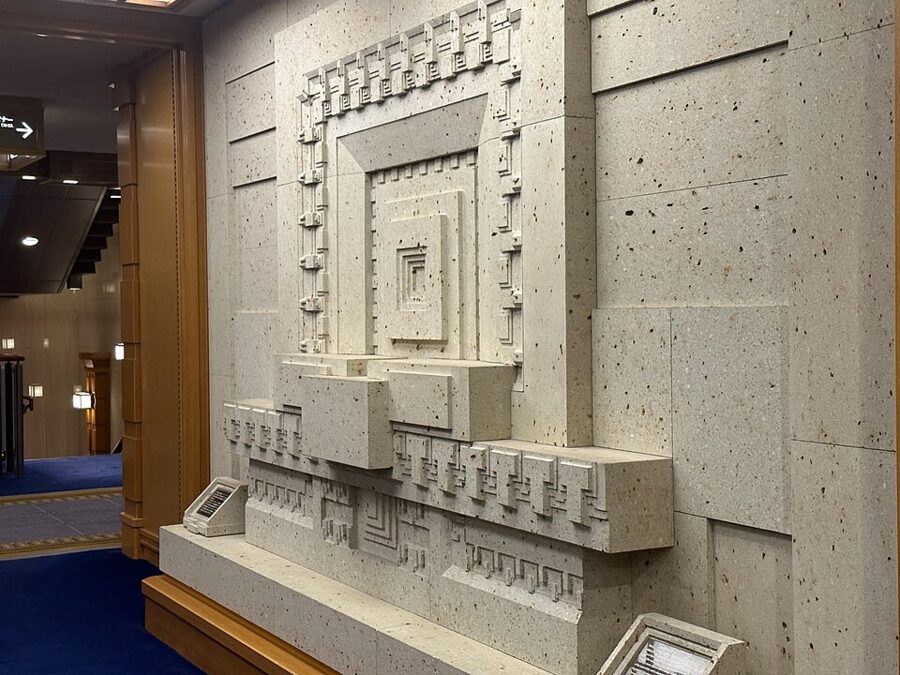
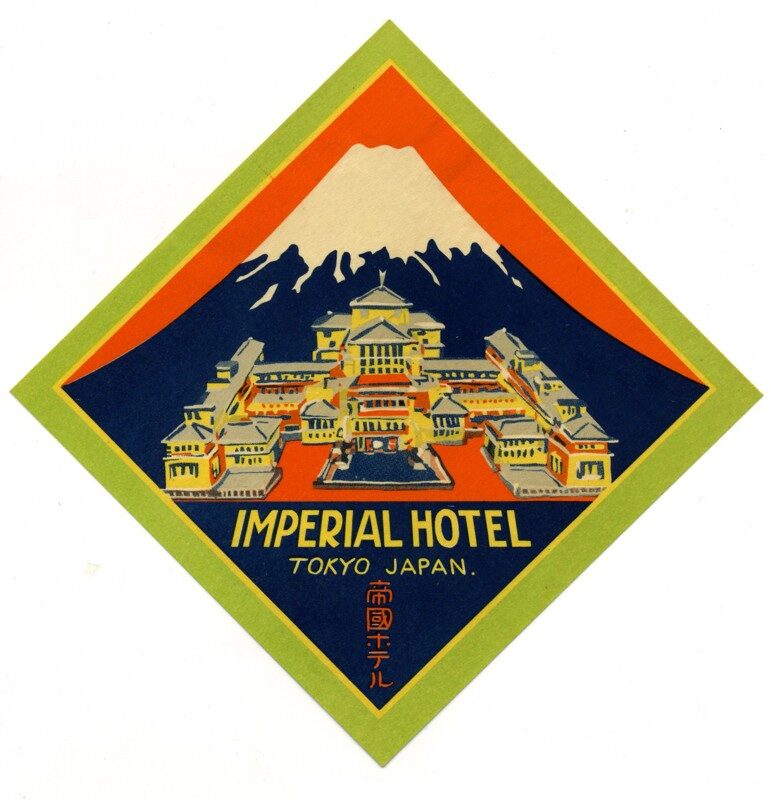
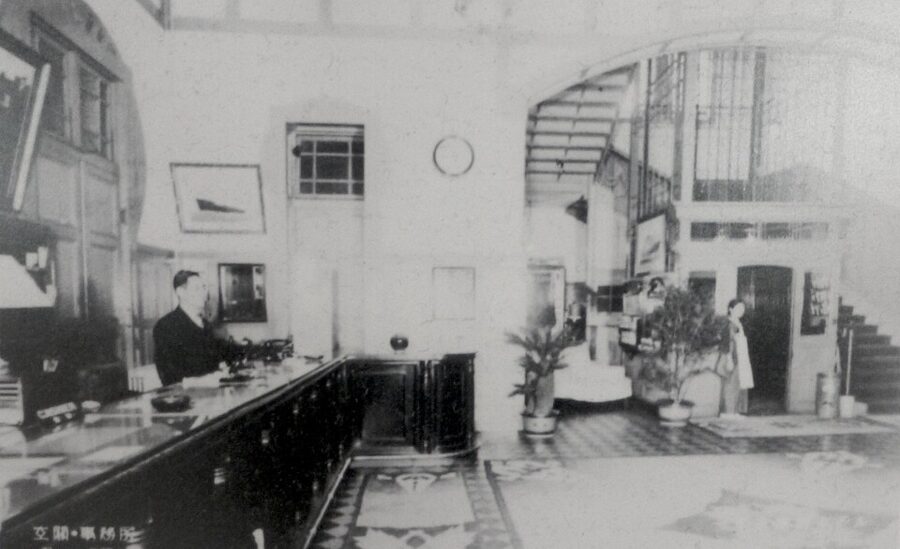
Imperial Hotel Tokyo (帝国ホテル), Hibiya, opened on November 7, 1890 next to the palace as the country’s hotel for foreign guests. Frank Lloyd Wright’s building opened in 1923 and came down in 1968; the present main building opened on March 10, 1970, and both buildings are due to be rebuilt in stages through the mid-2030s. It is also where the buffet came to Japan, in 1957, under the name “Viking”. The Imperial’s room list includes family connecting rooms and rooms adapted for wheelchair users.

The Tokyo Station Hotel (東京ステーションホテル) opened on November 2, 1915 inside Tatsuno Kingo’s station building, lost its top floor and domes to bombing in May 1945, and closed in 2006 for the restoration that put them back. It reopened on October 3, 2012.
Hotel New Otani, Kioicho, went up in a year and a half for the 1964 Olympics and topped it with a revolving lounge. The Okura Tokyo is the 1962 Hotel Okura reborn in 2019, lobby and all. Those two and the Imperial are the three old-guard hotels Tokyo calls its “big three”.
Keio Plaza Hotel Tokyo opened on June 5, 1971 as the first of the West Shinjuku skyscrapers and the tallest building in Japan at the time. Park Hyatt Tokyo opened on July 9, 1994 at the top of Shinjuku Park Tower, became famous worldwide through a 2003 Sofia Coppola film, and reopened on December 9, 2025.

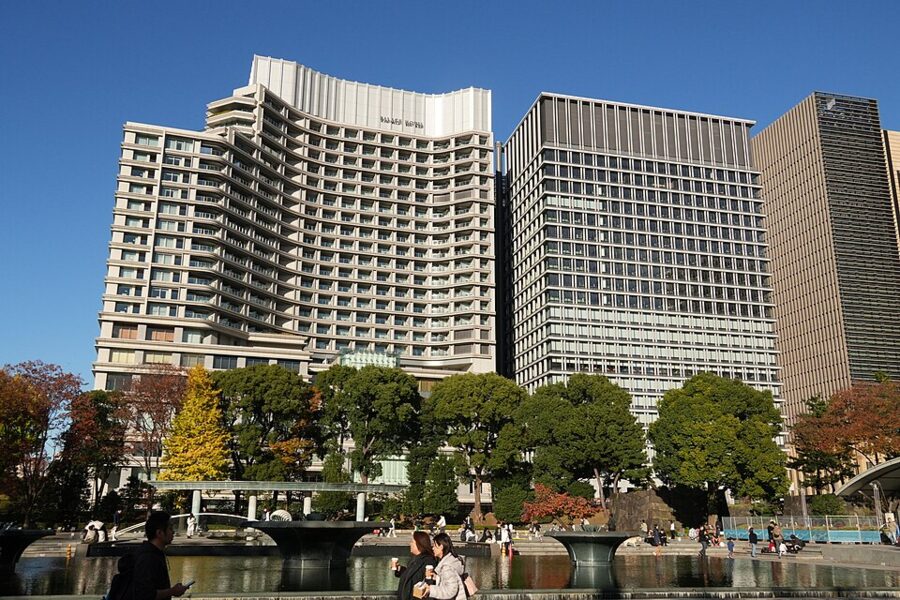
The newer towers are a list of brands: Aman Tokyo at the top of the Otemachi Tower, with a 30-meter pool and onsen-style baths; Palace Hotel Tokyo, rebuilt on its moat-side site and reopened in 2012; and Janu Tokyo at Azabudai Hills, with 122 rooms and suites. All three are for people who want the room to be the trip.
Families, accessibility, luggage and the clock
Children
Japanese hotels price children by whether they need their own bed, and the rules differ by hotel. At The Okura Tokyo, children up to 12 sleep free in their parents’ bed, and children from 6 to 12 pay ¥3,900 for the breakfast buffet. Keio Plaza lets children up to 5 stay free without a bed, and Prince Hotels allow one child under 6 per bed. Toyoko Inn rooms are small, so for a family of four the 75 m² Japanese rooms at Sunshine City Prince Hotel or the bunk-bed room at Richmond Hotel Premier Asakusa International beat two connecting singles.
For a trip built round the parks, Keio Plaza runs as an official Tokyo Disney Resort Good Neighbor Hotel; the parks’ own Disney hotels are covered separately.
Accessibility
Ask for a universal room (ユニバーサルルーム), the term most Japanese hotels use. Hotel Ryumeikan Tokyo’s universal room has handrails in the bathroom, a lower bed and wider floor space. Hotel Gracery Shinjuku has a 35 m² universal twin, and The Okura Tokyo has accessible Prestige rooms with wider passages and an adapted bathroom.
The Tokyo Station Hotel’s answers on barrier-free rooms are typical: step-free entrances and elevators, wheelchairs to borrow at no charge, an accessible toilet with ostomate facilities on the 2nd basement floor, and barrier-free rooms booked by phone or through its contact form. Universal rooms are few in any one building, so book them early.
Large luggage
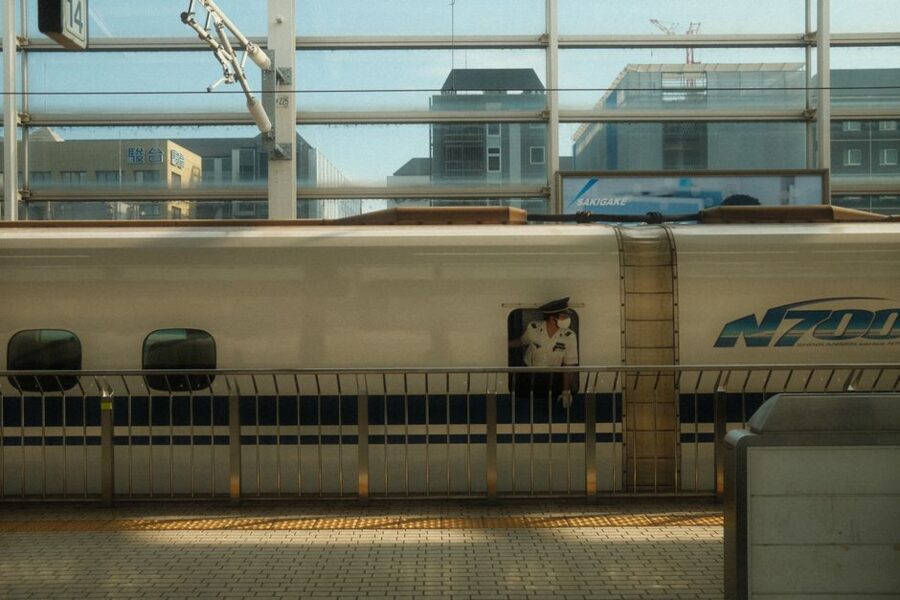
Tokyo hotel rooms are small and suitcases are not, so it pays to know two rules. On the Tokaido Shinkansen, JR Central’s oversized baggage rule applies to any bag whose length, width and height add up to more than 160 cm. You must reserve a seat with an oversized baggage area when buying the ticket, or pay ¥1,000 on board; bags over 250 cm in total are not allowed at all.
The other rule is to send the bag ahead. Hotels receive luggage sent by courier before you arrive if the label carries the guest’s full name and check-in date; the Tokyo Station Hotel and Hotel Ryumeikan Tokyo both ask for exactly that, addressed to the front desk. The hotels above hold bags before check-in and after check-out on the day, so there is no need to drag a suitcase round the city on a departure day.
Early check-in and late check-out
Check-in at 15:00 and check-out at 10:00 or 11:00 is the default, and the differences add up to hours. The table below gives the posted times for the hotels above that list them on their own pages.
| Hotel | Check-in | Check-out | Notes |
|---|---|---|---|
| Hotel Gracery Shinjuku | 14:00 | 11:00 | Late check-out ¥1,100 a person an hour, to 14:00 |
| Hotel Ryumeikan Tokyo | 14:00 | 11:00 | Late check-out by availability, priced by the hour |
| Hotel Metropolitan Tokyo Ikebukuro | 14:00 | 12:00 | |
| Tokyo Station Hotel | 15:00 | 12:00 | Varies by plan |
| Mitsui Garden Hotel Ginza Premier and Roppongi Premier | 15:00 | 12:00 | |
| Asakusa View Hotel | 15:00 | 12:00 | Some plans 17:00 to 10:00 |
| Nohga Hotel Ueno | 15:00 | 11:00 | |
| Toyoko Inn (all branches above) | 15:00 | 10:00 | Free breakfast 06:30–09:00 |
Early check-in is never promised. Hotel Gracery Shinjuku’s answer is typical: if the room is ready before 14:00 you may get it, and if the hotel is full you will not. Late check-out is easier, because it is usually just for sale. If you land at Haneda at 06:00, book the night before as well and walk straight into the room.

When to book, and when the prices jump
The January 20, 2027 prices above are a midweek winter night, about as cheap as Tokyo gets. Late March and early April, when the cherry trees flower, cost far more, and so do Golden Week at the start of May and the New Year week, when the hotels sell set holiday plans. Weekends cost more than weeknights all year.
For an ordinary month, booking two to three months ahead gives most of the choice. For cherry blossom, Golden Week and New Year, book as soon as the dates are fixed. The Tokyo Station Hotel takes bookings a year ahead, and the cheap rooms by the big stations go first; the luxury towers nearly always have something left, at a price.
Book any night from April 1, 2027 with the new 3% tax in mind. Many hotels collect it at the desk, on top of the price you paid online, and from April 2027 it is a four-figure sum on a luxury room for two. The rail and subway options for whichever district you choose are in getting around Tokyo, and the airport side in the Narita Airport and Haneda guides.
So the January 20 floor holds as a guide: ¥15,220 buys a clean 21 m² twin by Shinagawa Station, ¥22,270 buys a renovated room on the Skytree side in Asakusa, and ¥114,444 buys a room upstairs from the platforms at Tokyo Station. Pick the station first, then the room, and book it on the hotel’s own page before the cherry trees start.