

The fastest Keikyu train from Haneda’s Terminal 3 reaches Shinagawa in 11 minutes for ¥327 on an IC card, and the Tokyo Monorail reaches Hamamatsucho in 13 minutes for ¥519. Those two rail lines, a fleet of airport buses and a flat-fare taxi table cover nearly every hotel in the city. Which one is right comes down to three things: where you sleep, how much you are carrying, and what time the wheels touch down.
The short version, as of November 2026. For Shibuya, Shinjuku and Ikebukuro, take Keikyu to Shinagawa and change to the JR Yamanote Line, or take the bus if you have big bags. For Asakusa and Higashi-Ginza, stay on Keikyu: many trains run straight onto the Toei Asakusa Line with no change. For Tokyo Station, Ueno, Akihabara or a Japan Rail Pass, take the monorail and switch to JR at Hamamatsucho.

After midnight the trains are done and the choice narrows to an overnight bus at ¥2,800 or a taxi on the flat-fare table. Every fare, time and opening hour below comes from the operators’ and the airport’s own pages and is stated for late 2026. Where something changed during 2026 (a taxi table, a monorail gate, the whole tax-free system), the date is beside it.


Haneda to the city at a glance
Fares are for one adult from Terminal 3. Rail times are the airport operator’s own estimates unless noted; bus times are from the late-November 2026 timetables and stretch in traffic.
| Going to | Fastest | Easiest with luggage | Fare |
|---|---|---|---|
| Shinagawa | Keikyu, 11 min on the Airport Limited Express | Keikyu (no change) | ¥330 ticket, ¥327 IC |
| Tokyo Station | Monorail, then JR from Hamamatsucho, about 25 min | Airport bus to Yaesu North Gate, about 55 min | Monorail route ¥720 (IC ¥718); Keikyu route ¥540 (IC ¥536); bus ¥1,200 |
| Shinjuku | Keikyu, then JR Yamanote from Shinagawa, about 50 min | Airport Limousine, 40 to 55 min | Bus ¥1,400 |
| Shibuya | Keikyu, then JR Yamanote, about 45 min | Airport bus, 50 to 60 min | Bus ¥1,300 |
| Asakusa | Keikyu through train, about 33 min, no change | Same train | Keikyu ¥330 to Sengakuji plus the Toei fare |
| Ueno | Monorail, then JR, about 40 min | Taxi, ¥9,100 flat to Taito ward | Monorail ¥520 plus JR |
| Roppongi | Keikyu through train to Daimon, then Toei Oedo Line | Taxi on the meter (Minato ward) | Keikyu ¥330 plus the Toei fare |
| Ikebukuro | Keikyu, then JR Yamanote | Airport Limousine, 60 to 70 min | Bus ¥1,400 |
| Odaiba | Monorail to Tennozu Isle, then Rinkai Line | Airport Limousine to the Daiba hotels | Bus ¥1,000 |
| Yokohama | Keikyu, about 30 min | Keikyu bus to YCAT | ¥370 ticket, ¥363 IC; bus ¥800 |
The terminals: which one you land at, and what happens next
Terminal 3 handles almost every international flight. Terminal 2 has had its own international wing since July 2023, used for some ANA flights, so an ANA ticket from overseas can put you in either. Domestically, Japan Airlines, Skymark and StarFlyer use Terminal 1, while ANA, AIRDO and Solaseed Air use Terminal 2; the exception is ANA-numbered flights operated by StarFlyer, which use Terminal 1.
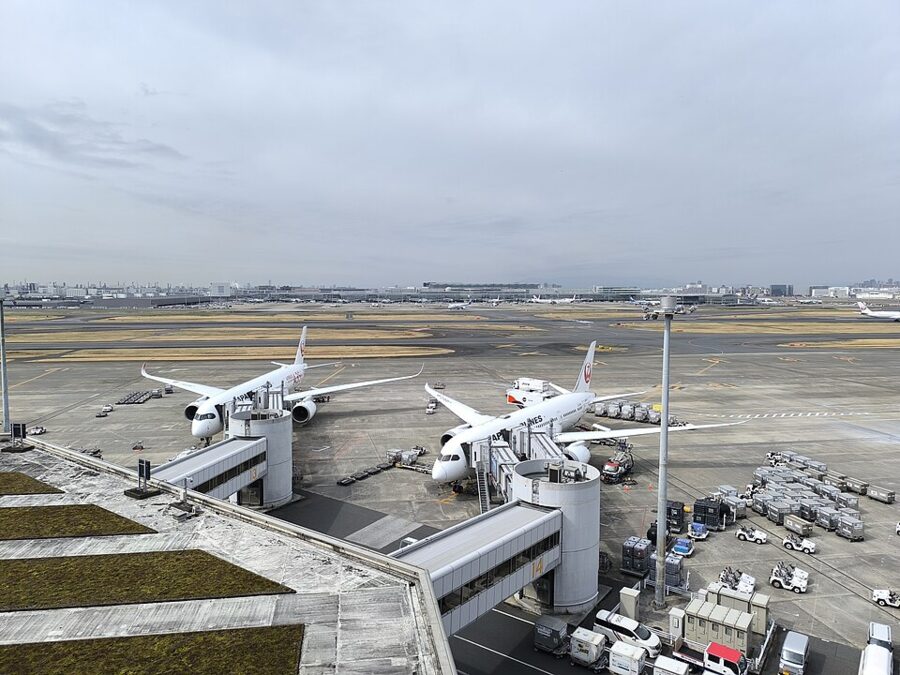

A free shuttle bus links all three. From Terminal 3 it leaves from stop 0 on the first floor and runs Terminal 3, then 1, then 2, with the first bus at 04:47 and the last at 01:15 on the timetable in force since August 18, 2026. Buses run every 4 minutes from 05:00 to 20:00 and every 8 minutes from 20:00 to midnight, according to the airport’s terminal transfer page. The 400-meter moving walkway between Terminals 1 and 2 is closed for construction, so the bus is the way across.
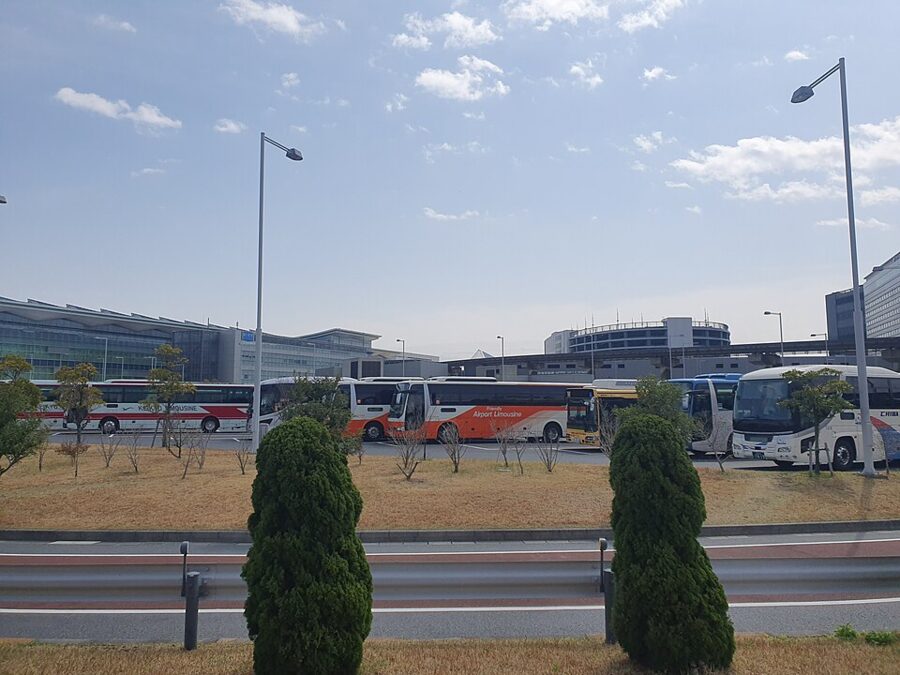
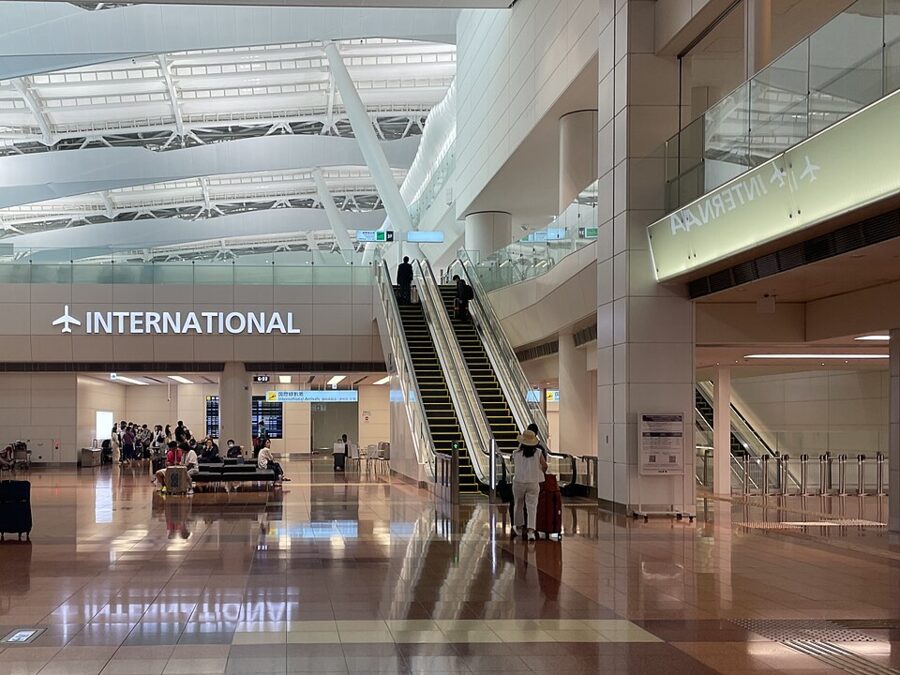

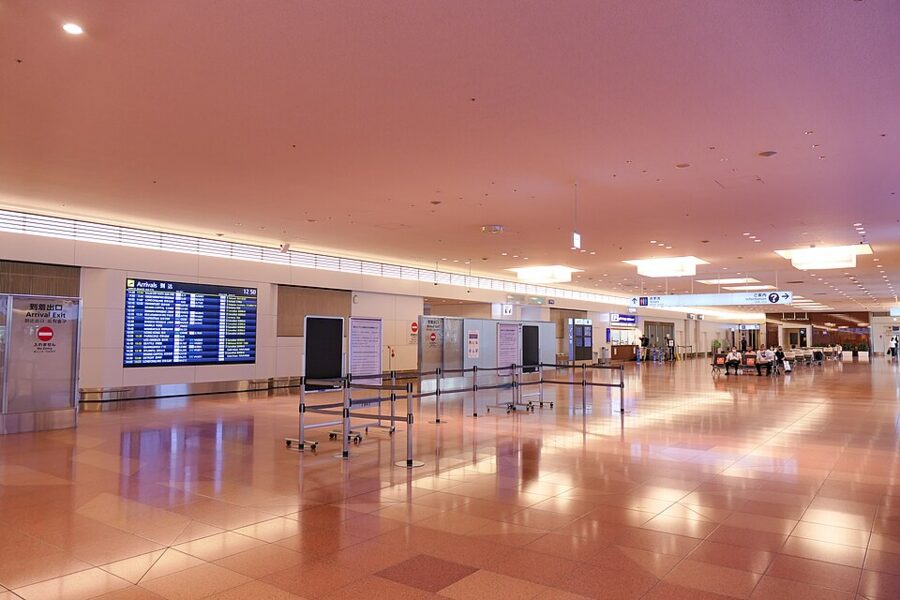
The arrival sequence is quarantine, immigration, baggage claim, animal and plant quarantine, then customs, and then the doors open onto the second-floor arrival lobby. Foreign nationals need an arrival card at immigration and a customs declaration after baggage claim. Both can be done in advance on Visit Japan Web, the Digital Agency’s service, which turns them into 2D codes you show on your phone at each desk.
You can register on a laptop, but the codes have to be shown on a phone or tablet at the desks. I would do it at home the night before: it is a few minutes per traveler, and the immigration hall is the worst place to start typing passport numbers.
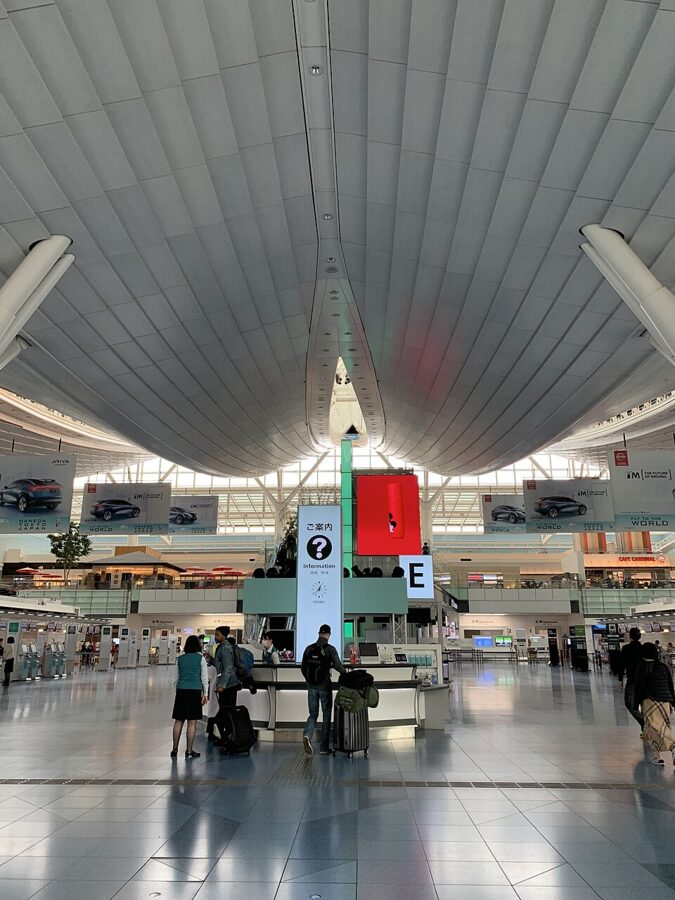

The Keikyu Line: cheapest, and straight through to the east side
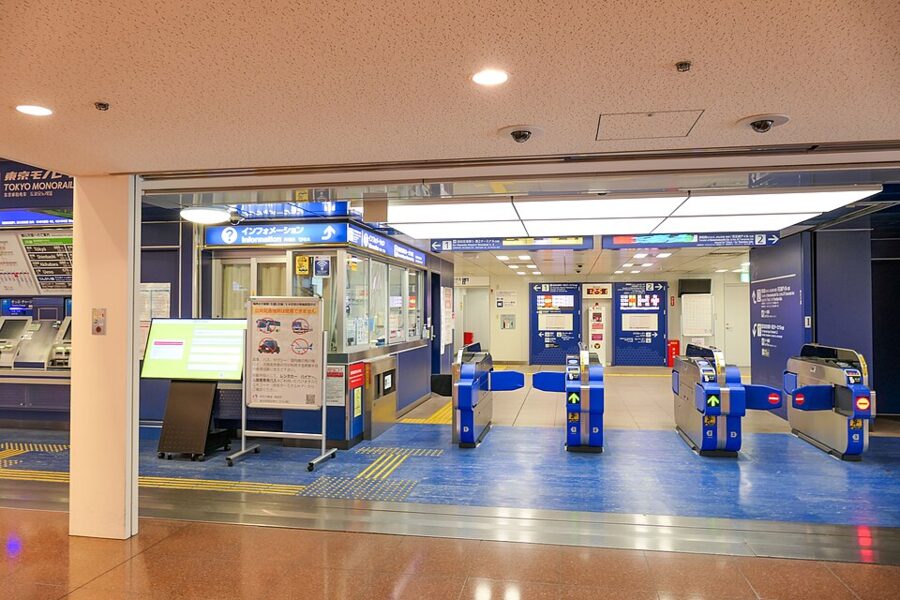
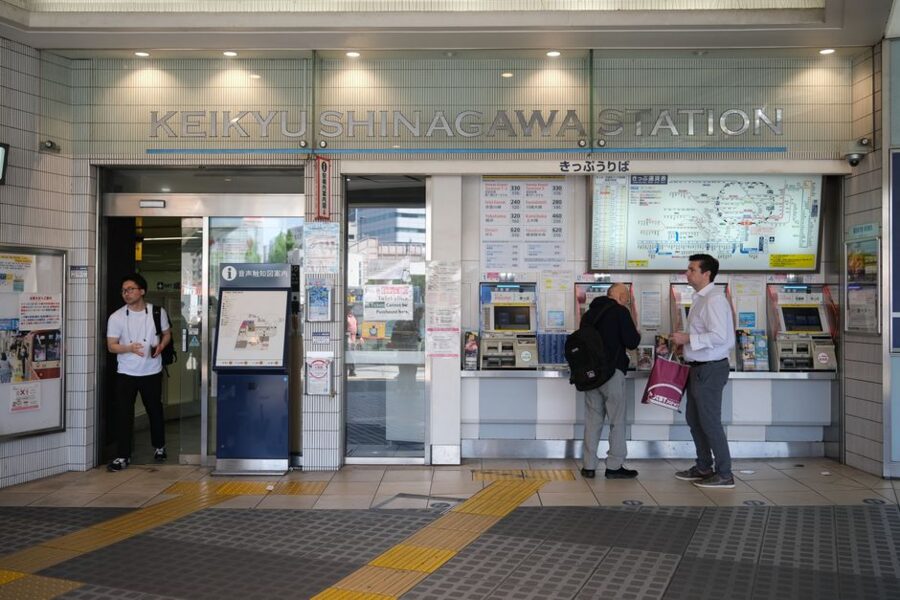
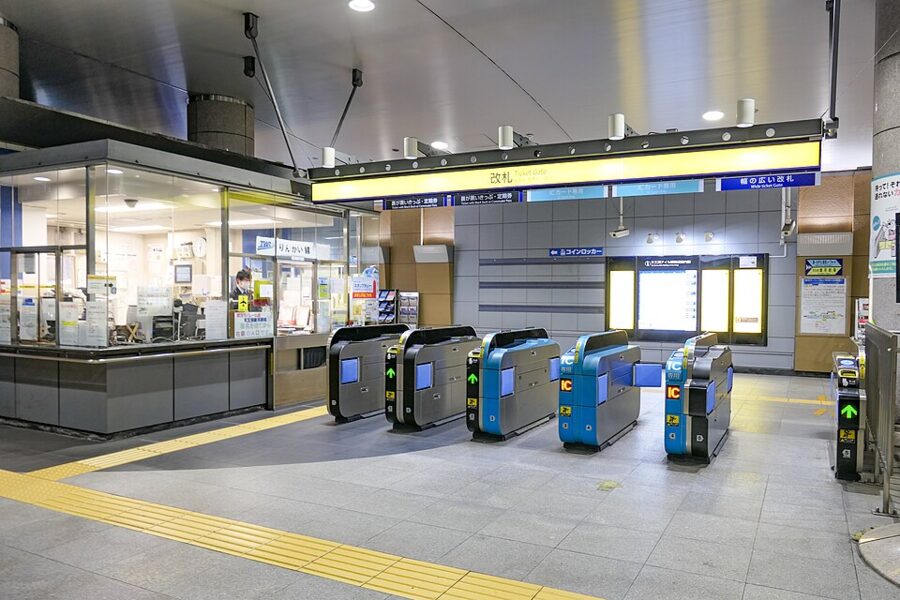
Keikyu’s gates sit to the right as you leave the arrival lobby. The Keikyu fare table from Terminal 3 puts Shinagawa and Sengakuji at ¥330 on a paper ticket and ¥327 on an IC card, and Yokohama at ¥370 or ¥363. The IC fare is charged to the yen when you tap in and out with the same card; a paper ticket rounds up to the next 10.
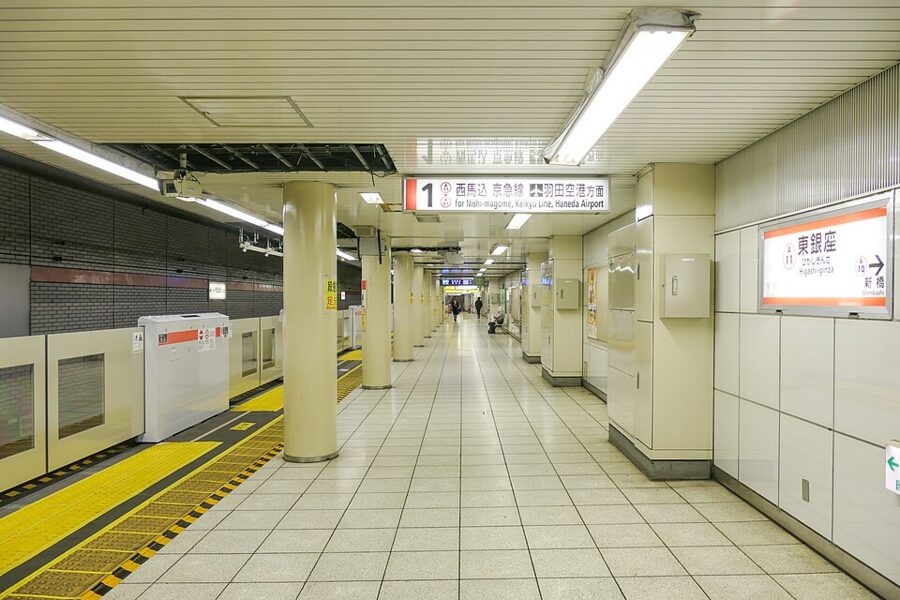
The train to want is the Airport Limited Express, which runs nonstop from Terminal 3 to Shinagawa in 11 minutes. It comes every 40 minutes in the middle of the day, and most of them carry on past Shinagawa onto the Toei Asakusa Line through Higashi-Ginza, Nihombashi and Asakusa, then out toward Narita. In between, Limited Express and Rapid Limited Express trains make a few more stops and take a few minutes longer.
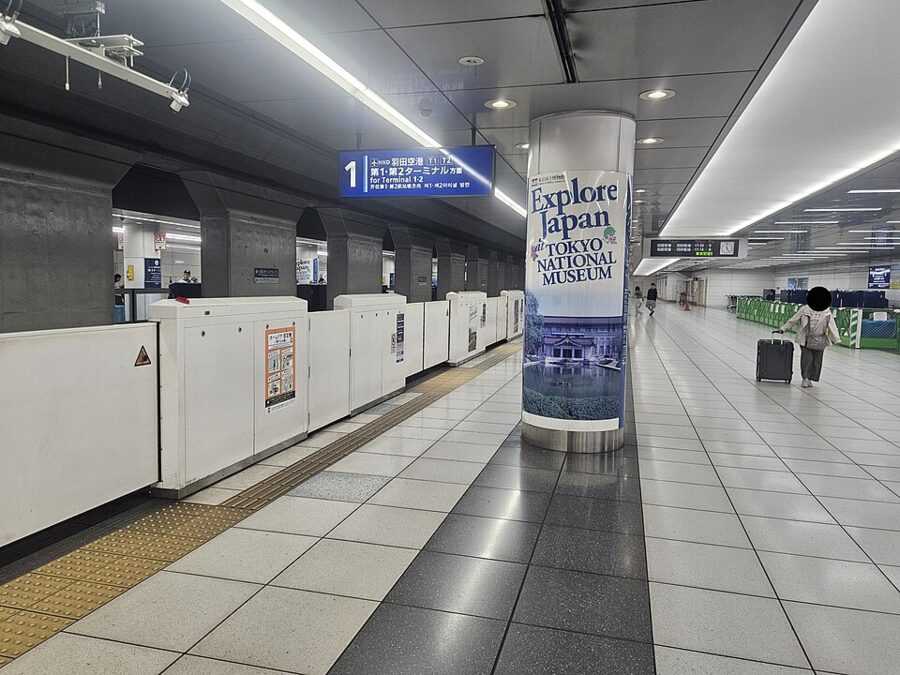

For Yokohama, Express trains run toward Keikyu Kawasaki and Yokohama about every 20 minutes during the day; at other times you change at Keikyu Kamata. Keikyu’s ticket machines have a “Toei Line” button and a “Transfer to JR Lines at Shinagawa” button for through tickets, and a regular PASMO card is sold at Keikyu stations for a ¥500 refundable deposit.
You can skip the card. Keikyu’s gates accept contactless Visa, Mastercard, JCB, American Express, Diners, Discover and UnionPay, as do Tokyo Metro and the Toei subway. The catches are small but real: children pay adult fares, the transfer discount onto the Toei lines does not apply, and the transfer gates at Shinagawa do not take cards at all.
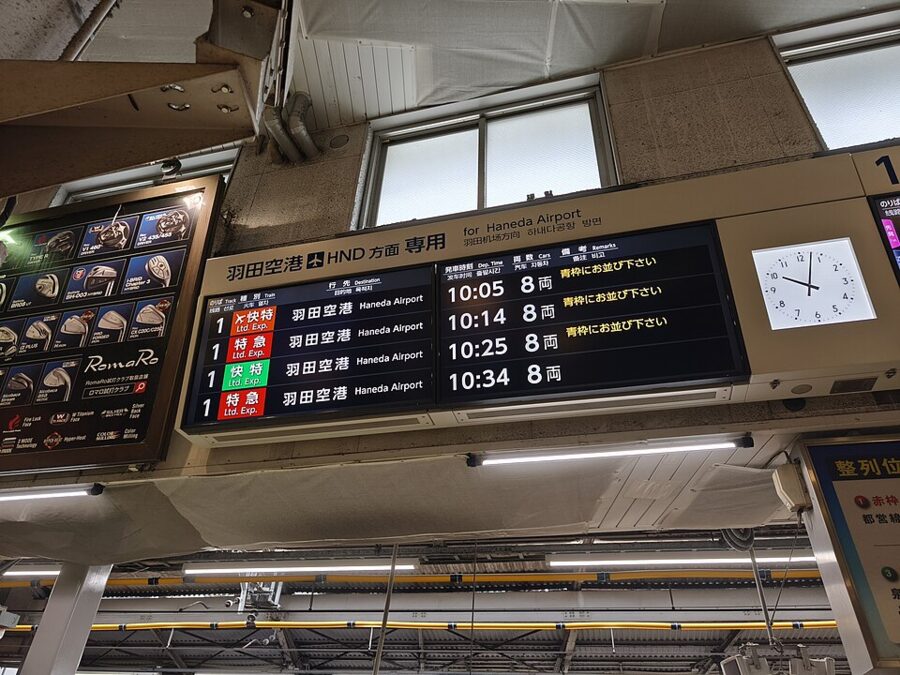

If your hotel is on a subway line, look at the Keikyu Hanetoku Ticket and Tokyo Subway Ticket. It bundles a return Keikyu ride between the airport and Sengakuji with 24, 48 or 72 hours on every Tokyo Metro and Toei line, for ¥1,600, ¥2,100 or ¥2,600, according to Keikyu’s ticket page. It is sold only online in advance (through ANA, JAL’s MaaS site or the Tokyo Skytree site) and exchanged at the airport. It makes sense only if you were going to buy a subway pass anyway, so price it against the plain Tokyo Subway Ticket before you buy.
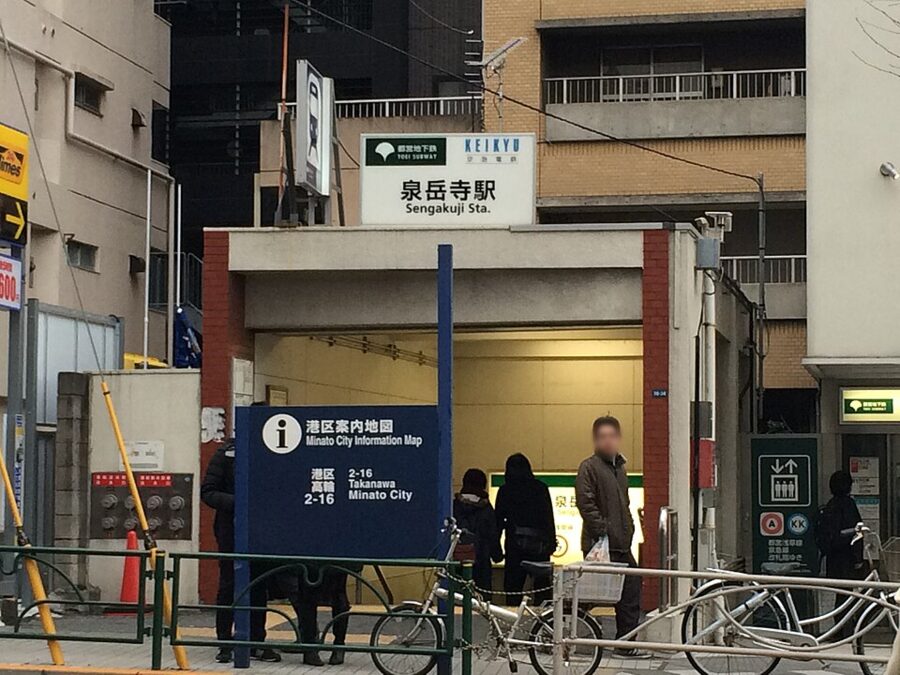

The weakness is luggage. These are commuter trains that run deep into the city. After Shinagawa they fill with office workers in the morning rush, and a large suitcase ends up at your knees.
The Tokyo Monorail: the JR Pass line, with room for bags
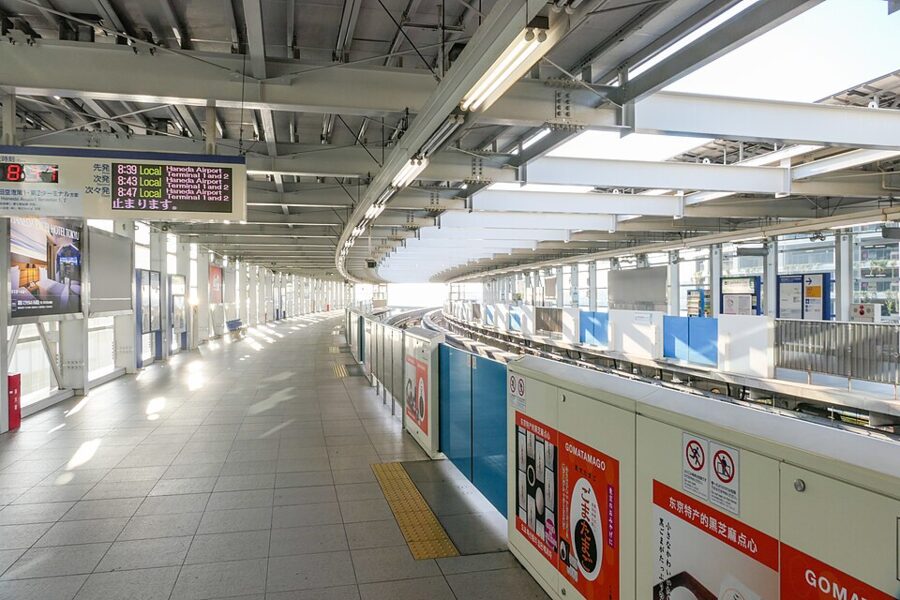
The monorail gates are to the left of the information counter in the arrival lobby, with a second entrance on the third-floor departure level; the platforms are on the third floor. The monorail fare from Terminal 3 to Monorail Hamamatsucho is ¥520 on a ticket and ¥519 on an IC card. Tennozu Isle, where you change for Odaiba, is ¥390 or ¥388.
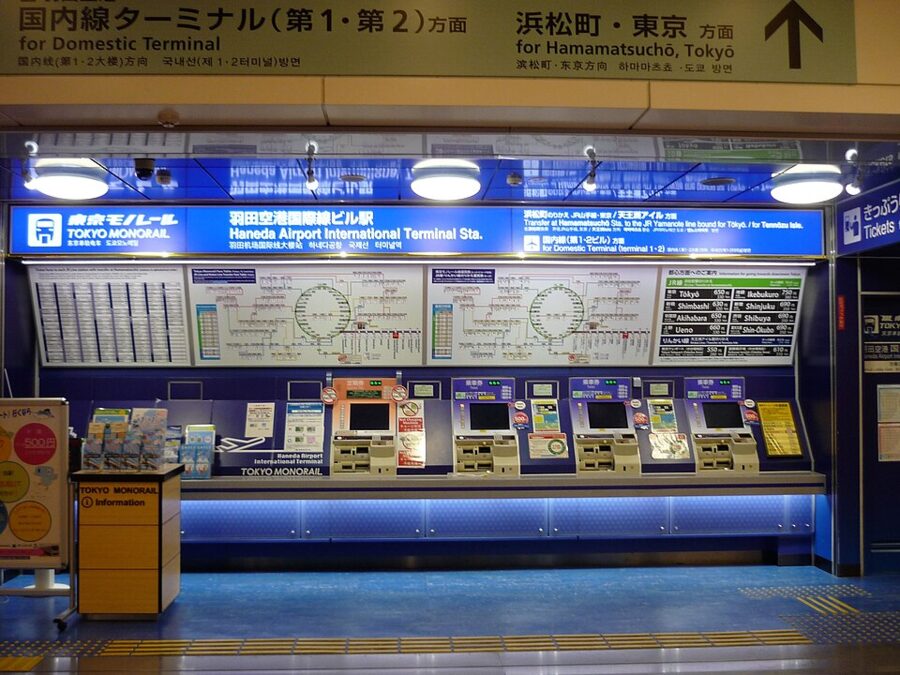

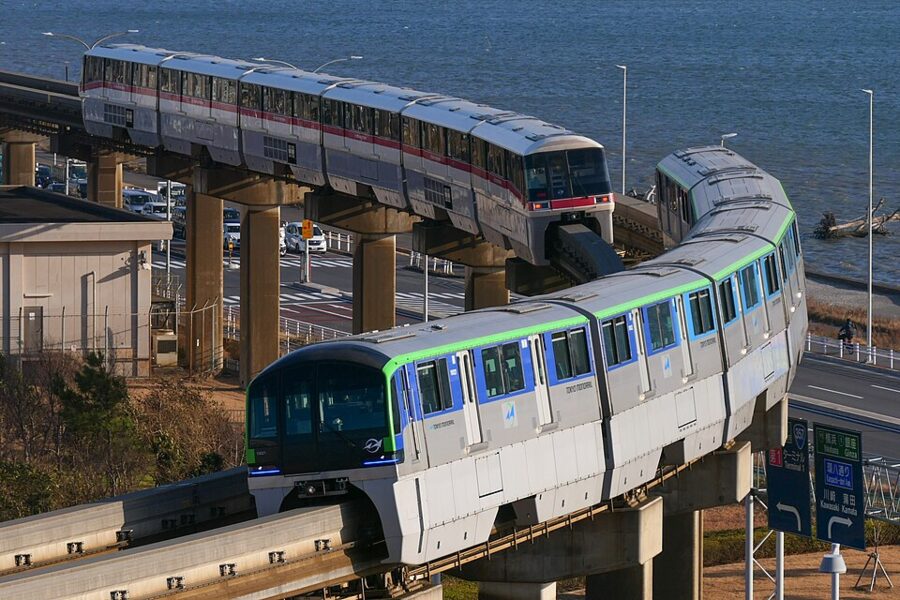
Three kinds of train run. The Airport Rapid goes from Terminal 3 to Hamamatsucho in 13 minutes; the Section Rapid and the Local stop more often and take a little longer. Trains come about every five minutes on average, and the Japan Rail Pass covers the monorail, which is the main reason pass holders take it.
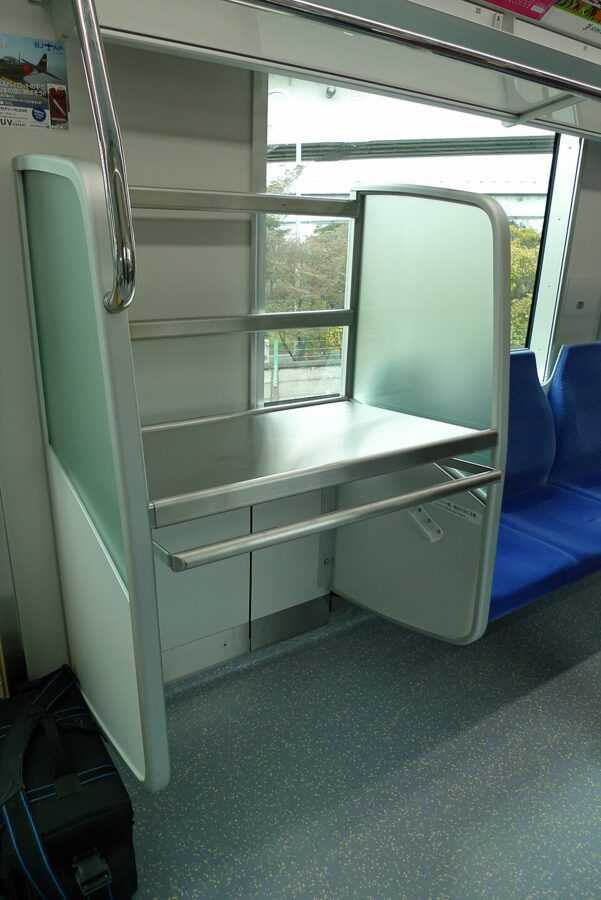
The 10000 series trains have dedicated luggage spaces, which makes the monorail the better rail choice with a large case. On weekends, holidays and certain other dates, the Monorail and Yamanote Line Discount Ticket takes you from any Haneda terminal to any Yamanote Line station for ¥590. That beats the regular monorail fare plus a JR ticket for every station past Hamamatsucho.

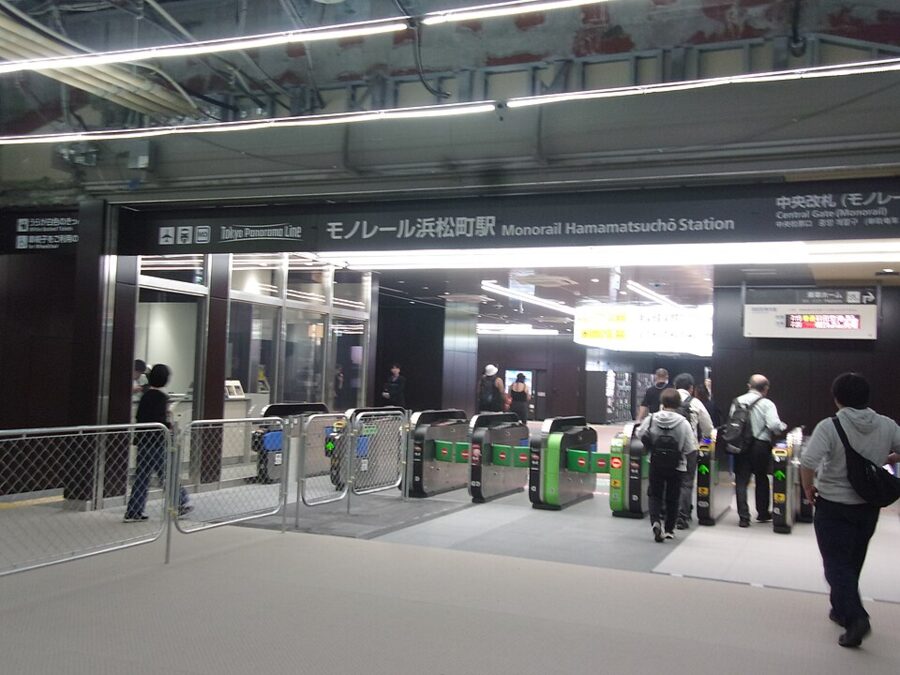
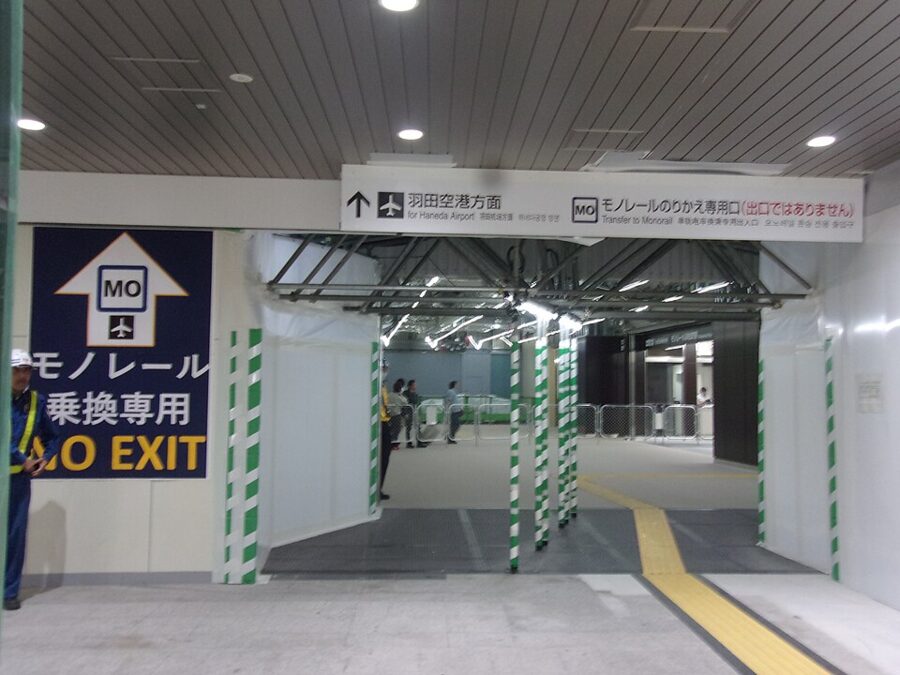
Hamamatsucho itself is a building site. The monorail station is being rebuilt as part of the area’s west-exit redevelopment, and on June 13, 2026 a new North Gate and Central Gate opened while the old central and south gates closed, according to Tokyo Monorail’s April 2026 notice. A direct transfer gate to JR is planned for around spring 2027 and the finished station for around 2030, so the route to the JR platforms will change again.
The Monorail and Tokyo Ward Pass (モノレール&都区内パス) is the other weekend option: the whole monorail plus local JR trains anywhere in the 23 wards for a day, ¥1,450 since March 14, 2026. It is sold only in Mobile Suica, on the day, on weekends, holidays and the main holiday periods. It suits an arrival day that turns into an afternoon on the Yamanote loop; for a single ride into town, the discount ticket is cheaper.
The JR Haneda Airport Access Line: not for this trip
JR East is building a 5-kilometer tunnel from the Tokyo Freight Terminal to a new station under the airport, between Terminals 1 and 2. Its first route would run via Tamachi onto the Ueno-Tokyo Line, giving Tokyo Station a direct train in about 18 minutes and carrying on to the Utsunomiya, Takasaki and Joban lines. Construction began in June 2023.
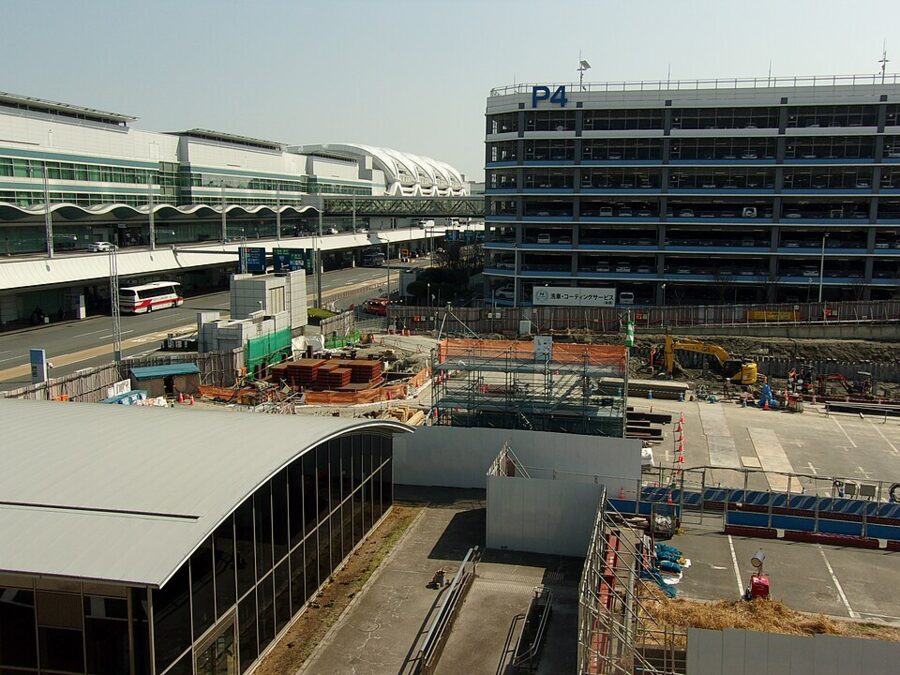
The opening has slipped once already. JR East first aimed for fiscal 2029, moved the target to fiscal 2031 in April 2023, and its results presentations in 2026 still give the year ending March 2032. Two more routes, toward Shinjuku and toward Shin-Kiba, would run over the Rinkai Line and need agreement with the national and Tokyo governments first. For any trip before the 2030s, it changes nothing.
Route by destination
Shinagawa and Yokohama
Shinagawa is the easy one: Keikyu, 11 minutes on the Airport Limited Express, ¥327 with a card. The hotels on the Takanawa side are a few minutes’ walk from the station’s Takanawa Exit, and the Tokaido Shinkansen leaves from the same station if you are heading straight on to Kyoto.
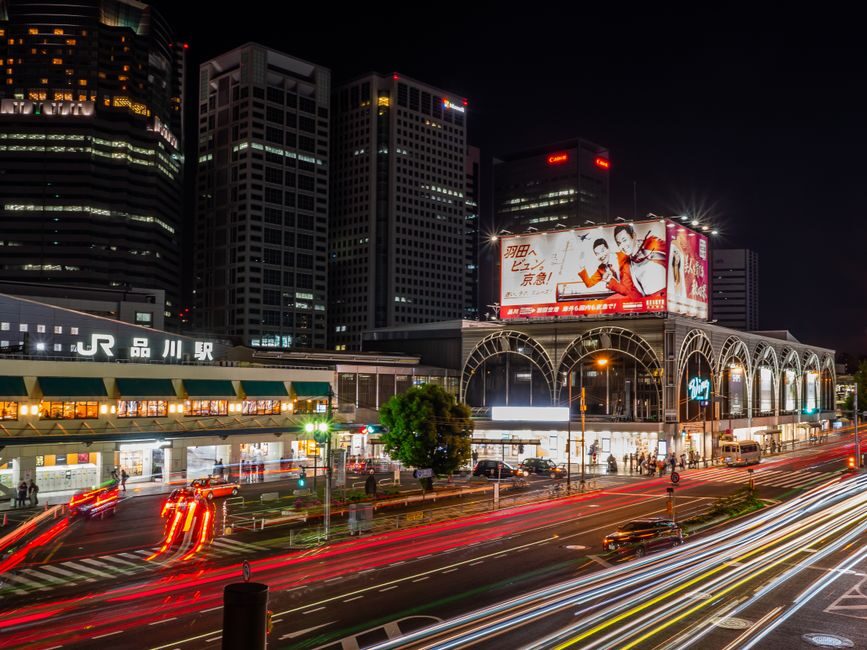
For Yokohama, Keikyu again, about 30 minutes for ¥363. The Keikyu bus to YCAT, the bus terminal at Yokohama Station’s east side, costs ¥800 and takes IC cards and contactless credit cards on board, which makes it the bags-friendly alternative when the roads are clear.
Tokyo Station and Ginza
There are two ways by rail, and the trade is time against money. The monorail to Hamamatsucho plus three stops on the JR Keihin-Tohoku Line takes about 25 minutes for ¥720 (IC ¥718). Keikyu to Shinagawa plus JR takes about 37 minutes for ¥540 (IC ¥536).
For Ginza, take a Keikyu train that runs through onto the Toei Asakusa Line and get off at Higashi-Ginza, at the east end of the district; no change, no stairs between lines. The airport bus to Tokyo Station’s Yaesu North Gate (Tekko Building) costs ¥1,200 but ran only about every 90 minutes on the late-November 2026 timetable, so check the Tokyo Station bus timetable before you count on it.

Shinjuku
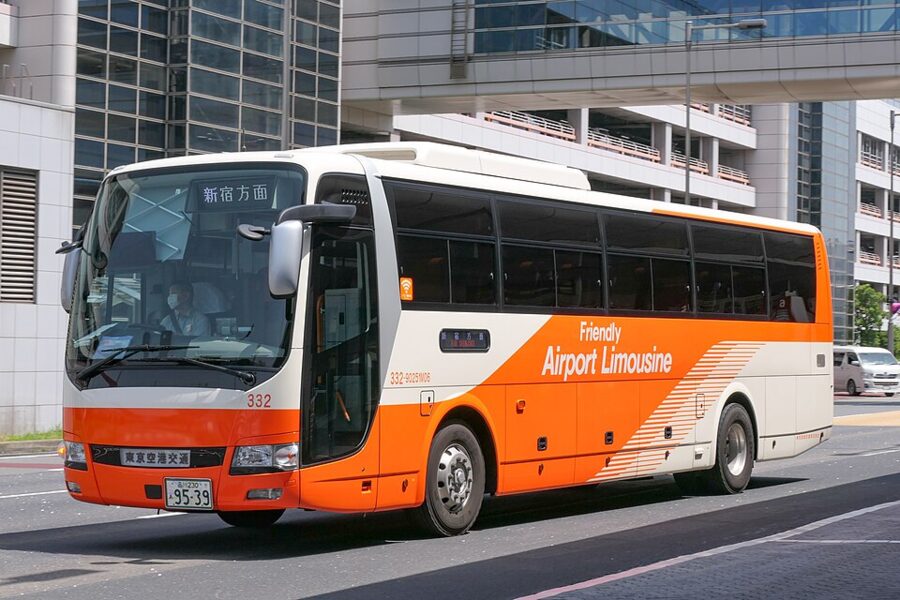
By rail, Keikyu to Shinagawa and the JR Yamanote Line clockwise; the airport’s own estimate for the whole trip is about 50 minutes. By bus, the Airport Limousine to Shinjuku costs ¥1,400 and stops at Shinjuku Station (Keio Department Store), the Shinjuku Expressway Bus Terminal and a loop of West Shinjuku hotels: Shinjuku Washington, Keio Plaza, Hyatt Regency, Hotel Century Southern Tower (closed for renovation since October 1, 2026, until April 2028 or later), Park Hyatt, Hilton Tokyo, Hotel Sunroute Plaza Shinjuku and the Hotel New Otani.
The early buses from Terminal 3 reach Shinjuku Station in about 40 minutes; mid-morning ones were scheduled for nearer 55 on the November 2026 timetable. Buses run roughly every half hour from about 06:15 until 23:40. If your hotel is on that list and you have a large case, take the bus: the Yamanote Line at Shinagawa is no place for luggage at rush hour.

Shibuya
Rail is Keikyu to Shinagawa, then the Yamanote Line counterclockwise, about 45 minutes by the airport’s estimate. The bus costs ¥1,300 to Shibuya Station, the Cerulean Tower Tokyu Hotel and Shibuya Mark City, and takes 50 to 60 minutes. There were 22 departures from Terminal 3 on the late-November timetable, the last at 22:35, and the Shibuya timetable marks most of them as tickets bought on the spot, not reserved.
Asakusa and Ueno
Asakusa is where Keikyu shines. An Airport Limited Express bound for Narita runs from Terminal 3 to Asakusa in about 33 minutes with no change; other Toei-bound trains do the same a little more slowly. Ueno is better by monorail and JR: change at Hamamatsucho to the Yamanote or Keihin-Tohoku Line, which run straight to Ueno and Akihabara, about 40 minutes in all.
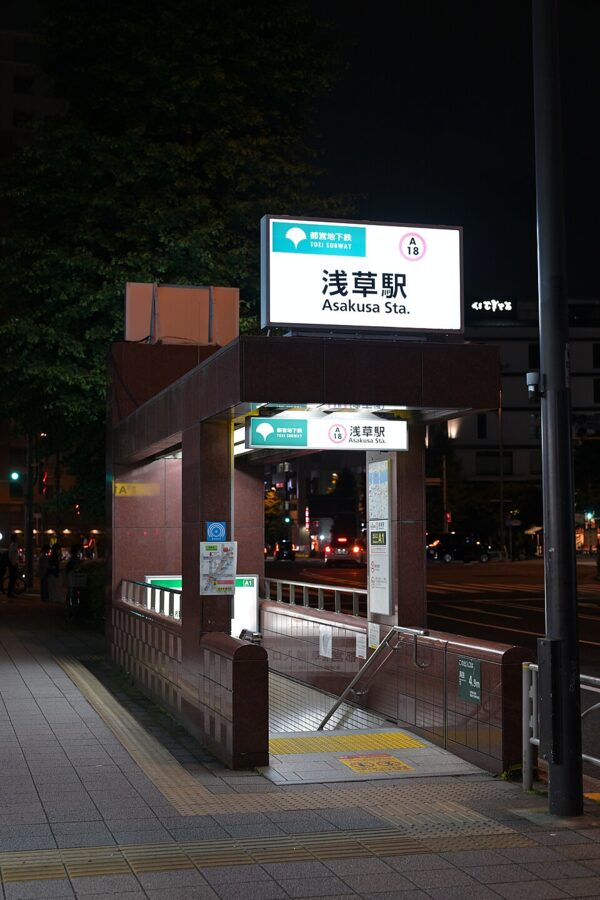

The bus to Asakusa (the Asakusa View Hotel, ¥1,300) ran only five times a day, between 11:40 and 18:45, so it is a bus to catch rather than to wait for.
Roppongi
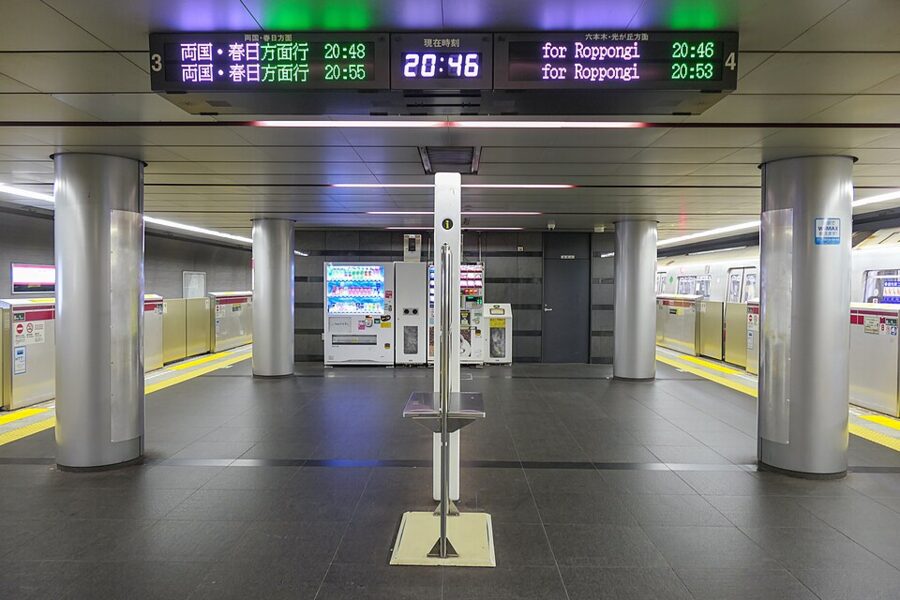
No train goes to Roppongi without a change. The least effort is a Keikyu train running through onto the Toei Asakusa Line as far as Daimon, then the Toei Oedo Line three stops to Roppongi; monorail riders walk from Hamamatsucho to Daimon for the same Oedo train. The Roppongi and Akasaka bus route served only the Hotel New Otani, twice a day, on the November 2026 timetable. Roppongi is in Minato ward, which has no taxi flat fare, so a cab runs on the meter.

Ikebukuro
Ikebukuro is the far side of the Yamanote loop from Shinagawa, which makes the bus the sensible choice. The Ikebukuro bus costs ¥1,400 to the station’s West Exit, the Hotel Metropolitan, the Sunshine City Prince Hotel and Hotel Chinzanso, runs about every 30 minutes from 08:30 to 22:40, and takes 60 to 70 minutes.
Odaiba
Take the monorail to Tennozu Isle and change to the Rinkai Line for Tokyo Teleport. With bags, the Odaiba and Ariake bus is ¥1,000 to the Hilton Tokyo Odaiba, the Grand Nikko Tokyo Daiba, Tokyo Big Sight and the Ariake hotels, and shares the title of cheapest airport bus with the ¥1,000 run to T-CAT.

The airport buses: when the bus beats the train
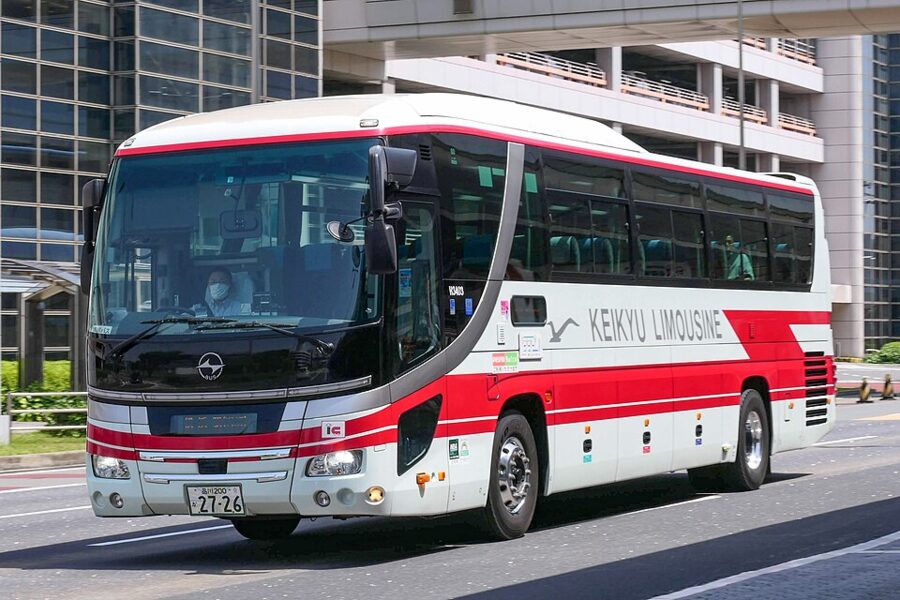
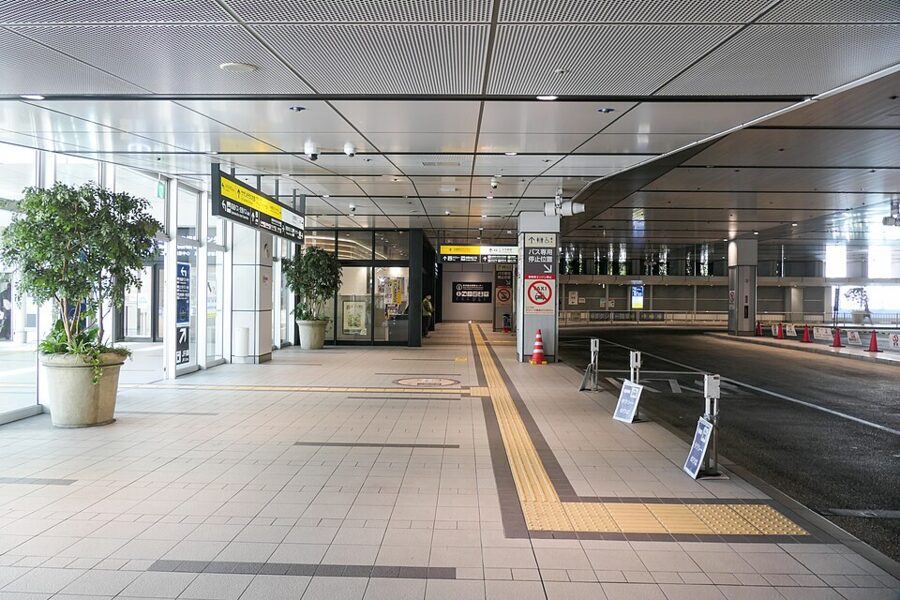
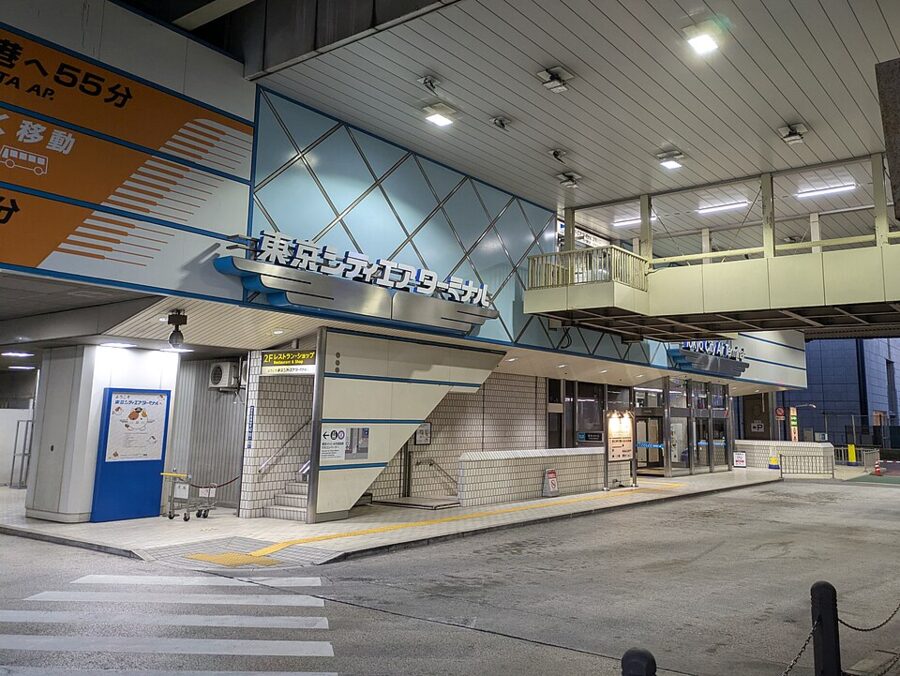
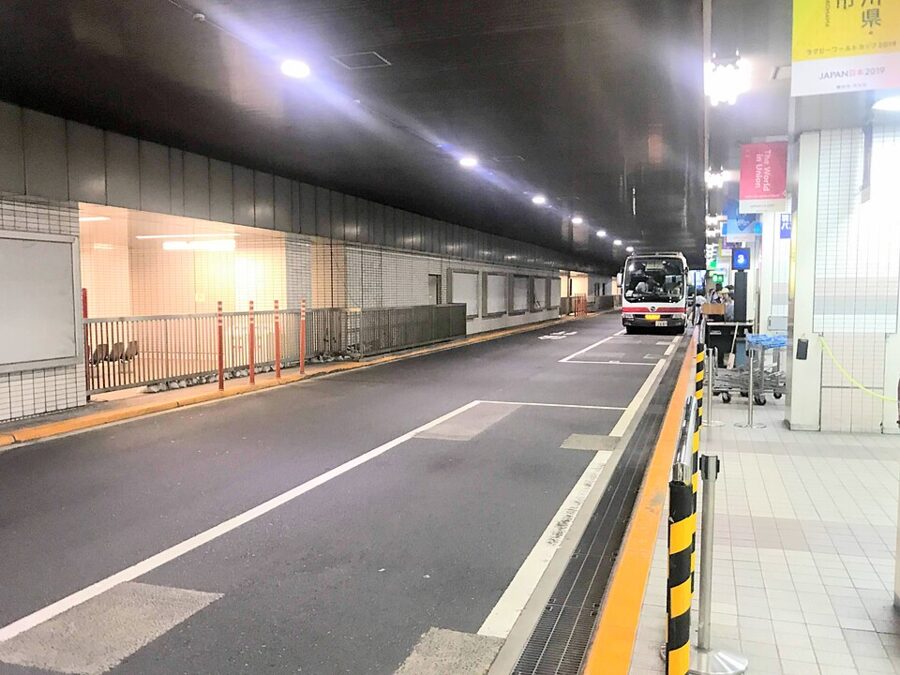
Buy tickets at the bus counter just past the arrival lobby exit, on the left, or at the machines opposite it; then follow the red bus signs to the escalator and elevators down to the first-floor stops. Many Airport Limousine departures can be booked online up to five minutes before departure, and Keikyu’s web tickets for its buses from the airport are sold on the day until ten minutes before each departure.


| Route from Terminal 3 | Main stops | Adult fare |
|---|---|---|
| Shinjuku | Shinjuku Station, Expressway Bus Terminal, West Shinjuku hotels, Nakano Station | ¥1,400 |
| Shinjuku Kabukicho | Tokyu Kabukicho Tower and Seibu-Shinjuku Station | ¥1,400 |
| Shibuya | Shibuya Station, Cerulean Tower, Shibuya Mark City | ¥1,300 |
| Ikebukuro | West Exit, three hotels | ¥1,400 |
| Tokyo Station | Yaesu North Gate (Tekko Building) | ¥1,200 |
| T-CAT | Tokyo City Air Terminal (Hakozaki) | ¥1,000 |
| Odaiba and Ariake | Daiba hotels, Tokyo Big Sight, Ariake | ¥1,000 |
| Asakusa | Asakusa View Hotel | ¥1,300 |
| Yokohama (Keikyu bus) | YCAT | ¥800 |
| Overnight (Shinjuku and Ikebukuro) | Shinjuku Station, Higashi-Shinjuku, Ikebukuro East Exit | ¥2,800 |
The bus beats the train in three cases: a hotel that is itself a bus stop, a large case and a station with a long transfer, and a family whose fares add up fast. It loses in rush hour, when the timetable itself allows a quarter of an hour more, and late in the evening, when the routes thin out. Anyone without luggage staying near a station on the Yamanote loop should take the train.


Taxis and ride-hailing: the flat-fare table
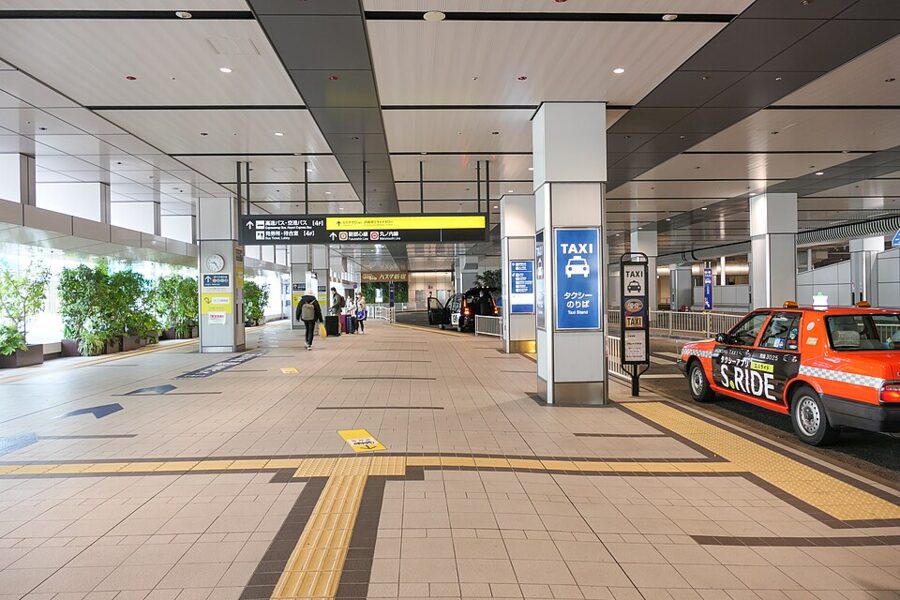
At Terminal 3, follow the taxi signs from the second- or third-floor access hall down to the first floor, lane 2, stop 21; there is also an Excellent Service Taxi stand for overseas visitors, served by drivers certified under the city’s Excellent Taxi scheme. App-booked and reserved cars pick up on the eighth floor of the P5 parking garage, and at the domestic terminals near Exit 7 of Terminal 1 and Exit 2 of Terminal 2, both on the second floor, since October 22, 2025, according to the airport’s taxi page.
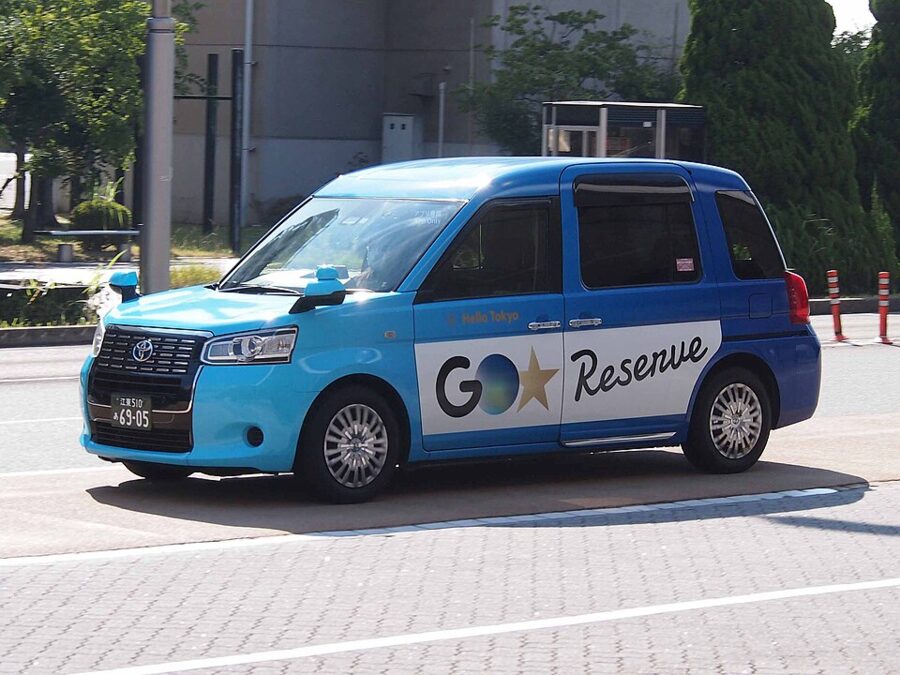

Tokyo taxis from the airport ranks run on a flat fare by ward, set by the Tokyo Hire-Taxi Association and approved by the transport ministry. The current table took effect on April 20, 2026. Between 22:00 and 05:00 a higher night table applies, and expressway tolls are added on top, because the flat fare assumes the Shuto Expressway.
| To (ward) | Day fare | 22:00–05:00 |
|---|---|---|
| Chiyoda (Marunouchi, Tokyo Station west side) | ¥7,600 | ¥9,000 |
| Shibuya | ¥8,500 | ¥10,000 |
| Setagaya | ¥8,900 | ¥10,400 |
| Shinjuku | ¥9,000 | ¥10,700 |
| Taito (Asakusa, Ueno) | ¥9,100 | ¥10,800 |
| Sumida (Skytree) | ¥9,100 | ¥10,700 |
| Bunkyo | ¥9,300 | ¥10,900 |
| Nakano | ¥9,900 | ¥11,700 |
| Toshima (Ikebukuro) | ¥11,200 | ¥13,200 |
Notice who is missing. Chuo, Minato, Shinagawa, Meguro, Ota and Koto wards are not on the table, so Ginza, Roppongi, Shinagawa and Odaiba, the districts closest to the airport, go on the meter. A flat fare also needs no booking at the airport ranks, but going the other way it must be booked at least an hour ahead; a cab flagged in the street runs on the meter, according to the association’s flat-fare questions page.
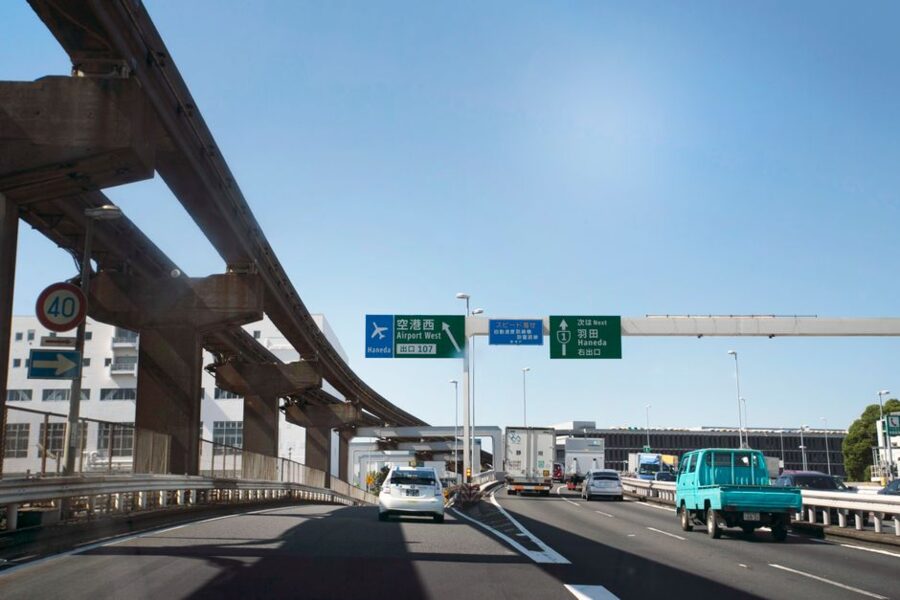
The table covers a stop along the way only when it is in the same zone and on the line of the trip; a detour or a change of destination puts the meter back on. Four people going to Shinjuku pay ¥9,000 plus tolls for one cab, against ¥5,600 for four bus tickets, which also stop at the door of the hotels on the bus list.

Landing late, leaving early
The last trains leave Terminal 3 at 00:08 on Keikyu (arriving at Shinagawa at 00:20, every day of the week, on Keikyu’s late-night page) and at 00:10 on the monorail to Hamamatsucho. Neither leaves much margin for an onward train, so check the last connection from Shinagawa or Hamamatsucho to your station before you land, not after.

After that, the overnight Airport Limousine leaves Terminal 3 at 00:20, 01:00, 01:40 and 02:20 for Shinjuku Station, the Shinjuku Expressway Bus Terminal, Higashi-Shinjuku and Ikebukuro’s East Exit, at ¥2,800, on the November 2026 timetable. Keikyu runs a late-night bus to Yokohama’s YCAT and Sakuragicho for ¥2,000. Anywhere else after midnight means a taxi on the night table.
For early flights, the first Keikyu train from Shinagawa leaves at 05:09 and reaches Terminal 3 at 05:29. The first monorail from Hamamatsucho leaves at 05:11 on weekdays, on the timetable introduced on March 14, 2026. The first Airport Limousine from Shinjuku leaves at 04:40 and is due at Terminal 3 at 05:20, and a ¥2,800 early-morning bus starts from Ikebukuro at 03:35.
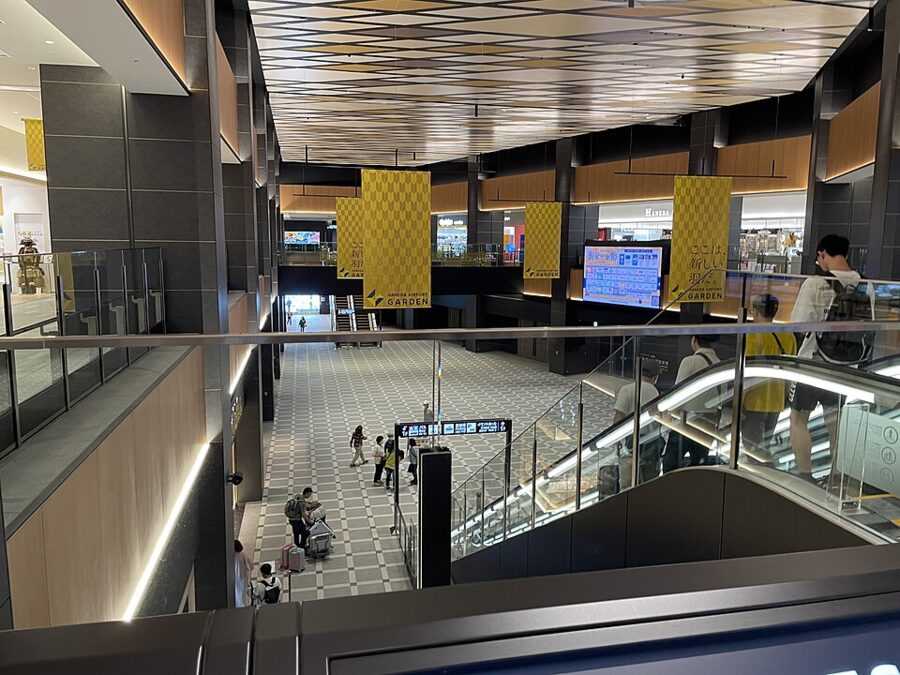
The hotels at the airport are all on the airport operator’s list: The Royal Park Hotel Tokyo Haneda inside Terminal 3 on the third floor, with a second set of rooms airside for transit passengers; Haneda Excel Hotel Tokyu at Terminal 2; and First Cabin Haneda Terminal 1, a cabin hotel in the Terminal 1 arrival lobby. Next door to Terminal 3, linked by a walkway, the Haneda Airport Garden complex has the Villa Fontaine Grand Haneda Airport and the Villa Fontaine Premier, with the Izumi Tenku no Yu hot-spring baths on the top floor.

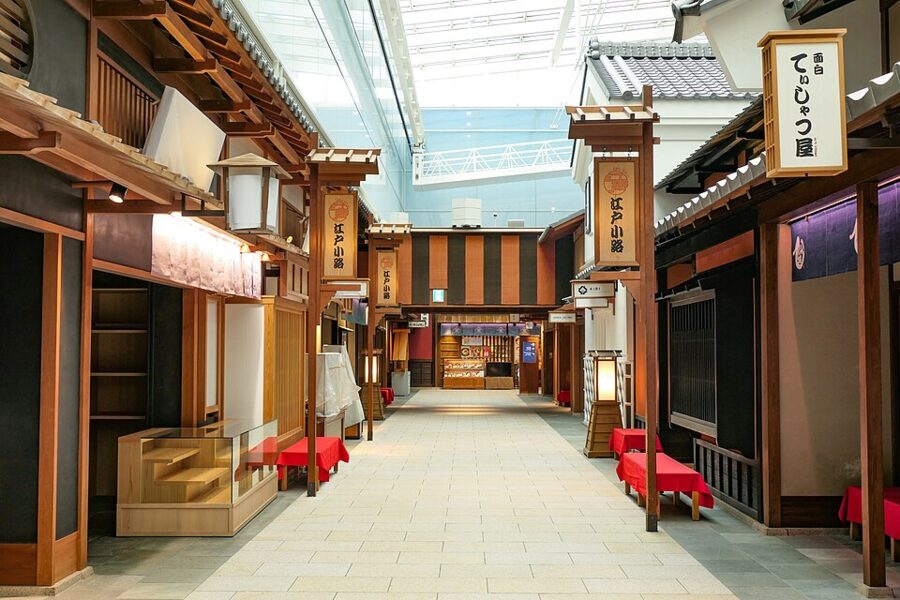

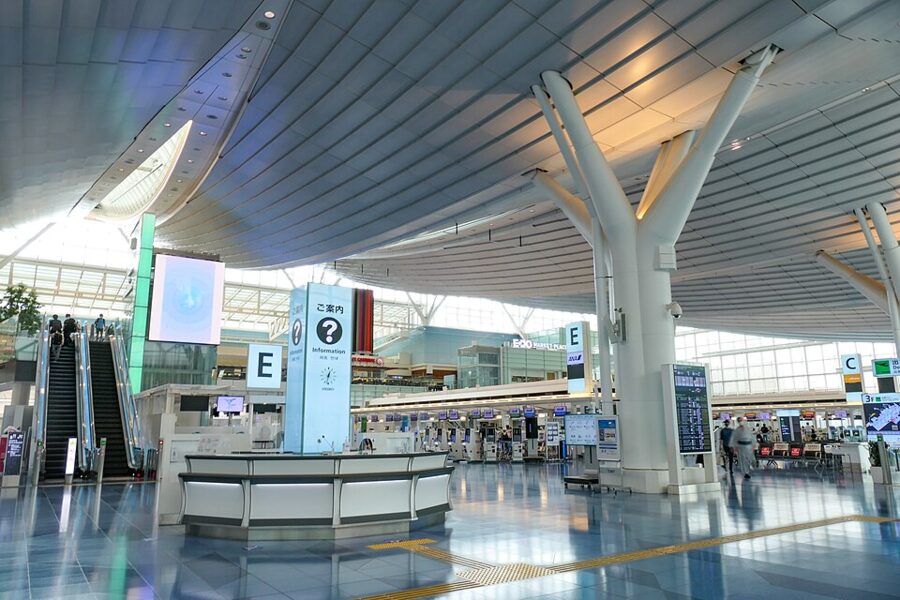
Terminal 3 is the place to wait out a gap in the night. The shower rooms on the second floor are open 24 hours at ¥1,500 for 30 minutes, or ¥3,000 an hour for a room with a reclining chair. The tourist information center, the currency exchange counters, the baggage storage counters and the observation deck never close either.
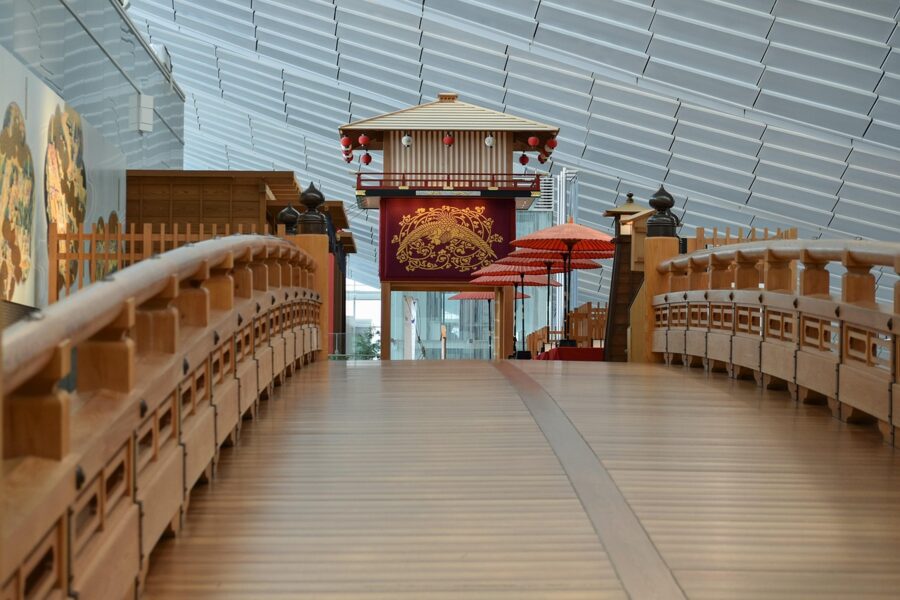
Sorting things out before you leave the airport
IC cards and passes
Welcome Suica, the visitors’ version of the card, needs no deposit and lasts 28 days; the balance left at the end is not refunded. The JR East Travel Service Center in the Terminal 3 arrival lobby exchanges Japan Rail Passes and sells JR tickets. Welcome Suica Mobile has worked on iPhones since March 2025, and JR East says Samsung Galaxy phones sold abroad will get it in the first half of 2027, according to its April 2026 announcement.
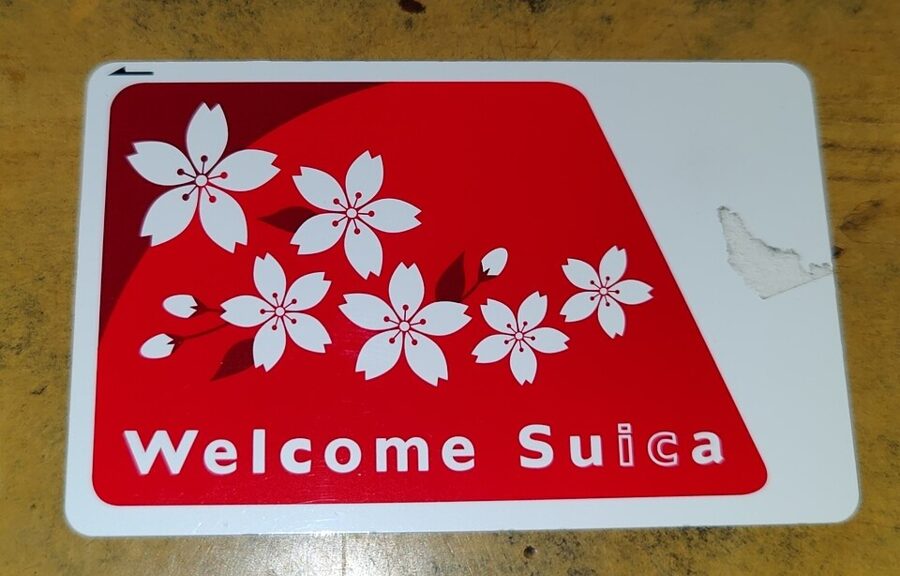

A regular PASMO from a Keikyu station costs a ¥500 deposit you get back when you return the card. Either card works on both airport lines, the buses and the subway, and in convenience stores.
SIM cards, eSIMs and pocket Wi-Fi
In the Terminal 3 arrival lobby, Telecom Square’s Mobile Center is open 06:30–23:00 and the AnyFone JAPAN counter sells prepaid SIMs 06:00–23:00, according to the airport’s phone and Wi-Fi list. An unattended 24-hour Wi-Fi router rental sits outside the Mobile Center for night arrivals. If your phone takes an eSIM, buying one before the flight saves the line altogether.
Cash
Japan Post Bank’s ATM in the arrival lobby runs 24 hours (except 00:00–07:00 on the third Monday of each month), and Seven Bank’s, on the same floor, runs 05:00–24:00. Mizuho, MUFG and SMBC machines are upstairs in the departure lobby, according to the airport’s ATM list. The currency exchange counter on the second floor is open around the clock.
Luggage delivery and lockers
Sending bags ahead is the classic Tokyo arrival move. Yamato Transport (05:00–23:00) and JAL ABC (04:00–01:00) have counters in the Terminal 3 arrival lobby for sending bags on to a hotel or anywhere else in the country.
For the same day, the counter on the second floor of Keikyu’s Terminal 3 station, next to the escalator behind the Keikyu tourist information counter, sends bags to hotels in the 23 wards, Kawasaki and Urayasu. It charges ¥1,600 for a bag up to 120 cm in total dimensions, ¥2,100 up to 160 cm and ¥3,700 beyond that, according to Keikyu’s November 2026 notice. Drop bags off between 09:00 and 14:00 for same-day delivery.
The service also runs the other way since 2026, from drop-off points in the city back to the airport station, where bags are collected in the afternoon and evening; check the pick-up hours when you book. For a few hours in the terminal, Terminal 3’s coin lockers cost ¥500, ¥700 or ¥900 per 24 hours by size, for up to seven days.
The trip back
From Shinjuku, budget about an hour on the Airport Limousine from the station and longer from the hotel loop, which can take 90 minutes in the day. By rail, the times are the same as on the way in, plus the walk at Shinagawa or Hamamatsucho with luggage. The airport bus to Terminal 3 stops at Terminal 2 and Terminal 1 first on many routes, so do not get off early.
The biggest change for the trip back is tax-free shopping. Since November 1, 2026, shops charge consumption tax at the till and refund it after you leave, the refund system explained on the airport’s tax refund page. At departure, within 90 days of the purchase, you scan your passport at a tax-free terminal before security (Terminal 3 has 13, open 24 hours). The screen goes green for done or red for a customs inspection of the goods.
That inspection is why the order matters. You must have the goods with you, so do the kiosk before you check your bags, not after. The cash comes back after security, at self-service refund machines (Terminal 3 has five, open 24 hours) that pay out yen in about a minute, though not every shop’s purchases qualify for the machines. Visit Japan Web can also do the customs step on the departure lobby’s dedicated Wi-Fi.
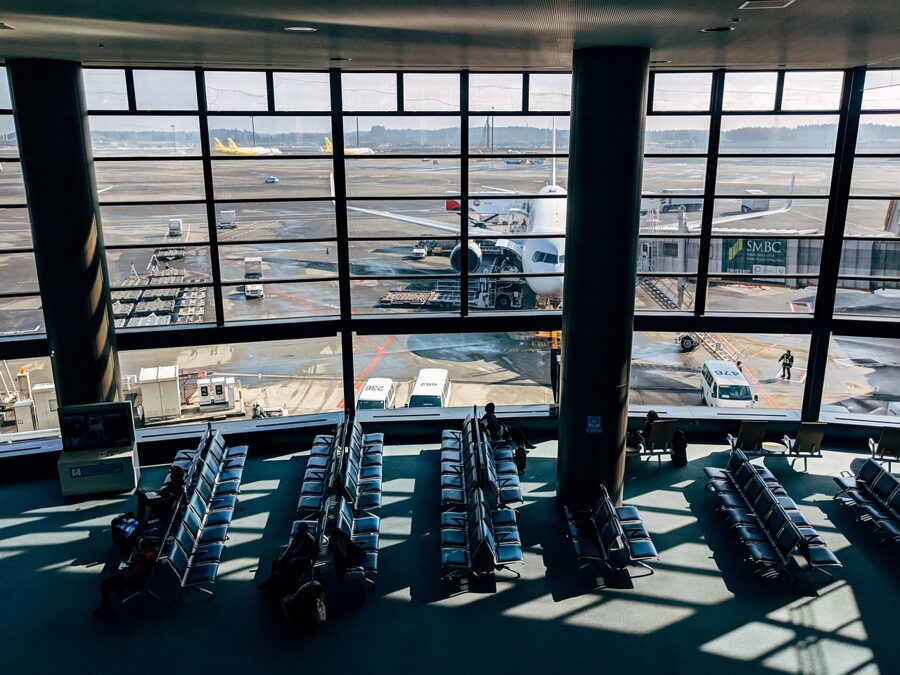
The observation deck on Terminal 3’s fifth floor is open 24 hours, weather and security permitting. Terminal 1 and Terminal 2’s decks close at 22:00 and open at 06:30, and Terminal 2’s indoor FLIGHT DECK TOKYO runs 05:00–23:00.


Narita, Tokyo’s other airport, is around 60 kilometers out in Chiba against Haneda’s 15 or so south of the center; the rail trip between the two airports takes about an hour and 45 minutes. If you have a choice of flights and are staying in the city, pick Haneda. If you do not, Narita has its own fast trains into town, and an Airport Limousine bus runs between the two airports for connections.
On the way back out, the numbers from the first paragraph still hold: Shinagawa to Terminal 3 in 11 minutes on the Keikyu Airport Limited Express for ¥327, Hamamatsucho to Terminal 3 in 13 on the monorail for ¥519. Leave the hotel early enough to stand at a tax-free kiosk before you check a bag.