

Get an IC card on your first day, ride the JR Yamanote Line and the subway, and skip the day passes unless you plan five or six subway rides a day. That is most of getting around Tokyo in late 2026. The rest is detail, and the detail moved in 2026: JR East raised its fares on March 14, the subway day tickets went up the same day, and on March 25 eleven rail operators started letting you ride with a tap of a contactless credit card.
The card. A Suica or a PASMO, as a plastic card or in an iPhone wallet.
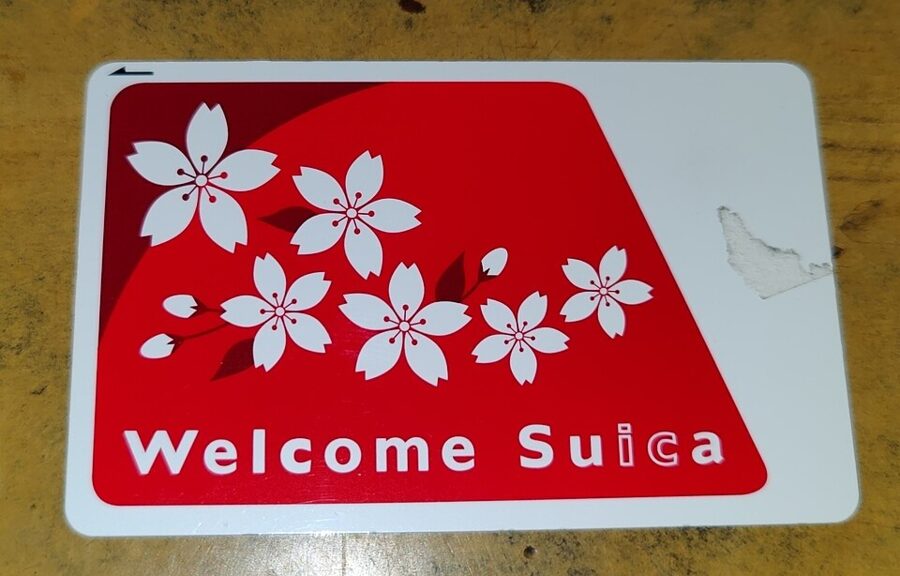
On a short stay, the Welcome Suica from JR East or the TOURIST PASMO sold at Haneda and Narita since May 2026 costs no deposit and runs for 28 days. Either one opens every ticket gate, bus door and convenience store till in the city. A contactless Visa or Mastercard now works on Tokyo Metro, Toei and most private railways, but not on JR East, so it can’t be your only way in.
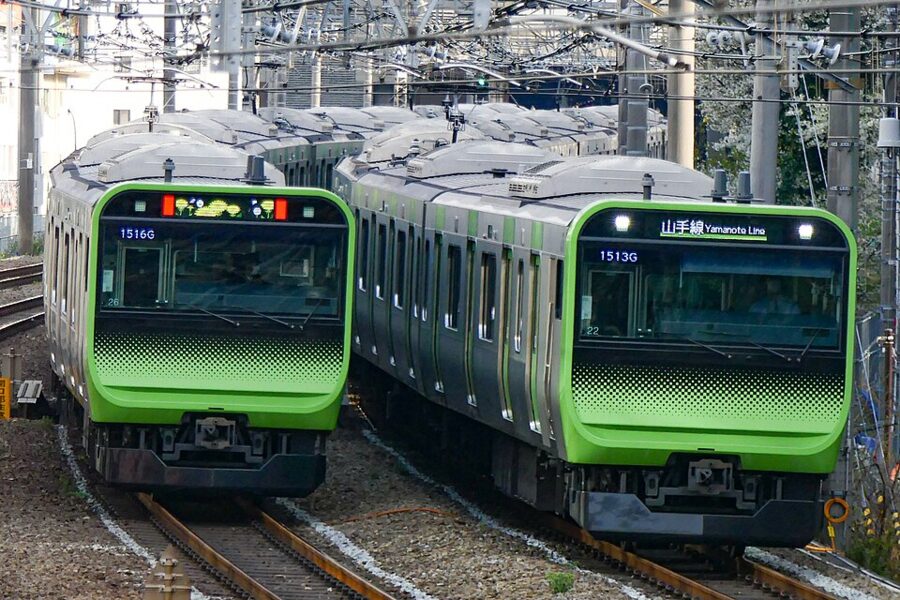

The lines. Four carry most first trips. The JR Yamanote Line loops through the big hubs, and the Tokyo Metro Ginza Line runs from Shibuya through Omotesando, Ginza and Ueno to Asakusa. The Hibiya Line connects Ebisu, Roppongi, Ginza, Akihabara and Ueno, and the Toei Oedo Line swings through Shinjuku, Roppongi, Tsukiji and Ryogoku.
Add the JR Chuo Line rapid if you need to cross the middle of the city fast.
The pass. A 24-hour Tokyo Subway Ticket costs ¥1,000, and the shortest subway ride on an IC card costs ¥178. It pays from about the sixth short ride, and the 72-hour version at ¥2,000 pays from about four rides a day. Neither covers JR, which is where a first trip spends half its time, so for most people the card wins.


Who runs what: JR, two subways and the private lines
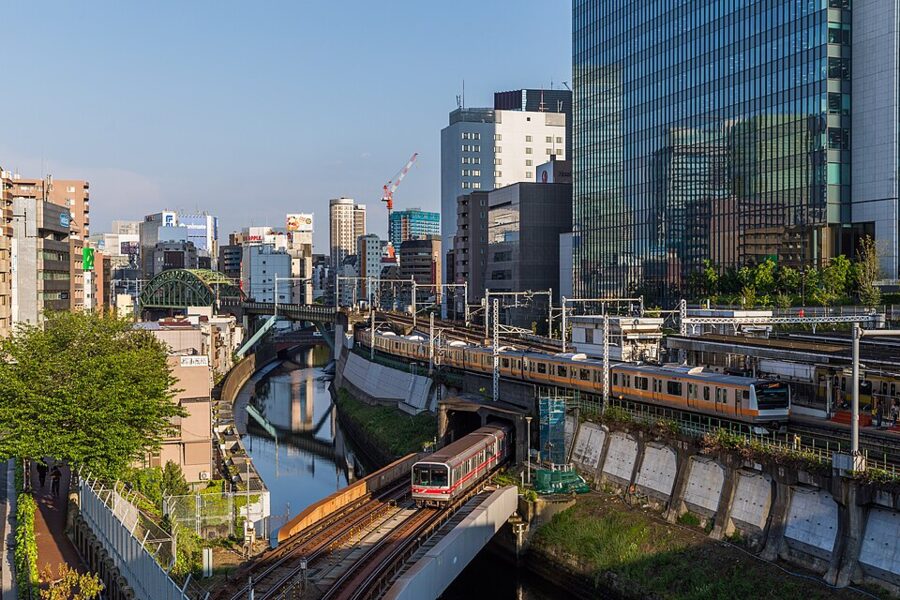
Tokyo’s trains belong to a dozen companies, and the map you see on the wall hides that. For getting around the city, three groups matter: JR East, the two subway operators and the private railways that run out to the suburbs. Each one charges its own fare, so a trip that changes from one to another usually costs a little more than one that stays on a single company’s lines.
JR East: the Yamanote loop and the lines through the middle
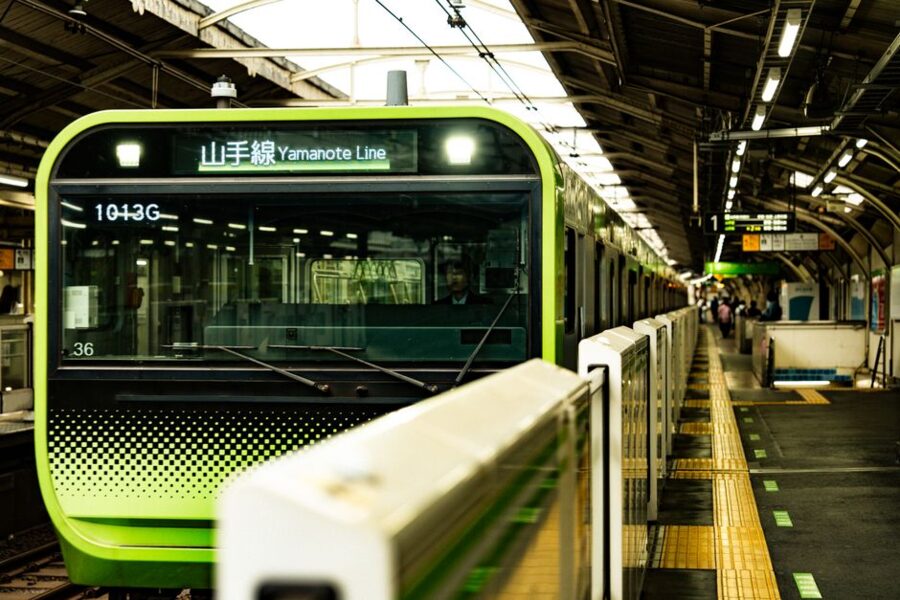
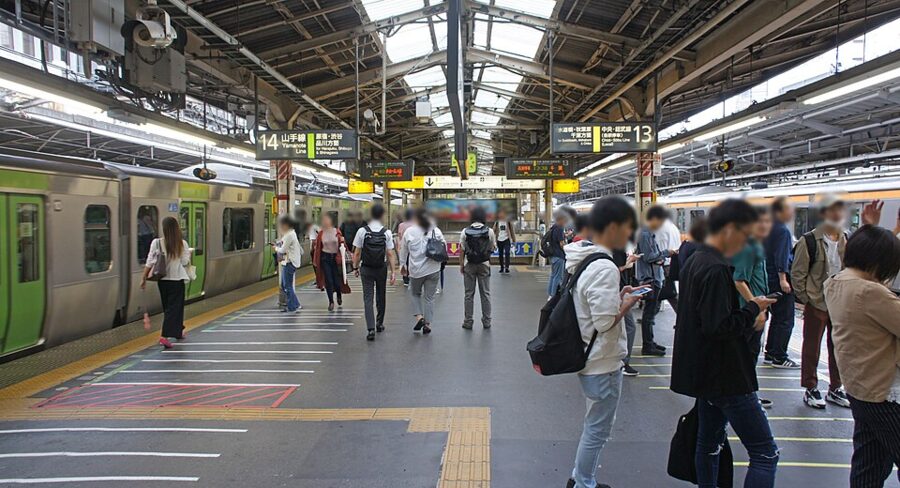
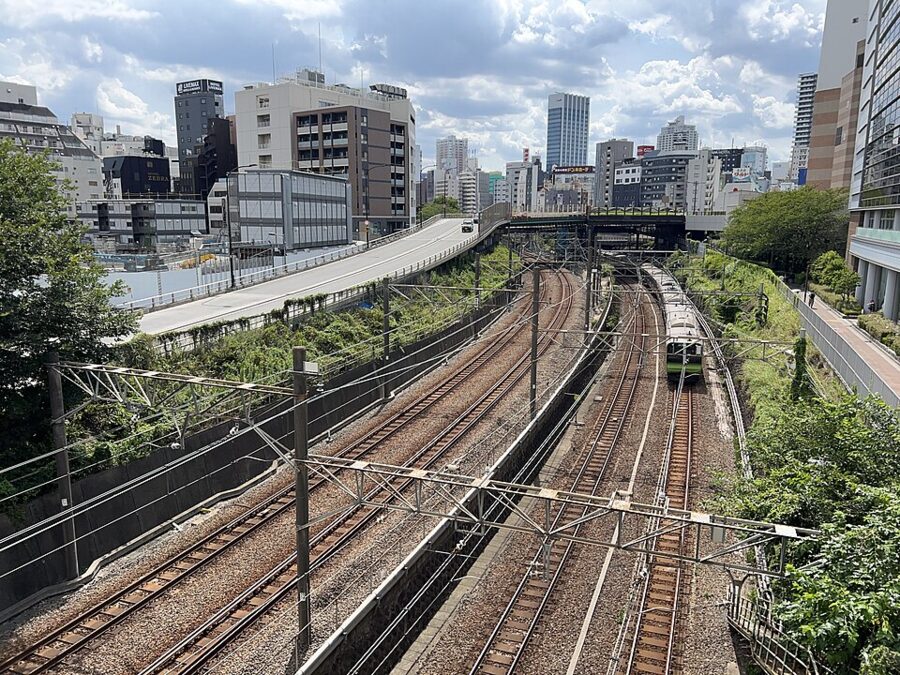
The JR Yamanote Line is 30 stations on a 34.5 km loop, numbered JY01 at Tokyo Station round to JY30 at Kanda. Trains run both ways: the outer loop (sotomawari) goes clockwise through Shinagawa, Shibuya, Shinjuku and Ikebukuro, and the inner loop (uchimawari) goes the other way. The platform signs say which loop and list the next big stations, which is easier than remembering a direction.
The JR Chuo Line rapid (orange) runs straight across the loop from Tokyo Station to Shinjuku and then out west to Nakano, Kichijoji and Mitaka. The Chuo-Sobu Line local (yellow) covers the same ground with every stop and continues east to Akihabara and Chiba. The Keihin-Tohoku Line (blue) runs alongside the eastern half of the Yamanote between Shinagawa, Tokyo and Ueno, skipping stations on its rapid service in the daytime, and the Saikyo Line and Shonan-Shinjuku Line share a pair of fast tracks parallel to the western half through Osaki, Shibuya, Shinjuku and Ikebukuro.
JR is the network for the hubs. If your day is Shinjuku to Shibuya to Harajuku to Akihabara, the Yamanote alone will do it.
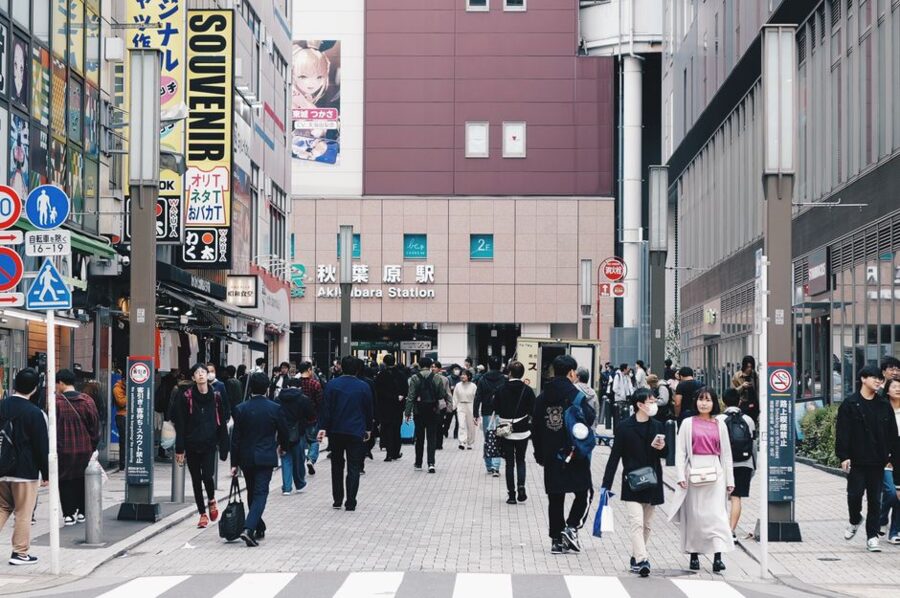
Tokyo Metro and Toei: two subways, two fares
The subway is two companies. Tokyo Metro runs nine lines, Toei (the Tokyo Metropolitan Bureau of Transportation) runs four, and the two share stations, signs and a single map. They do not share a fare table.
On an IC card, the shortest Tokyo Metro ride costs ¥178 and the shortest Toei ride ¥178 too, and a journey that uses both gets ¥70 off the combined fare. That discount applies automatically with an IC card or a through ticket.
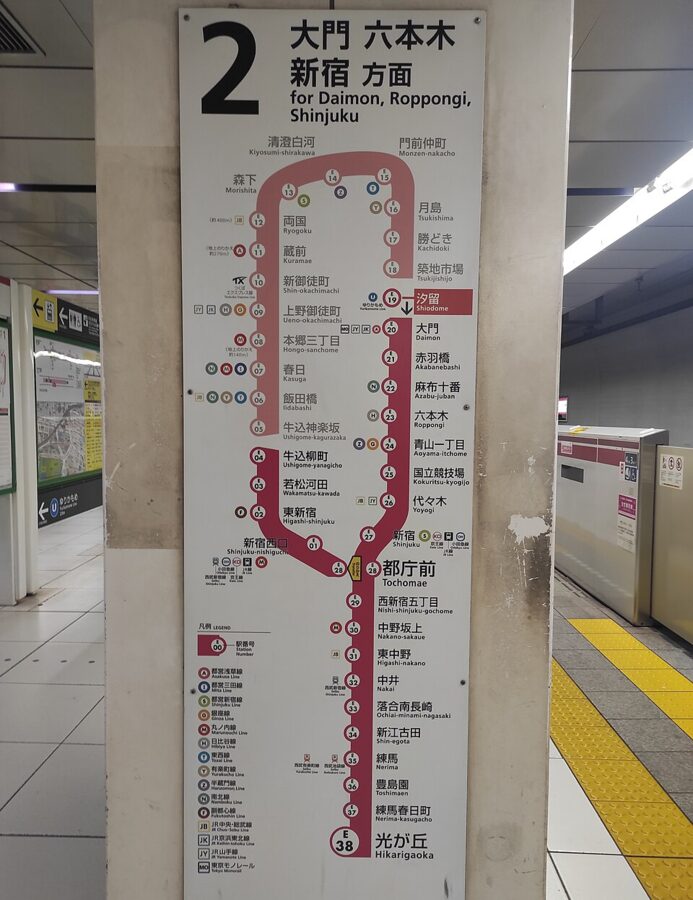

Tokyo Metro’s lines, each with a letter and a color on every sign: Ginza (G, orange), Marunouchi (M, red), Hibiya (H, silver), Tozai (T, sky blue), Chiyoda (C, green), Yurakucho (Y, gold), Hanzomon (Z, purple), Namboku (N, emerald) and Fukutoshin (F, brown). Toei’s four: Asakusa (A, rose), Mita (I, blue), Shinjuku (S, leaf green) and Oedo (E, magenta). The letters have been on the signs since April 2004, when Tokyo Metro was formed.
The Ginza Line is the oldest and shallowest, which makes it the quickest to reach from the street. The Oedo Line is the opposite: built deep and late, with long escalator rides at stations like Roppongi, it is useful for its route and slow to get into. Toei’s Asakusa Line is the one that links straight to both airports through Keikyu and Keisei trains.
The private railways and through-running
Most suburbs are served by private railways, each with a terminal on or near the Yamanote loop: Tokyu at Shibuya and Meguro, Odakyu and Keio at Shinjuku, Seibu at Ikebukuro and Seibu-Shinjuku, Tobu at Ikebukuro and Asakusa, Keisei at Ueno and Nippori, Keikyu at Shinagawa. For a first trip they matter for day trips from Tokyo: Odakyu to Hakone, Tobu to Nikko, Keikyu toward Yokohama and the coast.
Then there is through-running (sogo chokutsu unten): a train that starts as one company’s line and turns into another’s without stopping. A Hanzomon Line train can carry on as a Tokyu Den-en-toshi Line train past Shibuya, a Fukutoshin Line train becomes a Tokyu Toyoko Line train to Yokohama, and Toei Asakusa Line trains run through onto Keikyu tracks to Haneda and Keisei tracks to Narita. You stay in your seat; the fare is still charged company by company, and your IC card works it out when you leave the gates.
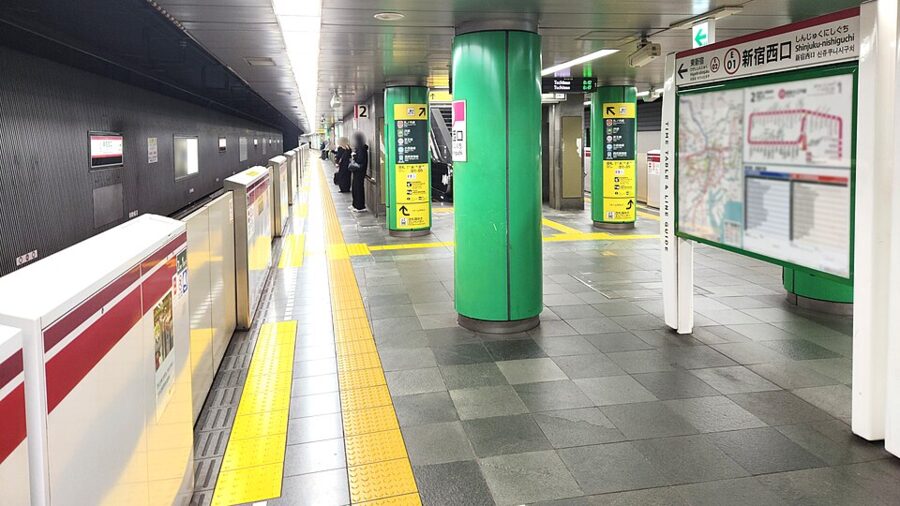

The catch is the destination board. A train heading for “Chuo-rinkan” or “Motomachi-Chukagai” is still the right train if you are going three stops; the far-off names are where it ends up after switching companies. Check the line color and the stops on the platform screen instead.
Paying: cards, phones, contactless and paper
The fare depends on what you pay with. Tokyo Metro, Toei and JR East charge IC cards to the yen and round paper tickets up to the next ¥10, so an IC card is never the more expensive way. JR East’s March 2026 fare revision set it up so that “IC fare ≤ ticket fare” everywhere in its area.
| Ride (adult, late 2026) | IC card | Paper ticket |
|---|---|---|
| JR East, 1–3 km | ¥155 | ¥160 |
| JR East, 4–6 km (Shibuya to Shinjuku) | ¥199 | ¥200 |
| JR East, 11–15 km (Tokyo to Shinjuku) | ¥253 | ¥260 |
| Tokyo Metro, 1–6 km | ¥178 | ¥180 |
| Tokyo Metro, 7–11 km | ¥209 | ¥210 |
| Toei Subway, shortest band | ¥178 | ¥180 |
| Toei bus, flat fare in the 23 wards | ¥210 | ¥210 cash |
JR’s numbers are the ones that changed. Until March 13, 2026, rides inside the Yamanote loop had their own cheaper fare band; JR East’s fare revision folded it into the standard one, so the shortest JR ride went from ¥146 to ¥155 on an IC card and Tokyo to Shinjuku from ¥208 to ¥253. The Tokyo Metro fare table did not change, and it still includes a ¥10 barrier-free surcharge that JR has since dropped. The result is a small twist: Shibuya to Shinjuku costs ¥199 on the Yamanote and ¥178 on the Fukutoshin Line to Shinjuku-sanchome.
Suica and PASMO
Suica (JR East) and PASMO (the private railways and subways) are the same thing for your purposes. Each works on every train, subway and bus in Tokyo, on most of Japan’s other city networks, in vending machines, coin lockers and convenience stores. Tap on the reader going in, tap again going out, and the fare comes off the balance.
A plain Suica costs a ¥500 deposit, which comes back with any leftover balance, less a ¥220 handling fee, when you hand the card in at a JR ticket office. Sales of both stopped in 2023 during a chip shortage; registered cards came back in September 2024 and plain ones on March 1, 2025, so the machines at JR and subway stations sell them again. Top up in cash at any ticket machine or fare adjustment machine.

Welcome Suica, TOURIST PASMO and the phone
If you are in Japan on a short stay, two cards skip the deposit. The Welcome Suica lasts 28 days from purchase, tops up to ¥20,000 in cash only, and refunds nothing, not even a leftover balance. Since March 27, 2025 it has been sold at a short list of places: Welcome Suica machines and JR EAST Travel Service Centers at the Narita Airport stations and at Haneda Terminal 3’s Tokyo Monorail station, plus the travel service centers at Tokyo, Shibuya, Shinjuku, Ikebukuro and Ueno stations, the JAPAN RAIL CAFE at Tokyo Station and the travel service center at Takanawa Gateway. One card per person.
The TOURIST PASMO went on sale in May 2026 on the same terms: no deposit, 28 days, no refunds. At Haneda it comes from Keikyu’s machines by the Terminal 1 and Terminal 2 gates and at the Keikyu Tourist Information Center in Terminal 3, loaded with ¥1,000 to ¥10,000 and payable by credit card; at Narita, from the Skyliner and Keisei information centers in the Terminal 1 and Terminal 2 stations.
On an iPhone you don’t need a card at all. Suica and PASMO both live in Apple Wallet and top up from a credit card on the phone, and JR East’s Welcome Suica Mobile app (iPhone only, launched in 2025) issues a Welcome Suica on the phone with English screens. Android phones bought outside Japan mostly can’t run mobile Suica or PASMO, which PASMO’s own page says plainly. On Android, buy a card.
Tapping a credit card at the gate
From March 25, 2026, eleven operators accept tap-to-ride with a contactless credit, debit or prepaid card, or a phone carrying one: Tokyo Metro, Toei, Tokyu, Odakyu, Keio, Keikyu, Sotetsu, Yokohama Minatomirai, and some stations of Seibu, Tobu and Odakyu Hakone. You can change between them on the same card. Tokyo Metro’s tap-to-ride rules and Toei’s list Visa, Mastercard, JCB, American Express, Diners Club, Discover and UnionPay with the contactless mark, and no registration is needed.
Read the small print before you rely on it.
You pay the paper-ticket fare (¥180 rather than ¥178 for a short Metro ride), adults only, one card per person. You must leave on the same card or phone you entered with; tap in with the card and out with the phone and the gate treats it as two cards. It does not work on JR East, the Saitama Rapid Railway or the Toyo Rapid Railway, and you can’t start a trip at Tokyo Metro’s Nakano Station with it. If you ride past the network onto JR, you settle the extra in cash.
The verdict: a good backup, not a replacement. Keep a Suica or PASMO for JR and buses, and use the credit card on the days your IC balance runs low.
Paper tickets and the fare adjustment machine
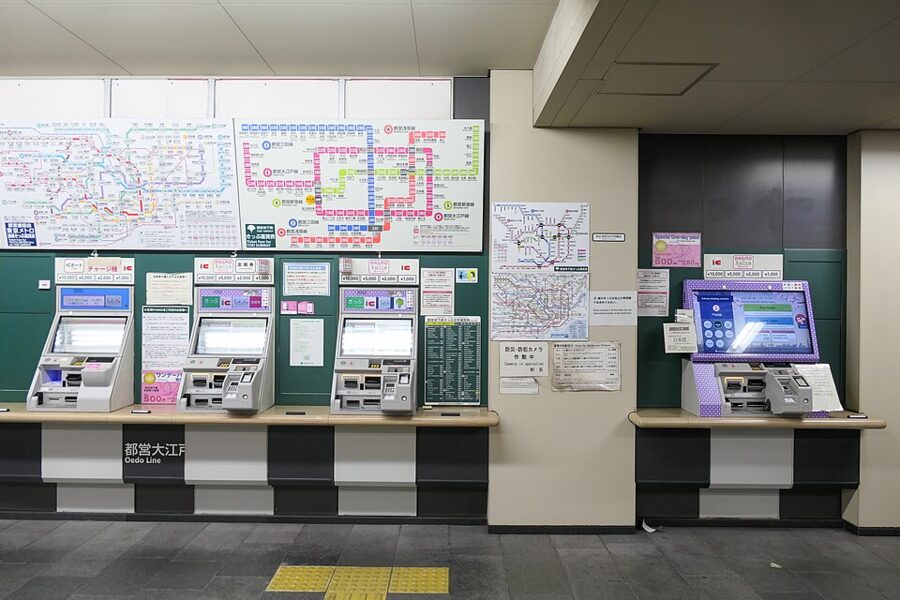
Paper tickets still exist and still work. Find your destination’s fare on the map above the machines (or search by station name on the screen), buy that ticket, and keep it: the exit gate eats it. If you bought too little, nobody minds. Before the exit gates there is a yellow fare adjustment machine (norikoshi seisanki); feed it the ticket, pay the difference, take the new ticket and walk out.
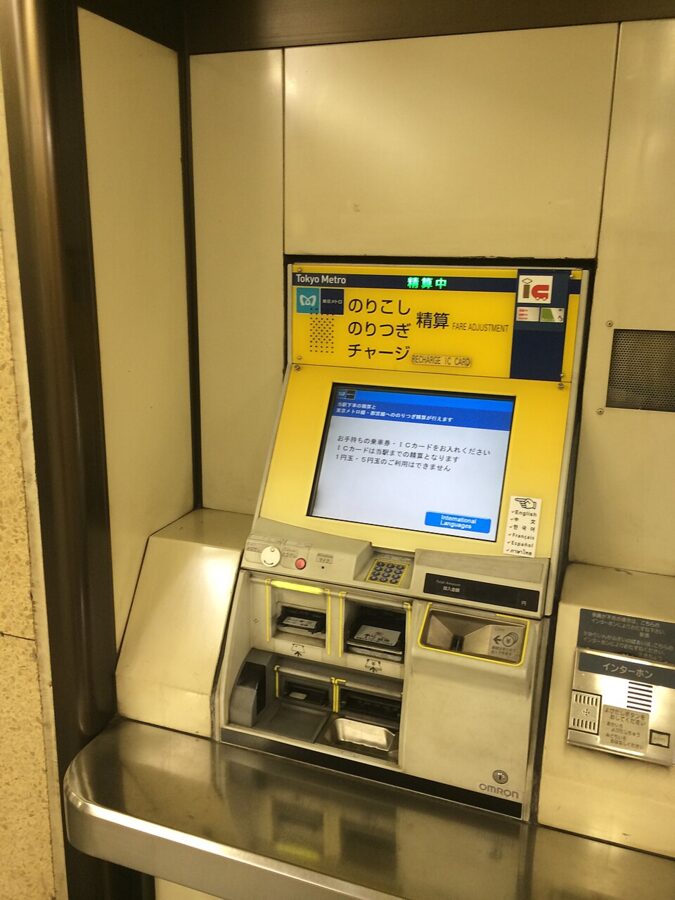

Tokyo Metro sells paper tickets in five fares, ¥180, ¥210, ¥260, ¥300 and ¥330, and a ticket is good only on the day you buy it. If you lose one mid-journey, you pay again from your starting station and ask for a receipt; if the ticket turns up within a year, Tokyo Metro refunds the second fare less a ¥170 fee.
Passes: when they pay and when they don’t
The day passes all went up in March 2026, and the arithmetic got harder for them. Here is what each costs and what it covers, from the operators’ pages in November 2026.
| Pass (adult) | Price | Covers | Pays from about |
|---|---|---|---|
| Tokyo Subway Ticket, 24 hours | ¥1,000 | All Tokyo Metro and Toei subway lines | 6 short subway rides |
| Tokyo Subway Ticket, 48 hours | ¥1,500 | Same | 5 rides a day |
| Tokyo Subway Ticket, 72 hours | ¥2,000 | Same | 4 rides a day |
| Tokyo Metro 24-hour Ticket | ¥700 | Tokyo Metro only | 4 short Metro rides |
| Tokyo Metro & Toei Common One-day Ticket | ¥1,100 | Both subways, one calendar day | 7 short rides |
| Tokunai Pass (JR) | ¥870 | JR local and rapid trains in the 23 wards, one day | 5–6 JR rides |
| Tokyo 1-Day Ticket | ¥1,720 | JR in the 23 wards, both subways, Toei buses, Toden tram | A long, mixed day |
| JR Tokyo Wide Pass, 3 days | ¥16,000 | JR East lines and Shinkansen around Tokyo, as far as Gala Yuzawa and Nikko, plus some partner lines | Day trips only |
The Tokyo Subway Ticket
The Tokyo Subway Ticket is the subway’s tourist pass: unlimited Tokyo Metro and Toei rides for 24, 48 or 72 hours from the first gate you pass. It went from ¥800, ¥1,200 and ¥1,500 to ¥1,000, ¥1,500 and ¥2,000 on March 14, 2026. Only travelers from overseas, and Japan residents from outside Tokyo and the seven surrounding prefectures, can buy it, and some sellers check passports.
You can buy it online as a QR code, read by the gates fitted with a QR reader, at airport counters, at large electronics stores, and at Toei’s tourist information centers at Shimbashi (Asakusa Line), Shinjuku-nishiguchi and Ueno-okachimachi (both Oedo Line), open 8:00–20:00 every day. Loaded onto a PASMO, the clock starts at purchase rather than first use, so don’t buy it the night before.
When it pays: a museum day of subway hops between Roppongi, Ginza, Asakusa and Ueno, or three days based near a subway station where you rarely need JR. When it doesn’t: any day built around the Yamanote Line, because JR is outside it. The 72-hour ticket is the best value of the three; at about ¥667 a day, four short rides cover it.

The JR passes: Tokunai Pass and Tokyo Wide Pass
The Tokunai Pass gives one day of JR local and rapid trains inside the 23 wards for ¥870, up from ¥760 on March 14, 2026. With the shortest JR ride at ¥155, it pays from the sixth short hop, and almost nobody makes six JR hops in a day. The same JR page sells the Tokyo 1-Day Ticket at ¥1,720, which adds both subways, Toei buses and the Toden Arakawa tram; it beats separate fares only on a long, scattered day.
The JR Tokyo Wide Pass (¥16,000, three consecutive days) is for leaving Tokyo, not crossing it. It covers JR East lines and Shinkansen around the capital, the Tobu through-trains to Nikko and Kinugawa, the Fujikyu line toward Mount Fuji and the Rinkai Line, but not the Tokaido Shinkansen. JR East’s own example puts a Gala Yuzawa ski day plus Nikko at about ¥21,500 in separate fares; without trips like that, it’s money wasted.
The Japan Rail Pass inside Tokyo
If you are carrying a Japan Rail Pass (¥50,000 for seven days in ordinary class when bought online), it covers the JR lines in Tokyo, including the Yamanote and Chuo lines and the Narita Express, but not the subway or the private railways. Don’t start its seven days on a city day. Activate it on the day you leave Tokyo, and pay your way around the city on an IC card until then.
Stations: numbers, colors, exits and the long transfers
Station numbers are the tool that makes the map readable. Every subway stop has a line letter and a number in a colored circle, and JR added its own two-letter codes in August 2016: JY for the Yamanote, so Tokyo is JY01, Ikebukuro JY13, Shinjuku JY17 and Shibuya JY20. Remember the code for your hotel’s station and the line color, and you can follow signs without reading a word.
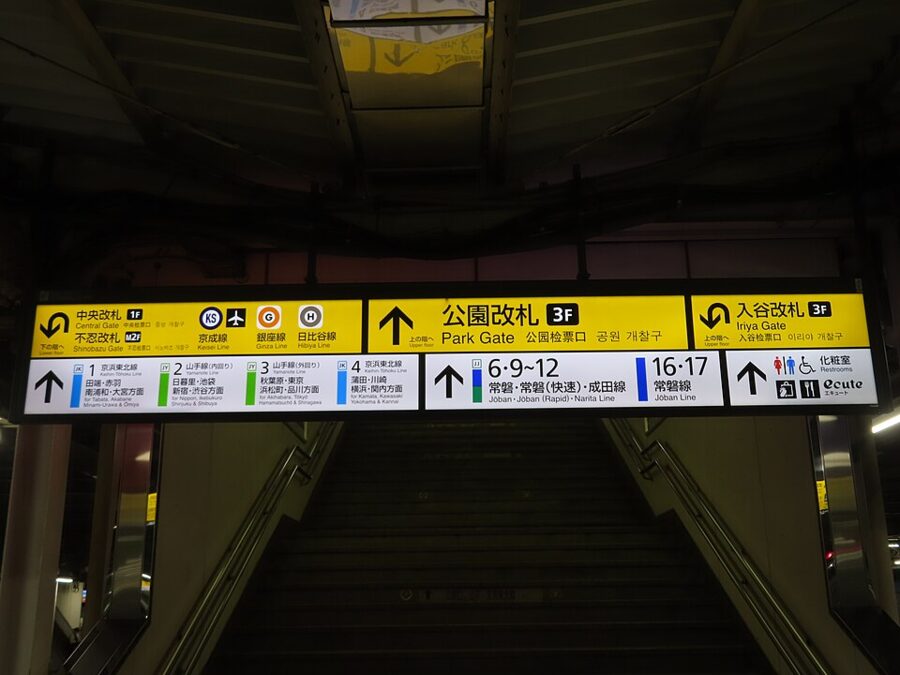

Tokyo Metro’s rule of thumb works across the city: yellow signs point to exits, the others to platforms and transfers. Inside the gates, look for the vicinity map by the stairs: it shows every numbered exit with the buildings above it. Choosing the right exit can save more time than choosing the right train; at the big stations, the wrong one can put you on the far side of a department store.
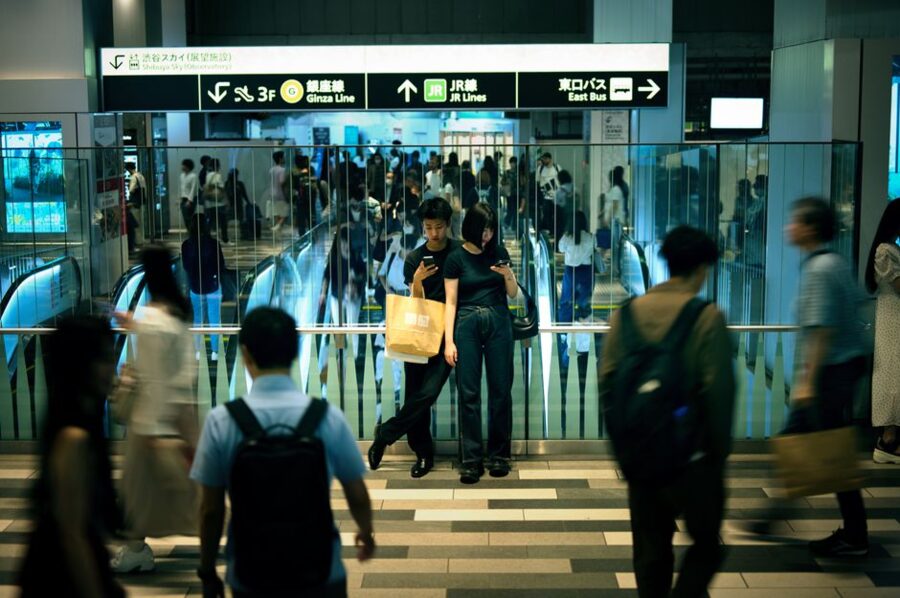
Next to the gates there is a staffed window for anything the machines won’t do. Ask there if a card won’t open the gate.
Which transfers mean leaving the gates
Changing between two lines of the same company usually happens inside the gates. Changing companies almost always means walking out of one set of gates and into another, though at busy pairs (JR and Tokyo Metro at Ichigaya, Nishi-Nippori, Nishi-Funabashi) there are dedicated transfer gates in the middle. With an IC card it doesn’t matter: tap out, tap in, and the fare is worked out at the end.
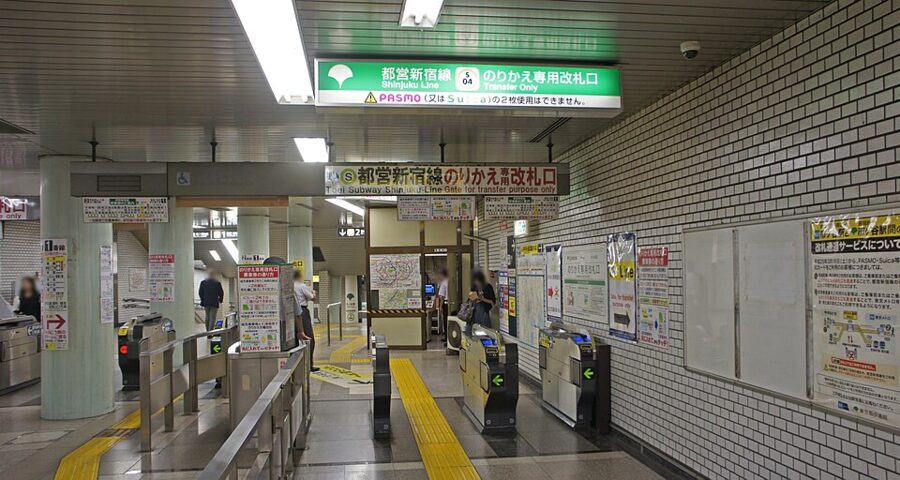

Some Tokyo Metro-to-Tokyo Metro changes also leave the paid area. Tokyo Metro lists Ueno, Mitsukoshimae, Ueno-hirokoji and Naka-okachimachi, Otemachi, Ikebukuro, Iidabashi, Hibiya and Yurakucho, Awajicho and Shin-ochanomizu, Shibuya, Shinjuku-sanchome, Ningyocho and Suitengumae, Tsukiji and Shintomicho, Ginza and Ginza-itchome, and Toranomon and Toranomon Hills. Use the orange transfer gates there and finish the change within 60 minutes, or a paper ticket expires; an IC card charges a fresh fare if you dawdle.
Shinjuku
Shinjuku is five railways stacked on top of each other: JR, Odakyu, Keio, Tokyo Metro and Toei, plus the separate Seibu-Shinjuku terminal a few minutes north. Since July 19, 2020 an east-west free passage on the JR basement level lets you cross from the East Exit side to the West Exit side without a ticket, which used to mean a detour or a platform ticket. Use it. It is the spine of the station.
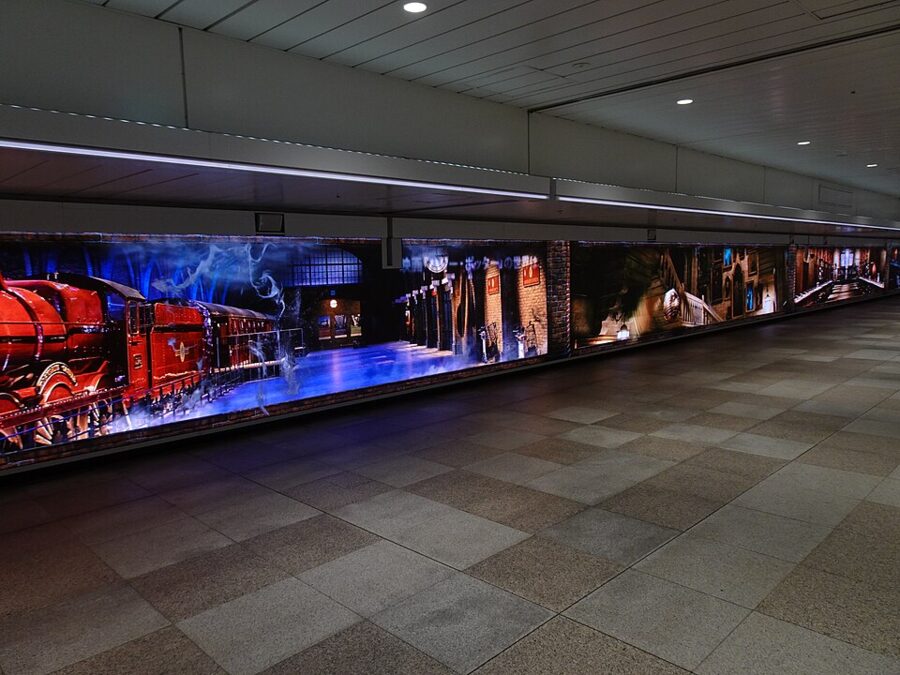

Know your exit before you arrive. The East Exit is for Kabukicho and Shinjuku-sanchome, the West Exit for the skyscrapers and the Metropolitan Government Building, and the South Exit and New South Exit are separate gates a short walk apart; the New South Exit side leads to the Busta Shinjuku long-distance bus terminal. The Toei Oedo Line has two stations here, Shinjuku (E27) and Shinjuku-nishiguchi (E01), and the Marunouchi Line’s Shinjuku station is under the east side.


Shibuya
Shibuya has been a building site for a decade, and the station has changed shape several times since 2020. The Ginza Line platform moved east over Meiji-dori in January 2020. The Saikyo and Shonan-Shinjuku Line platform moved alongside the Yamanote platforms in 2020, ending a long walk. And over a weekend in January 2023, the Yamanote’s two loops came back together on a single island platform.
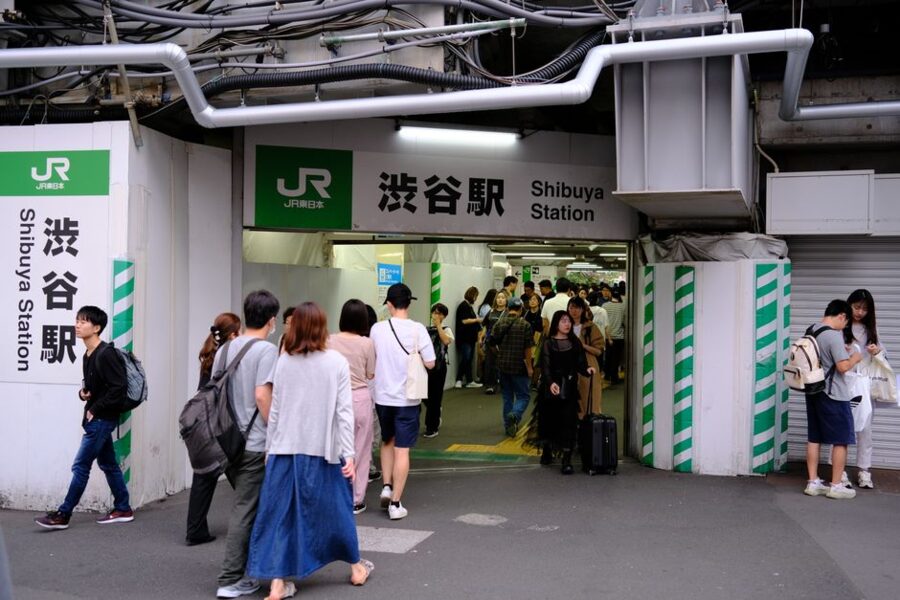
The deep lines are the trap. The Hanzomon, Fukutoshin and Tokyu lines are well below street level, and changing from the JR platforms to them takes longer than the map suggests. The Keio Inokashira Line to Shimokitazawa leaves from its own terminal on the west side, through the Mark City building.
Tokyo Station
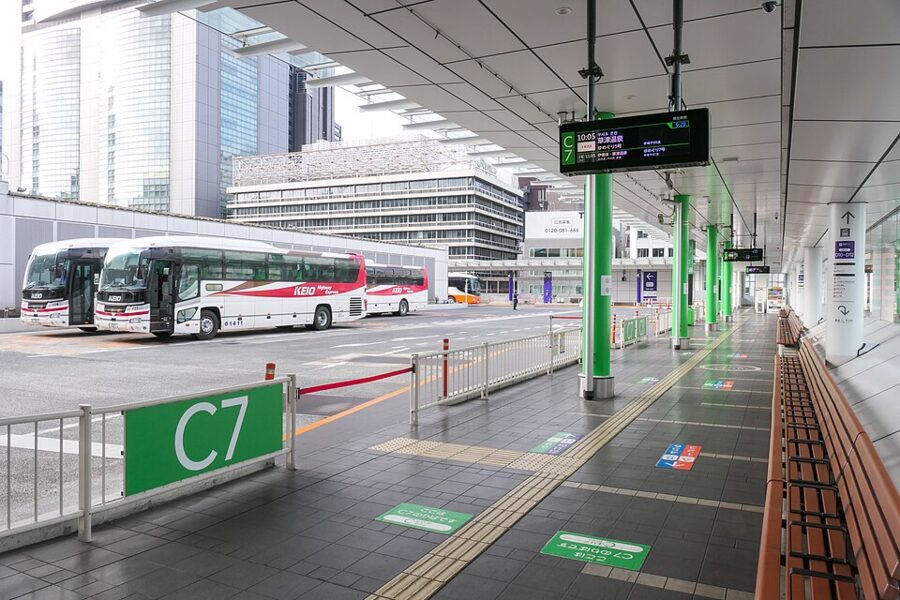
Tokyo Station has two faces. The Marunouchi side (west) is the red-brick building facing the Imperial Palace; the Yaesu side (east) has the Shinkansen entrances, the highway buses and the taxi stand. Most JR lines stop in the middle on platforms above the street, and the Marunouchi Line’s station is close by underground.
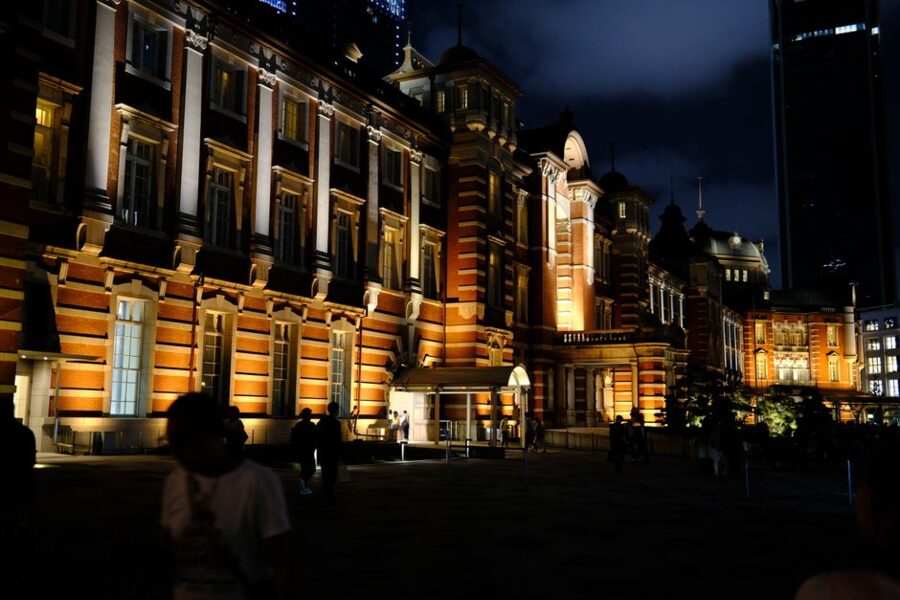
The exception is the Keiyo Line, the line to Maihama for Tokyo Disney Resort. Its platforms are deep underground and far off toward Yurakucho, and the walk from the Yamanote platforms runs long enough that changing at Yurakucho on foot is a real option. If you are heading for the Keiyo Line with luggage, allow more time for the walk inside the station than for most train rides across the center.
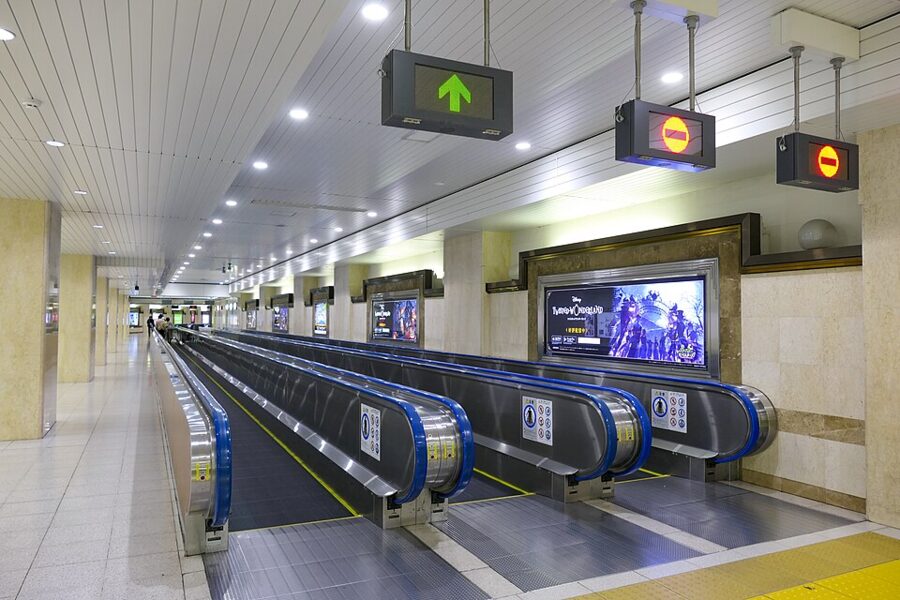

Ikebukuro and Otemachi
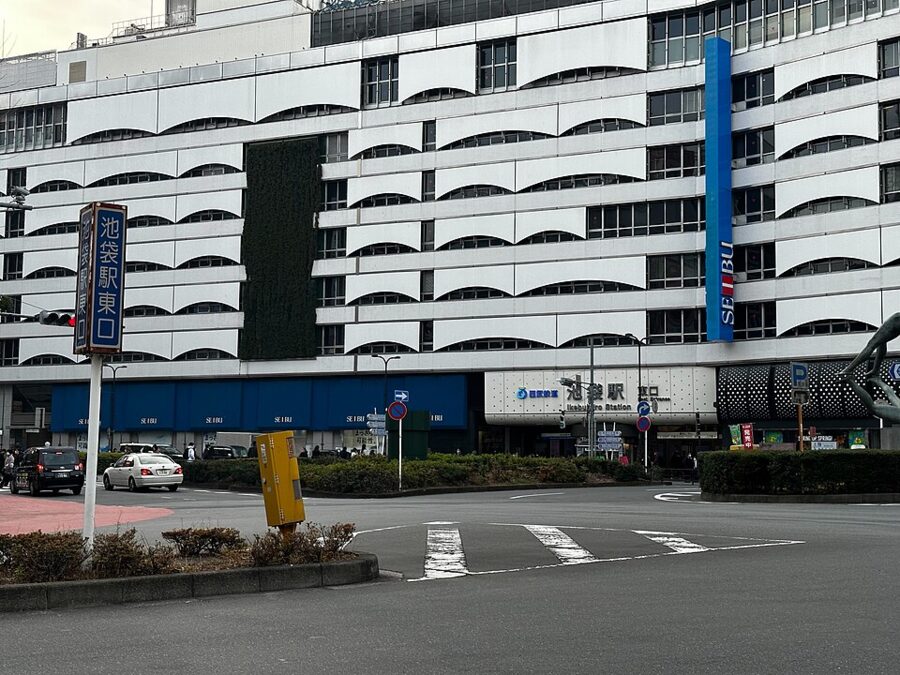
Ikebukuro has the city’s most famous trick question: the Seibu department store is on the East Exit side and the Tobu department store on the West Exit side. Remember it backwards and you won’t get lost. The Seibu Ikebukuro Line leaves from the east, Tobu Tojo from the west, and the Marunouchi, Yurakucho and Fukutoshin lines are underneath.

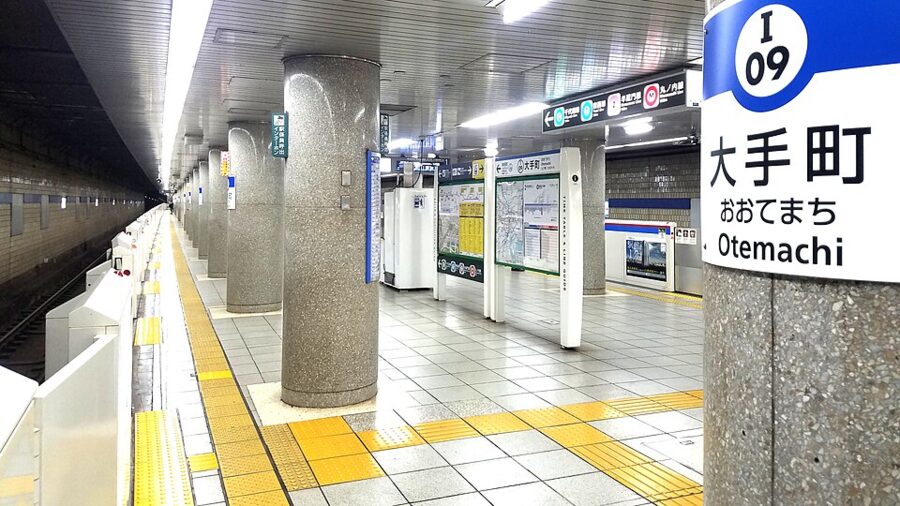
Otemachi is five subway lines (Marunouchi, Tozai, Chiyoda, Hanzomon and Toei Mita) joined by long underground passages, so a change here is a walk, not a step across a platform. Read the exit number before you go up: the station spreads under several blocks, and its passages also run to the Marunouchi side of Tokyo Station.

Lockers, elevators and luggage
Coin lockers at the big stations take Suica and PASMO, and a Welcome Suica can act as the locker key: tap to lock, tap again to open, and keep the receipt, which lists where the locker is. You can’t split a locker payment between an IC card and cash.
Elevators exist at almost every station, but often at one end only. Tokyo Metro says it is working to give every station a route from the entrance to the platform without stairs, and each station’s facility map shows which exits have the elevator. With a large suitcase, use them, and use the exit they come out at even if it isn’t the one you wanted.
The clock: rush hour, the last train and after
Tokyo’s trains run roughly 05:00 to 01:00, and two windows in that day shape everything else: the morning rush and the last train. Plan around both and the rest is easy.
Rush hours and women-only cars
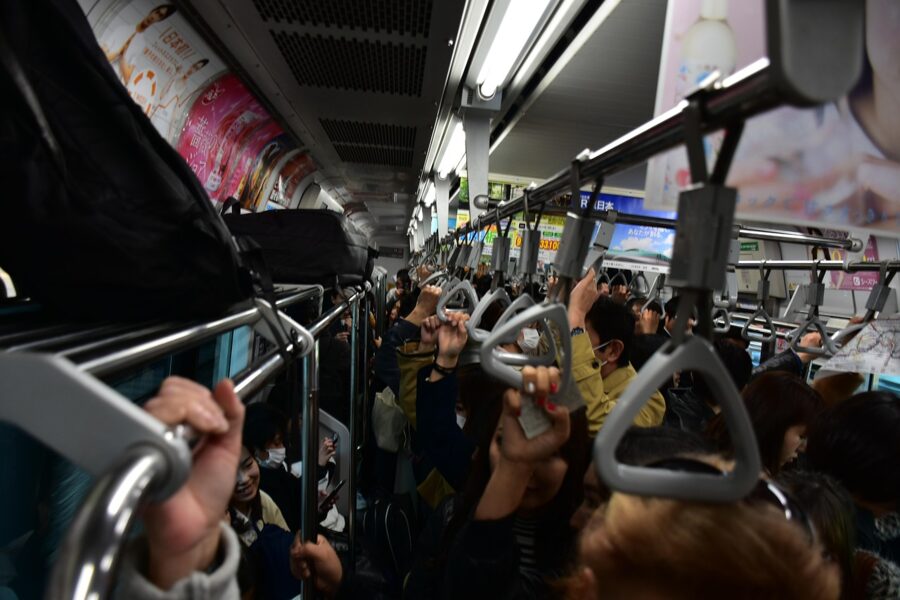
The morning rush runs from the first trains to about 09:30 on weekdays, worst on the trains heading into the center from the suburbs. The evening rush is longer and looser. Avoid both with luggage; the trains will take you, but nobody else in the car will thank you.
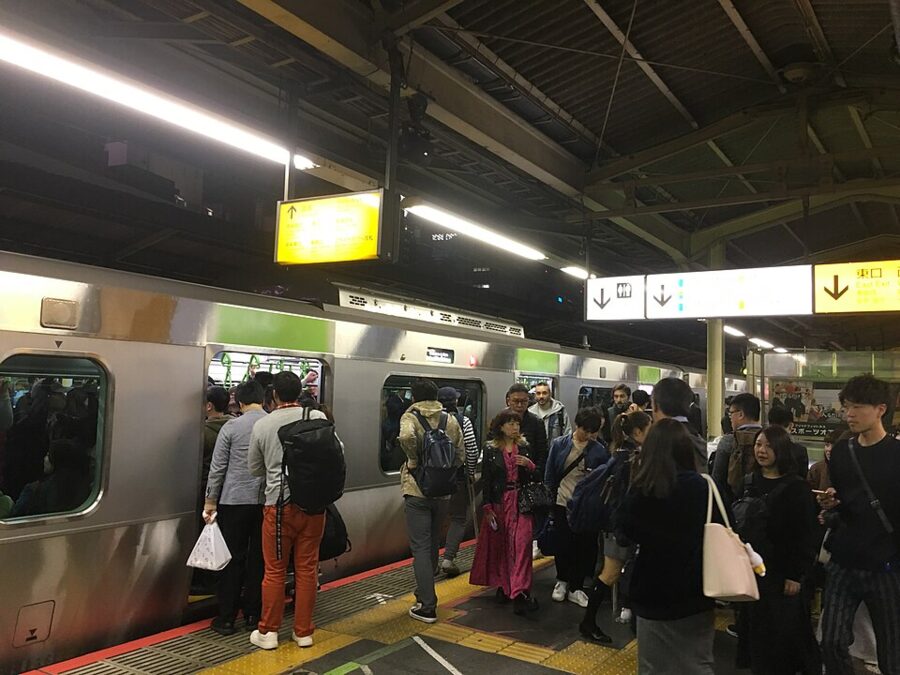

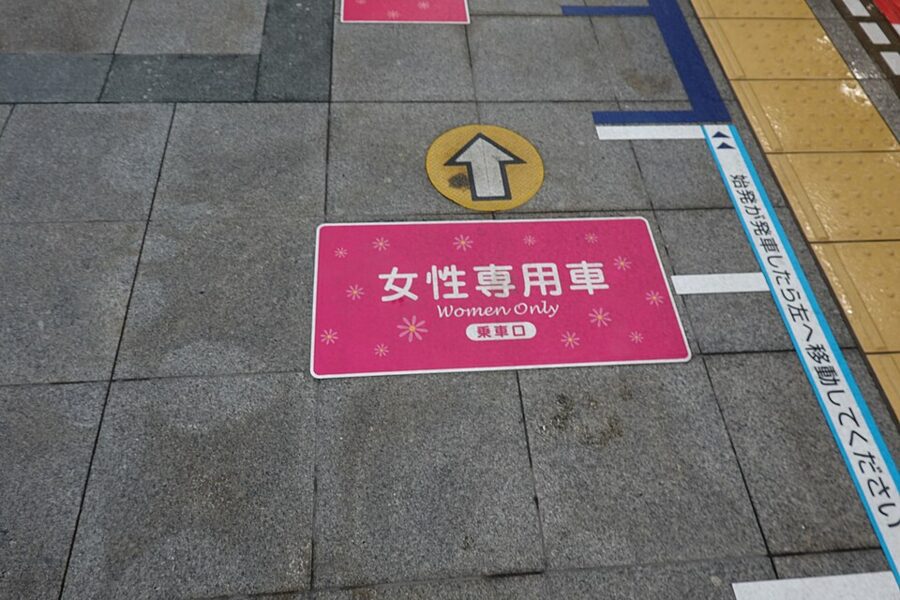
Tokyo Metro runs women-only cars during the morning rush, from the first train to around 09:30 depending on the line. Tokyo Metro’s rules open them to women, elementary school children and younger, and passengers with disabilities and their caregivers. The boarding spots are marked in pink on the platform. If you board one by mistake, move along at the next stop.

The last train, by the numbers
The last trains matter more than the first. On the weekday JR East timetable for Shinjuku for late 2026, the last outer-loop Yamanote train toward Ikebukuro leaves at 00:44, and the last inner-loop train toward Shibuya and Shinagawa at 00:41. But those last trains don’t go all the way round: the 00:44 stops at Ikebukuro, the 00:41 at Osaki, and the last one from Shinjuku that continues through Ueno to Shinagawa leaves at 00:12.
From Shibuya on weekdays, the last inner-loop train via Shinagawa, Tokyo and Ueno leaves at 00:13, and the last outer-loop train toward Shinjuku at 00:33, terminating at Ikebukuro. The Chuo Line rapid’s last train west from Shinjuku leaves at 00:21. Subway lines stop around the same time; check the station’s own timetable, which also shows the weekend schedule, often a few minutes different.
The first trains run from about 04:40: the first Yamanote trains leave Shibuya at 04:37 (outer loop) and 04:49 (inner loop), and Shinjuku at 04:43 and 04:44. So the gap is about four hours. If you’re out for Tokyo nightlife, the realistic choices are to leave before the last train, stay out until the first one, or pay for a taxi with the night surcharge.
After the last train
Most people who miss the last train take a taxi, wait in a 24-hour karaoke room or a manga cafe, or keep drinking until 05:00. By the meter, a 10 km ride works out to about ¥4,400 by day and about ¥5,300 with the night surcharge, before any time spent in traffic. If you are staying in Shinjuku or Shibuya, that is a reason to pick a hotel within walking distance of the bars you plan to visit; the where to stay in Tokyo guide weighs that up by area.
Taxis, apps, buses, bikes and walking
Taxis and the April 2026 fare
Taxis in the 23 wards (and Musashino and Mitaka) charge ¥500 for the first 1.0 km, then ¥100 for every 232 m, plus ¥100 for every 1 minute 25 seconds spent below 10 km/h. Between 22:00 and 05:00, everything is 20 percent higher. That table took effect on April 20, 2026; the starting fare stayed at ¥500, but the distance it covers shrank from 1.096 km, and every additional step got shorter.
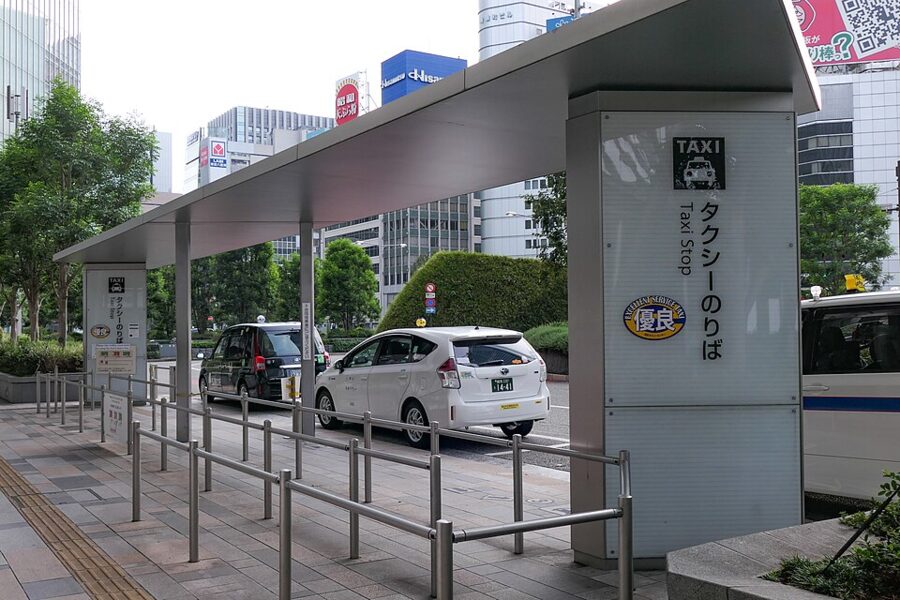

In practice, a 3 km ride costs about ¥1,400 before traffic. The Tokyo Hire-Taxi Association’s fare table also lists a 10 percent discount on the part of a fare above ¥9,000 and a pickup charge, set by each company, if you book a car. Highway tolls are extra. The rear left door opens and closes by itself, so leave it alone.
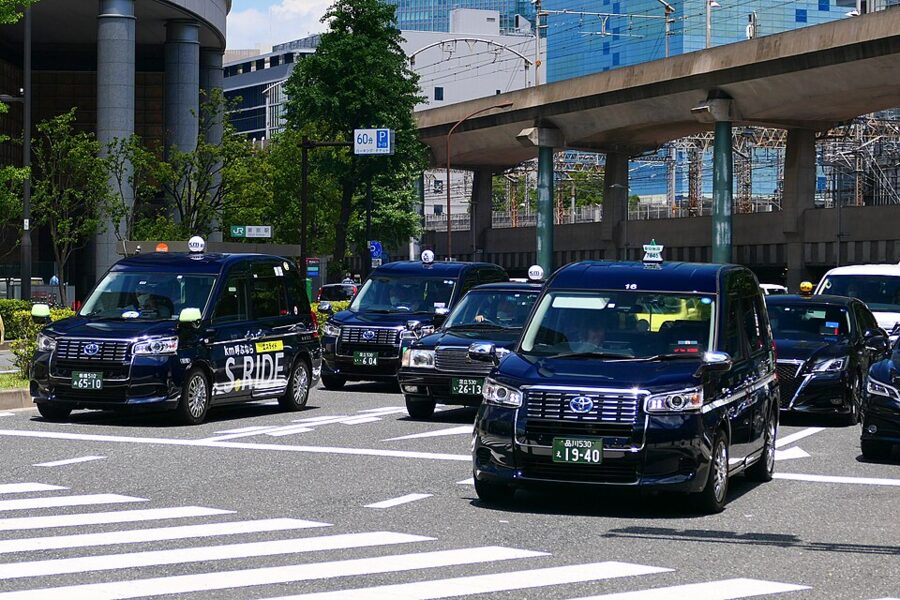
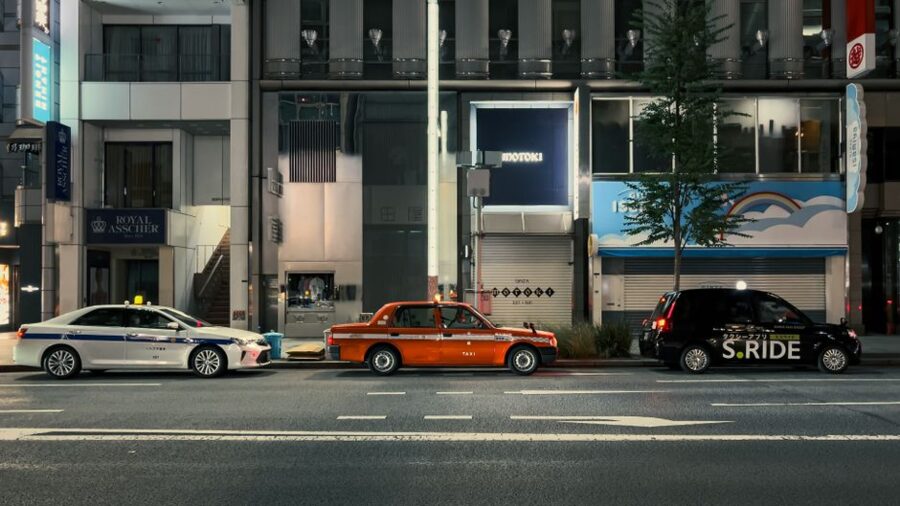
Payment is easy: most Tokyo cabs take credit cards and IC cards, with stickers on the window to say which. The Tokyo Hire-Taxi Association lists the dispatch apps GO, S.RIDE and DiDi, and Uber also books licensed taxis in Tokyo. With all of them you set the destination before the car arrives, which also removes the problem of explaining an address.
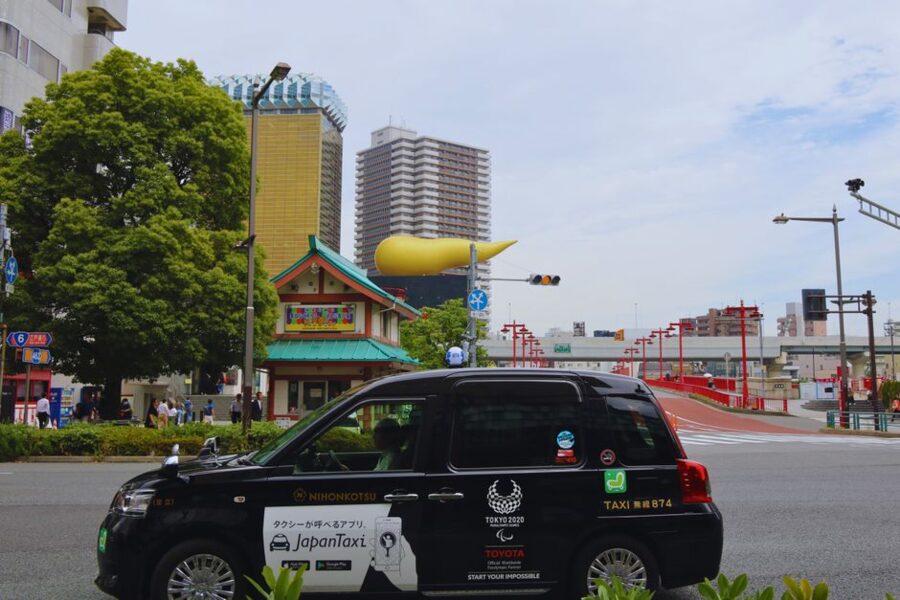
Buses and the Toden tram
Toei buses cover the gaps the subway leaves, and inside the 23 wards they charge a flat ¥210 for adults, cash or IC card. Board at the front, tap or pay as you get on, and leave by the middle door; the machine takes coins and ¥1,000 notes only, and you can top up an IC card on board in ¥1,000 steps. Out in the Tama area, fares are by distance and you pay when you leave.
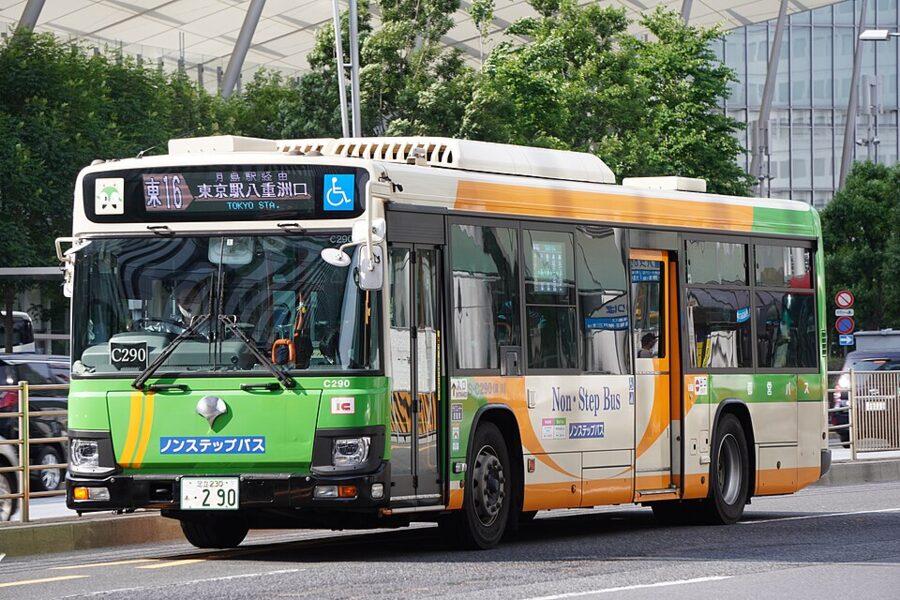

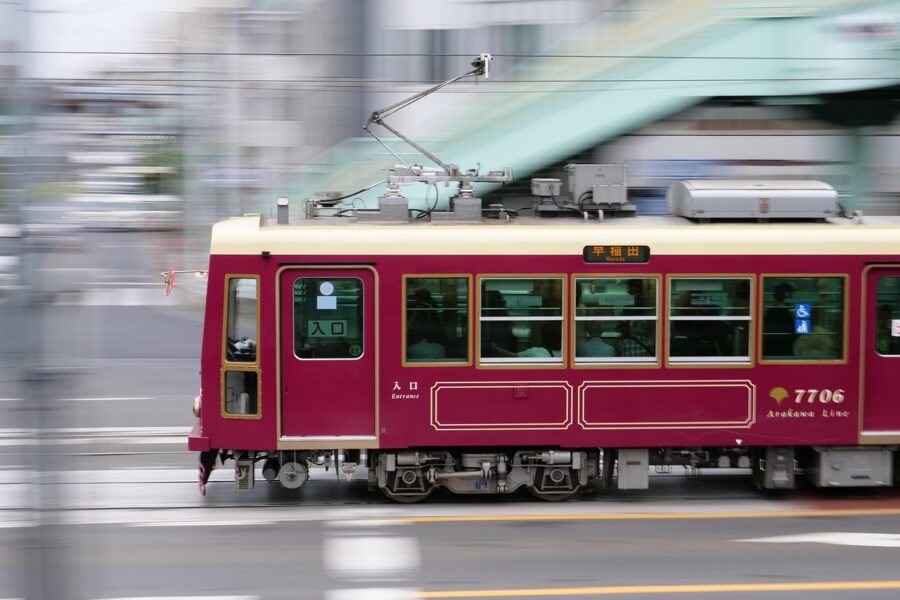
Buses are worth it for specific routes rather than as a network. They are slow at rush hour and the destination boards are mostly in Japanese, though route-planner apps handle them well. The Tokyo 1-Day Ticket includes them.
Bikes
Docomo Bike Share’s red electric bikes stand at ports across the central wards. You register in the official app with a phone that can receive SMS and a credit card, release the bike with the app or a registered IC card, and return the bike at any port. Rates differ by ward program, so check the price on the app’s map before you ride.
Ride on the road, on the left, unless a sign allows the sidewalk, and on the sidewalk pedestrians come first. No phone in your hand while riding.
When walking beats a transfer
Many Yamanote stations are closer than they look. Harajuku to Shibuya is 1.2 km, Kanda to Akihabara 0.7 km and Tokyo to Yurakucho 0.8 km. A walk of 10 to 15 minutes often beats going down to a platform, changing lines and coming back up.
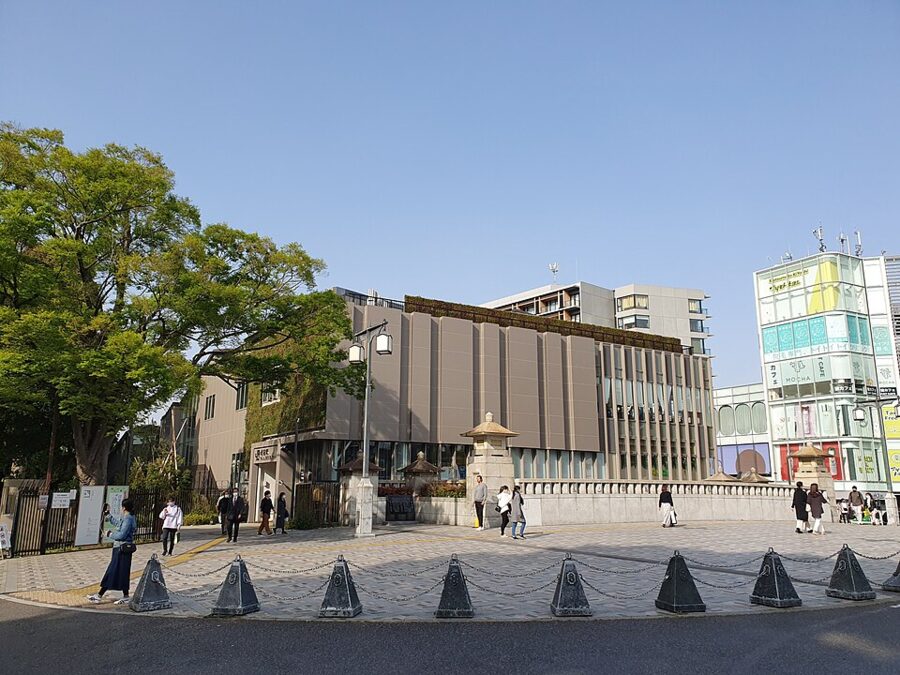
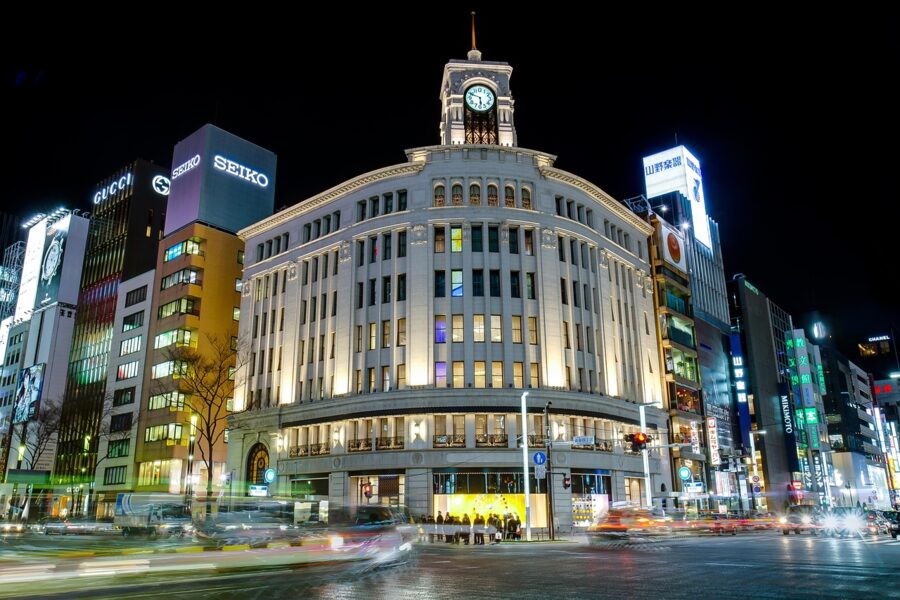
Ginza and Yurakucho, Ueno and Okachimachi, and Omotesando and Harajuku are each a few minutes apart on foot. The Ginza department stores, for example, are closer to Yurakucho than to Tokyo Station. And if you are deciding which part of the city to base yourself in, the Tokyo neighborhoods guide maps out what’s walkable from where.
The airports and the Shinkansen
Haneda is the close airport, under half an hour from central Tokyo by the Keikyu Line or the Tokyo Monorail. Both take IC cards, and Keikyu also takes a tapped credit card. The details of each terminal, the fares and the late-night options are in the Haneda Airport guide.
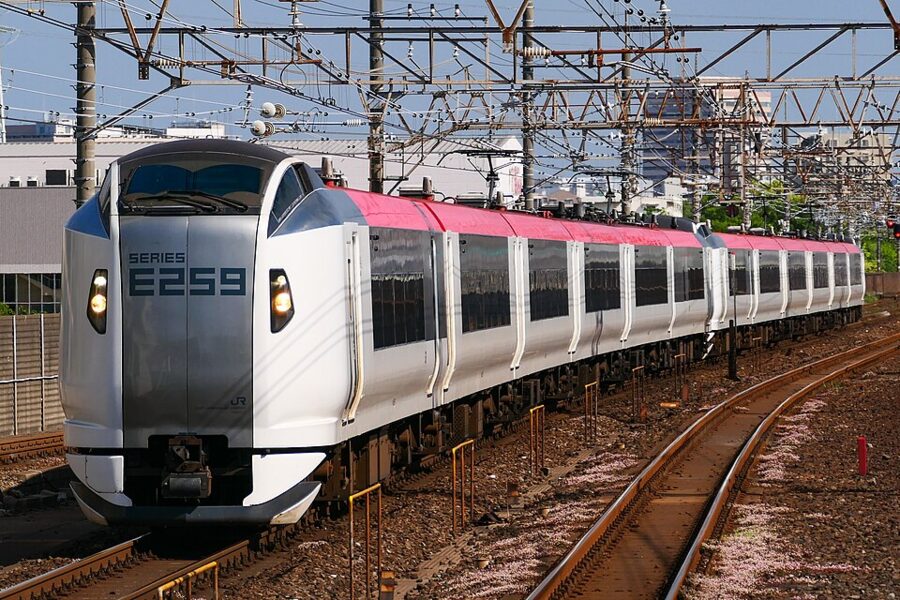
Narita is farther out. Keisei’s Skyliner reaches Nippori in about 36 minutes and Keisei Ueno in about 41, all reserved seats. JR’s Narita Express runs to Tokyo, Shinagawa, Shibuya and Shinjuku without a change; the regular round trip to Tokyo Station costs ¥6,280, while the N’EX Tokyo Round Trip Ticket for non-Japanese passport holders costs ¥5,200 for 14 days. Keisei’s slower Access Express via the Toei Asakusa Line is the cheap option, payable by IC card.
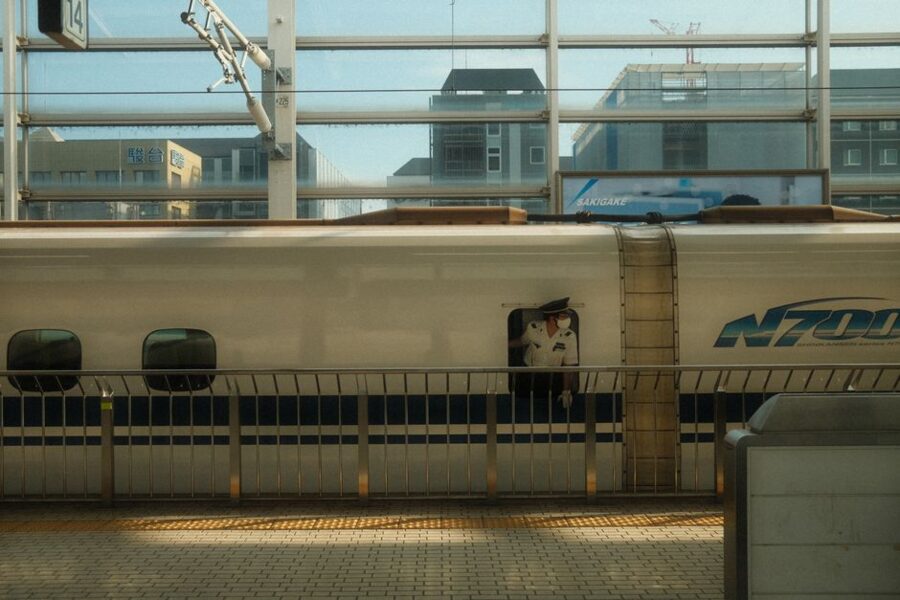
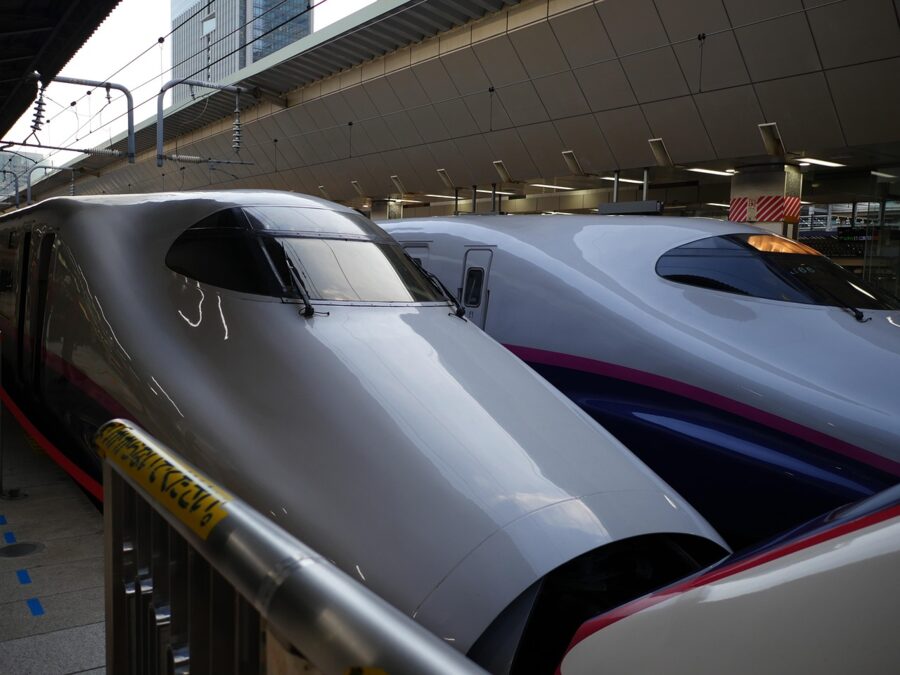
For the Shinkansen, Tokyo Station is the hub: the Tokaido Shinkansen (JR Central) to Nagoya, Kyoto and Osaka, and JR East’s lines north to Sendai, Kanazawa and Niigata. Shinagawa is the easier boarding point for the Tokaido from the west side of the city, and Ueno for the northern lines. JR Central’s luggage rules say anything between 161 and 250 cm in total length, width and height must go in the space behind a reserved seat booked for it; over 250 cm, it can’t come on.
Manners, rules and lost things
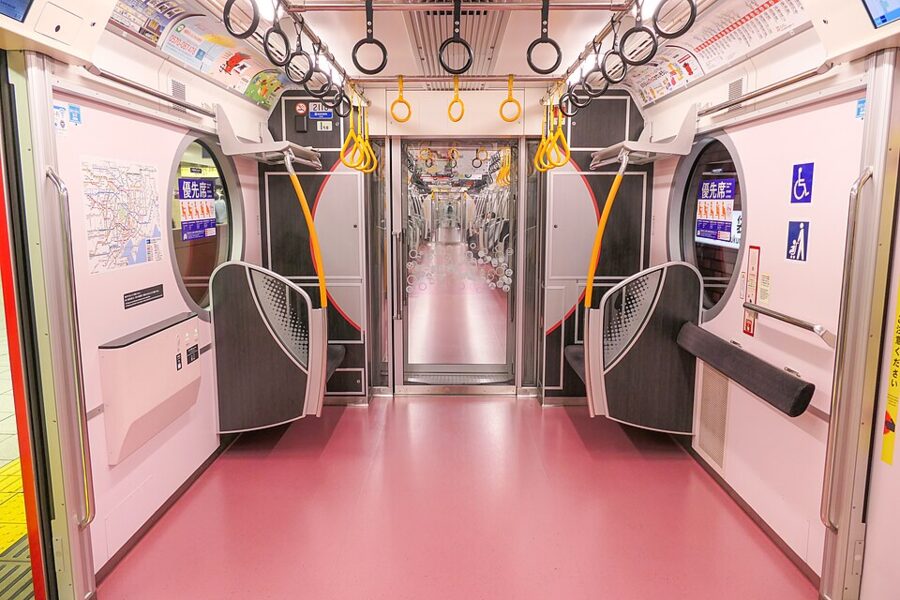
The rules are few, and they are kept. Put your phone on silent and don’t take calls on the train; near the priority seats, Tokyo Metro asks you to switch the phone off when the car is crowded. Priority seats, at the ends of the cars, go to older passengers, pregnant women, passengers with small children and anyone with a disability. Sit there on an empty train if you like, and stand up when someone needs it.

Line up at the marked door positions and let people off first. Wear your backpack on your front or put it on the rack in a crowded car. Eating on commuter trains is frowned on, while a drink is fine; on the Shinkansen and limited express trains, a meal from the station is part of the trip. On escalators, Tokyo stands on the left and walks on the right, though the operators campaign for everyone to stand still.
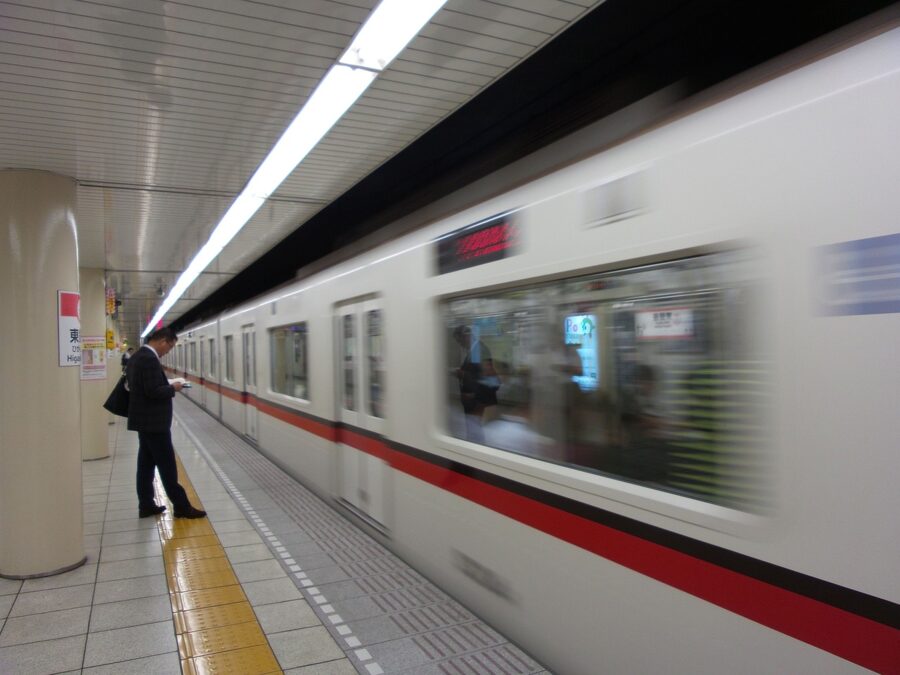
If you lose something, go to the nearest station office the same day. On Tokyo Metro, lost property is held at the Lost & Found Center at Iidabashi Station (Namboku Line, outside the gates, 9:00–20:00 every day) for three to four days, then handed to the Metropolitan Police Lost and Found Center nearby. Umbrellas, gloves and scarves are too alike to trace by phone or email, so you have to go in person with ID.
Toei runs a lost property chat service, open 24 hours with replies 9:00–22:00, and its customer center (9:00–20:00) answers phone questions in English. JR East has its own lost property counters at the big stations. For things lost in a taxi, the receipt shows the company and car number, which is the only way to find the cab again.
So: get the card, learn the Yamanote’s green and your station’s number, and leave the day pass in the machine. Then set an alarm for the last train: the 00:13 from Shibuya if you are heading east round the loop, the 00:44 from Shinjuku if Ikebukuro is far enough.