

Shinjuku, Shibuya and Harajuku on the west side of the JR Yamanote Line; Asakusa, Ueno and Ginza on the east. Those six districts are a first trip to Tokyo, and the Tokyo Metro Ginza Line joins the two ends of the list, Shibuya to Asakusa, in about half an hour for one fare.

A second trip is where the city gets good. Yanaka, Kagurazaka, Kiyosumi-Shirakawa, Shimokitazawa, Koenji, Nakameguro and Kichijoji are smaller, lower and slower, and each is a half day rather than an hour. Odaiba, Ikebukuro and Shinagawa can wait unless you have children, an anime shopping list or a Shinkansen to catch.


How the city is put together
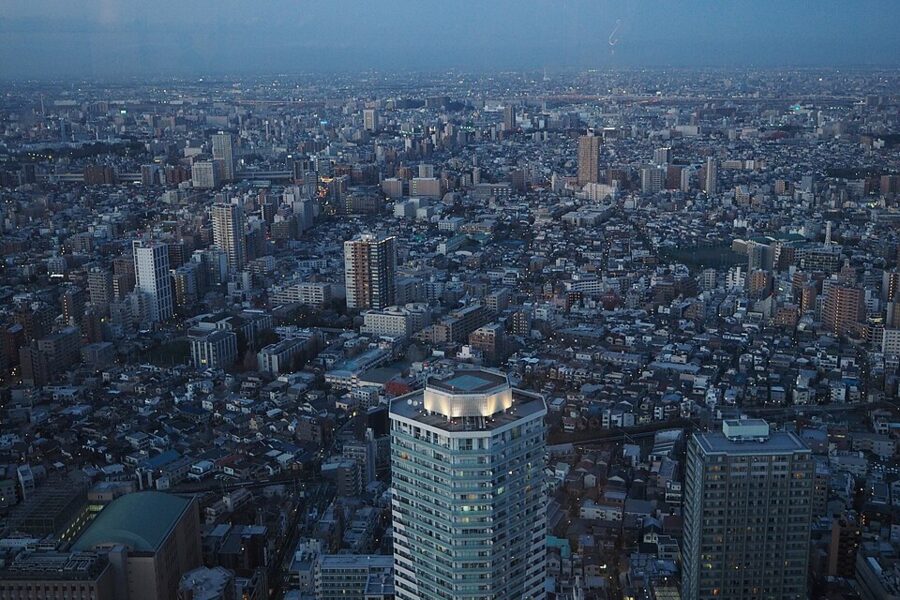
The Tokyo most people mean is the 23 special wards, the dense eastern part of a metropolis that held about 14.2 million people at the start of 2026, by the Tokyo Metropolitan Government’s monthly estimate. Each ward is a municipality with its own office, and in English the wards call themselves cities: Shibuya City Office, Minato City.
The districts people actually name are a different layer. Harajuku, Ebisu and Daikanyama are all in Shibuya ward. Roppongi, Azabudai and the whole of Shinagawa Station are in Minato ward, while Meguro Station sits in Shinagawa ward, which is the kind of thing that makes ward names useless for navigation. Ginza is a district in Chuo ward.
Akihabara is mostly in Chiyoda; Asakusa, Ueno and most of Yanaka are in Taito. When a Tokyo resident says “Shimokita”, they mean the station and its streets, not Setagaya ward around it.
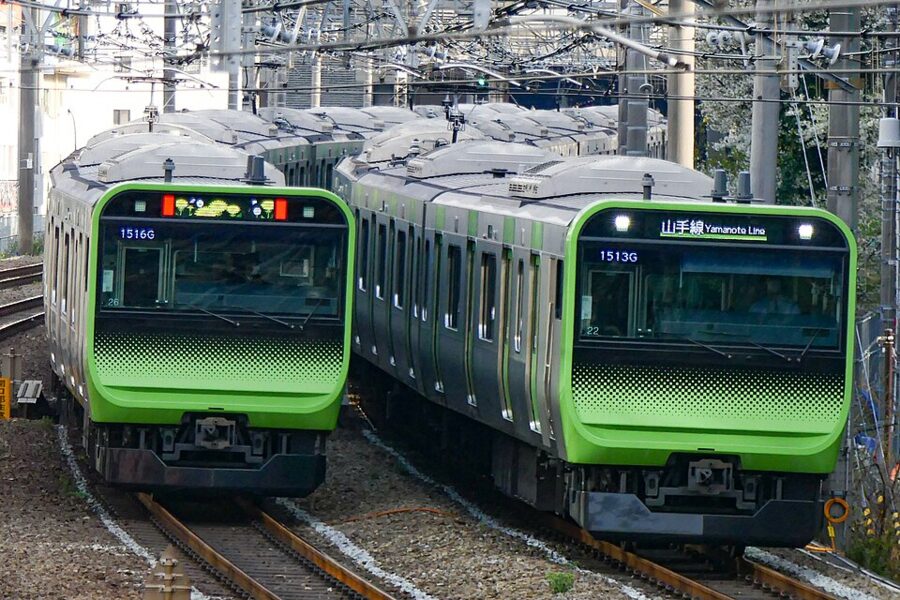

So the useful map is the JR Yamanote Line. It has run as a loop since November 1, 1925, and it is 34.5 km around with 30 stations, numbered JY01 (Tokyo) to JY30 (Kanda); a full circle takes about an hour. Shinjuku, Shibuya, Ebisu, Harajuku, Ikebukuro, Ueno, Akihabara, Tokyo and Shinagawa are all stations on it, and most of the rest of this guide sits either on the loop or one stop off it.
The loop also used to change what you paid. Until JR East’s fare revision of March 14, 2026, short trips inside the loop had their own cheaper fare table; that zone was folded into the ordinary fares on that date. The fares, passes and IC cards are in the getting around Tokyo guide.
Inside the loop is the center. East of it is the old low city, shitamachi, the flat merchant districts by the Sumida River (Asakusa, Ryogoku, Kiyosumi-Shirakawa), where the streets are older and the buildings lower. West of it the ground rises into the high city, and the private railways run out from Shibuya and Shinjuku into the residential districts the second trip is made of.
Past the 23 wards, the Tama area runs west for about 80 km: 26 cities, three towns and a village, ending in mountains. For a visitor it means Kichijoji, Mitaka for the Ghibli Museum, and Mount Takao, which belongs in the day trips from Tokyo guide.
The west side
Shibuya (渋谷)
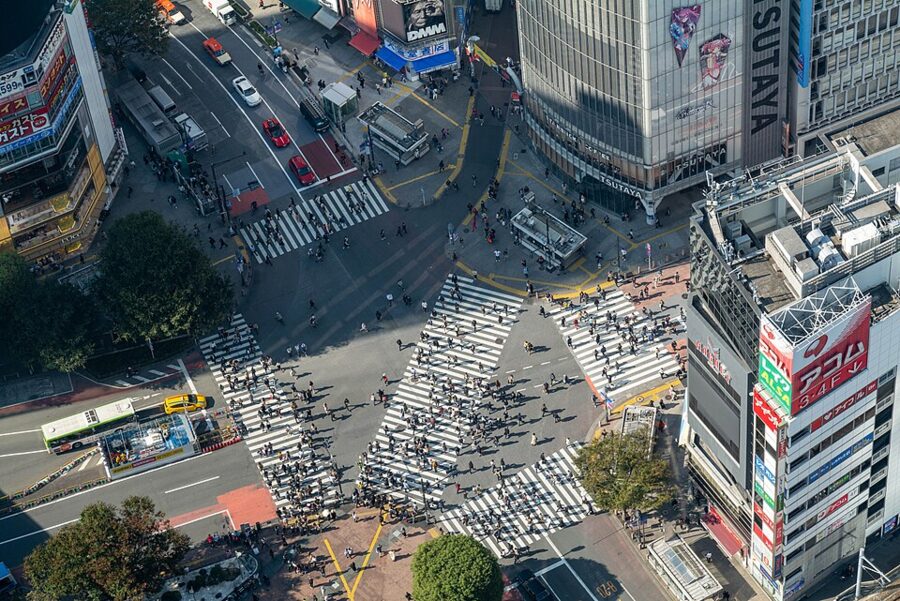
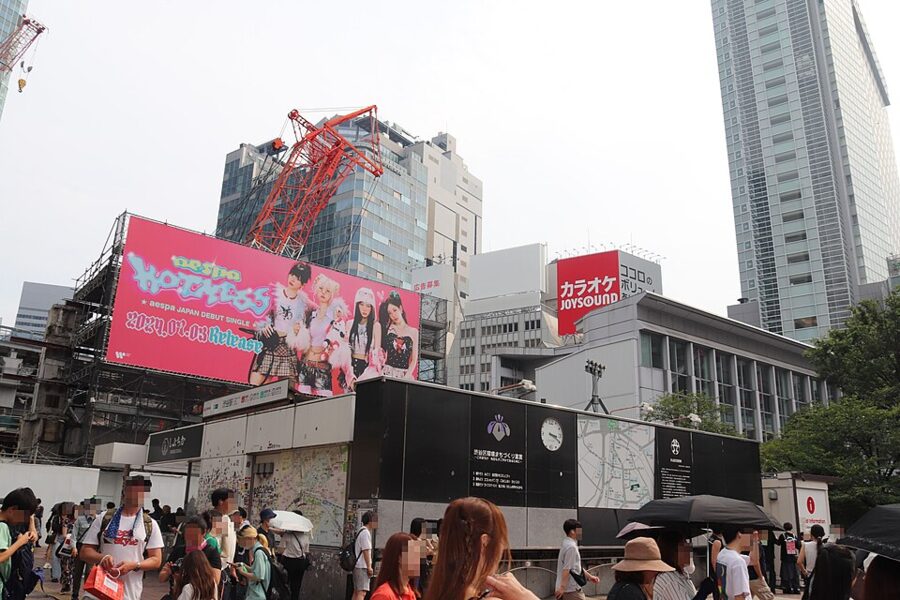
Shibuya is the crossing, the station, the department stores stacked over the tracks and the streets that climb away from them. JR, three Tokyo Metro lines, Tokyu and Keio all meet in the station; aim for the Hachiko Exit. The Shibuya guide covers the exits, the deck and the side streets; for this map, it is the hinge between Harajuku to the north and the Tokyu Toyoko Line stops to the south.

Harajuku and Omotesando (原宿・表参道)
JR Harajuku Station (JY19) and Tokyo Metro Meiji-jingumae (C03, F15) face each other across the road, one stop north of Shibuya. The station building is new, opened in March 2020, and the old wooden one is gone. Harajuku is for three things that sit side by side: the forest shrine of Meiji Jingu, the teenage crush of Takeshita Street, and the designer flagships of Omotesando, the avenue that runs downhill to Omotesando Station.
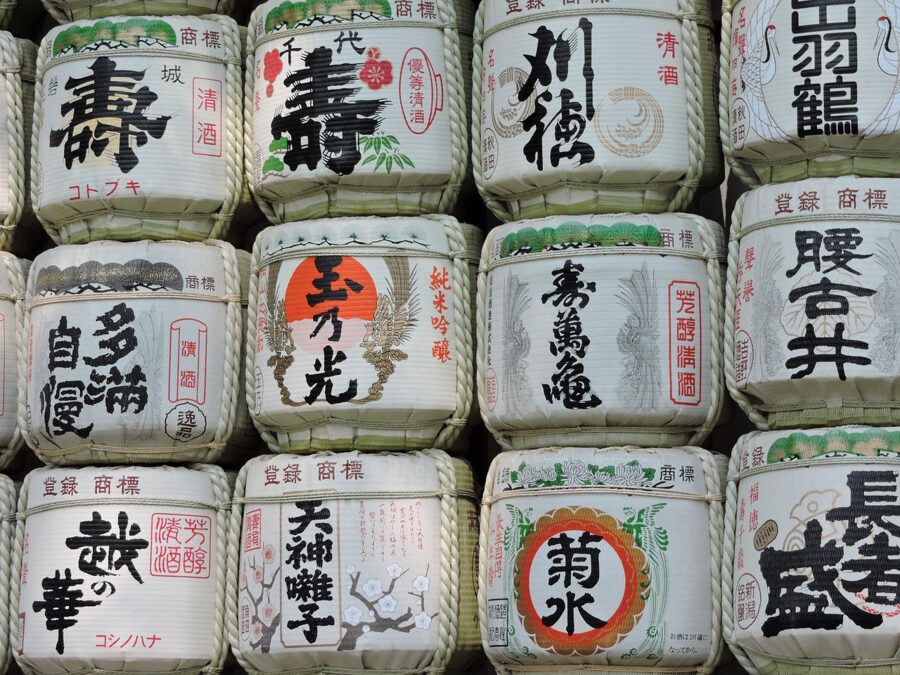
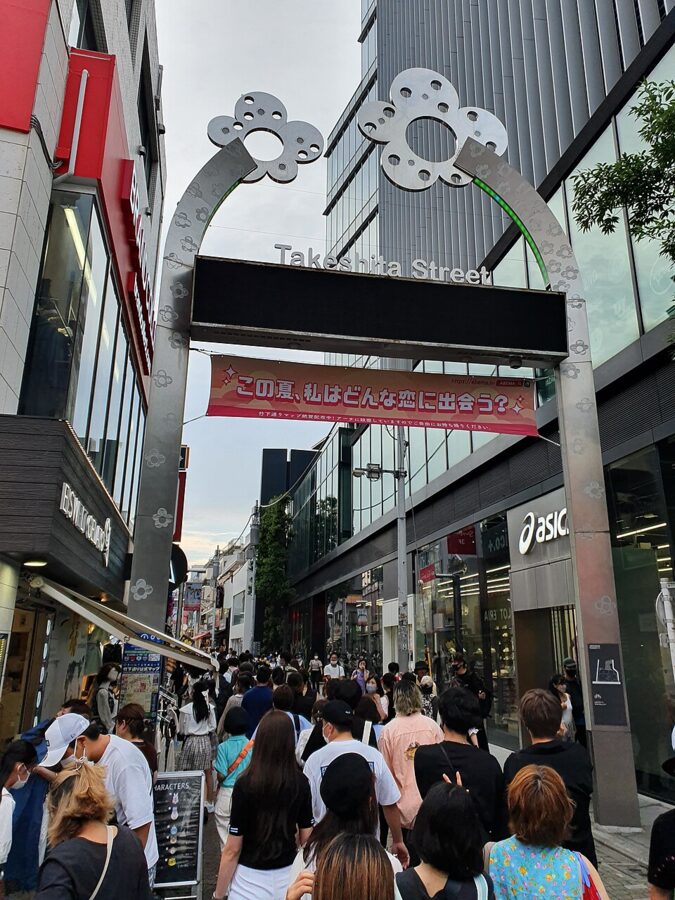
Go to the shrine first, early. Takeshita Street is about 350 meters of crepes, idol goods and cheap fashion, and on a weekend afternoon it is a single-file shuffle; I’d see it on a weekday morning or not at all. The better shopping is in the side streets east of Omotesando and on Cat Street, the mostly car-free lane that follows a buried river down to Shibuya. Harakado, the Tokyu Plaza that opened in April 2024 on the Jingumae crossing, has a public roof terrace and a bathhouse in its basement.
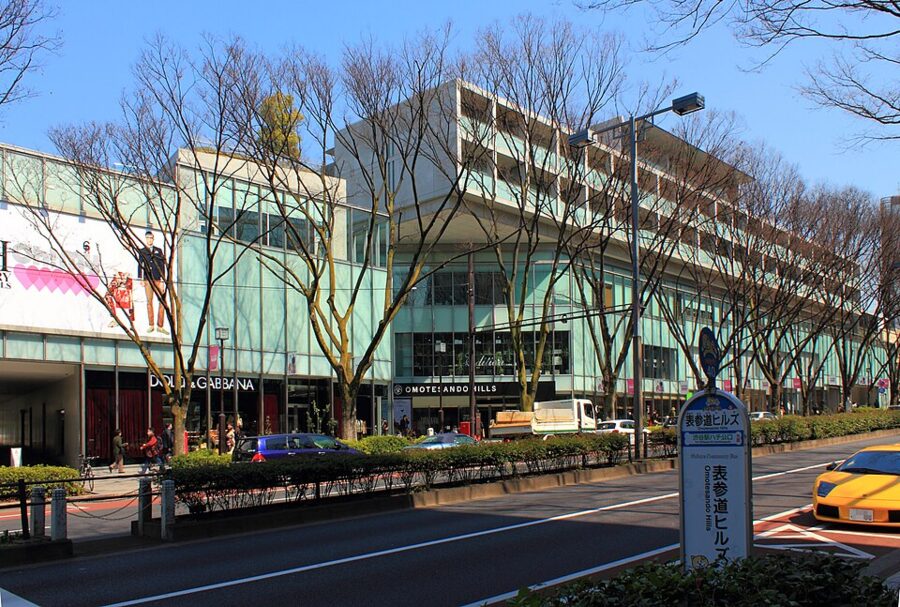
Omotesando proper is for architecture and money. Omotesando Hills (2006) replaced the 1927 Dojunkai apartment blocks, and the Nezu Museum at the far end has one of the best gardens open to the public in the west of the city. The full district, the shrine and the shops, is in the Harajuku guide. To Shibuya, Cat Street is a 20-minute walk; to Shinjuku, it is two JR stops or about 25 minutes on foot past Yoyogi.

Shinjuku (新宿)
Shinjuku Station is the busiest in the world by most counts, and the district around it is several districts at once. West of the tracks are the skyscrapers and the Tokyo Metropolitan Government Building, whose observation decks are free. East is the shopping on Shinjuku-dori and, north of Yasukuni-dori, Kabukicho. Southeast is Shinjuku Gyoen.
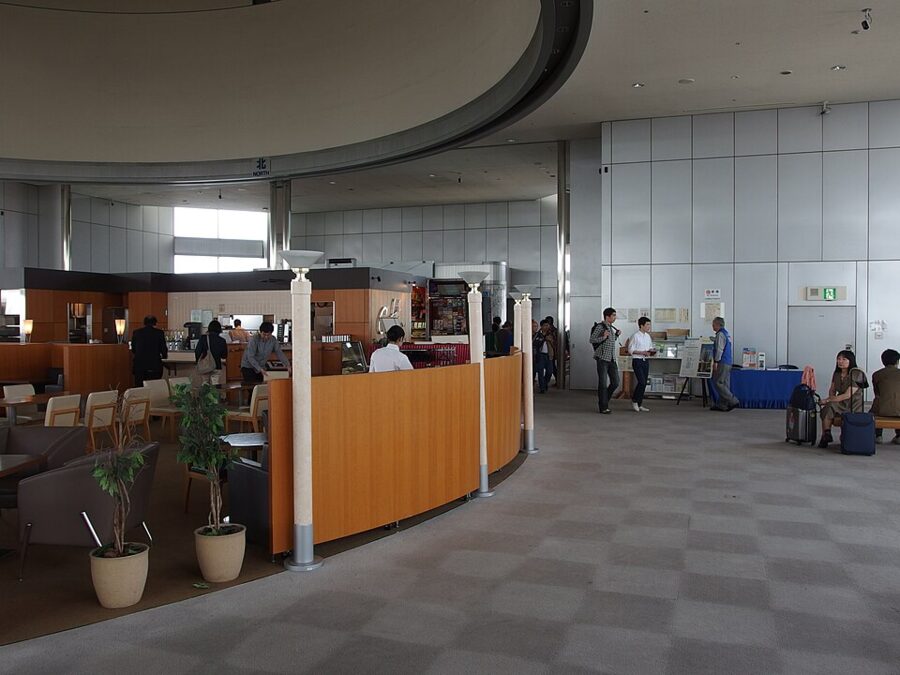

The exits matter more here than anywhere: the “South Exit” and the “New South Exit” are different gates, and the East Exit and the West Exit are a five-minute walk apart inside the station.
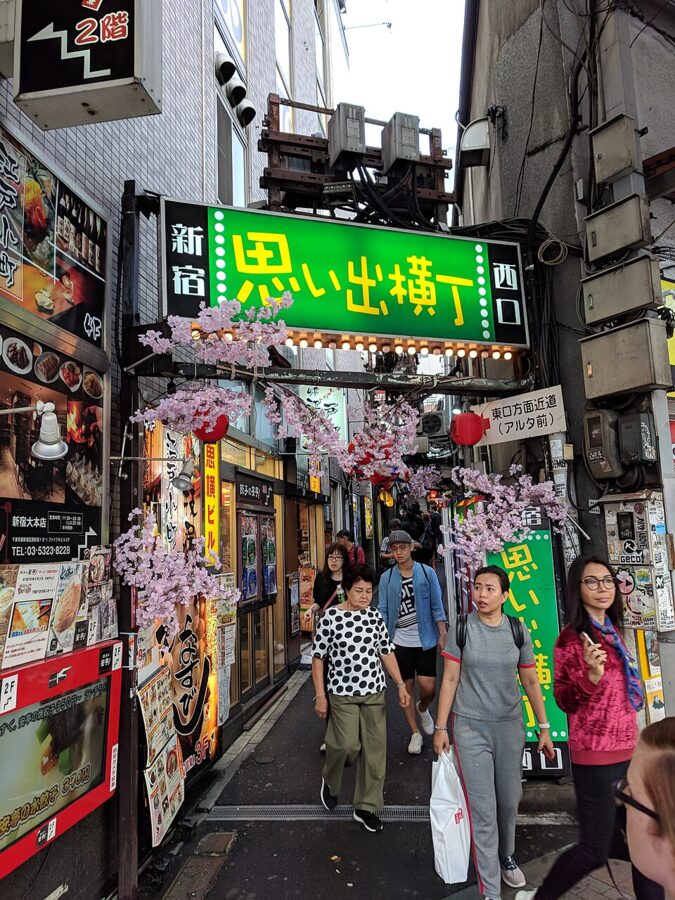

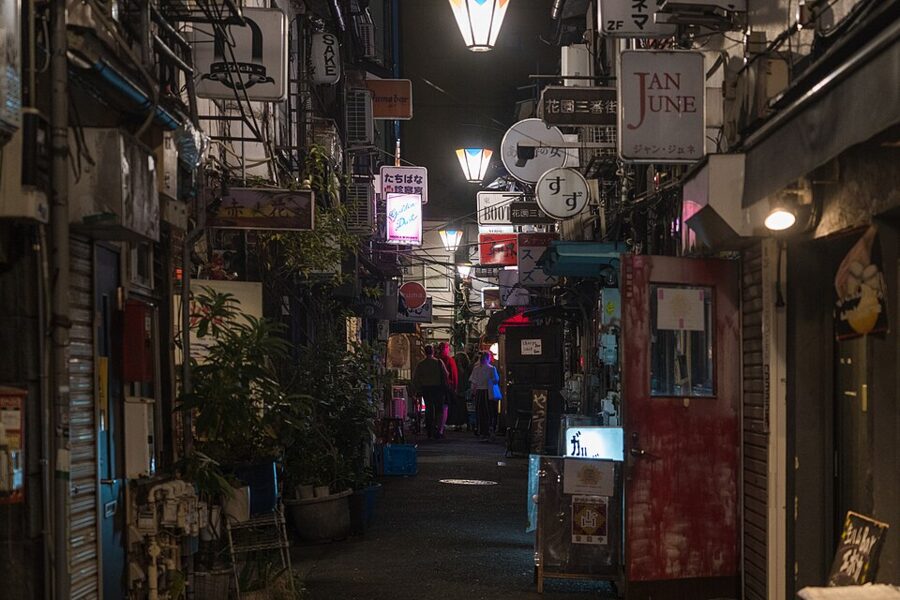
Shinjuku is for the night. Golden Gai (ゴールデン街) is a block of six alleys with more than 200 bars the size of a closet, most with a seating charge on top of the drinks, and Omoide Yokocho by the West Exit does grilled skewers and beer under the tracks. Kabukicho is the red-light and host-club district around the Tokyu Kabukicho Tower, which opened on April 14, 2023 with cinemas, a theater and a food hall.
Walk through it if you like; ignore anyone on the street who offers you a bar, because the police and the ward both warn that the touted bars are where the bills get padded. Bars and the last-train math are in the Tokyo nightlife guide.

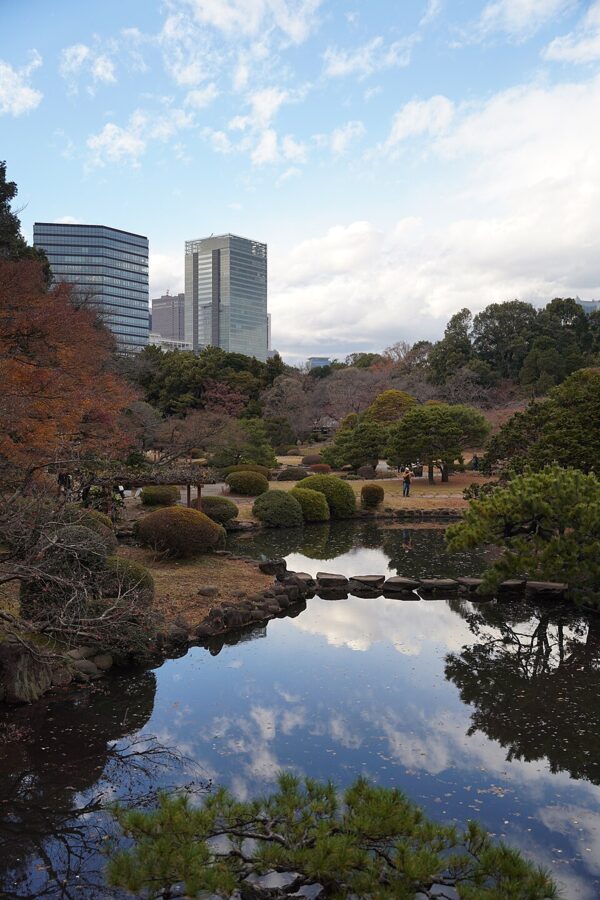
By day, Shinjuku Gyoen is the reason to stay. Admission is ¥500, the garden is closed on Mondays (the next weekday when Monday is a holiday) except during the cherry and chrysanthemum seasons, and from October 1 to March 14 it closes at 16:30 with last entry at 16:00. The Shinjuku Gate is about ten minutes from the New South Exit; Tokyo Metro Shinjuku-gyoemmae Station (M10) is closer. Everything else about the district is in the Shinjuku guide.

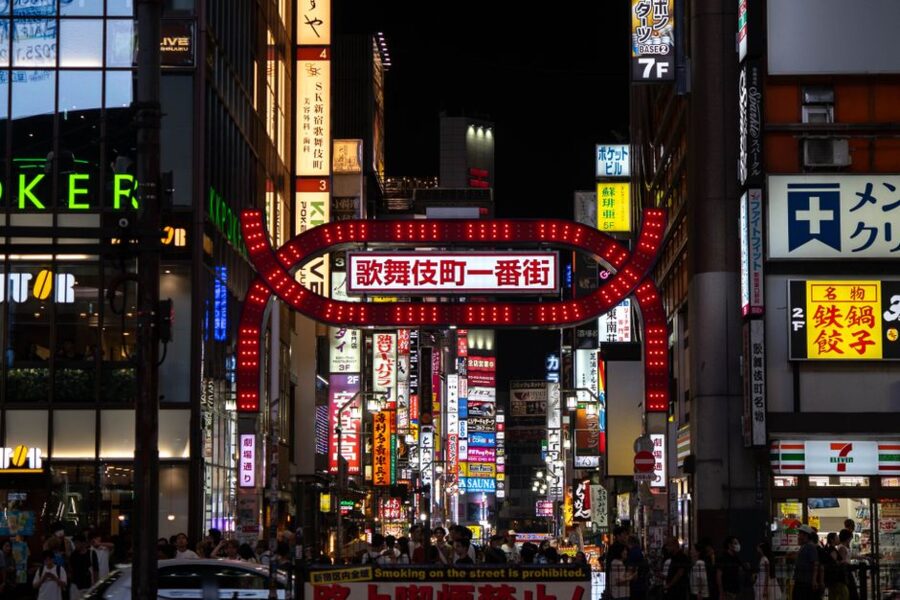
Ebisu (恵比寿)
One stop south of Shibuya on the Yamanote Line (JY21), Ebisu is for eating and drinking without the Shibuya crowd. The name came from the beer: the station was built in 1901 to ship Yebisu beer from the brewery that stood where Yebisu Garden Place is now. The Skywalk moving walkways carry you there from the East Exit in about five minutes, and the brand’s own beer hall, Yebisu Brewery Tokyo, opened there in 2024 where the old beer museum used to be.
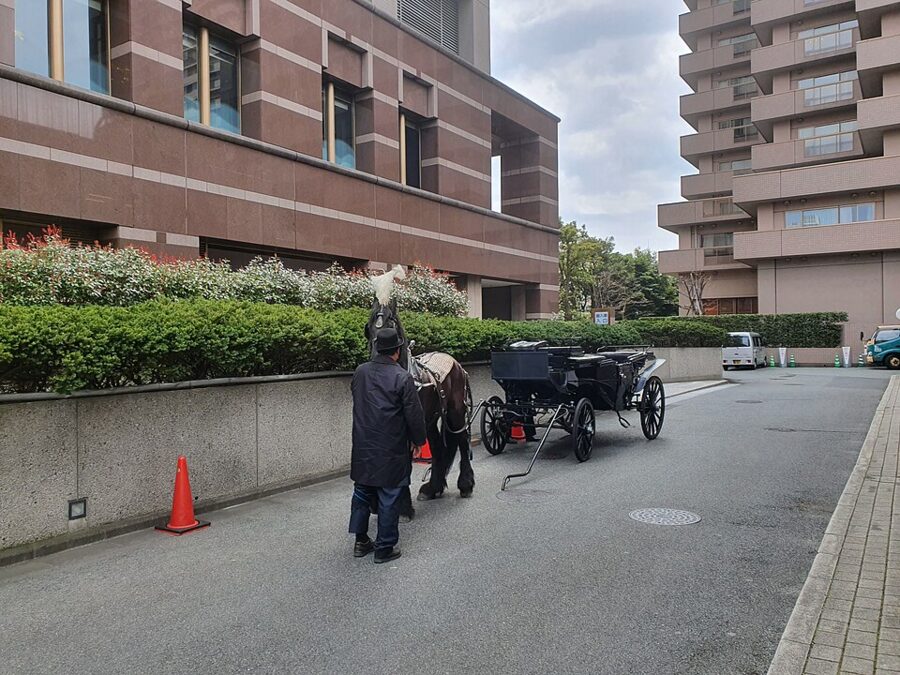
The rest of Ebisu is small restaurants west of the station. There is nothing to skip because there is little to see; it is where you book dinner after a day in Shibuya. Daikanyama is a 10-minute walk west.
Daikanyama (代官山)
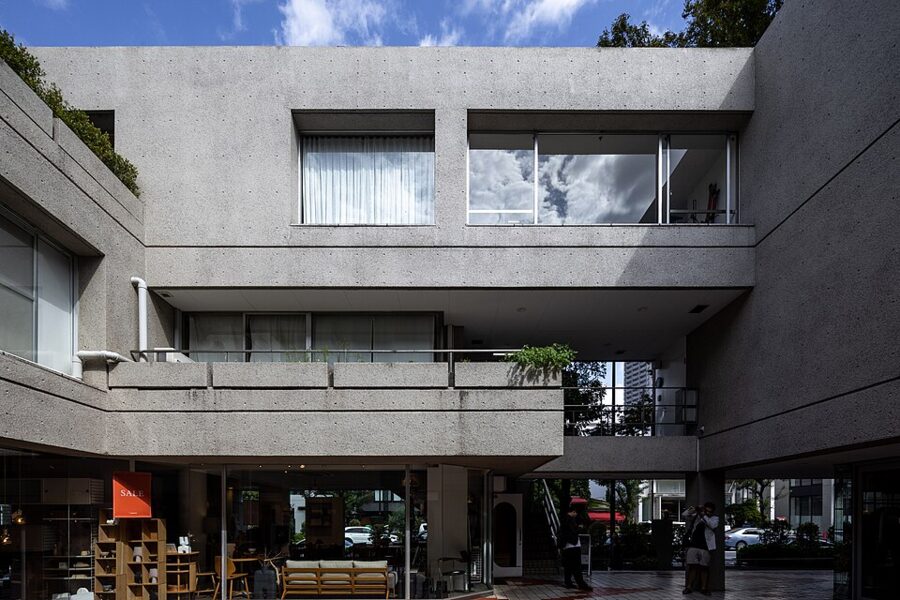
Daikanyama Station is one stop out of Shibuya on the Tokyu Toyoko Line, and the district is low, leafy and expensive. Two buildings set the tone. Fumihiko Maki’s Hillside Terrace went up in stages from 1969 along Kyu-Yamate-dori, and Daikanyama T-Site, the Tsutaya bookshop complex in three linked pavilions, has been the district’s anchor since 2011.
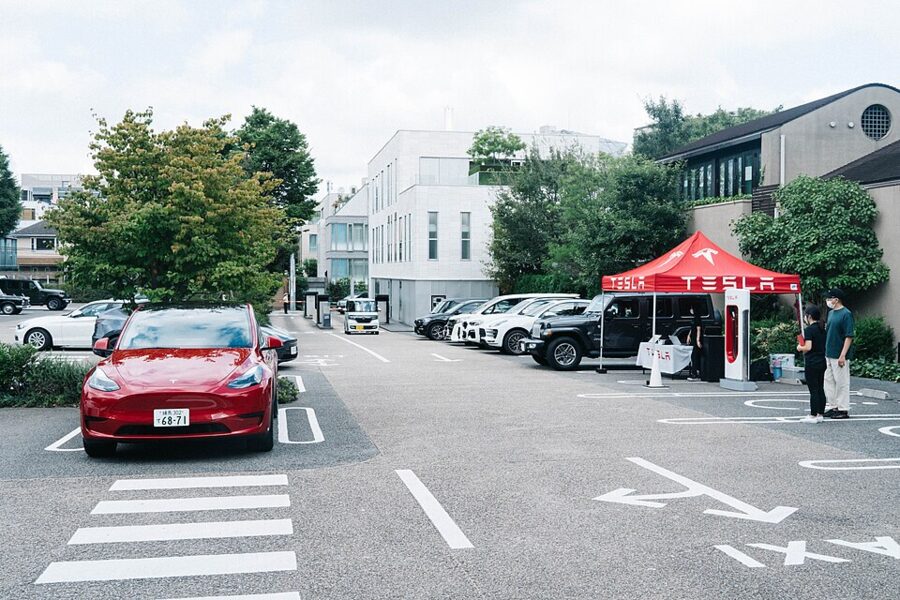

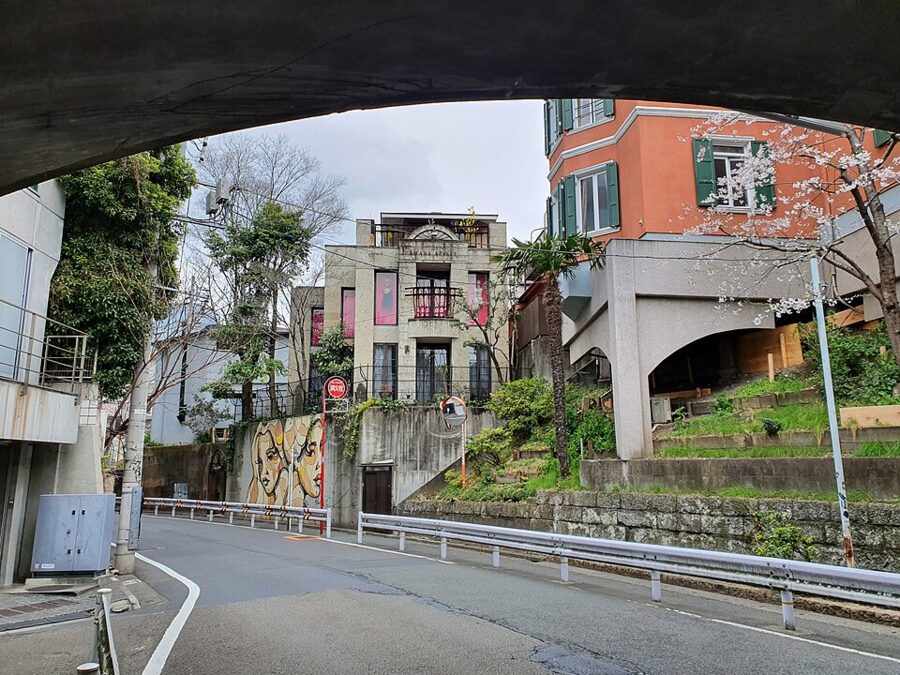
Daikanyama is for browsing, coffee and a long lunch, and for the walk downhill to Nakameguro, which takes about 10 minutes. Skip it if you came to Tokyo for temples or night: it does neither.


Nakameguro (中目黒)
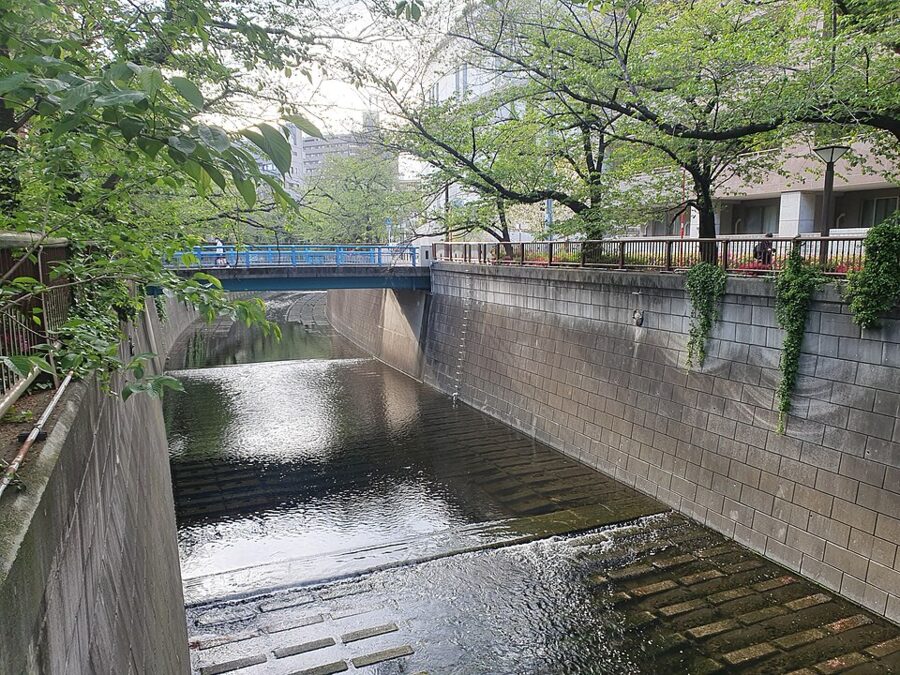
Nakameguro Station, on the Tokyu Toyoko Line and the Tokyo Metro Hibiya Line, sits over the Meguro River, a concrete channel lined with about 800 cherry trees. For about two weeks in late March and early April it is one of the most crowded places in the city. The rest of the year it is small restaurants, coffee and shops in the arches under the station.
The big draw away from the river is the Starbucks Reserve Roastery Tokyo, the four-floor Kengo Kuma building that opened by the river in 2019, about ten minutes upstream from the station. I’d skip the line for it. From Nakameguro, Shibuya is three or four minutes back up the Toyoko Line; the Hibiya Line runs straight to Roppongi, Ginza and Tsukiji.
Shimokitazawa (下北沢)
Shimokitazawa is where the Odakyu Line and the Keio Inokashira Line cross, about four minutes from Shibuya on an Inokashira Line express. In March 2013 the Odakyu tracks went underground, and the 1.7 km strip of land they left became Shimokita Senrogai, a line of low new buildings, courtyards and small shops that opened in stages from 2019.
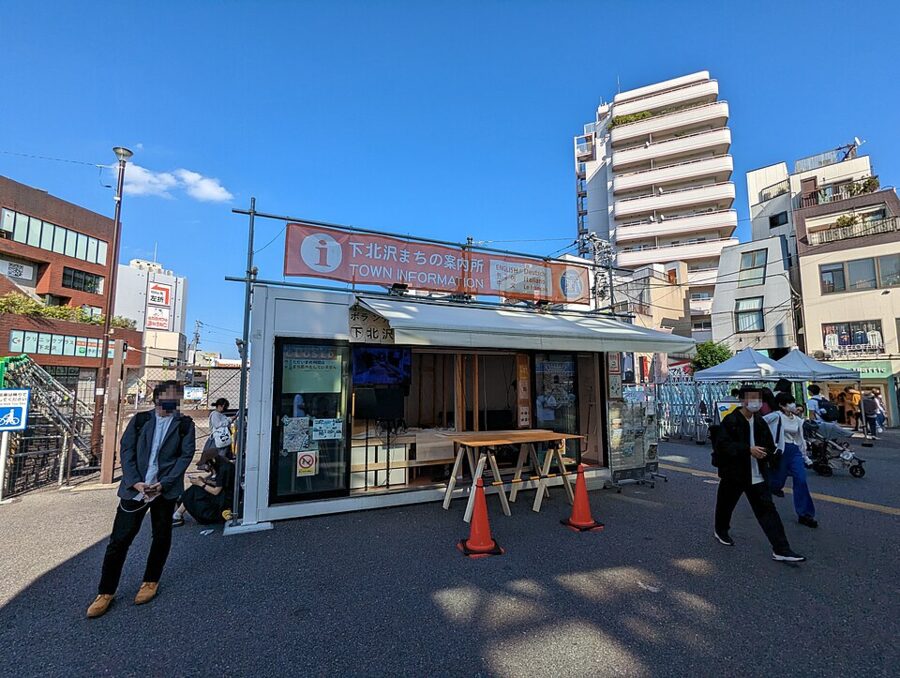
The district is for secondhand clothes, small theaters and live music; the rooms below the street are where Tokyo’s guitar bands start, and the venues and door charges are in the Tokyo live music guide. Go in the afternoon and stay for a show.
Koenji (高円寺)
Koenji is on the JR Chuo Line west of Shinjuku, and the first rule is which train. On Saturdays, Sundays and holidays the orange Chuo Line rapid trains run through Koenji, Asagaya and Nishi-Ogikubo without stopping, so take the yellow Chuo-Sobu Line local, or you will see Koenji’s platforms go past at speed. On weekdays the rapid trains stop.
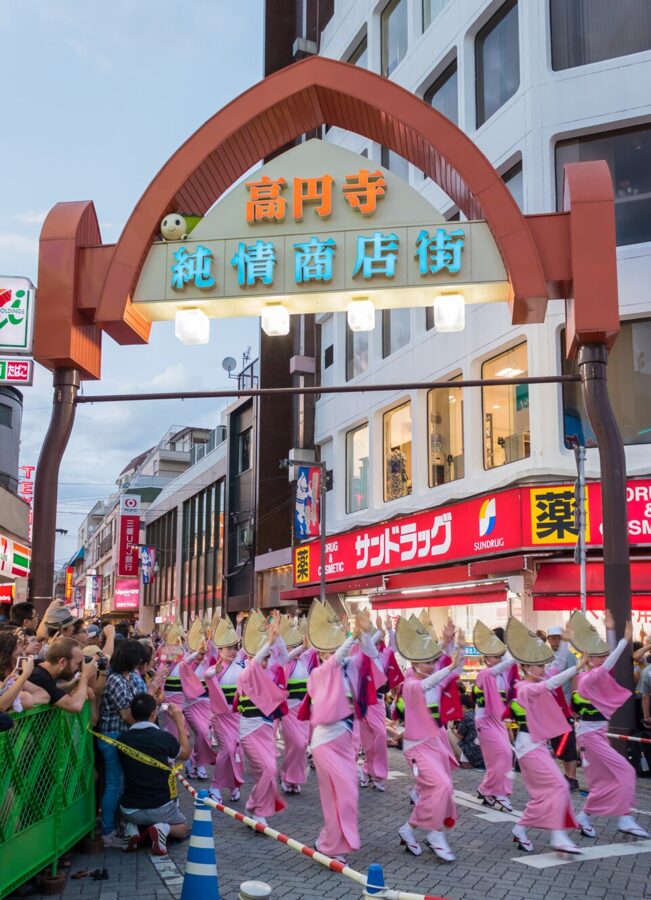

Koenji is cheaper and scruffier than Shimokitazawa: secondhand clothes, record shops, standing bars and small izakaya in the lanes north and south of the tracks, and punk rooms under them. The Tokyo Koenji Awa Odori is its big weekend, about 10,000 dancers in the streets on the last weekend of August, and the crowd is put at over a million. Otherwise it is an evening, not a day. Kichijoji is four stops further west.
Kichijoji (吉祥寺)
Kichijoji is outside the 23 wards, in Musashino City, and it is the reason to cross the line into the Tama area. It is the terminus of the Keio Inokashira Line from Shibuya and a JR Chuo Line stop from Shinjuku, about 15 minutes on a rapid train. There is no temple called Kichijoji here; the name came with the residents of the gate town of Kichijoji temple in Hongo, who were moved out after the Great Fire of 1657.
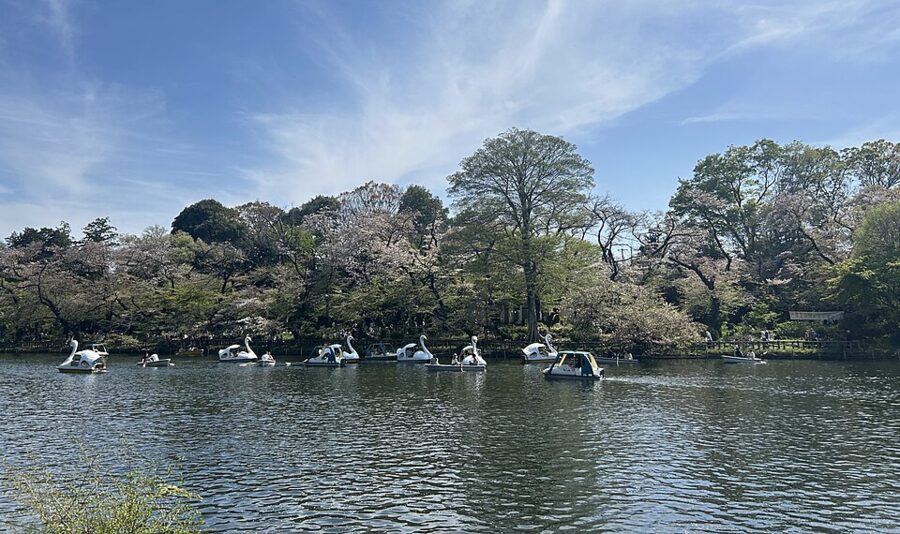

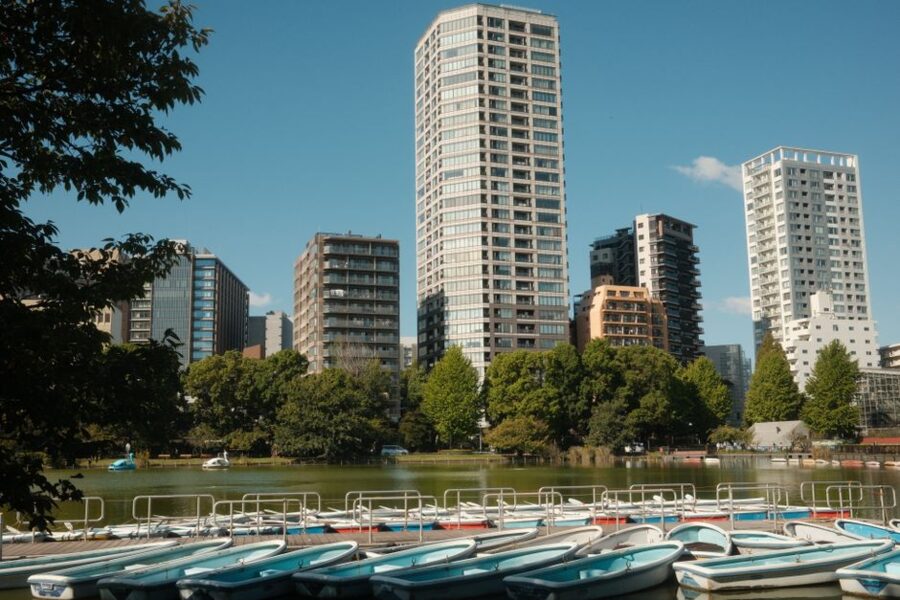
Inokashira Park, opened on May 1, 1917 as the country’s first suburban park, starts five minutes south of the station. North of the tracks is the shopping: Sun Road, the covered arcade, and Harmonica Yokocho, the postwar alley of tiny bars and stalls by the North Exit. Kichijoji suits a slow day, and it suits children.
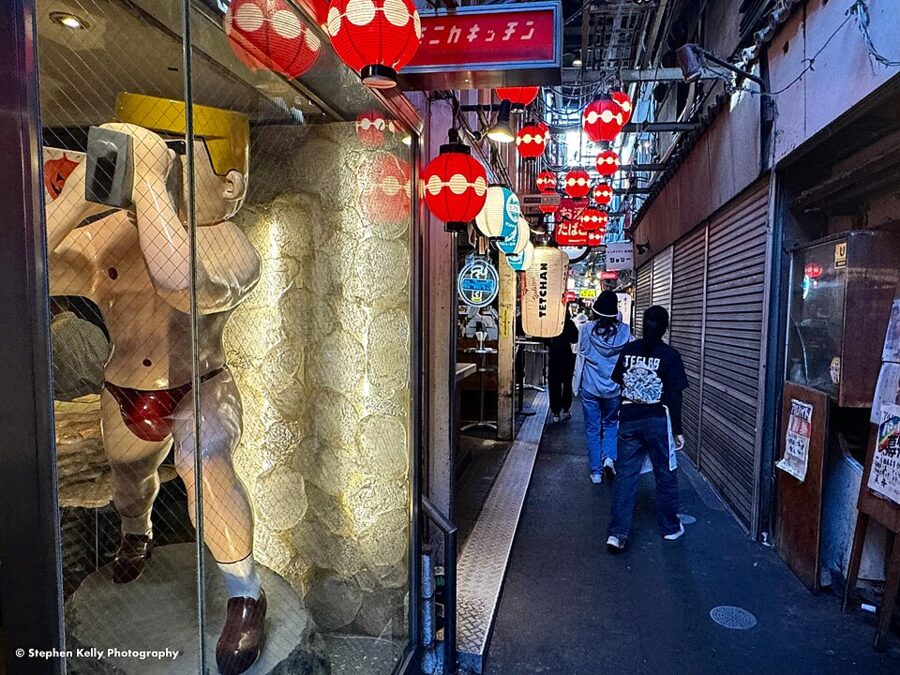

The Ghibli Museum is at the far end of the park in Mitaka, about 15 minutes’ walk from Kichijoji. Entry is by date-and-time tickets only, which go on sale at 10:00 on the 10th of each month for the following month; adult tickets are ¥1,000, the museum is closed on Tuesdays, and there is no door sale. If you have not booked, the park is still worth the trip.
The center and the east
Ginza (銀座)
Ginza Station has the Ginza, Marunouchi and Hibiya lines, and JR Yurakucho is a five-minute walk west. Ginza is department stores, flagship shops, galleries and expensive dinners along a grid that is easy to walk and hard to get lost in. On Saturdays, Sundays and holidays about 1.1 km of Chuo-dori closes to cars at 12:00 and reopens at 18:00 (17:00 in October–March), and that is the time to walk it.
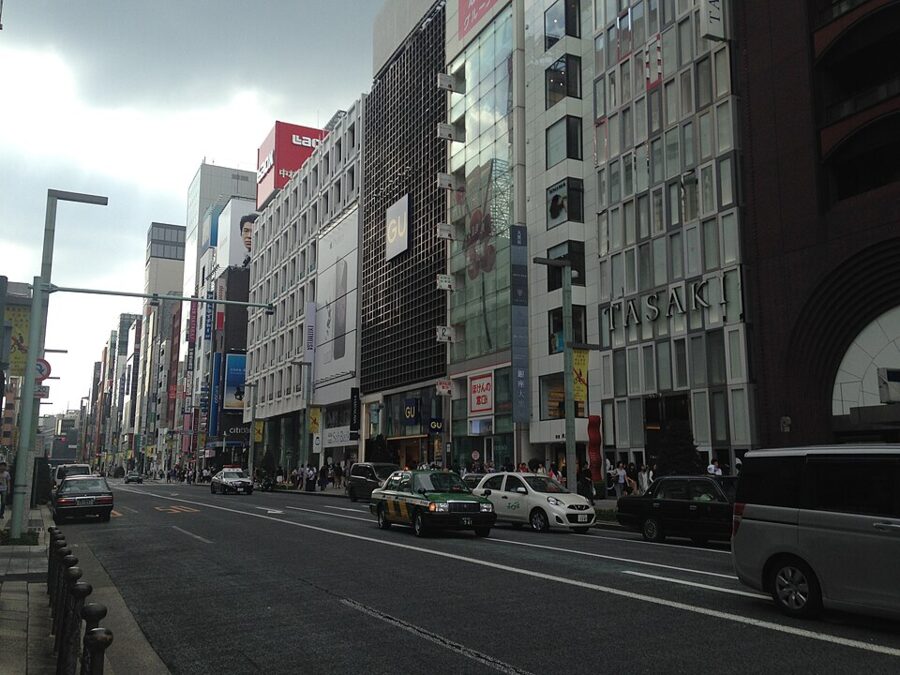

The Ginza Six complex (2017) has a free roof garden, and the department store food halls in the basements are the cheapest good meal in the district. The full guide to the shops, the galleries and the back streets is in the Ginza guide. To Tsukiji, walk southeast down Harumi-dori past Higashi-Ginza: about 10 minutes to the edge of the outer market.
Marunouchi and Tokyo Station (丸の内)
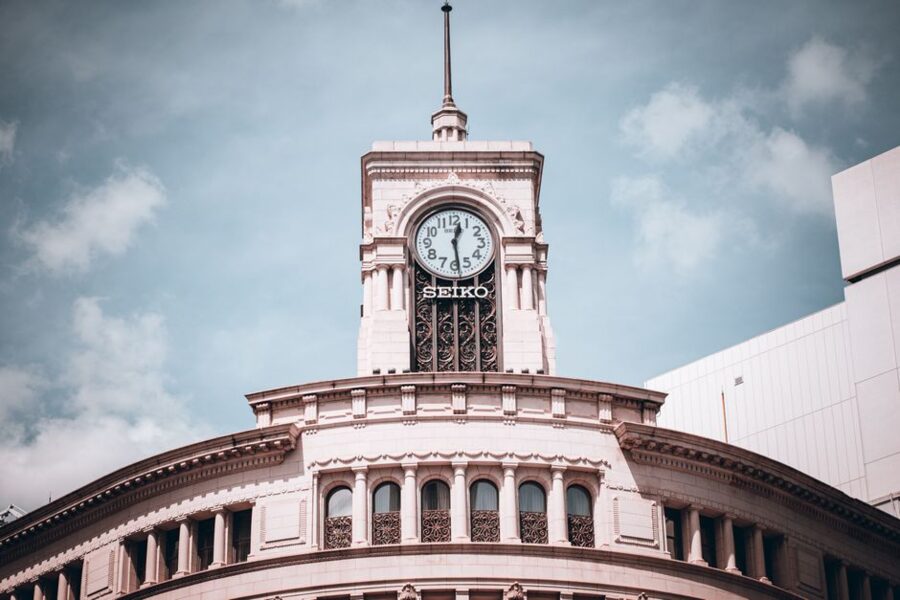
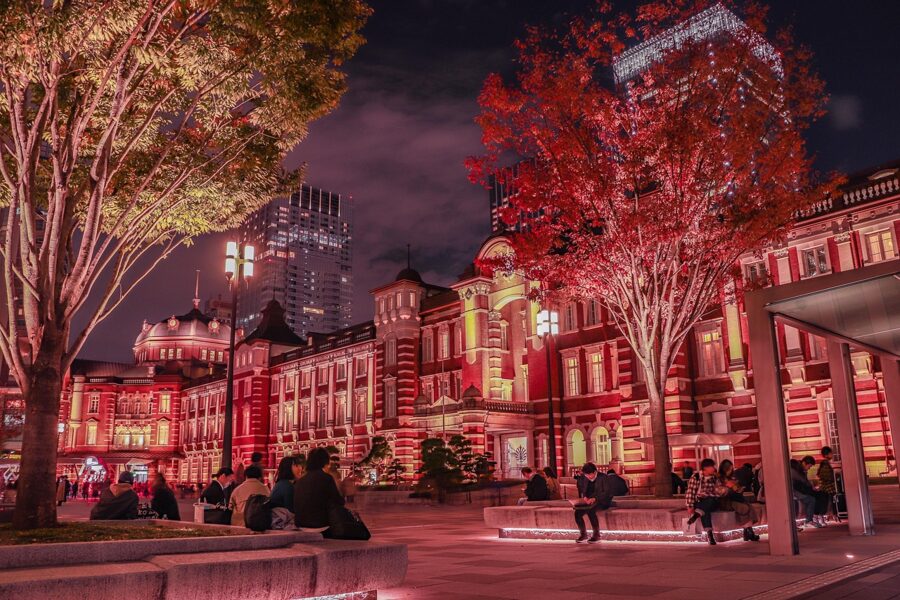
The red-brick Marunouchi side of Tokyo Station opened in 1914 and was restored with its domes in 2012. In front of it, the Marunouchi district is office towers with shops in their lower floors, and the wide road west to the Imperial Palace. It is for an hour: the station building, the palace grounds, and the roof of KITTE, the former central post office.
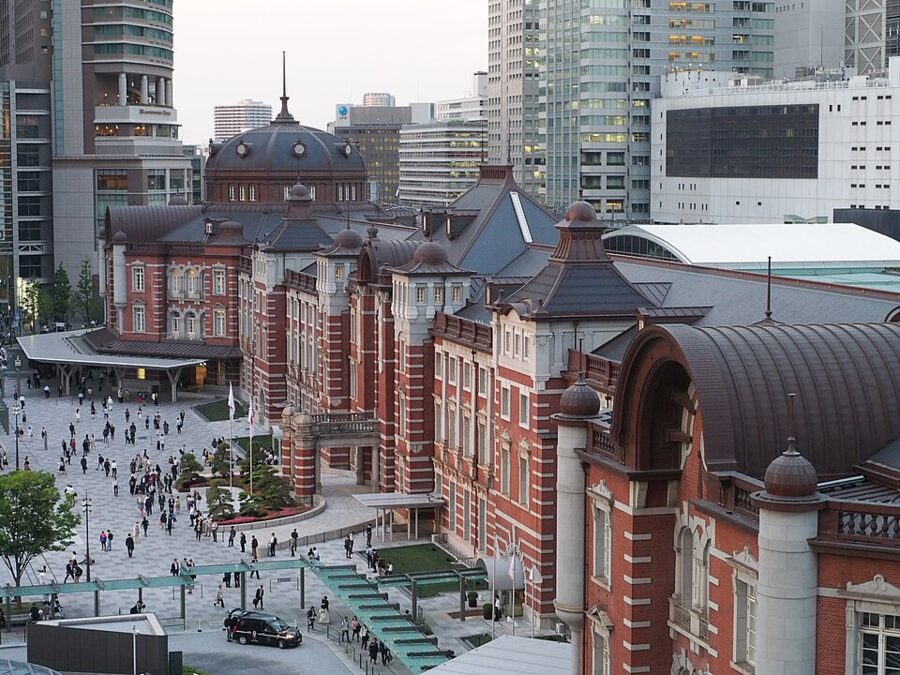

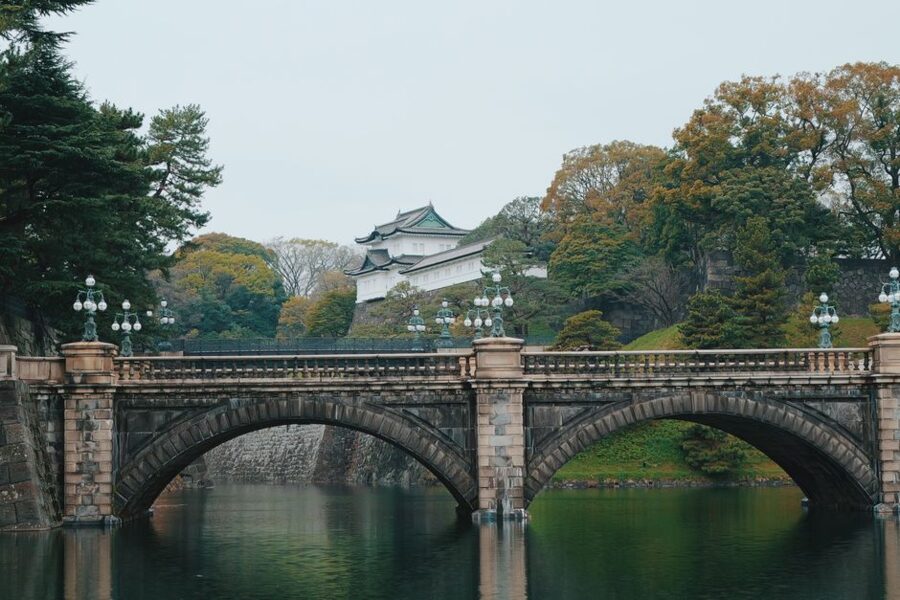
The Imperial Palace East Gardens, the part of the palace grounds open without a booking, are a ten-minute walk west, and Ginza is about 15 minutes south. Nihonbashi is ten minutes north from the Yaesu side.
Nihonbashi (日本橋)
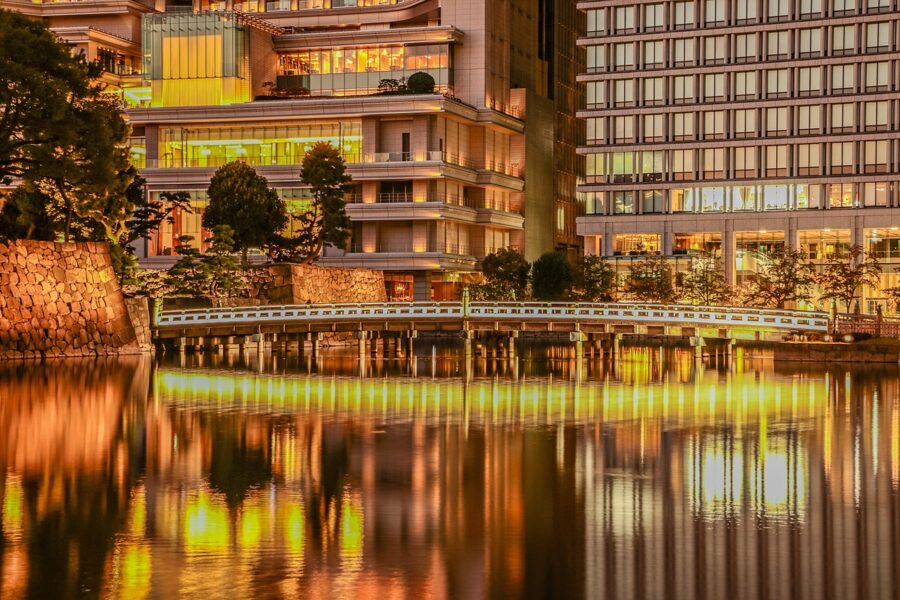
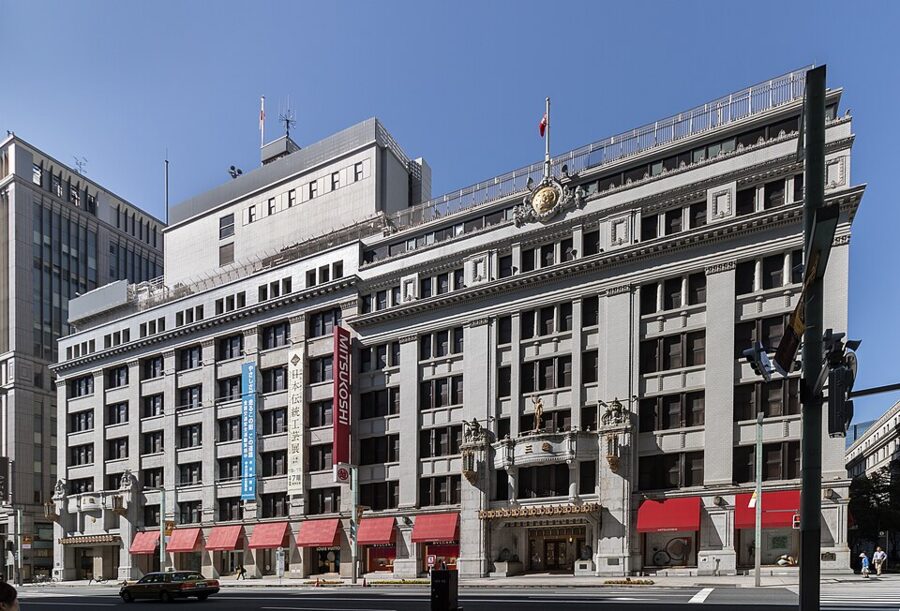
Nihonbashi is Tokyo’s old merchant center and the point from which Japan’s national road distances are measured. The stone bridge dates from 1911; since 1963 the Shuto Expressway has run directly over it, and the plan is to move that section into a tunnel, due in the mid-2030s, and then take the overhead road down. Tokyo Metro Mitsukoshimae Station (G12, Z09) comes up under the district’s anchor, the Mitsukoshi main store.
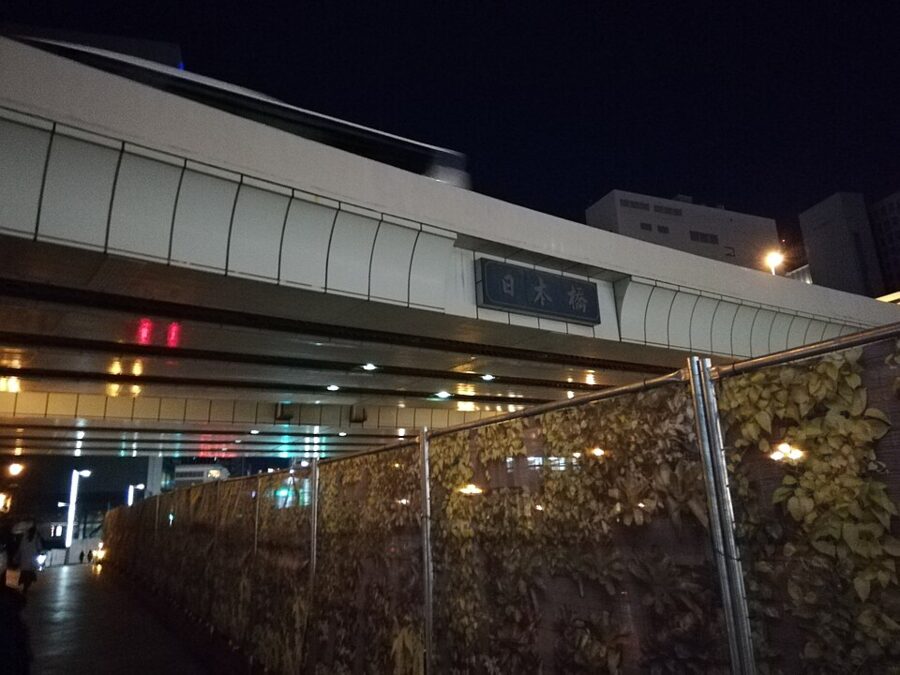
Come for the old food shops, the department store and the Coredo Muromachi buildings along Chuo-dori. On a Sunday evening it is very quiet. Tokyo Station is ten minutes south on foot.

Akihabara and Kanda (秋葉原・神田)
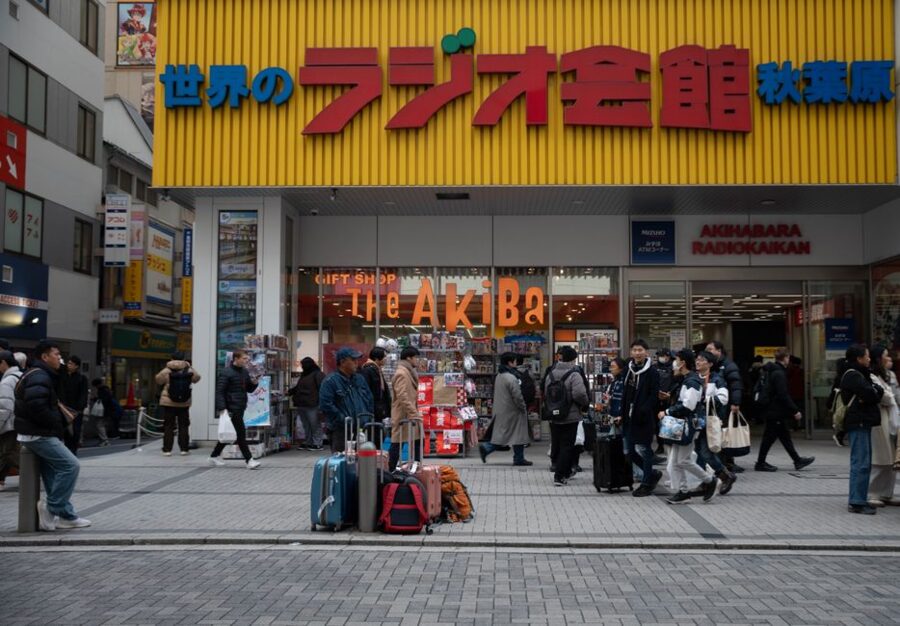
JR Akihabara is on the Yamanote, Keihin-Tohoku and Chuo-Sobu lines, with the Hibiya Line and the Tsukuba Express underneath. Use the Electric Town Exit. Akihabara is for electronics, anime and games: the radio arcades by the tracks, the hobby shops along Chuo-dori, and the game centers. On Sundays, Chuo-dori closes to cars in the afternoon, from 13:00 until 18:00 in the warmer months and 17:00 from October to March.
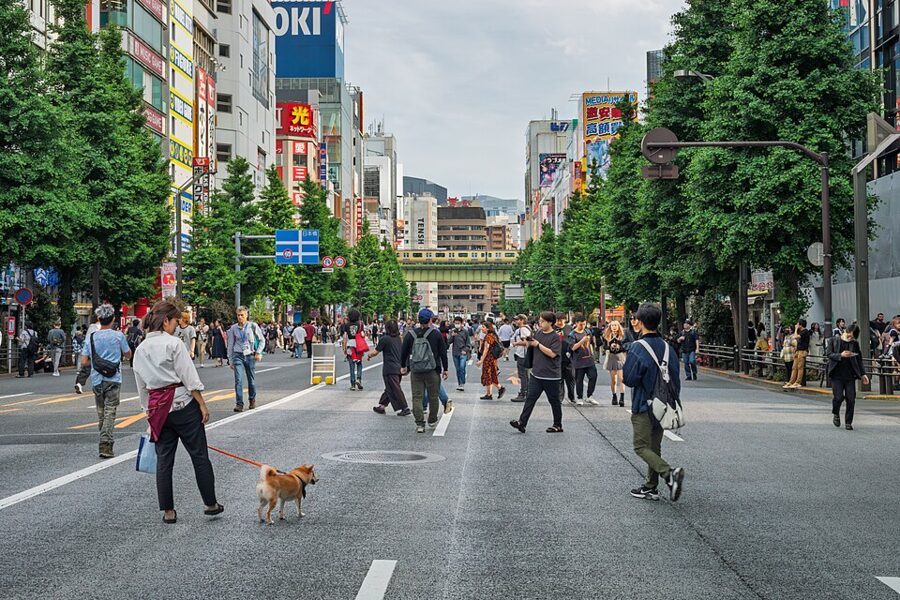

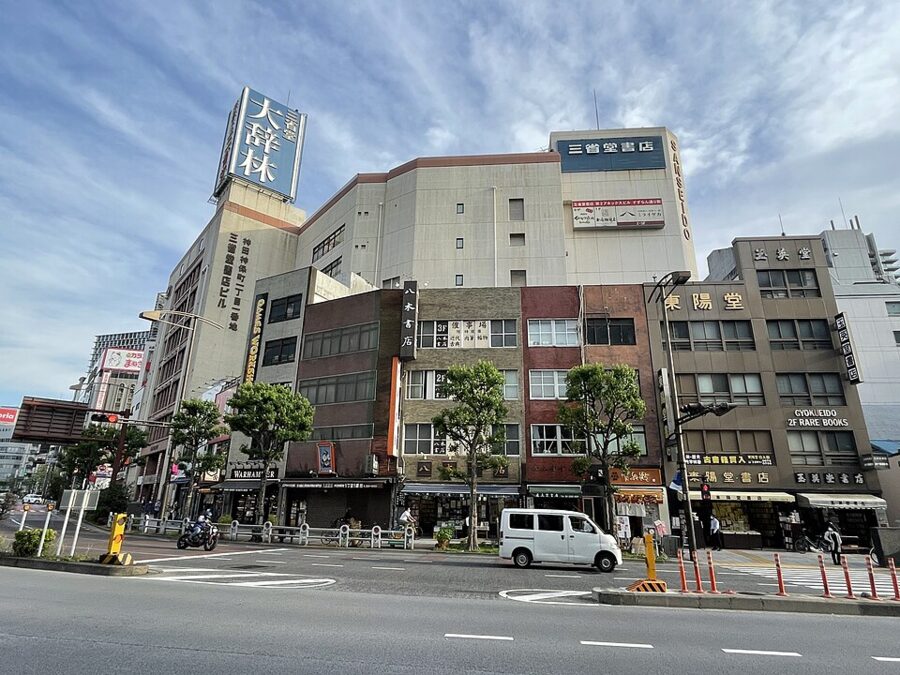
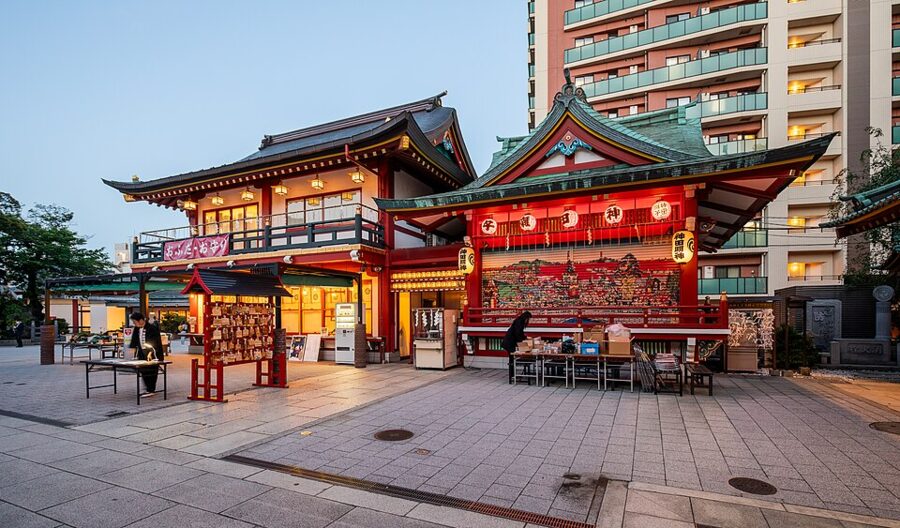
Kanda is the older district around it. Kanda Myojin, the shrine of the old Edo merchant districts, is about seven minutes’ walk west of the Electric Town Exit, on the hill above the electric town; its big festival, the Kanda Matsuri, is held in May of odd-numbered years, so the next one is in 2027. The second-hand book district of Jimbocho is about 20 minutes further west. The shops, the arcades and the maid-cafe question are in the Akihabara guide.


Ueno (上野)
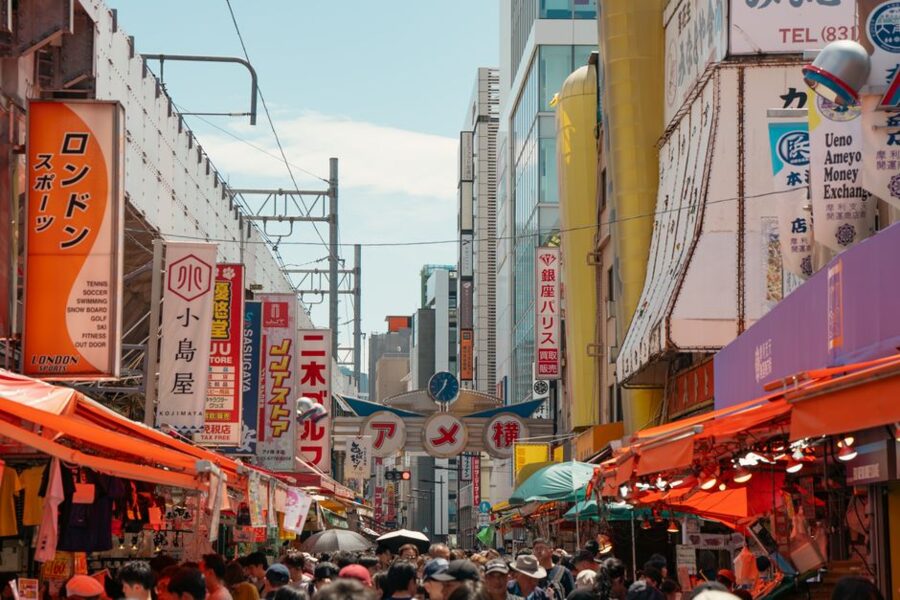
Ueno Station is a terminus as well as a Yamanote stop: the northern Shinkansen lines stop here, and Keisei Ueno, across the street, is where the Skyliner to Narita starts. The district is the park and its museums on the hill, and the Ameyoko market under the tracks. Use the Park Exit for the museums.
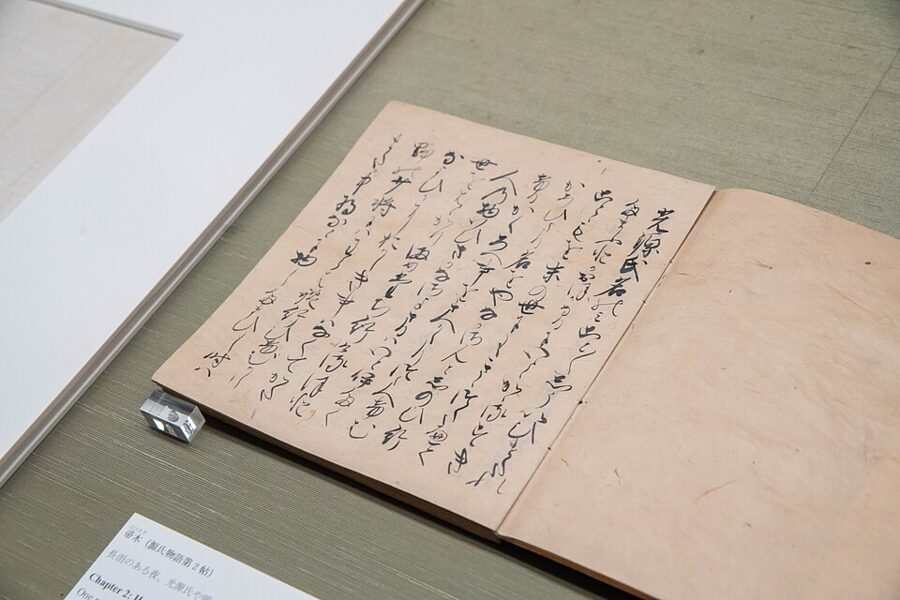

The Tokyo National Museum is the one to choose if you choose one: ¥1,000 for the collection galleries, closed on most Mondays, and since August 1, 2026 suitcases are not allowed in. Ueno Zoo, the National Museum of Western Art and the Tokyo Metropolitan Art Museum share the park.
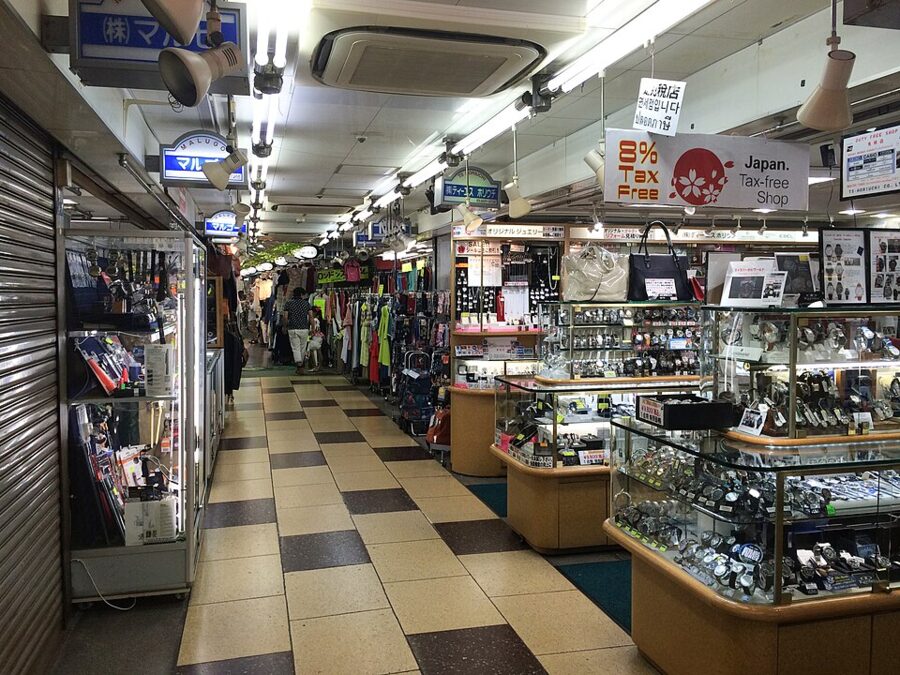
Ameyoko runs for about 500 meters along and under the JR tracks between Ueno and Okachimachi: dried fish, snacks, cheap sneakers and standing bars, loudest in late December. Skip it if crowds wear you out. To Yanaka, walk north through the park past the museum, about 20 minutes to the cemetery.

Yanaka (谷中)
Yanaka survived both the 1923 earthquake and the 1945 air raids better than the low city around it, and the result is the closest the 23 wards get to an old Tokyo neighborhood: wooden houses, temples on every block, and a cemetery that works as a park. JR Nippori Station’s West Exit is the easiest way in. Yanaka Ginza, the shopping street of about 60 shops, starts at the bottom of the Yuyake Dandan steps, five minutes from the station.
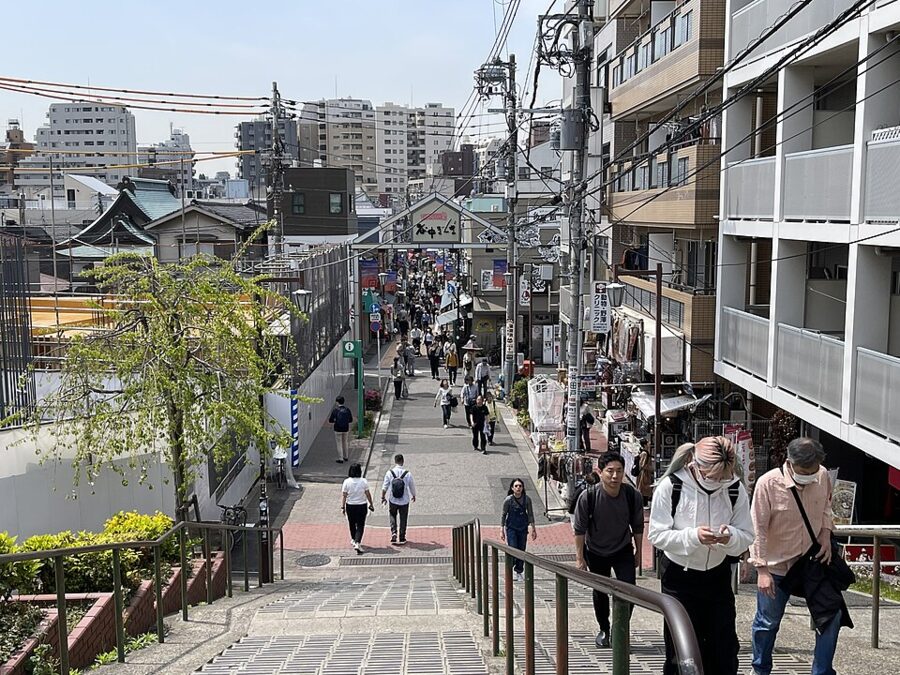

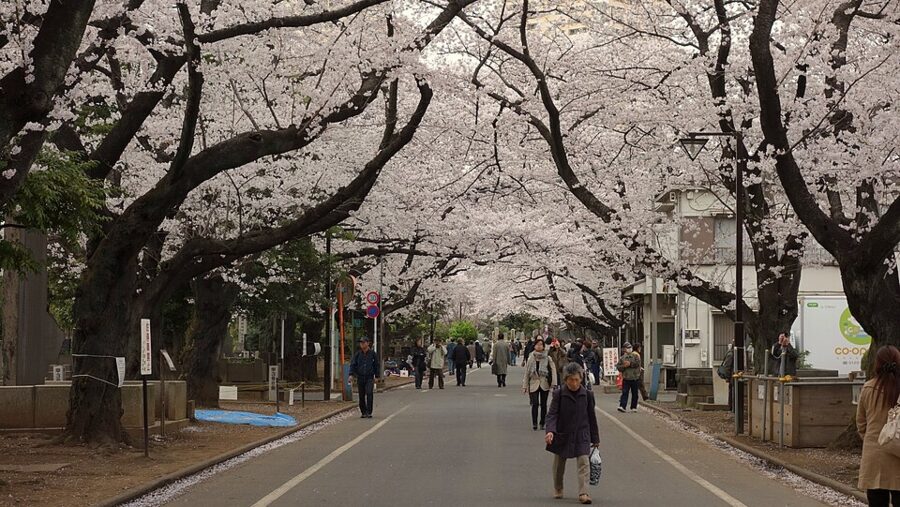
Yanaka is for walking. The cemetery has cherry trees along its central avenue, and the last Tokugawa shogun is buried at its edge. SCAI The Bathhouse is a contemporary art gallery in a converted public bathhouse. Yanaka runs into Nezu and Sendagi, together called Yanesen, an afternoon’s walk.

Asakusa (浅草)
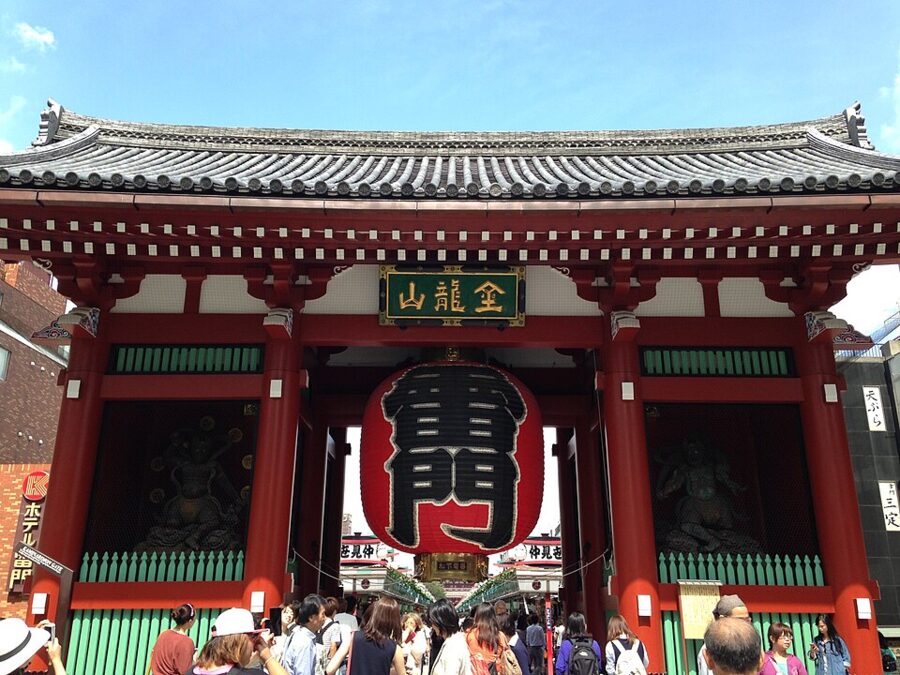
Asakusa Station is shared by the Tokyo Metro Ginza Line (G19), the Toei Asakusa Line (A18) and the Tobu Skytree Line; the Tsukuba Express station is a separate one, ten minutes west. Senso-ji is the district: the Kaminarimon gate, the Nakamise shopping street leading up to the temple, and the main hall, open 06:00–17:00 (from 06:30 between October and March). The temple grounds themselves never close.
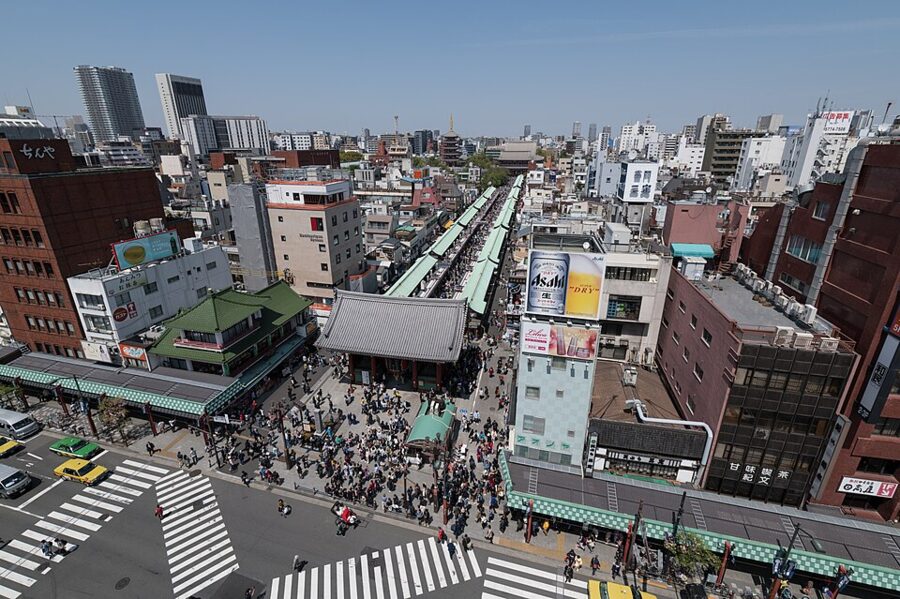

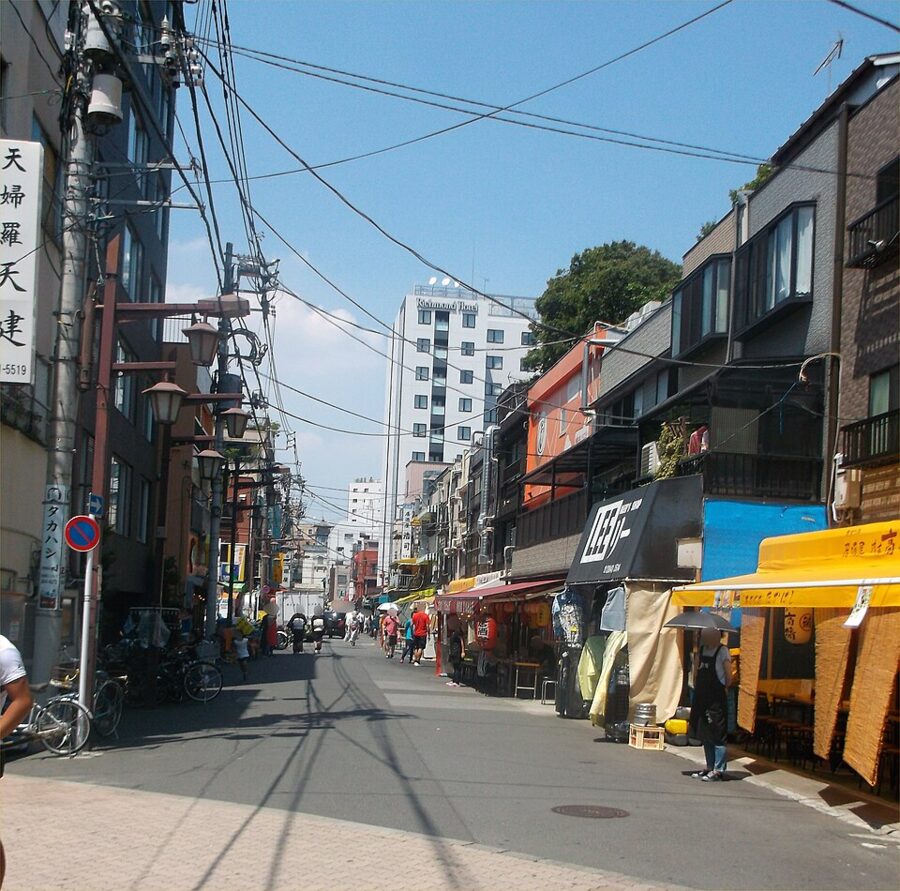
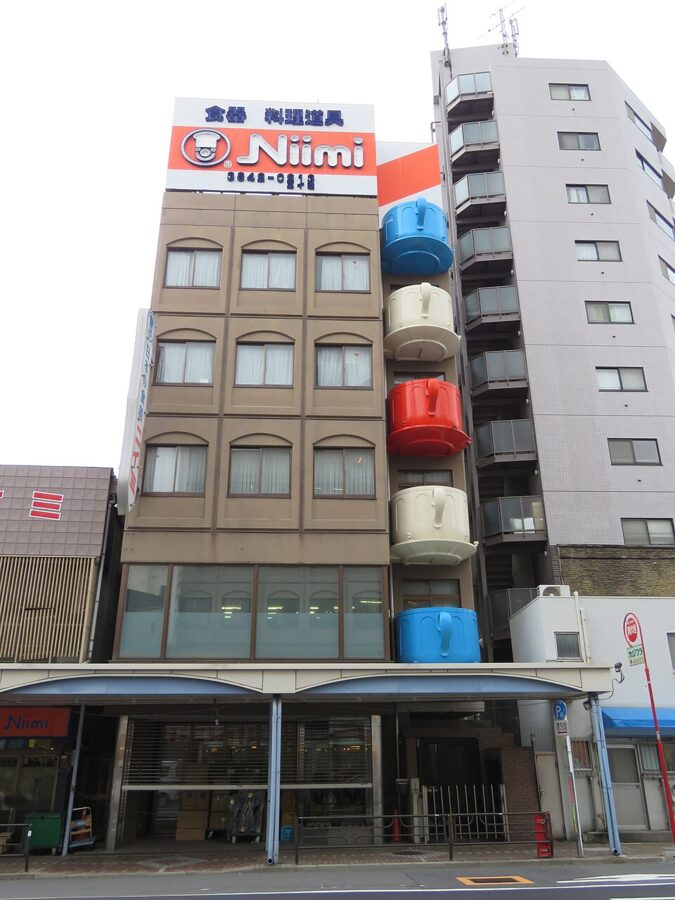
Skip Nakamise between 11:00 and 15:00 on a weekend; go before 09:00, when the shops are shut but the street is walkable, or after dark, when the temple is lit. The Sanja Matsuri, the big festival of Asakusa Shrine next to the main hall, is in May. Kappabashi, the kitchenware street, is a ten-minute walk west, and the cheap stew-and-beer counters of Hoppy Street are five minutes west of the temple.


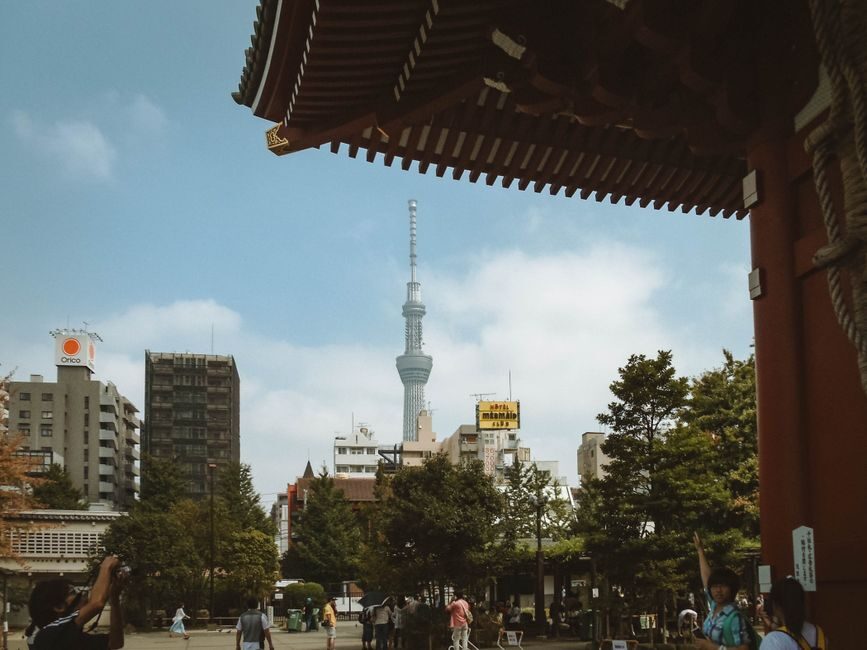
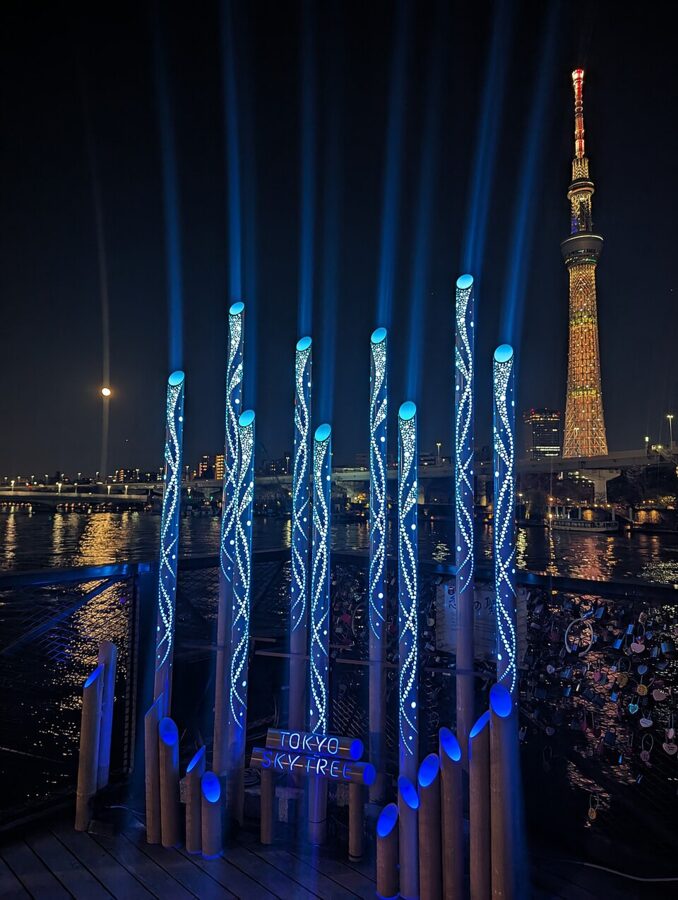
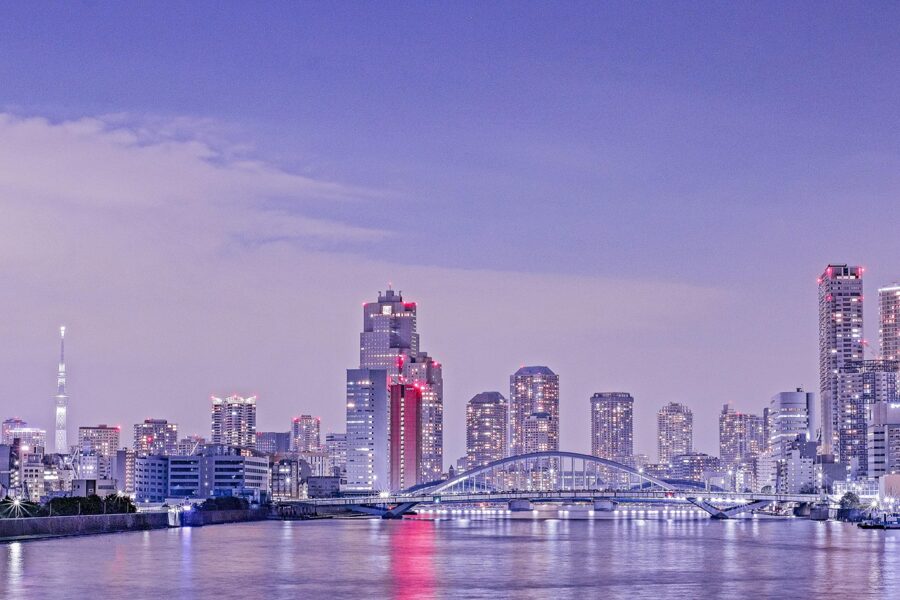
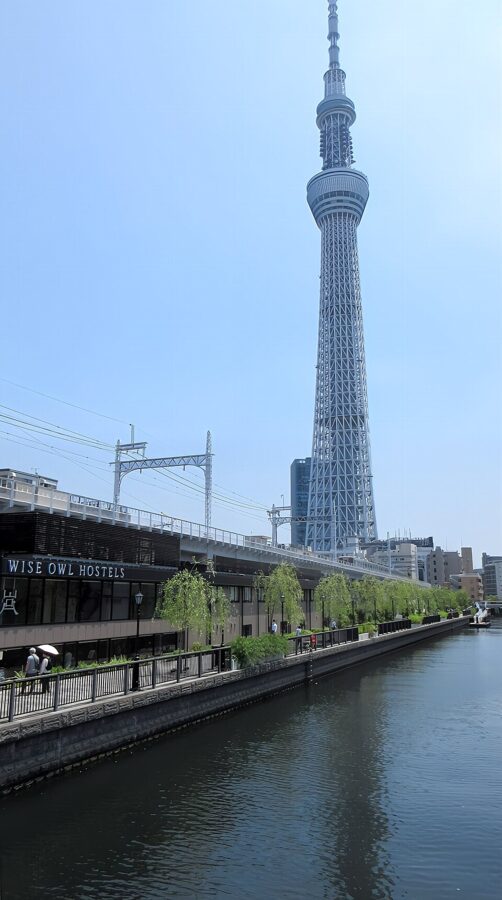
The walk to Tokyo Skytree starts at the Sumida River. The Sumida River Walk, a footbridge hung on the side of the Tobu railway bridge, opened in 2020 and takes you across to Tokyo Mizumachi, the shops under the tracks on the far bank; Skytree is about 20 minutes from Kaminarimon. The tower’s own page has the deck prices and the timed tickets.

Ryogoku (両国)
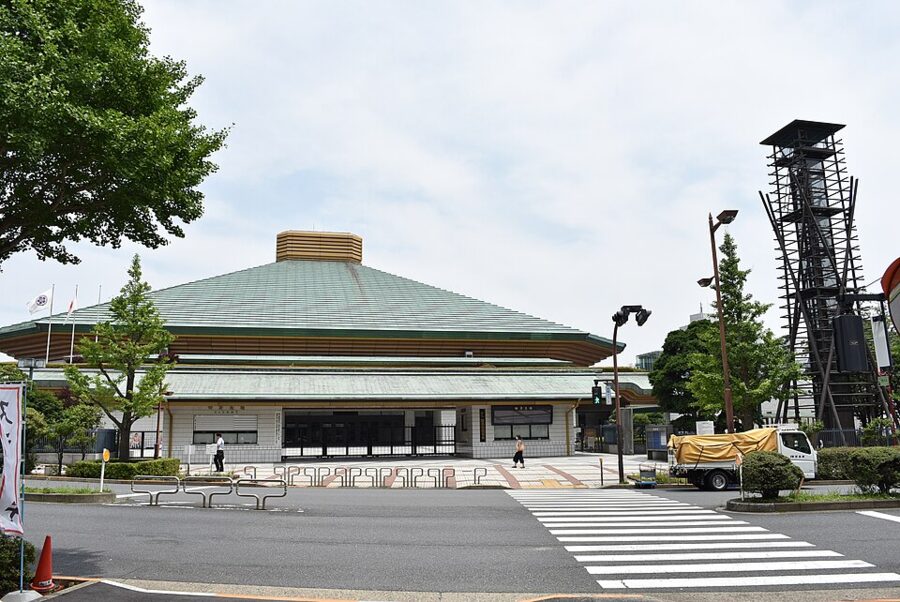
Across the river from Asakusa and a little south, Ryogoku is sumo town. JR Ryogoku is on the Chuo-Sobu Line local and the Toei Oedo Line has its own station. The Kokugikan, next to the JR station, holds three of the year’s six grand tournaments, in January, May and September; the Japan Sumo Association sells the tickets, and the January 2027 tournament is the next one in Tokyo.

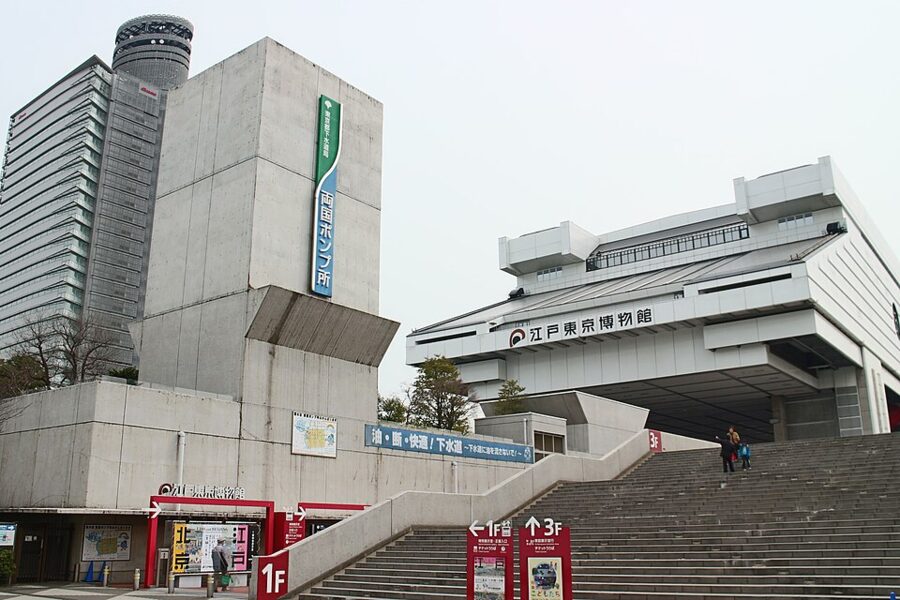
The Edo-Tokyo Museum behind the Kokugikan reopened on March 31, 2026 after four years of renovation: ¥800 for the permanent galleries, 09:30–17:30 (to 19:30 on Saturdays), closed on Mondays. With the Sumida Hokusai Museum about ten minutes away, Ryogoku is the best history half day in the city. Kiyosumi-Shirakawa is two stops south on the Oedo Line, or about 25 minutes on foot.

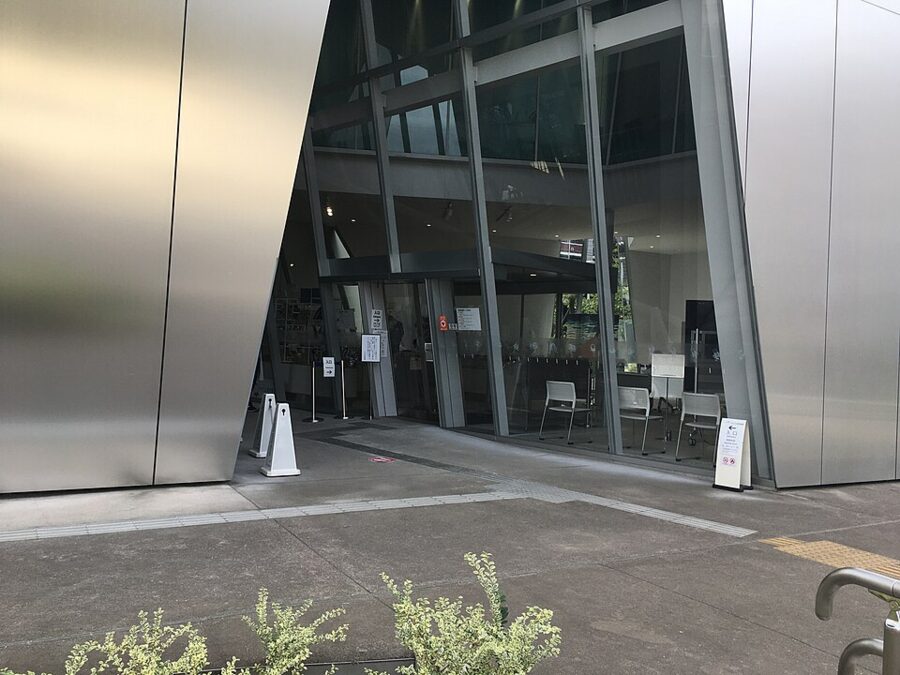
Kiyosumi-Shirakawa (清澄白河)
Kiyosumi-Shirakawa Station has the Tokyo Metro Hanzomon Line (Z11) and the Toei Oedo Line (E14). It is a district of canals, warehouses, a Meiji-era garden and small coffee roasters, and it has been Tokyo’s coffee address since Blue Bottle opened its first shop outside the United States here on February 6, 2015.
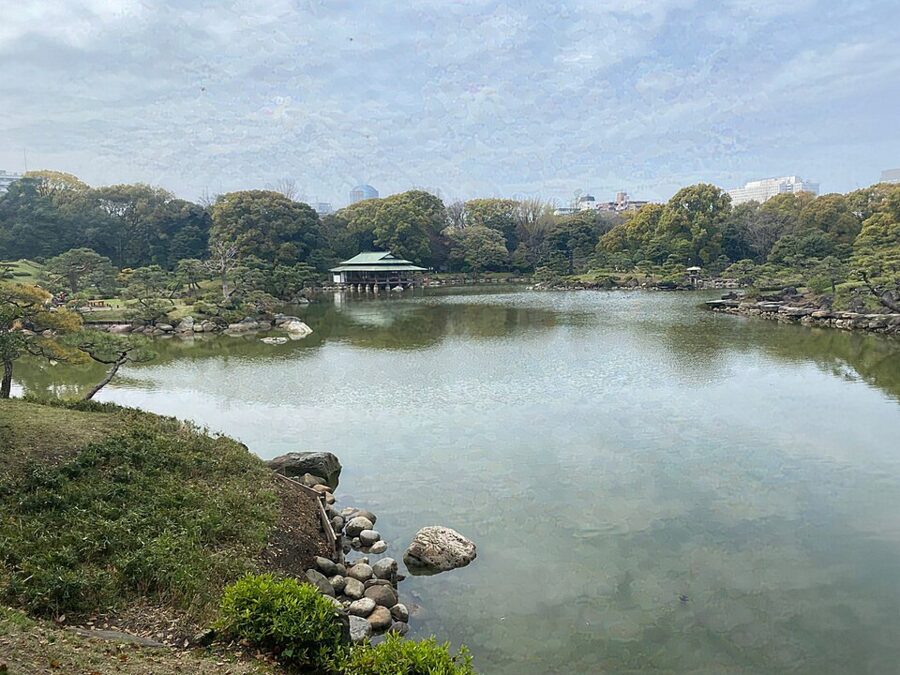
Kiyosumi Garden costs ¥150. The Museum of Contemporary Art Tokyo, reopened in March 2019 after a three-year renovation, is a 15-minute walk east. Come for a quiet half day; skip it if you need a crowd to feel you are in Tokyo.
North, south and the bay
Ikebukuro (池袋)
Ikebukuro is the third of the big west-side terminals, with JR, Seibu, Tobu and three Tokyo Metro lines, and it is the least visited of the three by first-timers. East of the station, Sunshine City holds an aquarium, the observation deck at the top of Sunshine 60 and shopping; Otome Road beside it is the anime and manga district aimed at women. West of the station are the theaters, the Rikkyo University campus and the cheaper bars.
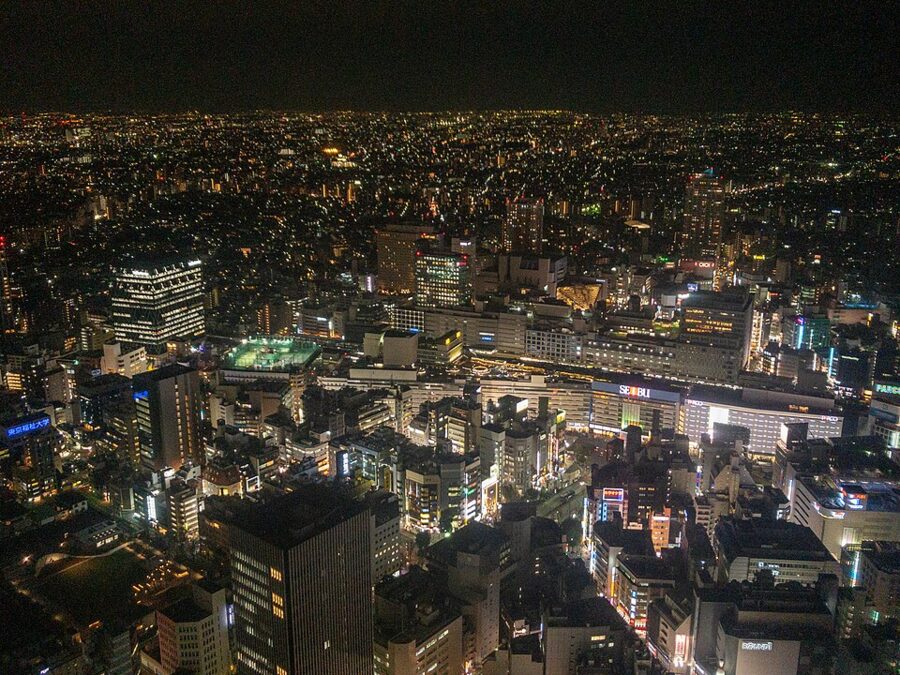

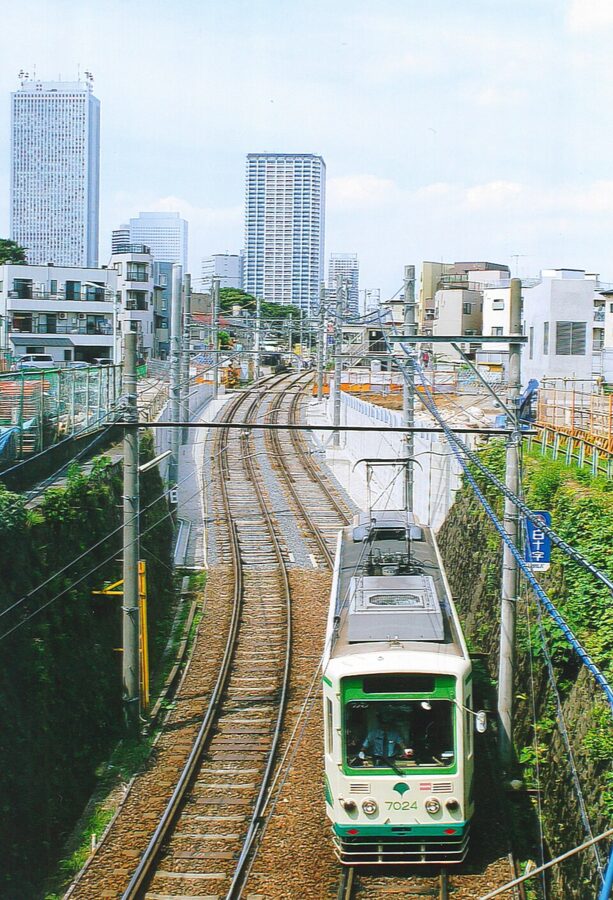
Go if anime goods, the aquarium or a cheaper hotel brings you; otherwise it can wait. The Toden Arakawa Line, the last of the old Tokyo streetcars, runs from Higashi-Ikebukuro toward Zoshigaya, which is a quieter hour than the station.

Roppongi and Azabudai (六本木・麻布台)
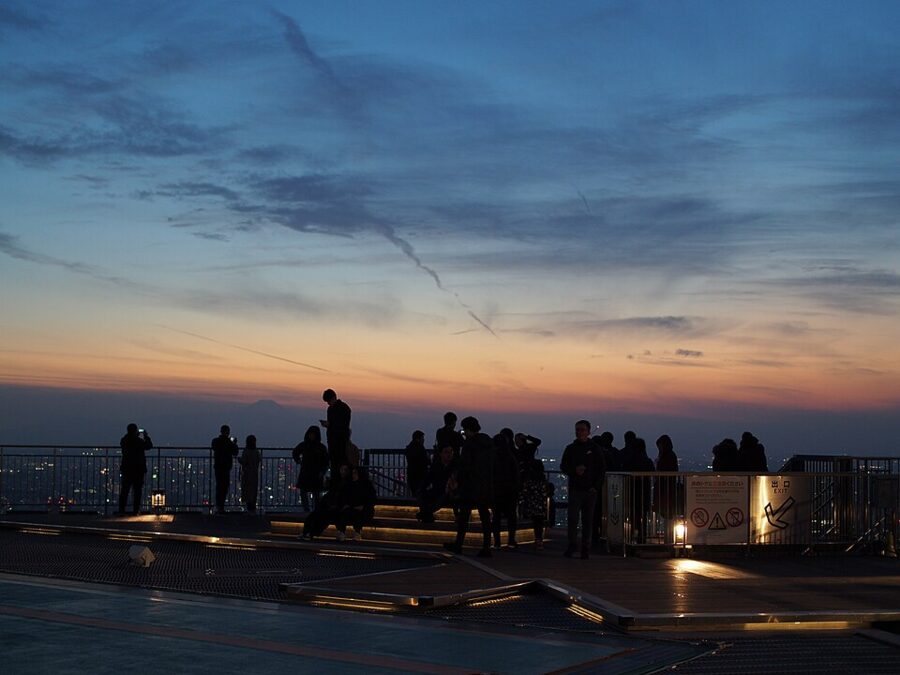
Roppongi Station has the Hibiya and Oedo lines. By day it is the art district: the Mori Art Museum and the Tokyo City View deck at the top of Roppongi Hills (2003), the Suntory Museum of Art in Tokyo Midtown (2007), and the National Art Center between them. By night it is clubs and bars and the touts outside them; the same police warnings as Kabukicho apply, and the same answer works.

Azabudai Hills opened on November 24, 2023, a 15-minute walk east, and its Mori JP Tower, about 325 meters, is the tallest building in Japan. Tokyo Metro Kamiyacho Station (H05) comes up beside it. The teamLab Borderless digital art museum moved into its basement on February 9, 2024; book a time slot in advance.
Shinagawa (品川)
Shinagawa Station is in Minato ward, not Shinagawa ward, and it is a station first and a district second. The Tokaido Shinkansen stops here, so do the Yamanote and Keihin-Tohoku lines, and the Keikyu Line runs from here to Haneda in under 20 minutes; the airport side is in the Haneda Airport guide.
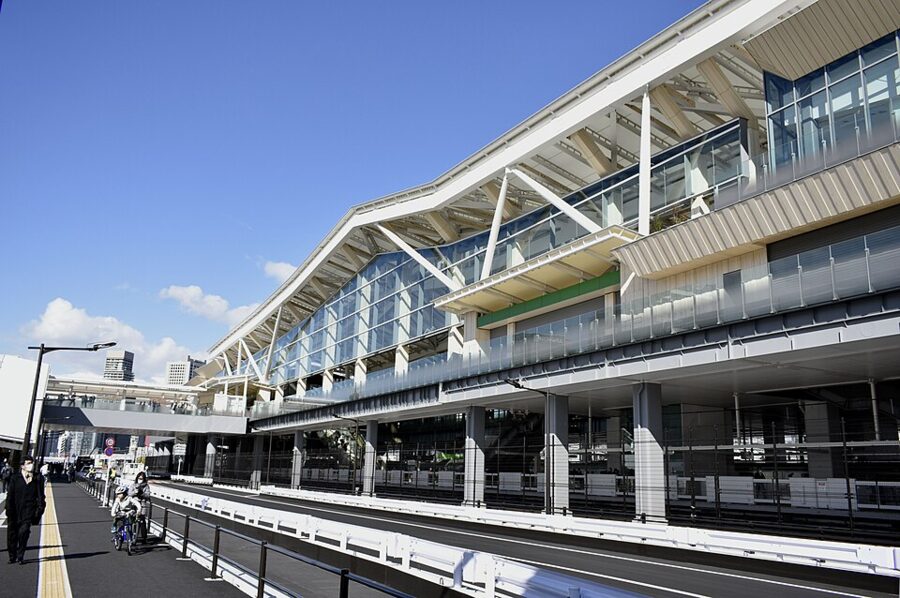
The district changed on March 27, 2025, when the first towers of Takanawa Gateway City opened beside Takanawa Gateway Station, one stop north (the station itself opened on March 14, 2020). MoN Takanawa, the culture building at the north end of the site, followed on March 28, 2026. Base yourself here for an early train or a flight, not for sightseeing.

Odaiba and the bay (お台場)
Odaiba is reclaimed land in Tokyo Bay, reached on the driverless Yurikamome from Shimbashi or on the Rinkai Line, which runs through from Osaki and the Saikyo Line. The Yurikamome crosses Rainbow Bridge on a loop, and the view from its front window is the best part of the trip.
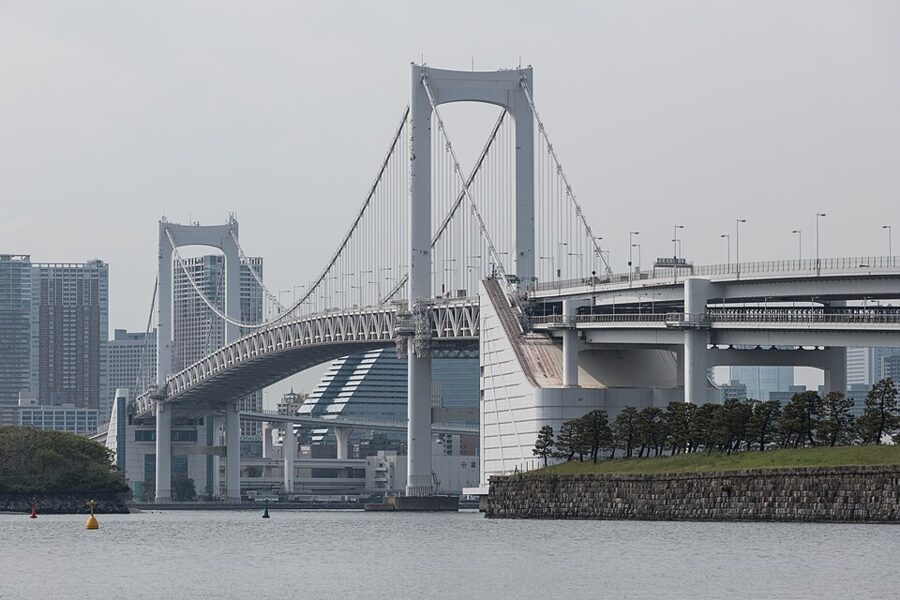

Odaiba has lost some of its landmarks: the Palette Town Ferris wheel and the Venus Fort mall beside it both closed in 2022. For most adults it is skippable on a first trip; with children, or for teamLab Planets in nearby Toyosu, it earns a half day.
Kagurazaka (神楽坂)
Kagurazaka is a hill street running up from Iidabashi Station (JR Chuo-Sobu local; Tozai, Yurakucho, Namboku and Oedo lines) to Kagurazaka Station on the Tozai Line at the top. It is an old geisha district that still has working geisha, stone-paved lanes off the main street, and a French community around the Institut français, which shows in the bakeries. Even the traffic is unusual: cars on the main slope run downhill toward Iidabashi in the morning and uphill in the afternoon.
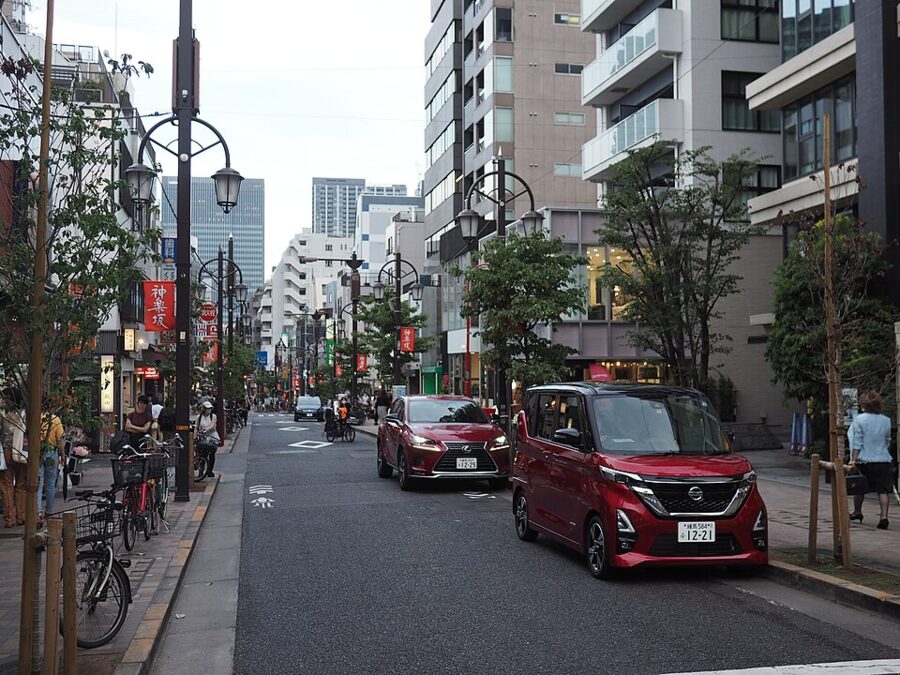

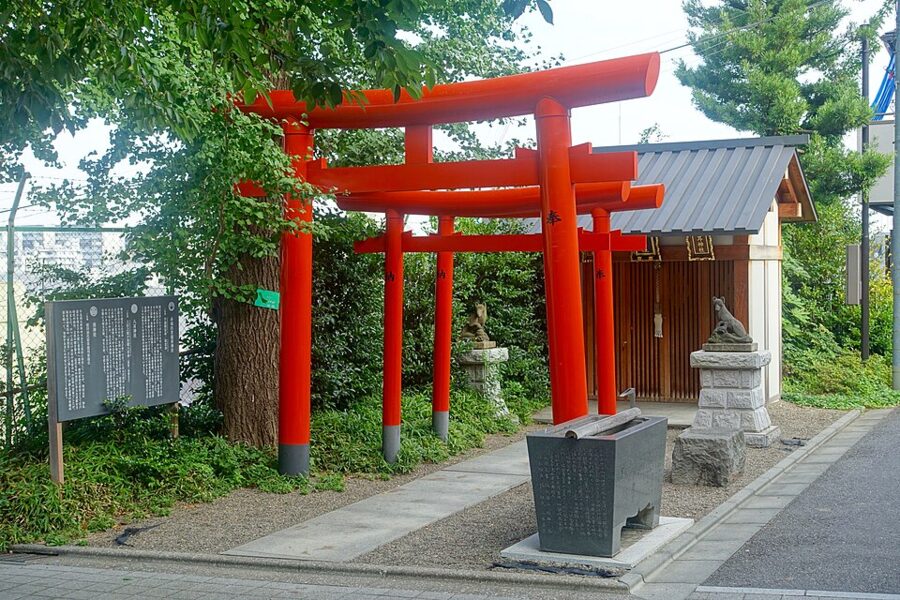
Akagi Shrine, at the top of the hill, was rebuilt in glass and wood with Kengo Kuma in 2010 and does not look like a shrine until you see the torii. Kagurazaka is for an evening meal and a walk along the main shopping street.
Districts by what you want
First trip: Shinjuku, Shibuya, Harajuku, Asakusa, Ueno and Ginza. Add Akihabara if anime or games are on the list. The sights inside them are covered in things to do in Tokyo.
Food: the department store basements of Ginza and Nihonbashi, the yokocho alleys of Shinjuku, Ebisu for dinner, Tsukiji for breakfast, and Ameyoko and Hoppy Street for the cheapest seats. Dishes, prices and how to order are in the Tokyo food guide.
Night: Shinjuku first, then Shibuya, Koenji and Shimokitazawa for music, Ebisu and Nakameguro for a quieter drink. Roppongi is for clubs.
Shopping: Ginza for department stores and flagships, Omotesando for design, Harajuku and Shimokitazawa for secondhand and street fashion, Koenji for cheaper secondhand, Akihabara for electronics, games and anime.
Quiet streets: Yanaka, Kagurazaka, Kiyosumi-Shirakawa and Daikanyama.
With children: Ueno for the zoo and the science museum, Kichijoji for the park and the Ghibli Museum, Odaiba and Toyosu, and Ikebukuro for the aquarium.
Where to sleep: Shinjuku, Shibuya, Ginza and the area around Tokyo Station put you on the trains you will use most; Ueno and Asakusa cost less and suit the east-side days and the Narita trains; Shinagawa suits an early Shinkansen or a Haneda flight. The trade-offs by budget, and Tokyo’s accommodation tax, are in the where to stay in Tokyo guide, and the whole trip is planned in the Tokyo travel guide.
Walks that join neighbors
The districts sit closer together than the train map suggests, and these walks join pairs worth doing together.
Shibuya to Harajuku: about 20 minutes
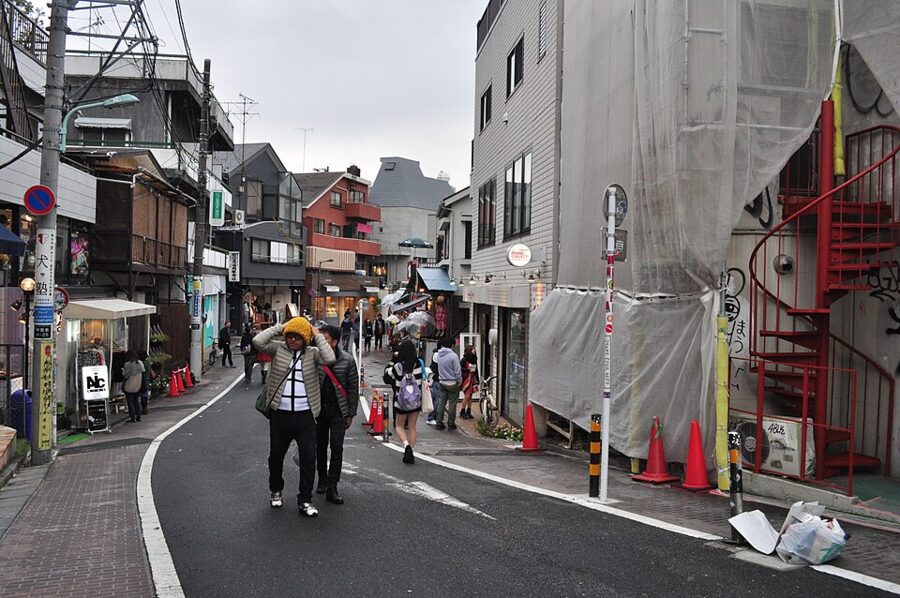
From the Hachiko Exit, cross to the Miyashita Park side and pick up Cat Street, the mostly car-free lane that runs north from Meiji-dori toward Omotesando. It comes out on Omotesando avenue about 1.2 km later; turn left for Harajuku Station and Meiji Jingu, right for the Omotesando flagships. Walk it in the morning and ride back.

Ueno to Yanaka: about 30 minutes
Go in by Ueno Station’s Park Exit, walk north through the park to the Tokyo National Museum, then turn left past the museum’s west side toward the art university and Yanaka Cemetery. The cemetery’s central avenue runs to the Nippori side; Yanaka Ginza is five minutes beyond it. Allow two hours. Coming back, Nippori is a Yamanote Line stop, and the Keisei trains to Narita stop there too.
Across the Sumida to Skytree
From Kaminarimon, walk east to the river and up the stairs to the Sumida River Walk beside the Tobu bridge. On the far bank, Tokyo Mizumachi runs along under the tracks toward the tower, and the canal path brings you out at the foot of Tokyo Skytree. The walk is flat and lit after dark.
Breakfast at Tsukiji, ten minutes from Ginza
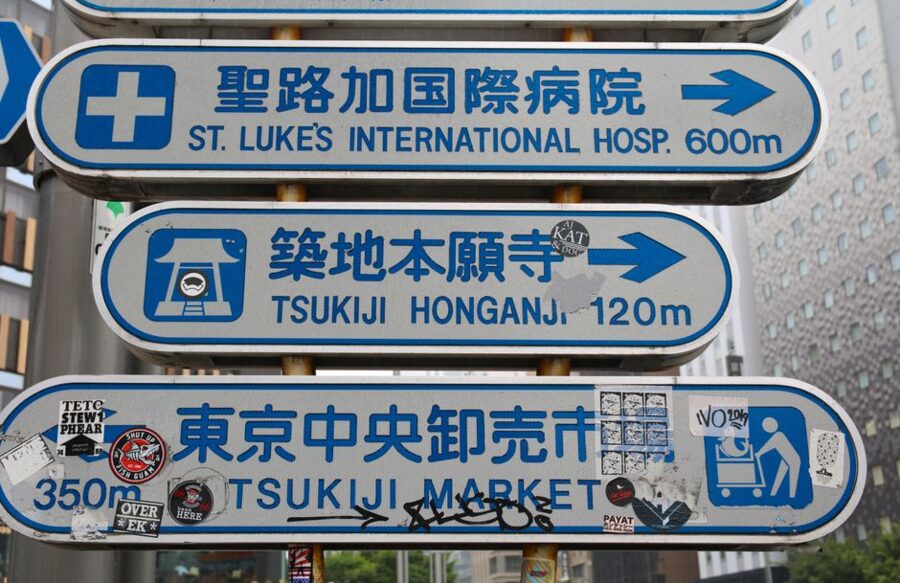
From the Ginza 4-chome crossing, walk southeast down Harumi-dori past Higashi-Ginza Station, and the first lanes of the Tsukiji Outer Market start across Shin-Ohashi-dori. The wholesale market moved to Toyosu in 2018; the outer market of several hundred shops and stalls stayed. Go early: many shops close by early afternoon, and many follow the wholesale market’s calendar and close on its holidays, which means Sundays, national holidays and some Wednesdays.
Two shorter pairs: Ebisu, Daikanyama and Nakameguro are about 25 minutes downhill end to end, and the Ghibli Museum is 15 minutes from Kichijoji Station through Inokashira Park.
Which brings the map back to the first line. Six districts, a half hour apart on the Ginza Line, and the rest of the city waiting for the second trip; buy the Ghibli tickets on the 10th, and start the west side early.