

Tickets to the Ghibli Museum (三鷹の森ジブリ美術館) for every day of next month go on sale at 10:00 Japan time on the 10th, on Lawson Ticket, and the museum in Mitaka sells nothing at its own door. That is the whole system. Miss the 10th and you are trying again next month, or paying for a bus tour.
Each ticket names a date and one of seven entry times, on the hour from 10:00 to 16:00. You go in within an hour of yours and can stay until the museum closes at 18:00. An adult ticket is ¥1,000, and since the November 2026 tickets went on sale there has been a ¥110 system fee on top, so ¥1,110 at checkout.
From abroad there are two routes the museum itself lists on its English ticket page: Lawson Ticket’s English site, and a day-long bus tour run by Sunrise Tours JTB with the entry included. If the dates you want are gone, try other hours of the same days, wait for the next release, or take the tour. Do not buy from anyone else. The ticket carries the buyer’s name, and resold tickets are turned away at the gate.
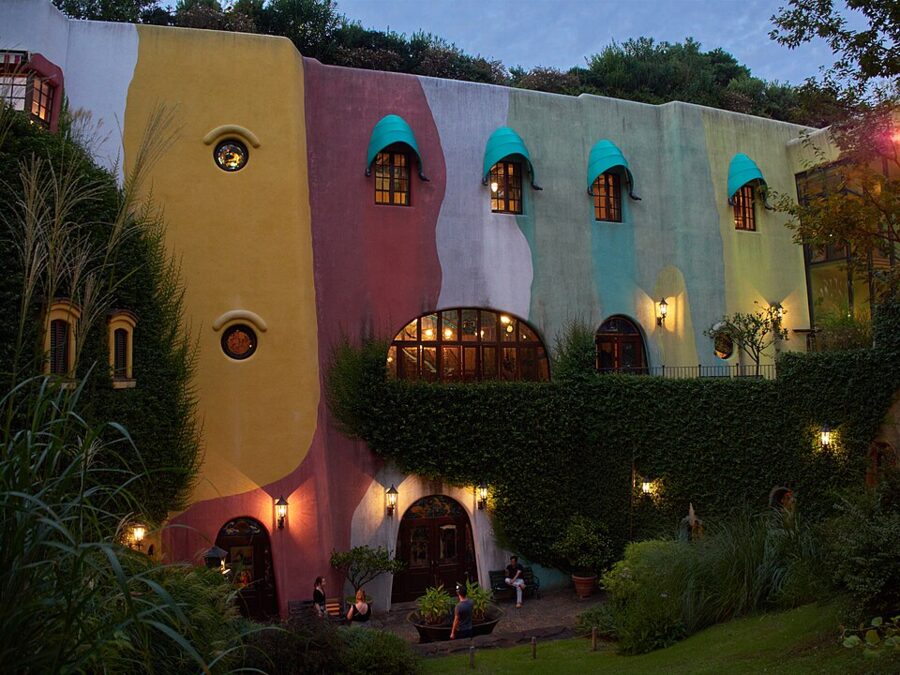
The museum sits at the west end of Inokashira Park, 20 minutes from Shinjuku on the JR Chuo Line and then a 15-minute walk or a five-minute community bus from Mitaka Station. It is small: three floors, a rooftop garden, a cafe, a shop and an 80-seat cinema. Plan on two to three hours inside. It is on the short list of sights in things to do in Tokyo that have to be booked weeks ahead.


How the sale on the 10th works
The rule: on the 10th of each month at 10:00 Japan Standard Time, every open day of the following month goes on sale at once. The museum’s own example is February, which goes on sale at 10:00 on January 10. A trip in April means 10:00 on March 10, a trip in October means September 10, and so on.
Japan is UTC+9 all year, with no daylight saving. So 10:00 on the 10th in Tokyo is 01:00 on the 10th in London in winter, 20:00 on the 9th in New York in winter (21:00 in summer), 17:00 on the 9th in Los Angeles in winter (18:00 in summer), and 12:00 on the 10th in Sydney in the southern summer. Set the alarm for the local time, not the date on the museum’s page.
The whole month goes on sale together, so weekends and holidays go first. The museum doesn’t publish how fast each date sells, and it doesn’t need to: the seven hourly slots on a weekday in the middle of the month are where the late arrivals end up. Before 10:00, rule out Tuesdays and the closure weeks on the calendar (more on those below), pick a first choice, and have two or three fallback dates and times ready.
Buying from abroad
Lawson Ticket’s English site is the main route, and the museum links to it directly from its English ticket page. Its sale opens at the same moment, 10:00 Japan time on the 10th. The English pages sit behind a terms-of-use screen, so read the delivery options before you pay: the e-ticket rules on the Japanese site, below, are written around Japanese mobile numbers.
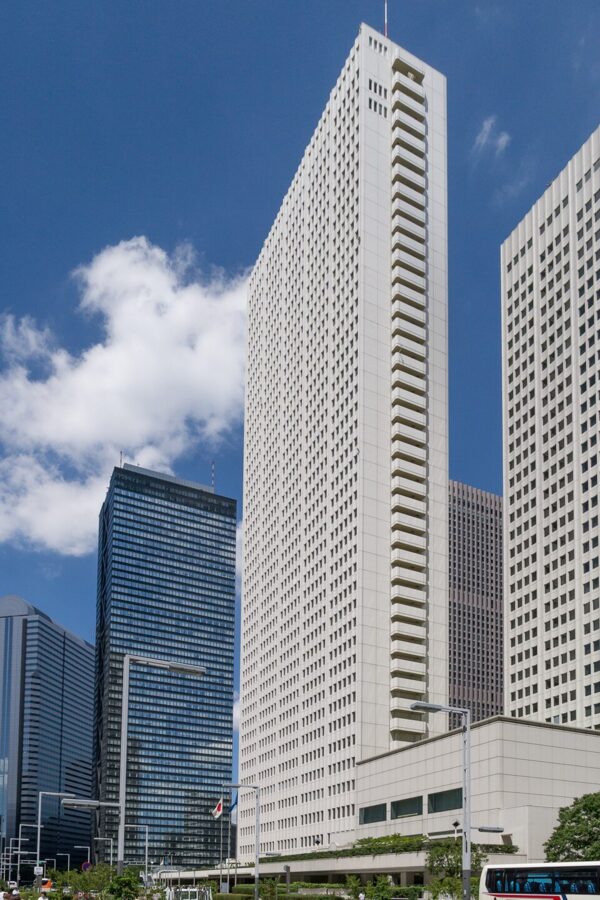
The second route is the Ghibli Film Appreciation Bus Tour run by Sunrise Tours JTB. It leaves at 10:20 from the company’s desk on the third floor of the Keio Plaza Hotel’s Main Tower in west Shinjuku, spends about two and a half hours at the museum, stops at the Edo-Tokyo Open Air Architectural Museum, includes lunch and an English-speaking leader, and ends near Shinjuku Station‘s West Exit at about 19:00. It is sold only to visitors from overseas; residents of Japan can’t book it. Cancellation fees start ten days before, and the tour is cancelled if the museum closes without warning.

The price is on the booking page and moves with the date. It pays for a bus, a lunch and a second museum, so it costs far more than the ticket alone. If you can be awake at 10:00 Tokyo time on the 10th, the Lawson sale is the better deal by a wide margin. If you can’t, or you missed it, the tour is the only way in that the museum itself points to.
Buying in Japan
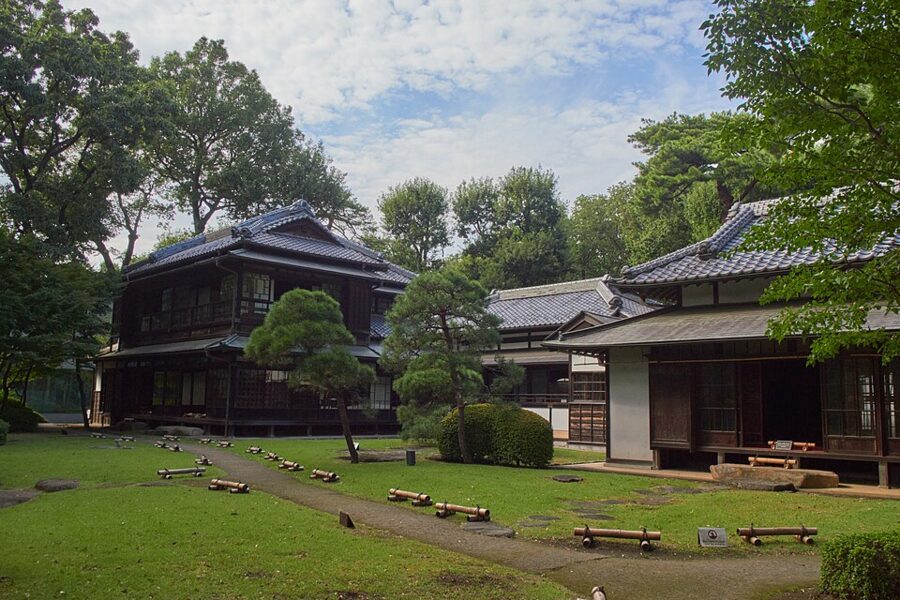
Inside Japan, tickets are sold on Lawson Ticket’s Japanese site, and buying needs a free Lawson web membership verified with a mobile number. Since the November 2026 tickets, the museum has used a QR-code system, which is where the ¥110 fee comes from (the museum announced it in a notice on October 6, 2026). You choose at checkout between two kinds of ticket.
- E-ticket (denshi chiketto), shown on a phone in the browser through a service called MOALA Ticket; no app. It needs an SMS check, and the number must be the phone you will show at the gate and must start 090, 080 or 070. A screenshot or a printout of the QR code is not accepted.
- Paper ticket, printed at the Loppi machine inside any Lawson convenience store.
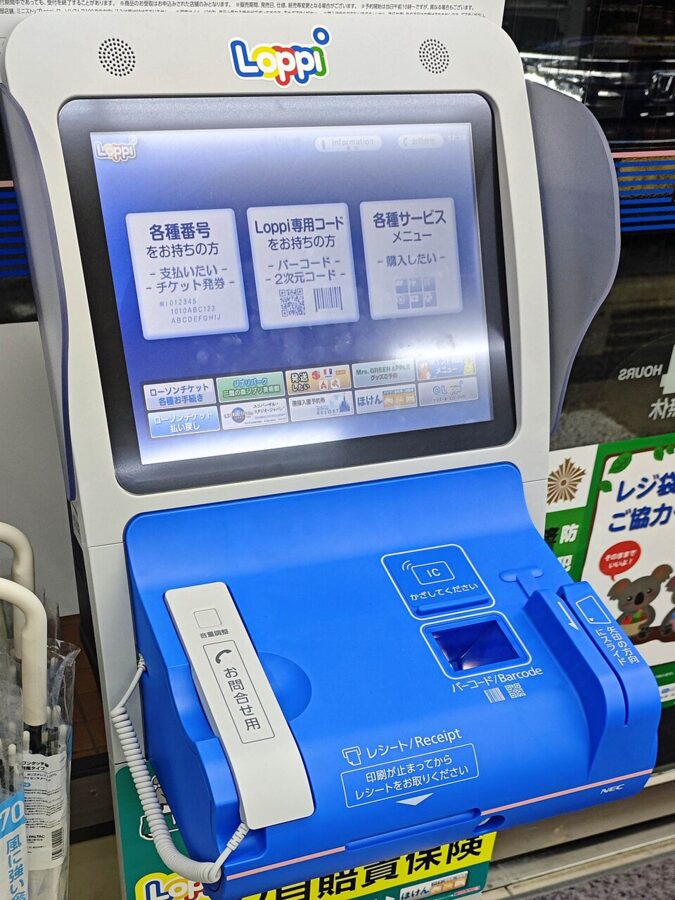
One account can book once a month, up to six tickets. Lawson keeps each slot on sale until its entry time unless it fills, so any date that didn’t sell out on the 10th can still be bought up to the morning itself.
There is also a quota you can’t use. Residents of Mitaka and five neighboring cities, and people who work or study there, can buy up to 100 tickets a day in person at the Mitaka tourist information counter near the station, with an ID showing their address and cash only (the Mitaka tourism association’s page sets out the rules).
The summer lottery
For July and August 2026, the museum ran an advance lottery ahead of the usual sale: entries opened late in the month two months before, you could enter up to five date-and-time combinations, and you could win at most one. Winners paid in a five-day window, and the normal sale on the 10th followed for what was left. As of November 24, 2026, the museum had not said whether the lottery will return for summer 2027. If you are planning July or August, check the news page from early May.
Names, ID and the rules that sink resale
Every ticket is printed with the name on the buyer’s Lawson account, and the museum is strict about what follows from that. Buy with the account of the person who is actually going. The whole group enters together with that person, and staff may ask the named buyer for ID at the gate: a passport works, as do a Japanese driver’s license, health insurance card, student ID or My Number card.
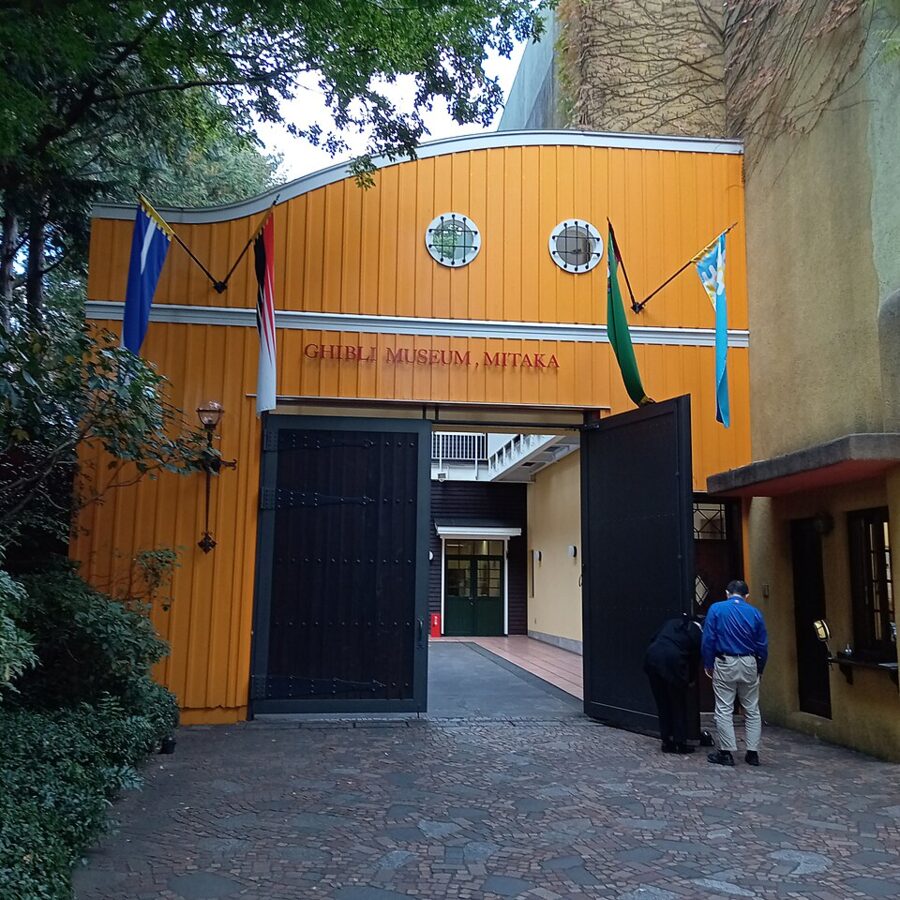

- No change of name or date after purchase, and no refund, even if the ticket goes unused.
- E-tickets can’t be split among phones, so the group can’t arrive in pieces.
- No re-entry once you leave.
- Resold tickets are refused at the door, and Lawson Ticket adds that buying to resell can break the law.
On March 25, 2026, the museum warned of fake websites imitating its own and of tickets sold through fake accounts, and named the only two places to buy: its own site and Lawson Ticket. Ticket-only listings on tour marketplaces are not on the museum’s list either. A ticket in a stranger’s name is worth nothing to you, and nobody can change the name afterwards.
Weather does not cancel your slot. On days when typhoons or snow were forecast to disrupt the trains in 2026 (February 8, June 3, June 27 and September 21), the museum opened as normal and announced, on the day or the evening before, that ticket holders could come in later than their printed time, for that day only. It posts these notices on its news page and on its X account, @GhibliML.
What it costs
The Japanese ticket page sets prices by school stage, and the English one by age; for almost everyone they come out the same. Prices include tax, and the short film is included.
| Who | Ticket | With the ¥110 fee |
|---|---|---|
| Adults and university students (English page: 19 and over) | ¥1,000 | ¥1,110 |
| High school and junior high (13–18) | ¥700 | ¥810 |
| Elementary school (7–12) | ¥400 | ¥510 |
| Children 4 and over, before school (4–6) | ¥100 | ¥210 |
| Under 4 | Free, no ticket needed | Free |
The one case where the two pages part ways is an 18-year-old at university: adult price by the Japanese page, teen price by the English one. If that is you, the adult ticket is the safe choice. There are no group discounts and no advance-purchase discounts.
Which entry time to pick
The seven entry times are 10:00, 11:00, 12:00, 13:00, 14:00, 15:00 and 16:00. You must be through the gate within an hour of yours, so a 13:00 ticket is good until 14:00. Nobody is asked to leave, and the museum is open until 18:00.
That last rule shapes the day inside. Because there is no exit time, each hour’s visitors join the ones already inside, so the building fills as the day goes on. I’d take 10:00 or 11:00 if they are free: the rooms are at their emptiest, and the cafe opens at 10:30 indoors and 11:00 on the deck, in time for an early lunch. A 16:00 slot still leaves two hours, which is enough if you skip the cafe.

What is inside
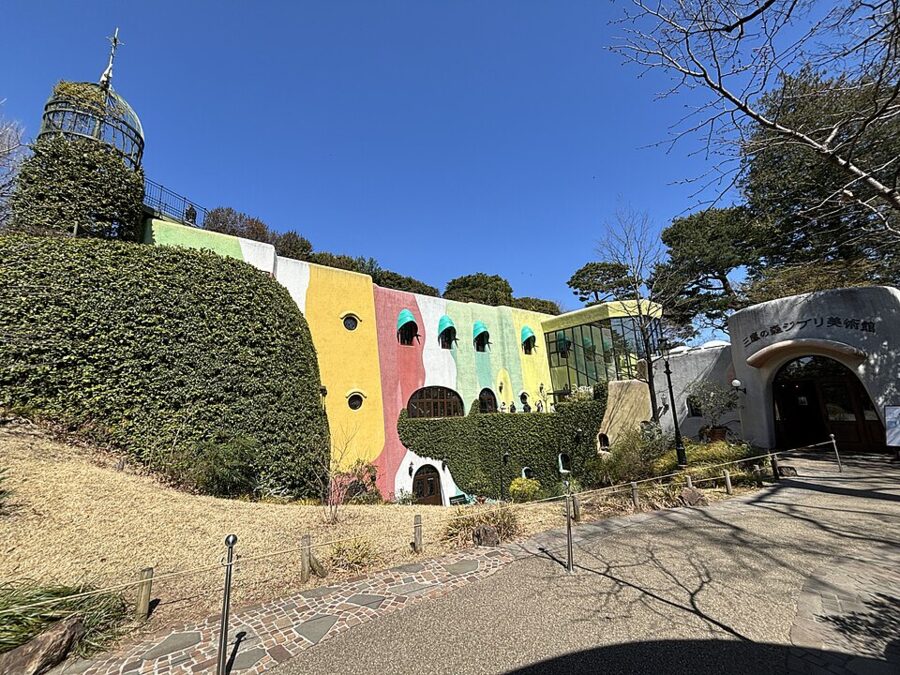
The museum has no set route, and that is deliberate. Hayao Miyazaki’s founding wish list for it, published on the museum’s site, asks that visitors not be steered along fixed courses and that small children be treated as grown-ups. So you wander, and the building is built for wandering. The museum’s own room-by-room guide covers more than this list.
- The fake reception. Out on the road, a large Totoro sits in a ticket booth that is not the entrance; it points you to the real one.
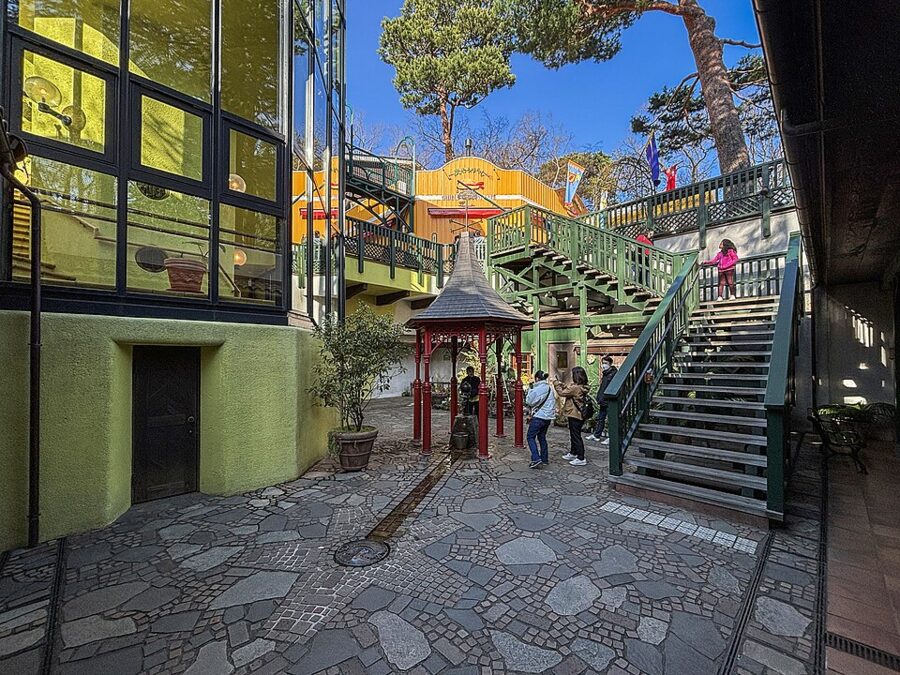
- The central hall. A space open from the basement to the top floor, crossed by spiral stairs, bridges and balconies, under a glass skylight. On November 19, 2026, a new fused-glass pane went into that skylight, the first addition since 2009.
- “Where a Film Is Born.” Five small rooms on the ground floor dressed as an animator’s workspace, every wall covered in sketches, books and models, from first idea to finished film.
- The basement exhibition room, on how animation moves, with a display lit by strobe light; the museum warns visitors sensitive to flashing light.
- The Cat Bus room on the second floor: a soft, climb-in Cat Bus, smaller than the one in the film because the full-size one wouldn’t fit.
- Tri Hawks, a reading room of picture books and children’s books chosen by Miyazaki and the museum. The name is a pun on Mitaka, “three hawks.”
- The courtyard between the museum and the cafe, with a hand-pump well you can work yourself.

The special exhibition
One room holds a rotating exhibition, and the pattern is long runs of a year or more, with the new show opening in late May or late November after one of the museum’s maintenance closures. Recent ones covered the background art of The Boy and the Heron (from November 23, 2024), the TV series Future Boy Conan (from May 28, 2022) and Earwig and the Witch (from June 2, 2021). The current one opened on November 19, 2025, and is scheduled to run until May 2027; the exhibitions page has its title and the next one when it is announced.
The short film in the Saturn Theater
The Saturn Theater (土星座) in the basement seats about 80 on small red benches, made so that you can sit up on the backrest if someone tall sits in front. It shows short animated films Studio Ghibli made for the museum, from about 9 to 16 minutes long, and changes the film roughly once a month. The screening schedule lists the current film and the next one.
Your ticket covers one screening per visit, so don’t walk in on the last two minutes of one. The rotation is ten titles, among them Mei and the Baby Cat Bus, a short sequel of sorts to My Neighbor Totoro. Six of the ten are shown with Japanese subtitles a few times a day for deaf and hard-of-hearing visitors, and the assistive earphones are Japanese-only; there are no English subtitles. Watch it as a picture film and you lose little.

The rooftop
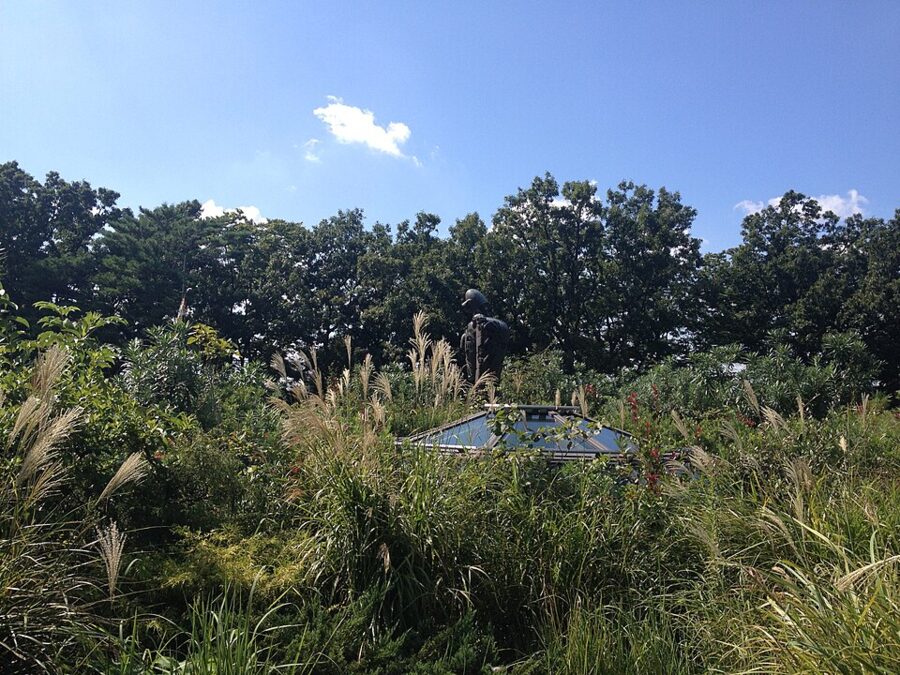
From a terrace beside the Cat Bus room, a narrow spiral staircase climbs to the roof garden, where a five-meter Robot Soldier from Castle in the Sky stands looking out over the park. It is outdoors, so photographing it is fine. There is no elevator to the roof, and the garden closes in bad weather.
The Straw Hat Cafe and the shop
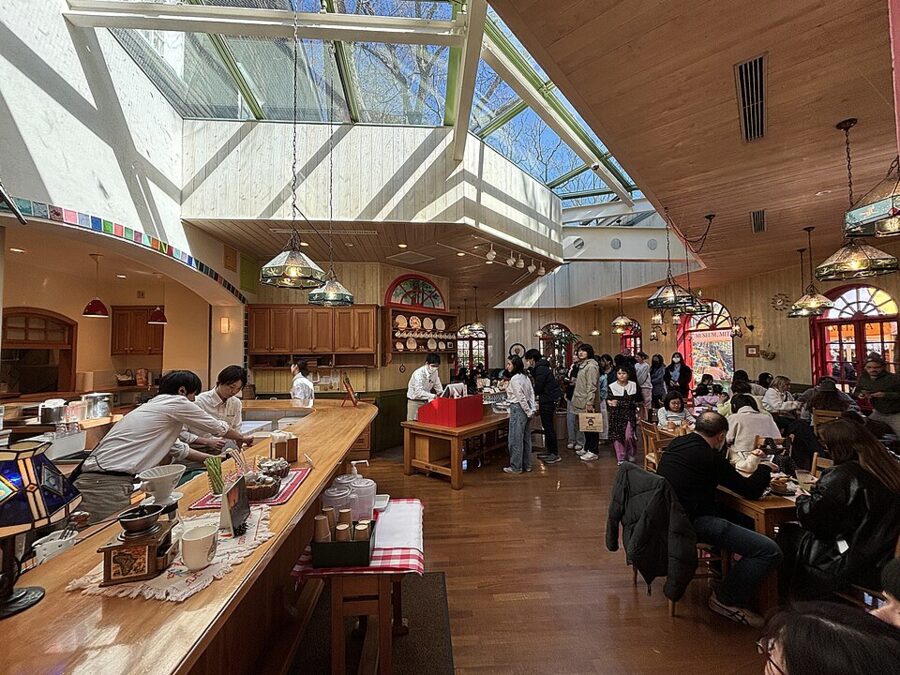
The Straw Hat Cafe (カフェ 麦わらぼうし) sits in its own orange building across the courtyard, with a deck under a giant straw hat. Everything is made in its own kitchen. On the cafe’s posted menu in late November 2026, the pork cutlet sandwich is ¥1,000, the hot dog ¥750, fries ¥450, coffee ¥480 and barley tea ¥150.
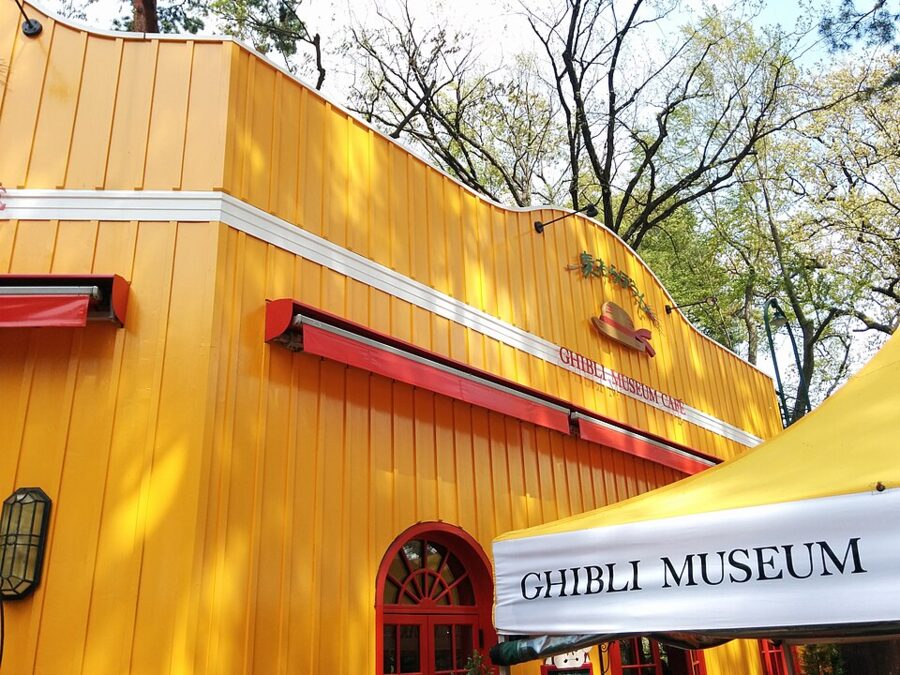

The cafe and the deck are the only places you may eat or drink on the grounds, and that includes food you brought; take your rubbish home.
The shop, Mamma Aiuto, is named after the sky pirates in Porco Rosso; the name is Italian for “Mama, help!” It sells the usual Studio Ghibli goods alongside items made only for the museum, and some of those are now sold in the museum’s online shop. The shop, the cafe and Tri Hawks take yen in cash, the main credit cards (JCB, Visa, Mastercard, American Express, Diners Club, UnionPay) and Japanese IC cards such as Suica.

The rules, starting with the camera
No photos or video inside the building. The museum’s reason, on its visitor rules page, is that it wants you to be the main character in the place rather than its cameraman, and to carry the memory home in your head. Photography was allowed in the first months after opening in October 2001 and has been banned since 2002.
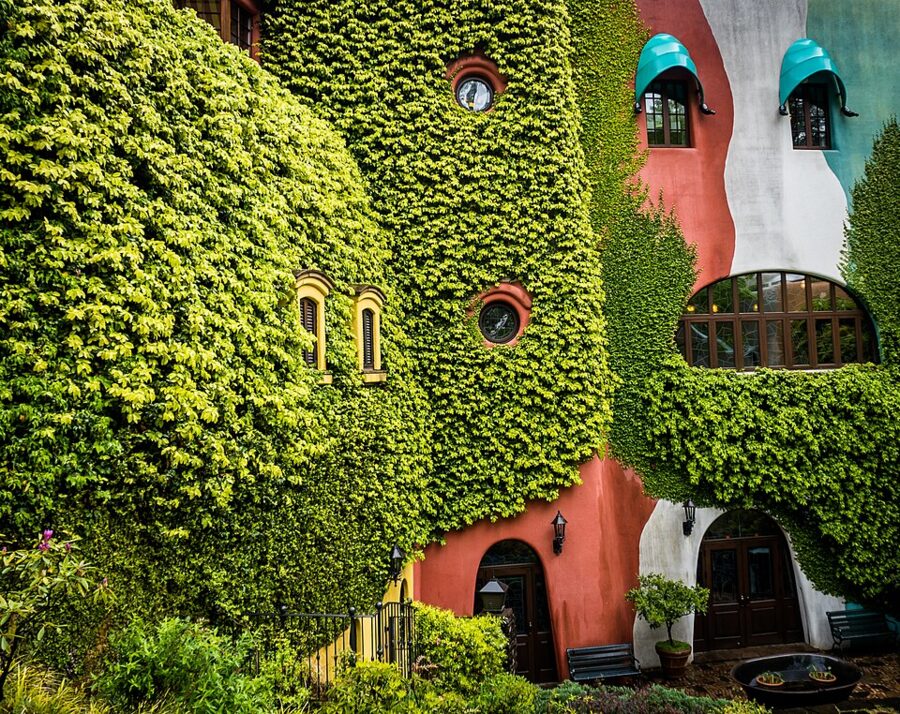

The rest are the rules of a small building that fills up.
- Phones off inside.
- Strollers stay in the stroller park outside.
- No smoking anywhere on the grounds, no pets except service dogs.
- Lockers: 96 coin lockers, free, taking a ¥100 coin you get back. Staff will take bags too big for them.
- The Cat Bus is for children of elementary school age and under (12 and under). Adults watch.
The museum closes every Tuesday. On top of that, the calendar for 2026 shows three longer breaks, which is the pattern year to year: about a week of maintenance in mid-May (May 12–19 in 2026), about two weeks in early November (November 4–18 in 2026), and the New Year break, about December 27 to January 2. A few Tuesdays in holiday weeks are open instead; August 11 and September 22 were in 2026. The dates change each fiscal year, so check the calendar before the 10th.
Going with children
Children under 4 go free and need no ticket, which also means they don’t count toward the six-ticket limit. Everyone from 4 up needs their own. At the gate, the museum hands each child their own film-strip ticket, and there is a step at the counter so even small ones can take it themselves.
The Cat Bus is the obvious draw for under-13s, and the Saturn Theater’s low benches were built for them. Every toilet on every floor has a changing table, and staff will open a nursing room on request. Strollers can’t come in, so carry a sling if your youngest won’t walk. There are two elevators running from the basement to the second floor and three free wheelchairs to borrow, but the roof is stairs only.
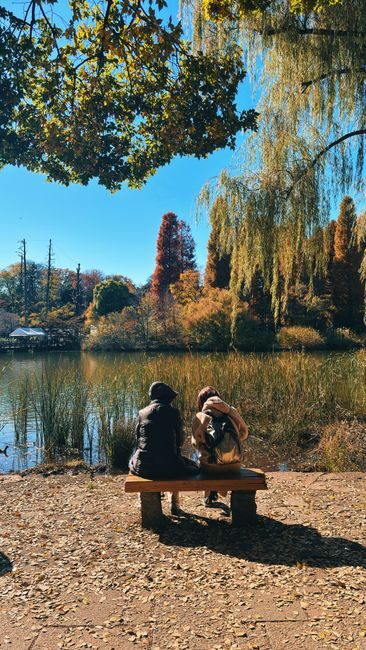
For the trip itself, the community bus from Mitaka charges children ¥50 on an IC card, and the walk through Inokashira Park suits small legs better than the canal path, with the pond and its boats on the way. Inokashira Park Zoo, a short walk away, is free for children of elementary school age and under and closes on Mondays, the day before the museum does.
Getting there from Shinjuku
Every route starts on the JR Chuo Line, the orange trains out of Shinjuku. Get off at Mitaka (JC12) for the canal walk or the bus, or one stop earlier at Kichijoji for the park walk. Kichijoji is about 15 minutes from Shinjuku and Mitaka about 20, and both cost ¥260, or ¥253 on an IC card, at the fares JR East set in its March 14, 2026, revision. The line is JR, so a Japan Rail Pass covers it, and the same trains run on west to Takao, where several of the day trips from Tokyo start.
| Route | From the station | Cost from the station |
|---|---|---|
| Mitaka, South Exit, walk along the Tamagawa Josui | About 15 minutes | Free |
| Mitaka, South Exit, community bus from stop 9 | About 5 minutes on the bus | ¥230 adults (cash or IC); children ¥120 cash, ¥50 IC |
| Kichijoji, Park Exit, walk through Inokashira Park | About 15 minutes | Free |
| Inokashira-koen Station (Keio Inokashira Line), walk | About 15 minutes | Free |
From a hotel in Shinjuku the ride is straight through with no change (the neighborhoods are compared in where to stay in Shinjuku). For how IC cards, fares and the Chuo Line fit together, see getting around Tokyo. The museum has no parking, so don’t drive; it does have room for about 100 bicycles.
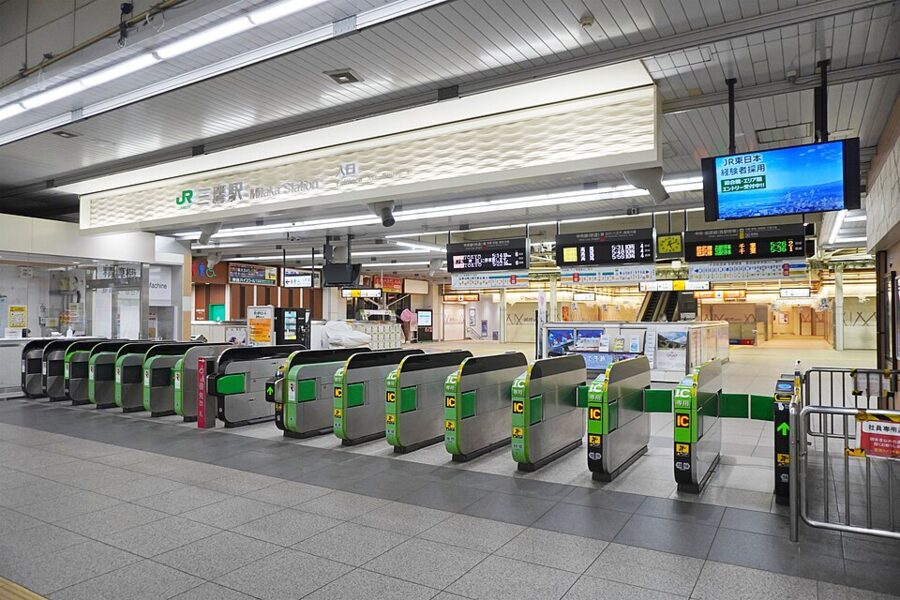

The walk along the Tamagawa Josui
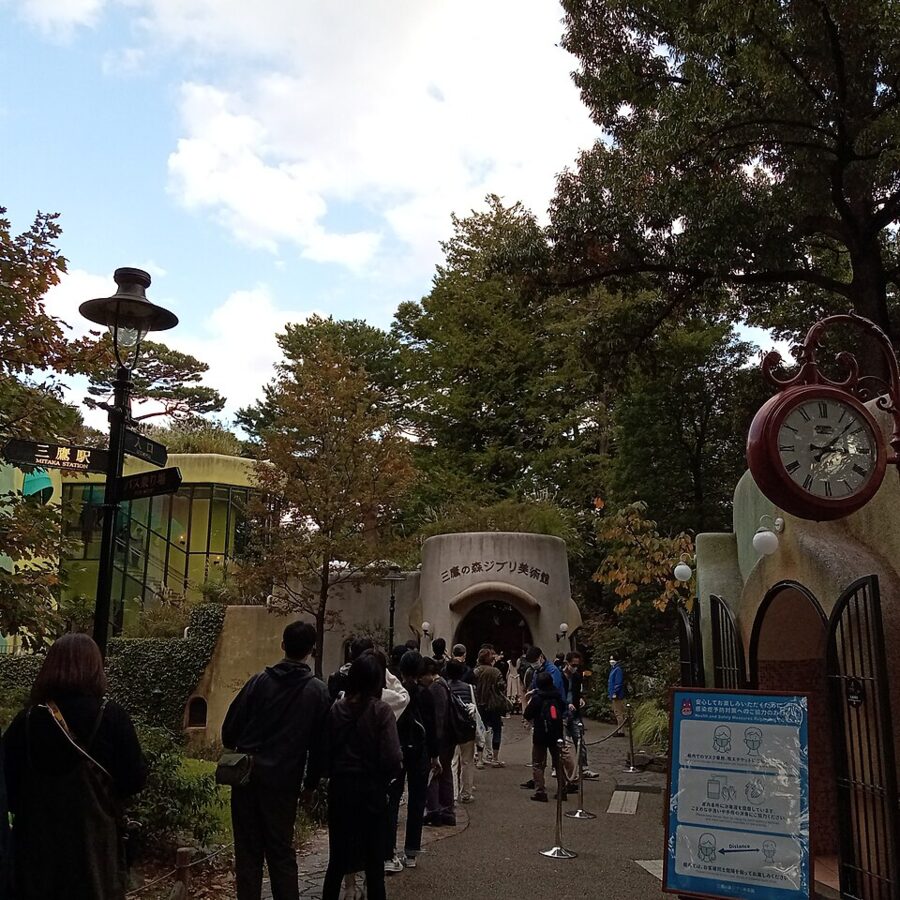
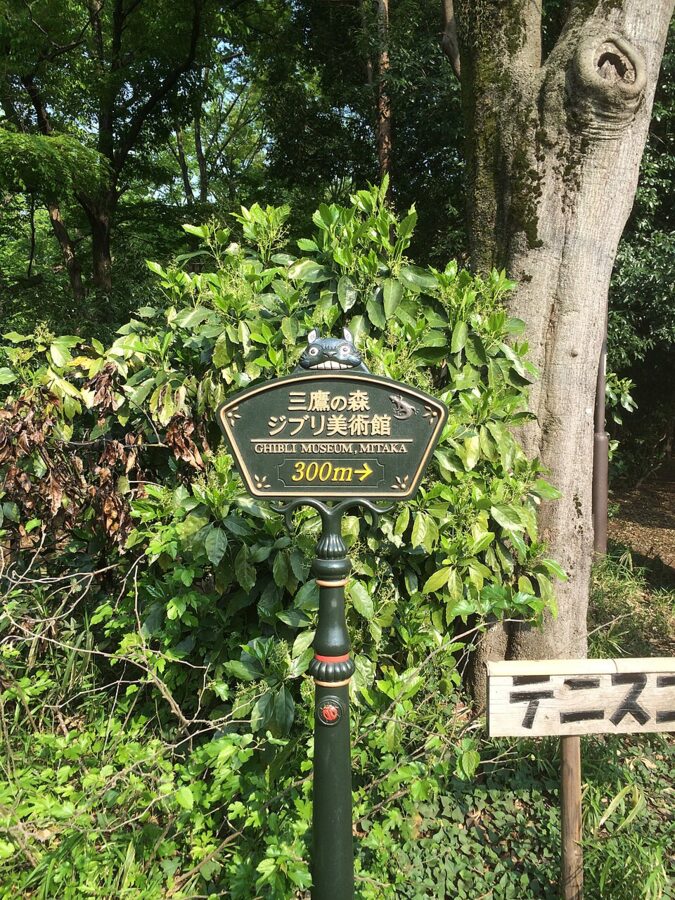
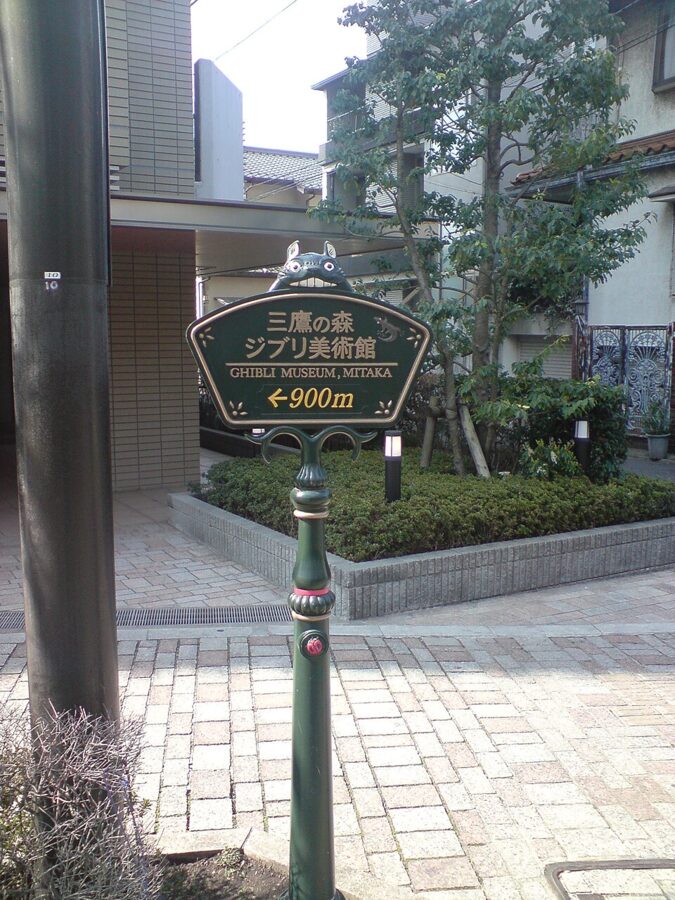
From Mitaka’s South Exit, the museum’s directions send you along the Tamagawa Josui (玉川上水), a tree-lined water channel dug in the Edo period to supply the city, for about 15 minutes. The path beside it is known locally as the Kaze no Sanpomichi (風の散歩道), the “wind walk.” Green posts with the distance to the museum stand along it.
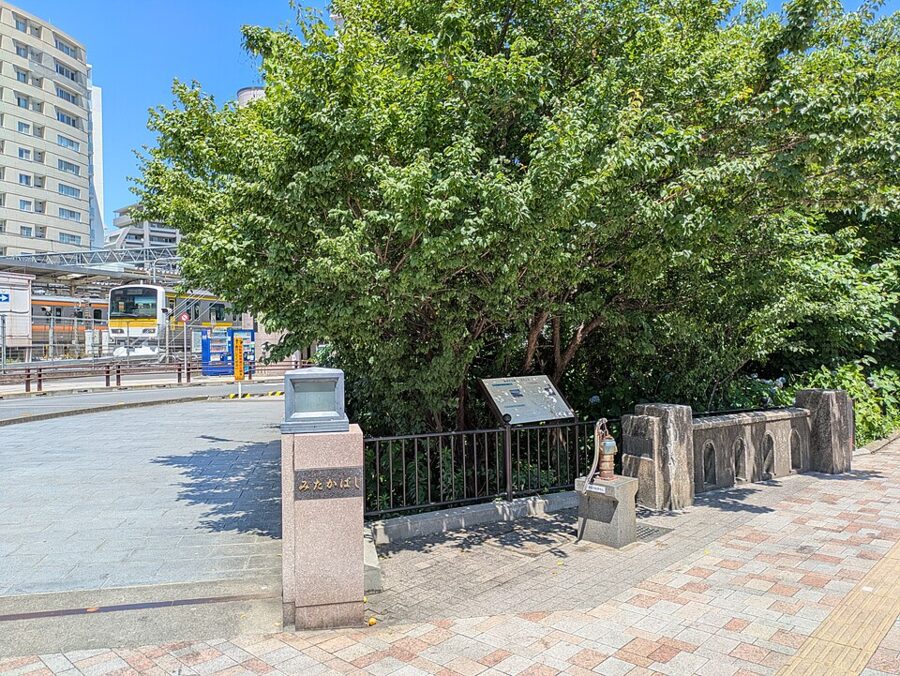

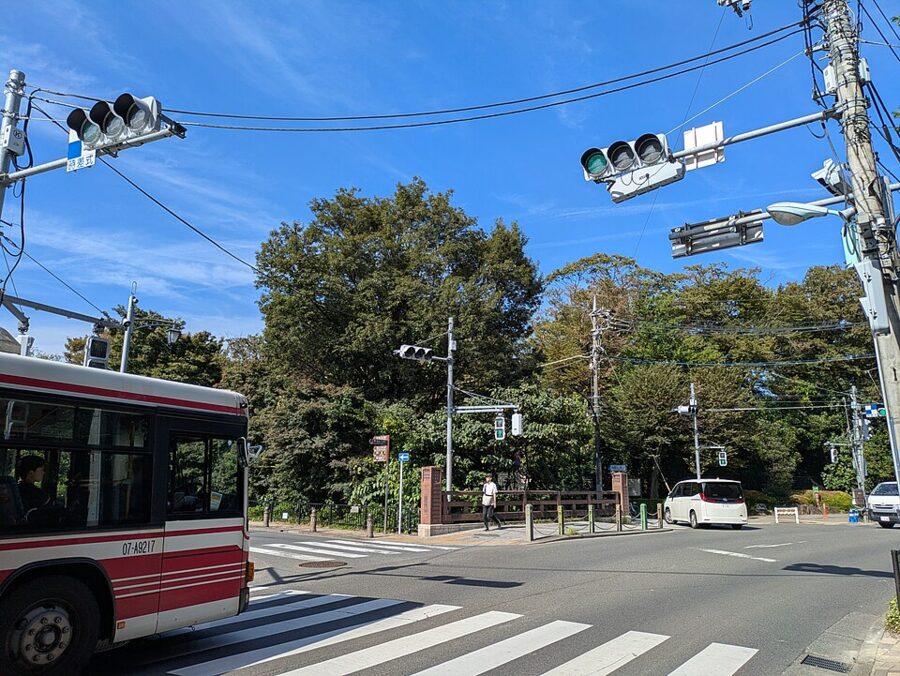
About halfway, beside the path, is the Western-style house of the Yuzo Yamamoto Memorial Museum (more on it below). The path comes out at Mansuke-bashi (万助橋), where Kichijoji-dori crosses the channel. Turn south along Kichijoji-dori and the museum is a few minutes on, in the trees of the park’s West Garden, with Totoro in his booth by the road.


The community bus
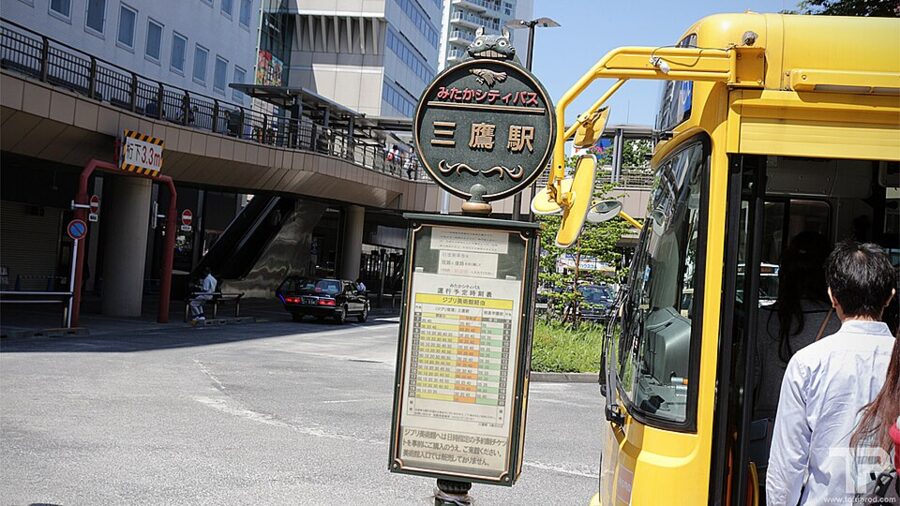
The Mitaka City Bus (みたかシティバス), run by Odakyu Bus, leaves from stop 9 at Mitaka’s South Exit, and the Ghibli Museum stop is about five minutes away. The museum’s English directions say a bus runs every 15 minutes while the museum is open; the Japanese timetable shows one every 10 minutes on the loop route from 09:00 until about 19:00, plus a second route twice an hour. Either way you won’t wait long.
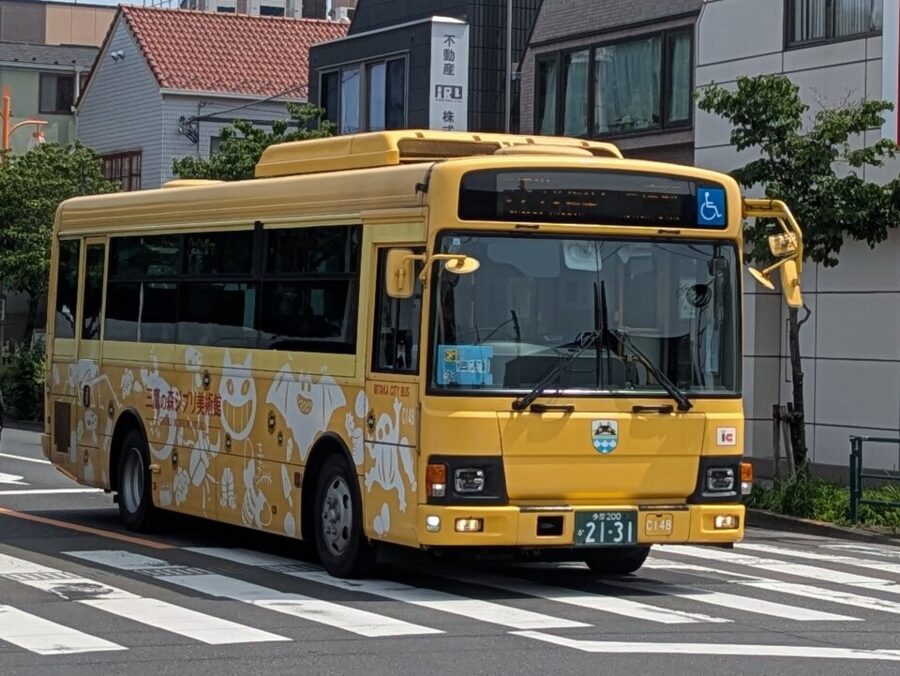

Adults pay ¥230 in cash or by IC card; children 7 to 12 pay ¥120 in cash or ¥50 by IC card. Those fares date from a revision on September 1, 2024, when the round-trip ticket for the museum route was also dropped. The loop route doesn’t run on days the museum is closed. Some of the buses wear a Ghibli-designed livery, and they all have space for one wheelchair.
My advice: take the bus out if you are running late for your slot, and walk back along the canal.

From Kichijoji, through Inokashira Park
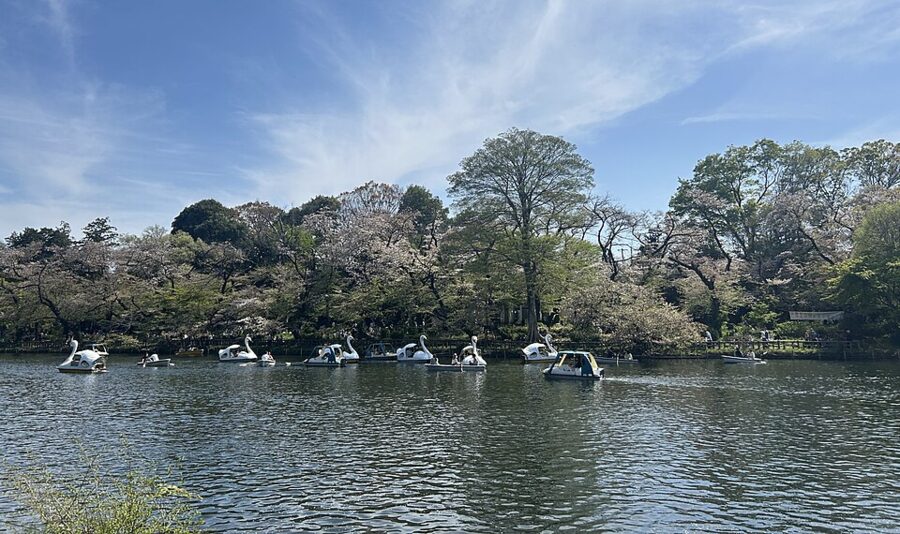
Kichijoji (吉祥寺) is one stop toward Shinjuku from Mitaka on the Chuo Line and the end of the Keio Inokashira Line from Shibuya. Take the Park Exit (公園口, the south side) and follow the street of shops downhill into Inokashira Park (井の頭恩賜公園). Cross the pond, keep west through the park and over Kichijoji-dori, and you are in the West Garden; the museum says about 15 minutes, and it is the better walk of the two.
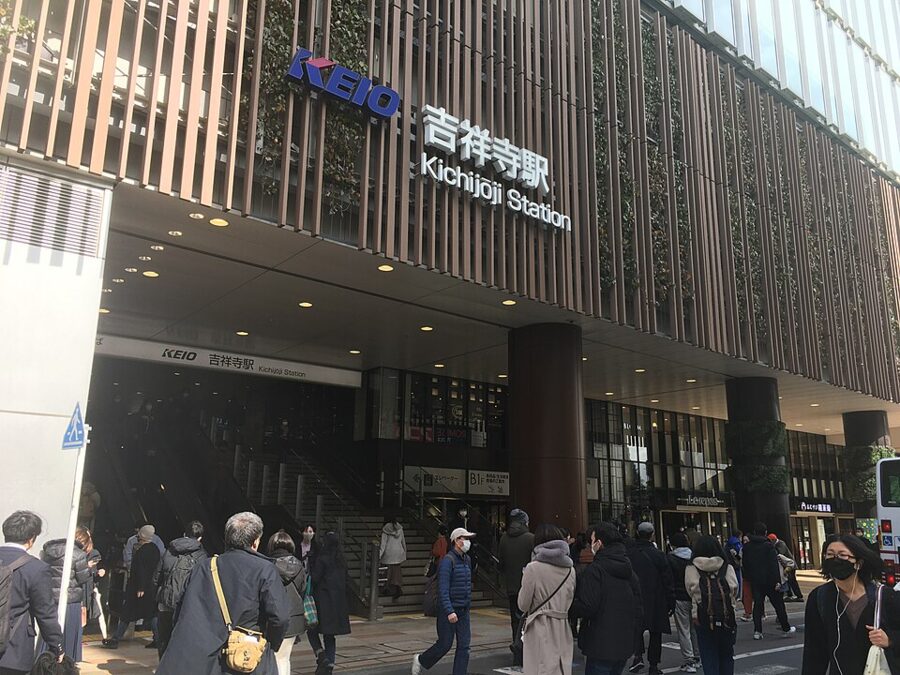

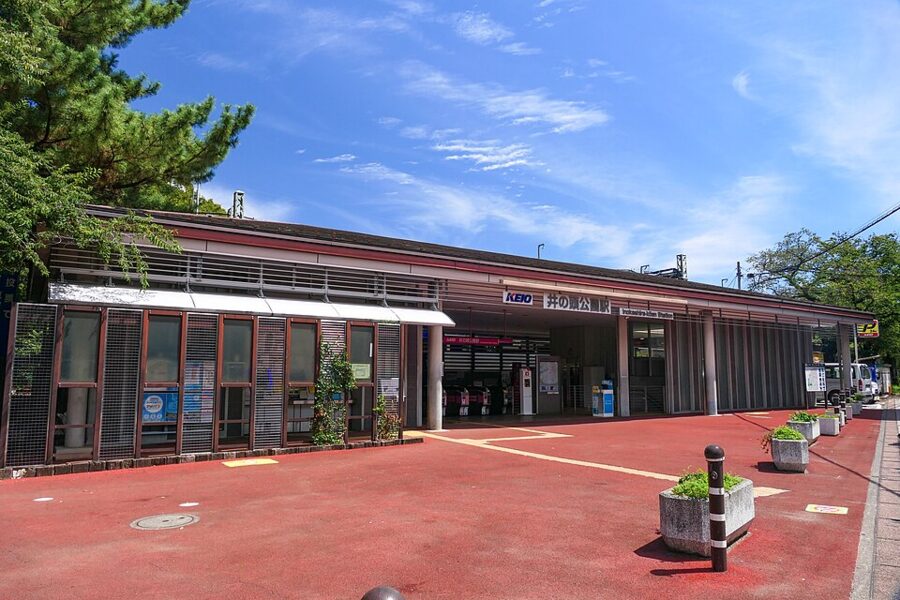
If you would rather ride, buses toward Chofu leave Kichijoji’s South Exit every two to five minutes; get off at Mansuke-bashi, the nearest stop to the museum. From Inokashira-koen Station on the Keio line, the park is a minute from the gate and the museum about 15 minutes on foot.



What else is near
The museum is a half-day at most, and the rest of the day is easy to fill without another train. Kichijoji is one of the smaller, slower Tokyo neighborhoods, worth a half day on its own.
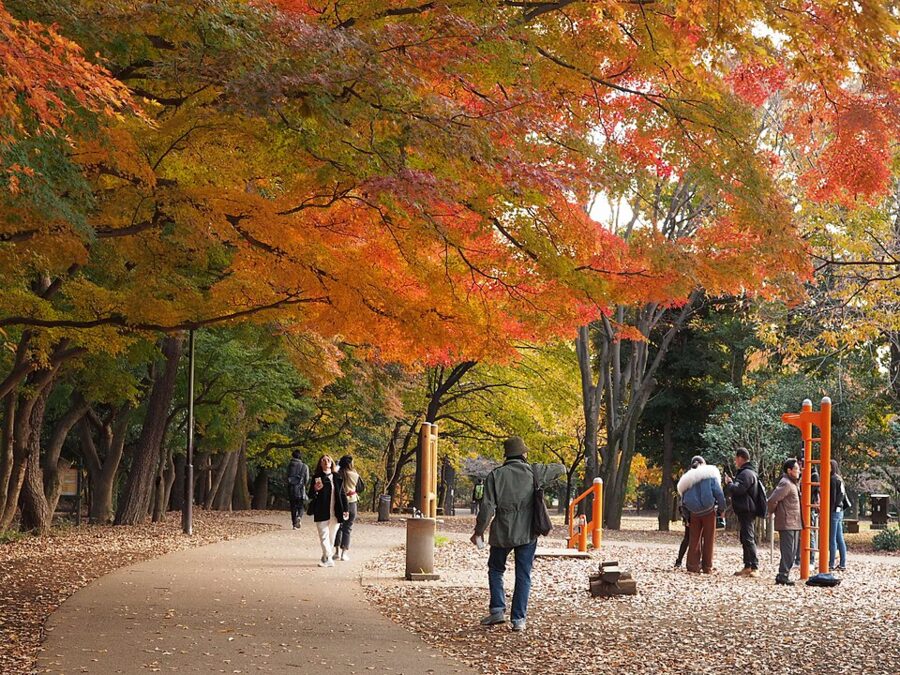
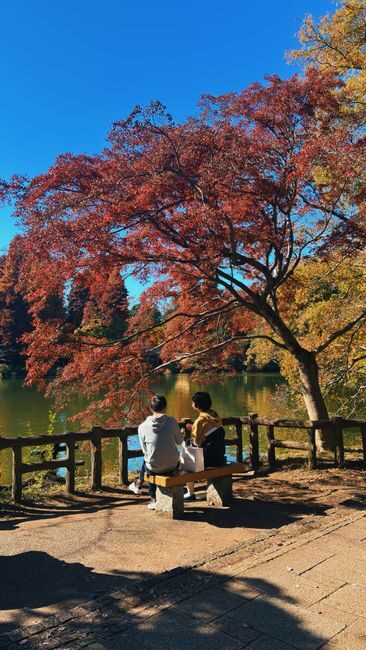
Inokashira Park. Opened in 1917 on what had been imperial land, the metropolitan park has four parts: the pond, the Gotenyama woods, the West Garden with its sports grounds and the museum, and a second park to the south. Entry is free.
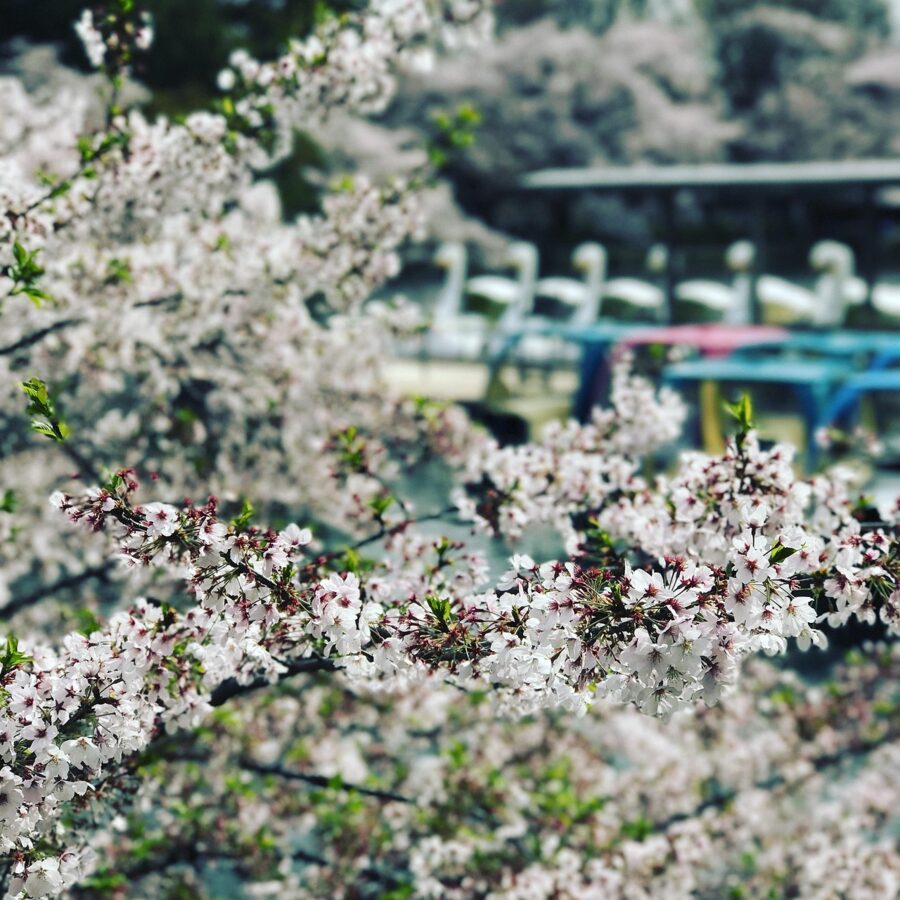
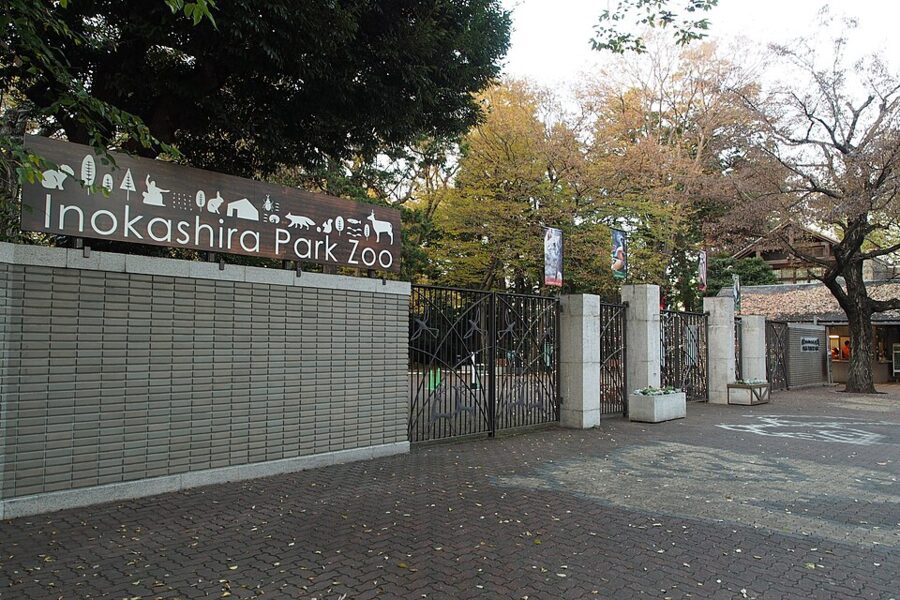
Inokashira Park Zoo. A small zoo and aquarium in two parts of the park, open 09:30–17:00 with last entry at 16:00, closed Mondays; admission is ¥400 for adults and free for elementary school children and under.

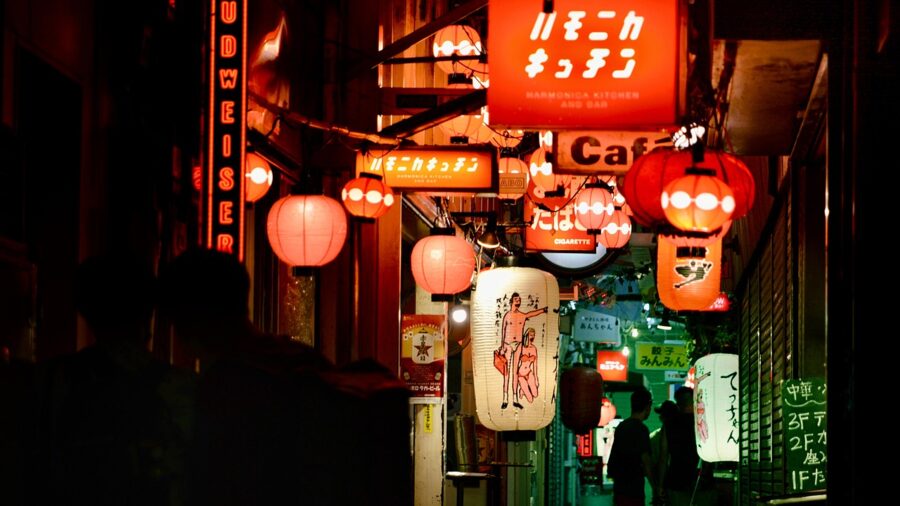
Kichijoji. The shopping streets north of the station, with the tight lanes of Harmonica Yokocho, a few minutes from the North Exit, for a drink after the museum closes.
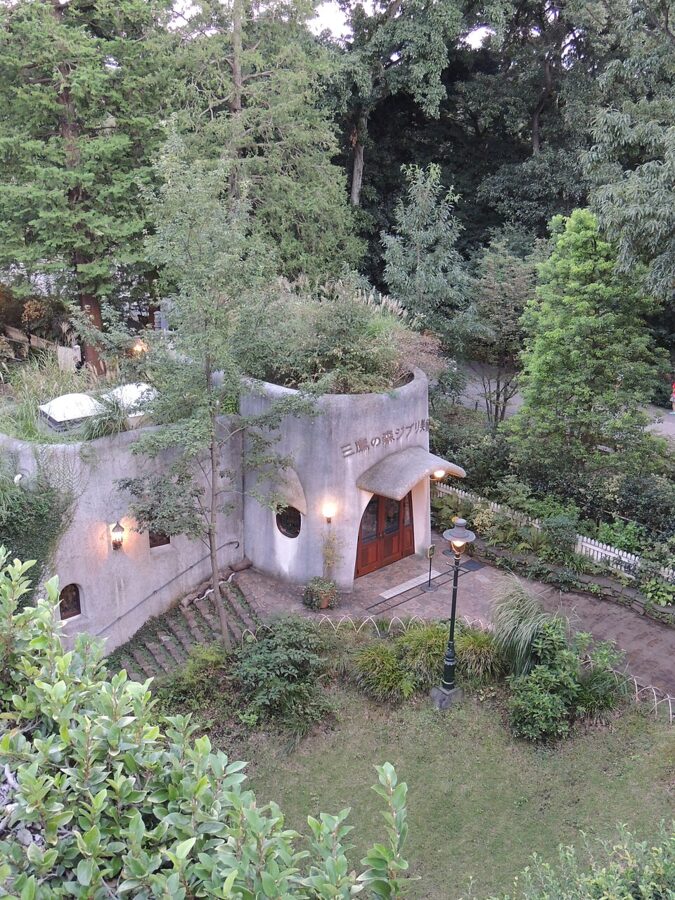
The Mitaka forest. The woods of the West Garden around the museum, which is what the “Mitaka no Mori” in its Japanese name refers to.
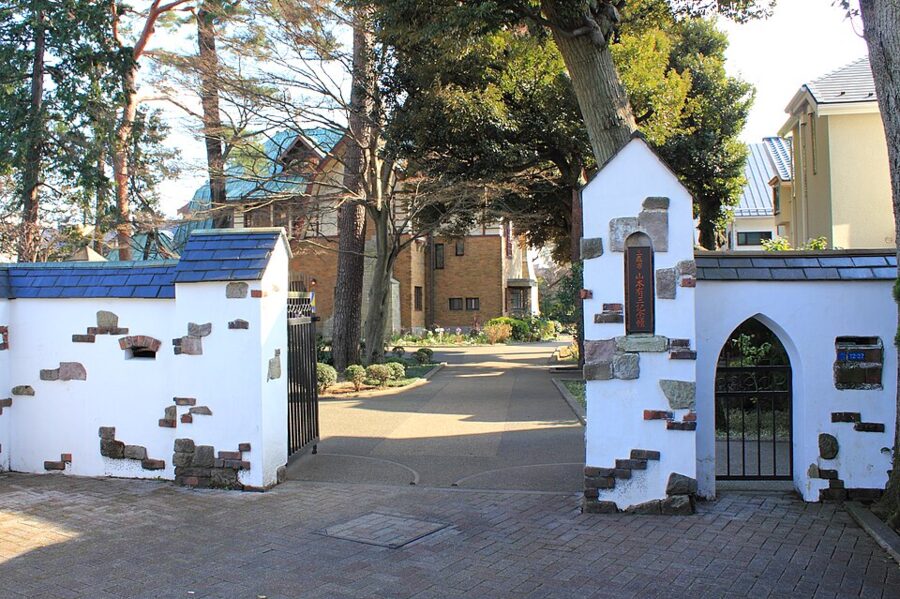
The Yuzo Yamamoto Memorial Museum. The 1920s Western-style house on the canal walk where the novelist Yuzo Yamamoto lived from 1936 to 1946; open 09:30–17:00, ¥300, closed Mondays.

Why it works this way
Reservation-only entry with a cap on numbers is unusual for a Japanese museum, and the reason is the building. The museum opened on October 1, 2001, on land in the park, designed from Miyazaki’s own cross-section sketches; it is officially the Mitaka City Animation Museum (三鷹市立アニメーション美術館), owned by the city and run by the Tokuma Memorial Cultural Foundation for Animation, which Mitaka set up with the publisher Tokuma Shoten and Nippon Television. Miyazaki’s own brief asked for a building that feels at home “especially when it’s not crowded,” and the ticket system is how it stays that way.
That capacity rule nearly broke it. The museum drew 580,000 visitors in the 2019 fiscal year; in the eleven months to February 2021, with long pandemic closures, it had 66,000. Mitaka set out to raise donations, including through the hometown-tax system, and in October 2021 the foundation signed a sponsorship deal with the Loewe Foundation. The museum marked its 25th anniversary on October 1, 2026, and its foundation was chaired by Goro Miyazaki as of September 2025, with Hayao Miyazaki still on the board.

One more thing to keep straight: the Ghibli Museum is not Ghibli Park. The park is a separate, much larger site near Nagoya in Aichi Prefecture, with its own tickets on a different sale day, and neither ticket works at the other.

So it comes back to the 10th. Work out what 10:00 in Tokyo is where you live, have three dates ready, and keep your passport on you when you go: the QR code gets you to the gate, and the name on the ticket gets you through it.