

For a day from Tokyo, go to Kawaguchiko (河口湖), the lake town on the north side of Mount Fuji (富士山), and go early. The Fuji Excursion limited express leaves Shinjuku at 07:30 and reaches Kawaguchiko at 09:28 for ¥4,200; the highway bus from Busta Shinjuku takes about 1 hour 45 minutes and costs ¥2,200. Either way, be on board by 08:00, because the mountain is clearest in the morning and often clouds over by lunch.
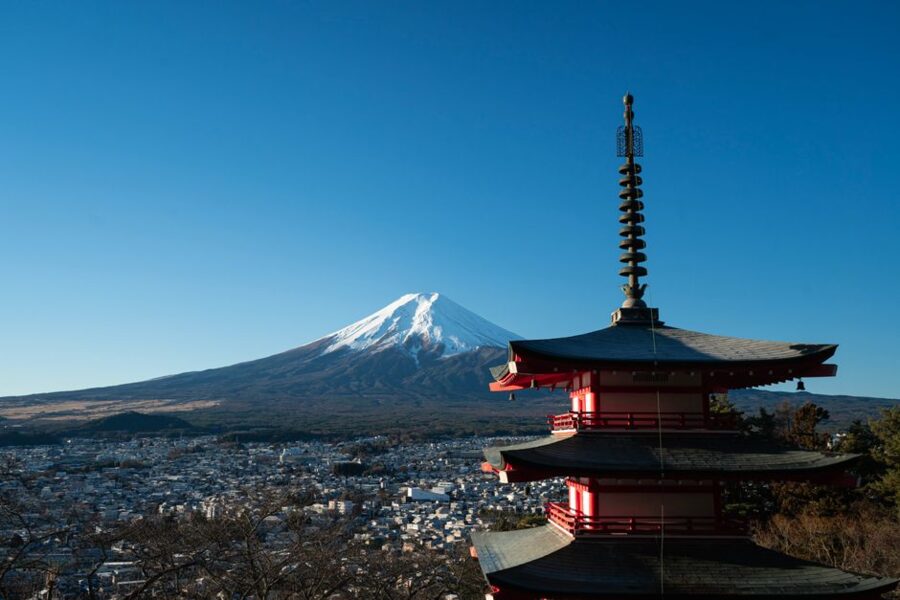
That is the whole plan for most people: the Chureito Pagoda view at Fujiyoshida, a loop of Lake Kawaguchi, and the train or bus home before dark. The fifth station, two-thirds of the way up the mountain, is a separate half day, and the bus up runs only on the days the road is open. Climbing the mountain is a summer-only project with its own rules, fees and booking systems. They come further down.
The overnight case in one line: stay on the lake if you want the dawn view, a hot spring and a second shot at the mountain if the first day is cloudy.

Seeing Fuji from Tokyo itself
Mount Fuji is about 100 km west-southwest of central Tokyo, and on a clear winter morning it shows from any tall building facing that way. The cheapest view is free: the observation decks on the 45th floor of the Tokyo Metropolitan Government Building in Shinjuku, 202 m up, with no admission charge. The South Observatory is open 09:30–22:00 and closes on the first and third Tuesday of each month; the North Observatory closes at 17:30 and takes the second and fourth Mondays off. The metropolitan government itself says December to February, when the air is cold and dry, gives the most days with Fuji in view.
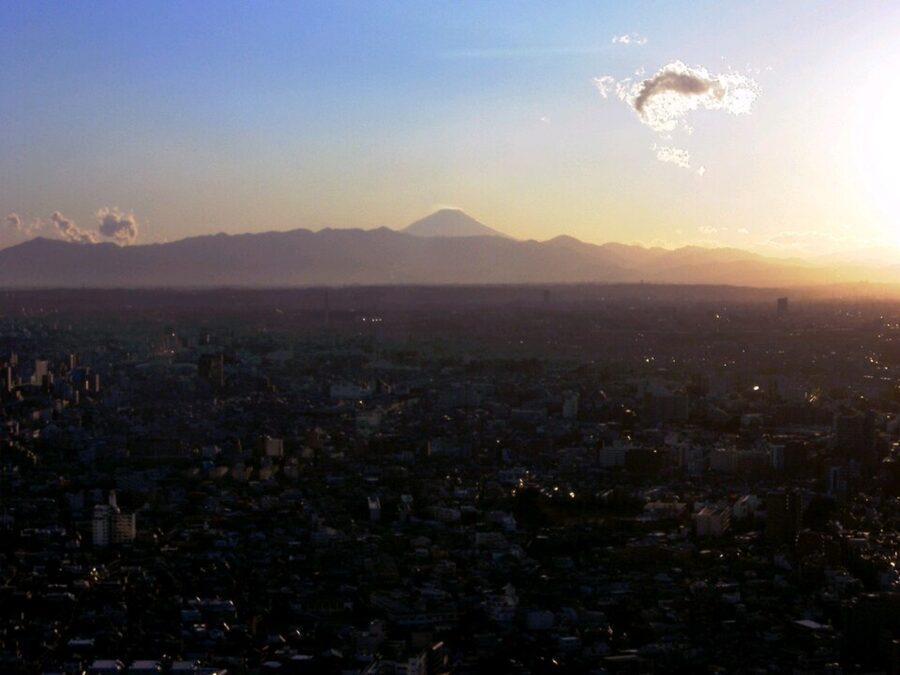

The paid decks earn their price on the same mornings and not otherwise. Tokyo Skytree is the tallest and puts the whole western plain between you and the summit; Tokyo Tower is closer to the center and open later. The full comparison of the city’s decks, prices and hours is in things to do in Tokyo. My rule is simple: if you can’t see the mountain from the street at 09:00, don’t pay to look for it from 350 m.
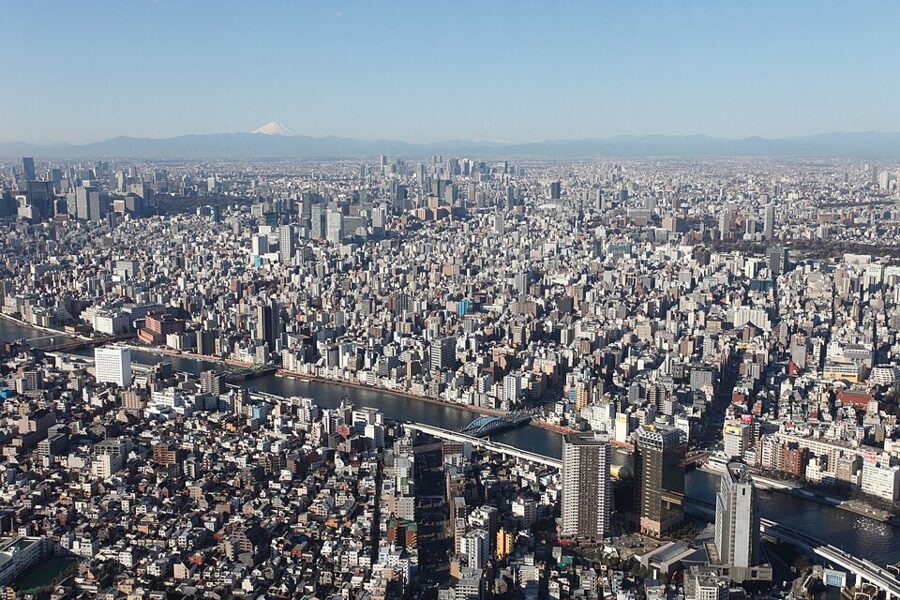

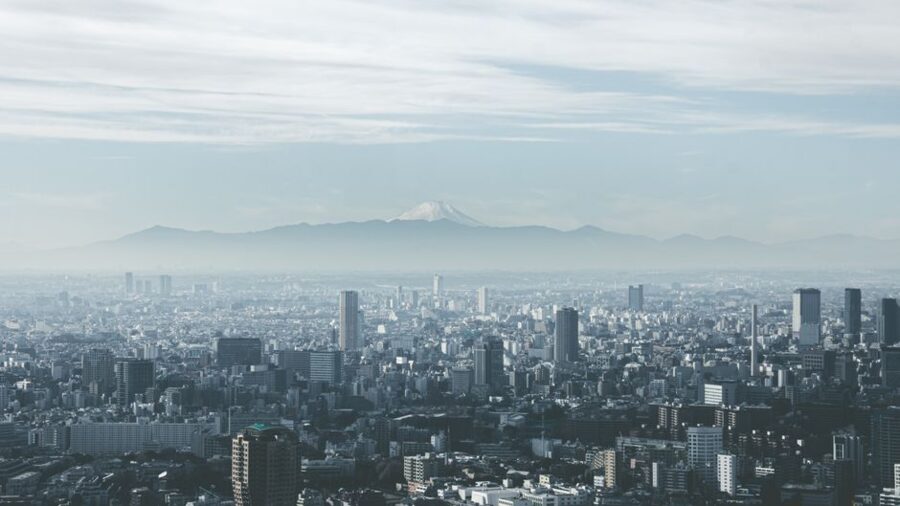
The month-by-month picture of Tokyo’s sky, including how many hours of sun each month gets, is in the Tokyo weather guide. For seeing Fuji, the short version is that December, January and February are worth an early start and June to September mostly are not.
Getting to the north side: bus or Fuji Excursion
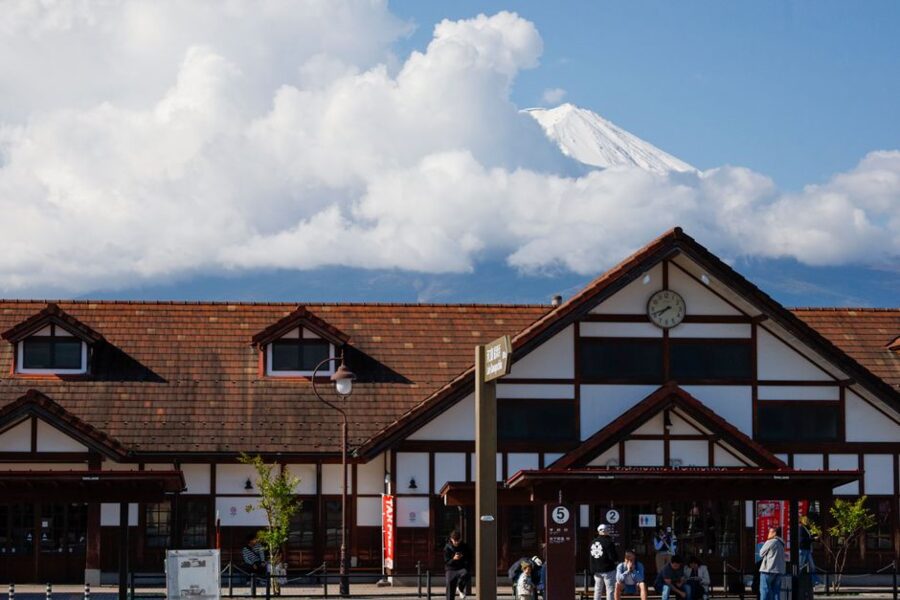
Kawaguchiko Station is the gateway to the Fuji Five Lakes (富士五湖), and two services run there from Shinjuku without a change. The highway bus is cheaper and goes more often; the train is more comfortable, avoids expressway traffic, and runs only four times a day each way, plus a seasonal fifth.
The highway bus from Busta Shinjuku
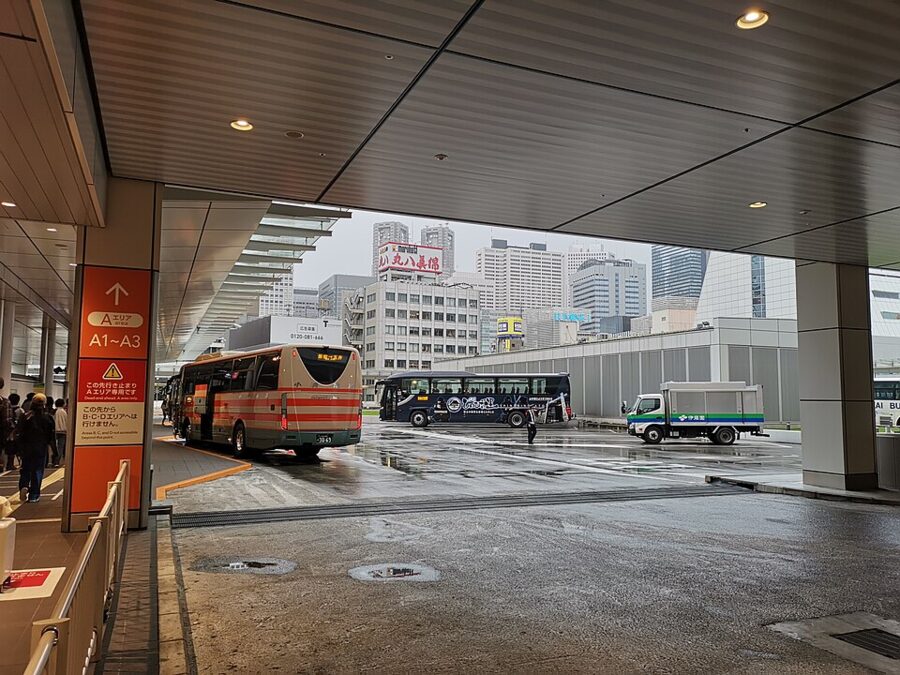
Buses leave from the fourth floor of Busta Shinjuku (バスタ新宿), the expressway terminal on top of the JR New South Exit. The fare to Kawaguchiko Station is ¥2,200 for adults and ¥1,100 for children, and the ride takes about 1 hour 45 minutes; the same coaches stop at Fuji-Q Highland a few minutes earlier, and many also stop at Shimoyoshida, which is the stop for the pagoda. Some runs leave from the Shibuya Mark City terminal instead, for ¥2,300 and about 2 hours 30 minutes. Seats are reserved, and weekend mornings can sell out.
The booking changed on October 1, 2026, and it catches people out. The line is run jointly by Keio and Fujikyu, and from that date Fujikyu’s own buses are sold on Fujikyu’s Fujiyama Connect site, while Keio’s stay on Keio’s Highway Bus site. Both sites show every departure, the fare did not change, and a booking can’t be moved from one site to the other without cancelling and paying the cancellation fee. Check which operator your bus belongs to before you try to change it.

If you’d rather sleep near the departure point, the where to stay in Tokyo guide covers the hotels around Shinjuku Station, which is the right base for any of these early starts.
The Fuji Excursion and the Fujikyu line
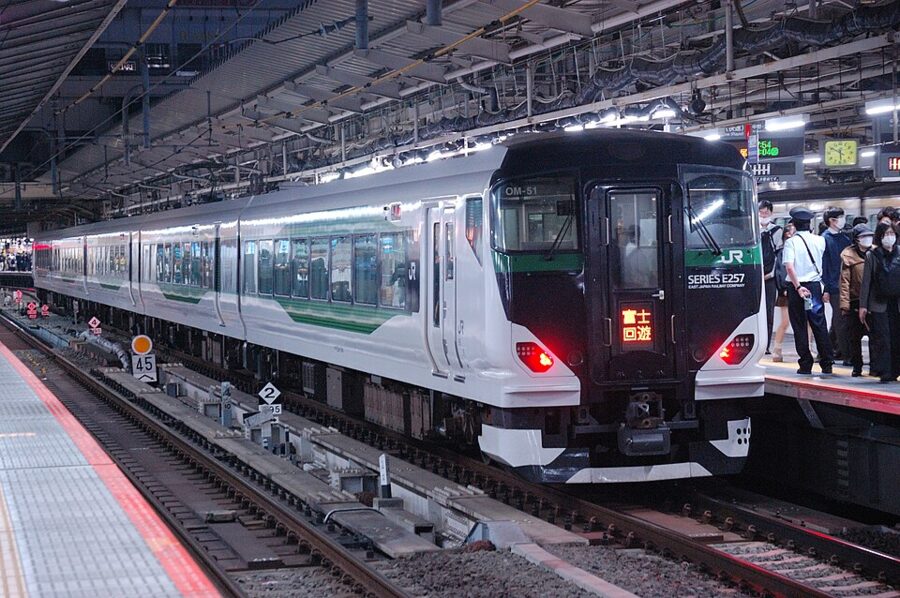
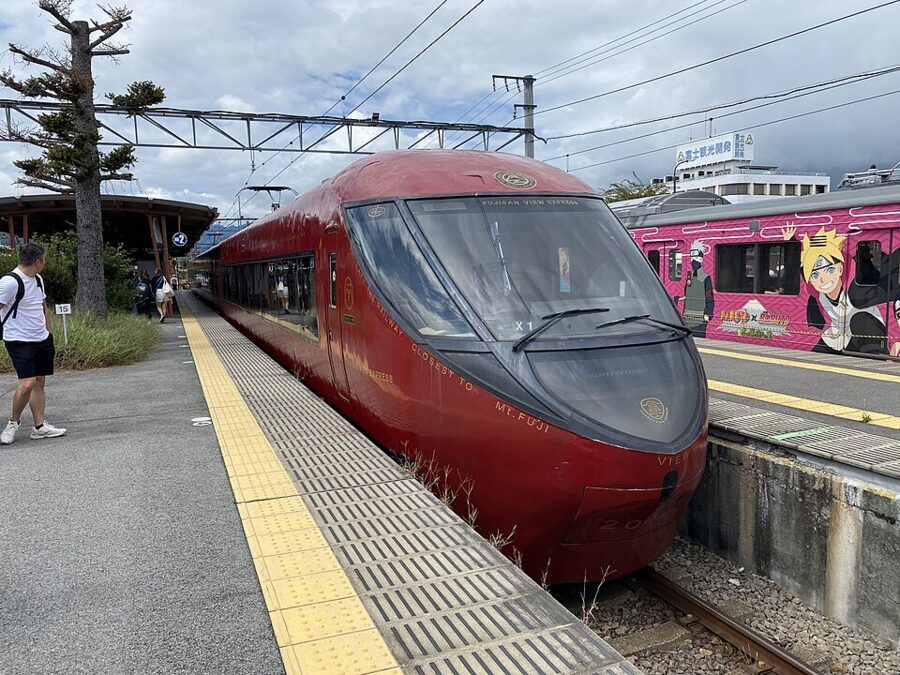
The Fuji Excursion (富士回遊) runs from Shinjuku through Otsuki and straight onto the Fujikyu line to Kawaguchiko. On the timetable in force since March 14, 2026, the down trains leave Shinjuku at 07:30, 08:30, 09:30 and 10:30, reaching Kawaguchiko at 09:28, 10:26, 11:28 and 12:24. The return trains leave Kawaguchiko at 14:08, 14:58, 16:48 and 17:41 and reach Shinjuku between 16:06 and 19:48. The fare to Kawaguchiko is ¥4,200: a ¥2,580 ticket and a ¥1,620 limited express charge; to Shimoyoshida it is ¥4,010.
There are no unreserved cars. Seats go on sale one month ahead at 10:00, and when the reserved seats are gone you can still buy a “seat-unspecified” ticket for the train and stand or take a free seat. Between Shinjuku and Otsuki the train runs coupled to a Kaiji or Azusa express, so board the car printed on the ticket. Extra seasonal runs are added in some quieter months, so check the timetable for your date.

The slower alternative is any JR Chuo Line train to Otsuki, about 90 minutes from Shinjuku, and the Fujikyu line from there. The Fujikyu ticket fare from Otsuki is ¥1,170 to Kawaguchiko and ¥980 to Shimoyoshida, slightly less by IC card. That route makes sense if you hold a pass that covers JR to Otsuki; for card and pass questions in general, see getting around Tokyo.
Verdict: bus out, train back. The bus is half the price and as fast when the expressway is clear. The train is the one to have in your pocket for the return on a Sunday or a holiday, when the bus can sit in traffic on the Chuo Expressway.
Kawaguchiko and the Fuji Five Lakes
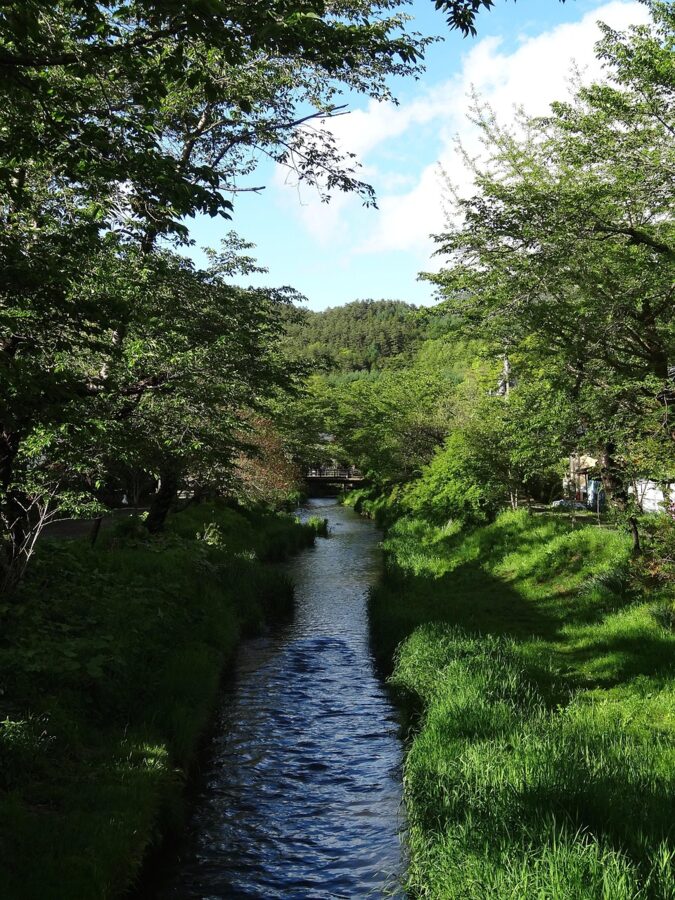
Lake Kawaguchi is the most developed of the five lakes and the one with the classic view across water. The north shore faces the mountain directly; the south shore, where the station is, has the hotels, the ropeway and the boats. The other four lakes, Saiko, Shojiko, Motosuko and Yamanakako, are quieter and further out, and only worth the bus time if you are staying.
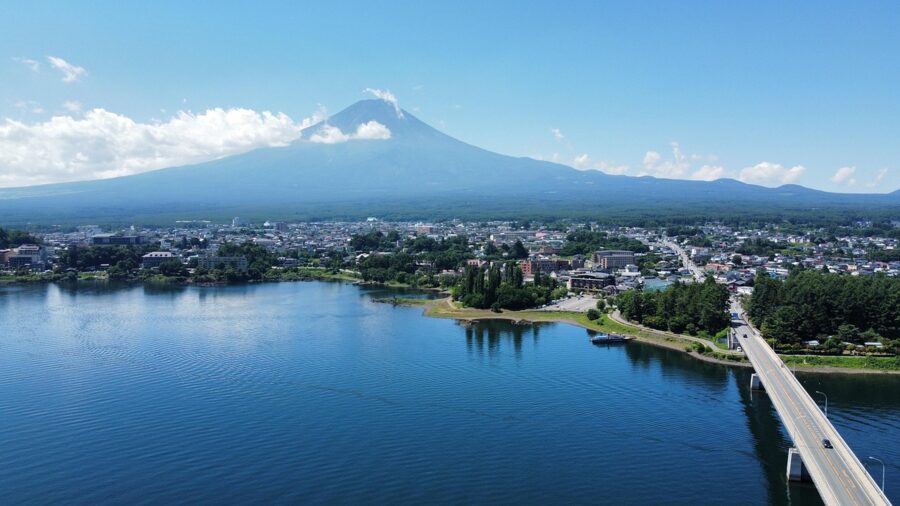
Getting around the lake without a car means Fujikyu’s three sightseeing loops from Kawaguchiko Station. The Red Line circles the north shore past Oishi Park and the Kawaguchiko Music Forest; the Green Line runs west to Lake Saiko, the Nenba thatched village and the Narusawa Ice Cave; the Blue Line goes out to Lake Shoji and Lake Motosu. A single ride starts at ¥180, and a pass covering all three costs ¥1,500 for one day or ¥2,000 for two. No reservations: buy the pass at the station bus window, open 06:30–19:00, or online, and expect to stand in a line for the bus in any busy season.
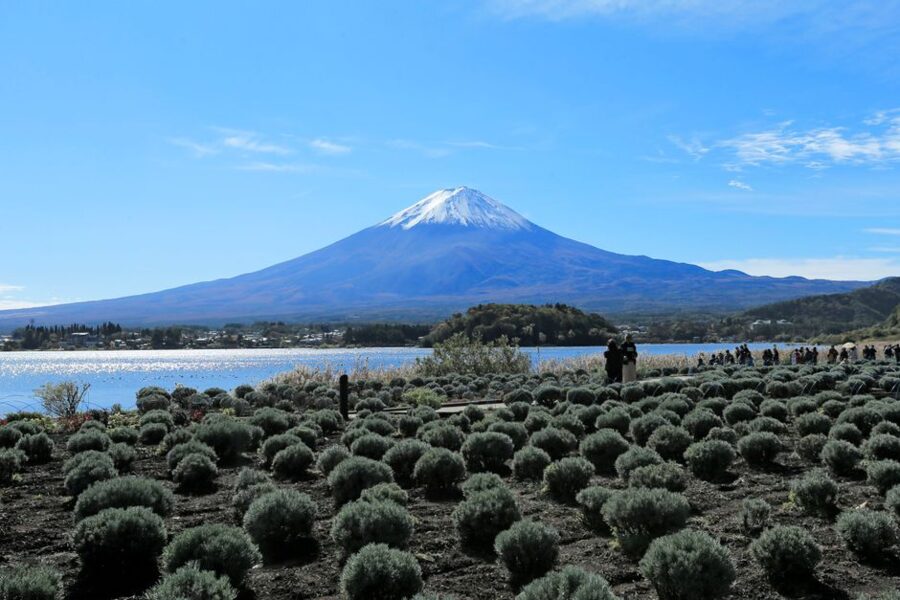
The north shore at Oishi Park is the place for the lake-and-mountain view. The town ended the Kawaguchiko Herb Festival as an organized event after the 2025 season, but the lavender at Oishi Park and Yagisaki Park is still there to look at in early summer. Tour buses now drop people at a temporary lot nearby rather than at the park.
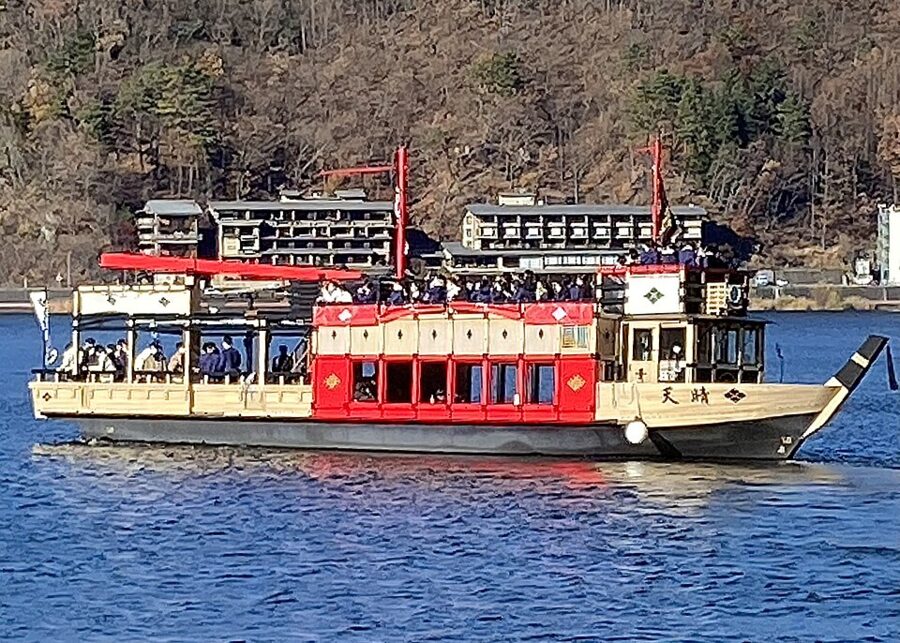
The Mt. Fuji Panoramic Ropeway climbs from the lakeshore to an observation area at 1,075 m in about three minutes. Get off the Red Line at the “遊覧船・ロープウェイ入口” stop, for the boats and the ropeway, and walk about three minutes. The ropeway and the Appare sightseeing boat share the same corner of the lake, and I’d do the ropeway first on a clear morning and leave the boat for later, when the view no longer depends on it.

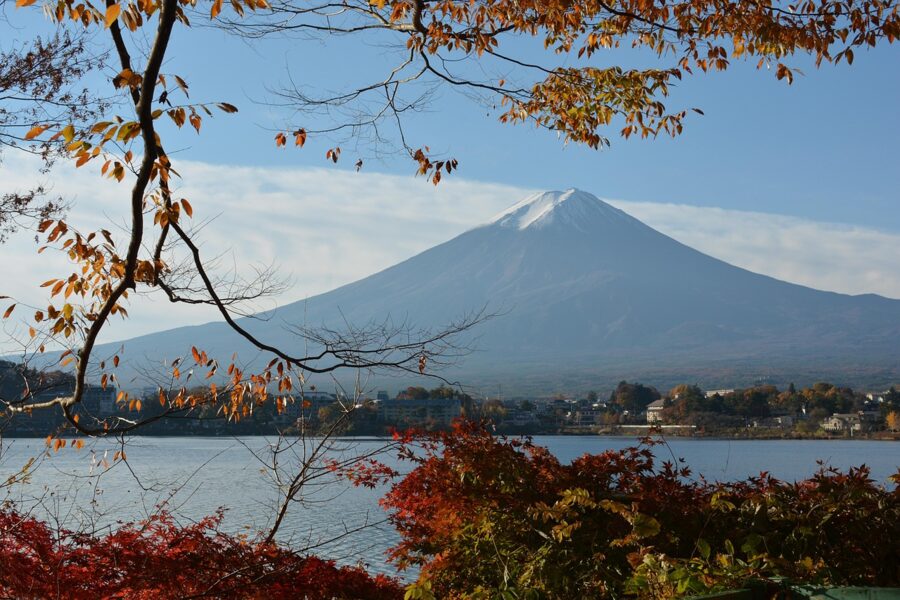
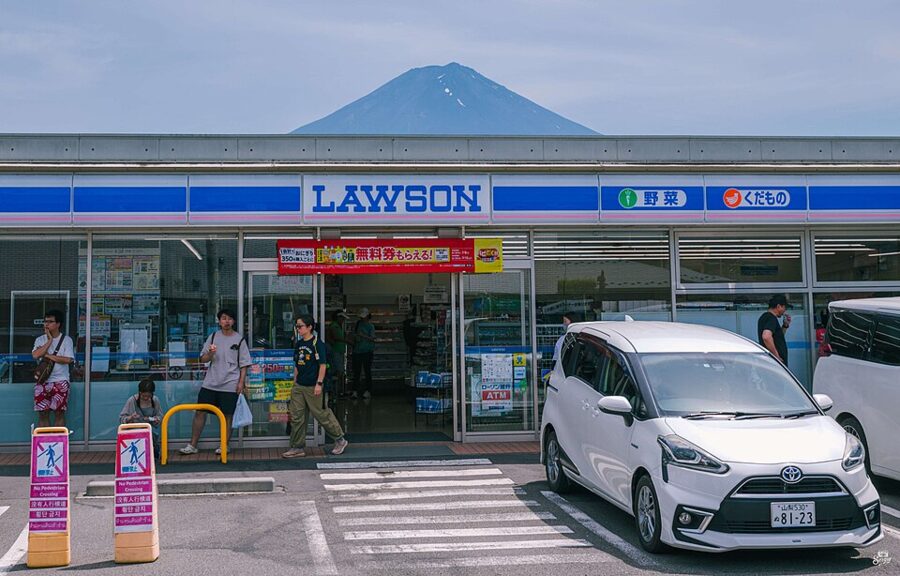
Kawaguchiko is where the crowd problem became a news story. In May 2024 the town put up a black screen in front of the Lawson convenience store near Kawaguchiko Station, where people were stepping into the road to photograph the mountain rising above the shop roof, and its explanation page gives the reason plainly: traffic accidents. The town has since printed a photo-spot brochure and manners posters in several languages. The shot is not worth the risk; the bridge and the north shore give a better one.

One change is dated and coming. From April 1, 2027, Fujikawaguchiko will charge an accommodation tax of ¥200 per person per night, collected by the hotel or inn on top of the room rate. It applies to everyone who pays for a room in the town, whatever their age, with school trips exempt.
Fujiyoshida and the Chureito Pagoda
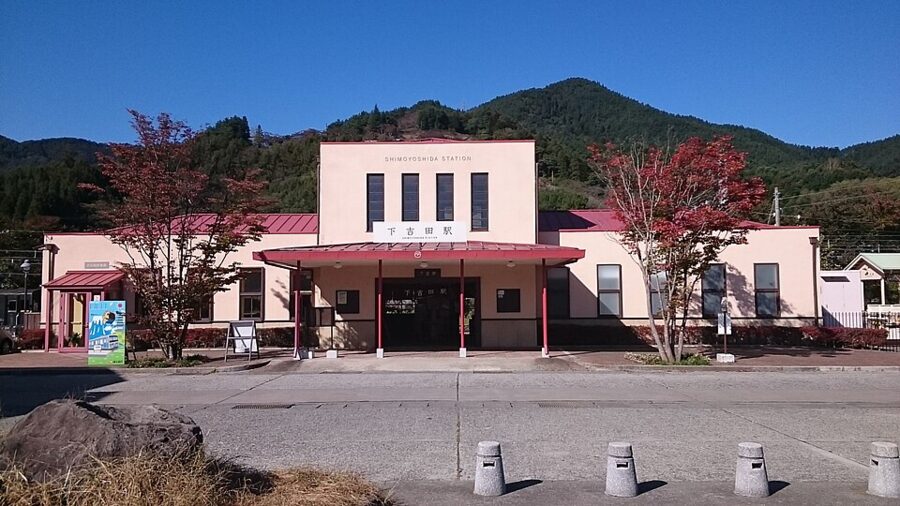
The five-story pagoda with Fuji behind it stands in Arakurayama Sengen Park (新倉山浅間公園), on the hillside above Fujiyoshida. Get off the Fujikyu line at Shimoyoshida (下吉田), two stops before Kawaguchiko on the Fuji Excursion and the local trains alike. The city’s tourism office puts the walk to the pagoda at about 25 minutes, and the railway says about 30; the last part is 398 steps up to a viewing deck that reopened after renovation on February 1, 2022.

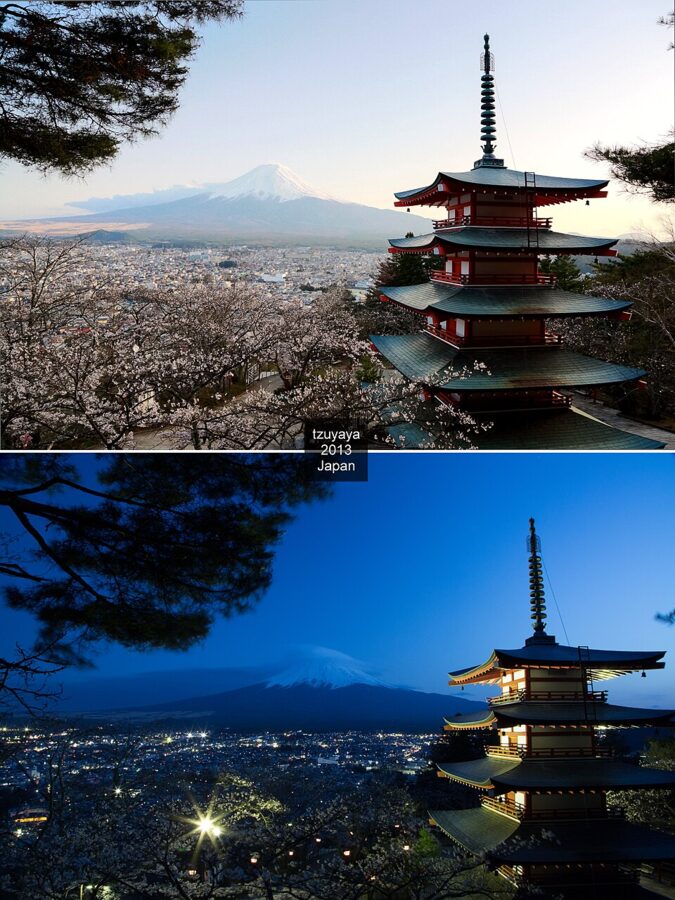

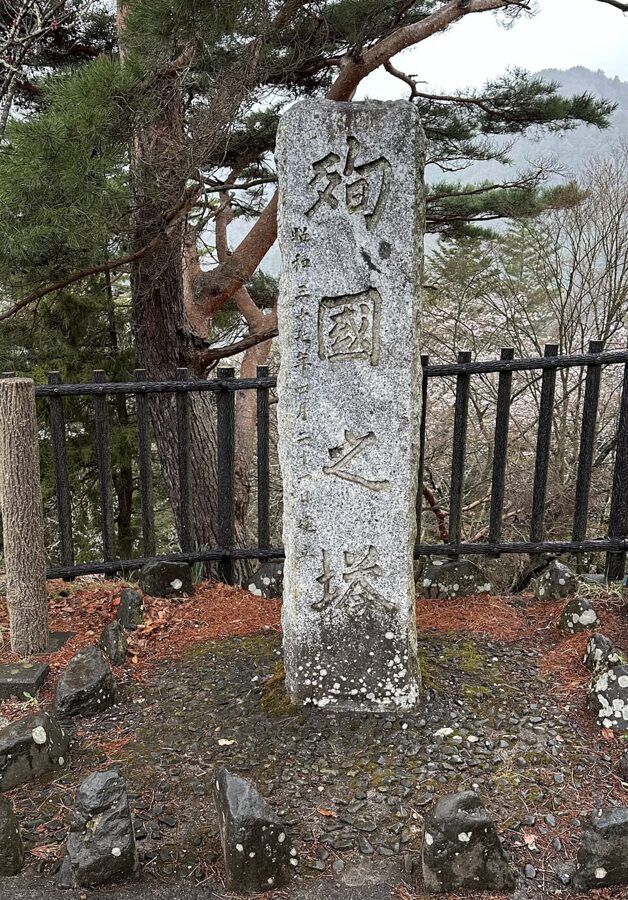
The pagoda is the Chureito (忠霊塔), the city’s war memorial, so treat it accordingly. Fujiyoshida has had to manage the crowds as well: since April 1, 2025, the four city parking lots around the park charge ¥1,000 or ¥1,500 per six hours, explicitly to pay for traffic marshals and litter collection. The lot nearest the park closes during the spring traffic controls, and the tourism office asks drivers not to take cars up to the plaza in front of the pagoda at all. Cherry blossom season in mid-April is the peak; a weekday in November, or any clear morning in winter, is calmer and usually clearer.

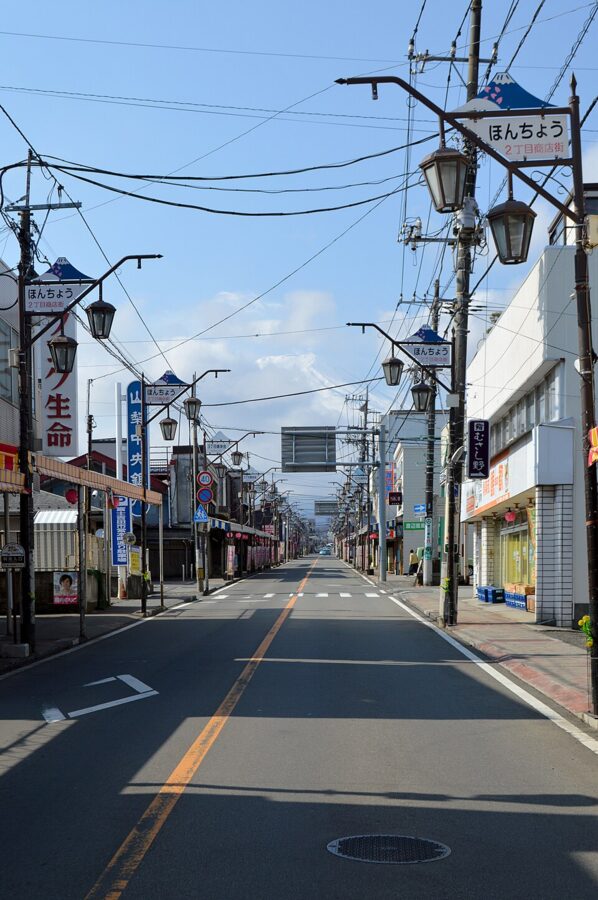
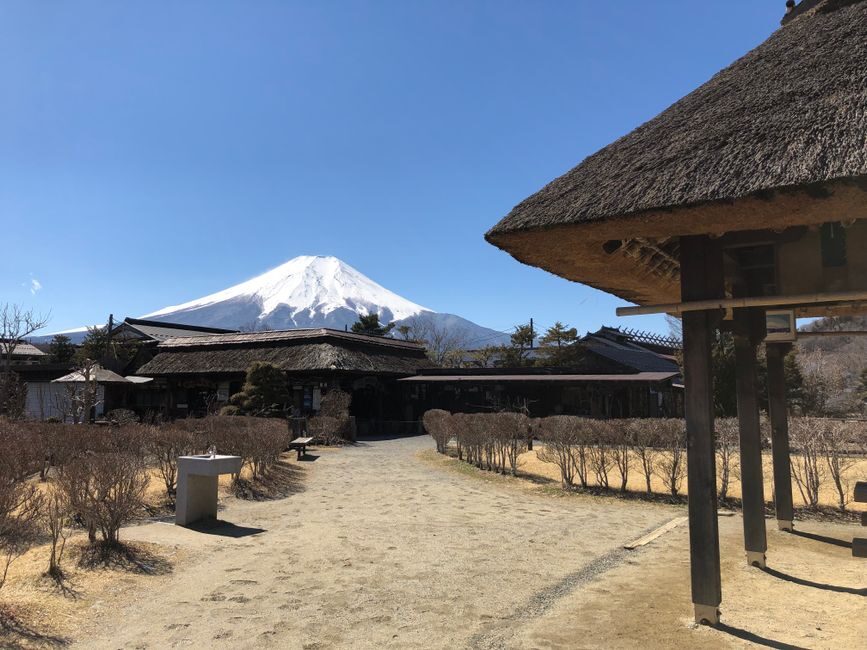
Down in town, Honcho Street, the old main road through Shimoyoshida, runs straight at the mountain and has become a photo spot in its own right. The tourism office’s request is short: stay off the roadway, and keep your voice down, because people live there. The shops along it are worth a slower look than the photo, and the city’s own guide to the street lists cafes and souvenir shops in old shopfronts.
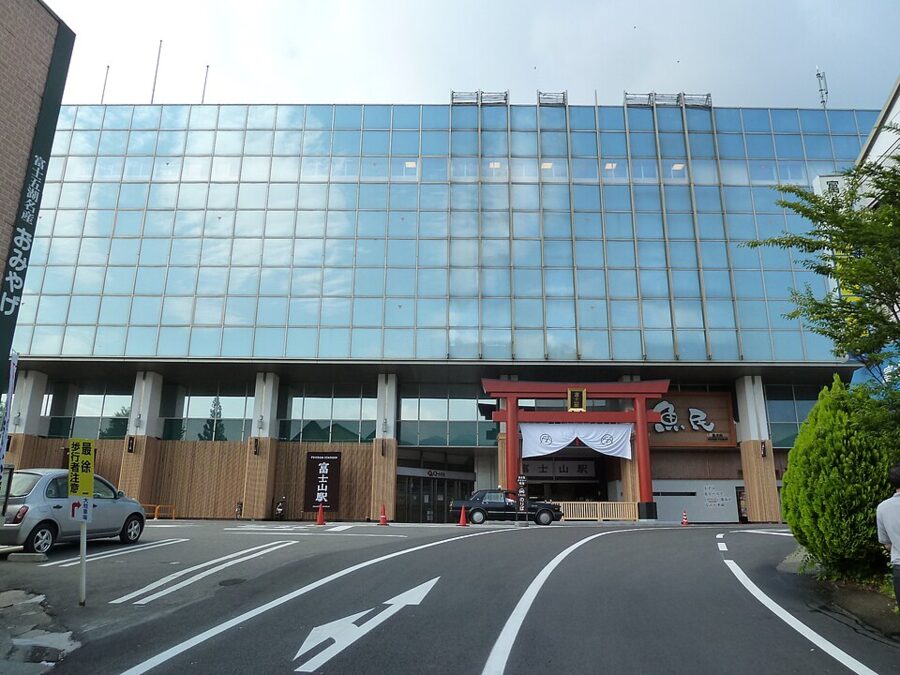
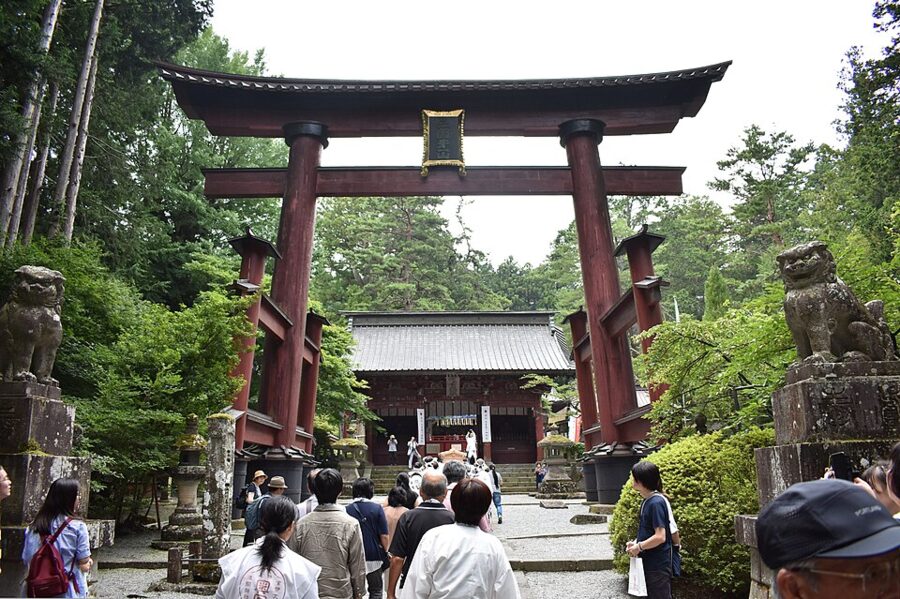
Two more stops are worth knowing. Fujisan Station, one stop before Kawaguchiko, has a roof terrace that reopened on April 29, 2025 as the FUJISAN ROOFTOP TERRACE, open 08:30–19:45; it is a free view while you wait for a train. A short bus or taxi ride from Fujisan Station, the Kitaguchi Hongu Fuji Sengen Shrine (北口本宮冨士浅間神社) is where the old Yoshida climbing route began, under a cedar avenue and a huge wooden torii.


Oshino Hakkai
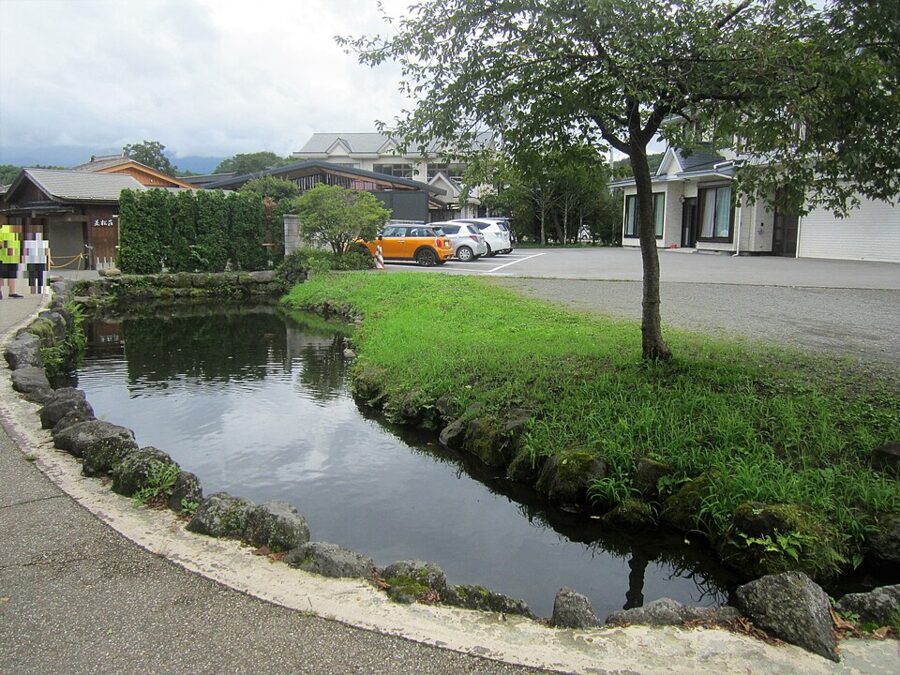
Oshino Hakkai (忍野八海) is a set of eight spring-fed ponds in the farming village of Oshino, east of Fujiyoshida, filled by snowmelt from Mount Fuji that has filtered down through the lava. The ponds are a natural monument and, as the village lists them, components 13 to 20 of the Mount Fuji World Heritage site, each with its old pilgrim number from Deguchi-ike to Shobu-ike. The water in the larger ponds is clear to the bottom, which is the reason to go.
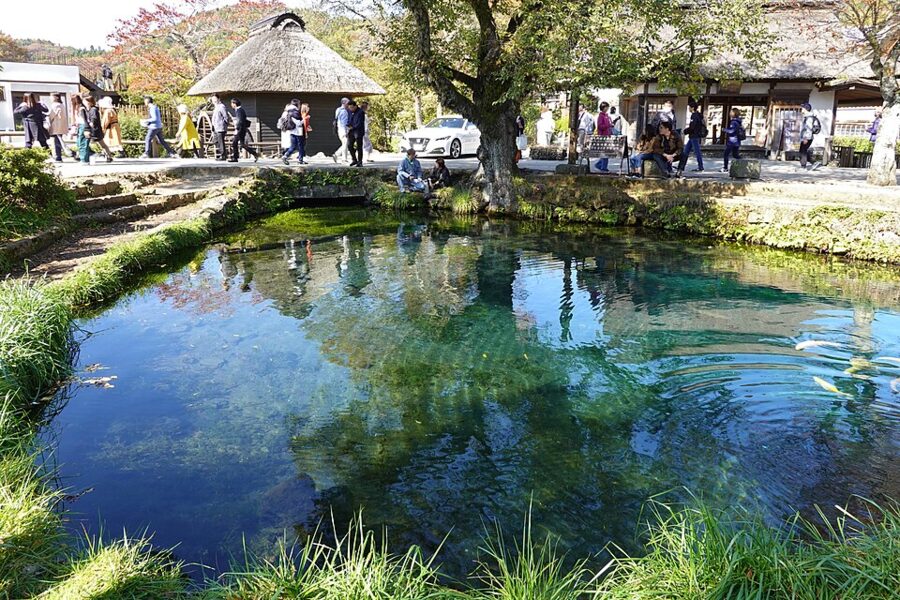

From Fujisan Station, the village says the local bus toward Uchino or the Fujikko loop bus takes about 25 minutes to the “Oshino Hakkai” stop; some highway buses from Shinjuku also stop there, in about 2 hours 20 minutes. Combine it with Fujiyoshida rather than Kawaguchiko, since the two are on the same side of the mountain and share Fujisan Station as their bus hub. Late morning to mid-afternoon is the busy stretch, when the tour coaches arrive.

The south and west sides: Gotemba, Fujinomiya and the Shinkansen
The Shizuoka side of the mountain is less crowded than the lakes and easier to combine with a trip west. Its main towns are Gotemba, on the southeast flank, and Fujinomiya, to the southwest. Both have fifth stations of their own, and Fujinomiya has the best water and the oldest shrine.
Fujinomiya, Shiraito Falls and Lake Tanuki
From Tokyo, the fastest way to Fujinomiya is a Kodama on the Tokaido Shinkansen to Shin-Fuji, then the bus to Fujinomiya Station; the JR Minobu Line from Fuji Station is the alternative, about 20 minutes. The city’s tourism association also lists a direct highway bus from the Yaesu South Exit of Tokyo Station, the “Yakisoba Express”, which runs twice a day each way. Fujikyu prices the Tokyo to Fujinomiya bus from ¥2,000 for a ride of about 160 minutes.
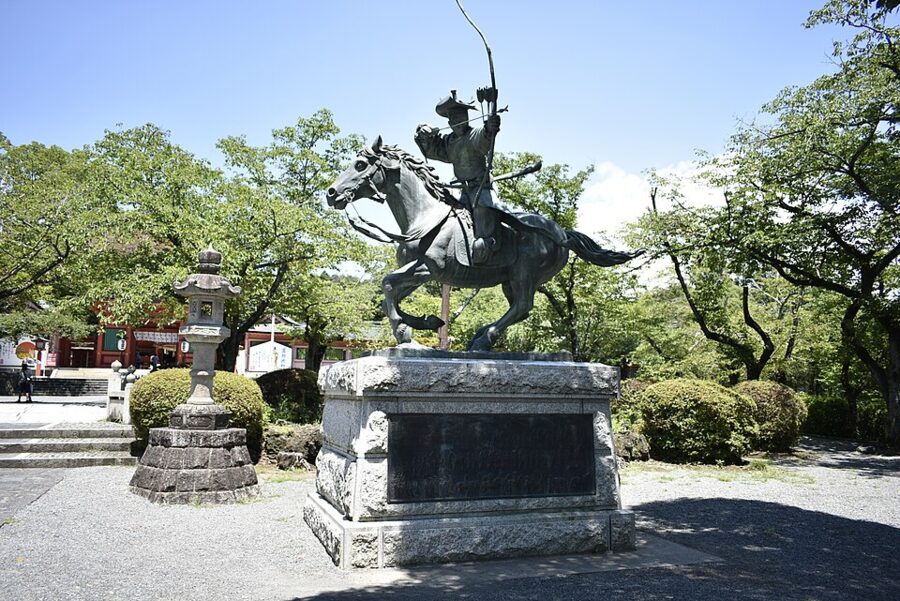

Fujisan Hongu Sengen Taisha (富士山本宮浅間大社), a short walk from Fujinomiya Station, is the head shrine of the more than 1,300 Sengen shrines in Japan, and the mountain itself is its object of worship. Its spring pond, Wakutama-ike, is a special natural monument fed by Fuji snowmelt. The shrine holds the mountain’s opening ceremony every year on July 10, the day the Fujinomiya Trail opens.
Shiraito no Taki (白糸ノ滝) is a curved cliff 20 m high and 150 m wide with hundreds of strands of spring water pouring out of it, where a porous layer of newer lava sits on an older, watertight one. It is about 30 minutes by Fujikyu bus from JR Fujinomiya Station, and from the parking area it is five minutes to the Otodome falls and five more to Shiraito, with about 100 steps down to the basin. The parking lot charges ¥500 per car, 09:00–17:00.
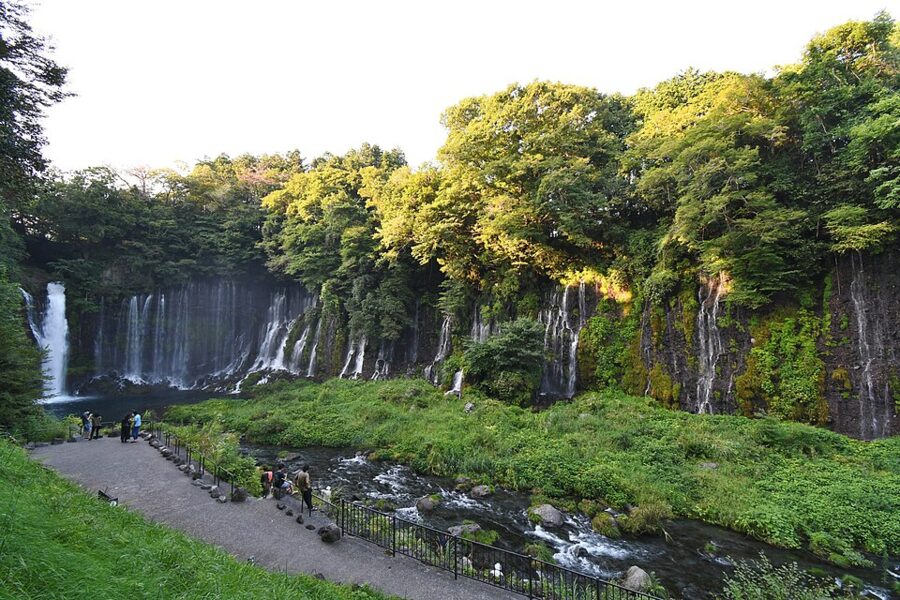
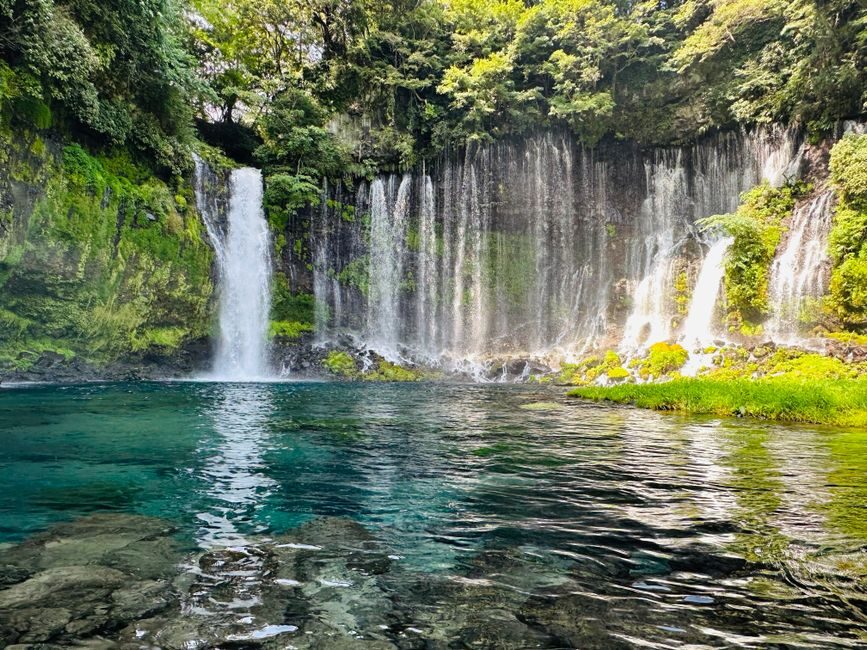
From December 1, 2026, the Shiraito Falls to Fujinomiya Station bus fare is ¥840, up from ¥710, and the long cross-mountain routes went up with it: Kawaguchiko to Fujinomiya is ¥2,500 and Kawaguchiko to Shin-Fuji ¥2,900. That Kawaguchiko route is the one that links the two sides of the mountain without going back through Tokyo.
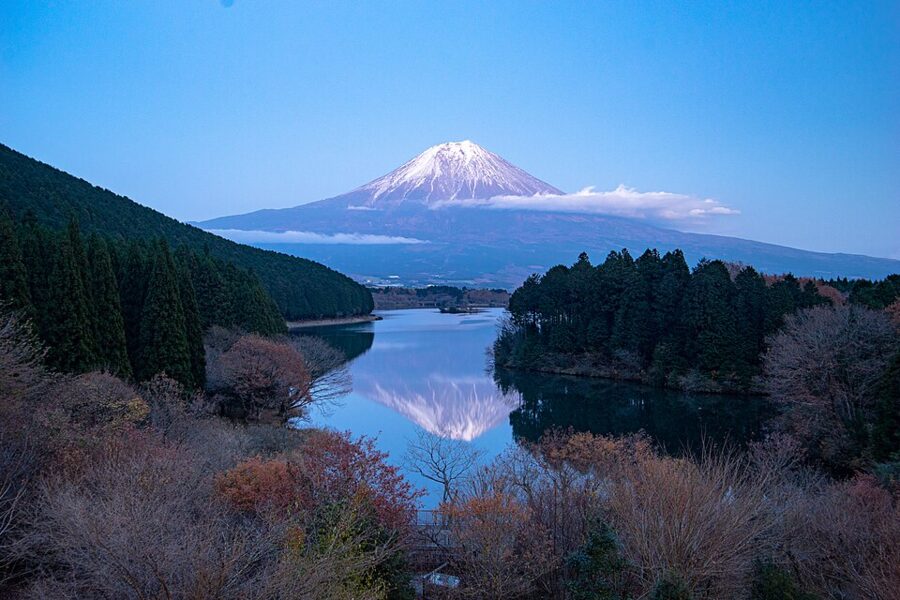
Lake Tanuki (田貫湖), on the Asagiri plateau at 650 m, is shallow and usually calm, which is why the inverted Fuji in its surface is its trademark. In 2024 a wooden viewing deck, the Tanukiko Fugaku Terrace, reopened in front of the Kyukamura Fuji hotel on the shore. Around late April and late August the sun rises out of the summit as seen from the lake, the “Diamond Fuji” that brings photographers out before dawn.

Gotemba
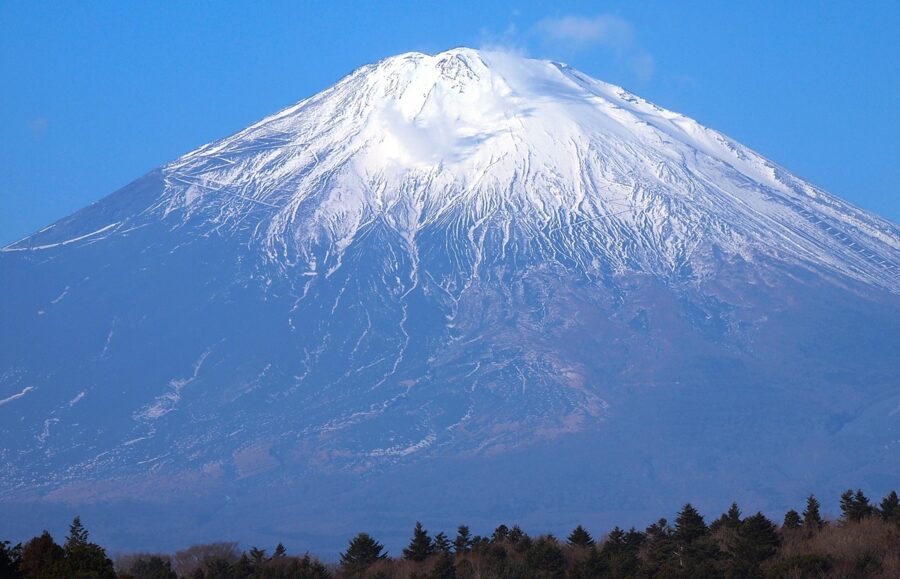
Gotemba sits on the southeast slope and is the station for the Gotemba and Subashiri trails. Highway buses from Shinjuku take about two hours, with fares on the Keio booking page from ¥1,700 to ¥2,100 depending on the stop. Most riders are going to the outlet mall; the mountain view from the town is a broad one of the eastern slope, without the lakes in front.
The view from the Shinkansen
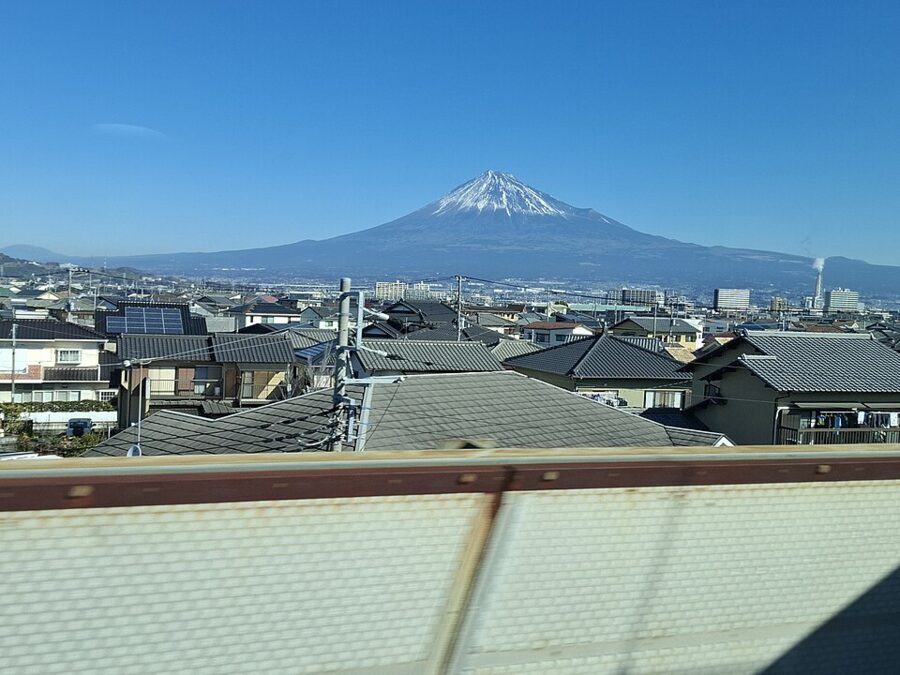
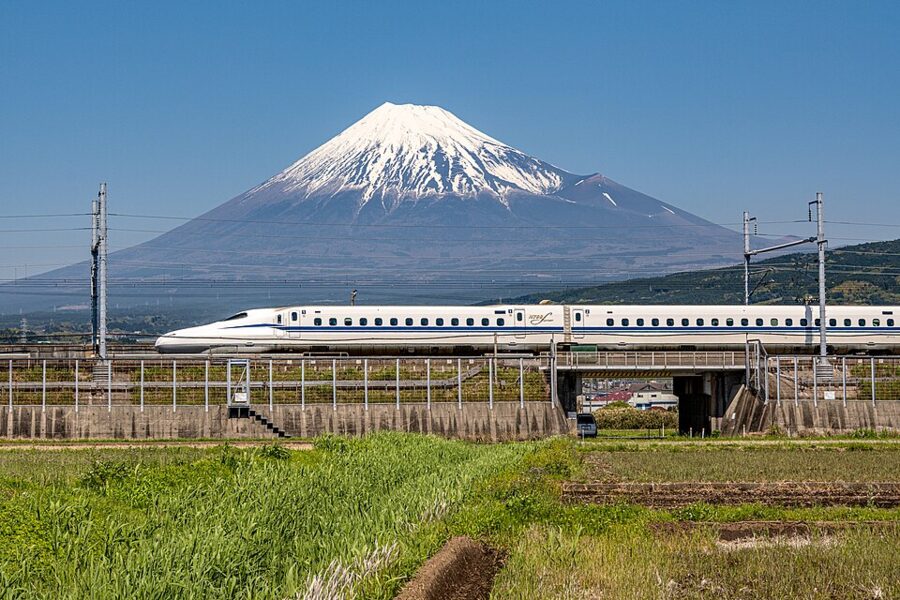
The Tokaido Shinkansen gives the free version of all this. Heading west from Tokyo, Fuji is on the right, so book a window seat in row E of an ordinary car; the best stretch runs from Mishima past Shin-Fuji to the Fuji River bridge just west of it, with the mountain standing over the plain to the north. On a clear winter morning it is worth stopping talking for.

The fifth station
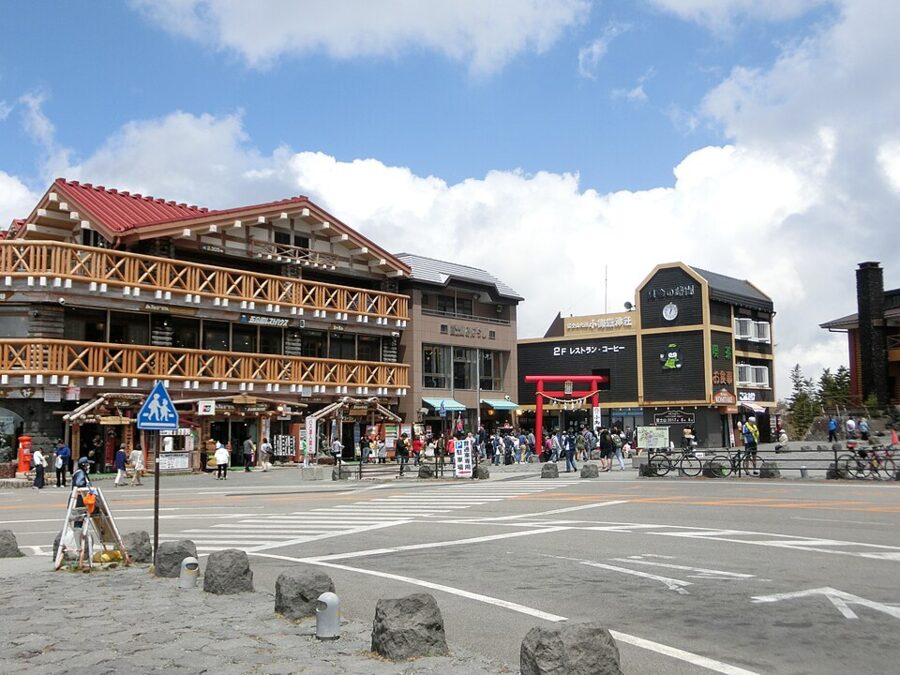
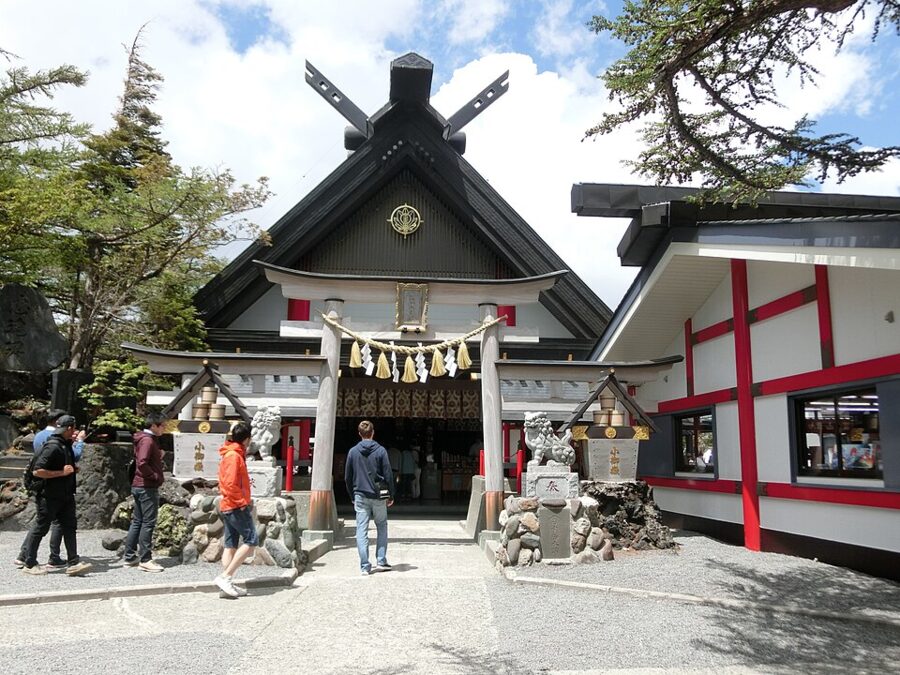
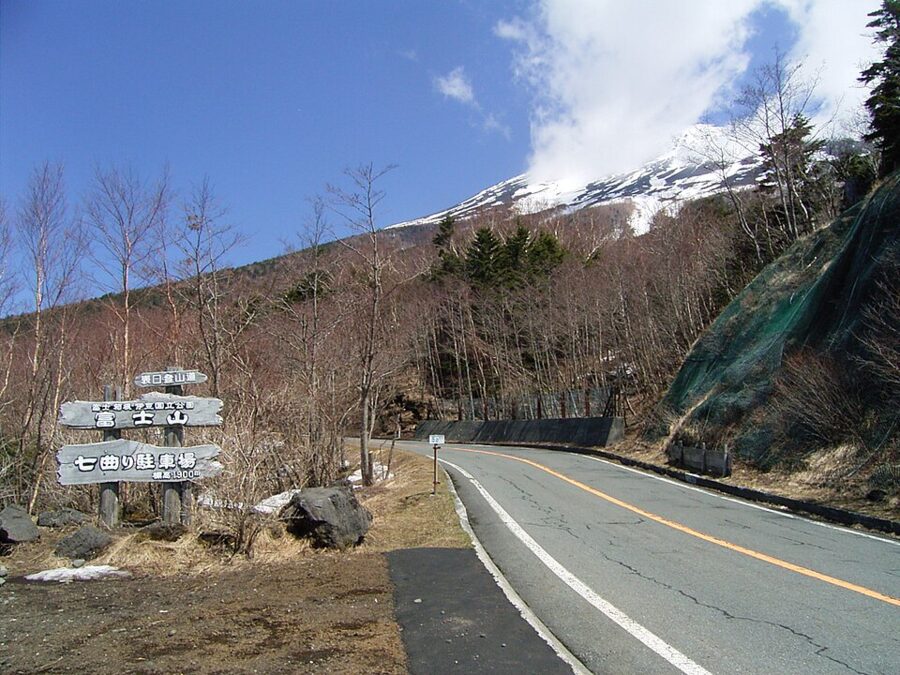
The fifth stations (五合目) are where the roads end and the climbing trails begin, at about 2,300 m on the north side and 2,400 m on the south. The one most people reach from Tokyo is the Fuji Subaru Line fifth station, 2,305 m up at the end of the Fuji Subaru Line toll road from Fujiyoshida. It is a cluster of rest houses, souvenir shops, a small post office, a mountain museum and the Komitake Shrine, with the trail to the summit starting behind them.
How to get up, and when
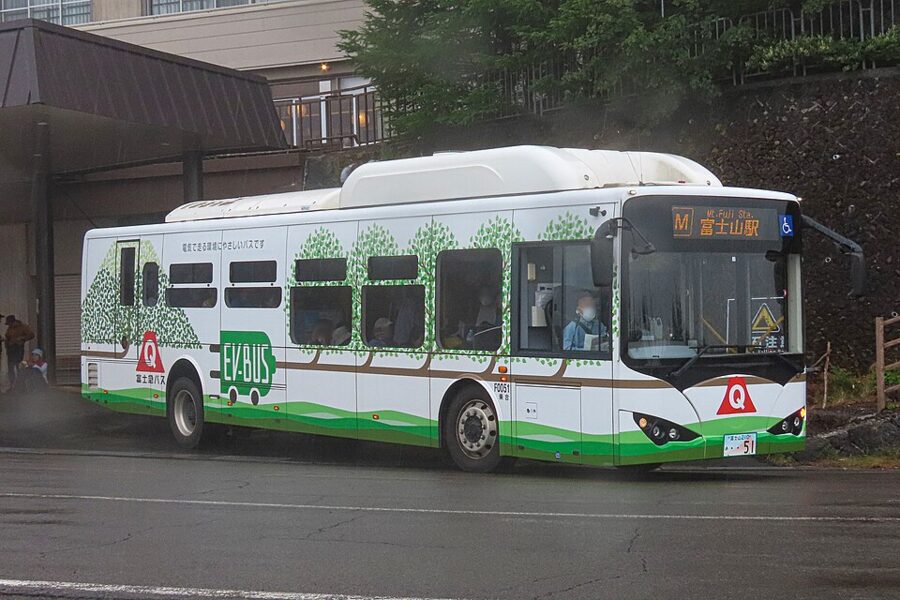
Fujikyu’s bus from Kawaguchiko Station and Fujisan Station takes about 50 minutes to the top. On the autumn 2026 timetable there were five buses a day, the first leaving Kawaguchiko at 09:40 and the last coming down from the fifth station at 15:50, with fares of ¥2,000 one way and ¥3,400 return; the timetable changes with the season, so check it for your date. If the road is closed or open only to the first station, the bus does not run; if it is open only to the fourth station, the bus turns back there. Direct buses from Busta Shinjuku to the fifth station, ¥4,800 and about 2 hours 25 minutes, run in summer only.

The road itself is a toll road run by the Yamanashi Road Public Corporation, and its hours change with the month: open around the clock in July, August and September, 03:00–18:00 in May and October, and 09:00–16:00 in December, January and February, with the last descent an hour after closing. An ordinary car pays ¥2,800 for the full road and back. Snow and ice close it often in winter, and the daily status log is worth checking the evening before: on November 24, 2026, snow shut the road entirely from 09:00 and only the stretch below the first station later reopened.
In the climbing season the road is closed to private cars. In 2026 the ban ran from 18:00 on July 3 to 18:00 on September 10, and drivers left their cars at the prefecture’s Fuji-san Parking lot, ¥1,000 per visit, for a paid shuttle bus or taxi. Electric and fuel-cell cars are exempt with a permit issued at the parking lot; hybrids are not.
What is there, and the thin air
The log-built Gogoen Rest House sells local food, climbing gear and souvenirs, and the fifth station has a simple post office if you want to send a card from the mountain. Komitake Shrine stands among the buildings at the trailhead. In clear weather the view runs north over the Fuji Five Lakes to the Southern Alps, and in winter there is often a sea of cloud below you.
At 2,305 m you are about 1,450 m above Kawaguchiko, and coming straight up from Tokyo in a few hours is the classic way to get a headache. Walk slowly, drink water, and stay at the fifth station for an hour before trying any trail. The Ministry of the Environment’s report on the 2026 season notes rescue calls every year for altitude sickness, injuries and hypothermia; the temperature drops about 0.6°C for every 100 m, so the fifth station runs roughly 9°C colder than the lake before the wind is counted.
The Shizuoka-side fifth stations
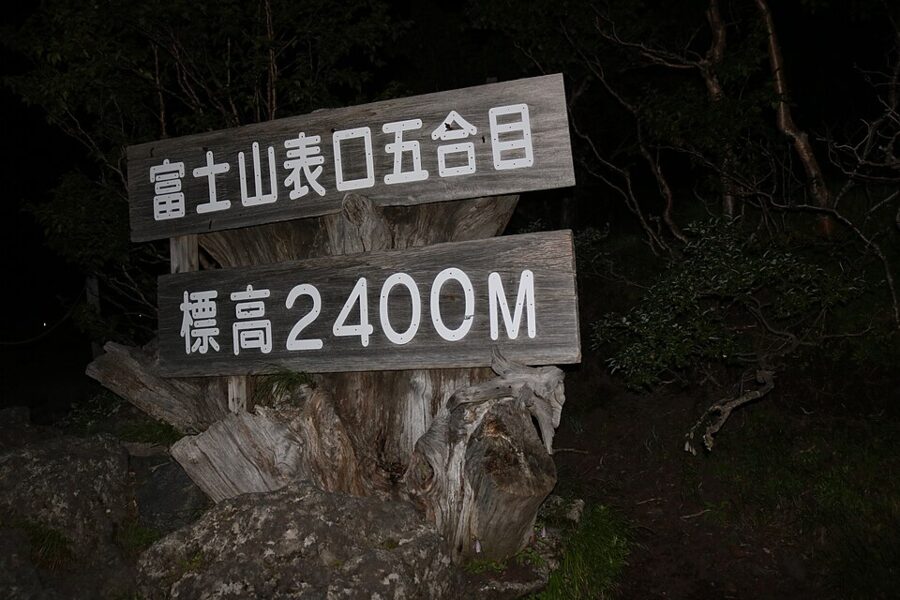
On the south side, the Fujinomiya fifth station sits at 2,400 m, the highest of the four, at the end of the Fuji Skyline. In 2026 that road was open from April 24 to 14:00 on November 10, with a private car ban from July 10 to September 10. The Gotemba new fifth station, the lowest, was reachable until November 17. The Subashiri fifth station, on the Fuji Azami Line, followed the same April 24 to November 10 dates.


Climbing Fuji in season
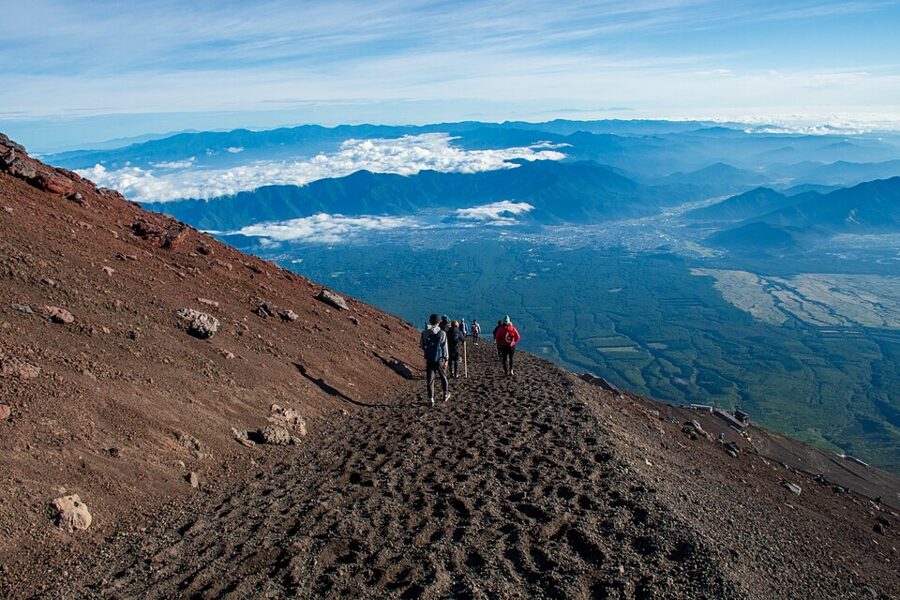
Mount Fuji has four climbing trails, each starting at a fifth station: the Yoshida Trail from the Fuji Subaru Line fifth station on the Yamanashi side, and the Subashiri, Gotemba and Fujinomiya trails on the Shizuoka side. The Yoshida Trail has the most mountain huts and the most people; the Fujinomiya Trail is the shortest walk to the summit; the Gotemba Trail is the longest and emptiest. All of them reach 3,776 m on steep volcanic rock and gravel.
The 2026 season and the rules
In 2026 the Yoshida and Subashiri trails opened on July 1 and the Fujinomiya and Gotemba trails on July 10; all four closed on September 10, with the Yoshida descent open on the morning of September 11. The summit crater circuit opened July 10. Under the rules both prefectures now apply, every climber pays a hiking fee of ¥4,000, a flat rate regardless of age, and registers in advance on the prefecture’s web system: the Yoshida Trail reservation system for Yamanashi, and the FUJI NAVI app for the Shizuoka trails. Climbing is not permitted from 14:00 to 03:00 the next morning unless you are staying at a mountain hut.
The Yoshida Trail has a gate at the fifth station and a cap of 4,000 climbers a day; the official FAQ says the cap was not reached on a single day in 2024 or 2025, and some places are held back for same-day registration. The Shizuoka trails have no cap. Reservations must be paid at booking, and on the Yoshida system a cancellation from the second day after payment forfeits the whole fee. A fee paid on one side covers a descent on the other.
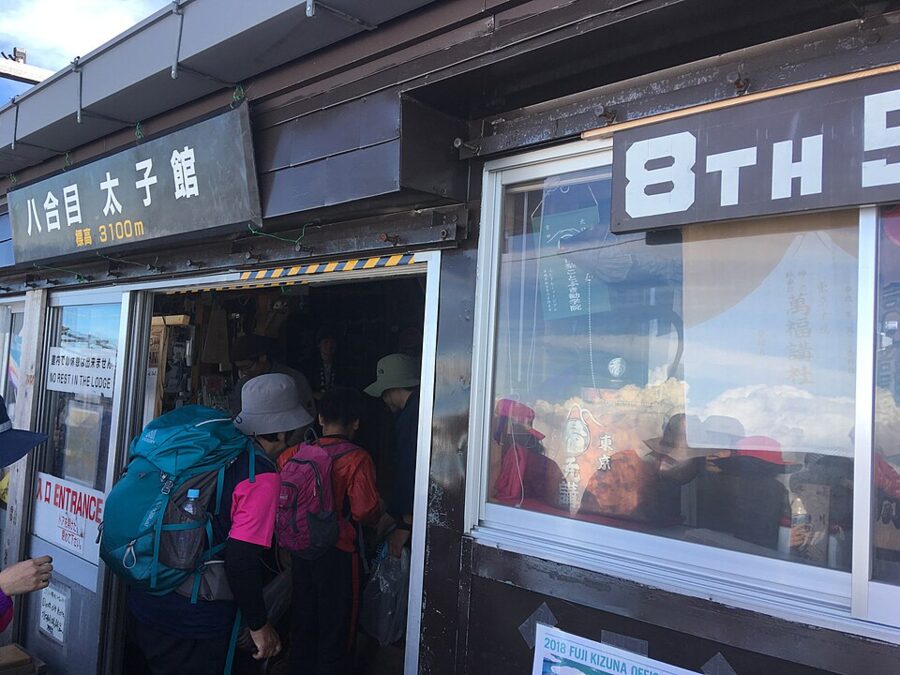

The hut is the real booking. The hiking fee reservation is not a bed, and without a hut you must start up before 14:00 and come down the same day, which ends the old habit of climbing overnight from the fifth station to reach the summit for sunrise. Weekends and the Obon holiday in mid-August are the most crowded; the Ministry of the Environment’s own advice is to plan for weekdays or late August. About 240,000 people climbed between the opening days and September 10, 2026, 17 percent more than in 2025, according to the ministry’s infrared counters at the eighth stations.
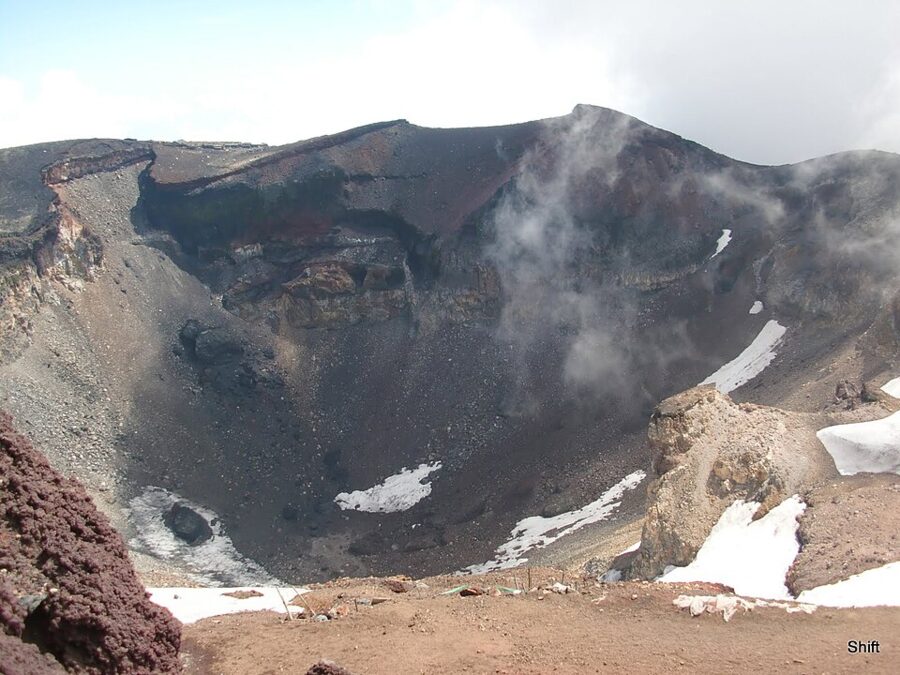

Weather closes the mountain even in season. On September 9, 2026, rain shut the Fuji Skyline and storms stopped the buses to the fifth stations, and Shizuoka refunded every unused hiking fee for that day automatically. Pack for 0°C at the summit before dawn, a rain shell, a headlamp, cash and ¥100 coins for hut toilets, and a portable toilet as a backup.
What is announced for 2027
The official climbing site says the 2027 season is planned for early July to early September, with exact dates to be announced before it opens. Expect the same pattern as 2026: Yoshida and Subashiri first, Fujinomiya and Gotemba on July 10, the hiking fee and pre-registration, and the overnight closure of the trails. Book the hut as soon as your hut opens reservations, and register for the hiking fee once the dates are fixed.
Out of season
Outside the climbing season, the trails from the fifth stations to the summit are closed under Article 46 of the Road Act, and the official site spells out the penalty: up to six months in prison or a fine of up to ¥300,000. The huts, first-aid posts and toilets are shut, the summit sits below −10°C between November and April, average winds exceed 15 m/s, and the extra mobile phone masts are taken down. Experienced mountaineers have died up there in spring. Out of season, the fifth station is as high as any day trip should go.
The weather and the view
Fuji makes its own weather, and the single biggest factor in a day trip is whether you can see it. The climate normals for Kawaguchiko from the Japan Meteorological Agency give the pattern in two numbers. January averages 212 hours of sunshine and cloud cover of 3.9 tenths; June averages 123 hours and 8.5 tenths, and September is no better at 122 hours.
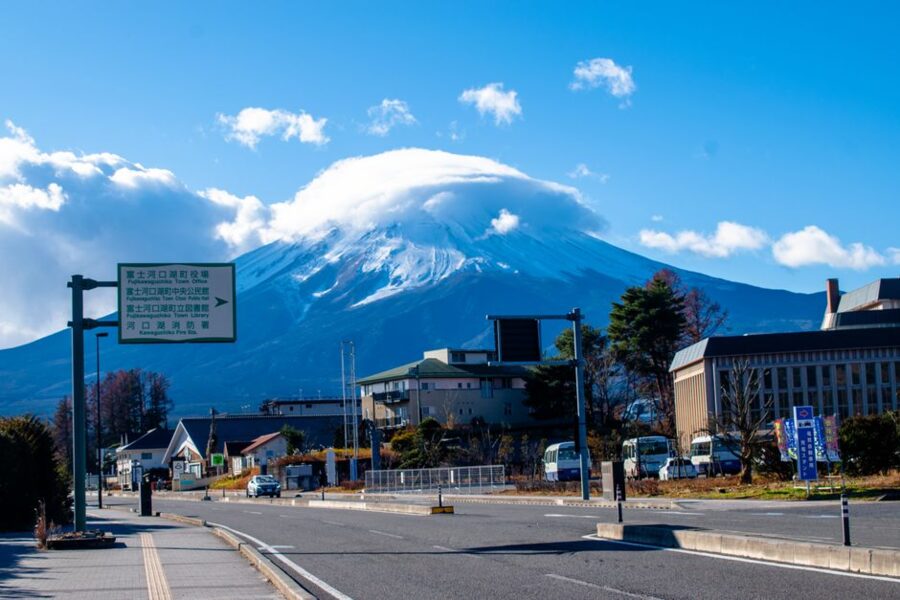
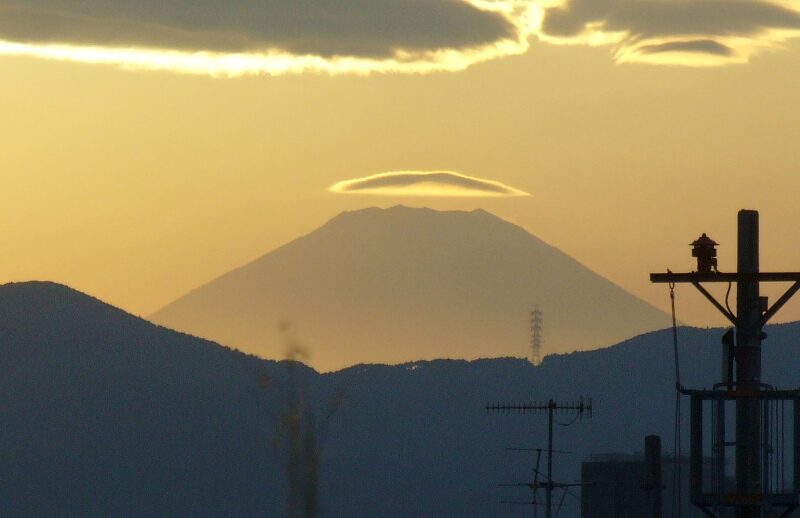
Within the day, mornings are clearer. As the sun warms the slopes, rising air builds cloud around the mountain, and by noon on a summer day it is often a gray shape or nothing. In winter the mountain can stay in view all day, but strong winds aloft can stack lens-shaped clouds above the summit.

Check the live cameras before you buy a ticket. Fujiyoshida’s tourism office runs a live camera at the pagoda, Fujikawaguchiko town has cameras on the lake, and the Subaru Line operator posts one from the toll road. On the south side, Shizuoka’s prefectural Fujinomiya camera posts an image every hour from 04:00 to 20:00.
If the summit is hidden at 07:00 in Tokyo, I would not go. Kawaguchiko under cloud is a pleasant lake town with museums and a ropeway that looks at fog, and the time is better spent in Kamakura or Hakone, or on the clear day that usually follows. If it clouds over once you are there, Oshino Hakkai and the Fujiyoshida shrines still repay the trip, and the mountain sometimes clears again in late afternoon as the air cools.
Day trip or overnight
One day is enough for the north side if you go early and stay focused. Two days give you a dawn view, a hot spring, and a second chance at the summit if the first day is cloudy.
A day trip
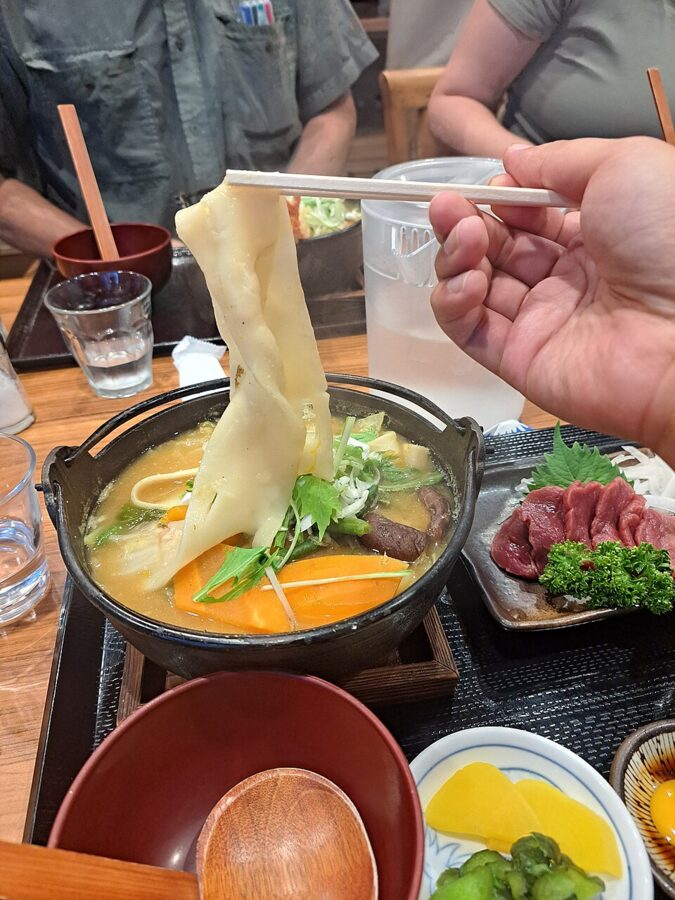
Take the 07:30 Fuji Excursion from Shinjuku and get off at Shimoyoshida at about 09:10. Walk up to the pagoda, 30 minutes and 398 steps, and be on the deck by 09:45 for the morning view. Take the train on to Kawaguchiko, ride the Red Line to Oishi Park for the lake, and come back along the shore to the ropeway in the early afternoon. Lunch is hoto, the Yamanashi dish of thick flat noodles stewed with pumpkin and vegetables in miso, which many restaurants around the station serve.
For the return, the 16:48 Fuji Excursion reaches Shinjuku at 18:48, and the 17:41 at 19:48 on weekdays. Buses run later, but on a Sunday evening the expressway adds an hour and the train does not. The cost for the day, by bus out and train back, is about ¥6,400 in transport plus the sightseeing pass and the ropeway.
Overnight
Staying lets you be at the lake at sunrise, when the mountain is most often clear and the water still. Kawaguchiko’s lakeshore hot-spring inns are the obvious base; book one on the north shore, or with rooms facing the mountain, because the view from the bath is the point. Prices rise sharply on Saturdays, in cherry blossom season, in Golden Week and during the autumn leaves, and from April 1, 2027 the town’s ¥200 accommodation tax applies on top.
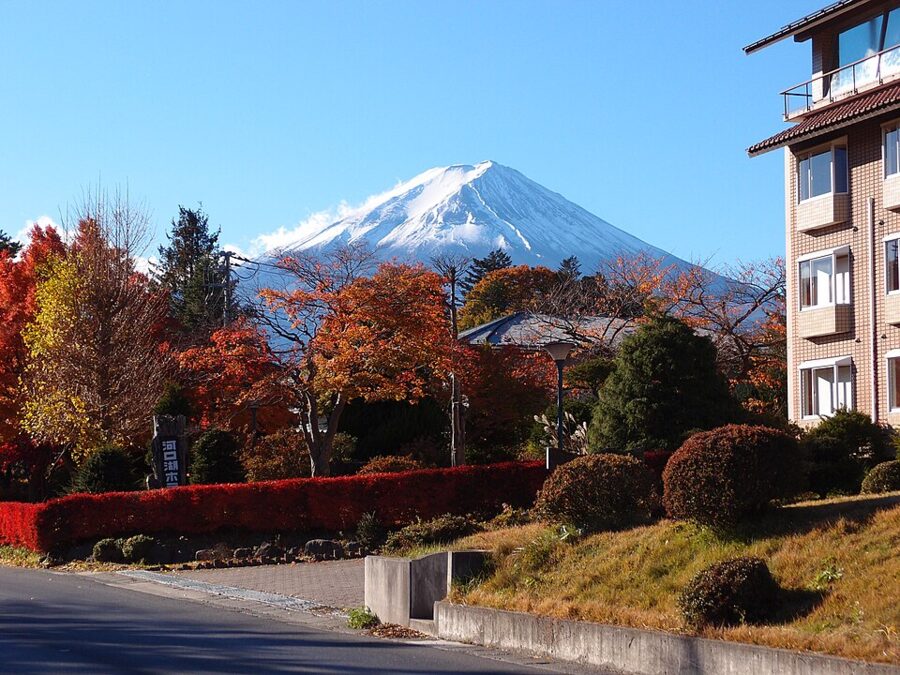

For a day bath without staying, Fuji Chobo no Yu Yurari in Narusawa has an open-air bath facing the mountain and 16 baths in all. It is open 10:00–21:00 on weekdays and 10:00–22:00 at weekends and holidays, last entry an hour before closing, and adult admission is ¥1,400 on weekdays and ¥1,700 at weekends; a free shuttle runs from Kawaguchiko Station.
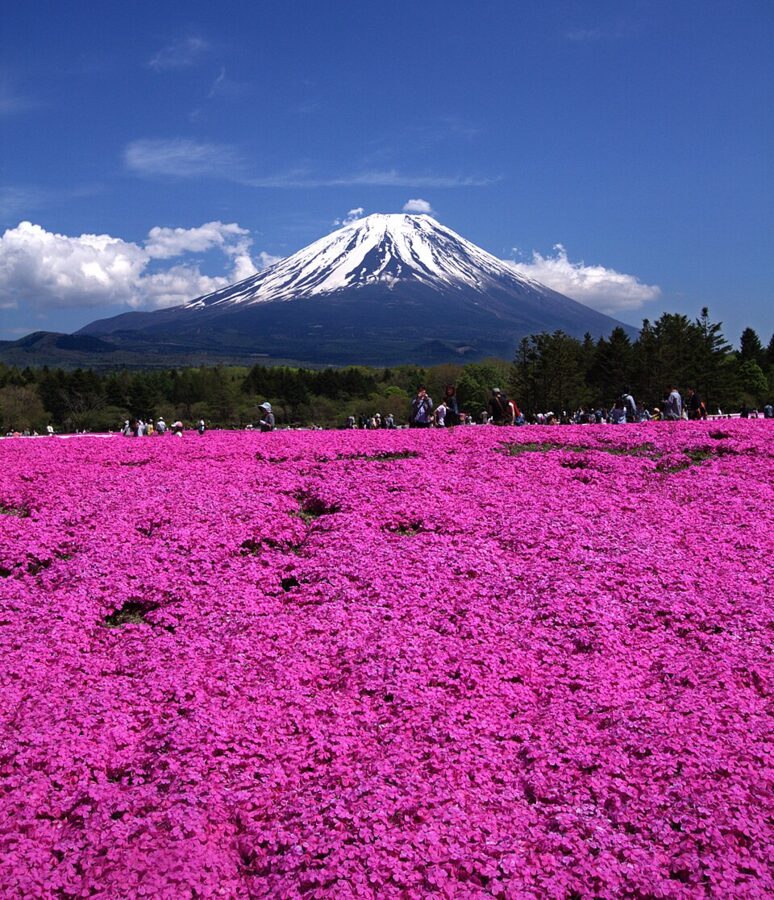
The second morning is the time for the fifth station. Take the first bus up from Kawaguchiko, have an hour at the top, and be down by early afternoon for Oshino Hakkai or the train home. In spring, the Fuji Shibazakura Festival at Motosuko Resort fills a hillside with pink moss phlox every year from about mid-April to late May, and Fujikyu runs direct buses there from Busta Shinjuku during the festival.

Hakone, the other Fuji trip
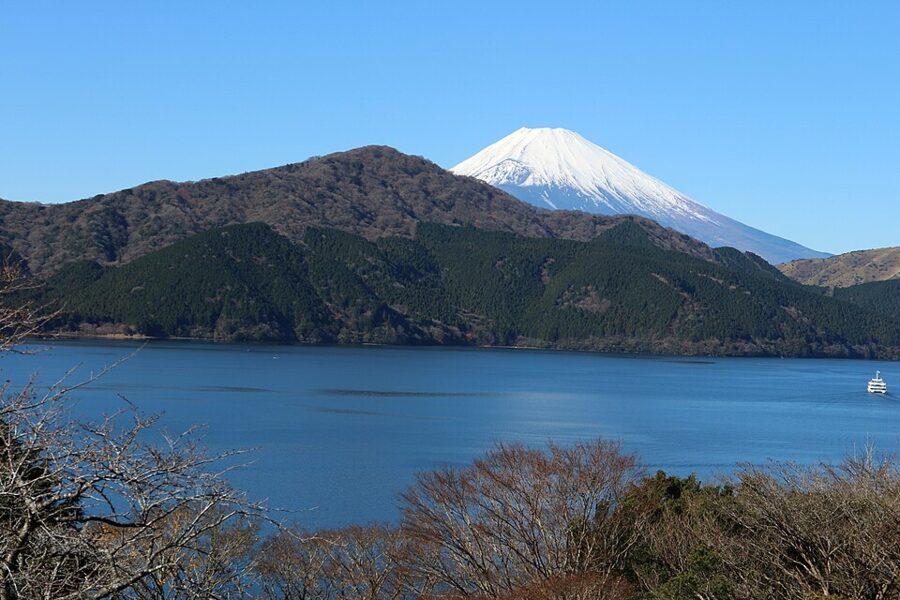
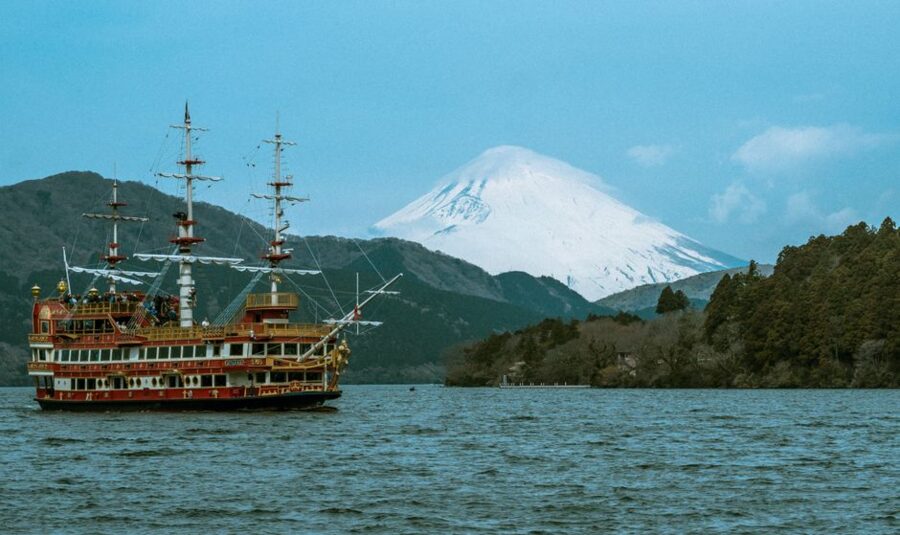
Hakone is the trip people take when they want Fuji with hot springs and a lake cruise in one ticket, and it delivers the springs and the cruise. The mountain, though, is a backdrop across Lake Ashi, smaller and further away than from Kawaguchiko, and the same morning cloud takes it away just as early. If seeing Fuji is the point, go to the north side; if a hot spring loop is the point and the mountain is a bonus, go to Hakone, which is covered with the fares and the pass in day trips from Tokyo. For everything else about planning the trip, start with the Tokyo travel guide.

So the plan comes down to the 07:30 from Shinjuku, or the first bus you can book from Busta Shinjuku, and a clear sky that you checked the night before. Set the alarm, look at the camera at the pagoda before you leave the hotel, and if the summit is there, go.