

A seven-day Japan Rail Pass bought on the official site costs ¥50,000 in late 2026, and a round trip from Tokyo to Kyoto on the Nozomi costs ¥28,340 in plain tickets. That leaves ¥21,660 of other JR travel to fit into the same seven days before the pass saves you anything.
From Tokyo, the pass pays when the week holds two long Shinkansen trips in different directions (Kyoto and Sendai, say), a loop through Kyoto to Hiroshima with the airport train at both ends, or a Hakata round trip with almost anything added. A single Kyoto and Osaka loop, a Tokyo base with day trips, or one trip north does not pay. For most of those, one of JR East’s own passes or plain tickets does the job for less.
All prices here are for adults in ordinary reserved seats at regular-season fares, from the JR companies’ own fare tables and pass pages as of November 24, 2026. Children aged 6 to 11 pay half for the pass and roughly half for tickets, so the arithmetic comes out the same.



When the pass pays from Tokyo, in one table
The table sets the ¥50,000 seven-day pass against the plain fares for the trips most people make from Tokyo. Each fare is the regular-season price for an ordinary reserved seat on the fastest train, both ways, for one adult.
| Trip from Tokyo (round trip unless marked) | Plain tickets | Against the ¥50,000 pass |
|---|---|---|
| Kyoto (Nozomi) | ¥28,340 | Tickets ¥21,660 cheaper |
| Shin-Osaka (Nozomi) | ¥29,440 | Tickets ¥20,560 cheaper |
| Kanazawa (Kagayaki) | ¥28,800 | Tickets ¥21,200 cheaper |
| Sendai (Hayabusa) | ¥22,860 | Tickets ¥27,140 cheaper |
| Hiroshima (Nozomi) | ¥39,520 | Tickets ¥10,480 cheaper |
| Loop: Tokyo, Kyoto, Hiroshima, back to Tokyo | ¥45,870 | Tickets ¥4,130 cheaper |
| Same loop plus the Narita Express both ways | ¥52,150 | Pass ¥2,150 cheaper |
| Kyoto and Sendai in the same week | ¥51,200 | Pass ¥1,200 cheaper |
| Hakata (Nozomi) | ¥47,620 | Tickets ¥2,380 cheaper |
| Nikko day trip (Shinkansen and JR Nikko Line) | ¥10,520 | Tickets far cheaper |
Two things shift the margins. The pass holder who wants the Nozomi pays a supplement on top (¥4,960 each way to Kyoto), which turns the Kyoto and Sendai week back into a loss. In the other direction, plain reserved fares rise by ¥200 a train in busy weeks and ¥400 at the New Year, Golden Week and Obon peaks, which adds up to about ¥1,600 on a four-train week.
The verdict that follows from the table: buy the seven-day pass only when your week from Tokyo reaches Hiroshima or beyond with stops on the way, or crosses the country twice. If you are not sure the second trip will happen, it is cheaper to buy tickets and lose nothing than to buy the pass and need it.
The pass itself: price, who can buy it and where
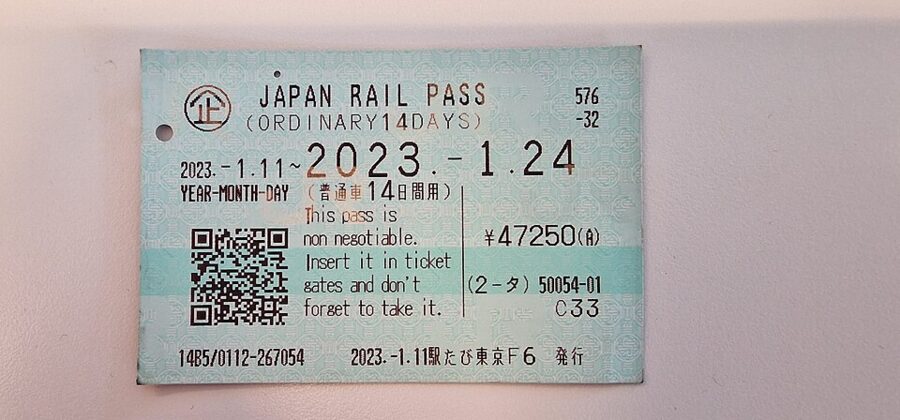
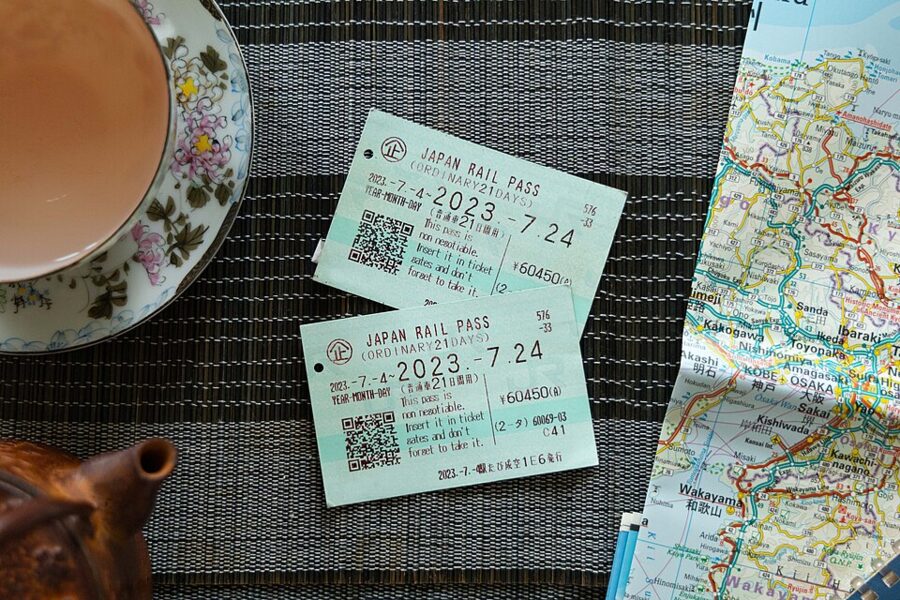
The Japan Rail Pass (ジャパン・レール・パス) is a joint ticket from the six JR passenger companies, sold only to visitors from abroad. It gives unlimited rides on JR trains nationwide for 7, 14 or 21 consecutive days, counted by calendar day from the start date you choose. There is no pausing it, extending it or swapping it for a different length once it is issued.
Prices for 7, 14 and 21 days
The JR Group posts two price lists. Bought online through the official JAPAN RAIL PASS Reservation site, the ordinary pass costs ¥50,000, ¥80,000 and ¥100,000 for 7, 14 and 21 days, and the Green Car pass ¥70,000, ¥110,000 and ¥140,000. Bought as an exchange order from a JR-designated travel agency abroad, the same passes cost ¥53,000, ¥84,000 and ¥105,000, or ¥74,000, ¥116,000 and ¥147,000 for Green.
| Pass (adult) | Official site | Overseas agency |
|---|---|---|
| 7-day ordinary | ¥50,000 | ¥53,000 |
| 14-day ordinary | ¥80,000 | ¥84,000 |
| 21-day ordinary | ¥100,000 | ¥105,000 |
| 7-day Green | ¥70,000 | ¥74,000 |
| 14-day Green | ¥110,000 | ¥116,000 |
| 21-day Green | ¥140,000 | ¥147,000 |
Child prices are half: ¥25,000 for a seven-day ordinary pass online. JR counts children as ages 6 to 11, judged on the payment date for online sales and on the issue date of an exchange order, so an 11-year-old who turns 12 before the trip still travels on a child pass.

The rises of October 2023 and October 2026
The big change came on October 1, 2023. The seven-day ordinary pass had cost ¥29,650 through agencies abroad and ¥33,610 on the official site; from that date both became ¥50,000, and the JR Group added the Nozomi and Mizuho supplement ticket at the same time. That rise, roughly 70% on the agency price, is why the pass stopped paying for a plain Tokyo, Kyoto and Osaka trip.
The second change is smaller and only half applied. The JR Group announced on April 9, 2026 that pass prices would change for purchases from October 1, 2026, citing fare revisions at some of its companies; JR East had raised its base fares by an average of 7.8% on March 14, 2026. The official price page in November 2026 shows the agency prices up (¥53,000 for seven days) and the official-site prices unchanged at ¥50,000, so buying direct is now ¥3,000 cheaper on the shortest pass and ¥7,000 cheaper on the 21-day Green.
Green or ordinary
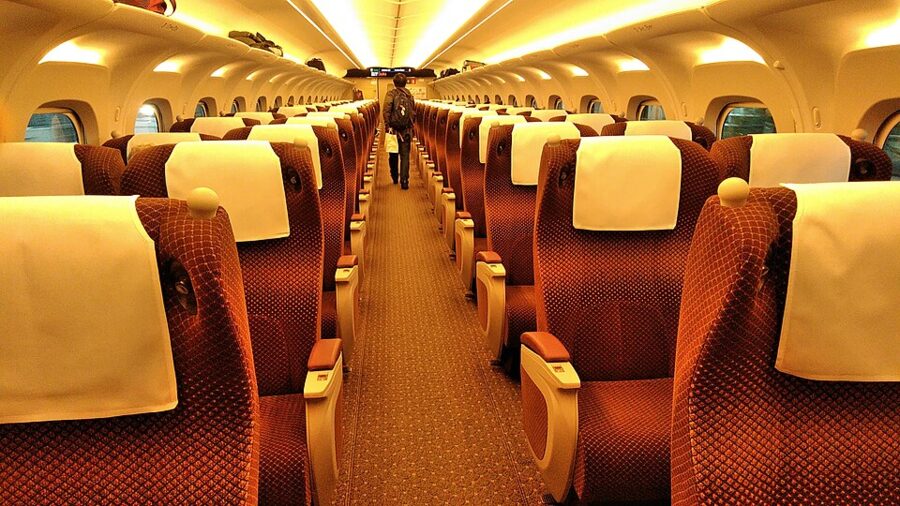
The Green pass costs ¥20,000 more for seven days. A Green seat from Tokyo to Kyoto on the Nozomi costs ¥19,040 against ¥14,170 in an ordinary reserved seat, so Green travelers are paying about ¥4,900 a trip for the bigger seat and the quieter car. The pass premium pays back after four long Green rides in the week, which is the same week in which the ordinary pass pays back anyway.
I would buy ordinary. Ordinary cars on the Tokaido, Tohoku and Hokuriku lines have reclining seats five across, and the Green premium only makes sense if you were going to buy Green tickets regardless. One practical catch: on the Nozomi supplement, only Green pass holders can book Green seats.

Who can buy it
Eligibility is strict: you must be a foreign national entering Japan for sightseeing with the “Temporary Visitor” status, or a Japanese national who has lived abroad for ten consecutive years and can prove it with consular documents. Residents of Japan, students, workers and anyone entering on another status cannot pick the pass up, even with a paid exchange order.
The trap is at the airport. Narita and Haneda send most visitors through automated immigration gates, which put no stamp or sticker in the passport, and without that sticker the pass office cannot issue the pass. Use a staffed booth, or ask an officer for the Temporary Visitor sticker after the gate; travelers registered for the Trusted Traveler Program show the registration card instead.
Where to buy: the official site or an agency abroad
The official site, JAPAN RAIL PASS Reservation, takes orders between 04:00 and 23:30 Japan time, by credit card in the purchaser’s name, for the buyer and up to six companions; you enter each traveler’s passport number at purchase. It is also the only channel that lets you book seats online before you arrive, and the pass is collected in Japan on or before the start date.
The other route is an exchange order from a JR-designated sales office or agency abroad (JTB, Nippon Travel Agency, Kintetsu International, Tobu Top Tours, Japan Airlines, JALPAK and their associated agencies). The order must be exchanged within three months of issue and no earlier than a month before the start date. With the October 2026 split, the only reason left to buy this way is if you cannot or will not use the official site.
Refunds are possible only before the pass starts. An online order not yet collected can be refunded on the site until 23:30 the day before the start date for a ¥560 fee; an exchanged agency pass loses 10% of its price. A lost pass is not reissued.
What it covers, and what it does not
The rule is easy: JR trains, JR local buses and one JR ferry, plus the Tokyo Monorail. The exceptions are where the money leaks.
JR trains, the Monorail, local buses and the Miyajima ferry
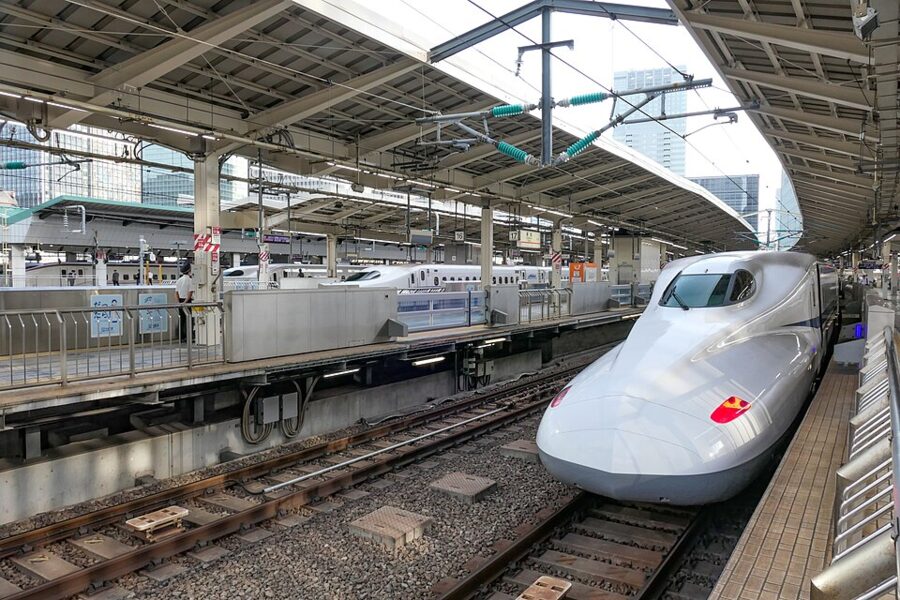
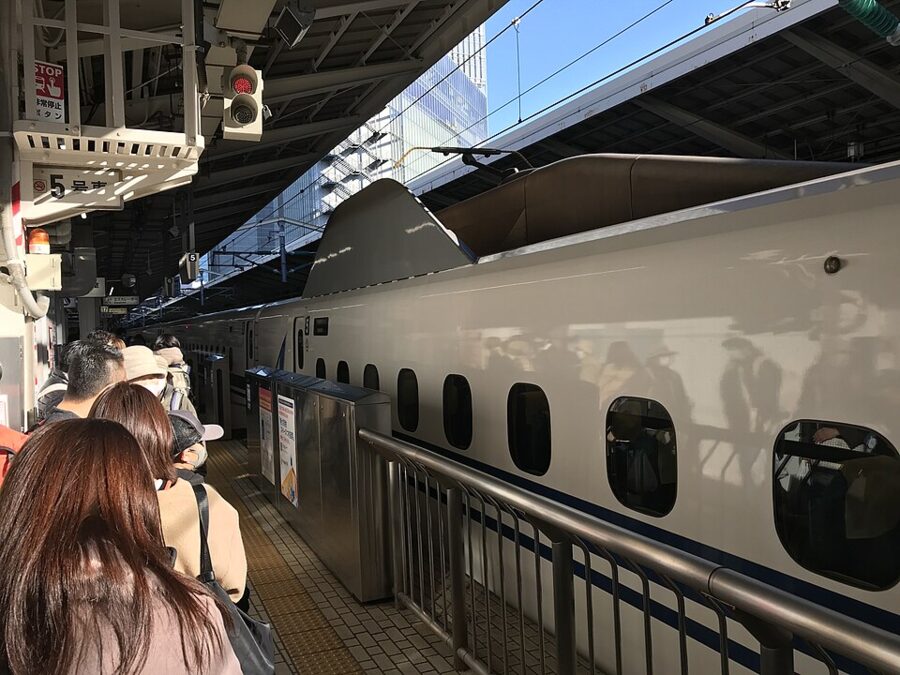
Every JR train is covered in ordinary class: the Shinkansen except the Nozomi and Mizuho, limited expresses, rapids and locals, including the Yamanote and Chuo lines in Tokyo and the Narita Express from Narita Airport. Seat reservations cost nothing extra. A few short stretches of former JR track now run by third-sector railways are covered for through passengers only, such as the IR Ishikawa Railway between Kanazawa and Tsubata.
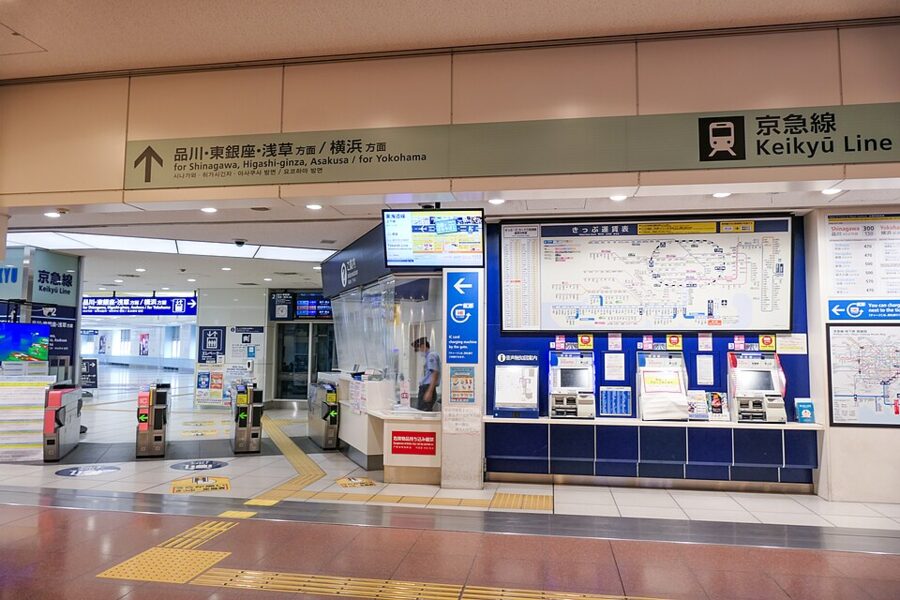
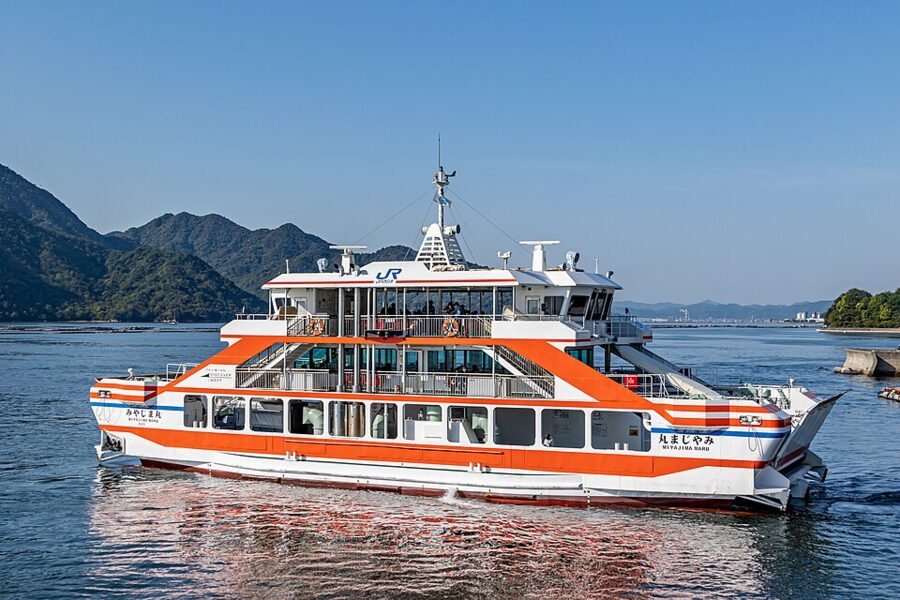
The Tokyo Monorail from Haneda to Hamamatsucho, a ¥520 ride on a paper ticket from Terminal 3, is the one non-JR line in Tokyo the pass covers, which makes it the pass holder’s way in from Haneda. Outside the capital, the local routes of the eight JR bus companies, including JR Bus Kanto, are covered, and so is the JR West ferry from Miyajimaguchi to Miyajima, where you pay the island’s ¥100 visitor tax separately.


The Nozomi and Mizuho supplement
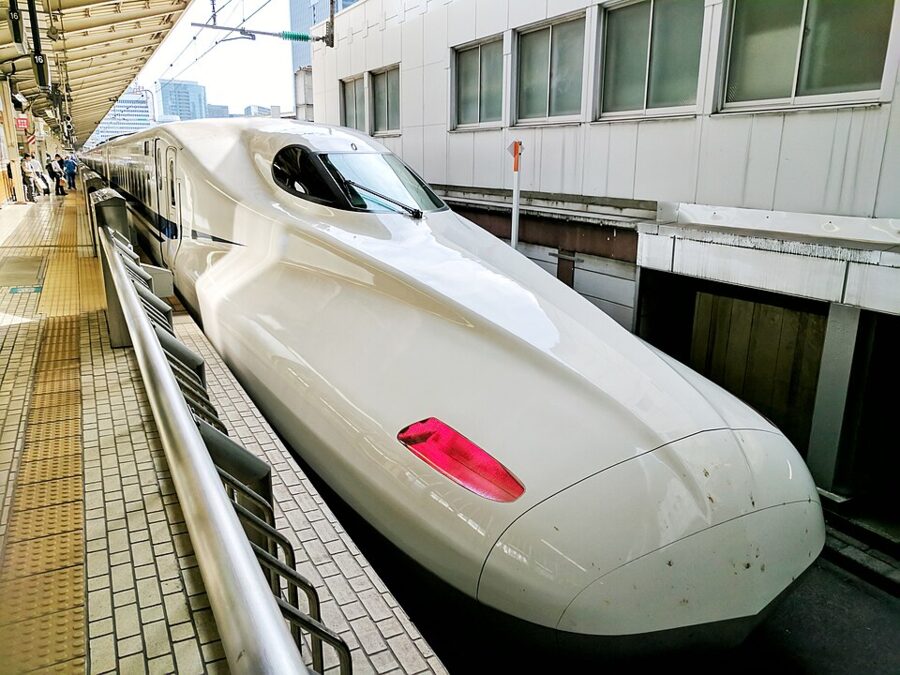
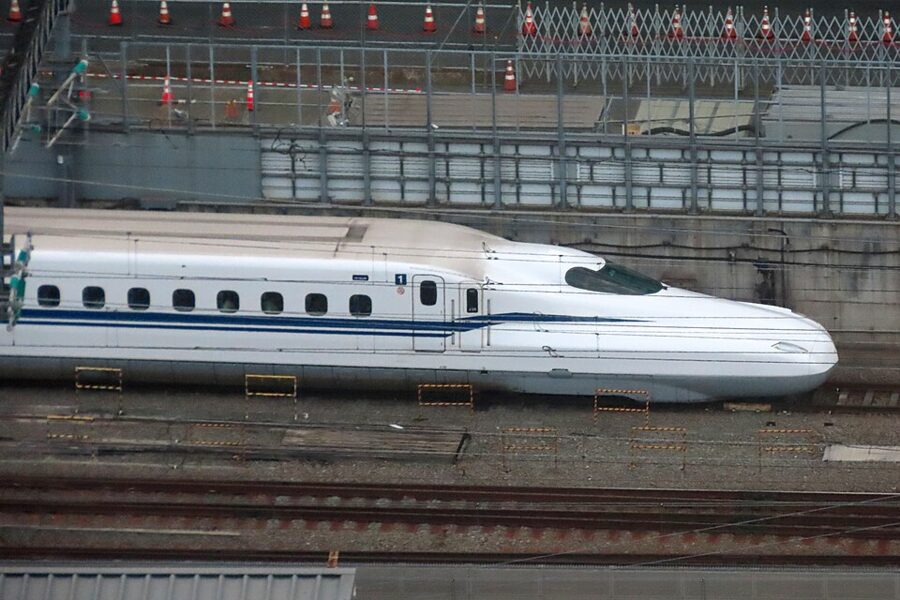
The pass does not cover any seat, reserved or not, on the Nozomi (the fastest Tokaido and Sanyo Shinkansen trains) or the Mizuho (the fastest Sanyo and Kyushu trains). Since October 2023 pass holders can buy a NOZOMI MIZUHO ticket sold only with the pass, valid for one train and one day, and the price is the same for a Green seat, a reserved ordinary seat or a non-reserved one.
| Section | Supplement (each way) |
|---|---|
| Tokyo to Nagoya | ¥4,180 |
| Tokyo to Kyoto or Shin-Osaka | ¥4,960 |
| Tokyo to Hiroshima | ¥6,500 |
| Shin-Osaka to Hakata | ¥4,960 |
The ticket sells from a month before the travel date at reserved-seat machines, JR ticket offices (midori-no-madoguchi, the green-signed staffed counters) and travel service centers. Ordinary pass holders can buy only ordinary seats. Cancelling before departure costs ¥340 for a reserved seat and ¥220 for non-reserved, and the ticket will not open an automatic gate on its own, so it goes through with the pass.
Is it worth ¥4,960 to reach Kyoto 25 minutes sooner? Rarely. The point of the supplement is the timetable: up to 12 Nozomi an hour leave Tokyo for Shin-Osaka against two Hikari, so it rescues a pass holder who has missed a Hikari or found it full.

What you still pay for in Tokyo
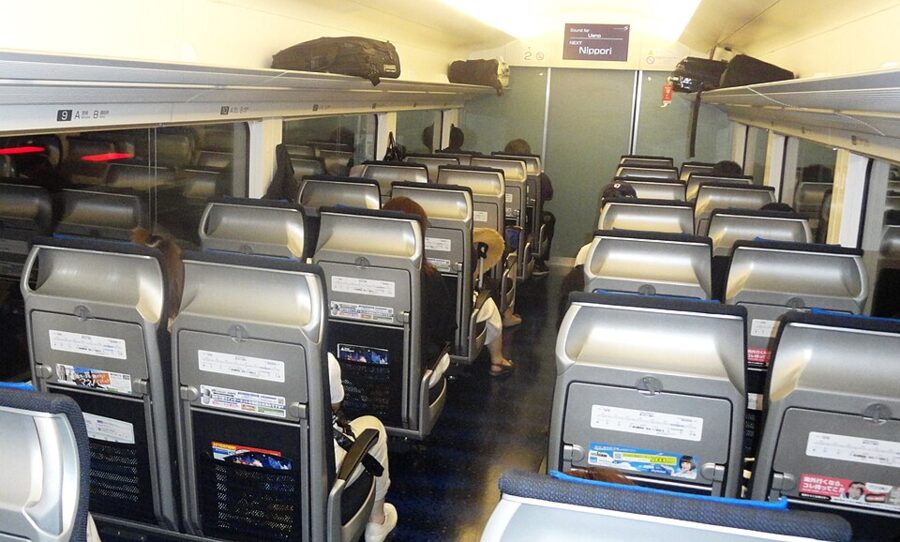
The pass covers nothing that is not JR. In Tokyo that means every Tokyo Metro and Toei subway line, the Keikyu line from Haneda, the Keisei Skyliner from Narita, the Odakyu Romancecar to Hakone, the Tobu trains to Nikko from Asakusa, the Keio and Seibu lines, the Yurikamome and the Rinkai Line to Odaiba. JR trains that run through onto other companies’ tracks, such as the Nikko limited express from Shinjuku Station onto Tobu tracks or the Fuji Excursion onto Fujikyu tracks, are covered only to the junction.
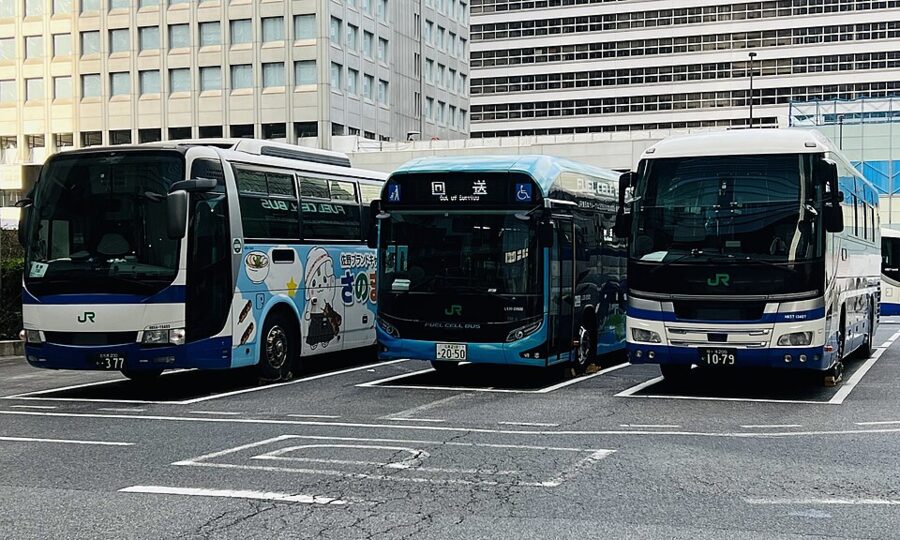
JR’s own highway buses are excluded too, as are Gran Class on the Tohoku and Hokuriku lines, private compartments, sleeper berths, the TRAIN DESK and S Work cars on the Shinkansen, and Green cars for ordinary-pass holders. The city network and the IC cards that cover everything else are on getting around Tokyo; for subway rides on pass days you still need a Suica or a ticket.

The arithmetic from Tokyo, trip by trip
All fares here are one adult, one way, ordinary reserved seat, regular season, from JR’s posted fares in November 2026; the round trip is double. They include the base fare and the limited express charge, which is how JR prices a Shinkansen ticket.
Kyoto and Osaka
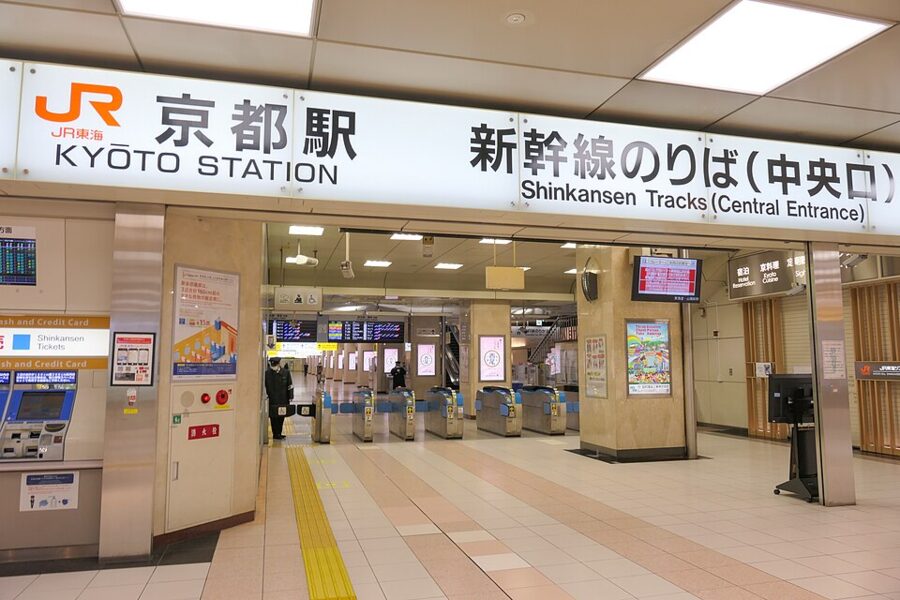
Tokyo to Kyoto costs ¥14,170 on the Nozomi and ¥13,850 on the Hikari; to Shin-Osaka it is ¥14,720 and ¥14,400. A Tokyo, Kyoto, Osaka and back trip in tickets is about ¥29,000 plus the short JR hop between Kyoto and Osaka, against ¥50,000 for the pass. Even with a Nara day trip on JR and the Haruka to Kansai Airport, the pass is about ¥15,000 behind.
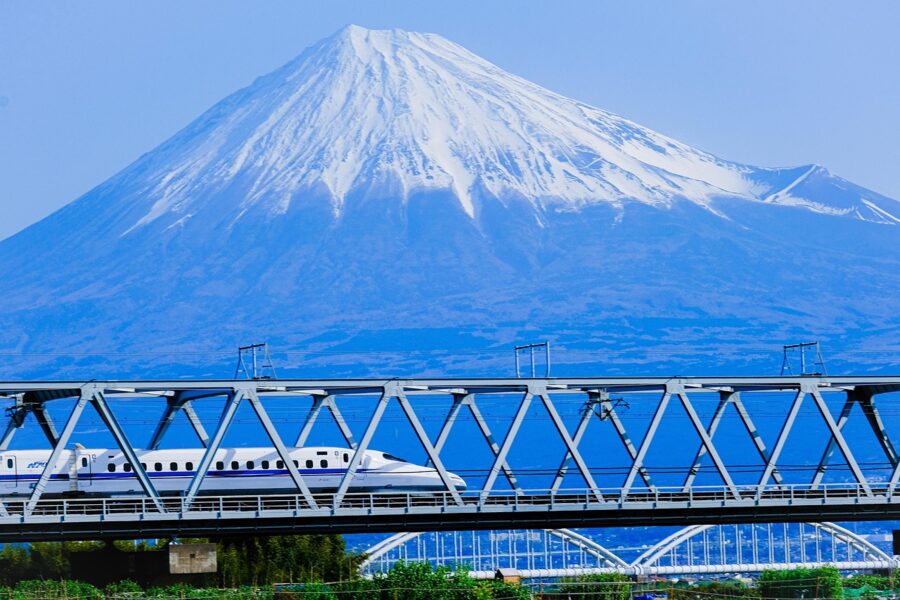
The Kyoto ride itself (which side to sit for Mount Fuji, which Hikari stops where, and how to book) is on the Tokyo to Kyoto page. For the pass question, the answer is a flat no unless Kyoto is one leg of a bigger week.

Hiroshima
Hiroshima is where the pass starts to make sense. The direct Nozomi costs ¥19,760 each way and takes about 3 hours 50 minutes; a round trip is ¥39,520. Add Kyoto on the way out (Tokyo to Kyoto ¥14,170, Kyoto to Hiroshima ¥11,940, Hiroshima back to Tokyo ¥19,760) and the loop costs ¥45,870, still ¥4,130 short of the pass.
The Narita Express tips it. Its regular fare to Tokyo Station is ¥3,140 each way, and with both airport rides inside the seven days the ticket total is ¥52,150, ¥2,150 more than the pass, before the JR ferry to Miyajima and any JR rides in Hiroshima. JR East’s N’EX TOKYO Round Trip Ticket, ¥5,200 for both rides and sold only on foreign passports, narrows the gap to ¥1,070. Without a Nozomi supplement, a pass holder reaches Hiroshima by Hikari to Okayama and a Sakura or Hikari onward, about 4 hours 45 minutes in all.
Buy the pass for this one if the dates are fixed. If the Narita Express is not part of it (you land at Haneda, say, where the monorail is only ¥520), the pass loses by a few thousand yen and the plain tickets win.
Kanazawa
The Hokuriku Shinkansen to Kanazawa costs ¥14,400 each way on either the Kagayaki (about 2 hours 25 to 2 hours 35 minutes, all seats reserved) or the slower Hakutaka (about 3 hours). A round trip is ¥28,800, so the pass does not pay on Kanazawa alone.
The loop that people plan, Tokyo to Kanazawa, on to Kyoto by the Shinkansen to Tsuruga and the Thunderbird, then the Tokaido line home, costs ¥14,400, plus ¥6,500 for JR West’s visitor-only HOKURIKU One-way Ticket from Kanazawa to Kyoto, plus ¥14,170 back: ¥35,070. The seven-day pass loses by about ¥15,000, and the Hokuriku Arch Pass, below, pays only if you come back the way you went.

Sendai and Aomori
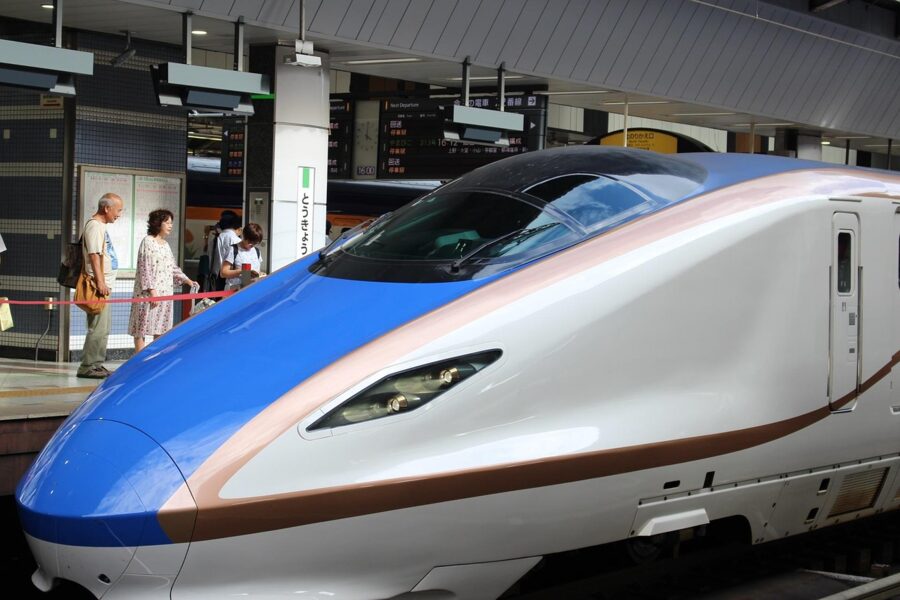
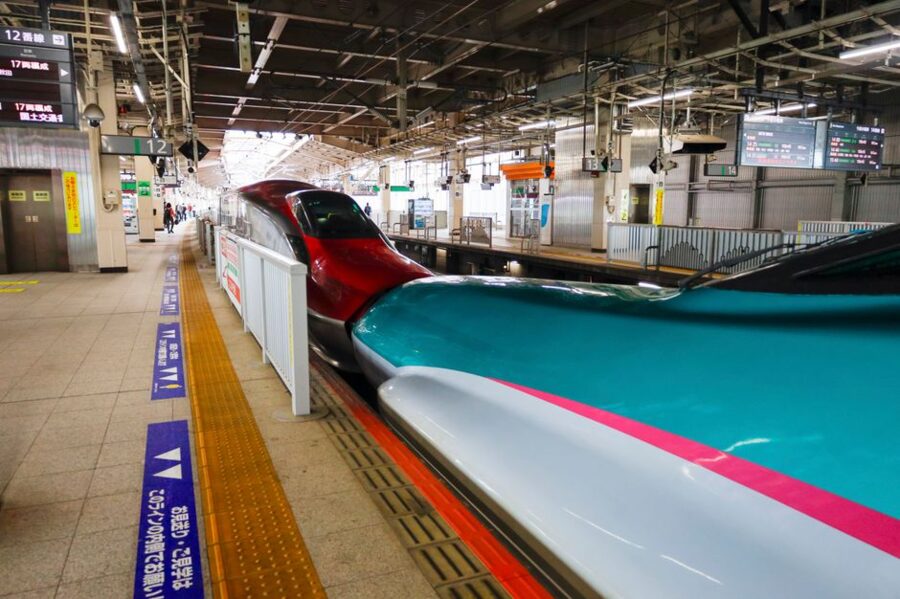
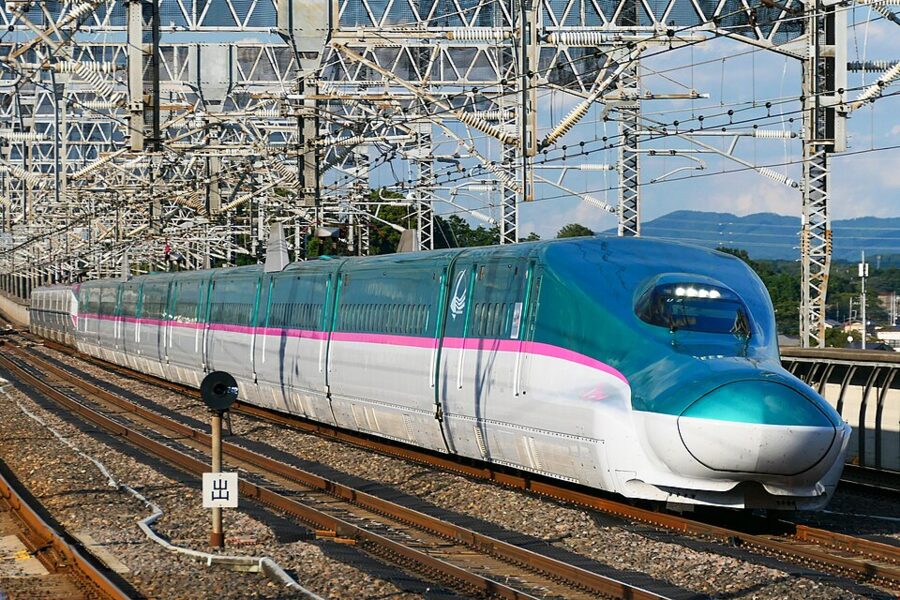
North of Tokyo the fares rose with JR East’s March 14, 2026 revision. Tokyo to Sendai costs ¥11,430 on the Hayabusa (about 1 hour 30 minutes) and ¥11,110 on the Yamabiko; to Shin-Aomori on the Hayabusa it is ¥17,910 and a little over three hours on most trains. A Sendai round trip, ¥22,860, is less than half the pass, and an Aomori round trip, ¥35,820, is still ¥14,180 short.
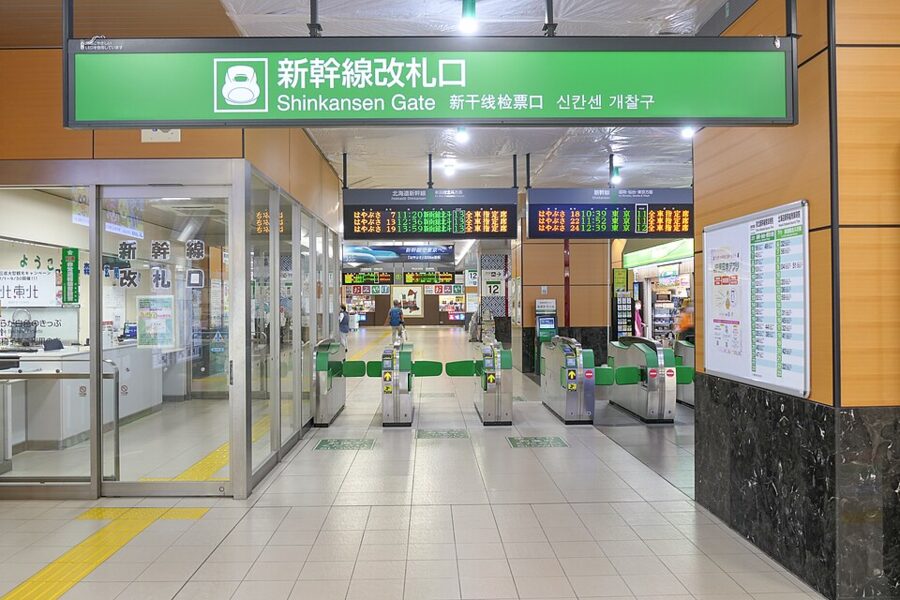

The north becomes pass territory only in combination with the west. Kyoto and Sendai in the same seven days cost ¥51,200 in tickets, ¥1,200 more than the pass. For the north on its own, the JR EAST PASS at ¥35,000 for five days is the better buy, as the Aomori round trip shows.

Nikko
JR’s route to Nikko is the Tohoku Shinkansen to Utsunomiya (¥4,930 as a ticket on its own) and the JR Nikko Line onward, about 1 hour 52 minutes and ¥5,260 in all from Tokyo Station, or ¥10,520 for the day. That is a fifth of the pass. Inside a pass week, though, the day is free, while the Tobu trains from Asakusa are not covered at all.
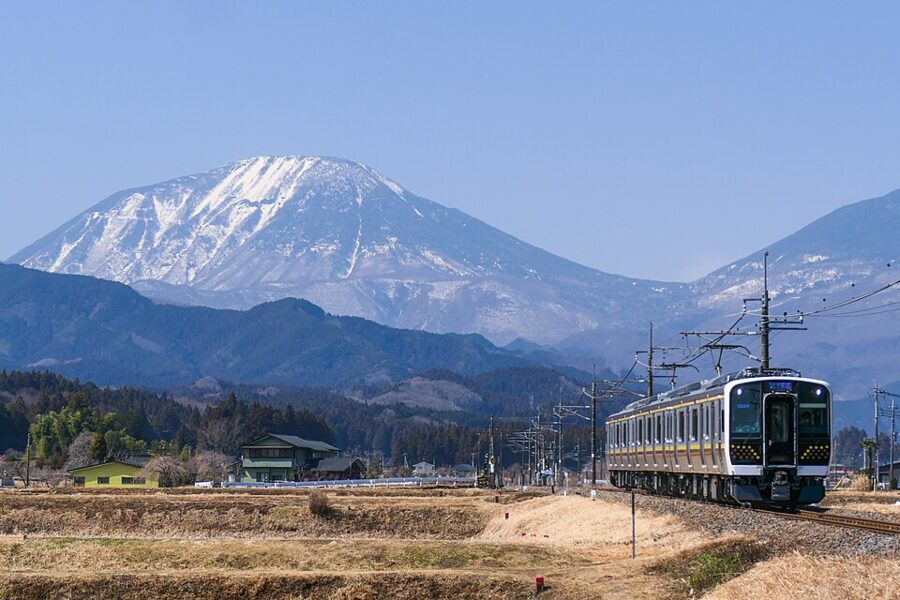

The JR limited express Nikko from Shinjuku runs through onto Tobu tracks; pass holders pay the Tobu section beyond Kurihashi. The other day trips from the capital and their fares are on day trips from Tokyo; none of them, alone or together, justifies the national pass.

Hakone
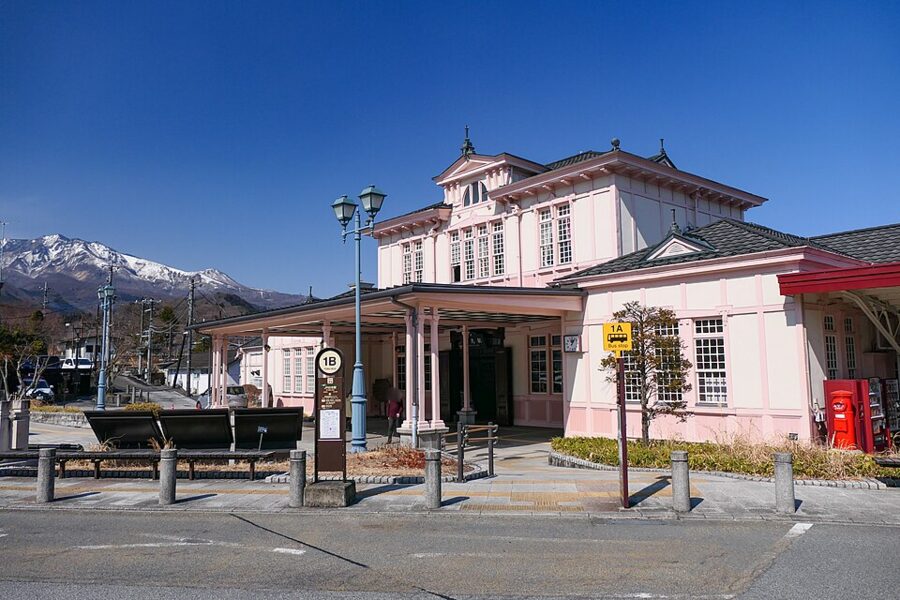
The pass gets you to Odawara and no further. Some Hikari reach Odawara in 33 minutes for ¥3,810 as a plain ticket, but everything beyond, the Hakone Tozan train, the cable car, the ropeway and the lake boat, belongs to the Odakyu group. The Hakone Freepass from Odawara costs ¥6,000 for two days, against ¥7,100 for the same pass from Shinjuku with the Odakyu ride included.
So a pass holder saves ¥1,100 by riding JR to Odawara instead of Odakyu from Shinjuku, and gives up the Romancecar to Hakone-Yumoto. The loop itself is on the Hakone page.

Mount Fuji
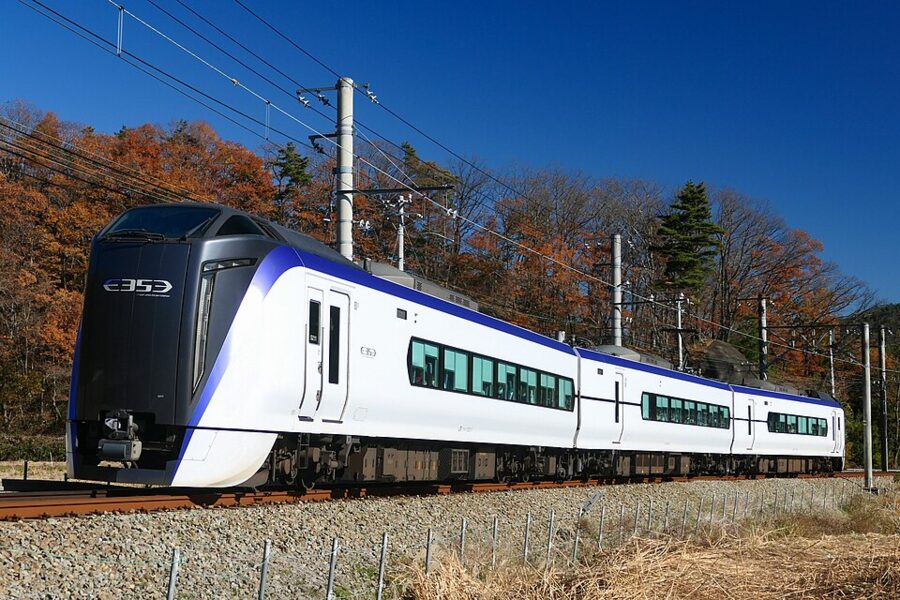
For Mount Fuji and Kawaguchiko, the pass covers the JR Chuo Line from Shinjuku to Otsuki, including the JR part of the Fuji Excursion limited express. From Otsuki the track belongs to the Fujikyu Railway, and pass holders pay Fujikyu’s own fare of ¥1,170 to Kawaguchiko, plus ¥600 for the Fujikyu share of the Fuji Excursion’s limited express charge: ¥1,770 each way.
A plain Fuji Excursion ticket from Shinjuku to Kawaguchiko costs ¥4,200, so a pass holder saves ¥2,430 each way. The Fuji Excursion has no non-reserved seats; reserve through the JR ticket machines, which handle the JR part on the pass.

Using the pass in Tokyo
A pass bought online arrives as a reservation number, and an agency pass as an exchange order. Either way, the actual ticket is issued in Japan against your passport, and the start date is set then.
Picking it up at Narita, Haneda or Tokyo Station
The JR Group lists every pick-up and exchange office. Staffed counters handle both online orders and exchange orders; the reserved-seat machines with passport readers handle only online orders, and only for passports with an IC chip.
- Narita Airport, Terminals 1 and 2·3: JR EAST Travel Service Centers in the JR stations (08:30–19:00 at Terminal 1, 08:30–20:00 at Terminal 2·3), the ticket offices before and after those hours until 21:45, and passport-reader machines 06:30–21:45.
- Haneda Airport: the JR EAST Travel Service Center on the second floor of the Tokyo Monorail’s Terminal 3 Station, next to the monorail gates, 06:45–20:00; the Tourist Information Center at Terminal 2, 06:00–22:00.
- Tokyo Station: the JR EAST Travel Service Center on your left as you leave the Marunouchi North Exit gates, 08:30–19:00; JR Central’s ticket offices at Yaesu Central and Yaesu North, 08:30–19:00 for passes; JAPAN RAIL CAFE on the first floor of GranTokyo North Tower on the Yaesu side, 09:00–16:00; and passport-reader machines from the first train to 23:50.
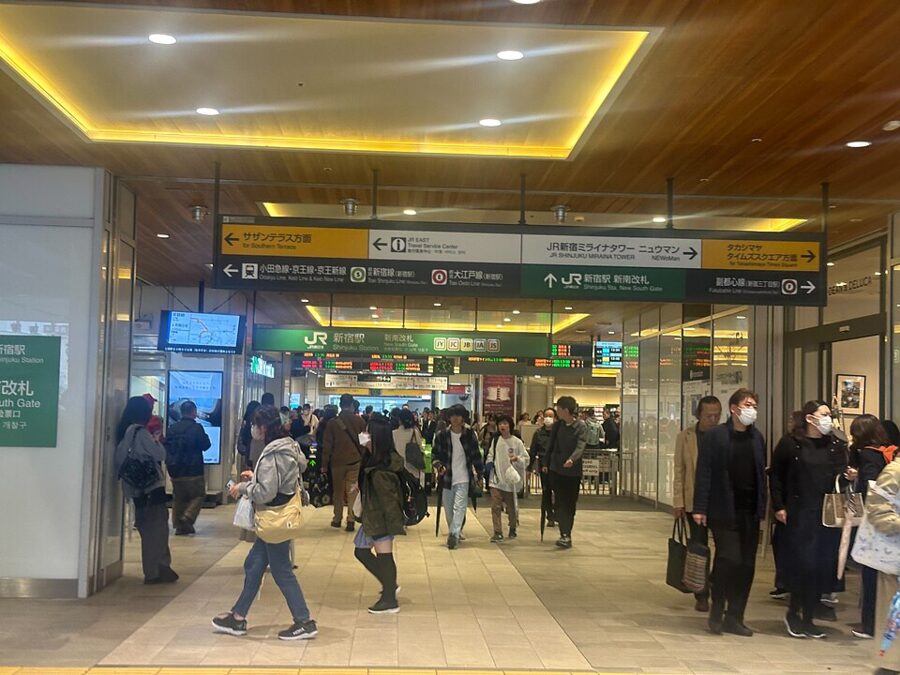
- Shinjuku: the JR EAST Travel Service Center on the right after the New South Exit gates, 08:00–19:00, with machines until 23:50.
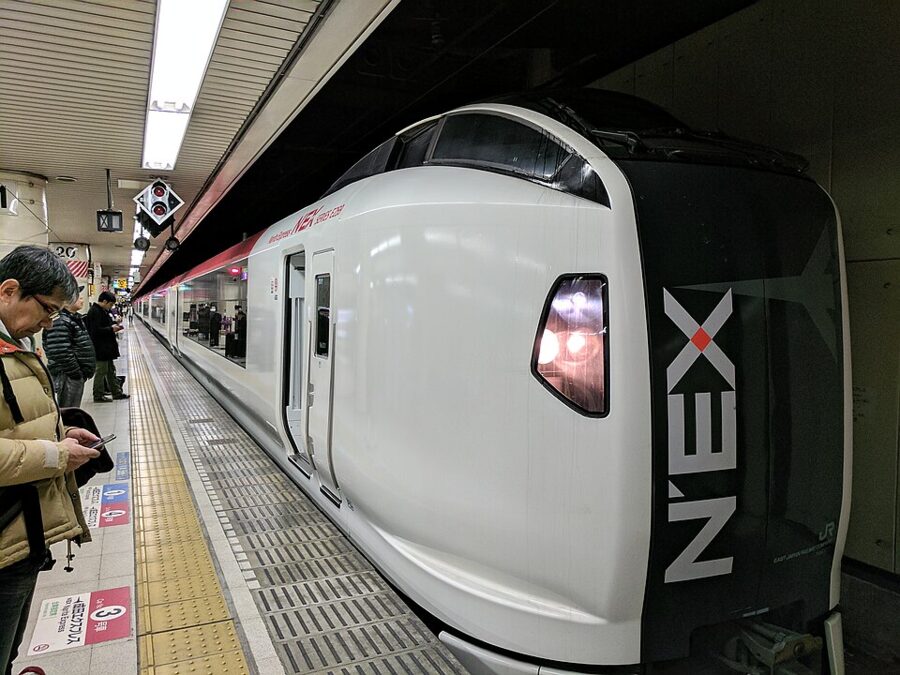
Narita is the easy place: you land, you collect, and the Narita Express into the city is the first ride on the pass. At Narita the counters can have lines when several long-haul flights land together; the machines are faster if your passport has a chip and you bought online.
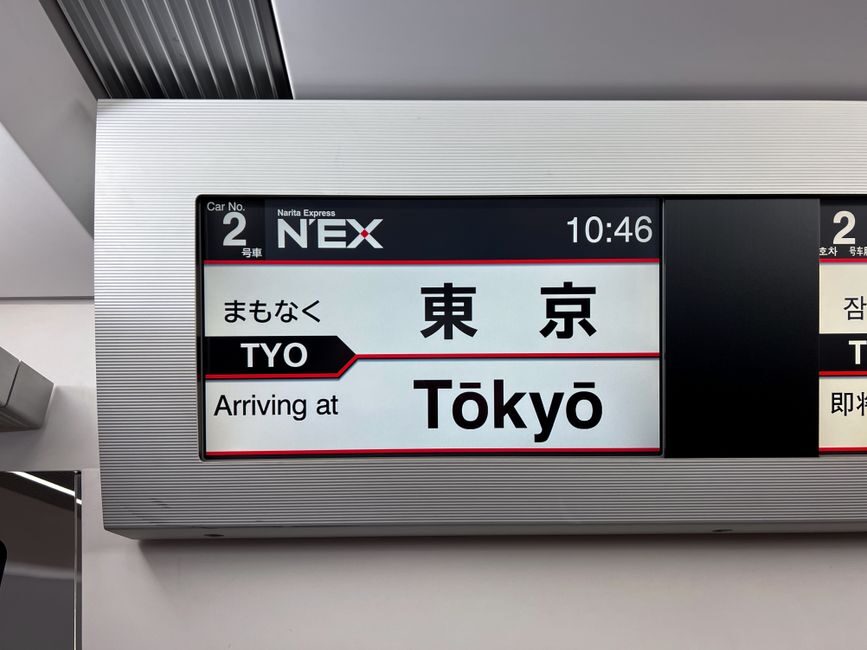
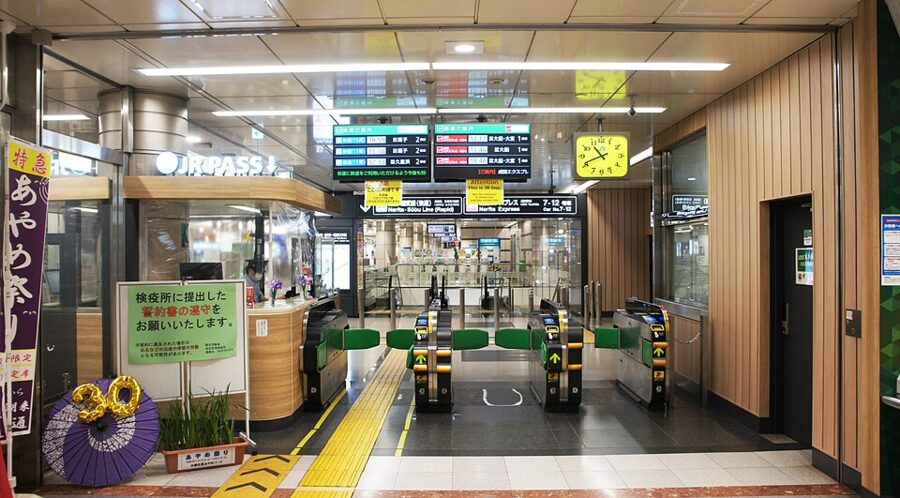


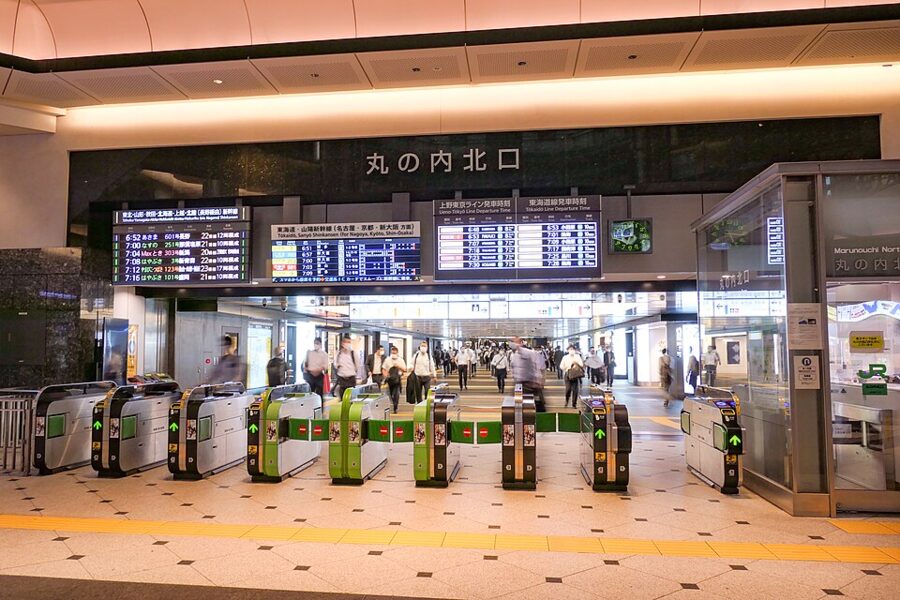

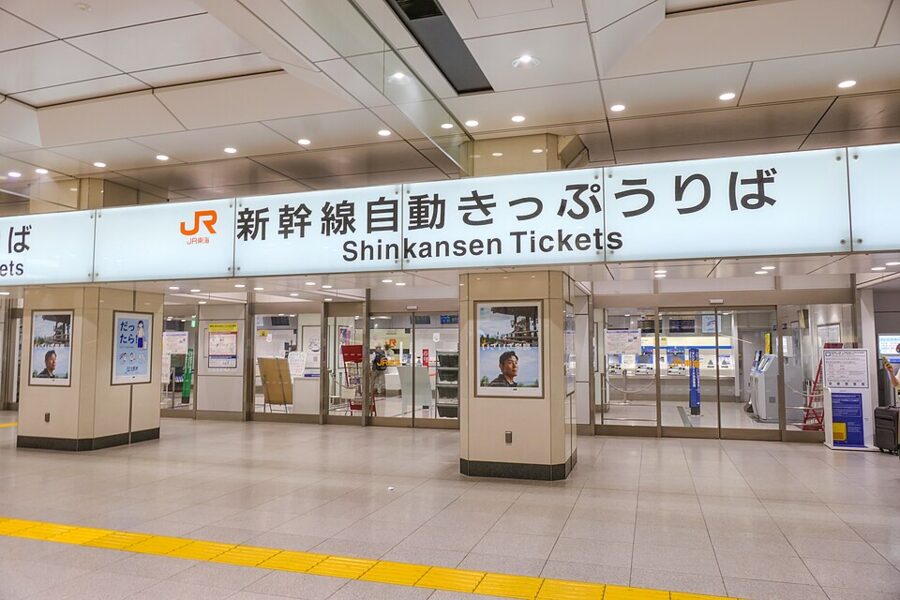
Tokyo Station has the most options but the longest walks. Collect on the Yaesu side if your first ride is the Tokaido Shinkansen, since the JR Central offices are next to its gates; collect at Marunouchi North if your first ride is north or into the city.


Choosing the start date
The pass runs from 00:00 on the start date to 24:00 on the last day, by calendar day. Collecting at the airport does not oblige you to start it there. If your first days are spent in Tokyo on the subway, collect the pass on arrival, set the start date for the morning of your first long trip, and pay the ¥520 monorail or ¥3,140 Narita Express on arrival yourself if the dates do not reach back to the airport.
For an agency exchange order, the start date can be up to a month after the exchange. Once set, it cannot be moved, and a pass that has started cannot be refunded even if a typhoon stops the trains.
Reserving seats at the machines and online
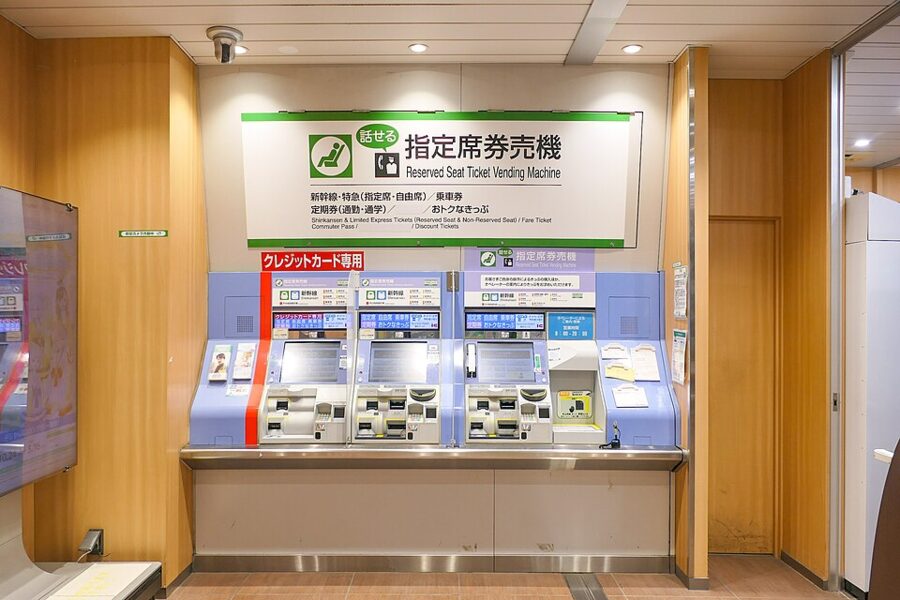
Reserved seats are free on the pass and worth booking for every Shinkansen ride. At a reserved-seat machine you scan the QR code on the pass (or type the reservation number printed on it), enter your passport number, choose the train and print the seat ticket; the machines run in English. Staffed ticket offices and travel service centers do the same, with a line.
If you bought on the official site, you can book online before you arrive and then print those tickets at a machine. Seats on JR trains go on sale at 10:00 Japan time one month before the travel date. The system refuses two seats on overlapping trains on the same day, and caps a pass at 110 reserved-seat tickets, a limit nobody reaches in 21 days.
Several trains have no non-reserved seats at all: the Hayabusa, the Komachi, the Kagayaki, the Narita Express and the Fuji Excursion among them. On those, the pass alone does not get you a seat, and you cannot switch to a reserved seat once aboard. Changes after printing go through the ticket window.
Through the gates
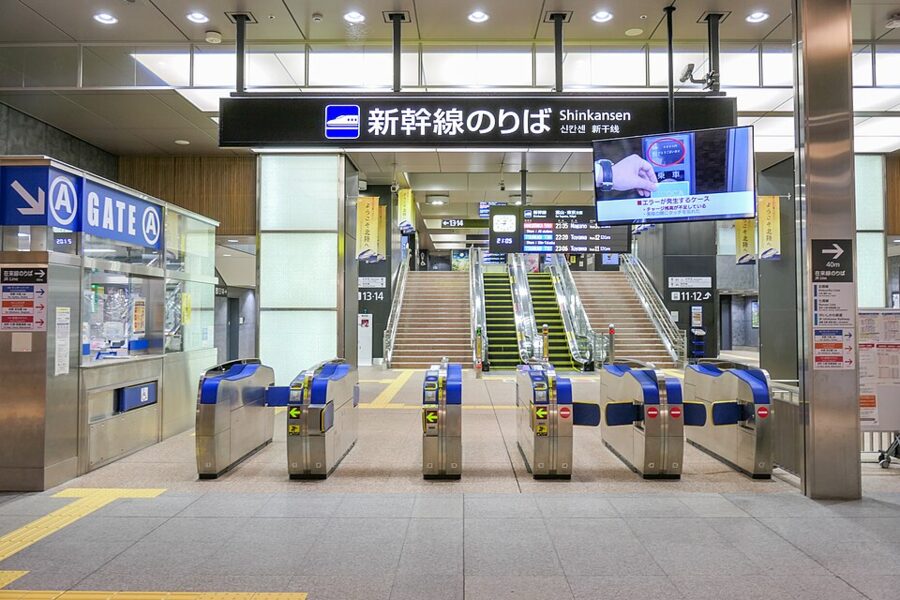
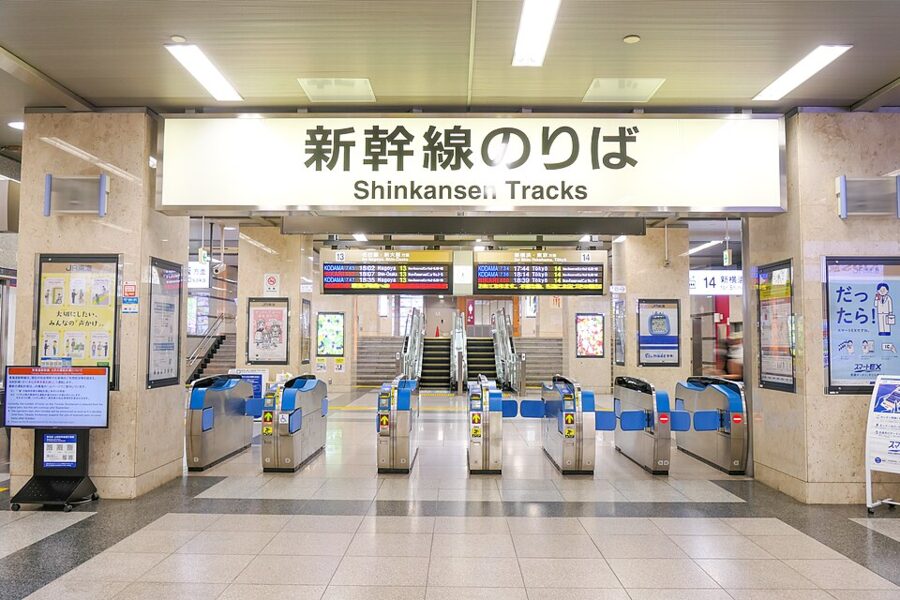
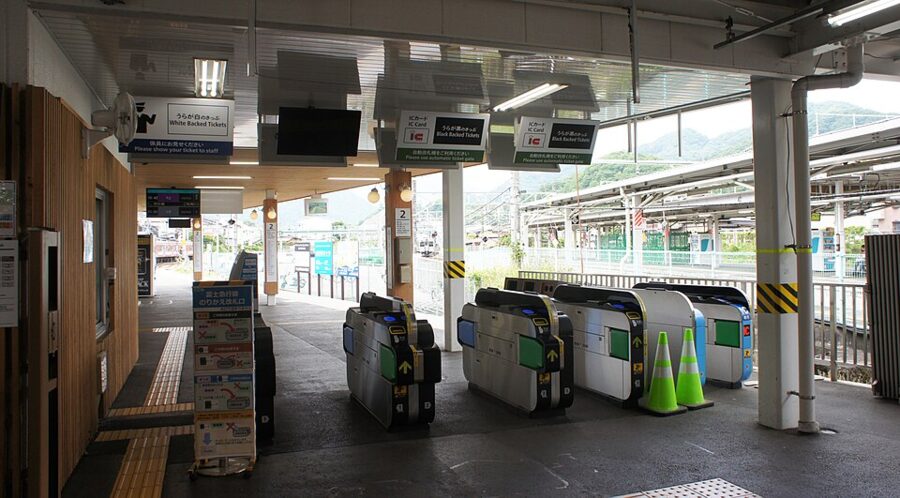
Since 2020 the pass has been a magnetic ticket that goes through JR’s automatic gates: feed it into the slot and take it back on the other side. Gates marked “IC only” will not take it. At Shinkansen transfer gates, insert the pass together with the seat ticket.
Carry your passport on every ride. Conductors and station staff can ask for it, and the conditions of use allow JR to confiscate a pass used by anyone else and charge twice the fares for every ride taken on it.
Big bags on the Shinkansen
On the Tokaido, Sanyo and Kyushu Shinkansen, any bag whose length, width and height add up to more than 160 cm (up to the 250 cm maximum) needs a seat with an oversized baggage area: one of the back-row seats in certain cars, whose occupants share the space behind them. Board without one and JR Central charges a ¥1,000 fee.
Pass holders book these seats free like any other, at the machine or the counter; choose the seat type before picking the train. Bags of 160 cm or less go in the overhead racks or the luggage area on the deck without a booking. JR Central’s rule covers its own line and the Sanyo and Kyushu Shinkansen; it does not extend to JR East’s lines north.
Peak weeks
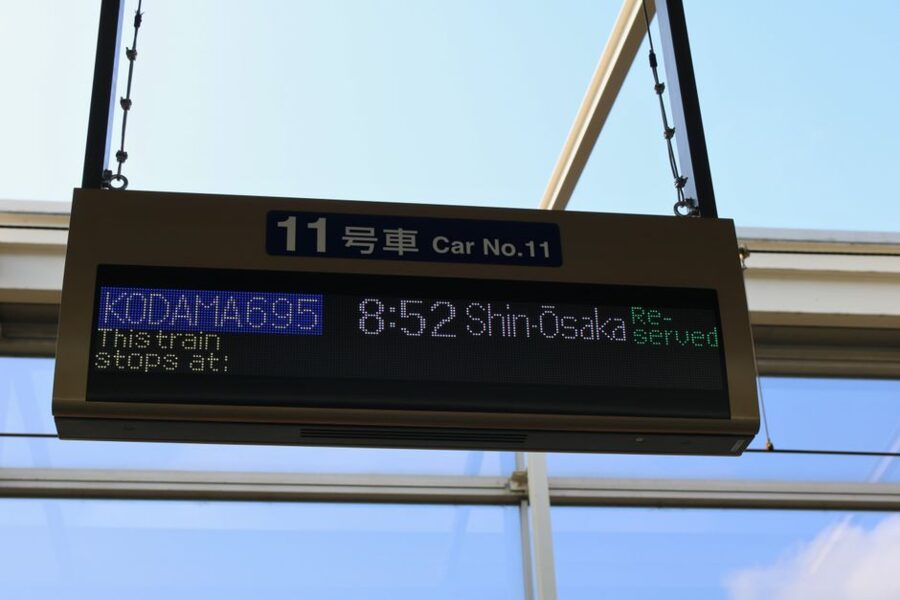
Three periods sell out every year: Golden Week (about May 1 to 6), Obon (about August 7 to 16) and the New Year (December 29 to January 3), plus three-day holiday weekends. On those dates JR Central runs every Nozomi as all-reserved, which pushes non-reserved travelers onto the Hikari and Kodama, where pass holders ride too. Book seats the day they go on sale.
Plain tickets move with the calendar: JR adds ¥200 to a reserved limited express charge in busy periods, ¥400 at the peaks, and takes ¥200 off on quiet weekdays, and JR East and JR Central publish separate season calendars. The pass price does not change, which helps its case slightly in a Golden Week trip and hurts it in a January one.

The regional passes that often pay better
JR East, JR West and JR Central each sell their own passes, mostly cheaper than the national one and better matched to a week out of Tokyo. JR East’s two are also easier to get: any foreign passport holder can buy them, at passport-reader machines and travel service centers in Japan as well as online, with no Temporary Visitor requirement.
JR EAST PASS
Since March 14, 2026 JR East has sold a single JR EAST PASS in place of its two former versions, one for Tohoku and one for Nagano and Niigata. It costs ¥35,000 for five consecutive days or ¥50,000 for ten, ¥17,500 and ¥25,000 for children, and covers all JR East lines including the Shinkansen, plus the Tokyo Monorail, the third-sector lines up to Aomori, and the JR trains that run through onto Tobu tracks to Nikko and Kinugawa.
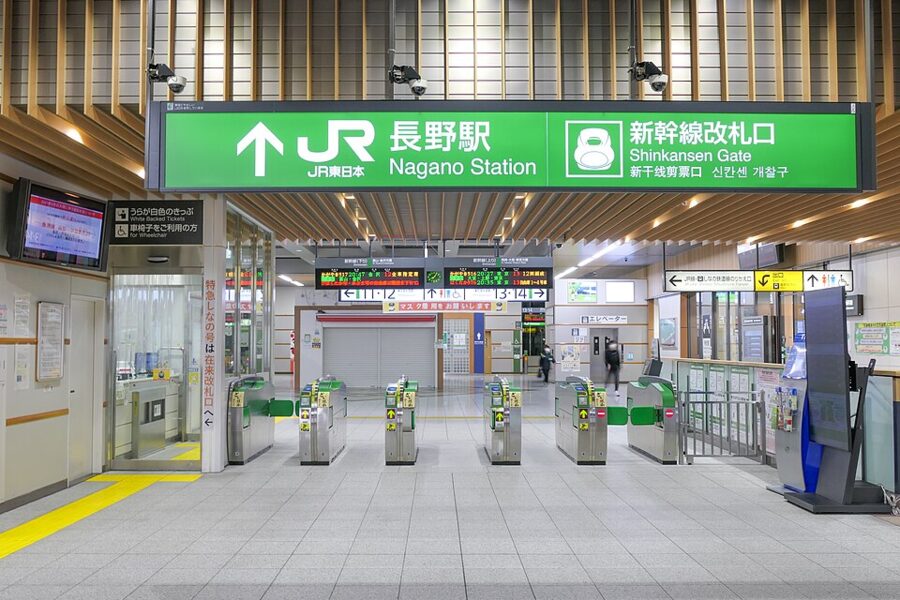
The five-day pass beats tickets on any Tokyo to Aomori round trip (¥35,820), and on the classic north loop: JR East’s own example, the Narita Express to Tokyo and the Hayabusa to Sendai and Shin-Aomori, comes to ¥52,000 in tickets. Add Nagano or Niigata and the gap widens. It does not cover the Tokaido Shinkansen, the Izu Kyuko line or the Fujikyu line.


JR TOKYO Wide Pass
The JR TOKYO Wide Pass costs ¥16,000 (¥8,000 for children) for three consecutive days, up from ¥15,000. It covers JR East lines and Shinkansen in an area that reaches Nikko, Nasu, GALA Yuzawa, the Izu peninsula, Ibaraki and the Boso coast, plus the Tokyo Monorail, the Rinkai Line, the Izu Kyuko line and, unlike the national pass, the Fujikyu line to Kawaguchiko.
That last line is what makes it the Fuji pass. A Fuji Excursion round trip (¥8,400) and a Nikko round trip (¥10,520) in three days come to ¥18,920 in tickets; the pass covers both, ¥2,920 less, with the Fuji Excursion included. Only Fujikyu’s own Fujisan View Express seats and the Fuji Tozan Densha cost extra, and the Tokaido Shinkansen is not covered.

Hokuriku Arch Pass
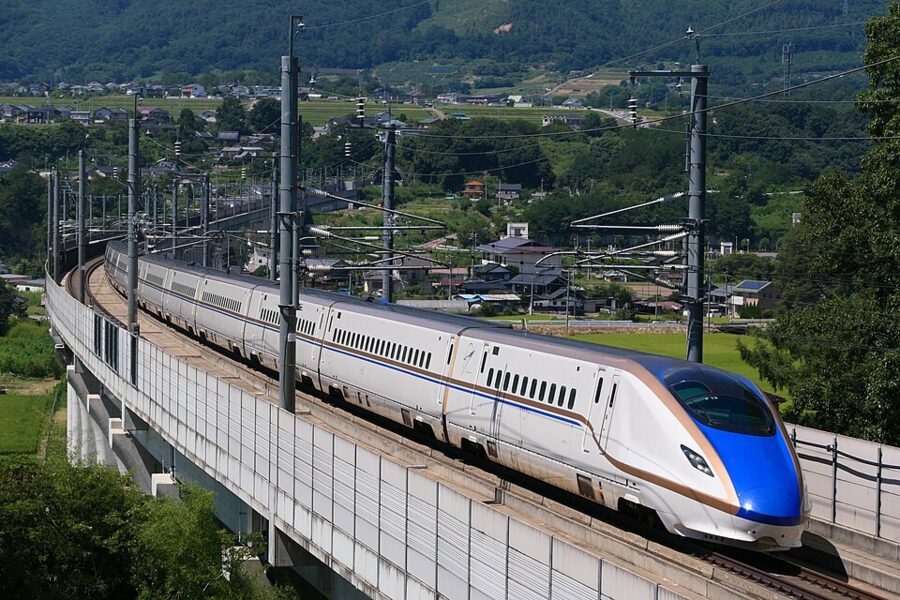
JR East and JR West sell the Hokuriku Arch Pass for ¥35,000 (¥17,500 for children) for seven consecutive days. It covers the Hokuriku Shinkansen from Tokyo through Kanazawa to Tsuruga, the Thunderbird on to Kyoto and Osaka, the Haruka to Kansai Airport, the JR lines in the Tokyo and Kansai areas on its map, and the Tokyo Monorail, but not the Tokaido or Sanyo Shinkansen.
It pays on an out-and-back through Kanazawa. Tokyo to Kanazawa and on to Kyoto, then home the same way, costs at least ¥41,800 in tickets: ¥28,800 for the Tokyo and Kanazawa round trip and ¥6,500 each way between Kanazawa and Kyoto on JR West’s visitor-only HOKURIKU One-way Ticket. That is ¥6,800 more than the pass before any airport train, and the pass also takes side trips to Toyama or Fukui. You need Temporary Visitor status, and it is sold through agencies abroad or JR West’s online reservation site from a month before, not at stations in Japan.
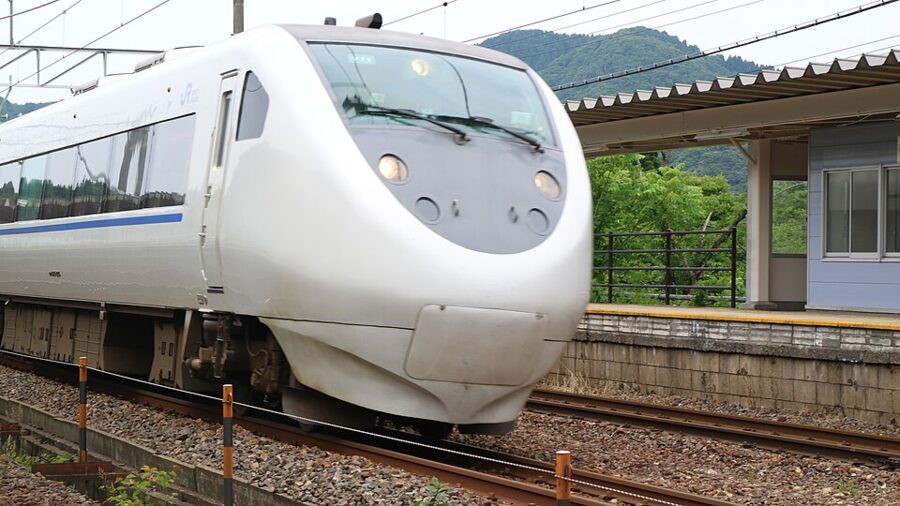

JR Central and JR West passes past Tokyo
None of JR Central’s passes covers Tokyo or the Tokaido Shinkansen; they start from Nagoya or Osaka. JR Central’s Tourist Passes are the Takayama-Hokuriku Area pass (¥19,800, five days), the Alpine-Takayama-Matsumoto Area pass (¥24,500, five days), the Ise-Kumano-Wakayama Area pass (¥16,500, five days) and the Mt. Fuji-Shizuoka Area Mini pass (¥6,500, three days). From Tokyo, you buy a one-way Shinkansen ticket to Nagoya (¥11,300 on the Nozomi) and start the pass there.
JR West’s pass that matters for a Tokyo trip is the Kansai-Hiroshima Area Pass, ¥17,000 for five days, which covers the Sanyo Shinkansen from Shin-Osaka to Hiroshima (Nozomi included) and the Haruka. With a one-way ticket from Tokyo to Shin-Osaka at ¥14,720 and a flight home from Kansai, that is ¥31,720 for Tokyo, Kyoto, Osaka, Hiroshima and the airport train, ¥18,280 under the national pass. Return to Tokyo by train instead and the national pass wins again.
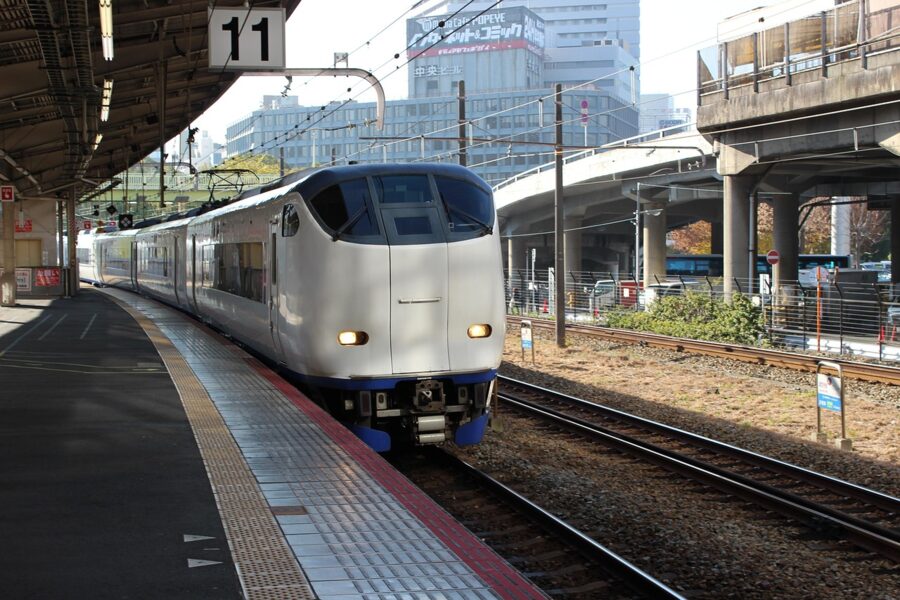
The pass in one decision
Lay the week out before buying anything. Count the long JR rides that start or end in Tokyo, price them in tickets at the fares above, and add the Narita Express if it falls inside the week. If the total passes ¥50,000, buy the seven-day pass on the official site, collect it on arrival, and set it to start on the morning of the first long trip.
If the total is under ¥50,000, check JR EAST PASS for anything north, JR TOKYO Wide Pass for Nikko and Fuji, and the Hokuriku Arch Pass for Kanazawa and back. Then buy the rest as tickets. The Kyoto round trip that started this costs ¥28,340 on its own, and the ¥21,660 it leaves on the table is the size of the second trip you need before the pass is worth having.